Engine Shaking and Loss of Power: Causes, Fixes, and Preventive Tips
Experiencing unusual behavior from your vehicle can be alarming, especially when it affects both performance and safety. One of the most noticeable signs of trouble is when the engine begins trembling while delivering less power than usual. This combination often signals that something within the engine or its supporting systems isn’t functioning properly, and it deserves immediate attention.
An engine shaking and loss of power can appear suddenly or develop gradually, becoming more noticeable during acceleration, climbing, or towing. The vibrations may be subtle at first, but as the underlying issue progresses, the shaking intensifies, and the engine struggles to maintain normal speed. These symptoms make routine driving stressful and can lead to further damage if left unresolved.
Various components contribute to this problem, ranging from fuel delivery and ignition to mechanical wear and airflow restrictions. Understanding the potential causes and observing how your engine behaves under different conditions can help you identify the source.
Addressing these issues promptly ensures not only smoother operation but also safer driving. Recognizing the signs early allows you to prevent further complications and restore reliable power to your vehicle.
Recognizing the Symptoms
Identifying symptoms early is critical when dealing with engine shaking and loss of power. These signs often start subtly but become more pronounced under load or during acceleration. Recognizing them helps you pinpoint the source, take timely action, and prevent more serious engine damage. Careful observation of how the engine behaves under different driving conditions is key to accurate diagnosis.
Engine Vibrations or Shaking During Acceleration
One of the first symptoms to notice is vibrations or shaking during acceleration. The engine may tremble slightly at low speed and worsen as you increase throttle. This occurs because one or more cylinders may not be firing correctly, causing uneven power delivery. You may also feel vibrations through the steering wheel, pedals, or seat, depending on the engine’s size and mounting.
Under normal conditions, the engine delivers smooth and consistent power. When it begins shaking, it struggles to maintain proper operation. Misfires, weak spark, or fuel delivery issues often contribute to this symptom. Engine shaking can also be accompanied by unusual noises, such as knocking or rattling, signaling internal stress. Ignoring these signs allows the underlying issue to worsen, potentially affecting additional components and making repairs more costly.
The frequency and intensity of shaking can provide clues about the source. For example, consistent shaking at idle may point to ignition or fuel problems, while shaking primarily under load often indicates mechanical or airflow issues. Observing when the vibrations occur is a critical step toward diagnosis.
Noticeable Loss of Power During Load
Another clear symptom is reduced engine power, particularly when the vehicle is under load. The engine may feel sluggish during acceleration, climbing hills, towing, or carrying heavy cargo. RPMs may drop suddenly, and the throttle may feel unresponsive. This loss of power is a sign that the engine is not generating the energy it should.
Causes can range from clogged fuel or air filters, faulty spark plugs, or ignition issues to mechanical problems such as worn piston rings or low compression. Fuel delivery problems often cause hesitation and surging, while mechanical deficiencies make the engine struggle to maintain speed even under light pressure.
This symptom affects not only performance but also driving confidence. Vehicles that lose power unexpectedly can feel unsafe in traffic or on slopes. Tracking when and how power drops occur helps isolate the cause and informs which system needs inspection first.
Unusual Engine Noises Accompanying Shaking
Engine shaking and loss of power are often accompanied by unusual noises. You might hear knocking, pinging, or rattling coming from the engine compartment. These sounds can indicate detonation, worn components, or misfires, all of which compromise engine efficiency.
Listening carefully while driving helps identify whether the noise correlates with acceleration, idling, or load conditions. Misfires often produce sharp or stuttering sounds, while mechanical wear can create consistent knocking or tapping. These audio cues complement physical sensations, giving you more information to diagnose the issue.
Ignoring abnormal sounds alongside shaking and power loss can accelerate damage. Components such as pistons, valves, or bearings may deteriorate faster under strain, leading to more extensive repairs. Early recognition of these warning signs helps prioritize inspection and intervention.
Performance Fluctuations and Hesitation
Fluctuating engine performance is another key symptom. You may notice the vehicle hesitating during acceleration or losing power intermittently. These fluctuations often indicate irregular combustion, which could result from ignition, fuel, or airflow issues.
Under load, inconsistent performance becomes more apparent. Hesitation may force you to press harder on the accelerator, further stressing the engine. Surging RPM or uneven power delivery often accompanies this symptom, creating an unstable driving experience.
Monitoring these patterns over time helps identify the conditions under which the engine struggles most. For instance, hesitation primarily under load may suggest fuel or ignition system problems, while constant fluctuations could point to mechanical deficiencies. Keeping track of these patterns supports accurate diagnosis and timely maintenance.
Fuel System Issues
The fuel system is essential for delivering the right amount of gasoline to the engine for proper combustion. Problems within this system are a common cause of engine shaking and loss of power. Even small disruptions in fuel flow, contamination, or delivery pressure can significantly impact performance, especially under load. Understanding these issues helps identify the source of trouble and restore engine efficiency.
Clogged Fuel Filter
A clogged fuel filter restricts the flow of gasoline to the engine, which directly affects power output. At idle, the engine may appear to run normally, masking the problem. However, under load or during acceleration, the restriction prevents the engine from receiving enough fuel, resulting in hesitation, stalling, or reduced RPM.
Over time, dirt, debris, and sediment accumulate in the filter, reducing flow and increasing the strain on the fuel pump. The engine works harder to compensate, which can intensify shaking and overall instability. Consistent filter maintenance is essential, as a clogged filter not only reduces performance but also increases wear on other fuel system components.
Replacing or cleaning the fuel filter restores proper flow, ensuring smooth acceleration and consistent power under demanding conditions. Regular inspection prevents fuel delivery problems from escalating into more serious engine issues.
Dirty or Malfunctioning Carburetor
The carburetor controls the air-fuel mixture entering the engine. When jets become clogged or components stick due to dirt, varnish, or old fuel, the mixture becomes uneven. This causes misfires, hesitation, and noticeable power loss, especially under heavy load. At idle or low throttle, the engine may run smoothly, which can make this problem difficult to detect initially.
An improperly functioning carburetor prevents the engine from receiving the correct fuel ratio. Lean mixtures cause overheating and knocking, while rich mixtures result in sluggish performance and black smoke from the exhaust. Both conditions contribute to shaking and reduced power during acceleration.
Cleaning and adjusting the carburetor ensures proper fuel delivery, restores smooth engine operation, and prevents recurring power issues. Periodic maintenance is crucial for keeping the carburetor functioning efficiently under load.
Fuel Line Leaks or Blockages
Fuel lines carry gasoline from the tank to the engine. Over time, hoses may crack, harden, or collapse, while connections can loosen, allowing air to enter or fuel to leak. These issues disrupt fuel flow, causing inconsistent engine performance and shaking under load.
Even minor leaks or partial blockages can lead to insufficient fuel delivery during acceleration or heavy use. The engine may hesitate, surge, or experience sudden drops in power, making it feel unstable. Fuel line problems also increase stress on the fuel pump and carburetor, potentially causing further damage.
Regularly inspecting fuel lines for cracks, leaks, or kinks, and replacing deteriorated hoses, ensures proper flow and prevents interruptions in fuel supply. Addressing these issues promptly helps maintain consistent engine power and smooth operation.
Stale or Contaminated Fuel
Using old or contaminated fuel can create combustion inefficiencies that lead to shaking and power loss. Water, dirt, or ethanol residue in gasoline prevents complete combustion, reducing engine output and creating uneven running conditions.
Under load, the engine demands more energy, and contaminated fuel cannot provide sufficient power. Symptoms include hesitation, sputtering, and unstable RPM, especially during acceleration or towing. Repeated use of poor-quality fuel also contributes to carburetor deposits and clogged filters, exacerbating fuel system problems.
Draining old fuel and using fresh, clean gasoline resolves these issues and improves engine performance. Regular fuel maintenance and proper storage prevent contamination, ensuring smooth operation and consistent power under load.
Ignition System Problems
The ignition system plays a crucial role in ensuring the engine runs smoothly and delivers consistent power. Faults in this system are a common reason for engine shaking and loss of power. Weak sparks, timing issues, or failing components can disrupt combustion, causing hesitation, rough running, or reduced engine output. Understanding these problems helps you identify the cause and restore reliable performance.
Worn or Fouled Spark Plugs
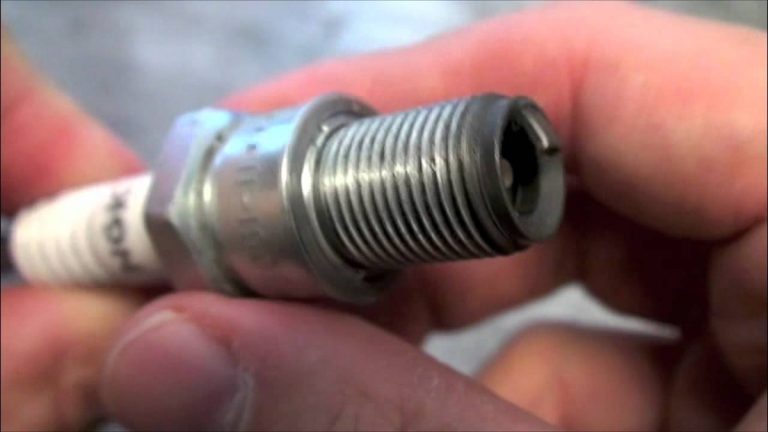
Spark plugs are responsible for igniting the air-fuel mixture inside the engine. When they become worn or fouled with carbon, oil, or debris, the spark weakens, leading to incomplete combustion. At idle, the engine may seem to run normally, but under load, reduced spark energy causes misfires, hesitation, and noticeable power loss.
Worn spark plugs can also increase fuel consumption and produce excessive exhaust smoke. The engine struggles to maintain consistent RPM, creating vibrations that contribute to shaking. These symptoms are more pronounced during acceleration, towing, or climbing, when cylinder demand is higher.
Replacing spark plugs at the manufacturer-recommended intervals ensures consistent spark delivery. Properly gapped and clean plugs help the engine maintain stable combustion, reducing shaking and restoring smooth power under load.
Faulty Ignition Coil
The ignition coil generates the high voltage needed for spark plug operation. A weak or failing coil reduces spark intensity, leading to misfires and uneven combustion. While the engine may run at low speeds, it struggles to maintain power under heavy load or rapid acceleration.
Symptoms of a faulty coil include engine shaking, hesitation, and inconsistent RPM. You may notice the issue worsens as the engine warms up, as heat can further degrade coil performance. Weak coils also place extra stress on spark plugs, reducing their lifespan and increasing maintenance costs.
Testing coil output under load conditions helps identify weak or failing units. Replacing a faulty ignition coil restores consistent spark delivery, improving throttle response, reducing vibrations, and maintaining reliable engine power during demanding operation.
Ignition Timing Issues
Ignition timing determines when the spark ignites the air-fuel mixture during the compression cycle. Incorrect timing can cause the mixture to ignite too early or too late, reducing power and creating vibrations. These timing errors are often subtle at idle but become pronounced under load.
Late ignition timing causes sluggish acceleration and hesitation, while early timing can lead to knocking and overheating. Both conditions reduce the engine’s ability to maintain steady power, contributing to shaking and inefficient operation during heavy workloads.
Checking and adjusting ignition timing ensures the spark occurs at the optimal moment for combustion. Correct timing improves efficiency, smooths engine operation, and restores consistent power under load, preventing the vibrations and performance issues associated with timing errors.
Worn or Damaged Ignition Wires
Ignition wires carry high-voltage current from the coil to the spark plugs. Over time, these wires can degrade, crack, or develop internal resistance. Damaged wires reduce spark strength, causing misfires and uneven combustion. At idle, these issues may be less noticeable, but under load, they contribute to shaking and reduced power.
Symptoms include intermittent hesitation, rough acceleration, and fluctuating RPM. Damaged wires also increase the workload on other ignition components, accelerating wear and potentially causing further misfires. Visual inspection often reveals cracks, corrosion, or worn insulation.
Replacing worn or damaged ignition wires restores proper spark delivery to each cylinder. This ensures complete combustion, reduces engine shaking, and maintains steady power output, especially during heavy tasks where reliable ignition is critical.
Air Intake and Exhaust Restrictions
Proper airflow is essential for engine efficiency, combustion, and power delivery. Restrictions in the air intake or exhaust system prevent the engine from breathing correctly, leading to engine shaking and loss of power. These issues often develop gradually, becoming noticeable under load when the engine demands maximum airflow. Identifying and resolving these restrictions is key to restoring performance.
Clogged Air Filter
A clogged air filter is one of the most common causes of restricted airflow. Dust, debris, and pollen accumulate over time, limiting the oxygen entering the engine. At idle, this may not noticeably affect performance, but under load, the engine struggles to maintain proper combustion, leading to hesitation, power loss, and vibration.
Insufficient air affects the air-fuel ratio, often resulting in a rich mixture that causes incomplete combustion. This imbalance can generate excessive exhaust smoke, increase fuel consumption, and produce engine knocking. You may also notice a rough idle or surging under acceleration, indicating that the engine is not receiving the oxygen it needs.
Regular inspection and timely replacement of the air filter restore unrestricted airflow. Ensuring the intake path is free from debris and blockages allows the engine to maintain stable RPM, smooth operation, and consistent power during demanding tasks.
Blocked or Damaged Intake Ducts
Intake ducts and hoses guide air from the filter to the combustion chamber. Over time, these passages can become blocked with debris or suffer damage such as cracks or collapsing sections. These issues restrict airflow, especially under high engine loads, and contribute to shaking and reduced power.
A blocked duct forces the engine to work harder to draw in air, reducing combustion efficiency. Symptoms include hesitation during acceleration, uneven power delivery, and engine vibration. You may also notice a decrease in overall throttle response and increased fuel consumption as the engine compensates for reduced oxygen intake.
Regularly inspecting intake ducts and ensuring they are free of obstructions or damage helps maintain smooth airflow. Repairing or replacing damaged components prevents restricted breathing and supports stable engine operation under load.
Exhaust System Restrictions
The exhaust system allows combustion gases to exit the engine efficiently. Restrictions such as carbon buildup, collapsed muffler internals, or clogged spark arrestor screens increase back pressure. This prevents the engine from expelling gases properly, reducing power output and causing engine shaking during heavy use.
Restricted exhaust flow also disrupts the engine’s ability to intake fresh air efficiently, further impairing combustion. Symptoms include hesitation under load, sluggish acceleration, increased engine heat, and uneven RPM. Over time, excessive back pressure accelerates wear on internal components and reduces overall engine efficiency.
Cleaning carbon deposits, inspecting the muffler, and maintaining the spark arrestor screen help restore proper exhaust flow. Ensuring the exhaust system operates freely allows the engine to expel gases effectively, improving combustion, reducing vibrations, and restoring lost power.
Heat-Related Effects from Restricted Airflow
Both intake and exhaust restrictions contribute to increased engine temperatures. Poor airflow prevents proper cooling, causing components to expand and further reducing efficiency. Higher heat also affects combustion quality, resulting in shaking and power loss.
Monitoring engine temperature during operation can reveal potential airflow issues. Overheating often coincides with hesitation, uneven acceleration, or rough running. Addressing air intake and exhaust restrictions not only restores engine power but also protects critical components from thermal damage.
Proper maintenance of filters, ducts, and exhaust components ensures smooth airflow, efficient combustion, and stable engine operation. By eliminating restrictions, the engine can maintain full power under load and operate reliably over time.
Engine Mechanical Concerns
Engine mechanical issues are a major factor in engine shaking and loss of power. Over time, wear, misalignment, or damage to internal components can reduce efficiency and compromise performance. These concerns often remain unnoticed during light use but become evident under load when the engine must produce maximum power. Identifying and addressing mechanical problems early helps restore reliability and prevents more serious damage.
Low Compression Due to Worn Piston Rings or Cylinders
Low compression is a common mechanical cause of power loss. Worn piston rings or cylinder walls allow combustion gases to escape, reducing the force generated during each power stroke. At idle, the engine may seem to run normally, but under load, it struggles to maintain RPM and produce sufficient torque.
Symptoms include engine shaking, hesitation during acceleration, and reduced power output. You may also notice increased fuel consumption and higher exhaust smoke, particularly if oil is entering the combustion chamber through worn rings. Low compression forces the engine to work harder, further accelerating wear on other components.
Performing a compression test helps identify cylinders with reduced pressure. Addressing worn rings, cylinders, or related components restores proper combustion efficiency, improving engine stability and power delivery during heavy use. Timely maintenance prevents more severe mechanical failures.
Valve Clearance Problems
Valve clearance issues affect engine breathing and overall performance. Valves that are too tight may not fully close, causing compression loss, while valves that are too loose can disrupt timing and airflow. Under load, these problems reduce power output and contribute to engine vibrations.
Symptoms include rough running, misfires, or hesitation under acceleration. The engine may shake during sustained workloads, and performance may fluctuate unpredictably. Incorrect valve clearance also increases wear on valve seats, cams, and other internal components, potentially leading to costly repairs if ignored.
Regular inspection and adjustment of valve clearance help restore proper timing and airflow. Correct valve operation ensures the engine maintains smooth combustion and consistent power, reducing shaking and improving reliability under demanding conditions.
Worn Bearings or Camshaft Components
Internal wear of bearings, camshaft lobes, or connecting rods increases friction and reduces engine efficiency. Excessive friction makes the engine work harder to produce power, especially under load. Shaking, rough operation, and reduced throttle response are common symptoms of internal wear.
Over time, worn bearings can cause knocking or tapping noises, while camshaft wear affects valve timing and engine balance. These issues compromise smooth power delivery and increase the risk of further mechanical failure. Engine overheating and uneven performance often accompany worn internal components.
Addressing wear through timely replacement of bearings, camshaft components, or related parts restores internal efficiency. Proper lubrication and regular maintenance slow down wear, allowing the engine to maintain stable power and reduce shaking during heavy workloads.
Crankshaft or Timing Issues
Crankshaft and timing components play a critical role in synchronizing engine operation. Misalignment or wear in these parts can create imbalance, vibrations, and power loss. Under load, the engine may shake noticeably, hesitate, or fail to maintain RPM.
Symptoms include uneven power delivery, loud knocking or rattling noises, and difficulty accelerating under load. Timing irregularities affect combustion efficiency, leading to poor performance and increased stress on other mechanical components. Ignoring these issues can result in catastrophic engine failure.
Regular inspection of timing gears, chains, and the crankshaft helps identify misalignment or wear before major damage occurs. Correcting timing and ensuring proper crankshaft balance restores smooth operation, stable power, and reduces engine shaking during demanding tasks.
Excessive Internal Friction
Friction inside the engine reduces the energy available to produce power. Worn components, improper lubrication, or contamination in the oil can increase friction, leading to engine shaking and reduced output under load. Symptoms often include sluggish acceleration, rough running, and higher operating temperatures.
Internal friction forces the engine to expend more energy moving parts rather than producing power, which magnifies shaking and reduces efficiency. Overheating, accelerated wear, and reduced engine lifespan are common consequences of untreated friction issues.
Routine oil changes, proper lubrication, and addressing worn parts help minimize friction. Reducing internal resistance restores engine efficiency, smooth operation, and reliable power output during heavy workloads.
Electrical System Faults
The electrical system is vital for engine operation, controlling ignition, sensors, and fuel delivery in modern engines. Faults within this system often lead to engine shaking and loss of power. Even minor electrical issues, such as weak connections or failing components, can disrupt combustion and reduce performance. Understanding common electrical faults helps pinpoint the cause and restore smooth engine operation.
Weak or Failing Battery
A weak or failing battery can cause inconsistent power to the ignition system, sensors, and fuel pump. While the engine may start and run at idle, under load it may struggle to maintain power. Reduced voltage can lead to misfires, hesitation, and intermittent shaking, particularly during acceleration or towing.
Symptoms of a weak battery include dimming lights, slow cranking, and unstable engine RPM under load. A battery that cannot deliver consistent power puts extra strain on the alternator and ignition components, potentially leading to further electrical issues.
Testing battery voltage under load can reveal its condition. Replacing a failing battery ensures stable electrical supply, improving spark consistency and maintaining engine performance. Regular battery maintenance prevents interruptions that lead to power loss and engine shaking.
Faulty Alternator or Charging System
The alternator provides continuous electrical power while the engine runs and charges the battery. A failing alternator can produce inconsistent voltage, affecting ignition timing, fuel injection, and sensor operation. Under load, this can cause engine shaking, hesitation, and reduced power output.
Symptoms include fluctuating RPM, dimming dashboard lights, or warning indicators. Electrical components may perform inconsistently, causing misfires or rough running. Over time, a weak alternator can damage the battery, ignition coil, and other sensitive components, compounding performance issues.
Testing alternator output while the engine is running helps determine if it is supplying consistent voltage. Replacing or repairing a failing alternator restores stable electrical power, supporting smooth combustion and steady engine performance under demanding conditions.
Faulty Ignition Components
Ignition components, including the coil, spark plugs, and ignition module, rely on proper electrical supply. Faulty coils or wiring cause weak or intermittent sparks, leading to incomplete combustion and engine shaking. Power loss becomes noticeable under load when cylinders require maximum spark energy.
Symptoms of ignition electrical faults include misfires, uneven acceleration, and rough running. The engine may hesitate, surge, or struggle to maintain RPM, particularly under heavy load. These issues often worsen as components heat up, further reducing spark efficiency.
Inspecting ignition wiring, testing coil output, and replacing worn components restore consistent spark delivery. Proper maintenance ensures stable combustion, smooth engine operation, and consistent power output during high-demand conditions.
Loose or Corroded Wiring Connections
Loose or corroded wiring can interrupt electrical flow to critical engine components, including sensors, ignition, and fuel systems. Even partial disconnections reduce performance and can trigger engine shaking or loss of power. Electrical resistance from corrosion increases voltage drop, impacting system reliability.
Symptoms include intermittent misfires, hesitation, fluctuating RPM, and occasional stalling under load. Visual inspection often reveals corroded terminals, frayed wires, or loose connectors, which worsen over time if not addressed.
Cleaning, securing, and replacing damaged wires or terminals restores reliable electrical flow. Ensuring tight, corrosion-free connections helps maintain stable engine performance, preventing power loss and vibrations during demanding operation.
Malfunctioning Sensors
Modern engines rely on sensors such as the throttle position sensor, crankshaft position sensor, or oxygen sensor to optimize fuel delivery and ignition timing. Malfunctioning sensors provide inaccurate readings, disrupting engine operation and contributing to shaking and reduced power under load.
Symptoms include rough running, hesitation, reduced acceleration, and inconsistent RPM. The engine may surge or feel unresponsive during high-demand tasks. Sensor faults often trigger diagnostic codes, helping identify the affected system.
Testing and replacing faulty sensors restores accurate data for the engine control system, ensuring optimal fuel-air mixture, ignition timing, and overall performance. Proper sensor function is critical for smooth engine operation and consistent power output.
Diagnostic and Repair Steps
Diagnosing engine shaking and loss of power requires a structured approach to identify the root cause. Skipping steps or guessing can lead to unnecessary repairs and continued issues. By systematically checking fuel, ignition, air intake, mechanical, and electrical systems, you can pinpoint the problem and take precise corrective action. Following clear diagnostic and repair steps ensures reliable engine performance.
Step 1: Inspect the Fuel System
Begin by examining the fuel system, as it is a common cause of power loss and engine shaking. Start with the fuel filter, checking for clogs or buildup that restrict flow. Inspect fuel lines for cracks, leaks, or collapsed sections, which can allow air into the system or reduce fuel delivery. Stale or contaminated fuel should also be replaced to ensure proper combustion.
Next, evaluate the carburetor or fuel injection system. Clogged jets, varnish buildup, or improper adjustment can disrupt the air-fuel mixture, causing hesitation, rough running, and reduced power. Testing fuel flow under pressure ensures the engine receives an adequate fuel supply during heavy use.
Addressing fuel system issues typically involves cleaning or replacing the filter, flushing fuel lines, and servicing the carburetor. Proper fuel maintenance restores stable engine performance and prevents shaking under load.
Step 2: Check Ignition Components
The ignition system plays a critical role in consistent power delivery. Inspect spark plugs for wear, fouling, or incorrect gaps. Weak plugs reduce spark strength, leading to misfires, hesitation, and vibrations, particularly under load. Check ignition coils and wires for damage or deterioration, as these affect spark reliability.
Timing issues should also be considered. Incorrect ignition timing disrupts combustion, causing engine shaking and poor acceleration. Testing spark strength and timing under load confirms proper operation and identifies weak or failing components.
Repair steps include replacing worn plugs, damaged wires, or faulty coils, and adjusting ignition timing as needed. Ensuring a strong and consistent spark restores smooth engine operation and eliminates hesitation during heavy tasks.
Step 3: Examine Air Intake and Exhaust
Airflow is essential for combustion efficiency. Inspect the air filter for dirt or blockage, and clean or replace it as needed. Check intake ducts for debris, cracks, or collapses that may restrict airflow, leading to shaking and power loss under load.
Exhaust restrictions should also be evaluated. Carbon buildup, damaged mufflers, or clogged spark arrestor screens increase back pressure, preventing the engine from expelling gases efficiently. This reduces power output and contributes to vibrations during acceleration or sustained workloads.
Cleaning the air intake system and servicing the exhaust restores proper airflow and exhaust flow. This improves combustion efficiency, reduces engine shaking, and enhances throttle response and overall power.
Step 4: Assess Mechanical Condition
Mechanical issues such as low compression, worn piston rings, or incorrect valve clearance directly affect power and engine smoothness. Perform a compression test to identify weak cylinders. Inspect valve clearance, camshaft components, and bearings for wear or misalignment.
Symptoms like rough acceleration, unstable RPM, or excessive engine vibration often point to mechanical deficiencies. Addressing these problems may require adjusting valves, replacing worn components, or performing more extensive engine repairs.
Maintaining proper mechanical condition ensures smooth combustion and optimal power delivery. Early intervention prevents further wear and preserves long-term engine performance.
Step 5: Check Electrical Systems
Electrical faults can disrupt ignition, fuel delivery, and sensor signals. Inspect the battery, alternator, wiring connections, and ignition components. Look for loose, corroded, or damaged connections that could interrupt electrical flow. Test sensors critical to fuel and ignition timing for proper function.
Repair steps include cleaning or tightening connections, replacing faulty sensors or ignition components, and ensuring stable voltage from the battery and alternator. A healthy electrical system maintains consistent spark, accurate sensor data, and reliable engine power, reducing shaking and restoring performance under load.
FAQs
What Causes Engine Shaking And Loss Of Power?
Engine shaking and loss of power are usually caused by issues with fuel, ignition, air intake, exhaust, or internal engine components. Fuel problems like clogged filters, dirty carburetors, or stale gasoline reduce combustion efficiency. Ignition faults, including worn spark plugs, weak coils, or timing issues, lead to misfires and uneven engine operation.
Air intake and exhaust restrictions can prevent the engine from breathing properly, while mechanical problems such as low compression, worn piston rings, or valve clearance issues reduce power output. Electrical faults, like weak batteries or damaged wiring, also contribute. Identifying the source is essential for restoring smooth engine performance.
How Can I Tell If Fuel System Issues Are Causing Shaking And Power Loss?
Fuel system problems often present as hesitation, surging, or reduced RPM under load. You may notice the engine runs normally at idle but struggles during acceleration, towing, or climbing. Common culprits include clogged fuel filters, damaged fuel lines, or a dirty carburetor affecting the air-fuel mixture.
Testing fuel flow under pressure and inspecting fuel lines, filters, and the carburetor can help determine the issue. Replacing or cleaning clogged components often restores consistent fuel delivery, improving combustion efficiency, reducing engine shaking, and restoring power under heavy workloads.
Can Ignition Problems Lead To Engine Shaking And Power Loss?
Yes, ignition problems are a common cause of shaking and power reduction. Worn spark plugs, weak ignition coils, damaged wires, or timing issues lead to incomplete combustion, misfires, and uneven engine operation. These problems are often more noticeable under load, when cylinders require maximum spark energy.
Symptoms include hesitation, rough running, and unstable RPM during acceleration or heavy tasks. Inspecting ignition components, checking spark strength, and ensuring correct timing helps restore smooth combustion. Replacing faulty plugs, wires, or coils improves spark consistency, reduces vibrations, and restores reliable engine power.
How Do Air Intake Or Exhaust Restrictions Affect Engine Performance?
Restricted airflow or exhaust flow prevents the engine from breathing and expelling gases efficiently. A clogged air filter or blocked intake ducts limit oxygen supply, while carbon buildup, damaged mufflers, or clogged spark arrestor screens increase exhaust back pressure. Both issues reduce combustion efficiency.
Under load, these restrictions cause hesitation, engine shaking, and reduced power output. Cleaning or replacing filters, repairing intake ducts, and maintaining the exhaust system restores proper airflow and gas expulsion. Proper maintenance ensures smoother operation, consistent RPM, and improved throttle response.
Could Mechanical Problems Be The Cause Of Shaking And Power Loss?
Yes, mechanical issues are a major contributor to these symptoms. Low compression from worn piston rings or cylinders reduces torque, while incorrect valve clearance or worn camshaft components disrupt combustion timing. Excessive internal friction and crankshaft imbalance further reduce power and increase vibrations.
Symptoms include rough acceleration, uneven RPM, and engine shaking, particularly under heavy load. Performing compression tests, checking valve clearance, and inspecting internal components helps identify the problem. Repairing or replacing worn parts restores proper engine mechanics and smooth, reliable power.
How Do Electrical Faults Contribute To Engine Shaking And Reduced Power?
Electrical faults can disrupt ignition, fuel delivery, and sensor operation, causing engine instability. A weak battery, failing alternator, corroded wiring, or malfunctioning sensors can reduce spark strength, misreport engine conditions, and interfere with proper combustion.
Symptoms include misfires, hesitation, fluctuating RPM, and rough running, especially under load. Inspecting electrical connections, testing battery and alternator output, and checking sensors ensures stable power delivery. Repairing or replacing faulty electrical components restores smooth operation and consistent engine performance.
What Should I Do To Prevent Engine Shaking And Power Loss?
Regular maintenance is key to preventing shaking and power loss. Replace fuel and air filters, clean or service the carburetor, maintain spark plugs, wires, and ignition components, and ensure proper valve clearance. Regular oil changes and inspections of mechanical and electrical systems also prevent performance issues.
Using clean fuel, keeping intake and exhaust systems free from debris, and addressing minor issues early ensures the engine runs efficiently. Routine checks under both light and heavy loads help you identify potential problems before they cause significant power loss or vibrations.
Conclusion
Experiencing your vehicle vibrating while losing performance can be alarming and impacts both safety and driving comfort. Addressing the underlying issues promptly ensures your engine operates smoothly and efficiently. Common causes range from fuel delivery problems and ignition system faults to air intake restrictions and mechanical wear. Identifying the source early can prevent more serious damage and costly repairs.
Regular maintenance plays a critical role in minimizing incidents of engine shaking and loss of power. Routine checks of spark plugs, fuel filters, air intake systems, and engine mounts help maintain optimal performance. Keeping up with oil changes, proper fuel quality, and timely engine inspections also reduces the risk of vibration and power drops under normal driving conditions.
Ultimately, resolving engine shaking and loss of power requires careful troubleshooting combined with preventive care. By staying proactive and attentive to early warning signs, you can ensure your vehicle remains reliable, safe, and responsive on the road.