When Can Stop Using Car Seat: Safety Guidelines For Your Child
Ensuring a child’s safety in a vehicle is one of the most important responsibilities for any parent or caregiver. Car seats are specifically designed to protect young children in the event of a collision, but as children grow, parents naturally wonder about the right time to transition out of a car seat. Knowing the proper guidelines helps keep children safe while complying with legal requirements.
Parents often ask when can stop using car seat, balancing safety, comfort, and convenience. Age, weight, and height all play a role in determining when a child is ready to move to a booster seat or seat belt alone. Different types of car seats, including rear-facing, forward-facing, and booster seats, have varying limits that should be carefully considered.
Understanding the signs that a child has outgrown their current seat ensures proper protection during every trip. Following safety recommendations from manufacturers and safety authorities provides peace of mind while keeping your child secure on the road.
Understanding Car Seat Weight And Height Limits
Car seat safety depends heavily on following manufacturer guidelines, particularly weight and height limits. These limits are designed to ensure that the child is properly secured and protected in the event of a crash. Understanding these limits helps parents and caregivers make informed decisions about when to transition between rear-facing, forward-facing, and booster seats. Staying within these boundaries maximizes both comfort and safety for growing children.
Rear-Facing Car Seat Limits
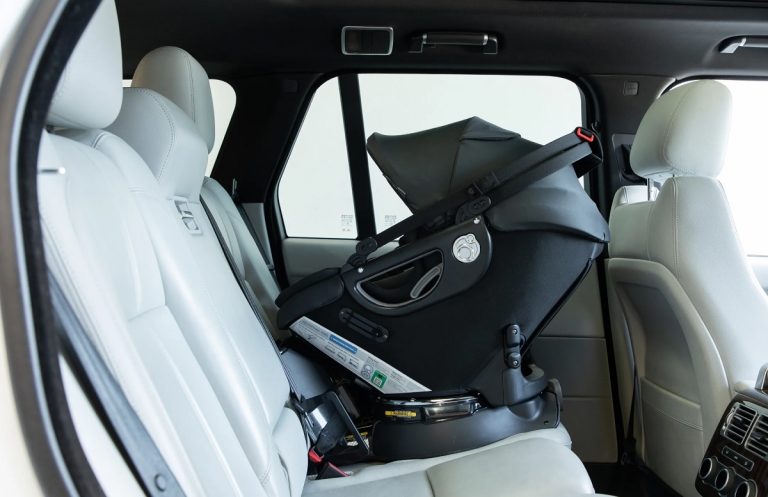
Rear-facing car seats are the safest option for infants and toddlers, as they provide maximum support for the head, neck, and spine during sudden stops or collisions. Manufacturers set specific weight and height limits for rear-facing seats, which vary between models but generally range up to 40 pounds and 40 inches.
Exceeding these limits compromises safety, as the seat may no longer properly support the child’s body. Parents should monitor growth regularly, checking both weight and height to determine when the child approaches the seat’s maximum limit. Some convertible car seats are designed to accommodate rear-facing use for longer periods, allowing children to remain rear-facing well into toddlerhood.
Staying within the rear-facing limits ensures that the child benefits from the superior protection this seating position offers. Transitioning too early increases the risk of injury, making it crucial to follow manufacturer specifications closely.
Forward-Facing Car Seat Limits
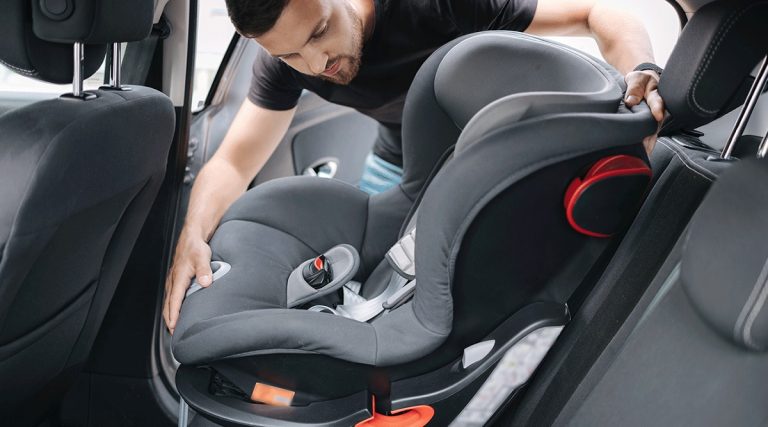
Once a child outgrows the rear-facing car seat, forward-facing seats with a harness provide the next level of protection. Weight limits for forward-facing seats typically range from 20 to 65 pounds, while height limits can extend up to 49 inches, depending on the seat.
The built-in harness secures the child’s shoulders and chest, reducing movement during a crash. It is important to adjust the harness height as the child grows to ensure that straps sit at or just above the shoulders. Exceeding the seat’s weight or height limits can prevent proper harness fit and reduce overall safety.
Parents should use forward-facing seats for as long as the child remains within the weight and height limits, as recommended by the manufacturer. Keeping the child in a forward-facing harness seat longer provides additional protection compared to transitioning prematurely to a booster or seat belt.
Booster Seat Limits
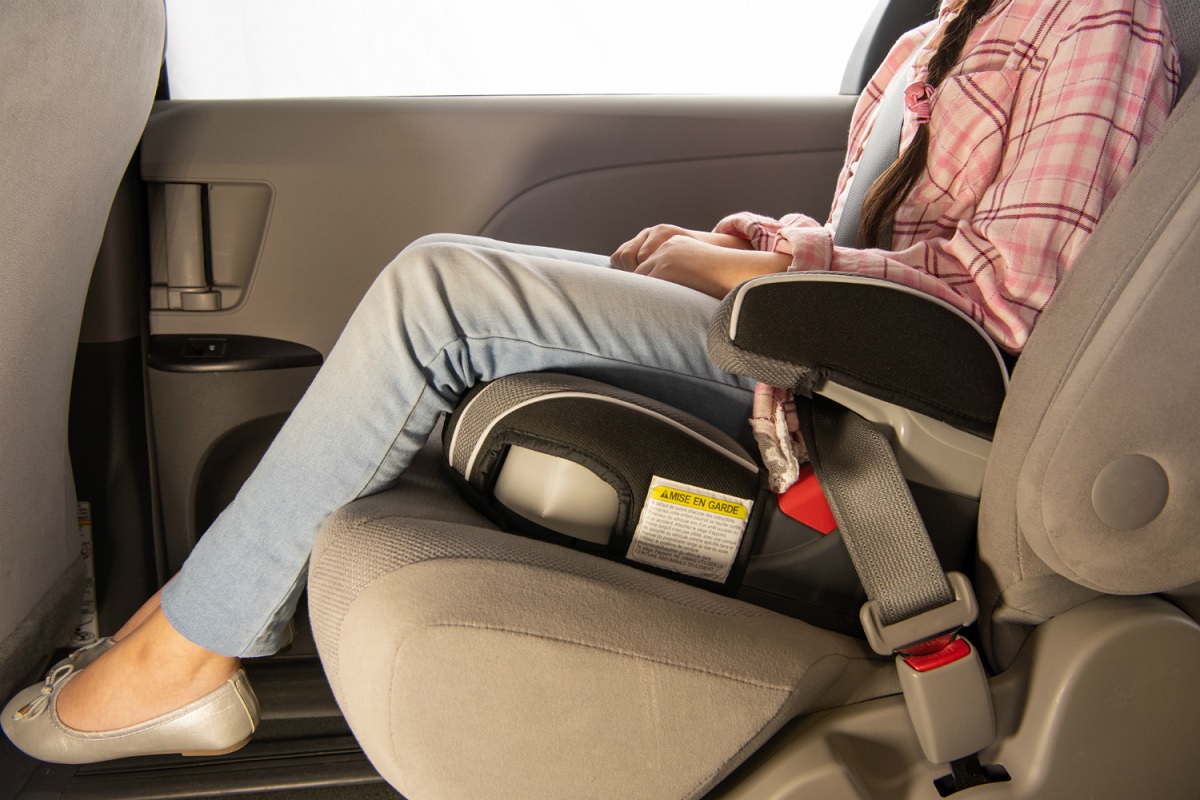
Booster seats are designed to position the vehicle’s seat belt correctly on a child’s shoulder and lap, reducing the risk of injury in a collision. Booster seat guidelines are based on weight and height, typically accommodating children from 40 to 100 pounds and up to around 57 inches in height.
A properly fitted booster ensures that the lap belt sits low on the hips and the shoulder belt rests across the chest. If a child is too small or too short, the seat belt may ride across the stomach or neck, increasing the risk of injury. Monitoring both weight and height helps parents determine when a child is ready to move from a forward-facing seat to a booster.
Booster seats often come in combination types that allow for extended use with a harness before converting to belt-positioning only. Following weight and height limits is essential to ensure the child’s safety and comfort throughout this stage.
Transitioning Safely Between Seats
Understanding and following weight and height limits is critical when transitioning between car seat stages. Parents should regularly check growth metrics and consult the car seat manual to ensure that each seat is appropriate for their child.
Transitioning too early or ignoring limits can compromise safety, while following guidelines ensures that the child remains protected at every stage. Proper use also includes checking harness adjustments, belt placement, and recline angles to maximize comfort and security.
By staying informed about the specific weight and height limits of each car seat type, parents can make safe decisions for every stage of their child’s development. Compliance with these limits ensures maximum protection while maintaining comfort during every trip.
Age Recommendations For Stopping Car Seat Use
Knowing the right age to transition children out of car seats is a critical part of keeping them safe on the road. While height and weight limits are essential, age also plays a significant role in determining readiness for booster seats or seat belts alone. Understanding general age guidelines helps parents make informed decisions while maintaining optimal safety during every trip.
Rear-Facing Car Seat Age Guidelines
Rear-facing car seats provide the highest level of protection for infants and toddlers, as they support the head, neck, and spine in the event of a collision. Safety experts recommend keeping children in a rear-facing position until at least 2 years old, or until they reach the maximum weight or height allowed by the manufacturer.
Even after age 2, some children may benefit from extended rear-facing use, particularly in convertible car seats that allow for higher weight limits. Keeping a child rear-facing for as long as possible significantly reduces the risk of serious injury in frontal crashes. Parents should monitor both age and growth, ensuring that the child remains within safe limits while maximizing protection.
Regularly checking seat specifications and adjusting the recline angle helps maintain comfort and safety. By prioritizing rear-facing use for the recommended age, caregivers provide the best possible protection during the earliest stages of a child’s development.
Forward-Facing Car Seat Age Guidelines
Once children outgrow their rear-facing seat, forward-facing car seats with a harness become the next stage. Generally, children transition to forward-facing seats between ages 2 and 7, depending on their size and the seat’s limits. Forward-facing seats with a five-point harness offer superior protection compared to seat belts alone.
Parents should ensure the harness fits snugly at or just above the shoulders and that the child remains within the manufacturer’s height and weight limits. Keeping children in forward-facing harness seats longer is safer than moving them prematurely to a booster or seat belt, as the harness distributes crash forces across the strongest parts of the body.
Observing age alongside growth ensures that the child remains protected at all times. Transitioning too early can expose children to unnecessary risks, making adherence to age recommendations essential for safe travel.
Booster Seat Age Guidelines
Booster seats are designed to position the vehicle’s seat belt correctly on a child’s lap and shoulder. Children typically move to booster seats between ages 4 and 8, depending on their size and readiness. The booster ensures that seat belts fit correctly, reducing the risk of injury in a crash.
It is important that children remain in a booster until the seat belt fits properly without assistance, which usually occurs around ages 8 to 12. The lap belt should sit low across the hips, and the shoulder belt should cross the chest and shoulder, never the neck or stomach. Following these age and fit guidelines ensures that the child remains protected throughout the booster stage.
Parents should also consider the child’s maturity level, as booster seats require children to sit properly without slouching. Combining age, size, and behavior helps determine the appropriate time to stop using a booster.
Transitioning To Seat Belt Use
The final stage is transitioning from a booster seat to using a vehicle seat belt alone. Children should remain in a booster until the seat belt fits correctly and they can sit with their back against the seat, knees bent over the edge of the seat, and feet touching the floor.
Most children reach this stage between ages 8 and 12, but size and maturity are the main factors. Using a seat belt alone too early can place the belt across vulnerable areas like the stomach and neck, increasing the risk of injury during a crash.
Parents should combine age recommendations with height, weight, and behavioral readiness to make the transition safely. Ensuring proper seat belt fit and adherence to safety guidelines maximizes protection while allowing children greater independence in the vehicle.
Signs Your Child Is Ready To Transition
Knowing when your child is ready to transition from a car seat to a booster seat or from a booster to a seat belt alone is crucial for safety. Beyond age and size, there are physical and behavioral indicators that show your child is prepared for the next stage. Recognizing these signs ensures a smooth, safe transition while minimizing the risk of injury during travel.
Proper Height And Weight
One of the first indicators that a child is ready to transition is reaching the appropriate height and weight limits for the next seating option. Car seats and boosters have manufacturer guidelines that should be strictly followed. Children who exceed the maximum limits for their current seat are at higher risk if moved prematurely.
For example, a child moving from a forward-facing car seat to a booster typically needs to weigh at least 40 pounds and be around 40 inches tall. Similarly, transitioning from a booster to a seat belt usually requires the child to be tall enough for the lap belt to sit low on the hips and the shoulder belt to cross the chest. Monitoring growth regularly ensures that the transition is based on safe physical readiness rather than just age.
Ability To Sit Properly
Behavior and maturity are equally important in determining readiness. A child must be able to sit upright against the seatback for the entire duration of the drive without slouching, leaning forward, or leaning sideways. Proper posture ensures that belts or harnesses fit correctly, reducing the risk of injury in a crash.
Children who frequently shift, lean, or attempt to remove restraints may not be ready to transition. Observing how your child sits in their current seat during short and long trips provides insight into their readiness. Teaching proper sitting habits early can make the transition smoother and safer.
Understanding And Following Safety Rules
Readiness also includes the child’s comprehension of safety rules. Children must understand the importance of keeping the seat belt properly positioned and wearing it at all times during travel. Those who can follow instructions consistently are better candidates for moving to a booster or seat belt alone.
Parents can reinforce these habits by practicing proper belt positioning and explaining the risks of misusing the restraints. Children who grasp why these rules exist are more likely to remain compliant, making the transition safer and more effective.
Comfort And Confidence With The Seat
Another sign that a child is ready to transition is their comfort and confidence in the current seat. If a child feels cramped or restricted, or struggles to fit comfortably within the harness or booster, it may be time to move to the next stage.
Comfort affects both safety and willingness to sit correctly. Ensuring that the child can move naturally without compromising seatbelt positioning reduces fidgeting and improper use. Evaluating both physical comfort and behavioral readiness helps parents determine the ideal time to make the transition.
Consistent Safety Checks
Finally, parents should perform consistent safety checks before deciding to transition. This includes checking that the belt fits properly across the lap and shoulder, the child remains seated correctly, and they can buckle and unbuckle if age-appropriate.
A child who consistently passes these checks demonstrates readiness to move to the next stage safely. Combining these physical, behavioral, and practical indicators ensures the transition is both safe and comfortable for the child, maintaining protection at every stage of growth.
Choosing The Right Booster Seat After Car Seat
Selecting the right booster seat after a child outgrows their car seat is a crucial step in maintaining safety during travel. Booster seats ensure that the vehicle’s seat belt fits correctly, reducing the risk of injury in a crash. Understanding the types of booster seats, weight and height requirements, and additional features helps parents make informed decisions for their child’s protection and comfort.
Types Of Booster Seats
Booster seats generally come in two main types: high-back and backless. High-back boosters provide support for the head and neck, making them ideal for vehicles with low seatbacks or no headrests. These are particularly useful for longer trips, as they help the child maintain proper posture while offering additional protection in side-impact collisions.
Backless boosters are more compact and portable, often preferred for short trips or when multiple children share a vehicle. They rely on the vehicle’s seatback and headrest for support and are suitable for children who can sit upright and maintain proper seat belt positioning without extra support.
Choosing the right type depends on the child’s height, the vehicle’s seat design, and how long the booster will be used. Both types ensure that the seat belt sits correctly across the chest and hips, which is critical for preventing injury.
Weight And Height Requirements
Booster seats are designed to accommodate children within specific weight and height ranges. Typically, children using boosters weigh between 40 and 100 pounds and stand between 40 and 57 inches tall. Staying within these limits ensures that the seat belt fits securely and that the child’s safety is maximized.
Exceeding these limits can compromise safety, as the lap belt may ride too high on the stomach or the shoulder belt may rest on the neck. Manufacturers provide detailed guidelines for each booster model, which should always be followed rather than relying solely on age.
Parents should regularly check their child’s growth and compare it with booster seat specifications. Selecting a booster that offers adjustable height and belt guides allows for extended use as the child grows, ensuring proper fit and protection over time.
Safety Features To Consider
When choosing a booster seat, it is important to consider additional safety features beyond basic fit. Features such as side-impact protection, belt guides, and padded seating enhance comfort while improving safety. Side wings or reinforced headrests help shield the child in the event of a collision from the side, which is critical in vehicles without built-in side airbags for rear passengers.
Some boosters include adjustable armrests and removable backrests, allowing for customization as the child grows. Padded seats provide comfort during longer drives while encouraging proper posture and belt positioning. Ensuring that the booster meets or exceeds federal safety standards and has been tested for crash performance is also essential.
Selecting a booster with the right combination of features ensures both protection and comfort, making the transition from car seat to booster safe and reliable.
Vehicle Compatibility
Booster seats must fit correctly in the vehicle to function effectively. Not all boosters are compatible with every type of car seat, especially in vehicles with narrow or contoured rear seats. High-back boosters may not fit well in certain compact cars, while backless boosters may slide or fail to provide proper belt positioning in older vehicles without adjustable seatbacks.
Checking the vehicle’s manual and testing the booster in the seat before purchase ensures proper fit. The lap belt should lie low on the hips, and the shoulder belt should rest across the chest without rubbing the neck. Ensuring stability and secure installation prevents the booster from shifting in a crash or sudden stop.
Parents should also consider whether multiple boosters will be used in one vehicle and whether they can fit side by side safely. Vehicle compatibility is as critical as the child’s size in selecting the safest booster seat.
Ease Of Use And Adjustability
Ease of use and adjustability are key factors in choosing a booster seat that will be used consistently. Features such as adjustable belt guides, height-adjustable backrests, and removable covers make daily use more convenient and ensure proper fit as the child grows.
A booster that is easy to install and remove encourages proper usage by parents and caregivers. Many models offer clear labeling and simple mechanisms for adjusting the seat, which reduces the likelihood of incorrect installation—a common factor in accidents.
Comfort features such as padded armrests, cup holders, and breathable materials encourage children to sit properly throughout the ride. Prioritizing usability and adjustability ensures the booster remains a safe and practical choice for years, making the transition from car seat to seat belt both secure and comfortable.
Safety Tips For Children Who No Longer Use Car Seats
Once children transition out of car seats, safety remains a top priority. While seat belts provide protection, proper fit, posture, and habits are essential to prevent injuries. Parents and caregivers must focus on ensuring that seat belts work effectively, children remain seated correctly, and travel environments are secure. Following key safety tips helps maintain protection during every journey.
Ensure Proper Seat Belt Fit
The most important safety tip for children no longer using car seats is ensuring the seat belt fits correctly. The lap belt should lie low across the hips, not the stomach, while the shoulder belt should rest across the chest and shoulder, never the neck or face.
Improperly positioned belts can cause severe injuries during a collision. Parents should periodically check belt alignment as children grow, adjusting seat placement or using booster seats when necessary. Seat cushions or boosters may still be required until the child reaches a height of approximately 4 feet 9 inches, depending on the vehicle’s seat configuration.
Teaching children to sit upright and keep the belt in the proper position reinforces consistent use. Proper seat belt fit maximizes protection and significantly reduces the risk of serious injuries.
Maintain Correct Seating Position
Children must remain seated correctly throughout the journey. Slouching, leaning forward, or twisting can cause the seat belt to sit improperly and reduce its effectiveness in a crash. Encouraging children to sit back against the seat with both feet on the floor is critical.
Using visual reminders or practicing during short trips can help children develop good seating habits. Parents should also reinforce rules about staying in the back seat, as it is statistically safer than the front for children under 13. Monitoring behavior during longer trips ensures that proper posture is maintained, keeping seat belts effective.
Correct seating position not only enhances safety but also increases comfort, making children less likely to fidget or adjust the belt incorrectly.
Limit Distractions And Encourage Responsibility
Even after leaving the car seat, children benefit from learning safe travel habits. Limiting distractions, such as electronic devices or moving around in the car, helps them remain attentive and seated correctly. Teaching children to take responsibility for buckling up and maintaining proper posture reinforces safe behaviors.
Parents can set clear expectations, reminding children of the importance of seat belt use and proper seating. Modeling consistent behavior by wearing seat belts correctly also emphasizes the importance of safety.
Developing responsible travel habits early ensures that children continue practicing safe behaviors as they grow, reducing risks during short and long trips.
Choose The Safest Seating Location
The safest position for children who no longer use car seats is typically the back seat, away from airbags. Front airbags can cause serious injury to young passengers in a crash. Ensuring children sit in the middle or rear side seats provides additional protection during collisions.
Parents should consider seat belt adjusters or boosters for taller children who still need proper belt alignment. Verifying that the seat belt and seat configuration work together helps maintain safety across different vehicles.
Selecting the safest seating location, combined with proper belt fit and posture, creates a secure environment for children and reduces the likelihood of injuries during accidents.
Reinforce Regular Safety Checks
Even after leaving car seats, safety checks remain important. Parents should verify that seat belts are snug, child locks are engaged, and seats are positioned properly before every trip. Consistent inspections help identify potential hazards and prevent misuse of restraints.
Regular reinforcement of these safety checks builds habits that children carry into adolescence. By ensuring proper use and maintaining vigilance, parents provide ongoing protection and support safe travel for children who no longer rely on car seats.
FAQs
When Can Stop Using Car Seat For A Rear-Facing Seat?
Children should remain in a rear-facing car seat until they reach the maximum weight or height allowed by the manufacturer, often around 2 years old or more. Staying rear-facing provides the best protection for a child’s head, neck, and spine in the event of a collision.
You should monitor growth regularly and ensure the child’s shoulders do not exceed the top harness slots. Extended rear-facing use is highly recommended, as it significantly reduces injury risk in frontal crashes. Following the manufacturer’s guidelines ensures the child is both safe and comfortable.
When Can Stop Using Car Seat For A Forward-Facing Seat?
A child can transition from a rear-facing seat to a forward-facing car seat with a harness once they exceed the rear-facing limits. Forward-facing seats typically accommodate children between 20 and 65 pounds and up to 49 inches tall, depending on the model.
It is important to keep the child in a forward-facing harness for as long as possible within the weight and height limits. Adjust the harness as they grow to ensure it sits at or above the shoulders. Maintaining proper use maximizes safety and minimizes the risk of injury.
When Can Stop Using Car Seat For A Booster Seat?
Booster seats are used once a child outgrows the forward-facing car seat but still needs the vehicle’s seat belt to fit correctly. Generally, children are ready for a booster between 4 and 8 years old, weighing around 40 to 100 pounds and measuring 40 to 57 inches tall.
The booster positions the lap belt low across the hips and the shoulder belt across the chest. Transitioning too early may cause the belt to ride incorrectly, increasing injury risk. Children should remain in boosters until seat belts fit properly without assistance.
When Can Stop Using Car Seat Based On Age Alone?
Age is not the only factor in determining readiness to stop using a car seat. While children typically move through car seats, boosters, and seat belts between ages 2 and 12, growth, height, weight, and maturity are more important than age alone.
You should consider whether the child can sit upright consistently, keep the belt properly positioned, and follow safety rules. Relying solely on age may result in premature transitions that compromise protection, making it crucial to assess multiple factors before stopping car seat use.
How Do I Know If My Child Is Ready To Stop Using A Car Seat?
You can tell your child is ready to stop using a car seat when they meet the seat’s height and weight limits, sit upright consistently, and allow the seat belt to fit properly. Observing behavior and posture is critical to ensure proper protection.
A good test is having the child sit with their back against the seat, knees bent over the edge, and feet on the floor. If the lap and shoulder belts align correctly and the child demonstrates understanding of proper use, they are ready to transition safely.
What Are The Risks Of Stopping Car Seat Use Too Early?
Stopping car seat use too early can significantly increase the risk of injury during collisions. Seat belts may not sit correctly on a small child, causing the lap belt to ride over the stomach and the shoulder belt to cut across the neck, increasing the likelihood of abdominal and spinal injuries.
Premature transitions also reduce the benefits of harnessed protection, particularly for forward-facing children. Following manufacturer guidelines for height, weight, and posture ensures the child remains adequately protected until fully ready for seat belt use.
Can Vehicle Type Affect When To Stop Using A Car Seat?
Yes, the type of vehicle can impact when a child is ready to stop using a car seat. Some vehicles have low seatbacks, shallow seats, or built-in headrests that may not allow proper seat belt alignment without a booster.
Before transitioning, test the booster or seat belt in your vehicle to ensure the lap belt sits low on the hips and the shoulder belt rests across the chest. Adjustments may be needed for safety, making vehicle compatibility a key consideration in determining when to stop using a car seat.
Conclusion
Knowing the right time to transition your child from a car seat is crucial for their safety and comfort. Parents should consider a combination of age, weight, height, and behavioral readiness rather than relying on a single factor. Ensuring the child fits properly in the vehicle seat belt and can sit safely without slouching helps prevent injuries during sudden stops or accidents.
It’s also important to follow manufacturer guidelines and local regulations. Different car seats have varying weight and height limits, and booster seats are often the next step before using a regular seat belt alone. Checking for proper fit and making gradual adjustments can make the transition smooth for both the child and parents.
Ultimately, determining [when can stop using car seat] is about balancing safety, comfort, and legal requirements. Prioritizing these aspects ensures your child remains protected while giving them the independence to sit securely like older passengers.