Car Hesitates on Takeoff: Common Causes and Effective Fixes
Feeling a sudden lag when you press the accelerator can be alarming, especially when the vehicle seems sluggish or unresponsive. This hesitation during takeoff not only affects driving confidence but can also be dangerous in traffic or when merging onto highways. Many drivers notice that the engine revs unevenly or the car struggles to gain speed, making the experience frustrating.
A car hesitates on takeoff for several reasons, ranging from minor issues like a dirty air filter to more complex problems such as fuel delivery or transmission malfunctions. The symptoms are often most noticeable during cold starts or under load, such as carrying passengers or climbing inclines.
Understanding what causes this hesitation is crucial for diagnosing the problem accurately. Monitoring how the car behaves under different conditions can help pinpoint whether the issue is engine-related, fuel-related, or linked to other systems.
Addressing the problem early can prevent more serious damage and restore smooth acceleration. Recognizing the signs and knowing the potential causes allows drivers to take timely action and maintain safe, reliable performance.
Typical Symptoms When Your Car Hesitates on Takeoff
When a car hesitates on takeoff, it rarely happens in isolation. Usually, it comes with several noticeable signs that affect acceleration, engine performance, and overall driving feel. Recognizing these symptoms early helps you diagnose the underlying issue before it leads to more serious problems. These indicators often point to fuel, ignition, or transmission-related concerns that need attention.
Delayed Acceleration Response
One of the most obvious symptoms is a delayed response when pressing the accelerator. The engine may rev slowly, or there may be a noticeable lag before the vehicle begins moving. Drivers often feel as though the car is “holding back” despite pressing the gas pedal firmly.
This delayed acceleration can occur during normal city driving or when merging onto highways. It is often more pronounced under load, such as when the car carries passengers or cargo, making takeoff sluggish. A hesitation in response can make overtaking and merging more difficult and unsafe.
The underlying causes for delayed acceleration include issues like clogged fuel injectors, a dirty throttle body, or malfunctioning sensors that affect fuel delivery. Transmission-related problems can also contribute, especially in automatic vehicles where gear engagement is delayed. Consistently experiencing this symptom is a clear sign that the vehicle needs inspection.
Engine Stumbling Or Rough Idle
Another common symptom is engine stumbling or a rough idle. When your car hesitates on takeoff, the engine may feel unstable, vibrate, or surge unexpectedly as you try to accelerate. This rough behavior often signals that combustion is not occurring smoothly.
The engine might hesitate for a brief moment before catching and delivering power, making low-speed maneuvers feel jerky. At idle, you may notice fluctuations in RPM or small shudders that indicate inconsistent cylinder performance.
Causes can include spark plug wear, ignition coil problems, or air intake and vacuum leaks. These issues prevent the engine from firing efficiently, leading to misfires or uneven power delivery. Regular maintenance, such as spark plug replacement and air intake cleaning, can help reduce this symptom.
Surging Or Inconsistent Power Delivery
A car that hesitates on takeoff may also surge unexpectedly once the engine finally responds. Power delivery can feel inconsistent, with moments of strong acceleration followed by sudden lags. This unpredictable performance can make driving stressful, especially in traffic.
Surging is often linked to fuel system problems, such as low fuel pressure, clogged injectors, or a failing fuel pump. Engine sensors like the mass airflow or throttle position sensor can also miscommunicate with the engine control unit, causing uneven fuel delivery.
This symptom may appear intermittently, making it hard to anticipate vehicle behavior. Drivers might feel the car pulling forward unexpectedly or struggling again after initial acceleration. Identifying and addressing these inconsistencies early prevents further engine stress and restores smooth, predictable acceleration.
Unusual Engine Noises During Takeoff
Hesitation is often accompanied by unusual engine noises. You may hear popping, sputtering, or a brief backfire when trying to accelerate from a stop. These sounds are warning signs that combustion is not occurring efficiently.
Unusual noises can indicate misfires, fuel delivery issues, or ignition system faults. For example, worn spark plugs or faulty ignition coils can cause unburned fuel to ignite in the exhaust, producing audible pops. Air intake or vacuum leaks may also produce whistling or hissing sounds.
Paying attention to these noises helps in diagnosing the root cause quickly. They often appear alongside delayed acceleration and rough engine behavior, providing clear evidence that inspection and repair are needed to restore proper performance.
Fuel System Problems Causing Hesitation
A properly functioning fuel system is critical for smooth acceleration. When your car hesitates on takeoff, fuel delivery issues are often a major culprit. Problems with injectors, fuel pumps, filters, or fuel quality can prevent the engine from receiving the right amount of fuel at the right time, leading to lag, misfires, and inconsistent power during acceleration.
Clogged Or Dirty Fuel Injectors
Fuel injectors spray the precise amount of fuel into each cylinder for combustion. Over time, dirt, carbon deposits, or poor-quality fuel can clog the injectors, disrupting the spray pattern. When fuel delivery is uneven, the engine struggles to maintain proper combustion, causing hesitation during takeoff.
You may notice a rough start, delayed throttle response, or jerking motion when accelerating. The popping or sputtering noise may also accompany this symptom, signaling incomplete combustion. Hesitation tends to be more noticeable under load, such as climbing hills or carrying passengers.
Cleaning or replacing clogged injectors can restore proper fuel flow and eliminate hesitation. Regular use of high-quality fuel and injector cleaners helps prevent deposit buildup. Ignoring this problem may worsen engine performance and lead to additional wear on spark plugs and other components.
Failing Fuel Pump Or Low Fuel Pressure
The fuel pump ensures that gasoline reaches the engine at the correct pressure. When the pump weakens or starts to fail, the engine may not receive enough fuel during initial acceleration. This low fuel pressure often results in hesitation and a noticeable loss of power.
You might feel the engine struggling to respond immediately after pressing the accelerator, followed by a sudden surge once fuel flow stabilizes. Hesitation may be intermittent at first but becomes more consistent as the fuel pump degrades. The problem can be particularly pronounced at higher speeds or under heavy load.
Addressing fuel pump issues quickly is important to prevent stalling or further engine damage. Replacing a failing pump restores consistent fuel delivery, smooth acceleration, and reliable engine performance.
Dirty Or Clogged Fuel Filter
The fuel filter traps debris and contaminants before fuel reaches the engine. Over time, the filter can become clogged, restricting fuel flow. A restricted fuel supply reduces engine responsiveness and often causes hesitation during takeoff.
Symptoms may include delayed acceleration, rough idling, and occasional sputtering as the engine struggles to get enough fuel. Hesitation is often more pronounced when the engine requires higher fuel demand, such as during quick starts or uphill driving.
Replacing a clogged fuel filter is a straightforward and cost-effective solution that restores proper fuel flow. Regular maintenance of the fuel system ensures smooth acceleration and prevents hesitation from recurring.
Contaminated Or Low-Quality Fuel
Fuel contamination, whether from water, debris, or low-grade gasoline, can also cause hesitation. Contaminants disrupt combustion, causing misfires and poor engine response. Drivers often notice lag when accelerating or inconsistent power delivery, especially immediately after refueling.
Using high-quality fuel, keeping the tank clean, and avoiding prolonged use of low-grade gasoline helps prevent hesitation. Contaminated fuel can damage injectors and other components, so addressing this issue early is critical for engine longevity and consistent takeoff performance.
Ignition System Issues Behind Takeoff Hesitation
A smooth engine start and consistent acceleration rely heavily on a healthy ignition system. When your car hesitates on takeoff, faulty ignition components are often a key factor. Problems in spark plugs, ignition coils, or timing can disrupt combustion, causing delayed acceleration, misfires, and uneven power delivery, making your vehicle feel sluggish or unresponsive.
Worn Or Faulty Spark Plugs
Spark plugs are essential for igniting the air-fuel mixture in each cylinder. Over time, electrodes wear down, become fouled, or coated with carbon deposits, reducing spark efficiency. Weak or inconsistent sparks lead to incomplete combustion, which can cause your car to hesitate on takeoff.
You may notice rough idling, delayed throttle response, or jerking motions during acceleration. Hesitation is often more noticeable under load, such as carrying passengers or climbing inclines. The engine may also produce unusual noises, including sputtering or light popping, as unburned fuel ignites inconsistently in the exhaust system.
Replacing worn spark plugs restores proper ignition timing and consistent combustion, eliminating hesitation. Regular inspection during routine maintenance can prevent spark plug deterioration, helping maintain smooth acceleration and optimal engine performance. Using the correct spark plug type and gap is also critical for reliable operation.
Failing Ignition Coils Or Coil Packs
Ignition coils convert the battery’s voltage into the high voltage needed to create a spark at the spark plugs. When coils begin to fail, they provide inconsistent or weak sparks, causing misfires and hesitation during takeoff.
Symptoms include rough starts, jerky acceleration, and intermittent power loss. Hesitation is usually more pronounced when the engine is under load, but it may appear even during normal driving. Popping noises from the exhaust may accompany the misfires as unburned fuel ignites late.
Faulty coils place extra stress on spark plugs, worsening performance issues over time. Replacing failing coils restores proper voltage delivery, ensuring each cylinder fires consistently and the engine responds promptly to throttle input. Professional diagnostics can pinpoint which coil or coil pack is faulty, avoiding unnecessary replacements.
Incorrect Ignition Timing
Ignition timing controls when the spark occurs relative to piston movement. When timing is off, fuel ignites too early or too late, leading to inefficient combustion. This misalignment is a common cause of hesitation when accelerating from a stop.
You may feel delayed throttle response or a jerky start, accompanied by unusual engine noises. Inconsistent power delivery is common, with the engine sometimes surging after initial hesitation. Timing issues can also reduce fuel efficiency and increase emissions, signaling that the engine is not firing optimally.
Incorrect timing can result from worn timing belts or chains, sensor failures, or improper adjustments during previous repairs. Correcting ignition timing ensures combustion occurs at the optimal moment, eliminating hesitation and restoring smooth, predictable acceleration.
Damaged Spark Plug Wires Or Poor Electrical Connections
Spark plug wires and related electrical connections carry high-voltage current from the ignition coil to the spark plugs. Damaged or corroded wires can leak electricity or fail to deliver sufficient voltage, causing inconsistent sparks and takeoff hesitation.
Symptoms include rough acceleration, misfires, and engine sputtering. Hesitation may occur intermittently, making the car feel unpredictable. Electrical issues are often more noticeable in damp or humid conditions, as moisture exacerbates leakage and disrupts spark delivery.
Replacing damaged wires and ensuring secure electrical connections restores proper spark flow, reducing misfires and eliminating hesitation. Regular inspections during maintenance help identify worn wires early, preventing ignition-related acceleration problems and maintaining reliable engine performance.
Impact Of Ignition System Issues On Overall Engine Performance
Ignition problems not only cause takeoff hesitation but can also affect overall engine health. Misfires from faulty spark plugs, coils, or timing issues increase stress on other components, such as the catalytic converter, and can lead to higher fuel consumption.
You may notice inconsistent power during normal driving, rough idling, or unusual exhaust noises. Addressing ignition issues promptly restores smooth acceleration, improves fuel efficiency, and protects the engine from long-term damage. Consistent maintenance and timely replacement of ignition components are essential to prevent hesitation and maintain reliable performance.
Air Intake and Vacuum Problems
The air intake and vacuum system play a critical role in maintaining proper engine performance. Any leaks, cracks, or blockages can disrupt the air-fuel mixture, leading to hesitation during acceleration, rough idling, and reduced power. Understanding how these problems affect the engine helps you identify and address the issues before they cause more serious damage.
Cracked Or Loose Intake Hoses
Intake hoses direct air from the air filter to the engine for combustion. Over time, heat, vibration, and wear can cause these hoses to crack or loosen. When unmetered air enters the engine, it throws off the air-fuel mixture, which can cause hesitation during takeoff.
Drivers may notice delayed throttle response, rough idle, or occasional engine sputtering. Hesitation is often most pronounced under load, such as when the car carries passengers or climbs a hill. Popping or hissing sounds may also accompany the issue, signaling that air is entering the system where it shouldn’t.
Repairing or replacing cracked or loose intake hoses restores proper airflow and ensures the engine receives the correct mixture. Regular inspection during maintenance can prevent air leaks from escalating and affecting other engine components.
Vacuum Leaks From Worn Or Disconnected Lines
Vacuum lines control various engine functions, including fuel pressure regulation and emissions control. When these lines crack, break, or disconnect, vacuum pressure drops, causing uneven combustion and hesitation during acceleration.
Symptoms include rough idling, stalling, and inconsistent power delivery. The engine may surge or hesitate unpredictably, making driving feel unstable. Hesitation often appears more frequently when starting from a stop or accelerating under load.
Fixing vacuum leaks involves replacing worn lines and ensuring all connections are secure. Maintaining the vacuum system is crucial because leaks can impact multiple engine components, including sensors and fuel injectors, leading to misfires and reduced efficiency.
Dirty Or Faulty Mass Air Flow Sensor
The mass air flow (MAF) sensor measures incoming air and communicates with the engine control unit to adjust fuel delivery. When the sensor becomes dirty or fails, it provides incorrect data, causing an improper air-fuel mixture that leads to hesitation and uneven engine performance.
You may notice delayed acceleration, rough idle, or inconsistent throttle response. Hesitation can appear intermittently, making the car feel unpredictable. Popping or sputtering noises may occur as cylinders misfire due to lean or rich mixtures.
Cleaning or replacing the MAF sensor restores accurate airflow readings and stabilizes fuel delivery. Regular inspection of the air intake system ensures proper sensor function and prevents hesitation caused by faulty readings.
Leaking Intake Manifold Gaskets
The intake manifold distributes air evenly to each cylinder, and gaskets seal the connections to prevent leaks. When these gaskets fail, air can enter the engine unmetered, causing misfires, popping noises, and hesitation during takeoff.
Drivers may notice rough idling, inconsistent power delivery, or delayed throttle response. Symptoms often worsen as the engine warms up and materials expand, increasing the leak.
Replacing faulty intake manifold gaskets restores proper airflow and ensures the correct air-fuel mixture reaches all cylinders. Regular inspection and maintenance prevent minor leaks from developing into larger issues that can significantly affect engine performance.
Air Intake and Vacuum Problems
The air intake and vacuum system play a critical role in maintaining proper engine performance. Any leaks, cracks, or blockages can disrupt the air-fuel mixture, leading to hesitation during acceleration, rough idling, and reduced power. Understanding how these problems affect the engine helps you identify and address the issues before they cause more serious damage.
Cracked Or Loose Intake Hoses
Intake hoses direct air from the air filter to the engine for combustion. Over time, heat, vibration, and wear can cause these hoses to crack or loosen. When unmetered air enters the engine, it throws off the air-fuel mixture, which can cause hesitation during takeoff.
Drivers may notice delayed throttle response, rough idle, or occasional engine sputtering. Hesitation is often most pronounced under load, such as when the car carries passengers or climbs a hill. Popping or hissing sounds may also accompany the issue, signaling that air is entering the system where it shouldn’t.
Repairing or replacing cracked or loose intake hoses restores proper airflow and ensures the engine receives the correct mixture. Regular inspection during maintenance can prevent air leaks from escalating and affecting other engine components.
Vacuum Leaks From Worn Or Disconnected Lines
Vacuum lines control various engine functions, including fuel pressure regulation and emissions control. When these lines crack, break, or disconnect, vacuum pressure drops, causing uneven combustion and hesitation during acceleration.
Symptoms include rough idling, stalling, and inconsistent power delivery. The engine may surge or hesitate unpredictably, making driving feel unstable. Hesitation often appears more frequently when starting from a stop or accelerating under load.
Fixing vacuum leaks involves replacing worn lines and ensuring all connections are secure. Maintaining the vacuum system is crucial because leaks can impact multiple engine components, including sensors and fuel injectors, leading to misfires and reduced efficiency.
Dirty Or Faulty Mass Air Flow Sensor
The mass air flow (MAF) sensor measures incoming air and communicates with the engine control unit to adjust fuel delivery. When the sensor becomes dirty or fails, it provides incorrect data, causing an improper air-fuel mixture that leads to hesitation and uneven engine performance.
You may notice delayed acceleration, rough idle, or inconsistent throttle response. Hesitation can appear intermittently, making the car feel unpredictable. Popping or sputtering noises may occur as cylinders misfire due to lean or rich mixtures.
Cleaning or replacing the MAF sensor restores accurate airflow readings and stabilizes fuel delivery. Regular inspection of the air intake system ensures proper sensor function and prevents hesitation caused by faulty readings.
Leaking Intake Manifold Gaskets
The intake manifold distributes air evenly to each cylinder, and gaskets seal the connections to prevent leaks. When these gaskets fail, air can enter the engine unmetered, causing misfires, popping noises, and hesitation during takeoff.
Drivers may notice rough idling, inconsistent power delivery, or delayed throttle response. Symptoms often worsen as the engine warms up and materials expand, increasing the leak.
Replacing faulty intake manifold gaskets restores proper airflow and ensures the correct air-fuel mixture reaches all cylinders. Regular inspection and maintenance prevent minor leaks from developing into larger issues that can significantly affect engine performance.
Mechanical Engine Problems
Mechanical engine problems are a major cause of hesitation, popping noises, and power loss. Unlike fuel or ignition issues, these faults involve internal engine components that directly affect combustion and performance. Understanding the signs of mechanical issues can help drivers detect problems early, prevent extensive damage, and maintain reliable acceleration and engine efficiency.
Low Compression In Cylinders
Low compression occurs when one or more cylinders fail to maintain adequate pressure during combustion. This can result from worn piston rings, damaged cylinder walls, or leaking valves. Low compression reduces engine efficiency, causing hesitation during takeoff and uneven power delivery.
You may notice rough idling, jerky acceleration, or the car struggling to move under load. Hesitation is often more pronounced when carrying passengers or climbing hills. Popping or sputtering noises may also appear as incomplete combustion occurs in affected cylinders.
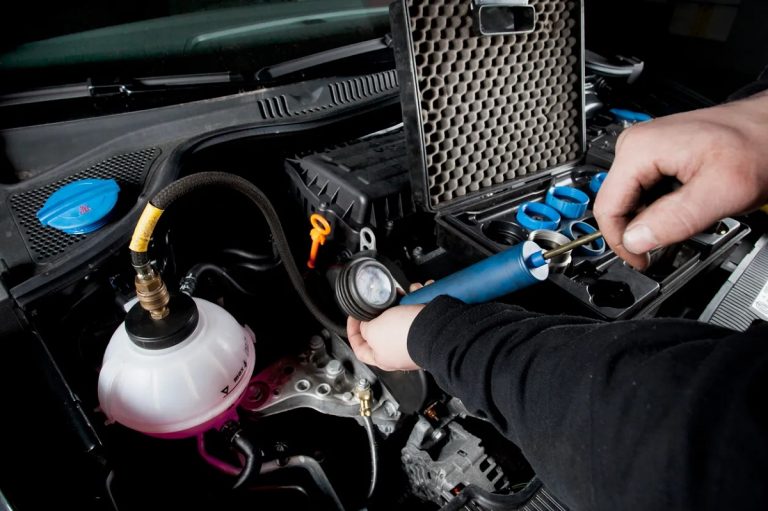
Measuring compression with a gauge helps diagnose the problem and determine which cylinder is affected. Repair may involve replacing piston rings, servicing valves, or performing a cylinder re-bore, depending on severity. Early detection prevents further wear on other engine components.
Low compression also affects fuel efficiency. The engine must work harder to generate the required power, increasing fuel consumption. Addressing compression issues restores smooth acceleration and improves overall engine performance.
Worn Or Damaged Valves
Valves regulate the intake of air and fuel and the expulsion of exhaust gases. When valves wear, bend, or fail to seal properly, combustion pressure escapes, leading to misfires, hesitation, and loss of power.
Symptoms include rough acceleration, uneven idling, and popping noises from the exhaust. Hesitation is usually most noticeable during takeoff or under load. Fuel efficiency may decline as unburned fuel passes through the cylinders.
Valve wear often results from carbon buildup, heat damage, or prolonged operation without proper maintenance. Repairing valve issues involves re-grinding, replacing, or adjusting valves to restore proper sealing and combustion efficiency.
Drivers should address valve problems promptly, as continued operation with worn valves can damage pistons, cylinder heads, and other internal components. Proper valve maintenance ensures smooth engine operation and reliable acceleration.
Timing Chain Or Belt Issues
The timing chain or belt synchronizes the rotation of the crankshaft and camshaft, controlling when valves open and close. A stretched or slipping timing component can throw off engine timing, resulting in hesitation and uneven power delivery.
You may experience delayed throttle response, jerky acceleration, or unusual engine noises like rattling or knocking. Hesitation often occurs during takeoff or rapid acceleration when precise timing is critical. Fuel efficiency may also decrease due to misfiring cylinders.
Timing issues can stem from wear, improper installation, or lack of maintenance. Replacing a worn timing belt or chain restores proper synchronization, ensuring smooth combustion and reliable acceleration. Professional diagnosis is recommended to prevent internal engine damage.
Maintaining the timing system prevents catastrophic engine failure. Regular inspection and replacement according to manufacturer recommendations help preserve engine performance and prevent hesitation-related issues.
Excessive Carbon Buildup
Carbon deposits form when fuel does not burn completely, accumulating on pistons, valves, and combustion chambers. Excessive buildup disrupts airflow and fuel combustion, causing hesitation, popping noises, and uneven power delivery during takeoff.
Symptoms include rough acceleration, delayed throttle response, and occasional surging. Hesitation becomes more noticeable as carbon deposits grow, affecting multiple cylinders and reducing engine efficiency.
Cleaning the combustion chambers, valves, and intake components can remove deposits and restore proper airflow. Regular use of high-quality fuel and fuel additives can prevent future buildup.
Step-by-Step Diagnostic Actions
Diagnosing engine hesitation and power loss requires a structured approach to pinpoint the root cause efficiently. Following systematic steps ensures that issues like fuel delivery problems, ignition faults, air intake leaks, or mechanical failures are identified accurately. A step-by-step diagnostic process helps prevent unnecessary repairs, saves costs, and restores smooth engine performance for safe and reliable driving.
Inspecting The Air Intake System
The first step in diagnosing hesitation is checking the air intake system. Damaged or loose intake hoses, clogged air filters, and faulty mass airflow sensors can disrupt airflow and cause delayed throttle response.
Begin by visually inspecting intake hoses for cracks, leaks, or disconnections. Listen for hissing or whistling sounds that may indicate unmetered air entering the system. Check the air filter for dirt, debris, or excessive clogging that could restrict airflow. The mass airflow (MAF) sensor should be inspected and cleaned if dirty, as it directly affects the air-fuel mixture.
Drive the vehicle carefully after inspection to note any changes in hesitation. Small adjustments, like tightening hoses or cleaning the MAF sensor, may eliminate the issue. Keeping the air intake system clean and intact ensures the engine receives the correct amount of air for efficient combustion.
Regular maintenance of intake components reduces the risk of recurring hesitation. A thorough inspection at this stage helps identify whether air intake problems are the primary cause of the acceleration lag.
Checking The Fuel System
Next, assess the fuel system, as improper fuel delivery is a common cause of takeoff hesitation. Issues with fuel injectors, fuel pumps, and fuel filters can prevent the engine from receiving the correct amount of fuel.
Start by checking fuel pressure using a gauge to ensure it meets manufacturer specifications. Inspect fuel lines for leaks or blockages, and test fuel injectors for proper spray patterns. A clogged fuel filter may restrict flow, causing delayed acceleration and misfires. Evaluate fuel quality, especially if hesitation appears after refueling, as contaminated fuel can disrupt combustion.
Drive the car under different conditions to determine if fuel delivery issues are intermittent or consistent. Low fuel pressure or failing injectors may produce rough idling, popping noises, or delayed throttle response during takeoff.
Addressing fuel system problems typically involves cleaning or replacing injectors, filters, or the fuel pump. Accurate fuel delivery restores smooth acceleration and prevents further stress on engine components.
Inspecting The Ignition System
The ignition system plays a critical role in combustion. Faulty spark plugs, ignition coils, or timing issues can create misfires that cause hesitation during takeoff.
Begin by inspecting spark plugs for wear, fouling, or improper gap. Check ignition coils for proper voltage output and signs of damage. Inspect spark plug wires and connectors for corrosion or loose connections. Timing should also be verified, as incorrect ignition timing can delay combustion, reducing power output.
Drive the vehicle to see if ignition improvements impact hesitation. Weak sparks or misfires often produce popping noises, rough idling, and inconsistent power delivery. Replacing worn spark plugs, damaged coils, or correcting timing restores consistent cylinder firing.
Maintaining the ignition system ensures proper combustion, fuel efficiency, and reliable acceleration. Regular inspection and timely replacement of components prevent hesitation from recurring.
Assessing Mechanical Engine Health
Mechanical issues such as low compression, worn valves, or timing chain/belt problems can also cause hesitation. Diagnosing these requires careful evaluation of engine components.
Perform a compression test on each cylinder to detect leaks or pressure loss. Listen for unusual noises like knocking, rattling, or popping that may indicate internal damage. Inspect timing components, including belts, chains, and tensioners, for wear or misalignment. Check for excessive carbon buildup in combustion chambers, which can disrupt airflow and delay combustion.
Drive the vehicle under different loads to observe hesitation patterns. Low compression or timing misalignment often produces sluggish acceleration, rough idling, and inconsistent power delivery. Addressing mechanical problems may involve valve adjustment, carbon cleaning, or timing system repair.
Early detection of mechanical faults prevents catastrophic engine failure. A thorough mechanical inspection ensures that all internal components operate correctly, restoring smooth takeoff performance.
Performing Computer Diagnostics
Modern vehicles rely on engine control units (ECU) to manage fuel, ignition, and airflow. Using a diagnostic scan tool can reveal error codes that pinpoint sensor or system malfunctions causing hesitation.
Connect an OBD-II scanner to read stored trouble codes. Codes related to fuel trims, airflow sensors, oxygen sensors, or misfires can guide you to the source of the problem. Live data monitoring allows observation of real-time sensor readings during acceleration. Compare readings to manufacturer specifications to identify anomalies.
Intermittent codes may indicate wiring issues or faulty sensors affecting combustion timing or fuel delivery. Resolving these issues often involves cleaning, recalibration, or replacement of affected components.
Computer diagnostics complement physical inspections by confirming suspected problems and preventing unnecessary repairs. A combination of mechanical evaluation, system checks, and ECU data ensures a comprehensive diagnosis for reliable engine performance.
People Also Asked
What Causes A Car To Hesitate On Takeoff?
A car hesitates on takeoff when the engine does not respond immediately to throttle input. This can result from fuel delivery problems, ignition system faults, or air intake and vacuum leaks. Low fuel pressure, clogged injectors, worn spark plugs, or dirty airflow sensors can all contribute to delayed acceleration.
Mechanical issues like low compression, worn valves, or timing chain problems can also cause hesitation. Identifying the root cause requires careful inspection of the fuel, ignition, and air intake systems. Resolving the underlying issue restores smooth takeoff and consistent power delivery.
How Can Fuel System Issues Lead To Takeoff Hesitation?
Fuel system problems often cause delayed throttle response. Clogged fuel injectors, low fuel pressure, or dirty fuel filters restrict the flow of gasoline to the engine, resulting in misfires and hesitation during acceleration.
You may notice the car struggling to move from a stop, jerking, or producing sputtering noises. Poor fuel quality or a failing fuel pump can also contribute. Cleaning or replacing fuel injectors, filters, or pumps restores proper fuel delivery and eliminates hesitation. Timely maintenance helps prevent further engine stress and maintains smooth acceleration.
Can Ignition System Failures Cause Hesitation?
Yes, ignition system issues are a common reason your car hesitates on takeoff. Worn spark plugs, failing ignition coils, damaged wires, or incorrect ignition timing can disrupt combustion, causing delayed engine response and misfires.
You may feel rough idling, uneven power delivery, or hear popping sounds from the exhaust. Replacing faulty spark plugs, ignition coils, or correcting timing ensures proper cylinder firing. Regular inspection of the ignition system prevents recurring hesitation and maintains smooth, reliable acceleration.
Do Air Intake Or Vacuum Leaks Affect Acceleration?
Absolutely, air intake and vacuum leaks can significantly impact engine performance. Cracked intake hoses, disconnected vacuum lines, or dirty mass airflow sensors allow unmetered air into the system, disrupting the air-fuel mixture.
This imbalance leads to rough idling, popping noises, and hesitation when pressing the accelerator. The car may feel sluggish, especially under load. Repairing leaks, cleaning sensors, and securing connections restores proper airflow, stabilizes fuel delivery, and eliminates delayed takeoff. Proper intake maintenance ensures consistent engine response.
Could Mechanical Engine Problems Cause Takeoff Hesitation?
Yes, mechanical issues like low compression, worn valves, or timing chain/belt problems can cause your car to hesitate. These problems affect the engine’s ability to generate consistent combustion pressure.
Symptoms include sluggish acceleration, rough idle, popping noises, or inconsistent power delivery. A compression test, valve inspection, or timing evaluation helps diagnose mechanical faults. Addressing these issues through repair or replacement restores proper engine performance and smooth acceleration, preventing further internal damage.
How Does A Dirty Mass Air Flow Sensor Affect Acceleration?
A dirty or faulty mass air flow (MAF) sensor sends incorrect data to the engine control unit, causing the wrong fuel-to-air ratio. This can result in hesitation, misfires, and uneven throttle response.
You may notice delayed acceleration, jerky starts, or popping noises from the exhaust. Cleaning or replacing the MAF sensor restores accurate airflow measurement and stabilizes fuel delivery. Regular maintenance of air intake components prevents sensor issues, ensuring consistent and smooth takeoff performance.
When Should I Take My Car To A Mechanic For Hesitation Issues?
You should seek professional help if hesitation during takeoff is persistent, worsens over time, or is accompanied by rough idling, popping noises, or reduced power. Early diagnosis prevents minor issues from developing into expensive repairs.
A mechanic can perform fuel system checks, ignition inspections, air intake evaluations, and mechanical diagnostics to pinpoint the root cause. Prompt intervention restores smooth acceleration, prevents further engine stress, and ensures safe driving. Delaying repairs increases the risk of additional damage to the engine and associated components.
Can Hesitation Affect Overall Engine Performance And Fuel Efficiency?
Yes, hesitation impacts both engine performance and fuel economy. When the engine misfires, receives improper fuel, or operates with airflow issues, it consumes more fuel to maintain power output, reducing efficiency.
You may also experience rough idling, uneven acceleration, and increased emissions. Fixing the underlying causes—whether fuel system, ignition system, air intake, or mechanical problems—restores proper combustion, smooth takeoff, and consistent power. Addressing hesitation early prevents long-term damage and ensures the engine performs reliably while using fuel efficiently.
Final Thoughts
Experiencing delayed acceleration or stuttering during takeoff can be both frustrating and potentially unsafe. Such hesitation often signals underlying issues that require attention, ranging from minor maintenance needs to more significant mechanical or electronic problems. Identifying the cause early helps maintain smooth performance and prevents more expensive repairs in the future.
Paying attention to the fuel system, ignition components, air intake, and transmission can reveal the root of the problem. Regular inspections, timely replacement of worn parts, and using quality fuel and engine oil play a critical role in maintaining optimal vehicle performance. Diagnosing issues with sensors and the engine control unit can also help address hesitation before it worsens.
Car hesitates on takeoff can often be resolved with systematic troubleshooting and proper maintenance. Whether it involves simple fixes like cleaning injectors or more complex repairs like addressing transmission or engine timing, understanding the potential causes ensures your car accelerates smoothly and safely every time.