Car Hesitates When Warmed Up: Causes And Solutions To Restore Smooth Driving
Common Symptoms Of Hesitation After Engine Warm-Up
Experiencing hesitation after your engine has warmed up can be frustrating and concerning. This issue often points to underlying engine, fuel, or sensor problems that only manifest when the engine reaches normal operating temperature. Recognizing the common symptoms helps you identify the source, maintain smooth performance, and prevent more serious mechanical damage.
Reduced Acceleration And Power
One of the most noticeable symptoms is a reduction in acceleration or engine power once the vehicle has warmed up. Drivers may press the gas pedal, only to find the engine responds slowly or with a noticeable lag. This can make merging onto highways, overtaking, or climbing hills more difficult.
Reduced power often indicates problems such as fuel injector issues, failing ignition coils, or clogged air filters that restrict airflow when the engine is hot. Heat can also affect electronic sensors, causing the engine control unit (ECU) to mismanage fuel or timing. Monitoring when and how the hesitation occurs provides valuable insight into the likely cause. Early detection allows for targeted maintenance and prevents additional stress on the engine components.
Rough Idling And Stalling
Another symptom commonly associated with hesitation is rough idling or occasional stalling after the engine warms up. The engine may shake, rev inconsistently, or feel unstable at low speeds. This typically points to issues with fuel delivery, spark plugs, or air intake systems that perform differently under heat.
Components like the mass airflow sensor (MAF), oxygen sensors, or throttle body can also contribute to rough idling. When these parts begin to fail, their effectiveness may decrease as temperatures rise, causing hesitation or temporary stalling. Recognizing rough idling early helps prevent more serious problems like catalytic converter damage, misfires, or long-term engine wear.
Proper inspection and cleaning of sensors, fuel injectors, and ignition components can restore smooth idling and consistent acceleration. Addressing these symptoms promptly improves overall drivability and prevents the hesitation from escalating.
Engine Surging Or Jerking
Some drivers notice that their vehicle surges forward unexpectedly or jerks during acceleration after the engine is warmed up. This uneven power delivery is another common symptom of hesitation and often signals fuel system or ignition issues.
Surging or jerking may result from clogged injectors, a failing fuel pump, or ignition timing problems. Heat can exacerbate these issues by affecting fuel pressure or sensor accuracy, causing the ECU to miscalculate the fuel-air mixture. Symptoms often worsen during periods of higher engine load, such as accelerating uphill or carrying heavy loads.
Diagnosing surging or jerking involves inspecting fuel delivery components, ignition systems, and engine sensors. Correcting these problems restores smooth, predictable acceleration, reduces strain on the drivetrain, and ensures safe vehicle operation.
Check Engine Light And Error Codes
A hesitation problem after warm-up may also trigger the check engine light on your dashboard. The ECU detects irregularities in engine performance and stores error codes that can guide diagnostics. Reading these codes is crucial for identifying the exact source of hesitation.
Common codes related to warm-up hesitation include misfire codes, oxygen sensor faults, or throttle body errors. These codes indicate that components are not performing as expected under normal operating temperature. Addressing the underlying cause based on these codes helps eliminate hesitation, prevents recurring issues, and reduces the risk of further engine damage.
Using a professional OBD-II scanner allows you to interpret the codes and plan repairs efficiently. This approach ensures that the problem is addressed accurately, restoring consistent engine performance and drivability.
Increased Fuel Consumption
Hesitation after the engine warms up can also lead to higher fuel consumption. When the engine struggles to respond to throttle input, it may inject more fuel than necessary to compensate for the perceived lack of power.
This overcompensation stresses the fuel system, reduces efficiency, and increases emissions. Heat-related sensor issues or partial blockages in the fuel or air systems often cause the ECU to mismanage fuel delivery. Addressing the root cause not only resolves hesitation but also improves fuel economy, reduces wear on engine components, and enhances overall vehicle performance.
Fuel System Issues Causing Hesitation
A properly functioning fuel system is essential for consistent engine performance. When components such as fuel injectors, pumps, or filters start to fail, the engine may hesitate after warming up. Understanding how fuel system issues contribute to hesitation allows drivers to identify problems early, maintain smooth acceleration, and prevent long-term engine damage.
Clogged Or Dirty Fuel Injectors
Fuel injectors are responsible for delivering the precise amount of fuel into the combustion chamber. Over time, deposits can build up inside the injector nozzles, reducing fuel flow and causing uneven combustion. When the engine warms up, heat can exacerbate these blockages, leading to hesitation, stalling, or jerky acceleration.
Symptoms of clogged injectors include rough idling, poor fuel economy, and uneven throttle response. Using a fuel system cleaner or performing a professional injector cleaning can restore proper flow. In severe cases, replacing damaged injectors may be necessary. Keeping injectors clean ensures consistent fuel delivery, smoother acceleration, and reduced engine stress.
Regular maintenance, including high-quality fuel and periodic injector inspection, prevents buildup and prolongs the lifespan of the fuel system components. Timely action reduces hesitation and improves overall drivability.
Failing Fuel Pump
The fuel pump maintains consistent pressure in the fuel system, ensuring that injectors deliver the right amount of fuel. A weakening or failing fuel pump may struggle to maintain pressure, especially as the engine warms up and fuel demand increases. This can result in hesitation, loss of power, or difficulty accelerating.
Fuel pump issues often present with symptoms like sputtering at higher speeds, engine misfires, or a whining noise from the fuel tank. Checking fuel pressure with a gauge can help determine if the pump is underperforming. Replacing a failing pump restores proper fuel flow, eliminates hesitation, and ensures reliable engine operation.
Maintaining a healthy fuel pump also protects other components, such as the injectors and fuel filter, from stress caused by inconsistent pressure. Early detection of fuel pump issues is critical for preventing engine stalling and unsafe driving conditions.
Clogged Fuel Filter
The fuel filter prevents debris and contaminants from reaching the engine. Over time, it can become clogged, reducing fuel flow and causing hesitation, especially after the engine reaches operating temperature. Restricted fuel flow leads to uneven combustion and poor throttle response.
Signs of a clogged fuel filter include difficulty accelerating, engine sputtering, or a reduction in fuel efficiency. Replacing the filter at recommended intervals restores smooth fuel delivery and eliminates hesitation. Ignoring a clogged filter can overload the fuel pump and injectors, leading to more costly repairs and engine performance issues.
Proper maintenance of the fuel filter is essential for consistent engine performance, preventing hesitation, and protecting the fuel system from damage caused by contaminants.
Fuel Pressure Regulator Malfunctions
The fuel pressure regulator ensures that fuel pressure remains consistent under varying engine loads. A malfunctioning regulator can cause too much or too little pressure in the fuel system, resulting in hesitation when the engine warms up.
Low fuel pressure can starve the engine, producing sluggish acceleration, while excessive pressure may cause flooding or rough idling. Symptoms often worsen during warm-up because the engine requires precise fuel delivery under thermal expansion and higher load. Inspecting and testing the regulator, and replacing it if necessary, restores proper fuel flow and improves throttle response.
Maintaining a functional fuel pressure regulator is crucial for preventing hesitation, optimizing fuel efficiency, and ensuring the engine responds accurately to driver input. Proper regulation also prolongs the life of injectors and the fuel pump.
Contaminated Fuel
Using low-quality or contaminated fuel can disrupt combustion and lead to hesitation after the engine warms up. Water, dirt, or ethanol-heavy fuel can cause misfires, rough running, or uneven acceleration.
Symptoms include engine surging, hesitation under load, and occasional stalling. Treating contaminated fuel may require draining the tank, replacing filters, and using fuel additives to clean injectors and the system. Regularly fueling with high-quality gasoline and avoiding prolonged storage reduces the risk of contamination.
Ignition System Problems
A properly functioning ignition system is crucial for smooth engine performance and consistent acceleration. When components like spark plugs, ignition coils, or wires start to fail, the engine may hesitate, especially after warming up. Understanding common ignition system problems helps drivers identify the source of hesitation, restore reliable performance, and prevent further engine damage.
Worn Or Faulty Spark Plugs
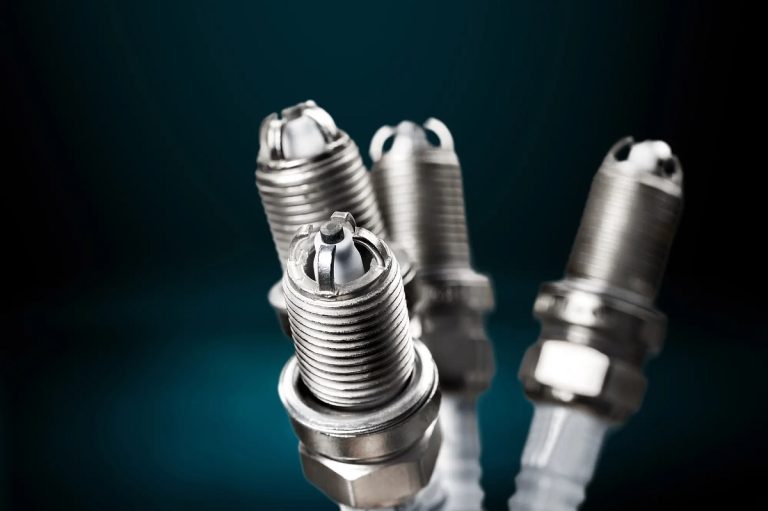
Spark plugs create the spark needed to ignite the air-fuel mixture in the combustion chamber. Over time, they can wear out, develop carbon deposits, or suffer electrode erosion, causing incomplete combustion. When the engine warms up, heat can exacerbate these issues, resulting in hesitation, misfires, or rough idling.
Symptoms of worn spark plugs include reduced acceleration, engine surging, increased fuel consumption, and occasional stalling. Replacing spark plugs at recommended intervals restores proper spark timing, ensures consistent combustion, and eliminates hesitation. Using high-quality spark plugs compatible with your engine type prolongs performance and helps maintain smooth acceleration over the long term.
Proper spark plug maintenance not only addresses immediate hesitation problems but also protects other ignition components, such as coils and wires, from excessive stress caused by misfires or incomplete combustion.
Failing Ignition Coils
Ignition coils convert low voltage from the battery into high voltage needed to generate a spark at the spark plugs. When coils start to fail, the spark may become weak or inconsistent, leading to hesitation after the engine warms up. Heat can intensify coil issues, causing intermittent misfires or poor throttle response.
Signs of failing coils include rough idling, reduced power, engine surging, and occasional stalling. Testing each coil with a multimeter or using an OBD-II scanner to detect misfire codes helps identify which coil is malfunctioning. Replacing faulty coils restores consistent spark delivery, smooth acceleration, and optimal engine performance.
Maintaining healthy ignition coils ensures reliable combustion, prevents hesitation, and reduces stress on other engine components, such as the catalytic converter, which can be damaged by misfires.
Damaged Or Worn Ignition Wires
Ignition wires carry the high-voltage spark from the coils to the spark plugs. Over time, these wires can degrade, crack, or lose insulation, causing weak or intermittent spark delivery. Heat from a fully warmed engine can worsen these issues, producing hesitation, misfires, or uneven acceleration.
Symptoms of damaged ignition wires include engine surging, rough idle, increased fuel consumption, and hesitation during acceleration. Inspecting wires for cracks, corrosion, or loose connections and replacing worn wires restores consistent spark transfer and reliable engine performance. High-quality wires reduce resistance, improve spark delivery, and help prevent further ignition system issues.
Maintaining proper ignition wire condition is essential for smooth throttle response and overall engine efficiency. Timely replacement eliminates hesitation and prevents misfires from damaging other components.
Malfunctioning Ignition Timing
Ignition timing controls when the spark plug fires relative to the position of the piston. Incorrect timing can result in hesitation, reduced power, engine knocking, or poor fuel economy. Problems may arise from sensor failures, ECU mismanagement, or mechanical issues with the timing system.
Symptoms of timing-related issues include hesitation after warm-up, uneven acceleration, and occasional engine surging. Correcting timing problems may involve recalibrating the ECU, replacing faulty sensors, or adjusting the mechanical timing of the engine. Proper timing ensures that combustion occurs efficiently, restoring smooth acceleration and eliminating hesitation.
Maintaining proper ignition timing protects engine components, improves fuel efficiency, and prevents further stress on spark plugs, coils, and the fuel system. Accurate timing is crucial for safe, reliable, and responsive driving.
Sensor-Related Ignition Issues
Modern engines rely on sensors such as crankshaft and camshaft position sensors to manage ignition timing. Malfunctioning sensors can cause misfires, hesitation, or uneven acceleration once the engine warms up. These sensors are sensitive to heat, making problems more noticeable after the engine reaches operating temperature.
Symptoms include reduced acceleration, rough idle, engine stalling, and intermittent loss of power. Diagnosing sensor issues involves using a diagnostic scanner to read error codes and testing sensor outputs. Replacing or recalibrating faulty sensors restores proper timing and spark delivery, eliminating hesitation and improving engine performance.
Proper sensor maintenance ensures that the ignition system functions correctly, prevents misfires, and keeps the engine running smoothly under all conditions. Timely repair of sensor-related ignition issues is key to reliable acceleration and overall vehicle drivability.
Transmission And Drivetrain-Related Factors
The transmission and drivetrain play a critical role in delivering power from the engine to the wheels. Problems in these systems can cause hesitation, sluggish acceleration, or jerky movement, particularly after the engine has warmed up. Identifying transmission and drivetrain-related factors helps drivers maintain smooth performance, prevent further damage, and address issues before they escalate into costly repairs.
Low Or Contaminated Transmission Fluid
Transmission fluid lubricates moving components, enables smooth gear shifts, and helps regulate hydraulic pressure in automatic transmissions. Low or dirty fluid can lead to delayed engagement, jerky acceleration, or hesitation after warm-up. As the fluid heats, its viscosity changes, making existing issues more noticeable.
Symptoms of low or contaminated fluid include rough shifting, unusual noises such as whining or clunking, and sluggish response when accelerating from a stop. Checking fluid levels and condition regularly is essential. Flushing old fluid and replacing it with the manufacturer-recommended type restores proper lubrication and hydraulic pressure, ensuring smooth operation and eliminating hesitation caused by inadequate fluid performance.
Maintaining clean, adequate transmission fluid also reduces wear on internal components like clutches, valves, and gears, prolonging the lifespan of the transmission.
Worn Clutch Or Torque Converter Issues
For manual transmissions, a worn clutch can cause slipping, delayed engagement, or hesitation when the engine is under load. In automatic vehicles, a malfunctioning torque converter can create similar issues by failing to transfer engine power efficiently to the transmission.
Symptoms include a lag in acceleration, engine revving without proportional vehicle movement, and jerky or uneven shifts. Heat generated during driving can exacerbate these problems, making hesitation more noticeable after the engine warms up. Addressing clutch wear or torque converter issues involves inspection and, when necessary, replacement of worn components to restore consistent power transfer.
Ensuring the clutch and torque converter operate correctly improves drivability, prevents overheating, and avoids damage to other drivetrain components caused by slippage or excessive stress.
Failing Transmission Sensors Or Solenoids
Modern transmissions rely on sensors and solenoids to control shift timing, hydraulic pressure, and torque converter lock-up. Malfunctioning sensors or solenoids can result in delayed or erratic gear changes, causing hesitation or jerky acceleration after warm-up.
Symptoms include inconsistent shift points, engine revving higher than normal before engagement, and warning lights on the dashboard. Diagnosing these issues often involves using a diagnostic scanner to read transmission codes and performing voltage or resistance tests on solenoids and sensors. Replacing faulty sensors or solenoids restores proper communication between the transmission and the ECU, ensuring smooth gear changes and eliminating hesitation.
Maintaining these components prevents additional stress on the transmission and enhances overall vehicle performance and reliability.
Drivetrain Component Wear
Worn or damaged drivetrain components, such as CV joints, differential gears, or axles, can also contribute to hesitation or uneven power delivery. Heat and engine load during warm-up can make these issues more pronounced, as worn parts may expand or bind under operating conditions.
Symptoms include vibrations through the vehicle, clunking noises during acceleration, and occasional jerking when power is applied. Inspecting axles, CV joints, and differential components for wear or damage allows for timely replacement and restoration of smooth power transfer. Proper maintenance of drivetrain components ensures consistent acceleration, reduces stress on the transmission, and prevents premature wear of other related systems.
Air Intake And Sensor-Related Causes
A vehicle’s air intake system and engine sensors play a critical role in maintaining optimal combustion and performance. When these components malfunction or become dirty, the engine may hesitate after warming up. Identifying air intake and sensor-related causes helps improve throttle response, restore smooth acceleration, and prevent further engine damage.
Dirty Or Clogged Air Filter
The air filter prevents dust, debris, and contaminants from entering the engine while ensuring adequate airflow. A dirty or clogged air filter restricts airflow, which can upset the air-fuel mixture and lead to hesitation after the engine warms up. Reduced airflow is especially noticeable under load, such as accelerating from a stop or climbing hills.
Symptoms include rough idling, sluggish acceleration, decreased fuel efficiency, and unusual engine noises. Regular inspection and timely replacement of the air filter restore proper airflow, improve combustion efficiency, and eliminate hesitation. A clean air filter also reduces strain on other intake components, protects the engine from contaminants, and helps maintain consistent performance under all operating conditions.
Maintaining the air filter is a simple yet effective way to prevent hesitation caused by airflow restrictions and to ensure the engine breathes efficiently.
Malfunctioning Mass Airflow (MAF) Sensor
The MAF sensor measures the amount of air entering the engine and communicates this information to the ECU to calculate the correct fuel injection. A failing or dirty MAF sensor can send inaccurate readings, causing the engine to hesitate after warm-up or run unevenly.
Symptoms include rough idle, poor acceleration, stalling, and increased fuel consumption. Heat can amplify sensor errors, making hesitation more noticeable once the engine reaches operating temperature. Cleaning or replacing the MAF sensor often restores accurate airflow readings, ensuring the ECU adjusts fuel delivery properly and eliminating hesitation.
Proper MAF sensor function is critical for balanced combustion and smooth throttle response. Regular inspection and maintenance prevent sensor-related drivability issues and help maintain engine efficiency over time.
Throttle Body Malfunctions
The throttle body regulates airflow into the engine based on driver input from the accelerator pedal. Carbon buildup or mechanical wear can interfere with airflow, leading to delayed throttle response or hesitation after the engine warms up.
Symptoms include uneven acceleration, engine surging, and occasional stalling. Cleaning the throttle body and ensuring it operates smoothly restores proper air intake, improves fuel-air mixture, and eliminates hesitation. A well-functioning throttle body ensures responsive acceleration and consistent engine performance under varying driving conditions.
Proper throttle body maintenance also prevents long-term issues such as sensor misreads and increased wear on fuel system components, contributing to overall engine reliability.
Faulty Engine Sensors
Beyond the MAF sensor, other sensors such as the throttle position sensor (TPS), oxygen sensors, and intake air temperature sensor can cause hesitation when malfunctioning. These sensors provide critical data to the ECU for managing fuel delivery, ignition timing, and air-fuel mixture.
Symptoms of faulty sensors include hesitation, rough idling, engine surging, and triggering of the check engine light. Diagnosing sensor issues involves reading error codes with a diagnostic scanner and testing sensor output against specifications. Replacing or recalibrating faulty sensors restores accurate input to the ECU, improving throttle response and eliminating hesitation.
FAQs
Why Does My Car Hesitate When Warmed Up?
When your car hesitates after warming up, it usually indicates an issue with fuel delivery, ignition, or sensors. Heat can exacerbate existing problems in components like fuel injectors, spark plugs, or the mass airflow sensor, causing uneven combustion or delayed throttle response.
This hesitation often appears as sluggish acceleration, rough idling, or engine surging. Addressing these symptoms early through proper diagnostics helps restore smooth engine performance and prevents additional wear on critical components such as the catalytic converter or transmission.
Can Fuel System Problems Cause Hesitation After Warm-Up?
Yes, fuel system issues are a common cause of hesitation. Clogged fuel injectors, a failing fuel pump, or a dirty fuel filter can limit fuel flow, especially under heat when the engine demands precise fuel delivery.
Symptoms may include rough acceleration, engine sputtering, or stalling. Maintaining clean injectors, replacing fuel filters on schedule, and monitoring fuel pump performance ensures consistent fuel delivery and eliminates hesitation after the engine reaches normal operating temperature.
How Do Ignition System Issues Lead To Engine Hesitation?
Problems with spark plugs, ignition coils, or ignition wires can prevent the air-fuel mixture from igniting properly. Heat can exacerbate worn components, causing misfires, rough idle, or hesitation during acceleration.
Symptoms include reduced power, engine surging, and intermittent loss of acceleration. Replacing spark plugs, testing coils, and inspecting wiring restores proper spark timing and smooth combustion. Regular maintenance of the ignition system ensures reliable engine response and prevents hesitation after warm-up.
Can Dirty Air Filters Or Throttle Bodies Cause Hesitation?
Yes, a clogged air filter or carbon buildup in the throttle body can restrict airflow into the engine, upsetting the air-fuel mixture. This often becomes noticeable after the engine warms up when airflow and combustion demand increase.
Symptoms include sluggish acceleration, rough idle, and uneven throttle response. Cleaning or replacing the air filter and throttle body restores proper airflow, improves combustion, and eliminates hesitation. Regular maintenance prevents airflow restrictions and ensures consistent engine performance.
Are Sensors Responsible For Hesitation After Warm-Up?
Engine sensors such as the MAF sensor, oxygen sensors, throttle position sensor, and intake air temperature sensor are critical for optimal fuel and air management. Faulty or misreading sensors can cause hesitation once the engine is warm.
Symptoms include engine surging, rough idle, and reduced power. Diagnosing and replacing malfunctioning sensors restores proper ECU readings, improves throttle response, and eliminates hesitation. Maintaining sensor function ensures smooth acceleration and prevents further engine complications.
Could Transmission Problems Cause Hesitation When Warmed Up?
Yes, issues with the transmission or drivetrain can lead to hesitation during acceleration. Low or contaminated transmission fluid, failing torque converters, or worn clutch components can create delays in power transfer, especially under warm operating conditions.
Symptoms include sluggish response, jerky acceleration, or engine revving without proportional movement. Inspecting fluid levels, repairing worn drivetrain components, or addressing torque converter issues restores smooth power delivery and eliminates hesitation related to transmission problems.
Does Engine Temperature Affect Hesitation?
Engine heat can worsen existing issues with fuel, ignition, or sensors. Components may expand, electrical resistance may increase, or fluid viscosity may change, all of which affect engine performance.
You might notice hesitation or rough throttle response only after the car reaches operating temperature. Understanding how heat impacts engine systems helps in diagnosing the root cause, whether it’s fuel delivery, ignition, or sensor-related, ensuring proper repairs are performed to restore smooth performance.
How Can I Prevent My Car From Hesitating After Warm-Up?
Regular maintenance is the most effective way to prevent hesitation. This includes inspecting and replacing spark plugs, ignition coils, fuel filters, and air filters on schedule. Keeping sensors clean and calibrated, checking fuel pressure, and monitoring transmission fluid also helps.
Timely attention to fuel, ignition, and sensor systems ensures consistent combustion and throttle response. Using high-quality fuel and performing periodic diagnostic scans can prevent hesitation, improve acceleration, and prolong engine and drivetrain life. Routine preventative care reduces the likelihood of warm-up-related engine issues.
Final Words
Experiencing hesitation after your engine reaches operating temperature can be frustrating and affect both performance and safety. This issue often points to problems in the fuel system, ignition components, or sensors that regulate the engine’s air-fuel mixture. Addressing these problems early can prevent more serious damage and restore smooth acceleration and drivability.
Regular maintenance, including cleaning fuel injectors, replacing spark plugs, and inspecting sensors, plays a crucial role in preventing hesitation. Monitoring warning signs such as rough idling, stuttering, or loss of power ensures that minor issues are resolved before they escalate. Sometimes, ECU adjustments or sensor recalibrations may also be required to maintain optimal engine performance.
Understanding why your car hesitates when warmed up allows you to take targeted actions to fix it. Timely attention improves engine efficiency, prolongs component life, and ensures safer, more reliable driving in all conditions.