Engine Carbon Build Up – Signs, Causes, And Effective Cleaning Tips
Engines are designed to burn fuel efficiently, but over time, deposits can form on critical internal components. These deposits interfere with the smooth operation of the combustion chamber, valves, and intake system, reducing performance and efficiency. Understanding the factors behind this process helps car owners take proactive steps to maintain engine health.
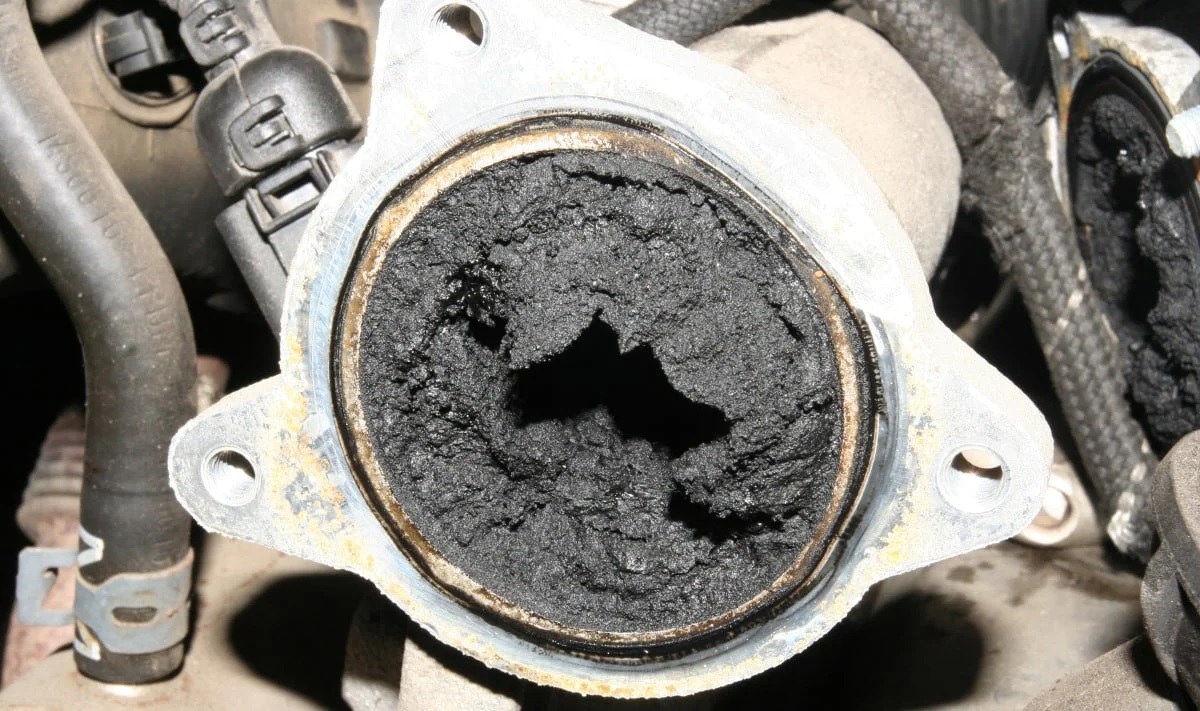
Engine carbon build up occurs gradually as incomplete fuel combustion leaves behind tiny carbon particles. These particles stick to surfaces like intake valves, fuel injectors, and pistons, creating layers that disrupt airflow and fuel atomization. Even modern engines with advanced fuel injection systems are not completely immune to this accumulation.
Driving habits, fuel quality, and maintenance routines all influence how quickly carbon deposits form. Short trips, low-quality gasoline, and irregular servicing accelerate the process, making symptoms more noticeable at an earlier stage.
Over time, these deposits can affect power delivery, throttle response, and fuel efficiency. Recognizing the signs and understanding the causes of engine carbon build up is essential for preserving performance and preventing long-term damage.
Common Signs Of Engine Carbon Build Up
Engine carbon build up affects the overall performance, efficiency, and longevity of your vehicle. Identifying the signs early can prevent more serious damage and costly repairs. These deposits accumulate gradually on internal components like intake valves, pistons, and fuel injectors, interfering with airflow, fuel atomization, and combustion. Recognizing the symptoms allows drivers to take action before performance issues become severe.
Rough Idling and Engine Misfires
One of the first indicators of engine carbon build up is rough idling. Deposits on intake valves and combustion chambers disrupt airflow and fuel delivery, causing the engine to run unevenly at low speeds. You may notice the vehicle shaking slightly when stationary, accompanied by fluctuating RPMs.
Misfires often accompany rough idling. Carbon deposits create hot spots that ignite fuel prematurely or unevenly, leading to incomplete combustion. Over time, these misfires can strain engine components, reduce fuel efficiency, and trigger the check engine light.
Even minor rough idling can worsen gradually. Drivers may dismiss early symptoms, attributing them to weather, fuel quality, or routine fluctuations. However, persistent vibrations, sudden RPM drops, or occasional jerking during idle indicate that carbon build up is interfering with normal engine function. Addressing this early helps prevent long-term engine stress and ensures smoother performance.
Decreased Fuel Efficiency
A noticeable drop in fuel efficiency is another common sign of carbon accumulation. When intake valves and combustion chambers are coated with deposits, the engine struggles to maintain optimal air-fuel mixture. This imbalance forces the system to consume more fuel to achieve the same performance, reducing miles per gallon.
Carbon deposits also interfere with fuel injectors, altering spray patterns and causing uneven fuel distribution. This inconsistency further increases fuel consumption and can create secondary issues, such as higher emissions and more soot buildup. Drivers may notice that regular fueling now feels insufficient, or that trips that previously required a certain amount of fuel now require noticeably more.
Monitoring fuel consumption over time is an effective way to catch early carbon build up. Sudden or gradual declines in mileage, paired with performance changes, suggest that deposits are affecting the engine. Corrective measures such as professional cleaning or using high-quality fuel additives can restore efficiency and prevent the problem from escalating.
Loss of Engine Power and Acceleration
Carbon deposits restrict airflow and disrupt combustion timing, leading to a noticeable reduction in engine power. Drivers often experience sluggish acceleration, slower throttle response, and difficulty maintaining higher speeds. Vehicles that previously handled hills or heavy loads effortlessly may now struggle under similar conditions.
These performance issues stem from uneven combustion caused by carbon layers on valves, piston crowns, and the intake system. Deposits prevent complete burning of fuel, reducing energy output per cycle. The engine control unit may compensate by adjusting fuel delivery, but this can only partially offset the loss of power.
The effects become more pronounced during hard acceleration or while towing. Drivers may feel hesitation, stuttering, or a delay in response when pressing the accelerator. Detecting these signs early allows for maintenance interventions that restore engine efficiency, prevent further deposit accumulation, and protect long-term performance.
Engine Knocking and Unusual Noises
Engine knocking or pinging is a serious symptom of carbon build up. Deposits create hotspots in the combustion chamber, causing fuel to ignite prematurely before the piston reaches the optimal position. This uncontrolled ignition generates sharp knocking sounds and vibrations that can damage pistons, rods, and bearings over time.
Unusual noises are often accompanied by reduced performance and fluctuating power delivery. In some cases, the engine may produce a metallic or rattling sound, especially under load or during high-speed driving. Left unaddressed, these conditions accelerate wear on internal components and can lead to costly repairs.
Carbon-induced knocking is more common in engines using lower-octane fuel or in vehicles that frequently operate at partial load with stop-and-go driving. Recognizing these noises early helps drivers prevent long-term damage, restore smooth combustion, and maintain overall engine health.
Increased Emissions and Exhaust Smoke
Excessive carbon accumulation impacts the efficiency of combustion, resulting in higher emissions. Drivers may notice darker exhaust smoke, particularly during acceleration or startup. Black smoke indicates unburned fuel due to poor combustion, while blue smoke may point to oil being burned from deposits affecting piston rings or valve seals.
Higher emissions not only reduce environmental performance but can also trigger failed emissions tests. The check engine light may activate as oxygen sensors detect irregular exhaust composition. Over time, continued carbon build up worsens exhaust output, affecting catalytic converter efficiency and overall engine reliability.
Monitoring exhaust behavior provides an early warning system for carbon build up. Dark smoke, strong fuel odors, or unusual exhaust coloration signals the need for inspection and cleaning. Addressing these issues restores cleaner combustion, improves efficiency, and helps maintain compliance with emission standards.
Main Causes Of Engine Carbon Build Up
Understanding why carbon accumulates inside an engine is crucial for preventing performance issues and maintaining longevity. Deposits form when fuel, oil, and combustion byproducts are not fully burned, leaving behind carbon that sticks to valves, pistons, and intake components. Identifying the main causes helps drivers take preventive measures, protect engine efficiency, and reduce the risk of costly repairs.
Low-Quality Fuel and Incomplete Combustion
One of the most common contributors to engine carbon build up is the use of low-quality or improperly formulated fuel. Fuels with higher levels of impurities, ethanol, or additives that do not burn cleanly leave behind residual carbon after combustion. When fuel does not ignite completely, small particles cling to intake valves, piston crowns, and cylinder walls.
Incomplete combustion is also influenced by driving habits. Short trips or frequent stop-and-go driving prevent the engine from reaching optimal operating temperatures, reducing fuel efficiency and allowing carbon particles to accumulate more quickly. Over time, these deposits interfere with airflow, disrupt fuel atomization, and alter combustion timing.
Even modern fuel injection systems designed for efficiency cannot fully eliminate carbon formation when low-quality fuel is used consistently. Regularly using high-grade fuel with proper additives reduces residue and helps maintain cleaner internal engine surfaces. Recognizing the link between fuel quality and carbon accumulation is a key step in preventive maintenance.
Oil Leaks and Excessive Oil Consumption
Engine oil plays a vital role in lubrication, but it can also contribute to carbon build up when it enters the combustion chamber. Worn piston rings, valve seals, or gaskets allow small amounts of oil to seep into cylinders, where it burns along with fuel and leaves carbon deposits.
Excessive oil consumption accelerates this process. Vehicles that burn more oil than normal deposit thicker layers of carbon on critical components. These layers reduce the effectiveness of valves and intake passages, restricting airflow and causing inefficient combustion. Over time, engine performance deteriorates, fuel efficiency drops, and emissions increase.
Oil-related carbon build up is more common in high-mileage engines or engines that have experienced poor maintenance. Checking oil levels regularly, repairing leaks promptly, and using high-quality lubricants help limit the amount of oil entering the combustion chamber. Preventing oil contamination is essential for maintaining cleaner engine internals and consistent performance.
Short Trips and Stop-and-Go Driving
Frequent short trips are another major cause of engine carbon build up. Engines need time to reach full operating temperatures for optimal combustion. When trips are too short, condensation forms inside the combustion chamber and exhaust system, preventing complete fuel burn.
Stop-and-go driving amplifies this issue by creating repeated cycles of acceleration and deceleration, which can prevent the catalytic converter and fuel system from maintaining high efficiency. Carbon particles form more readily under these conditions and gradually accumulate on intake valves, pistons, and spark plugs.
Urban commuters often experience these effects more than highway drivers. While occasional short trips are unavoidable, consistently operating an engine below ideal temperatures increases the likelihood of carbon build up. Periodic longer drives at steady speeds allow the engine to burn off deposits and reduce the risk of performance issues over time.
Faulty or Aging Engine Components
Internal engine components like fuel injectors, spark plugs, and intake valves play a key role in clean combustion. When these components wear out or malfunction, they contribute significantly to carbon formation. Clogged fuel injectors, weak spark plugs, or malfunctioning EGR valves create incomplete combustion and uneven fuel-air mixtures.
Deposits form more quickly when fuel spray patterns are disrupted or ignition timing is inconsistent. Even small inefficiencies inside the engine multiply over thousands of cycles, creating stubborn carbon layers on critical surfaces. Aging components are particularly susceptible because their precision has diminished due to wear, heat stress, or contamination.
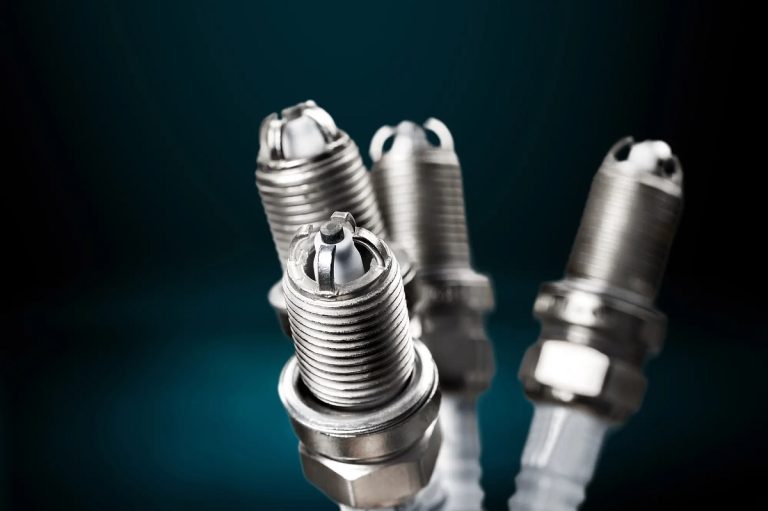
Routine maintenance, including timely replacement of spark plugs, fuel injectors, and filters, minimizes the impact of aging components. Keeping the ignition and fuel systems in proper condition ensures cleaner combustion, reducing carbon formation and preserving overall engine performance.
Driving Style and Engine Load Conditions
Aggressive driving and constant high engine loads can also accelerate carbon accumulation. Rapid acceleration, towing, or repeated high RPM operation increases fuel consumption and creates hot spots in the combustion chamber. These conditions favor incomplete combustion, leaving carbon deposits behind.
Even well-maintained engines are vulnerable under sustained stress. High engine loads can cause localized overheating in piston crowns or valve seats, promoting carbon adhesion. Drivers who frequently operate their vehicle under extreme conditions may notice symptoms sooner, including rough idling, decreased fuel efficiency, or loss of power.
Moderating driving style, avoiding prolonged high RPM use, and incorporating occasional steady-state cruising help reduce carbon formation. Engine design, load management, and consistent maintenance all influence how quickly deposits accumulate, making it important for drivers to adopt habits that promote cleaner combustion and long-term engine health.
How Carbon Build Up Affects Engine Performance
Carbon build up inside an engine can significantly impact its performance, efficiency, and longevity. Deposits that accumulate on intake valves, pistons, and fuel injectors interfere with smooth airflow and precise combustion. Understanding the ways these deposits affect engine operation helps drivers recognize symptoms early and take action to maintain optimal performance.
Reduced Airflow and Combustion Efficiency
One of the primary ways carbon build up affects engine performance is by restricting airflow into the combustion chamber. Deposits on intake valves and ports create partial blockages, limiting the amount of air that reaches the cylinders. This imbalance disrupts the ideal air-fuel mixture required for efficient combustion.
When the mixture becomes uneven, fuel may burn incompletely, reducing the energy produced in each power stroke. This leads to noticeable drops in acceleration and throttle response. Over time, restricted airflow also forces the engine to work harder to maintain power, increasing fuel consumption and creating additional heat stress on internal components.
Carbon deposits in the intake system may also alter airflow patterns, causing turbulence that further reduces combustion efficiency. Even modern engines with direct injection are susceptible to these effects, particularly in vehicles with high mileage or inconsistent maintenance. Maintaining clean intake surfaces ensures smooth airflow and helps preserve engine efficiency and responsiveness.
Misfires and Rough Engine Operation
Carbon build up can create hot spots inside the combustion chamber that ignite fuel prematurely, causing engine knock or misfires. Deposits on spark plugs, pistons, or valves interfere with proper ignition timing, resulting in uneven combustion and rough engine operation.
Misfires may appear as intermittent shaking, hesitation during acceleration, or fluctuating RPMs at idle. These issues strain engine components and can cause long-term damage if not addressed. In addition to performance loss, misfires increase emissions and reduce fuel efficiency, compounding the impact of carbon accumulation.
Rough operation often worsens gradually, making it difficult to detect early without careful observation. Regular engine inspection, spark plug maintenance, and targeted cleaning of carbon-prone areas can minimize misfire risks and help the engine maintain smooth, reliable performance over time.
Loss of Power and Acceleration
Another major consequence of carbon build up is reduced engine power. Deposits on pistons, combustion chambers, and intake valves interfere with proper combustion, lowering the energy produced in each cycle. Drivers may notice slower acceleration, difficulty maintaining speed on inclines, or reduced towing capacity.
The engine control unit may attempt to compensate by increasing fuel delivery, but this only partially offsets the loss of power and often reduces fuel economy. Carbon accumulation also affects throttle response, making acceleration feel sluggish or unresponsive, particularly during rapid pedal input or high-load driving conditions.
Persistent power loss indicates significant deposits and potential long-term performance degradation. Addressing carbon accumulation through cleaning or preventive maintenance restores combustion efficiency, improves throttle response, and helps maintain consistent engine output.
Increased Emissions and Fuel Consumption
Carbon build up disrupts complete fuel combustion, leading to higher emissions and increased fuel consumption. Deposits on valves and pistons prevent fuel from burning efficiently, creating unburned hydrocarbons that exit through the exhaust. This not only reduces fuel economy but may also cause failed emissions tests in regions with strict environmental regulations.
Engines with significant carbon deposits often consume more fuel to maintain performance, as the ECU attempts to compensate for lost efficiency. Over time, this creates a cycle where carbon accumulation leads to higher fuel use, which in turn contributes to further deposits forming inside the engine.
Monitoring exhaust smoke, fuel efficiency, and engine performance provides early warning of carbon-related issues. Addressing these symptoms improves fuel economy, reduces harmful emissions, and ensures the engine operates closer to its original design specifications.
Risks Of Ignoring Engine Carbon Build Up
Neglecting engine carbon build up can lead to significant performance issues, increased maintenance costs, and even permanent engine damage. While early symptoms may seem minor, deposits gradually worsen over time, impacting combustion, fuel efficiency, and mechanical integrity. Recognizing the risks of ignoring carbon accumulation is essential for vehicle longevity and safe operation.
Reduced Engine Efficiency and Fuel Economy
One of the most immediate consequences of untreated carbon build up is reduced engine efficiency. Deposits on intake valves, pistons, and combustion chambers interfere with proper air-fuel mixture and combustion timing. This imbalance forces the engine to work harder to achieve the same performance, consuming more fuel in the process.
Over time, even slight inefficiencies can lead to noticeable declines in miles per gallon. Drivers may find themselves refueling more often, despite no change in driving habits. The engine control unit may attempt to compensate by adjusting fuel delivery, but this cannot fully offset the loss in efficiency caused by carbon deposits.
Prolonged inefficiency also increases wear on engine components. Pistons, cylinders, and valves experience greater stress due to uneven combustion, which can accelerate mechanical degradation. Ignoring these issues can turn what begins as a minor efficiency problem into a larger, more expensive repair concern.
Increased Risk of Engine Misfires and Knock
Carbon build up creates hot spots within the combustion chamber, increasing the risk of engine knock and misfires. Premature ignition caused by these deposits produces sharp noises, vibration, and uneven engine operation, particularly under load or during acceleration.
Misfires strain engine components and can trigger warning lights or activate limp mode in modern vehicles. Ignoring this symptom allows damage to accumulate over time, potentially harming pistons, rods, and bearings. Repeated knock events degrade mechanical integrity, reducing overall engine lifespan.
Even intermittent misfires caused by carbon deposits can reduce reliability, fuel efficiency, and performance. Early attention and cleaning help restore consistent combustion, preventing further stress on critical engine parts and ensuring smoother, more efficient operation.
Potential Long-Term Engine Damage
Left unchecked, carbon build up can lead to severe long-term engine damage. Thick deposits reduce combustion chamber volume, increase cylinder pressures, and create uneven heat distribution. These factors place excessive stress on pistons, valves, and head gaskets, accelerating wear and increasing the likelihood of component failure.
The risk extends to the fuel system and exhaust components as well. Clogged injectors, dirty intake ports, and carbon-laden catalytic converters compromise efficiency, emissions, and engine reliability. Repairing or replacing these components is costly and often preventable with timely maintenance.
Ignoring carbon accumulation also makes other preventive measures less effective. Even regular oil changes or fuel system cleaning may fail to reverse extensive deposits. Addressing carbon build up early reduces long-term repair costs, preserves engine integrity, and maintains optimal performance over the life of the vehicle.
Safety and Driving Reliability Concerns
Engine carbon build up can affect not only performance but also safety and driving reliability. Reduced throttle response, uneven acceleration, and engine stalling in extreme cases increase the risk of dangerous situations, particularly during highway driving or emergency maneuvers.
Vehicles with significant carbon deposits may exhibit sudden power loss or hesitation, which can compromise control in critical moments. Additionally, carbon-related misfires and knock may trigger engine warning lights unexpectedly, causing uncertainty for the driver and increasing the likelihood of breakdowns.
Maintaining a clean combustion system helps ensure predictable engine behavior and minimizes the risk of unexpected mechanical failure. Addressing carbon build up proactively supports safer, smoother, and more reliable operation under all driving conditions.
People Also Asked
What Is Engine Carbon Build Up?
Engine carbon build up occurs when unburned fuel, oil, and combustion byproducts accumulate on components like intake valves, pistons, and combustion chambers. You may not notice it immediately, but over time these deposits interfere with airflow, fuel atomization, and ignition timing.
As carbon accumulates, your engine may experience reduced efficiency, rough idling, or sluggish acceleration. It’s a gradual process that affects performance, fuel economy, and emissions. Understanding how carbon forms helps you recognize early warning signs and take preventive measures to maintain engine health.
What Causes Engine Carbon Build Up?
Engine carbon build up is primarily caused by incomplete combustion, low-quality fuel, excessive oil consumption, and short trips that prevent the engine from reaching optimal temperature. You may also notice faster accumulation in older engines or vehicles with direct fuel injection systems.
Driving habits such as frequent stop-and-go traffic or aggressive acceleration can worsen the problem. Neglected maintenance, worn spark plugs, and faulty fuel injectors contribute to deposits forming on internal engine components. Awareness of these factors allows you to take steps to prevent or reduce carbon accumulation.
What Are The Symptoms Of Engine Carbon Build Up?
Symptoms of engine carbon build up include rough idling, misfires, reduced fuel efficiency, sluggish acceleration, engine knocking, and unusual exhaust smoke. You may notice hesitation when pressing the accelerator or a drop in overall engine performance over time.
In addition, you might see black smoke from the exhaust or smell fuel odors while driving. These signs indicate that the combustion process is being affected by carbon deposits. Early detection allows you to take corrective measures, such as professional cleaning or maintenance, to prevent further engine damage.
How Can Engine Carbon Build Up Affect Performance?
Carbon build up reduces engine efficiency by restricting airflow, disrupting fuel atomization, and causing uneven combustion. You may feel slower acceleration, rough idling, or a lack of throttle response. Even minor deposits can affect fuel economy and increase emissions over time.
Severe accumulation can create hot spots in the combustion chamber, leading to engine knock, misfires, and long-term damage to pistons or valves. Maintaining clean internal components ensures smooth operation, preserves fuel efficiency, and protects your engine from irreversible wear.
Can Engine Carbon Build Up Be Removed?
Yes, engine carbon build up can be removed through professional cleaning methods. Techniques such as walnut blasting, chemical intake cleaning, and fuel injector cleaning help eliminate stubborn deposits from valves, pistons, and intake ports.
You can also use fuel additives designed to dissolve minor carbon deposits between maintenance intervals. Timely removal restores airflow, improves combustion, and enhances throttle response. Preventive cleaning is especially important for direct-injection engines, which are more prone to carbon accumulation due to reduced fuel contact with intake valves.
How Can I Prevent Engine Carbon Build Up?
Preventing engine carbon build up involves using high-quality fuel, following the manufacturer’s maintenance schedule, and avoiding excessive short trips that prevent the engine from reaching operating temperature. You should also replace worn spark plugs, maintain the fuel system, and monitor oil consumption regularly.
Driving at steady speeds periodically helps burn off minor deposits naturally. Fuel additives and professional cleaning services can also supplement preventive measures. By combining proper fuel, maintenance, and driving habits, you can significantly reduce carbon accumulation and keep your engine performing efficiently over the long term.
Final Thoughts
Regular maintenance and attention to your vehicle can make a huge difference in preventing long-term engine issues. Ignoring minor performance changes like rough idling, reduced fuel efficiency, or unusual engine noises can allow engine carbon build up to worsen over time. Addressing these signs early ensures that the engine continues to run smoothly and efficiently.
Understanding the causes of engine carbon build up, such as short trips, poor-quality fuel, or delayed maintenance, helps you take proactive steps. By using quality fuel, keeping spark plugs and filters in good condition, and occasionally using fuel system cleaners, you can minimize the accumulation of carbon deposits. These small actions prevent costly repairs and maintain engine reliability.
Finally, regular inspections and professional cleaning when needed play a key role in controlling engine carbon build up. Maintaining a clean engine not only improves performance and fuel economy but also extends the overall lifespan of your vehicle, keeping it safer and more efficient on the road.