Car Makes Intermittent Grinding Noise When Driving: Causes, Diagnosis, and Fixes
Hearing unusual noises from your vehicle can be unsettling, especially when it’s difficult to pinpoint the source. One common issue that worries drivers is a grinding sound that occurs intermittently while driving. This type of noise can indicate underlying problems in the brakes, transmission, or wheel bearings, and ignoring it could lead to more serious damage.
Understanding why your car produces these irregular grinding sounds is essential for maintaining safety and performance. These noises often appear during certain driving conditions, such as turning, braking, or accelerating, signaling that some components may be wearing down or misaligned.
Knowing what to listen for and observing when the noise occurs helps identify potential problems quickly. Learning about Car Makes Intermittent Grinding Noise When Driving gives insight into what might be wrong and how urgent the situation could be.
Common Causes of Intermittent Grinding Noise
A car making intermittent grinding noise when driving can stem from several underlying issues. These sounds often indicate friction, wear, or misalignment in critical components like brakes, bearings, or transmission parts. Understanding the common causes of such noises helps drivers identify potential problems early, prevent further damage, and maintain both vehicle performance and safety.
Worn Brake Pads or Rotors
One of the most common causes of intermittent grinding noise is worn brake pads or rotors. As brake pads wear down, the metal backing may begin to contact the rotor, producing a sharp grinding sound, especially when braking lightly or intermittently.
This noise usually appears during specific driving situations, such as stopping from low speeds, turning corners, or applying light pressure to the brake pedal. Ignoring worn brakes can result in rotor damage, reduced braking efficiency, and potentially dangerous driving conditions. Regular inspection of brake pads, rotors, and calipers ensures timely replacement, restores smooth braking, and eliminates intermittent grinding noises while maintaining vehicle safety.
Wheel Bearing Issues
Faulty or worn wheel bearings can also cause intermittent grinding noises while driving. Bearings support the wheel hub and allow smooth rotation. When they start to fail, friction increases, leading to a grinding or humming sound that may come and go depending on speed, road surface, or turning direction.
Symptoms often include vibration through the steering wheel, uneven tire wear, and changes in noise when turning or accelerating. Driving with damaged wheel bearings can be dangerous, as it increases the risk of wheel lockup or hub failure. Addressing wheel bearing problems promptly helps restore smooth wheel operation and prevents further damage to surrounding components.
Transmission or Differential Problems
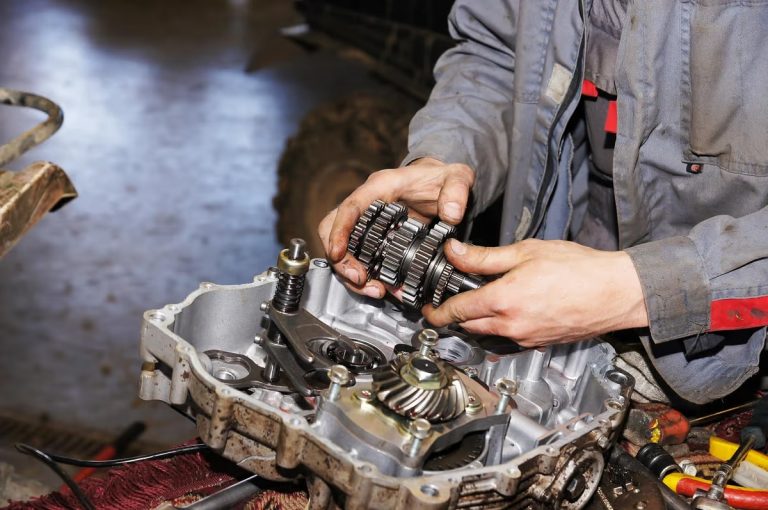
The transmission or differential can also produce intermittent grinding noises, particularly if gears are worn or the fluid is low or contaminated. In manual transmissions, worn synchros may cause grinding when shifting, while automatic transmissions may produce noises during gear engagement or deceleration.
Differential issues, such as worn gears or bearings, can also generate grinding or whining noises, often noticeable when turning or under load. These noises signal internal wear that requires inspection by a professional. Timely attention prevents severe transmission or differential damage, reduces repair costs, and ensures reliable power delivery to the wheels.
CV Joints and Axle Issues
Intermittent grinding noises can originate from damaged constant velocity (CV) joints or axles, especially in front-wheel-drive or all-wheel-drive vehicles. CV joints transmit power from the transmission to the wheels while allowing for smooth suspension movement.
A worn or damaged CV joint often produces grinding or clicking noises during acceleration, turning, or driving over bumps. Failure to address CV joint issues can lead to axle breakage, loss of power to the wheel, or unsafe handling. Regular inspection of CV boots and joints helps maintain smooth power transfer and prevents intermittent grinding caused by component wear.
Debris or Foreign Objects
Sometimes, intermittent grinding noises result from debris caught between moving parts. Small stones, dirt, or rust particles can lodge between brake pads and rotors, in wheel hubs, or along suspension components.
These foreign objects may create occasional grinding sounds that disappear when the debris shifts or dislodges. While this is a less serious cause, leaving debris untreated can damage components over time, accelerate wear, and lead to more significant mechanical problems. Cleaning and inspecting the affected areas ensures smooth operation and eliminates the occasional grinding noises caused by trapped debris.
Rust or Corrosion on Brake Components
Brake rotors and drums are susceptible to rust or corrosion, especially after exposure to moisture or long periods of inactivity. Surface rust can cause intermittent grinding noises when the brakes are applied lightly or during initial driving after the vehicle has been parked.
Although minor rust often wears away with normal braking, persistent corrosion can damage the rotors or drums, leading to uneven wear and continuous noise. Regular maintenance, including cleaning and resurfacing or replacing affected brake components, keeps braking smooth and eliminates intermittent grinding caused by corrosion.
Loose or Worn Suspension Parts
Suspension components like control arms, bushings, and strut mounts can also contribute to intermittent grinding noises. Worn or loose parts may shift under certain driving conditions, producing friction or metal-on-metal contact.
These noises may appear during acceleration, deceleration, cornering, or driving over uneven surfaces. Ignoring suspension issues can compromise vehicle handling, increase tire wear, and lead to more extensive damage. Periodic suspension inspections, tightening of loose components, and replacement of worn parts ensure smooth operation, stable handling, and elimination of intermittent grinding noises related to suspension wear.
Identifying the Source of the Noise
When a car makes intermittent grinding noise when driving, pinpointing the source is critical to addressing the problem effectively. Grinding noises can originate from various components such as brakes, wheel bearings, suspension, or the transmission. Understanding how to identify the origin of the sound ensures accurate diagnosis, reduces unnecessary repairs, and keeps your vehicle safe and reliable on the road.
Listening and Observing Driving Conditions
The first step in identifying the source of intermittent grinding is careful listening while driving. Pay attention to when the noise occurs, whether during acceleration, braking, turning, or driving over bumps.
For example, grinding that happens only when braking often points to worn brake pads or rotors. If the noise is present during turns or at specific speeds, it may indicate a failing wheel bearing or CV joint. Observing patterns in the noise helps narrow down the potential causes, making the inspection process more focused. Keeping notes on speed, road conditions, and pedal usage can provide valuable clues for mechanics.
Inspecting Brakes and Rotors
Brake components are a common culprit for intermittent grinding sounds. Start by visually inspecting the brake pads, rotors, and calipers for wear, damage, or debris. Thin pads, grooves, or uneven rotor surfaces often create intermittent grinding noises when the brakes engage lightly or partially.
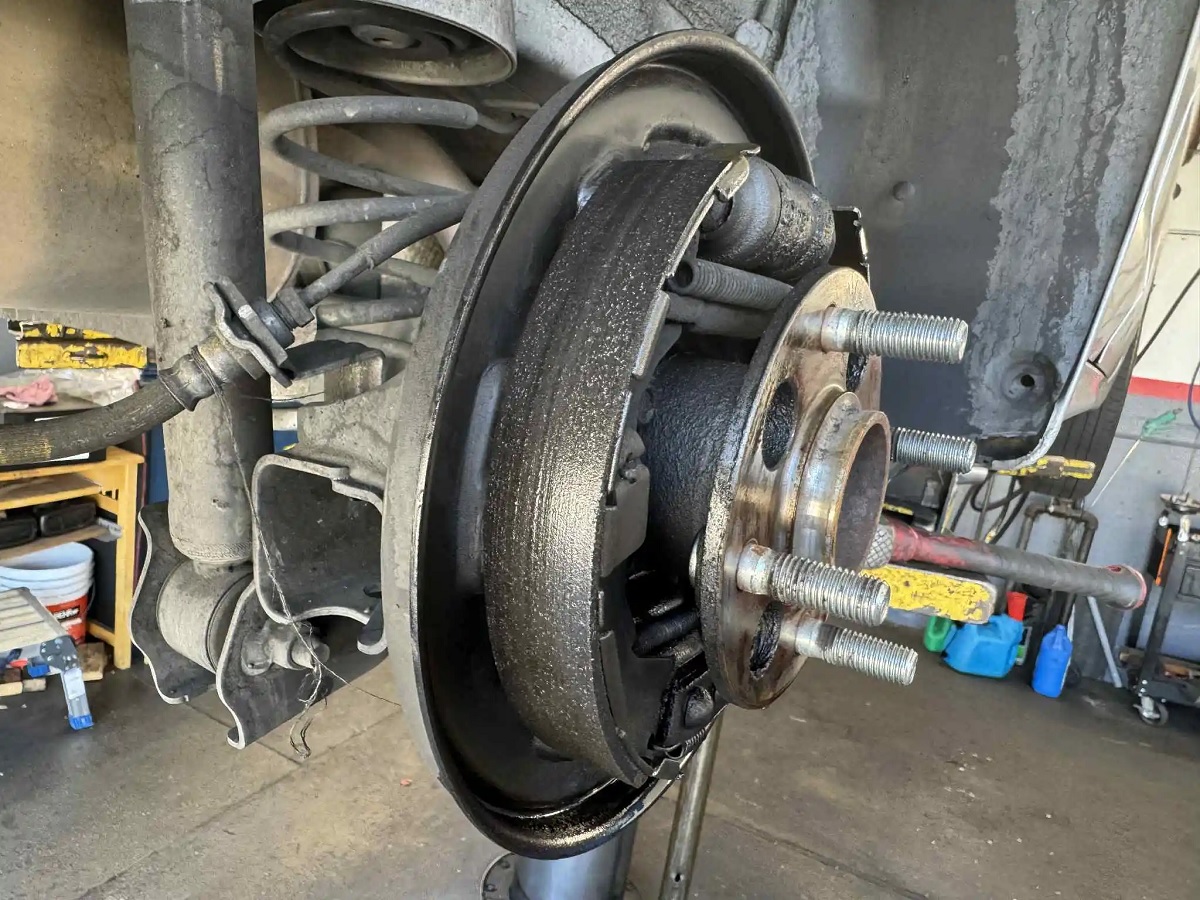
Removing wheels and examining the pads and rotors can reveal metal-on-metal contact, rust buildup, or foreign objects lodged between components. Pay attention to both front and rear brakes, as issues can occur on either axle. Cleaning, resurfacing, or replacing worn parts typically resolves grinding caused by brake problems.
Checking Wheel Bearings and CV Joints
Wheel bearings and CV joints are frequent sources of grinding noises, especially when the sound changes with vehicle speed or turning direction. To inspect wheel bearings, lift the car and check for excessive play in the wheel hub by trying to rock the wheel back and forth.
CV joints can be examined by checking the CV boots for tears or leaks. Damaged joints may produce a grinding or clicking sound when accelerating or turning. Early detection of worn bearings or CV joints prevents further damage to axles, hubs, and suspension components and ensures smooth wheel rotation.
Inspecting Suspension and Steering Components
Suspension and steering parts such as control arms, bushings, and strut mounts can also produce intermittent grinding noises. Look for signs of wear, cracks, or looseness in these components.
During inspection, gently move the suspension components and listen for metal-on-metal contact or unusual friction. Worn bushings or loose mounts may cause grinding when weight shifts during acceleration, braking, or cornering. Replacing or tightening these components eliminates the noise while maintaining proper handling and vehicle stability.
Considering Transmission or Drivetrain Issues
If the noise is not linked to brakes, wheels, or suspension, the transmission or drivetrain may be the source. Grinding during gear shifts, acceleration, or deceleration often indicates internal wear or insufficient lubrication.
Check transmission fluid levels and condition, as low or contaminated fluid can exacerbate grinding. Manual transmissions may exhibit synchro wear, while automatic transmissions could have torque converter or gear issues. Proper diagnosis by a professional mechanic is recommended, as drivetrain repairs are complex and require specialized tools and expertise to restore smooth operation and prevent further damage.
Effects on Vehicle Performance
When a car makes intermittent grinding noise when driving, it’s not just an annoyance—it can directly affect vehicle performance. Grinding sounds often indicate worn or damaged components such as brakes, wheel bearings, or drivetrain parts, which can compromise acceleration, handling, and overall drivability. Understanding how these issues impact performance helps drivers take timely action to maintain safety and efficiency.
Reduced Braking Efficiency
One of the most immediate effects of grinding noises is reduced braking efficiency. Worn brake pads or rotors create metal-on-metal contact that diminishes stopping power and increases braking distance.
This reduction in braking efficiency can make routine stops less predictable and increase the risk of collisions. Intermittent grinding while braking may also indicate uneven rotor wear, which can cause vibration through the brake pedal and steering wheel. Addressing brake issues promptly restores proper stopping power, ensures smooth pedal feel, and prevents further damage to other braking system components. Regular inspection and replacement of worn pads and rotors are essential to maintaining vehicle safety and performance.
Compromised Handling and Steering
Grinding noises originating from wheel bearings, suspension, or CV joints can negatively impact handling and steering. Worn or damaged bearings may create slight wheel wobble or uneven rotation, while faulty CV joints can affect power delivery to the wheels.
These issues often result in vibrations or shuddering, particularly when cornering or accelerating. Compromised suspension components or loose mounts can also lead to inconsistent steering response, making the vehicle feel unstable during maneuvers. Timely maintenance of bearings, CV joints, and suspension components ensures smooth, predictable handling and improves overall vehicle control.
Increased Fuel Consumption and Engine Strain
Intermittent grinding can indirectly affect fuel efficiency. Components such as worn bearings, brakes, or drivetrain parts create additional friction, forcing the engine to work harder to maintain speed.
This increased load results in higher fuel consumption and places unnecessary stress on the engine and transmission. Over time, continued strain may accelerate wear on critical components, reduce performance, and lead to more costly repairs. Addressing the root cause of grinding noises restores smooth mechanical operation, reduces friction, and ensures the engine runs efficiently without wasting fuel.
Noise-Induced Driver Fatigue and Safety Concerns
Persistent or intermittent grinding noises can also affect driver concentration and comfort. The constant awareness of an unusual sound may distract the driver, increasing reaction times and the risk of accidents.
Vibrations or jolts accompanying grinding noises can further reduce comfort, especially on longer drives, and may mask other warning sounds from the vehicle. Promptly diagnosing and repairing the source of grinding noise improves driver confidence, reduces fatigue, and ensures the vehicle operates safely under various driving conditions.
Potential for Secondary Damage
Ignoring intermittent grinding noises can lead to secondary damage in other vehicle systems. For example, worn brake components may damage rotors, and failing wheel bearings can compromise hubs or suspension parts.
Similarly, drivetrain issues left unchecked can cause stress on the transmission or axles. Addressing these problems early prevents cascading failures, reduces repair costs, and ensures optimal performance. Maintaining all affected systems in good condition ensures your vehicle remains responsive, efficient, and safe to drive.
Diagnosing the Problem
When a car makes intermittent grinding noise when driving, identifying the exact cause is essential before attempting repairs. Multiple systems, including brakes, wheel bearings, suspension, and drivetrain components, can produce similar sounds. Proper diagnosis prevents unnecessary replacements, ensures safety, and restores vehicle performance efficiently.
Conducting a Visual Inspection
The first step in diagnosing the problem is a thorough visual inspection. Start by checking brake components, including pads, rotors, and calipers, for signs of wear, grooves, or rust. Thin pads or metal contact on rotors are common sources of grinding noises.
Next, examine wheels and suspension parts, such as control arms, bushings, and CV joints, for damage, looseness, or fluid leaks. Look for torn CV boots, worn bearings, or loose bolts that may contribute to intermittent grinding. A careful visual inspection often reveals obvious issues and helps narrow down the potential sources of the noise.
Listening During Driving Tests
After a visual inspection, performing controlled driving tests can help pinpoint the problem. Listen carefully for when the grinding occurs—whether during acceleration, braking, cornering, or driving over bumps.
For example, grinding during braking typically points to worn pads or rotors, while noise during turns may indicate wheel bearing or CV joint issues. Varying speed and load conditions during these tests helps identify patterns. Recording these observations allows for a more focused inspection and provides mechanics with valuable information for accurate diagnosis.
Checking Component Movement and Play
Testing for movement or play in critical components is another key diagnostic step. Lift the vehicle and manually check the wheels for excessive wobble, which may indicate worn bearings.
Suspension parts like bushings, control arms, and strut mounts should be tested for looseness or unusual movement. CV joints can be inspected by gently rotating or moving the axles while listening for clicking or grinding noises. Identifying excessive play helps determine which components require repair or replacement before further damage occurs.
Using Diagnostic Tools and Professional Assistance
For less obvious issues, diagnostic tools like stethoscopes, pry bars, or scan tools can assist in locating the source of the grinding noise. Mechanics may also use these tools to test brakes, bearings, and drivetrain components while the vehicle is stationary or during controlled operation.
Professional assistance is especially important for transmission or drivetrain-related grinding. These systems are complex, and incorrect diagnosis or repair can cause further damage. Using proper tools and expertise ensures an accurate assessment, allowing targeted repairs that restore vehicle performance and prevent recurring noise issues.
Immediate Safety Precautions
When a car makes intermittent grinding noise when driving, taking immediate safety precautions is critical. Grinding noises often indicate problems with essential components like brakes, wheel bearings, or the drivetrain. Ignoring these symptoms can compromise vehicle control and increase the risk of accidents. Understanding how to respond safely ensures you protect both yourself and your passengers while preventing further mechanical damage.
Reduce Driving Speed and Avoid Heavy Traffic
The first step when you notice intermittent grinding is to reduce your speed. Driving at high speeds while mechanical components are compromised increases the risk of losing control, especially if the noise originates from brakes, wheel bearings, or CV joints.
Slowing down gives you more time to react if a component fails completely. Avoiding heavy traffic or busy roads allows for safer maneuvering and reduces the chance of sudden stops or collisions. Limiting acceleration, braking, and sharp turns while driving cautiously helps prevent aggravating the problem until the vehicle can be inspected or repaired.
Avoid Heavy Braking or Aggressive Maneuvers
Grinding noises related to brakes or wheel bearings require gentle handling. Avoid heavy braking, rapid acceleration, or sharp cornering, as these actions can worsen damage or trigger component failure.
For instance, forcing the brakes when pads or rotors are worn may increase metal-on-metal contact, causing further wear or rotor damage. Aggressive maneuvers can also place extra stress on wheel bearings, suspension components, or CV joints, increasing the likelihood of a sudden breakdown. Driving smoothly and maintaining a safe following distance minimizes stress on the affected parts and reduces safety risks.
Check for Warning Lights and Dashboard Indicators
Pay close attention to dashboard warning lights when grinding noises occur. Lights related to brakes, ABS, or transmission may indicate serious issues that require immediate attention.
Ignoring these alerts can put you at risk of brake failure, transmission damage, or loss of vehicle control. Pull over safely to inspect the vehicle if any warning lights accompany the grinding noise. Regularly monitoring dashboard indicators, fluid levels, and brake responsiveness helps identify problems early and ensures that immediate precautions are taken before the situation worsens.
Pull Over Safely if Symptoms Worsen
If the grinding noise becomes louder, more frequent, or is accompanied by vibration, smoke, or burning smells, it’s essential to pull over safely. Continuing to drive under these conditions can cause catastrophic failure of critical components like brakes, bearings, or the transmission.
Choose a safe location off the road, engage the parking brake, and avoid restarting the vehicle repeatedly until it has been inspected. Stopping promptly prevents accidents, protects passengers, and minimizes additional damage to the vehicle. This precaution ensures the problem does not escalate while awaiting professional assistance.
Call for Professional Assistance
Once the vehicle is stopped and stabilized, contact a qualified mechanic or towing service for professional evaluation. Attempting to drive long distances with grinding noises can lead to further damage or accidents.
Professional inspection allows for accurate diagnosis of brakes, bearings, CV joints, suspension, or drivetrain issues. Mechanics can recommend whether a repair, replacement, or more extensive maintenance is required. Using expert services ensures your vehicle is restored safely, preventing recurring grinding noises and protecting both performance and safety on the road.
Repair and Replacement Solutions
When a car makes intermittent grinding noise when driving, timely repair or replacement of affected components is essential. Grinding noises typically indicate wear or damage to brakes, wheel bearings, suspension, or drivetrain parts. Understanding the best solutions ensures that your vehicle operates safely, restores performance, and prevents further mechanical issues.
Brake System Repairs
Worn brake pads and rotors are among the most common causes of grinding noises. Replacing damaged brake pads and resurfacing or replacing rotors is often the most effective solution.
During repair, a mechanic will remove the wheels and inspect the calipers, pads, and rotors for wear or damage. Any rust buildup, grooves, or warping on the rotors should be addressed to prevent recurring noise. Brake hardware, such as clips and shims, may also be replaced to ensure proper alignment and consistent braking performance. Timely brake repair restores smooth stopping power, eliminates grinding noises, and protects other braking system components from further damage.
Wheel Bearing Replacement
Faulty wheel bearings can create grinding or humming noises, especially during turns or at higher speeds. Replacing worn or damaged bearings restores smooth wheel rotation and eliminates vibrations or shuddering.
The replacement process involves lifting the vehicle, removing the wheel and hub assembly, and pressing out the old bearing. A new bearing is installed with proper lubrication and torque specifications to prevent premature failure. Failing to replace worn bearings can lead to axle damage or wheel detachment, making timely replacement critical for safety and performance. Proper installation ensures the wheels operate quietly and reliably.
CV Joint and Axle Repairs
Damaged CV joints or axles are another common source of intermittent grinding noises. CV joints transmit power from the transmission to the wheels while allowing suspension movement. Worn joints or torn boots require immediate attention to prevent further damage.
Repair typically involves replacing the CV joint or the entire axle assembly if necessary. Mechanics inspect surrounding components, such as the CV boot, for tears or leaks, and ensure the new parts are properly lubricated. Addressing CV joint issues restores smooth power delivery, improves handling, and prevents sudden axle failure while driving.
Suspension Component Replacement
Grinding noises caused by worn suspension components like control arms, bushings, or strut mounts require repair or replacement to restore proper handling. Worn bushings or loose mounts can create friction and metal-on-metal contact, leading to intermittent noise and compromised stability.
Replacing damaged suspension parts involves removing the affected components and installing new ones with proper torque settings. This process restores suspension geometry, improves ride quality, and eliminates grinding caused by worn parts. Routine suspension inspections help prevent future noise and maintain safe, predictable handling.
Drivetrain and Transmission Solutions
Grinding noises from the drivetrain or transmission require specialized inspection and repair. Issues may include worn gears, synchros, or torque converters, which cause noise during acceleration or gear engagement.
Depending on the severity, repairs may involve replacing worn gears, synchronizers, or fluid service. In some cases, professional rebuilds or component replacement may be necessary to restore smooth operation. Maintaining proper fluid levels and using manufacturer-recommended transmission fluids ensures longevity and reduces the risk of recurring grinding. Addressing drivetrain issues promptly preserves vehicle performance and prevents more costly repairs.
Preventive Maintenance to Avoid Future Grinding
After repairing or replacing components, preventive maintenance is critical. Regular inspections of brakes, wheel bearings, CV joints, suspension, and drivetrain parts can detect early signs of wear before grinding occurs.
Maintaining proper lubrication, torque specifications, and fluid levels reduces friction and stress on moving parts. Following the manufacturer’s recommended service schedule helps extend the lifespan of repaired components, ensuring quieter operation and improved vehicle performance. Preventive maintenance reduces the likelihood of future grinding and promotes long-term safety and reliability.
Frequently Asked Questions
What Causes My Car To Make Intermittent Grinding Noise When Driving?
You may notice an intermittent grinding noise when driving due to several common issues. Worn brake pads or rotors often produce a grinding sound, especially when braking. Failing wheel bearings or CV joints can also create grinding noises while turning or accelerating. Transmission problems or debris caught in brakes or undercarriage may be other causes.
Identifying the source early helps prevent serious damage. By observing when the noise occurs and its location, you can narrow down the likely cause. Regular inspections and prompt repairs are key to keeping your vehicle safe and reliable.
Is It Dangerous If My Car Makes Intermittent Grinding Noise When Driving?
Yes, it can be dangerous if you ignore the noise. Grinding often signals worn brake components, failing bearings, or drivetrain issues. These problems can reduce braking efficiency, affect handling, or cause wheel or transmission damage. Driving without addressing the issue may lead to accidents or more costly repairs.
You should limit high-speed driving and avoid heavy braking until the problem is diagnosed. Early intervention ensures your safety and prevents the noise from turning into a major mechanical failure.
How Can I Identify Where The Grinding Noise Is Coming From?
To identify the source, pay attention to when and where the noise occurs. Is it louder during braking, acceleration, or turning? Check whether it comes from the front or rear wheels, left or right side. Visual inspection of brakes, rotors, tires, and suspension components can also help.
Listening carefully while driving slowly in a safe area often pinpoints the location. Combining your observations with professional inspection ensures accurate diagnosis and proper repair of the grinding noise.
Can Worn Brake Pads Cause Intermittent Grinding Noise When Driving?
Yes, worn brake pads are a common cause of grinding noises. When pads wear down, the metal backing can contact the rotor, producing a sharp or intermittent grinding sound. The noise may become more noticeable during braking or turns.
Ignoring worn brake pads risks rotor damage and compromised braking performance. Replacing the pads promptly restores smooth braking and eliminates the grinding noise, preventing further damage and ensuring safer driving.
Could Wheel Bearings Be Responsible For The Noise?
Yes, failing wheel bearings often create intermittent grinding or humming noises. The sound may intensify when turning or accelerating. Bearings wear out over time due to heat, stress, or lack of lubrication.
Driving with a bad wheel bearing can lead to wheel instability, uneven tire wear, and even wheel detachment in severe cases. Detecting the noise early allows timely replacement, protecting both the vehicle and your safety on the road.
Does Transmission Trouble Cause Grinding Sounds While Driving?
Transmission issues can produce intermittent grinding noises, especially when shifting gears. Low or contaminated transmission fluid, worn gears, or clutch problems in manual transmissions can trigger unusual sounds.
If the grinding occurs in conjunction with slipping gears, delayed acceleration, or vibrations, your transmission may require inspection. Addressing these issues quickly prevents more extensive damage, preserves engine performance, and ensures smoother gear transitions.
How Do I Check If CV Joints Are Causing The Grinding Noise?
CV joints, especially in front-wheel-drive cars, can create intermittent grinding or clicking noises when turning or accelerating. Look for torn CV boots, grease leakage, or unusual joint movement.
Testing involves driving slowly in a safe area and listening for consistent grinding when turning. Replacing damaged CV joints or boots restores proper function and eliminates the noise, maintaining smooth power delivery to the wheels.
When Should I Take My Car To A Mechanic For This Noise?
You should consult a mechanic as soon as you notice grinding noises. Delaying inspection can worsen the problem and lead to costly repairs. Immediate attention is particularly important if the noise occurs during braking, accelerating, or turning.
A professional can accurately diagnose the source, whether it’s brakes, wheel bearings, CV joints, or transmission components. Prompt repair ensures safety, prevents further damage, and restores your vehicle’s performance to normal.
Final Thoughts
Experiencing unusual noises while driving can be alarming, and when a Car Makes Intermittent Grinding Noise When Driving, it often signals underlying mechanical issues that require attention. These noises can stem from worn brakes, failing wheel bearings, suspension problems, or drivetrain concerns. Ignoring the sound can lead to reduced vehicle performance, safety hazards, and more costly repairs down the line.
Addressing the issue promptly ensures that critical components are inspected, repaired, or replaced as needed. Proper diagnosis helps identify whether the noise is brake-related, suspension-related, or connected to the drivetrain, allowing for targeted repairs. Timely intervention not only restores smooth driving performance but also prevents secondary damage that could compromise the vehicle’s safety and longevity.
Regular maintenance and attentive driving are key to preventing future grinding noises. By keeping up with inspections, fluid changes, and component replacements, drivers can minimize wear, improve handling, and ensure that a Car Makes Intermittent Grinding Noise When Driving does not become a recurring problem.