Brakes Squeak When Releasing Pedal: Causes And How To Fix The Noise
Many drivers notice an unusual squeaking sound coming from their vehicle when they take their foot off the brake pedal. This noise can be concerning, as it often signals underlying issues in the braking system that affect safety and performance. Understanding the causes behind these sounds helps you address them promptly and maintain reliable braking.
Brakes squeak when releasing pedal for various reasons, ranging from worn brake pads to minor dust or debris between the pad and rotor. The sound is often most noticeable in cold or humid conditions, but persistent squeaking may indicate more serious mechanical problems that require attention.
Paying attention to accompanying symptoms, such as vibrations, reduced braking efficiency, or dashboard warning lights, can help pinpoint the root cause. Early identification allows for targeted maintenance or repairs, preventing further damage to the braking components.
Common Symptoms When Brakes Squeak On Release
When your brakes squeak when releasing pedal, it often signals that the braking system needs attention. While a brief squeak may be harmless, persistent or loud noises usually indicate wear or mechanical issues. Recognizing accompanying symptoms helps drivers identify the source of the problem, maintain safe braking performance, and prevent more costly repairs.
Vibrations Or Pulsations When Braking
One common symptom accompanying brake squeak on release is vibrations or pulsations felt through the brake pedal or steering wheel. This typically occurs when brake rotors are warped or unevenly worn. Warped rotors create inconsistent contact with the brake pads, producing both noise and a pulsating sensation during braking.
Drivers may notice the vibration becomes more pronounced when the brakes are hot, after extended driving, or in stop-and-go traffic. Over time, continued use can accelerate rotor and pad wear, reducing braking efficiency. Professional inspection often involves measuring rotor thickness and checking for surface irregularities. Resurfacing or replacing the rotors restores smooth braking, reduces vibrations, and eliminates squeaking noises during pedal release. Maintaining proper rotor condition ensures consistent braking performance and improves overall driving safety.
Reduced Braking Efficiency
Persistent squeaking when releasing the brake pedal may also be accompanied by reduced braking performance. Worn brake pads, glazed rotors, or contamination from oil or dust can prevent the pads from fully gripping the rotor, resulting in longer stopping distances and less responsive braking.
Symptoms include a spongy or soft brake pedal, increased stopping distance, or a delay in braking response. Regular inspection and replacement of worn pads or resurfacing of damaged rotors address these issues. Ensuring that the braking system components are in optimal condition not only reduces squeaking but also restores braking efficiency, providing safer control of the vehicle in everyday driving situations.
Visual Signs Of Brake Wear
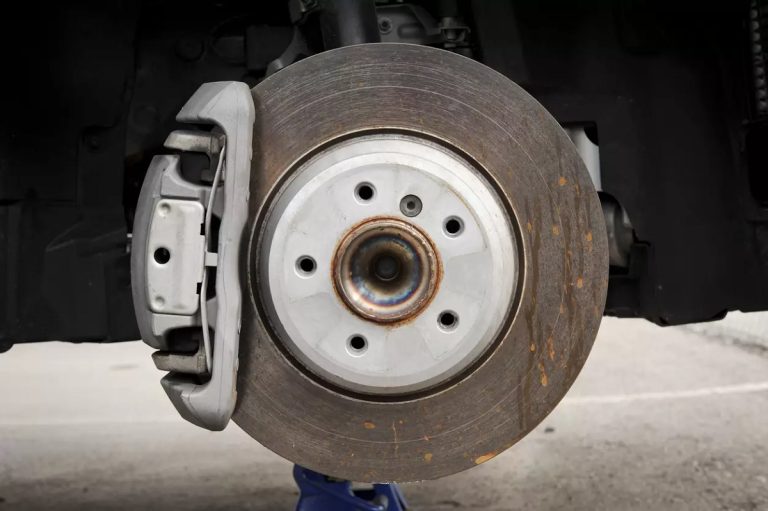
Visual cues often accompany squeaking brakes on release. Worn brake pads, for example, may appear thin or uneven, and some vehicles feature built-in wear indicators that produce a squealing sound as pads approach the end of their life. Rotors may show scoring, grooves, or discoloration due to heat buildup.
Inspecting brake components regularly can help detect wear before it leads to more serious issues. Replacing worn pads and addressing damaged rotors eliminates squeaking noises, restores proper brake contact, and ensures smooth braking performance. Visual inspections also allow drivers to monitor overall brake system health, preventing costly repairs and maintaining vehicle safety.
Unusual Smells Or Heat
Another symptom that often accompanies squeaking brakes is unusual smells, such as a burning odor, or excessive heat from the wheels. These signs indicate friction between worn components or contaminated pads and rotors.
Drivers may notice a strong metallic or burnt smell after extended braking or heavy traffic stops. Heat and friction can accelerate pad wear, glaze the rotors, and contribute to the squeaking sound when releasing the pedal. Prompt inspection and maintenance, including pad replacement and rotor resurfacing, can reduce noise and prevent potential brake failure. Monitoring heat and odors provides an early warning system for braking issues that may otherwise go unnoticed.
Noise Patterns And Frequency
The characteristics of the squeak itself can provide clues about the underlying problem. High-pitched, metallic squeaks often indicate pad wear or the presence of dust and debris, while low, grinding noises may suggest rotor damage or lack of lubrication on hardware components.
Observing when the noise occurs—after light braking, heavy stops, or during cold starts—helps narrow down potential causes. Addressing worn pads, lubricating contact points, and cleaning debris from the braking system restores quiet operation. Paying attention to noise patterns allows drivers to diagnose and resolve issues efficiently, reducing risks and maintaining optimal braking performance.
Worn Brake Pads Or Hardware
Brake pads and related hardware are critical components that ensure smooth, reliable braking. Over time, these parts wear down due to friction, heat, and regular use. Worn brake pads or hardware can lead to squeaking when releasing the pedal, reduced braking performance, and potential damage to rotors. Understanding how wear affects your braking system helps prevent costly repairs and maintain safety.
Signs Of Worn Brake Pads
Worn brake pads are one of the most common causes of squeaking when releasing the pedal. As pads thin, the metal wear indicators come into contact with the rotors, creating a high-pitched squeal. Over time, friction between worn pads and rotors may also produce vibrations or pulsations.
Drivers may notice reduced stopping power, a longer pedal travel distance, or a spongy feel when braking. Regular inspection involves measuring pad thickness and checking for uneven wear patterns. Replacing worn pads restores proper braking contact, eliminates squeaks, and improves overall vehicle safety. High-quality pads compatible with your vehicle type ensure consistent braking performance and reduce the likelihood of premature wear.
Maintaining proper brake pad condition prevents damage to rotors and other braking components, reducing repair costs and improving driving confidence.
Hardware Issues That Contribute To Noise
Beyond pads, hardware such as shims, clips, caliper pins, and anti-rattle springs play a crucial role in stabilizing the braking system. Worn or missing hardware can cause the brake pads to shift or vibrate, producing squeaks when the pedal is released.
Symptoms include uneven pad wear, rattling noises, and reduced braking efficiency. Inspecting and lubricating caliper slides, replacing worn clips or shims, and ensuring anti-rattle springs are properly seated restores stability. Proper hardware function keeps pads aligned, maintains consistent contact with rotors, and prevents squeaking or vibrations during braking.
Maintaining hardware along with the brake pads ensures smooth operation and extends the lifespan of the braking system.
Effects On Rotors And Overall Performance
Worn brake pads or hardware can accelerate rotor wear, causing grooves, heat spots, or warping. This further increases noise and reduces braking efficiency, particularly when releasing the pedal. Over time, uneven rotor surfaces may lead to pulsations, vibration, and harsh pedal feedback.
Replacing worn pads and damaged hardware, along with resurfacing or replacing rotors as needed, restores smooth braking. Properly maintained rotors improve pedal feel, eliminate squeaks, and ensure even pad wear in the future. Routine inspections prevent minor issues from escalating into costly repairs, preserving both braking performance and vehicle safety.
Importance Of Timely Replacement
Ignoring worn brake pads or hardware can compromise safety and lead to more extensive damage. Timely replacement prevents squeaking, improves stopping power, and maintains predictable vehicle control during daily driving or emergency situations.
Regular brake inspections, following manufacturer-recommended service intervals, ensure that pads, hardware, and rotors remain in optimal condition. Addressing wear proactively protects the braking system, enhances driving confidence, and reduces the likelihood of unexpected failures on the road.
Rotor Surface Issues
Brake rotors are essential for converting kinetic energy into friction, allowing your vehicle to stop safely. Over time, rotor surfaces can develop issues such as warping, scoring, or glazing, which can lead to noises, vibrations, and reduced braking efficiency. Understanding rotor surface problems is key to addressing squeaks, ensuring smooth pedal release, and maintaining optimal braking performance.
Warped Rotors
Warped rotors are a common cause of squeaking when releasing the brake pedal. Warping occurs due to uneven heat distribution during heavy braking or prolonged stops, causing the rotor surface to become uneven.
Symptoms include vibrations felt through the brake pedal, steering wheel, or vehicle body, especially during braking. Drivers may notice pulsations or rhythmic squeaks when releasing the pedal, often worsening as rotors heat up. Addressing warped rotors usually involves resurfacing them if the thickness is sufficient or replacing them entirely. Proper rotor maintenance prevents excessive heat buildup, restores even contact with brake pads, and eliminates squeaks caused by uneven surfaces.
Maintaining rotor integrity ensures smooth braking, enhances stopping power, and prevents additional wear on brake pads and other components.
Scoring And Grooves
Rotors can develop grooves or scoring over time, often caused by worn brake pads, debris, or contaminants caught between the pad and rotor. These imperfections create uneven friction and can contribute to squeaking sounds when releasing the pedal.
Symptoms of scored rotors include vibrations, uneven braking, and increased noise. Deep grooves may even reduce braking efficiency and increase stopping distances. Addressing this involves resurfacing lightly scored rotors or replacing heavily damaged ones. Proper inspection during brake service ensures that rotor surfaces remain smooth, allowing the pads to engage evenly and consistently, reducing squeaks and improving overall braking performance.
Regular cleaning and replacement of brake pads help prevent scoring and extend rotor lifespan.
Glazed Rotors
Glazing occurs when rotors or pads overheat, causing the friction material to harden and the rotor surface to develop a shiny, smooth layer. Glazed rotors can reduce friction efficiency and cause squeaks when releasing the brake pedal.
Symptoms include reduced braking responsiveness, unusual squealing or squeaking, and a firm, less responsive pedal feel. Removing the glaze typically involves resurfacing the rotors or replacing them along with brake pads. Proper braking techniques, such as avoiding excessive heat buildup during prolonged braking, help prevent glazing and maintain smooth rotor surfaces.
Glazed rotors compromise braking efficiency, increase wear on pads, and amplify pedal noise, making timely maintenance essential.
Rust And Corrosion
Rotor surfaces can also develop rust or corrosion, particularly in humid environments or when the vehicle sits unused for long periods. Light surface rust often causes squeaks when the brakes are first applied or released, while heavy corrosion can damage rotor integrity.
Symptoms include metallic squeaks or grinding noises, uneven braking, and surface pitting. Removing surface rust usually involves light sanding, cleaning, or normal brake use, while severe corrosion may require rotor replacement. Protecting rotors from moisture and performing regular brake inspections helps prevent rust-related issues, ensuring consistent braking performance and quiet operation.
Brake Caliper And Slide Pin Problems
Brake calipers and slide pins are essential components in ensuring consistent and even pressure on brake pads. When these parts fail or seize, it can lead to uneven braking, squeaks when releasing the pedal, and reduced stopping power. Understanding caliper and slide pin issues helps drivers maintain safe braking performance and prevent further damage to pads and rotors.
Sticking Or Seized Calipers
A sticking or seized caliper can cause the brake pads to remain in contact with the rotor even after the pedal is released. This continuous contact generates squeaking noises, excessive heat, and accelerated pad wear.
Symptoms include uneven braking, a pulling sensation to one side during braking, and visible signs of brake drag such as discolored rotors. Over time, a stuck caliper can lead to warped rotors, reduced fuel efficiency, and compromised braking performance. Regular inspection involves checking for fluid leaks, uneven pad wear, and smooth caliper movement. Rebuilding or replacing the caliper ensures proper pad retraction, eliminates squeaks, and restores consistent braking pressure for safe operation.
Maintaining calipers in good condition prevents premature wear of the entire braking system and improves overall vehicle safety.
Worn Or Stuck Slide Pins
Slide pins allow calipers to move freely and apply even pressure on brake pads. Over time, slide pins can corrode, become dirty, or lose lubrication, causing the caliper to bind. This binding results in uneven pad contact, brake squeaks, and reduced braking efficiency.
Symptoms include squeaking when releasing the pedal, uneven pad wear, and increased stopping distances. Cleaning, lubricating, or replacing slide pins restores smooth caliper movement, ensuring that pads retract properly and apply uniform pressure to the rotors. Properly functioning slide pins also reduce excessive heat buildup and prevent warped rotors, maintaining smooth braking operation and quiet performance.
Regular maintenance of slide pins is crucial for balanced braking and to avoid further wear on pads and rotors.
Brake Pad Misalignment
Improperly aligned calipers or slide pins can cause the brake pads to contact the rotor unevenly, leading to squeaks when the pedal is released. Misalignment often occurs after caliper servicing, pad replacement, or due to worn components that shift the caliper position.
Symptoms include uneven pad wear, high-pitched squeaks, and a pulsating pedal. Ensuring that calipers are properly seated, slide pins are lubricated, and pads are correctly installed restores even contact and eliminates noise. Misalignment left uncorrected can exacerbate rotor wear, reduce braking efficiency, and increase the risk of caliper or pad damage.
Attention to alignment during maintenance ensures smooth braking, prevents squeaks, and prolongs the lifespan of the entire braking system.
Importance Of Timely Inspection And Maintenance
Brake calipers and slide pins are often overlooked but play a critical role in braking performance. Timely inspection for leaks, corrosion, lubrication issues, and proper pad retraction is essential to prevent squeaks when releasing the pedal.
Routine maintenance, including cleaning, lubricating, and replacing worn components, ensures consistent braking pressure, prevents uneven pad wear, and reduces the likelihood of rotor damage. Proper care of calipers and slide pins restores quiet and efficient braking, enhances safety, and prolongs the life of the braking system. Regular checks allow drivers to address minor issues before they escalate into costly repairs or hazardous driving conditions.
Brake System Lubrication And Anti-Squeal Measures
Proper lubrication and anti-squeal measures are crucial for maintaining a quiet and efficient braking system. Lack of lubrication or improper installation of brake components often leads to high-pitched squeaks when releasing the pedal. Understanding lubrication points and anti-squeal techniques ensures smoother braking, reduces wear, and enhances overall vehicle safety.
Lubricating Slide Pins And Caliper Hardware
Slide pins and caliper hardware allow calipers to move freely and apply even pressure on brake pads. Over time, these components can become corroded, dirty, or dry, causing the caliper to bind and produce squeaks when releasing the pedal.
Symptoms include uneven pad wear, a pulsating brake pedal, and metallic squeaks during light braking. Proper maintenance involves removing slide pins, cleaning off debris and old grease, and applying high-temperature brake lubricant. Lubricating caliper bolts, shims, and contact points ensures smooth pad retraction and prevents uneven pressure on the rotor. This reduces heat buildup, improves braking efficiency, and eliminates squeaks.
Routine lubrication also extends the life of caliper hardware and prevents costly repairs caused by stuck or damaged components, maintaining consistent and safe braking performance.
Applying Anti-Squeal Compounds To Brake Pads
Brake pads often come with anti-squeal shims or require the application of anti-squeal compounds. These materials act as dampeners, reducing vibration between the pads and calipers, which is a common source of squeaking when releasing the pedal.
Symptoms of missing or ineffective anti-squeal measures include high-pitched squeals, vibrations through the brake pedal, and noisy stops in light braking conditions. Applying silicone-based anti-squeal grease to the back of the brake pads or ensuring shims are properly seated helps absorb vibration, preventing noise. Combining lubrication with anti-squeal compounds ensures that pads operate quietly and efficiently.
Proper use of anti-squeal products not only eliminates annoying sounds but also protects pad surfaces and maintains consistent contact with the rotor, improving braking performance.
Rotor Surface Preparation And Maintenance
Even with proper lubrication, rotor surfaces play a significant role in brake noise. Glazed, uneven, or contaminated rotors can cause pads to vibrate and produce squeaks. Preparing and maintaining rotor surfaces reduces friction noise and ensures smooth pad engagement.
Cleaning rotors during pad replacement, lightly sanding glazed surfaces, and applying anti-squeal compounds to pad contact points help minimize vibrations. Ensuring rotors are free from rust, oil, or debris improves pad seating and reduces squeaking during pedal release. Regular rotor maintenance, combined with proper lubrication, prolongs pad and rotor life and restores quiet, reliable braking.
Consistent rotor care also prevents uneven wear, maintains braking efficiency, and ensures a smoother driving experience over time.
Importance Of Regular Maintenance Checks
Brake lubrication and anti-squeal measures should be part of routine brake maintenance. Regular inspection of slide pins, calipers, pads, and rotors helps identify wear, dryness, or missing anti-squeal components before noise becomes an issue.
Timely cleaning, lubrication, and the application of anti-squeal compounds prevent squeaks, reduce vibration, and ensure even pad contact with the rotor. Maintaining a properly lubricated and dampened braking system enhances safety, prolongs component life, and provides a smoother, quieter ride. Preventative measures reduce costly repairs while keeping the vehicle’s braking performance consistent under all driving conditions.
FAQs
Why Do My Brakes Squeak When Releasing Pedal?
Brakes squeak when releasing pedal often due to minor vibrations between the brake pads and rotors. This can happen from worn brake pads, glazed rotors, or insufficient lubrication on caliper hardware. Dust, dirt, or light corrosion on rotor surfaces may also contribute to the noise.
Even if braking performance seems normal, persistent squeaks indicate the pads or hardware are not moving smoothly. Inspecting and cleaning the components, lubricating slide pins, and ensuring anti-squeal shims are correctly installed usually resolves the issue and prevents further wear.
Can Worn Brake Pads Cause Squeaking When Pedal Is Released?
Yes, worn brake pads are a common cause of squeaking when the brake pedal is released. Thin pads may cause metal wear indicators to contact the rotor, producing a high-pitched noise. Over time, worn pads can also lead to uneven rotor wear or vibrations.
Replacing worn pads restores proper contact with the rotors, eliminates squeaks, and improves overall braking performance. Ensuring that the new pads are properly installed with anti-squeal shims and lubricated hardware prevents future noise and prolongs the lifespan of your braking system.
Does Rotor Condition Affect Brake Noise When Releasing Pedal?
Absolutely, rotor condition directly affects brake noise. Warped, glazed, or scored rotors create uneven friction with the brake pads, which can lead to squeaks when releasing the pedal. Corrosion or rust buildup also contributes to noise, especially after periods of inactivity.
Maintaining smooth rotor surfaces, cleaning or resurfacing as needed, and ensuring proper pad seating reduces vibrations and eliminates squeaks. Regular inspections of rotor condition help you catch minor issues before they worsen, keeping your braking system quiet and efficient.
How Do Calipers And Slide Pins Influence Brake Squeaks?
Calipers and slide pins ensure that the brake pads move freely and retract properly. If slide pins are corroded, dry, or stuck, the pads may not disengage completely from the rotor, causing squeaks when releasing the pedal. Misaligned or seized calipers can also produce similar noises.
Cleaning, lubricating, or replacing slide pins and ensuring calipers are functioning correctly restores smooth pad movement. Proper maintenance prevents uneven wear, reduces noise, and ensures consistent braking performance, enhancing both safety and ride comfort.
Can Environmental Factors Cause Brakes To Squeak?
Yes, environmental factors such as moisture, humidity, and road salt can cause brakes to squeak when releasing the pedal. Surface rust can form on the rotors overnight, especially in damp conditions, leading to temporary squeaks until the brakes warm up.
Dust, sand, and road debris can also lodge between the pad and rotor, amplifying vibrations. Regular cleaning, using high-quality pads, and inspecting the braking system for corrosion or buildup helps prevent environmental factors from causing persistent squeaks.
Are Anti-Squeal Shims Effective In Reducing Brake Noise?
Anti-squeal shims are highly effective at reducing brake noise when releasing the pedal. These shims act as vibration dampeners between the brake pad and caliper, absorbing energy that would otherwise produce squeaks.
Applying anti-squeal grease to pad backs and ensuring shims are correctly installed minimizes vibrations and high-frequency noises. Using shims along with properly lubricated hardware and smooth rotors ensures quiet, consistent braking, even under heavy or frequent use.
When Should I Seek Professional Help For Squeaky Brakes?
You should seek professional help when brake squeaks persist after basic cleaning, lubrication, or pad replacement. Persistent or loud squeaks may indicate worn calipers, damaged rotors, or other mechanical issues that require inspection.
A qualified technician can perform a complete brake system check, including pad thickness, rotor condition, caliper movement, and hardware lubrication. Prompt professional attention ensures safe, reliable braking, eliminates annoying noises, and prevents further damage that could lead to costly repairs.
Conclusion
A squeaking sound when releasing the brake pedal can be annoying and may indicate that your braking system needs attention. This noise often stems from worn brake pads, glazed rotors, or issues with calipers and slide pins. Identifying the cause early helps prevent further damage and ensures your vehicle remains safe to drive.
Regular maintenance, such as cleaning brake components, lubricating contact points, and replacing worn pads or hardware, can significantly reduce or eliminate the squeak. Using quality pads, anti-squeal shims, and proper lubrication helps maintain smooth braking performance and extends the life of your brake system.
Understanding why your brakes squeak when releasing pedal allows you to take timely corrective action. Addressing the issue not only restores quiet and comfortable braking but also ensures optimal stopping performance and protects your vehicle from more costly repairs in the future.