How to Identify and Fix Engine Problems Quickly and Effectively
Engines are the heart of any vehicle or machinery, and their proper functioning is crucial for reliable performance. Over time, engines can develop issues ranging from minor vibrations to significant power loss, making operation less smooth and efficient. Knowing the signs of trouble and taking corrective action early can save time, money, and prevent further damage.
An engine may exhibit symptoms such as shaking, hesitation, rough idling, or loss of power, which indicate that components are not working as they should. Understanding the root cause requires careful observation, testing, and knowledge of how various systems interact. Paying attention to patterns, sounds, and performance changes helps pinpoint the source of the problem accurately.
Being able to How to Identify and Fix Engine problems empowers you to maintain your vehicle or equipment more effectively. Learning the right diagnostic and repair techniques ensures that minor issues don’t escalate into major failures.
Taking a systematic approach, from inspecting fuel and ignition systems to checking airflow, mechanical components, and electrical systems, allows for accurate identification of faults. Once identified, proper repairs restore engine efficiency, performance, and reliability.
By mastering these steps, you gain confidence in addressing engine issues, improving operational safety, and extending the lifespan of your vehicle or machinery.
Common Signs of Engine Problems
Recognizing the early signs of engine problems is crucial to prevent minor issues from turning into costly repairs. Engines rarely fail without warning; subtle symptoms often appear before a major breakdown. Paying attention to performance changes, unusual noises, or warning indicators helps you identify issues quickly. Understanding these signs allows timely intervention and keeps your engine running efficiently.
Engine Shaking or Vibrations
One of the most noticeable signs of engine problems is shaking or unusual vibrations. This can occur at idle, during acceleration, or under load, and often indicates misfires, fuel delivery issues, or mechanical wear. The vibrations may be felt through the steering wheel, pedals, or the vehicle body, depending on the engine and mounting configuration.
Common causes include worn spark plugs, faulty ignition coils, clogged fuel injectors, or low compression in one or more cylinders. Mechanical issues, such as worn bearings, valve problems, or crankshaft imbalance, can also create significant vibrations. Observing when the shaking occurs provides clues about the source, as idle vibrations often point to ignition or fuel issues, while shaking under load may indicate mechanical problems.
Addressing engine vibrations promptly prevents further wear on components like mounts, bearings, and internal engine parts. Regular inspection of ignition and fuel systems, combined with mechanical checks, ensures smoother operation and reduces the risk of severe engine damage.
Loss of Power or Poor Acceleration
A sudden drop in power or sluggish acceleration is another clear indicator of engine problems. You may notice the engine struggles to reach higher RPMs, feels unresponsive during acceleration, or fails to maintain speed under load. This symptom often correlates with fuel delivery issues, ignition problems, or internal mechanical wear.
Fuel-related problems like clogged filters, dirty carburetors, or failing fuel pumps reduce the engine’s ability to receive the correct fuel mixture. Ignition issues such as weak spark plugs or timing misalignment disrupt combustion, causing power loss. Mechanical issues like low compression, worn piston rings, or valve clearance problems further reduce torque and overall performance.
Tracking when and how power loss occurs helps pinpoint the affected system. Early diagnosis allows targeted repairs, restores engine responsiveness, and prevents further strain on other components, ultimately preserving engine longevity.
Unusual Noises from the Engine
Unfamiliar sounds are a strong indicator that something is wrong. Knocking, pinging, rattling, or hissing noises often accompany engine problems. These sounds can originate from internal mechanical wear, detonation, misfires, or loose components. Detecting and identifying the source of these noises is key to preventing further damage.
Mechanical wear, such as worn bearings, camshaft issues, or valve problems, can create consistent knocking or tapping sounds. Detonation or pre-ignition often produces pinging during acceleration or under load. Loose components or exhaust restrictions may result in rattling or hissing noises. Listening carefully and noting when noises occur helps narrow down potential causes.
Prompt inspection and repair of noisy components can prevent further internal damage. Replacing worn parts, tightening loose components, and addressing airflow or exhaust issues ensures smoother operation and prevents more serious engine failures.
Excessive Exhaust Smoke
Excessive or unusual exhaust smoke is another clear sign of engine problems. Blue, black, or white smoke indicates different underlying issues that require attention. Blue smoke often signals oil burning due to worn piston rings, valve seals, or cylinder walls. Black smoke typically points to a rich fuel mixture, while white smoke may indicate coolant leakage or head gasket problems.
The type and timing of the smoke provide diagnostic clues. For instance, smoke during acceleration may indicate fuel or oil delivery issues, while continuous smoke at idle could point to internal mechanical wear. Observing exhaust behavior under different operating conditions helps identify the source of the problem.
Addressing exhaust-related symptoms quickly prevents engine overheating, loss of power, and further internal damage. Regular maintenance, proper fuel use, and mechanical inspections help minimize the risk of smoke-related engine problems.
Warning Lights and Dashboard Indicators
Modern engines are equipped with sensors that trigger warning lights when problems occur. Check engine lights, oil pressure warnings, or temperature alerts provide early indications of potential issues. Ignoring these indicators can lead to severe engine damage and costly repairs.
Sensors monitor fuel mixture, ignition timing, exhaust emissions, and other critical parameters. Malfunctioning sensors or detected abnormalities trigger warning lights to alert you of underlying issues. Responding promptly to these signals allows you to diagnose and fix problems before they escalate.
Regularly scanning for diagnostic codes and addressing the causes behind warning lights ensures proper engine operation. Timely attention to dashboard alerts can prevent performance loss, engine shaking, and expensive repairs.
Diagnosing Fuel System Issues
The fuel system plays a vital role in engine performance, providing the correct amount of fuel for efficient combustion. Problems in this system are a common cause of engine shaking, hesitation, and loss of power. Diagnosing fuel system issues involves inspecting each component systematically to identify restrictions, contamination, or malfunctions that affect fuel delivery and engine operation.
Inspecting the Fuel Filter
The fuel filter is the first component to check when diagnosing fuel system problems. A clogged or dirty filter restricts the flow of gasoline to the engine, leading to hesitation, poor acceleration, and power loss under load. At idle, the engine may seem to run normally, masking the problem until additional demand is placed on the engine.
Over time, dust, dirt, and sediment accumulate in the filter, reducing fuel pressure and forcing the fuel pump to work harder. This restriction can also cause uneven engine operation and vibrations. Inspecting the fuel filter visually and measuring fuel flow under pressure helps determine whether it needs replacement. Cleaning or replacing a clogged filter restores proper fuel delivery and smooth engine performance.
Regular filter maintenance prevents fuel starvation, ensuring the engine receives adequate fuel for combustion and reducing shaking and power loss during heavy workloads.
Checking Fuel Lines and Connections
Fuel lines are another critical area for inspection. Cracked, kinked, or deteriorated fuel hoses can reduce fuel flow or allow air to enter the system, leading to inconsistent engine operation. Loose connections or damaged clamps may cause leaks, resulting in a drop in fuel pressure and reduced engine performance.
Symptoms of fuel line issues include engine hesitation under acceleration, sputtering, or sudden power loss. Visual inspection helps detect cracks, corrosion, or loose fittings, while testing fuel pressure ensures proper delivery. Fuel line maintenance includes replacing worn hoses, tightening connections, and clearing any blockages.
Addressing fuel line problems restores consistent fuel flow, reduces vibrations, and ensures the engine performs reliably under load. Proper fuel line care also extends the life of the fuel pump and other related components.
Evaluating the Carburetor or Fuel Injection System
The carburetor or fuel injection system regulates the air-fuel mixture entering the engine. Clogged jets, varnish buildup, or faulty injectors disrupt this balance, leading to misfires, engine shaking, and loss of power. Proper inspection involves checking for debris, uneven spray patterns, or signs of fuel leaks.
Testing engine performance under load can reveal mixture problems, as hesitation or surging often becomes more noticeable during acceleration or towing. Cleaning the carburetor or fuel injectors and adjusting mixture settings restores proper fuel delivery and improves combustion efficiency.
Ensuring that the carburetor or fuel injection system functions correctly prevents fuel starvation and maintains consistent engine power. Regular service reduces the risk of misfires and supports smooth operation under heavy workloads.
Testing Fuel Pump Function
The fuel pump is responsible for delivering consistent fuel pressure to the engine. A weak or failing pump cannot maintain adequate flow under load, causing engine hesitation, surging, or shaking. Testing involves measuring fuel pressure and observing performance under operational conditions.
Symptoms of a failing fuel pump include reduced acceleration, stalling during heavy load, or inconsistent engine RPM. Replacing a weak pump restores proper fuel delivery, ensuring that the engine receives the correct volume of fuel for combustion.
Regular inspection and maintenance of the fuel pump, along with other fuel system components, prevent fuel delivery problems from escalating. Reliable fuel supply is essential for smooth engine operation and consistent power output.
Ignition and Electrical System Checks
The ignition and electrical systems are essential for proper engine operation, controlling spark generation, sensor signals, and overall fuel delivery. Faults in these systems can cause engine shaking, misfires, and loss of power. Systematic inspection of ignition components, wiring, and electrical supply ensures that the engine runs smoothly and maintains consistent performance.
Inspecting Spark Plugs and Ignition Coils
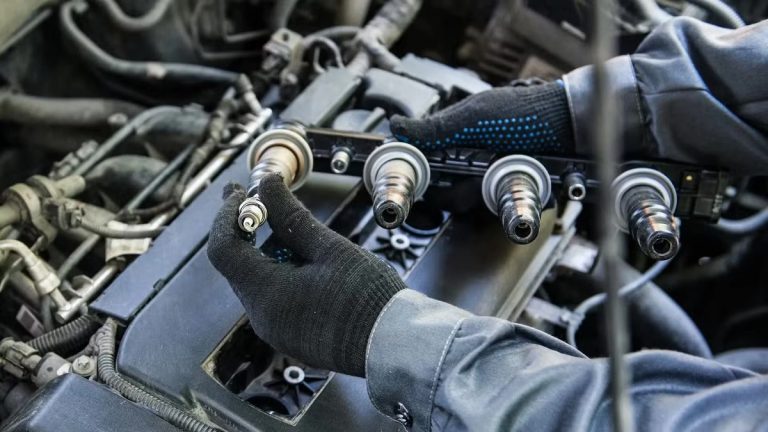
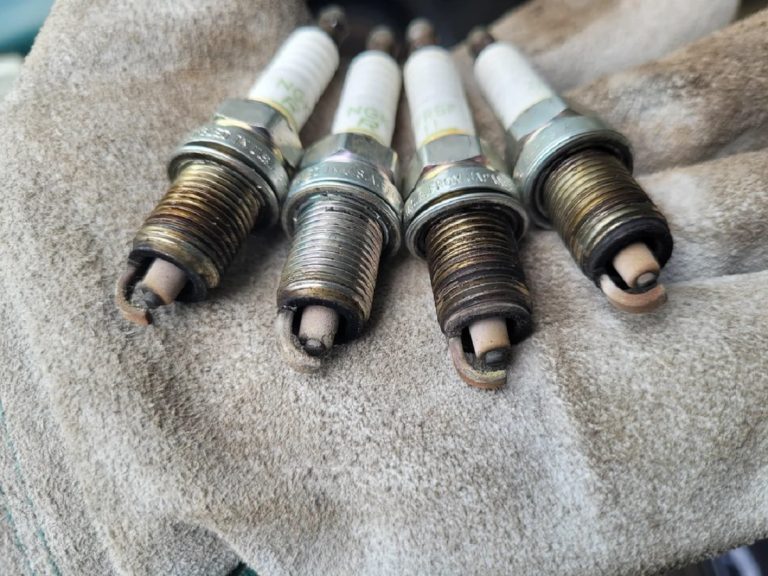
Spark plugs and ignition coils are critical for igniting the air-fuel mixture. Worn, fouled, or improperly gapped spark plugs reduce combustion efficiency, leading to engine hesitation, vibrations, and power loss under load. Ignition coils convert battery voltage into the high voltage required for spark plugs, and weak or failing coils can cause misfires and uneven engine performance.
Checking spark plug condition involves inspecting for deposits, cracks, or excessive wear. Measuring spark intensity from the coils helps determine their functionality. Replacing worn plugs and faulty coils restores consistent ignition, ensuring stable RPM and reducing engine shaking. Proper maintenance of these components improves fuel efficiency and overall engine reliability.
Testing Wiring and Electrical Connections
Electrical faults often originate from damaged wiring or loose connections. Corrosion, frayed wires, or loose terminals can interrupt current flow to the ignition system, sensors, or fuel components, resulting in misfires, hesitation, and inconsistent power.
Visual inspection helps detect damaged wires, while testing continuity and voltage under load ensures reliable electrical flow. Tightening connections, cleaning corrosion, and replacing damaged wires prevent interruptions in spark delivery and sensor signals. Maintaining secure and functional wiring supports smooth engine operation and prevents performance issues caused by weak or inconsistent electrical supply.
Checking the Battery and Alternator
The battery and alternator supply the engine with the necessary voltage for ignition and electronic components. A weak battery or failing alternator can cause fluctuating voltage, reducing spark strength and affecting fuel delivery. Symptoms include engine hesitation, rough idling, and decreased performance under load.
Testing battery voltage under load and measuring alternator output while the engine is running helps identify weaknesses. Replacing a failing battery or alternator restores stable electrical power, ensuring reliable spark and sensor operation. Proper battery and alternator maintenance prevents unexpected performance drops and reduces the risk of misfires and engine shaking.
Inspecting Engine Sensors
Modern engines rely on sensors such as the crankshaft position sensor, throttle position sensor, and oxygen sensor to optimize fuel and ignition timing. Malfunctioning sensors provide inaccurate data, disrupting combustion and causing engine shaking or power loss under load.
Diagnostic scanning can reveal error codes related to sensor issues, while visual inspection and electrical testing confirm proper operation. Replacing faulty sensors ensures accurate data for the engine control system, optimizing spark timing and fuel delivery. Maintaining sensor function improves engine responsiveness, smooth operation, and consistent power output.
Testing Ignition Timing
Ignition timing determines when the spark ignites the air-fuel mixture in the combustion chamber. Incorrect timing, caused by worn components or sensor errors, reduces power, increases engine vibration, and causes uneven acceleration.
Checking and adjusting ignition timing with the proper tools ensures that combustion occurs at the optimal moment. Correct timing improves engine efficiency, smooths operation, and restores consistent power delivery. Regular timing checks, along with spark and sensor maintenance, prevent performance issues and minimize engine shaking during heavy workloads.
Air Intake and Exhaust System Inspection
The air intake and exhaust systems are vital for efficient engine operation. Proper airflow ensures the engine receives enough oxygen for combustion, while a clear exhaust allows gases to exit without restriction. Blockages, leaks, or damaged components in these systems often lead to engine shaking, hesitation, and loss of power. Thorough inspection of intake and exhaust components helps maintain smooth performance.
Checking the Air Filter
The air filter prevents dirt, dust, and debris from entering the engine while allowing sufficient airflow. A clogged or dirty filter restricts oxygen supply, leading to poor combustion, reduced power, and engine vibrations. At idle, the engine may seem unaffected, but under load or during acceleration, the shortage of air becomes noticeable.
Inspect the filter for dirt buildup, tears, or damage. Replace or clean the filter according to manufacturer guidelines to restore proper airflow. Ensuring a clean air filter supports optimal air-fuel mixture, reduces engine shaking, and improves throttle response and acceleration. Regular maintenance prevents debris from entering the engine, preserving internal components and maintaining consistent performance.
Inspecting Intake Ducts and Hoses
Intake ducts and hoses guide filtered air to the combustion chamber. Cracks, collapses, or blockages in these pathways restrict airflow, reducing combustion efficiency. Symptoms include hesitation under acceleration, rough running, and vibrations during load-heavy operation.
Visual inspection helps identify physical damage, while checking for vacuum leaks or collapsed sections ensures proper airflow. Cleaning ducts and replacing damaged hoses restores consistent air delivery. Maintaining unrestricted intake pathways supports smoother combustion, reduces engine shaking, and enhances overall performance under demanding conditions.
Examining the Exhaust System
The exhaust system removes combustion gases and reduces back pressure. Restrictions, such as carbon buildup, damaged mufflers, or clogged spark arrestor screens, prevent efficient gas expulsion, leading to reduced power and engine vibrations.
Symptoms of exhaust restrictions include hesitation under load, sluggish acceleration, uneven RPM, or unusual exhaust noise. Inspect the muffler, catalytic converter, and spark arrestor screen for blockages or damage. Cleaning or replacing components ensures gases flow freely, reduces back pressure, and improves combustion efficiency. Proper exhaust maintenance restores smooth engine operation and consistent power delivery.
Checking for Leaks and Heat-Related Issues
Leaks in intake or exhaust systems can allow unmetered air or exhaust gases into the engine, disrupting the air-fuel mixture. Overheating may occur due to restricted airflow or back pressure, leading to engine shaking and decreased performance.
Inspect gaskets, clamps, and joints for leaks or loose connections. Heat shielding and proper routing prevent excessive engine temperatures. Repairing leaks and maintaining system integrity restores airflow, optimizes combustion, and reduces vibrations, ensuring reliable engine performance even under heavy workloads.
Ensuring System Cleanliness and Maintenance
Regular inspection and cleaning of intake and exhaust systems are essential for maintaining engine efficiency. Remove accumulated debris, check for cracks, and ensure components are properly secured.
Maintaining clear airflow paths and exhaust channels allows the engine to breathe efficiently and expel gases effectively. This reduces engine shaking, restores lost power, and enhances throttle response, ensuring the engine operates reliably under all conditions.
Step-by-Step Troubleshooting Process
Troubleshooting an engine that is shaking or losing power requires a structured, methodical approach. Random adjustments or guesswork often waste time and may worsen the problem. Following a step-by-step process allows you to isolate the root cause, whether it originates from the fuel system, ignition, air intake, exhaust, mechanical components, or electrical system. Systematic troubleshooting restores engine performance efficiently.
Step 1: Visual Inspection and Initial Observations
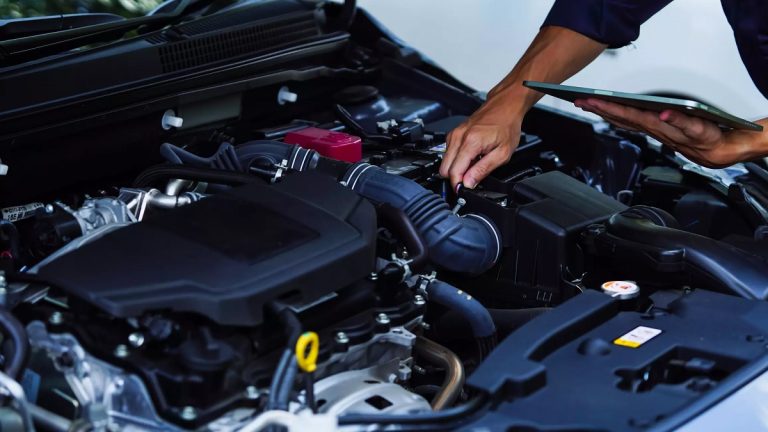
Begin by performing a thorough visual inspection of the engine and its components. Look for obvious signs of wear, damage, leaks, or loose connections in the fuel lines, wiring, intake, and exhaust systems. Observing engine performance under different conditions—idle, acceleration, and under load—provides important clues about the source of shaking or power loss.
Pay attention to engine sounds, vibrations, and exhaust behavior. Note when the symptoms occur, such as during heavy acceleration, climbing, or towing, as this information helps narrow down potential causes. Minor leaks, worn hoses, or damaged wires may seem insignificant but often lead to larger performance issues if left unaddressed.
Documenting your initial observations guides the next steps in troubleshooting and ensures no potential problem is overlooked. This stage sets a solid foundation for a more detailed inspection of individual systems.
Step 2: Checking the Fuel System
Fuel system problems are a common source of engine shaking and reduced power. Start by inspecting the fuel filter for clogs or debris that could restrict flow. Examine fuel lines for cracks, leaks, or collapsed sections, which may reduce fuel delivery or introduce air into the system. Testing fuel flow under pressure helps confirm proper delivery to the engine.
Next, inspect the carburetor or fuel injection system. Clogged jets, varnish buildup, or malfunctioning injectors disrupt the air-fuel mixture, causing hesitation, misfires, or uneven engine operation. Cleaning or servicing these components restores proper combustion.
Finally, check the fuel pump’s output, ensuring it maintains adequate pressure under load. Replacing clogged filters, worn hoses, or a failing pump stabilizes fuel delivery, improving engine performance and eliminating shaking caused by inconsistent fuel supply.
Step 3: Inspecting the Ignition and Electrical Systems
The ignition and electrical systems are critical for consistent engine operation. Check spark plugs for wear, fouling, or incorrect gaps, and test ignition coils for proper spark output. Inspect ignition wires for cracks or damage, ensuring reliable spark delivery to each cylinder.
Examine the battery and alternator to confirm stable voltage supply. Loose, corroded, or damaged electrical connections can disrupt ignition and sensor signals, causing misfires, hesitation, and shaking. Check sensors like the crankshaft position sensor or throttle position sensor for accurate readings, as faulty sensors can affect fuel injection and timing.
Replacing worn spark plugs, damaged wires, or malfunctioning sensors restores proper ignition timing and consistent electrical flow. A well-maintained electrical system ensures smooth combustion, reduces engine vibrations, and maintains reliable power under load.
Step 4: Assessing Air Intake and Exhaust Systems
Proper airflow is essential for efficient combustion. Inspect the air filter for dirt or blockage, and check intake ducts for cracks, collapses, or obstructions. Restricted airflow reduces oxygen supply, leading to power loss and engine shaking.
Similarly, examine the exhaust system for blockages, carbon buildup, or damaged components like the muffler or catalytic converter. Exhaust restrictions increase back pressure, reduce engine efficiency, and cause vibrations under load. Cleaning or replacing components restores proper airflow and exhaust flow, improving combustion and overall performance.
Checking for leaks in gaskets, clamps, and joints ensures the system operates efficiently. Maintaining clean and unobstructed intake and exhaust pathways allows the engine to breathe properly and expel gases effectively.
Step 5: Evaluating Mechanical Components
Mechanical issues, such as low compression, worn piston rings, valve clearance problems, or damaged camshaft components, directly affect engine performance. Conduct a compression test to identify weak cylinders, and inspect internal components for wear or misalignment.
Check for excessive internal friction, crankshaft imbalance, or worn bearings, as these issues contribute to shaking and reduced power, particularly under load. Proper lubrication and timely replacement of worn parts restore engine efficiency and smooth operation.
Documenting mechanical findings and addressing them promptly prevents further damage and ensures the engine can operate reliably. Following these steps systematically isolates the root cause and restores consistent engine performance.
Preventive Maintenance Tips
Preventive maintenance is the most effective way to avoid engine shaking, power loss, and costly repairs. Regular checks and servicing of critical components such as fuel, ignition, air intake, exhaust, and mechanical systems keep your engine running efficiently. Following a structured maintenance routine prolongs engine life, ensures smooth operation, and reduces the risk of unexpected breakdowns under load.
Regular Fuel System Maintenance
Maintaining the fuel system is essential for consistent engine performance. Regularly replace fuel filters according to the manufacturer’s schedule to prevent clogs that restrict flow. Inspect fuel lines for cracks, leaks, or deterioration, and replace damaged hoses to ensure a steady fuel supply.
Cleaning the carburetor or fuel injectors is equally important, as buildup or varnish can disrupt the air-fuel mixture and cause hesitation or misfires. Using clean, high-quality fuel and avoiding prolonged storage prevents contamination. Monitoring fuel pump performance and replacing weak units ensures adequate pressure for combustion.
Routine fuel system maintenance prevents shaking, improves throttle response, and stabilizes power delivery, especially during heavy workloads. Keeping the system clean and functional also extends the life of related components, such as ignition coils and spark plugs.
Ignition and Electrical System Care
The ignition and electrical systems are critical to smooth engine operation. Inspect spark plugs regularly for wear or fouling, and replace them according to recommended intervals. Check ignition coils and wires for cracks or damage, ensuring reliable spark delivery to all cylinders.
Battery and alternator maintenance is also essential. Clean terminals, secure connections, and test voltage regularly to prevent weak electrical supply. Sensors should be checked and replaced when malfunctioning, as faulty signals disrupt fuel injection and ignition timing.
Proper care of the ignition and electrical systems ensures consistent combustion, reduces misfires, and prevents engine shaking. It also minimizes unexpected power loss, allowing the engine to operate reliably under load and maintaining overall performance.
Air Intake and Exhaust System Care
Maintaining clean air intake and exhaust systems is crucial for efficient engine breathing. Replace or clean air filters at regular intervals to prevent restrictions that reduce oxygen supply. Inspect intake ducts and hoses for cracks, collapses, or debris, and repair any damage promptly.
Exhaust system maintenance includes checking for blockages, carbon buildup, or damaged mufflers and catalytic converters. Properly functioning exhaust components reduce back pressure, improve combustion efficiency, and prevent engine vibrations. Checking for leaks in gaskets and joints ensures the system operates efficiently.
Routine care of intake and exhaust systems supports smooth engine operation, restores lost power, and enhances throttle response. It also protects internal components from overheating and premature wear caused by restricted airflow or exhaust flow.
Mechanical Component Maintenance
Mechanical systems require regular inspection and maintenance to prevent engine shaking and power loss. Perform routine compression checks, monitor valve clearance, and inspect piston rings, bearings, and camshaft components for wear. Proper lubrication and timely replacement of worn parts maintain efficiency and reduce friction.
Monitor engine performance for unusual noises, vibrations, or uneven acceleration, as these often indicate mechanical issues. Early detection and correction prevent further damage and ensure the engine operates smoothly under load.
Maintaining mechanical components through scheduled inspections and servicing improves engine longevity, restores consistent power, and reduces the risk of costly repairs caused by neglect or wear.
Scheduled Preventive Checks
Establishing a routine maintenance schedule ensures all critical engine systems are regularly inspected and serviced. Follow manufacturer guidelines for replacing filters, spark plugs, and fluids. Periodically test fuel pressure, ignition performance, and airflow to detect potential problems early.
Keeping detailed maintenance records helps track wear patterns, anticipate part replacements, and maintain overall engine reliability. A proactive approach minimizes the risk of unexpected breakdowns, shaking, or loss of power.
By adhering to preventive maintenance tips, you ensure smoother operation, extend engine life, and maintain reliable power output, even under heavy workloads or demanding conditions.
FAQs
How Can You Tell If Your Engine Has Problems?
You can often identify engine issues by observing changes in performance or unusual sounds. If you hear knocking, ticking, or rattling, it may indicate internal wear. Smoke from the exhaust, overheating, or sudden drops in power are also key signs.
Pay attention to dashboard warning lights and warning indicators. Misfires, hesitation during acceleration, or vibrations can signal fuel, ignition, or mechanical problems. Early recognition allows you to take action before damage becomes severe, helping you avoid costly repairs and keep your engine running reliably.
What Are The First Steps To Diagnose Engine Issues?
Start by performing a visual inspection of the engine bay. Look for leaks, damaged wires, loose connections, or worn components. Check fluid levels like oil, coolant, and fuel to ensure they are within normal ranges.
Next, observe engine behavior during startup and idle. Note any unusual noises, vibrations, or warning lights. Using an OBD-II scanner can help identify error codes that point to fuel, ignition, or sensor-related problems. These initial steps make it easier to pinpoint the source of your engine issues.
How Do You Check Fuel System Problems?
Fuel system issues often cause reduced performance or rough idling. You should inspect the fuel filter for clogs and test the fuel pump for proper pressure. Dirty or contaminated fuel can affect combustion efficiency, so replacing old fuel is essential.
Checking fuel injectors is also important. Ensure they spray fuel evenly and consistently. Any blockage or malfunction can lead to misfires, stalling, or power loss. Maintaining a clean and properly functioning fuel system ensures your engine performs efficiently.
How Can You Inspect The Ignition System?
Start by checking spark plugs for wear, fouling, or incorrect gaps. Spark plugs deliver the spark needed for combustion, so any issues can cause misfires or reduced engine power. Inspect ignition coils, wires, and connectors for damage or corrosion.
Testing the timing and ensuring the ignition system is delivering consistent sparks is key. If you notice engine hesitation, rough idling, or difficulty starting, faulty ignition components may be the cause. Replacing worn parts restores engine efficiency and smooth operation.
How Do You Identify Air Intake Or Exhaust Problems?
A dirty air filter or blocked intake can reduce airflow, causing poor performance. Check the air filter and intake hoses for dirt, debris, or leaks. Any obstruction restricts combustion and may lead to engine shaking or power loss.
Examine the exhaust system for blockages, crushed pipes, or a clogged catalytic converter. Excess backpressure reduces efficiency and increases engine strain. Proper airflow and exhaust flow are crucial for engine performance and longevity.
What Mechanical Engine Components Should You Check?
Inspect key mechanical components such as pistons, valves, and timing belts. Low compression due to worn rings or valve issues can cause misfires and power loss. Check engine mounts for wear or damage, as loose mounts can create vibrations.
Ensure timing belts or chains are aligned and intact. Any mechanical fault can affect overall engine performance. Routine checks of these components prevent severe damage and maintain smooth engine operation under load.
When Should You Seek Professional Help For Engine Problems?
While many engine issues can be diagnosed and fixed with basic tools, some problems require professional intervention. If you encounter persistent misfires, unusual noises, overheating, or multiple warning lights, a trained mechanic should inspect your engine.
Complex internal issues like cylinder wear, head gasket failure, or severe timing problems need specialized tools and experience. Seeking help early prevents further damage, reduces repair costs, and ensures your engine runs safely and efficiently.
Conclusion
Properly maintaining your engine and addressing issues promptly is essential for reliable performance and longevity. Engine shaking, power loss, or hesitation are clear indicators that something requires attention, and ignoring them can lead to more serious and costly problems. By paying attention to symptoms and understanding their potential causes, you can take informed action to restore smooth operation.
Learning How to Identify and Fix Engine problems involves a systematic approach, including inspecting the fuel system, ignition components, air intake, exhaust, electrical systems, and mechanical parts. Observing patterns, testing components, and performing regular maintenance allows you to pinpoint issues accurately and apply the appropriate repairs. This approach prevents guesswork, minimizes downtime, and improves overall engine efficiency.
Consistent preventive maintenance combined with careful troubleshooting ensures that your engine operates reliably under all conditions. Following the steps to How to Identify and Fix Engine empowers you to maintain performance, reduce vibrations, and prevent future breakdowns, keeping your engine running smoothly for years to come.