Can You Put Transmission Fluid In Your Oil: Risks, Consequences, and Alternatives
Mixing different automotive fluids is a question that often comes up among car owners, especially when dealing with engine maintenance and lubrication. Transmission fluid and engine oil serve very distinct purposes, and using them incorrectly can have serious consequences. Understanding the differences between these fluids is essential for protecting your engine and transmission.
When considering can you put transmission fluid in your oil, it’s important to recognize that engine oil is formulated to lubricate moving parts within the engine, control heat, and prevent corrosion. Transmission fluid, on the other hand, is designed to transmit hydraulic pressure, lubricate gears, and protect transmission components. Combining them can compromise the chemical properties of both fluids.
Even a small amount of transmission fluid in engine oil can alter viscosity, reduce lubrication efficiency, and potentially cause engine damage. Symptoms may include unusual noises, overheating, or increased wear on engine components.
Knowing the proper fluids for each system and following manufacturer guidelines ensures optimal performance and prevents costly repairs. Proper maintenance and careful handling of automotive fluids are key to vehicle longevity.
Differences Between Engine Oil and Transmission Fluid
Engine oil and transmission fluid are both vital for the proper functioning of a vehicle, but they serve very different purposes. While engine oil primarily lubricates the engine’s moving components, transmission fluid is designed to ensure smooth gear shifts and protect transmission parts. Understanding the differences is essential when considering questions like can you put transmission fluid in your oil. Using the wrong fluid can compromise vehicle performance and lead to expensive repairs.
Composition and Additives
Engine oil is formulated with base oils and additives that focus on reducing friction, preventing corrosion, controlling heat, and keeping the engine clean. Common additives include detergents, dispersants, anti-wear agents, and viscosity modifiers, which are tailored to the high temperatures and pressures found in the engine.
Transmission fluid, on the other hand, is engineered to provide hydraulic lubrication, transmit pressure for gear changes, and protect gears from wear. Its additives include friction modifiers, anti-foaming agents, and corrosion inhibitors, designed specifically for the conditions inside a transmission. The chemical composition of transmission fluid differs significantly from engine oil, which is why mixing them can degrade lubrication efficiency and damage both systems.
Viscosity and Performance
Engine oil is designed to maintain a stable viscosity across a wide temperature range, ensuring it can circulate quickly when cold while still providing adequate protection at high operating temperatures. The right viscosity helps the engine parts move smoothly, reduces wear, and prevents overheating.
Transmission fluid has a different viscosity profile optimized for hydraulic performance. It must maintain consistent pressure for gear operation while also protecting the transmission from friction and heat. Using transmission fluid in the engine would compromise lubrication because it cannot withstand engine temperatures or maintain proper viscosity, potentially leading to increased wear, friction, and engine damage.
Function and Application
The primary function of engine oil is to reduce friction between moving parts such as pistons, crankshafts, and camshafts. It also helps remove heat from the engine, prevents sludge buildup, and protects against corrosion. Engine oil is critical for maintaining overall engine efficiency and longevity.
Transmission fluid serves a different role, acting as both a lubricant and a hydraulic medium to enable smooth shifting in automatic transmissions. It lubricates gears, bearings, and clutches, while its hydraulic properties allow for controlled pressure transfer. Without proper transmission fluid, the transmission can overheat, experience gear slipping, or suffer long-term damage. These differences highlight why transmission fluid is unsuitable for engine lubrication.
Color and Identification
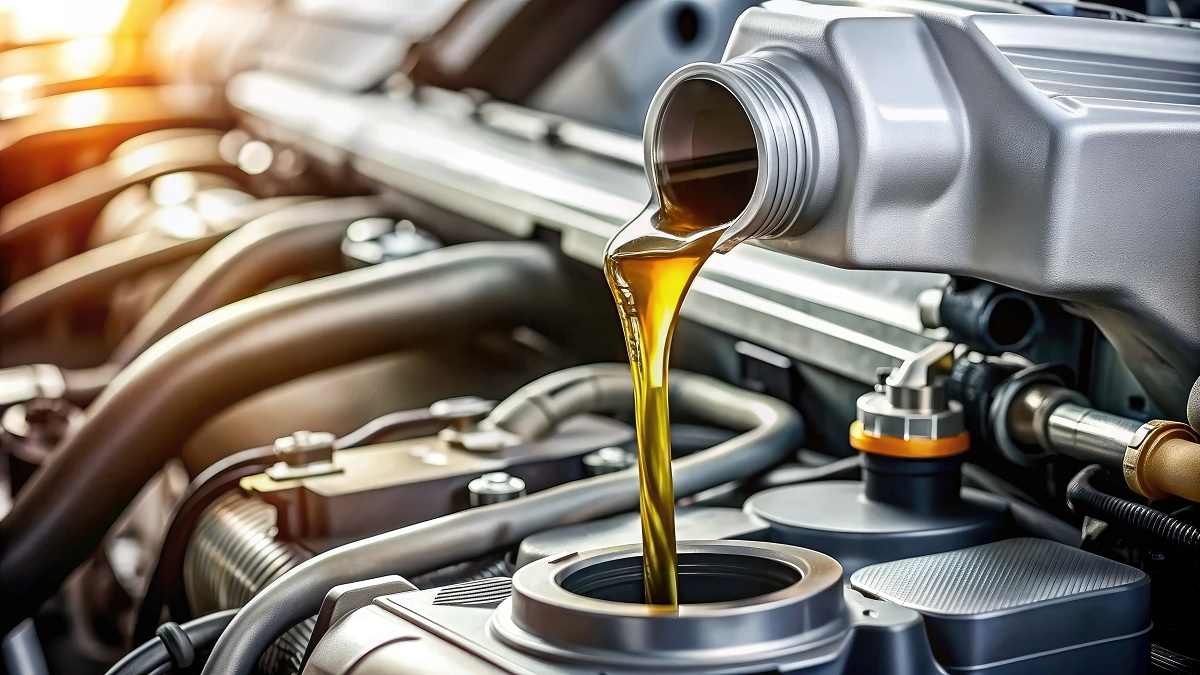
Another noticeable difference is appearance. Engine oil typically ranges from amber to brown when clean, while transmission fluid is often red or green, which helps identify it during maintenance. These color differences reflect the chemical formulation and additives used in each fluid.
Relying on visual cues alone is not enough, but it reinforces the importance of using the correct fluid in each system. Pouring red transmission fluid into an engine oil reservoir can be immediately apparent visually, but the internal chemical consequences are far more serious, affecting lubrication, heat dissipation, and engine performance.
Differences Between Engine Oil and Transmission Fluids
Engine oil and transmission fluid are essential to a vehicle’s operation, but they are designed for very different purposes. Engine oil lubricates moving parts, manages heat, and prevents wear inside the engine, while transmission fluid ensures smooth gear shifts, protects gears, and maintains hydraulic pressure. Understanding these differences is crucial for proper vehicle maintenance and avoiding costly mistakes from using the wrong fluid in either system.
Composition and Additives
Engine oil is composed of base oils blended with additives that focus on reducing friction, controlling heat, cleaning deposits, and preventing corrosion. Detergents and dispersants help keep the engine clean, anti-wear agents protect critical components, and viscosity modifiers maintain proper flow across temperature ranges. These additives are specifically formulated for the high pressures and temperatures encountered in engines.
Transmission fluid, in contrast, is engineered for gear protection and hydraulic function. It contains friction modifiers to ensure smooth gear engagement, anti-foaming agents to maintain consistent performance under pressure, and corrosion inhibitors to protect metal components. Its chemical makeup is not suitable for engine lubrication. Using transmission fluid in an engine can reduce friction control, degrade heat resistance, and increase wear on engine parts, leading to costly mechanical issues over time.
Viscosity and Temperature Performance
Viscosity plays a critical role in how these fluids operate. Engine oil must flow freely at low temperatures to lubricate cold-start components while remaining thick enough at high operating temperatures to provide protection. This balance prevents metal-to-metal contact and maintains overall engine efficiency.
Transmission fluid is optimized for hydraulic performance rather than direct friction reduction under extreme engine heat. Its viscosity ensures proper pressure transfer for smooth shifting, but it cannot withstand the continuous high-temperature environment inside an engine. Introducing transmission fluid into the engine oil system compromises lubrication, increases friction, and may accelerate component wear, demonstrating why these fluids are not interchangeable.
Primary Functions and Applications
Engine oil primarily lubricates moving parts such as pistons, crankshafts, and camshafts. It reduces friction, dissipates heat, and prevents the formation of sludge, contributing to engine longevity and efficiency. Engine oil also plays a role in sealing and protecting internal components from corrosion.
Transmission fluid serves as both a lubricant and a hydraulic medium. It lubricates gears, bearings, and clutches while transmitting hydraulic pressure for automatic or semi-automatic gear shifts. Without proper transmission fluid, shifting can become rough, gears can slip, and the transmission can overheat. These functional differences clearly illustrate why engine oil and transmission fluid cannot be substituted for one another without risking serious mechanical damage.
Identification and Maintenance Considerations
Visually, engine oil is usually amber to brown, while transmission fluid is commonly red or green, reflecting their distinct chemical compositions and additive packages. These visual cues are useful during routine checks, but the internal chemical differences are far more important.
Using the correct fluid as per manufacturer recommendations ensures that each system operates efficiently and avoids damage. Routine maintenance, including fluid changes and inspections, is critical. Engine oil and transmission fluid are engineered to address the specific demands of their respective systems, and understanding these differences prevents costly mistakes and prolongs the life of the vehicle.
Potential Risks of Putting Transmission Fluid in Engine Oil
Using the wrong automotive fluids can have serious consequences, and engine oil and transmission fluid are no exception. While both are lubricants, their chemical composition, additives, and intended applications differ significantly. Understanding the potential risks of putting transmission fluid in engine oil is crucial to protect your engine from damage, maintain performance, and avoid costly repairs. Mixing these fluids can compromise lubrication, heat management, and overall engine health.
Reduced Lubrication Efficiency
Engine oil is specifically formulated to provide lubrication for the high-speed, high-pressure components of an engine, such as pistons, crankshafts, and camshafts. Transmission fluid lacks the same anti-wear additives and viscosity profile required for proper engine operation.
Adding transmission fluid to engine oil can reduce the oil’s ability to form a protective film between moving metal surfaces. This can increase friction, leading to accelerated wear on bearings, camshafts, and other critical engine components. Over time, inadequate lubrication may result in scoring, pitting, or even seizure of engine parts. Maintaining the correct engine oil ensures that components are adequately protected under all operating conditions.
Overheating and Heat Management Issues
Engine oil plays a crucial role in controlling engine temperature by absorbing and dissipating heat from moving components. Transmission fluid is designed to operate in a different thermal range, focusing more on hydraulic performance than extreme heat resistance.
Mixing transmission fluid into engine oil can alter the viscosity and reduce the oil’s heat tolerance, leading to overheating. Overheated oil loses its ability to lubricate effectively, increasing the risk of thermal breakdown, sludge formation, and component damage. This can cause persistent engine knocking, reduced efficiency, and even catastrophic engine failure in severe cases.
Sludge Formation and Deposits
The chemical additives in transmission fluid are incompatible with those in engine oil. When mixed, these additives can react and create sludge or deposits inside the engine. Sludge buildup clogs oil passages, reduces oil flow, and can starve critical components of lubrication.
This blockage can cause uneven wear, sticking valves, or damage to pistons and bearings. Over time, the engine may experience reduced performance, rough idling, and increased fuel consumption. Preventing cross-contamination between fluids is essential to avoid these long-term issues. Proper use of engine oil keeps the system clean and ensures smooth, reliable operation.
Increased Wear and Engine Damage
Using transmission fluid in place of engine oil compromises the protective properties necessary for engine longevity. Metal-to-metal contact, insufficient heat management, and chemical incompatibility accelerate wear and can damage critical components.
Symptoms of this misuse may include unusual engine noises, decreased power output, vibration, or warning lights. Continued operation with contaminated oil can result in irreversible engine damage, requiring expensive repairs or a complete engine replacement. Recognizing the distinction between engine oil and transmission fluid is essential for preventing these risks.
Safety and Maintenance Implications
Mixing fluids not only affects engine health but also impacts maintenance schedules and warranty coverage. Manufacturer guidelines are specific about the type of engine oil to use. Using the wrong fluid can void warranties, complicate repairs, and increase long-term costs.
Routine inspections and awareness of fluid types prevent accidental contamination. Always verify that engine oil and transmission fluid remain separate, and follow manufacturer-recommended specifications. Proper handling and maintenance reduce the likelihood of damage, extend engine life, and ensure your vehicle operates safely and efficiently.
Potential Risks of Putting Transmission Fluid in Engine Oil
Using the wrong automotive fluids can have serious consequences, and engine oil and transmission fluid are no exception. While both are lubricants, their chemical composition, additives, and intended applications differ significantly. Understanding the potential risks of putting transmission fluid in engine oil is crucial to protect your engine from damage, maintain performance, and avoid costly repairs. Mixing these fluids can compromise lubrication, heat management, and overall engine health.
Reduced Lubrication Efficiency
Engine oil is specifically formulated to provide lubrication for the high-speed, high-pressure components of an engine, such as pistons, crankshafts, and camshafts. Transmission fluid lacks the same anti-wear additives and viscosity profile required for proper engine operation.
Adding transmission fluid to engine oil can reduce the oil’s ability to form a protective film between moving metal surfaces. This can increase friction, leading to accelerated wear on bearings, camshafts, and other critical engine components. Over time, inadequate lubrication may result in scoring, pitting, or even seizure of engine parts. Maintaining the correct engine oil ensures that components are adequately protected under all operating conditions.
Overheating and Heat Management Issues
Engine oil plays a crucial role in controlling engine temperature by absorbing and dissipating heat from moving components. Transmission fluid is designed to operate in a different thermal range, focusing more on hydraulic performance than extreme heat resistance.
Mixing transmission fluid into engine oil can alter the viscosity and reduce the oil’s heat tolerance, leading to overheating. Overheated oil loses its ability to lubricate effectively, increasing the risk of thermal breakdown, sludge formation, and component damage. This can cause persistent engine knocking, reduced efficiency, and even catastrophic engine failure in severe cases.
Sludge Formation and Deposits
The chemical additives in transmission fluid are incompatible with those in engine oil. When mixed, these additives can react and create sludge or deposits inside the engine. Sludge buildup clogs oil passages, reduces oil flow, and can starve critical components of lubrication.
This blockage can cause uneven wear, sticking valves, or damage to pistons and bearings. Over time, the engine may experience reduced performance, rough idling, and increased fuel consumption. Preventing cross-contamination between fluids is essential to avoid these long-term issues. Proper use of engine oil keeps the system clean and ensures smooth, reliable operation.
Increased Wear and Engine Damage
Using transmission fluid in place of engine oil compromises the protective properties necessary for engine longevity. Metal-to-metal contact, insufficient heat management, and chemical incompatibility accelerate wear and can damage critical components.
Symptoms of this misuse may include unusual engine noises, decreased power output, vibration, or warning lights. Continued operation with contaminated oil can result in irreversible engine damage, requiring expensive repairs or a complete engine replacement. Recognizing the distinction between engine oil and transmission fluid is essential for preventing these risks.
Safety and Maintenance Implications
Mixing fluids not only affects engine health but also impacts maintenance schedules and warranty coverage. Manufacturer guidelines are specific about the type of engine oil to use. Using the wrong fluid can void warranties, complicate repairs, and increase long-term costs.
Routine inspections and awareness of fluid types prevent accidental contamination. Always verify that engine oil and transmission fluid remain separate, and follow manufacturer-recommended specifications. Proper handling and maintenance reduce the likelihood of damage, extend engine life, and ensure your vehicle operates safely and efficiently.
write a blog section for [Signs Your Engine Might Be Damaged] with h2 and h3 format within 500+ words, write 50-70 words for h2 then start h3 and each h3 around 200 to 220 words minimum and in 4-5 paragraph without any final thoughts
Signs Your Engine Might Be Damaged
Your engine is the heart of your vehicle, and early detection of problems can prevent costly repairs. When fluids are mixed incorrectly or maintenance is neglected, engine components can suffer serious damage. Recognizing the signs your engine might be damaged allows you to address issues before they escalate, ensuring the longevity and performance of your car. Awareness and prompt action are key to protecting your investment.
Unusual Noises and Knocking
One of the first indicators of engine damage is unusual noises. Knocking, ticking, or grinding sounds often signal internal wear or component failure. These noises may be caused by inadequate lubrication, worn bearings, or damage to pistons and crankshafts.
If engine oil has been compromised, such as by the addition of transmission fluid, the protective lubrication layer can weaken. This increases friction between moving parts, resulting in loud knocking or metallic grinding. Ignoring these sounds can lead to catastrophic failures, including complete engine seizure. Listening carefully to your engine and investigating any new or unusual sounds is crucial to prevent extensive damage and costly repairs.
Decreased Performance and Power
A damaged engine often exhibits noticeable reductions in performance. You may experience slower acceleration, rough idling, or difficulty maintaining speed. Loss of power can indicate internal friction, clogged oil passages, or worn components that are no longer operating efficiently.
Contaminated engine oil, overheating, or poor lubrication accelerates wear on pistons, valves, and bearings. This reduces the engine’s ability to generate power efficiently, affecting fuel economy and overall drivability. Consistent monitoring of performance and addressing issues like strange vibrations or reduced responsiveness can help prevent further deterioration of engine components.
Excessive Smoke or Fluid Leaks
Smoke from the exhaust or unusual fluid leaks are clear signs that the engine may be damaged. Blue or white smoke often indicates oil burning, while black smoke can signal incomplete combustion. Fluid leaks may result from compromised gaskets, seals, or damaged components.
Transmission fluid mixed into engine oil, or other fluid contamination, can contribute to sludge formation and overheating. This can lead to leaks, oil burning, and accelerated wear. Observing smoke patterns and checking for fluid leaks during routine maintenance helps detect early engine problems before they worsen.
Warning Lights and Dashboard Indicators
Modern vehicles are equipped with sensors to detect engine issues. Illuminated check engine lights, oil pressure warnings, or temperature alerts can indicate internal damage or poor lubrication. Ignoring these warnings can allow small problems to escalate into major failures.
These indicators may result from low-quality or incorrect fluids, overheating, or worn components. Responding promptly to dashboard warnings by performing diagnostic tests and addressing underlying issues protects the engine from further harm and ensures your vehicle remains safe and reliable on the road.
Vibration and Rough Operation
A damaged engine may produce vibrations or run roughly, especially at idle or low speeds. This can indicate imbalance, worn bearings, or uneven piston movement. Excessive vibrations often signal internal stress that may worsen if left unaddressed.
Contaminated or degraded engine oil increases friction and heat, exacerbating vibrations and leading to further wear on critical components. Identifying abnormal vibrations early allows for timely inspection, preventing more extensive damage and maintaining smooth, reliable engine operation.
Long-Term Consequences of Misusing Fluids
Using the wrong fluids in your vehicle, such as putting transmission fluid in engine oil, can cause significant long-term damage. Fluids are formulated for specific purposes, and misusing them affects lubrication, heat management, and component longevity. Understanding the long-term consequences of misusing fluids helps highlight why proper maintenance and adherence to manufacturer guidelines are critical for vehicle health and performance.
Accelerated Engine Wear
One of the most immediate long-term effects of fluid misuse is accelerated engine wear. Engine oil is engineered to maintain proper lubrication under high temperatures and pressures. Introducing a fluid like transmission fluid alters the viscosity and reduces protective properties, increasing friction between moving parts.
Over time, this friction causes wear on pistons, bearings, and camshafts, leading to reduced engine efficiency and potential failure. Even minor misapplications can have cumulative effects, resulting in scoring, pitting, and metal-to-metal contact. Regular use of correct fluids ensures proper lubrication, prevents premature wear, and extends the engine’s lifespan.
Overheating and Thermal Damage
Fluids also play a critical role in temperature regulation. Engine oil absorbs and dissipates heat from combustion and moving parts, while transmission fluid is designed for hydraulic operation and lower heat tolerance. Misusing fluids can compromise the engine’s ability to manage heat effectively.
Prolonged exposure to excessive heat can break down lubricants, leading to sludge buildup and loss of viscosity. Components may warp, seals can fail, and overheating can result in permanent engine damage. Maintaining the correct fluid types ensures efficient heat transfer, reducing the risk of thermal degradation and preserving overall engine integrity.
Corrosion and Contamination
Different fluids contain unique additives that protect specific components. Mixing fluids can lead to chemical reactions that generate harmful deposits or sludge, contaminating the system. Transmission fluid in engine oil, for example, can reduce detergent and anti-corrosion properties, allowing acids and contaminants to accumulate.
Corrosion affects bearings, pistons, and cylinder walls, increasing the likelihood of component failure. Contamination can also clog oil passages, restricting flow and causing uneven lubrication. Long-term exposure to contaminated or incompatible fluids accelerates engine wear and can lead to costly repairs, making proper fluid use essential for reliability.
Transmission and System Damage
Using the wrong fluid doesn’t only harm the engine; it can also affect other systems. Cross-contamination between engine oil and transmission fluid may compromise seals, gaskets, and internal mechanisms. Hydraulic systems may fail, gears may slip, and wear rates can increase in both the engine and transmission.
The cumulative effect of fluid misuse over time reduces efficiency, increases fuel consumption, and shortens component life. Following manufacturer recommendations for fluid type and replacement intervals protects all systems, ensures smooth operation, and prevents long-term mechanical issues.
Cost Implications and Vehicle Reliability
Long-term misuse of fluids ultimately leads to expensive repairs and decreased vehicle reliability. Engine rebuilds, transmission replacement, and other major repairs can result from prolonged exposure to inappropriate fluids. Additionally, warranty coverage may be voided if improper fluids are used.
Consistent use of the correct fluids preserves engine performance, prevents system-wide damage, and maintains the value of your vehicle. Awareness and adherence to fluid specifications are critical for minimizing costs, avoiding breakdowns, and ensuring your vehicle remains safe and dependable for years to come.
FAQs
Can You Put Transmission Fluid In Your Oil?
No, you should not put transmission fluid in your engine oil. Engine oil and transmission fluid are formulated for completely different purposes. Engine oil lubricates high-speed engine components, controls heat, and prevents corrosion, while transmission fluid is designed for hydraulic pressure, smooth gear shifts, and protecting transmission parts.
Mixing the two can compromise lubrication, alter viscosity, and increase wear on engine components. Even small amounts of transmission fluid in engine oil can reduce protection, cause overheating, and lead to long-term engine damage. Always use the fluid specified by the manufacturer for each system.
What Happens If Transmission Fluid Is Added To Engine Oil?
Adding transmission fluid to engine oil can have serious consequences. Transmission fluid lacks the anti-wear additives and heat resistance required for engines, so it cannot properly lubricate pistons, bearings, or camshafts.
This misuse increases friction between components, which can lead to scoring, overheating, and accelerated wear. Over time, sludge formation and reduced oil flow may occur, compromising engine efficiency. Symptoms include knocking, rough idling, decreased performance, and unusual engine noises. Correcting the issue immediately is essential to prevent permanent engine damage.
Can It Cause Engine Overheating?
Yes, putting transmission fluid in your oil can contribute to engine overheating. Engine oil is formulated to absorb and dissipate heat from moving components, but transmission fluid cannot handle the same high-temperature conditions.
The altered viscosity reduces the oil’s ability to circulate properly and protect against friction, causing internal components to generate excessive heat. Overheating can lead to thermal breakdown, sludge formation, and damaged pistons or bearings. Maintaining proper engine oil ensures efficient heat management and prevents temperature-related engine failure.
Does It Reduce Engine Lifespan?
Using transmission fluid in engine oil can drastically reduce your engine’s lifespan. The improper lubrication increases metal-to-metal contact, friction, and wear on critical components like bearings, pistons, and camshafts.
Over time, this accelerates deterioration and can lead to major failures, including engine seizure. Even short-term exposure can cause significant internal damage. Following manufacturer recommendations for engine oil type and grade is the safest way to maintain engine longevity and prevent expensive repairs.
How Can You Fix It If Transmission Fluid Gets Into Engine Oil?
If transmission fluid accidentally mixes with engine oil, immediate action is necessary. The engine should be drained completely, and the oil filter must be replaced. A full refill with the correct engine oil restores proper lubrication.
In some cases, a flush may be recommended to remove all contamination. Continuing to run the engine with contaminated oil increases friction and heat, accelerating wear and causing long-term damage. Timely correction is essential to prevent irreversible engine problems.
Can It Affect Fuel Efficiency?
Yes, transmission fluid in engine oil can reduce fuel efficiency. Improper lubrication increases friction between moving parts, which forces the engine to work harder to maintain performance.
This added strain consumes more fuel and may also cause decreased power output and rough operation. Over time, the engine operates less efficiently, and fuel consumption rises. Using the correct engine oil ensures smooth operation, optimal performance, and better fuel economy.
Are There Any Temporary Workarounds If It Happens?
There are no safe temporary workarounds for putting transmission fluid in engine oil. Attempting to dilute or drive with mixed fluids only increases the risk of internal engine damage.
The only reliable solution is to drain the contaminated oil, replace the oil filter, and refill with the correct engine oil. Continuing to operate the engine with improper lubrication may lead to overheating, component failure, and costly repairs. Immediate corrective action is critical to protect your engine and maintain vehicle safety.
Final Words
Accidentally adding the wrong fluid to your engine can have serious consequences. Engine oil and transmission fluid are formulated for entirely different purposes, with distinct additives and viscosity levels. Using transmission fluid in place of engine oil compromises lubrication, increases friction, and can lead to overheating, which may cause significant engine damage over time.
Understanding can you put transmission fluid in your oil highlights why this mistake should be avoided at all costs. Even small amounts can contaminate the engine, reducing its efficiency and potentially leading to knocking, excessive wear, or component failure. If this occurs, immediate action, such as draining the engine and replacing the oil and filter, is essential to minimize damage.
Following proper maintenance practices and ensuring you use the correct fluids for each system protects your vehicle’s performance and longevity. Knowing the risks of can you put transmission fluid in your oil helps you prevent costly repairs and keeps your engine running safely and efficiently.