Grinding Noise When Turning Engine Off: Causes And Easy Fixes
Hearing unusual sounds when shutting down your vehicle can be alarming, especially when the noise is sharp or persistent. One common concern among drivers is a grinding or metallic sound occurring just as the engine is turned off. This type of noise often signals that a mechanical component is struggling to disengage or that lubrication may be insufficient in certain areas.
A grinding noise when turning engine off can originate from several parts, ranging from the starter motor, alternator, or timing components to worn bearings or loose accessories. While some sounds may be minor and harmless, others can indicate the beginning of serious mechanical wear.
Paying attention to when the noise occurs, its duration, and any accompanying symptoms like vibrations, smoke, or fluid leaks provides important clues for diagnosis. Tracking these patterns helps identify the root cause more efficiently.
Common Reasons For Grinding Noise When Turning Engine Off
A grinding noise when turning engine off is a common warning that some internal or accessory component is experiencing abnormal wear or stress. Identifying the root cause is critical because the noise can range from a minor issue to a serious mechanical problem that affects engine performance or longevity. Regular inspection helps prevent further damage and ensures safe operation.
Starter Motor Issues
One of the primary causes of a grinding noise when turning engine off involves the starter motor. Although the starter primarily engages during engine startup, a faulty or worn starter can produce residual noise even after the ignition is turned off. The pinion gear may fail to disengage fully from the flywheel, creating a grinding or scraping sound.
Common signs of starter-related grinding include noise that occurs immediately after turning off the engine or a repeated pattern when starting and shutting down the car. Worn teeth on the pinion gear or flywheel amplify this sound and indicate mechanical deterioration. Electrical issues such as sticking solenoids can also prevent proper disengagement.
Ignoring starter motor issues can lead to further wear on the flywheel or even failure to start the engine in future attempts. Timely inspection and repair or replacement of the starter ensures smooth engine shutdown and protects other drivetrain components.
Alternator And Accessory Component Wear
The alternator, along with other belt-driven accessories like the water pump or power steering pump, can contribute to grinding noises when turning the engine off. Bearings inside the alternator or accessory pulleys may wear over time, causing metal-to-metal contact that produces grinding sounds.
Symptoms often include intermittent grinding that occurs just as the engine stops, sometimes accompanied by whining or squealing while the engine is running. Loose belts, misaligned pulleys, or insufficient lubrication can worsen these noises. Early detection is important because worn bearings can seize, causing belt failure or damage to connected components.
Regular inspection of alternator bearings, tensioners, and accessory pulleys ensures that these parts operate smoothly. Lubrication, proper tension, and timely replacement prevent grinding noises and maintain reliable engine performance.
Timing Components And Engine Internals
Timing chains or belts, tensioners, and associated gears inside the engine can also produce grinding noises during shutdown. Worn timing components may shift slightly as engine oil pressure drops, creating friction between moving parts.
Additional signs include rattling, knocking, or vibration that coincides with engine shutdown. Low oil levels, degraded oil quality, or worn tensioners exacerbate these noises, as lubrication is essential to minimize friction between engine internals. Over time, continued grinding can accelerate wear on the camshaft, crankshaft, and associated components.
Addressing timing-related issues requires careful inspection, often including checking tensioner operation, chain or belt wear, and ensuring proper lubrication. Preventive maintenance reduces noise, protects critical components, and helps maintain accurate engine timing.
Exhaust And Heat Shield Contact
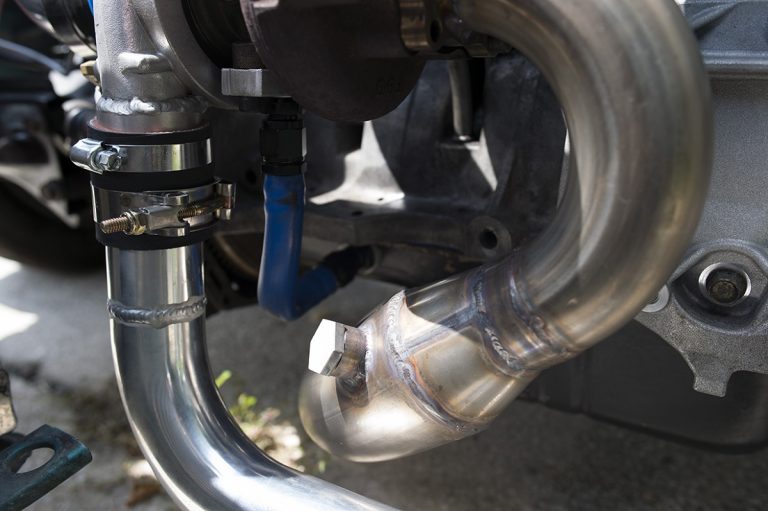
A less obvious cause of grinding noise when turning engine off is contact between exhaust components and heat shields. As the engine cools, metal parts contract, sometimes shifting slightly and creating scraping or grinding sounds. Loose brackets, rusted bolts, or misaligned shields make this noise more pronounced.
Symptoms typically include brief grinding or rattling immediately after shutdown. Unlike engine internal noises, these sounds are usually external and can be confirmed by visual inspection of the exhaust system and surrounding shields. Tightening loose bolts or repositioning shields can resolve the issue.
While often less serious than starter or timing component issues, repeated contact can damage exhaust parts or heat shields over time. Regular inspection of the exhaust system helps prevent prolonged wear and keeps noise levels minimal.
Signs Of Bearing And Lubrication Problems
Bearings in critical components such as the alternator, water pump, or AC compressor may also create grinding noises during engine shutdown. As engine oil pressure drops, lubrication becomes less effective, revealing wear in bearings or bushings.
Common indicators include intermittent grinding that lasts only a few seconds after the ignition is off, sometimes accompanied by squeaking or whining while driving. Over time, worn bearings can seize, causing severe damage or total component failure.
Maintaining proper oil levels and ensuring timely replacement of worn components helps reduce bearing-related grinding. Early detection protects the engine, prevents costly repairs, and ensures smooth and quiet operation during both startup and shutdown.
Inspect The Starter Motor And Solenoid
The starter motor and solenoid are critical components responsible for initiating engine operation. Malfunction in these parts can lead to unusual noises, including a grinding sound when turning the engine off, and can impact the overall reliability of the vehicle. Regular inspection ensures smooth engine engagement and protects the flywheel and other internal components from unnecessary damage.
Role Of The Starter Motor In Engine Operation
The starter motor is responsible for turning the engine over during ignition, allowing the combustion process to begin. It engages with the flywheel through a small pinion gear, which rotates the engine crankshaft. Proper operation is crucial for reliable engine startup, and issues with the starter can manifest as abnormal noises, slow cranking, or intermittent engine engagement.
A common problem arises when the pinion gear fails to disengage fully after the engine starts. This can cause a grinding noise when turning the engine off, as the gear remains partially engaged with the flywheel. Over time, worn teeth on the pinion or flywheel can worsen the noise and lead to expensive repairs.
Electrical issues such as low voltage, worn brushes, or damaged windings also affect starter performance. These faults may cause delayed engagement or irregular operation, which increases stress on the motor and creates additional noise during shutdown. Early detection and maintenance are essential to prevent further mechanical wear.
Properly functioning starters ensure smooth engine starts, reduce stress on connected components, and eliminate grinding noises during shutdown. Maintaining this system extends the life of both the starter and flywheel, improving overall vehicle reliability.
Understanding The Solenoid’s Function And Failures
The starter solenoid acts as an electrical switch that transmits current from the battery to the starter motor. It engages the pinion gear with the flywheel and closes the high-current circuit necessary for motor operation. When the solenoid fails, the starter may not disengage correctly, producing grinding or clicking noises.
Solenoid problems often arise from worn internal contacts, corrosion, or electrical faults. Symptoms include intermittent starting, unusual sounds during engine shutdown, or failure of the pinion gear to retract completely. These issues can also cause the starter motor to remain partially engaged, leading to further wear on the flywheel and the pinion gear.
Testing the solenoid involves checking continuity and voltage output while monitoring engagement of the pinion gear. Loose connections or weak solenoids may require cleaning, tightening, or replacement. Ensuring the solenoid functions correctly prevents the starter motor from overworking and eliminates unwanted noise during engine shutdown.
Routine inspection of the solenoid also allows early detection of electrical or mechanical issues before they escalate into major repairs. Proper solenoid maintenance ensures reliable engagement, smooth engine starts, and protection of critical components.
Common Signs Of Starter Motor And Solenoid Issues
Several indicators suggest problems with the starter motor or solenoid. Grinding or metallic noises during engine shutdown are key signs, particularly if they appear immediately after turning off the ignition. Slow engine cranking or failure to start also points to potential starter or solenoid faults.
Electrical irregularities, such as dimming lights or intermittent dashboard indicators while attempting to start the engine, often accompany solenoid or starter issues. Visual inspection may reveal worn teeth on the pinion gear, loose connections, or corrosion around terminals.
Ignoring these signs increases the risk of flywheel damage, costly starter replacement, or total engine starting failure. Regular monitoring and testing of these components helps maintain reliable engine operation and prevents noise-related concerns during shutdown.
Inspection And Maintenance Best Practices
Proper inspection starts with visually examining the starter motor and solenoid for signs of wear, corrosion, or loose connections. Checking electrical terminals and ensuring tight, clean contacts is essential for reliable operation.
Testing involves activating the starter while monitoring pinion engagement and listening for unusual noises. Grinding or prolonged engagement indicates internal wear or solenoid malfunction. Replacing worn brushes, cleaning connections, or changing the solenoid can restore proper function.
Routine maintenance, such as checking voltage, cleaning terminals, and ensuring proper lubrication where applicable, reduces stress on both the starter and flywheel. Consistent care prevents grinding noises during engine shutdown and extends the lifespan of the starting system.
Check Flywheel Or Flexplate Condition
The flywheel or flexplate is a crucial component that connects the engine to the transmission, allowing smooth power transfer and proper engagement with the starter motor. Damage or wear in these components can cause unusual noises, including a grinding noise when turning engine off. Regular inspection ensures the drivetrain operates efficiently and prevents further damage to connected components.
Role Of The Flywheel And Flexplate
The flywheel, in manual transmission vehicles, and the flexplate, in automatic vehicles, serve similar purposes. They provide a surface for the starter motor’s pinion gear to engage during engine startup and help maintain engine momentum. The teeth around their circumference are designed to mesh perfectly with the starter gear.
Worn or damaged teeth on the flywheel or flexplate are a common cause of grinding noises during engine shutdown. As the starter pinion gear fails to disengage cleanly or rides unevenly on worn teeth, metallic scraping sounds can occur. Over time, this wear can compromise engine starting efficiency and increase the risk of flywheel damage.
Flywheel or flexplate problems may also be caused by misalignment, excessive heat, or stress from prolonged heavy use. Early detection of wear or cracks prevents costly repairs and protects the starter motor and transmission from additional strain.
Maintaining a healthy flywheel or flexplate ensures smooth starter engagement, reduces noise during engine shutdown, and supports overall drivetrain reliability.
Signs Of Flywheel Or Flexplate Issues
Grinding or scraping sounds when turning the engine off are primary indicators of flywheel or flexplate problems. These noises often appear immediately after ignition is turned off and may vary depending on engine load and starter engagement.
Other symptoms include difficulty starting the engine, inconsistent starter engagement, or vibrations near the transmission bell housing. Visual inspection may reveal missing or chipped teeth, cracks, or heat discoloration on the flywheel or flexplate surface. Misalignment or excessive play can also contribute to abnormal sounds and uneven wear patterns.
Drivers may also notice a delay in engine shutdown or unusual feedback from the starter motor. These issues are particularly common in older vehicles or those with high mileage, where repeated engagement has caused gradual wear.
Recognizing these warning signs early allows for timely maintenance, preventing further damage to the starter motor, pinion gear, and related drivetrain components.
Inspection And Maintenance Practices
Inspecting the flywheel or flexplate requires removing the starter motor for access. Carefully check the teeth for chips, cracks, or excessive wear. Any irregularities in the surface can interfere with smooth engagement and produce grinding noises during engine shutdown.
It’s also important to check for warping or heat-related damage. Overheating can cause flexplates to distort, while flywheels may develop hot spots that compromise starter engagement. Ensuring proper alignment with the crankshaft and transmission input shaft is essential for preventing mechanical stress.
Maintenance practices include replacing worn or damaged flywheels or flexplates and ensuring bolts are torqued to manufacturer specifications. Keeping the starter motor in good condition also reduces wear on the flywheel or flexplate, preventing grinding noises and extending component lifespan.
Regular inspection and proactive maintenance support smooth engine operation, reliable starter engagement, and overall drivetrain efficiency, minimizing noise and protecting connected components.
Effects Of Ignoring Flywheel Or Flexplate Damage
Neglecting flywheel or flexplate issues can lead to worsening grinding noises, increased wear on the starter motor, and potential transmission damage. Over time, missing teeth or cracks may prevent the engine from starting altogether or cause costly repairs to both the flywheel and starter assembly.
Persistent grinding can accelerate wear on the pinion gear and create vibrations that affect engine performance. Misalignment or heat-related damage can propagate through the drivetrain, reducing overall vehicle reliability and safety.
Regular evaluation of flywheel or flexplate condition, along with starter maintenance, ensures smooth operation during engine start and shutdown. Early detection prevents minor issues from escalating into expensive repairs while maintaining efficient power transfer from engine to transmission.
Evaluate Engine Mounts And Transmission Components
Engine mounts and transmission components play a vital role in stabilizing the powertrain and ensuring smooth operation. Worn or damaged mounts can lead to vibrations, unusual noises, and even contribute to a grinding noise when turning engine off. Proper evaluation of these components helps maintain drivetrain alignment, protects critical parts, and improves overall vehicle performance.
The Role Of Engine Mounts In Reducing Noise And Vibration
Engine mounts secure the engine to the vehicle’s frame while isolating vibrations and absorbing shocks. They prevent excessive movement that can transfer forces to the chassis, which may otherwise cause rattling or grinding noises during engine shutdown.
Over time, rubber or hydraulic engine mounts can degrade, crack, or harden, reducing their effectiveness. A worn mount allows the engine to shift slightly when shutting off, causing contact between moving parts or misalignment in drivetrain components. This movement often generates metallic or grinding sounds as the engine settles into place.
Drivers may notice additional symptoms such as increased vibration during idling, clunking noises when accelerating or decelerating, and unusual alignment issues with connected components like the starter motor or transmission. Early detection of worn mounts prevents further stress on the drivetrain and reduces noise during engine shutdown.
Regular inspection of engine mounts ensures they maintain proper tension and absorb vibrations effectively. Replacing degraded mounts restores stability, reduces mechanical stress, and helps eliminate unwanted grinding or rattling sounds.
Transmission Components And Their Impact On Engine Noise
Transmission components, including the torque converter, flexplate or flywheel, and input shaft, are closely connected to engine operation. Worn or misaligned transmission parts can exacerbate noise during engine shutdown by allowing slight movement or friction between mating components.
For example, a damaged torque converter may not disengage fully, creating a grinding sound as the engine stops. Similarly, misaligned input shafts or worn bearings can generate vibrations that travel through the drivetrain, amplifying noises when the engine shuts down. Loose or damaged bolts on transmission mounts also contribute to excessive movement and noise.
Symptoms of transmission-related issues include difficulty shifting, vibrations during acceleration or deceleration, and audible scraping or grinding near the bell housing. Visual inspection can reveal oil leaks, worn bushings, or misalignment between engine and transmission.
Maintaining transmission components in proper working order ensures smooth power transfer and minimizes the risk of grinding noises. Proper lubrication, alignment, and replacement of worn parts protect the drivetrain and improve overall vehicle performance.
Signs And Symptoms Of Mount And Transmission Issues
Several indicators point to problems with engine mounts or transmission components. Grinding noises or metallic scraping sounds during engine shutdown are key symptoms, especially when accompanied by vibrations throughout the cabin.
Other signs include clunking during gear changes, misalignment between engine and transmission, or uneven engine movement when accelerating or braking. In severe cases, the drivetrain may produce knocking sounds or fail to engage smoothly, signaling urgent maintenance is required.
Early detection prevents further damage to connected components such as the starter motor, flywheel, or torque converter. Regular monitoring and inspection help maintain proper alignment and secure attachment of the engine and transmission to the vehicle frame.
Inspection And Maintenance Best Practices
Evaluating engine mounts involves visually inspecting for cracks, hardened rubber, or loose bolts. Prying the engine slightly while observing movement can reveal excessive play that indicates worn mounts. Hydraulic mounts may require additional testing to ensure proper fluid retention and damping.
Transmission components should be checked for proper alignment, secure fasteners, and smooth operation of moving parts. Any signs of wear, leaks, or unusual movement warrant corrective measures. Lubrication, torque checks, and replacement of worn parts are essential for maintaining system integrity.
Regular maintenance of both engine mounts and transmission components reduces vibration, eliminates unwanted noises during engine shutdown, and protects other drivetrain parts. Ensuring these components are in good condition contributes to reliable, quiet, and smooth vehicle operation.
Electrical System And Relays Impact
The electrical system plays a critical role in ensuring smooth engine operation and the proper function of associated components. Relays, fuses, and wiring control the flow of electricity to key systems, including the starter, alternator, and sensors. Faulty electrical components can contribute to unusual noises, such as a grinding noise when turning engine off, and may affect overall engine performance.
Role Of Relays In Engine Operation
Relays act as switches that control high-current circuits with low-current signals. In the engine, relays manage power to components like the starter motor, fuel pump, and ignition system. A malfunctioning relay can cause delayed engagement, intermittent operation, or failure to disengage, resulting in mechanical stress or unusual noises.
Symptoms of relay issues include clicking sounds, inconsistent engine response, or grinding noises during shutdown. For example, a starter relay that fails to disengage fully can keep the pinion gear partially engaged, producing a grinding sound as the engine turns off. Electrical arcing or worn contacts inside the relay can exacerbate these noises.
Regular inspection and testing of relays ensures proper current flow and timely component engagement. Replacing worn or faulty relays reduces stress on mechanical parts and helps eliminate noise caused by electrical malfunctions. Proper relay function also protects the battery and prevents excessive current draw on other components.
Electrical Wiring And Connector Issues
Wiring and connectors are essential for transmitting electrical power and signals throughout the engine. Over time, wires can corrode, fray, or loosen, causing intermittent electrical flow and contributing to unusual noises during engine shutdown.
Loose or damaged connectors may prevent components like the starter motor or solenoid from disengaging fully, producing grinding or scraping sounds. Other symptoms include flickering dashboard lights, dimming interior lights, or inconsistent engine starting behavior. Moisture and heat accelerate wiring degradation, especially near high-current circuits.
Visual inspections of wiring harnesses and connectors can reveal corrosion, exposed wires, or loose terminals. Proper cleaning, tightening, and application of dielectric grease help maintain consistent conductivity. Ensuring healthy wiring reduces stress on mechanical components and minimizes noise during shutdown.
Impact Of Electrical Issues On Engine Noise
Electrical faults directly affect the timing and operation of critical engine components. Delayed disengagement of the starter, misfiring of ignition components, or inconsistent sensor readings can create mechanical strain, leading to grinding noises when turning off the engine.
Symptoms may include grinding that occurs only at shutdown, intermittent performance issues, or unusual vibrations. Diagnosing these problems involves checking relays, wiring, and connectors for continuity, corrosion, or mechanical wear. Faulty sensors or control modules may also contribute to irregular component operation.
Maintaining a reliable electrical system ensures smooth engagement and disengagement of engine components. By addressing faulty relays and wiring early, drivers can prevent noise-related issues and preserve the lifespan of both mechanical and electrical parts.
Best Practices For Electrical System Maintenance
Regular inspection of fuses, relays, wiring, and connectors helps identify potential issues before they escalate. Testing relays with a multimeter, checking wiring for continuity, and ensuring secure, corrosion-free connections are key practices.
Keeping electrical components in good condition ensures proper starter and engine operation, reduces mechanical wear, and prevents grinding noises during engine shutdown. Consistent maintenance of the electrical system supports reliable engine performance and protects critical components from premature failure.
People Also Asked
What Causes A Grinding Noise When Turning Engine Off?
A grinding noise when turning engine off usually indicates that a mechanical component is not disengaging properly. Common culprits include the starter motor, starter solenoid, flywheel, or flexplate. Worn teeth, misaligned parts, or insufficient lubrication can produce a metallic scraping or grinding sound.
Electrical issues, such as a sticking starter relay or damaged wiring, can also prevent components from disengaging correctly. Monitoring when the noise occurs and inspecting the starter and related parts helps identify the root cause, preventing further damage to the engine or drivetrain.
Can A Worn Starter Cause Grinding Noise After Engine Shutdown?
Yes, a worn starter is one of the most common causes of a grinding noise when turning the engine off. The starter’s pinion gear may fail to disengage fully from the flywheel or flexplate, producing a scraping or grinding sound.
Over time, worn teeth on the pinion gear or flywheel can make this noise worse. Electrical problems with the starter solenoid may also cause the gear to remain partially engaged, creating intermittent grinding. Regular inspection and replacement of the starter prevent long-term damage to both the flywheel and starter components.
Could The Flywheel Or Flexplate Be The Problem?
Absolutely. The flywheel in a manual transmission or the flexplate in an automatic transmission is engaged by the starter gear. If teeth are worn, chipped, or damaged, the pinion may not disengage smoothly, resulting in grinding sounds when the engine is turned off.
Misalignment or excessive heat can also warp these components, increasing friction and vibration. Inspecting the flywheel or flexplate for wear and ensuring proper alignment with the starter helps maintain smooth operation and prevents noise that could lead to costly repairs.
Do Engine Mounts Affect Noise During Shutdown?
Yes, engine mounts can influence noise when turning off the engine. Worn or damaged mounts allow the engine to shift slightly as it shuts down. This movement can cause metal components to make contact, creating a grinding or rattling noise.
Drivers may notice vibrations in the cabin during idle or a slight clunk when accelerating or decelerating. Inspecting and replacing degraded mounts stabilizes the engine, reduces excessive movement, and minimizes noise, protecting connected components like the starter and transmission from additional stress.
Can Electrical Issues Cause Grinding Noise When Engine Shuts Off?
Electrical problems can indeed contribute to grinding noise during engine shutdown. Malfunctioning relays, wiring, or the starter solenoid may prevent proper disengagement of the starter motor, leaving the pinion gear partially engaged with the flywheel.
Symptoms include intermittent noise, delayed engine shutdown, or clicking sounds from the starter area. Checking relays, fuses, and wiring connections ensures consistent electrical flow, preventing abnormal engagement and protecting mechanical components from wear caused by improper operation.
How Can I Diagnose The Source Of Grinding Noise?
To diagnose the source, start by observing when the noise occurs and under what conditions. Inspect the starter motor, solenoid, flywheel, or flexplate for wear, damage, or misalignment. Visual checks for chipped teeth, loose bolts, or oil contamination can provide valuable clues.
Electrical testing of relays, fuses, and wiring ensures the starter engages and disengages properly. Engine mounts should also be inspected for cracks or excessive play. Combining visual inspection with functional tests helps identify the root cause efficiently, preventing further damage and avoiding costly repairs.
Is Grinding Noise Dangerous For My Engine?
Yes, persistent grinding noise when turning engine off can be dangerous if left unaddressed. Worn starter components, damaged flywheels, or misaligned mounts can lead to further mechanical damage, increased repair costs, and potential engine starting failure.
Continuing to operate the vehicle without addressing the issue may worsen wear on the starter pinion gear, flywheel teeth, or transmission components. Prompt inspection, maintenance, and replacement of worn parts ensure safe operation, protect the drivetrain, and maintain smooth, quiet engine shutdown for long-term vehicle reliability.
Final Thoughts
Experiencing a grinding noise when turning engine off can be alarming and usually signals an underlying mechanical or electrical issue. Common causes include a worn starter motor, damaged flywheel or flexplate teeth, or misaligned transmission components. Ignoring these warning signs can lead to more serious damage, higher repair costs, and potential safety risks while driving.
Regular inspection and maintenance of the starter, flywheel, and engine mounts can help reduce the likelihood of encountering this problem. Ensuring proper lubrication and checking for worn or loose parts can prevent the grinding noise when turning engine off from becoming a recurring issue. Simple preventive measures often save significant time and money in the long run.
If the noise persists despite basic checks, seeking professional diagnostics is essential. A trained mechanic can accurately identify the root cause, repair or replace faulty components, and restore smooth operation. Addressing grinding noise when turning engine off promptly ensures engine longevity and reliable vehicle performance.