How to Make Car AC Colder When Accelerating: Practical Fixes That Actually Work
Stepping into a car on a hot day should bring instant relief, yet many drivers feel disappointed when the air conditioning struggles to cool the cabin. Warm air, slow cooling, and uneven airflow can quickly turn a simple drive into an uncomfortable experience.
A car AC system works through several connected parts, and even a small issue can reduce cooling performance. Dirt buildup, trapped heat inside the cabin, or poor airflow often prevent the system from delivering cold air efficiently. These problems usually develop gradually, making them easy to overlook.
Driving habits and daily conditions also influence how cool the cabin feels. Parking under direct sunlight, keeping windows closed too long, or ignoring routine care can all make the system work harder than necessary.
Understanding how to make car ac colder helps drivers improve comfort without complex repairs. Practical adjustments and proper attention allow the AC to cool faster and maintain a refreshing temperature.
A well-performing AC system adds comfort, reduces fatigue, and makes every journey more enjoyable, especially during extreme heat.
Why Car AC Loses Cooling Power During Acceleration
Many drivers notice that the air conditioning feels colder at idle or steady speeds but weakens the moment the accelerator is pressed. This change is not random and usually relates to how the engine, AC system, and vehicle load interact. Understanding these causes helps explain why cooling drops during acceleration and why the issue often feels worse in hot weather or under heavy driving conditions.
Increased Engine Load Affects AC Compressor Performance
When a car accelerates, the engine demands more power to increase speed. During this moment, the engine prioritizes essential functions like fuel delivery and combustion timing. The AC compressor relies on engine power, so under acceleration, its operation may be reduced temporarily. This reduction directly affects how much cold refrigerant circulates through the system.
In many vehicles, especially older or economy models, the AC compressor is designed to disengage or partially unload during hard acceleration. This prevents engine strain and improves drivability. As a result, airflow continues, but the air coming from the vents feels warmer.
This behavior becomes more noticeable during uphill driving, overtaking, or carrying heavy loads. The engine works harder, and the system automatically shifts power away from comfort features. Even short bursts of acceleration can trigger this response.
Over time, worn belts or aging compressor clutches can worsen the issue. Slippage or delayed engagement reduces cooling efficiency exactly when power demand increases. While this is often normal behavior, excessive temperature rise may indicate mechanical wear rather than design limitations.
Low Refrigerant Levels Become More Noticeable Under Acceleration
Refrigerant plays a key role in heat absorption and cooling. When refrigerant levels are low, the system struggles to maintain consistent pressure. At idle or low speeds, cooling might feel acceptable, but acceleration exposes the weakness.
As engine speed increases, the compressor spins faster and demands stable refrigerant flow. Low levels cause pressure imbalance, preventing proper heat exchange. This results in warmer air during acceleration, even though the AC appears to function normally at steady speeds.
Small leaks are a common reason for gradual refrigerant loss. These leaks may go unnoticed because cooling does not fail completely. Instead, performance drops only during higher demand situations like acceleration or highway merging.
Heat buildup inside the engine bay during acceleration also worsens the effect. With insufficient refrigerant, the system cannot counteract the added heat load. The cabin temperature rises briefly before stabilizing again.
Ignoring low refrigerant can lead to long-term damage. The compressor relies on refrigerant for lubrication, and running low increases friction and wear. What begins as weak cooling during acceleration can eventually become a complete AC failure.
Airflow and Condenser Efficiency Drop at Higher Engine Demand
The condenser releases heat absorbed from the cabin to the outside air. For effective cooling, it needs consistent airflow. During acceleration, especially at low speeds, airflow across the condenser may be insufficient to handle the increased heat load.
Electric cooling fans are responsible for maintaining airflow when the vehicle is not moving fast enough. If these fans are weak, slow, or partially failing, condenser efficiency drops during acceleration. This leads to higher refrigerant temperatures and reduced cooling inside the cabin.
Dirt, debris, and bent fins on the condenser further limit heat release. Under light driving, the system may cope, but acceleration pushes it beyond its reduced capacity. The result is a noticeable loss of cooling power.
High ambient temperatures amplify this issue. When outside air is already hot, the condenser must work harder. Any airflow restriction becomes more obvious, especially during stop-and-go traffic or rapid acceleration.
Routine cleaning and inspection of the condenser and cooling fans can restore lost performance. Many drivers overlook this area, focusing only on refrigerant levels while airflow problems continue to reduce cooling during acceleration.
Engine Control Strategies Reduce AC Output for Performance
Modern vehicles use engine control modules to balance performance, efficiency, and comfort. During acceleration, these systems may intentionally reduce AC output to improve engine response. This strategy is common in vehicles designed for fuel efficiency.
The control module may temporarily disengage the compressor or lower its duty cycle. This frees engine power and reduces strain during demanding moments. While the driver gains smoother acceleration, cabin cooling takes a brief hit.
This programmed behavior often feels more pronounced in smaller engines. Limited power output means the system must choose between acceleration and cooling. Larger engines may mask the effect, but the strategy still exists.
The temperature change is usually short-lived. Once acceleration stabilizes, the system restores normal cooling. However, drivers often interpret this as a fault rather than a design choice.
When combined with other issues like low refrigerant or airflow restrictions, this intentional reduction becomes more noticeable and longer lasting. What should feel like a slight change can turn into prolonged warm air during driving, signaling the need for inspection rather than normal operation.
Check Refrigerant Level And System Pressure
Refrigerant level and system pressure directly control how well a car AC system cools the cabin. When either falls outside the proper range, cooling efficiency drops, airflow feels warmer, and strain increases on key components. Checking these two factors helps identify hidden problems early and prevents long-term damage that often starts with minor performance changes.
Signs That Refrigerant Level Or Pressure Is Not Correct
One of the earliest signs of incorrect refrigerant level or pressure is inconsistent cooling. The air may feel cold at first, then gradually turn warmer, especially during acceleration or extended driving. This happens because the system cannot maintain stable pressure needed for proper heat exchange.
Another common sign is longer cooling time after starting the car. When refrigerant is low, the compressor struggles to circulate enough refrigerant through the system. This reduces its ability to absorb heat from the cabin, making the AC feel weak even at the highest setting.
Unusual sounds also point to pressure-related issues. A hissing noise may indicate a leak, while rapid cycling of the compressor suggests pressure imbalance. These sounds often become more noticeable during hot weather when the system works harder.
Visual clues can appear under the hood. Oily residue near AC hoses or fittings often signals refrigerant leakage. Even small leaks affect pressure over time, leading to gradual cooling loss.
Ignoring these signs increases the risk of compressor damage. Low refrigerant reduces lubrication, causing friction and heat buildup. Addressing pressure and level issues early helps maintain steady cooling and extends the lifespan of the AC system.
How To Measure Refrigerant Level And System Pressure Safely
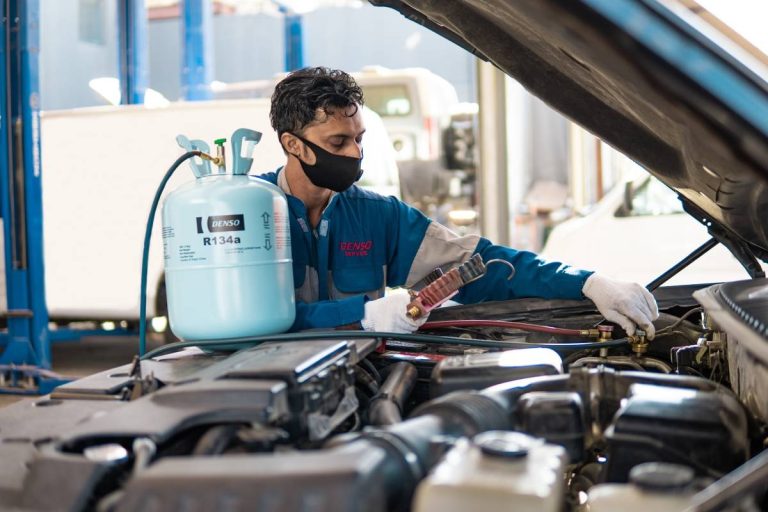
Measuring refrigerant level and system pressure requires proper tools and careful handling. A manifold gauge set is commonly used to read both low-side and high-side pressure. These readings show whether the system operates within the manufacturer’s recommended range.
Before testing, the engine should run with the AC set to maximum cooling and high fan speed. This creates stable operating conditions for accurate readings. Connecting the gauges incorrectly or testing under unstable conditions can lead to misleading results.
Pressure readings vary based on outside temperature. Higher ambient heat naturally raises system pressure, so readings must be compared against temperature-specific guidelines. Without this reference, normal pressure may be mistaken for a fault.
Safety is essential during testing. Refrigerant is stored under high pressure and can cause injury if released improperly. Wearing protective gloves and eyewear reduces risk while handling AC components.
While basic pressure checks are possible with DIY tools, precise refrigerant level measurement often requires professional equipment. Overcharging or undercharging the system can be just as harmful as running low. Accurate measurement ensures balanced pressure and consistent cooling performance.
Effects Of Incorrect Pressure On Cooling Performance
Incorrect system pressure disrupts the balance needed for effective cooling. Low pressure usually indicates insufficient refrigerant, which limits heat absorption inside the evaporator. This results in weak or uneven cooling, even when airflow seems normal.
High pressure can be equally damaging. Overcharged systems or blocked condensers prevent heat from escaping efficiently. This forces the compressor to work harder, raising temperatures and reducing cooling output inside the cabin.
Pressure imbalance also affects compressor cycling. Rapid on and off cycling reduces efficiency and increases wear. Over time, this behavior strains electrical components and shortens compressor lifespan.
Cooling loss during driving often traces back to pressure problems. Acceleration, high speeds, or heavy loads increase system demand. When pressure is already outside the ideal range, these conditions make the issue more noticeable.
Consistent pressure within the recommended range allows smooth refrigerant flow and stable cooling. Correcting pressure issues restores comfort and prevents secondary failures that often cost more to repair than early maintenance.
When To Seek Professional Inspection For Pressure Issues
Some pressure-related problems require professional diagnosis. Persistent cooling loss, repeated refrigerant refills, or visible leaks indicate deeper system issues that simple checks cannot resolve.
Technicians use advanced tools to detect leaks, measure precise refrigerant quantities, and test component performance. Dye testing and electronic leak detectors help locate hidden leaks that cause pressure loss over time.
Professional inspection is especially important after major repairs or compressor replacement. Incorrect charging during service can lead to long-term pressure imbalance. Verifying pressure ensures the system operates as designed.
Modern vehicles often integrate AC control with engine management systems. Pressure faults may trigger sensor errors or reduce system performance electronically. Diagnosing these issues requires specialized knowledge and equipment.
Timely professional inspection prevents minor pressure problems from escalating into major failures. Maintaining correct refrigerant level and system pressure supports reliable cooling and protects the entire AC system from unnecessary strain.
Inspect The AC Compressor And Clutch
The AC compressor and clutch are central to how effectively a car air conditioning system produces cold air. When either component begins to wear or malfunction, cooling performance drops, and temperature changes become noticeable during driving. Regular inspection helps detect early warning signs, reduce strain on the system, and prevent sudden AC failure in hot conditions.
Role Of The AC Compressor In Cooling Performance
The AC compressor is responsible for circulating refrigerant through the system under controlled pressure. By compressing the refrigerant, it allows heat to be absorbed from inside the cabin and released outside. Any decline in compressor performance directly reduces cooling capacity.
Over time, internal components of the compressor can wear due to heat, friction, and low lubrication. This wear limits its ability to maintain stable pressure. As a result, the air coming from the vents may feel cooler at idle but warmer during acceleration or long drives.
Noise is a common indicator of compressor trouble. Grinding, rattling, or squealing sounds often point to internal damage or bearing wear. These sounds tend to increase as engine speed rises, making the issue more noticeable while driving.
Leaks around the compressor body or hose connections also affect performance. Refrigerant loss reduces pressure and cooling efficiency. Visual inspection for oily residue helps identify early leakage.
Ignoring compressor issues increases the risk of complete failure. A damaged compressor can contaminate the system with metal debris, leading to costly repairs beyond simple replacement.
How The AC Clutch Controls Compressor Operation
The AC clutch connects and disconnects the compressor from the engine using an electromagnetic mechanism. When the AC is turned on, the clutch engages, allowing the compressor to operate. When cooling demand drops, the clutch disengages to reduce engine load.
A worn or slipping clutch prevents proper compressor engagement. This causes inconsistent cooling, where cold air appears briefly and then fades. The problem often becomes more noticeable during acceleration when engine speed changes rapidly.
Visual inspection helps identify clutch problems. A clutch that fails to engage smoothly or shows signs of burning, discoloration, or excessive wear may not transmit power effectively. These issues often develop gradually, making early detection important.
Electrical faults can also affect clutch operation. Damaged wiring, weak relays, or faulty pressure switches may prevent full engagement. In such cases, the compressor itself may still be functional, but cooling remains unreliable.
Frequent clutch cycling is another warning sign. Rapid engagement and disengagement increase wear and reduce efficiency. Addressing clutch issues early helps restore stable cooling and protects the compressor from unnecessary stress.
Common Signs Of Compressor Or Clutch Failure
Several symptoms indicate potential compressor or clutch failure. One of the most noticeable is reduced cooling during driving, especially under load. The AC may work well at idle but lose effectiveness as speed increases.
Unusual noises often accompany mechanical problems. Clicking, knocking, or high-pitched squeals suggest internal damage or clutch slippage. These sounds usually worsen over time and should not be ignored.
Inconsistent clutch engagement is another clear sign. The clutch may fail to engage at all or disengage too quickly. This results in warm air despite the AC being switched on and airflow remaining normal.
Burning smells near the engine bay can indicate clutch overheating. Excessive heat damages friction surfaces and electrical components, leading to sudden failure.
Oil or refrigerant leaks near the compressor housing also signal trouble. Loss of refrigerant reduces pressure and cooling efficiency. Identifying these signs early allows targeted repairs and avoids complete system breakdown.
Proper Inspection Methods And Maintenance Practices
Inspecting the AC compressor and clutch involves both visual checks and performance observation. Start by examining the compressor area for leaks, loose connections, or damaged belts. A worn drive belt can reduce compressor speed and cooling output.
Observe clutch engagement with the engine running and AC turned on. The clutch should engage smoothly without hesitation or excessive noise. Irregular movement indicates wear or electrical issues.
Listening during operation provides valuable clues. Changes in sound during acceleration or idle often point to internal wear. Consistent noise patterns help narrow down the source of the problem.
Regular maintenance improves reliability. Keeping refrigerant at the correct level ensures proper lubrication and pressure. Clean electrical connections support consistent clutch engagement.
Professional inspection is recommended when symptoms persist. Technicians can measure pressure, test clutch voltage, and assess compressor efficiency accurately. Routine inspection and maintenance help sustain cooling performance and extend the lifespan of the AC system.
Clean And Maintain The Condenser
The condenser plays a major role in releasing heat from the air conditioning system. When it becomes dirty or blocked, heat cannot escape efficiently, causing weaker cooling inside the cabin. Regular cleaning and maintenance help the condenser perform properly, support stable system pressure, and prevent overheating that often leads to reduced AC performance during daily driving.
Why A Dirty Condenser Reduces Cooling Efficiency
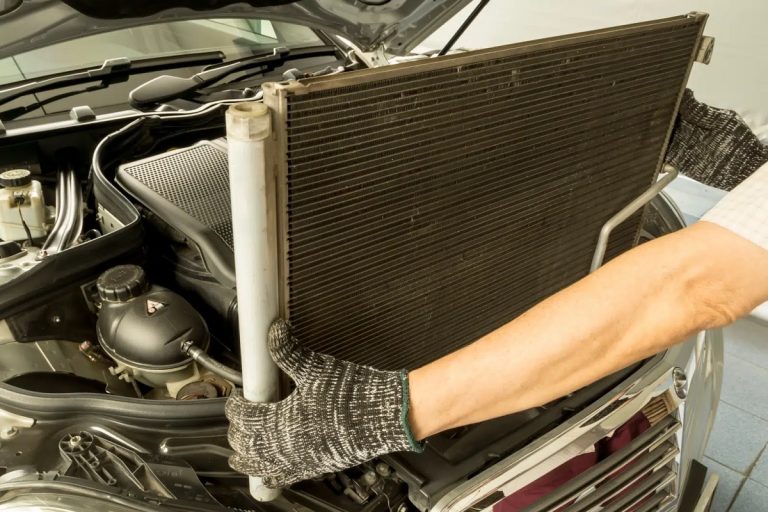
The condenser is positioned at the front of the vehicle, making it vulnerable to dust, insects, leaves, and road debris. As these materials collect on the fins, airflow becomes restricted. Limited airflow prevents the refrigerant from releasing heat effectively, resulting in warmer air from the vents.
During normal driving, the AC system relies on steady heat transfer through the condenser. When debris blocks this process, refrigerant temperature remains high. This reduces the system’s ability to cool the air passing through the evaporator.
A dirty condenser also causes system pressure to rise. Higher pressure forces the compressor to work harder, increasing wear and reducing efficiency. Over time, this strain can trigger cooling fans to run constantly and still fail to restore proper cooling.
Heat buildup becomes more noticeable in stop-and-go traffic or hot weather. With reduced airflow and high ambient temperature, cooling performance drops quickly. What feels like a refrigerant issue often traces back to a clogged condenser.
Regular inspection helps catch buildup early. Maintaining a clean condenser allows consistent airflow, balanced pressure, and stronger cooling throughout different driving conditions.
How To Clean The Condenser Safely And Effectively
Cleaning the condenser requires care to avoid damaging the delicate fins. Begin by turning off the engine and allowing it to cool. Access the condenser from the front grille or behind the radiator, depending on vehicle design.
Loose debris can be removed using compressed air or a soft brush. Air should be blown from the engine side outward to push debris away rather than deeper into the fins. Gentle handling prevents bending, which can further restrict airflow.
For stubborn dirt, a mild detergent mixed with water works well. Spray the solution lightly and rinse with low-pressure water. High-pressure washers should be avoided because they can flatten fins and reduce efficiency.
Bent fins can be straightened using a fin comb or similar tool. Restoring proper fin alignment improves airflow and heat transfer. This step is often overlooked but makes a noticeable difference in cooling performance.
Cleaning should be part of routine maintenance, especially for vehicles driven in dusty or urban environments. Consistent care keeps the condenser functioning efficiently and reduces strain on the entire AC system.
Maintenance Practices That Protect Condenser Performance
Beyond cleaning, ongoing maintenance helps preserve condenser efficiency. Regular visual inspections identify early signs of damage such as bent fins, corrosion, or leaks. Addressing these issues promptly prevents further airflow restriction.
Cooling fans play a supporting role in condenser performance. Ensuring fans operate correctly maintains airflow during low-speed driving and idling. Faulty fans often mimic condenser problems by reducing heat release.
Maintaining proper refrigerant levels also protects the condenser. Balanced pressure allows heat to dissipate efficiently. Overcharged or undercharged systems increase stress on the condenser and reduce cooling effectiveness.
Parking habits influence condenser condition. Avoiding areas with heavy dust or debris reduces buildup. Using protective grilles where applicable helps limit direct impact from road debris.
Evaluate Engine Cooling System Performance
The engine cooling system directly affects how well the air conditioning system performs. When engine temperatures rise beyond normal levels, excess heat spreads through the engine bay and interferes with AC efficiency. Evaluating cooling system performance helps maintain stable engine temperature, supports consistent cabin cooling, and prevents heat-related strain that reduces overall vehicle comfort.
How Engine Temperature Impacts AC Cooling Efficiency
Engine temperature plays a critical role in AC performance. As the engine heats up, surrounding components including AC lines and the condenser absorb excess heat. This raises refrigerant temperature and reduces its ability to cool air inside the cabin.
When the cooling system struggles, the engine fan may run continuously without lowering temperature effectively. This condition limits airflow efficiency and places additional demand on the AC system. As a result, cold air output drops, especially during acceleration or extended driving.
High engine temperature also causes the control system to protect vital components. In some vehicles, the AC compressor output is reduced when engine temperature climbs. This automatic response prevents overheating but directly affects cabin comfort.
Blocked radiators, low coolant levels, or degraded coolant reduce heat transfer efficiency. These issues often develop gradually, making them easy to overlook until AC performance declines noticeably.
Maintaining stable engine temperature ensures consistent AC operation. Evaluating how quickly the engine warms up, stabilizes, and cools under load provides insight into the health of the cooling system and its impact on air conditioning performance.
Key Components To Inspect In The Engine Cooling System
Several components work together to regulate engine temperature. The radiator is responsible for releasing heat from the coolant. Dirt, corrosion, or internal blockage reduces its ability to transfer heat effectively, leading to elevated engine temperatures.
The thermostat controls coolant flow based on temperature. A stuck thermostat can restrict circulation or allow overheating. This affects not only engine health but also AC performance by increasing under-hood heat.
Cooling fans provide airflow through the radiator at low speeds. Weak or malfunctioning fans reduce heat dissipation, especially during stop-and-go driving. This condition often causes AC cooling to weaken while idling or accelerating.
Hoses and coolant passages also require inspection. Cracks, leaks, or collapsed hoses restrict flow and reduce cooling efficiency. Even minor leaks can lead to gradual coolant loss and overheating.
Evaluating these components together provides a clear picture of cooling system health. Addressing small faults early helps maintain balanced temperatures and supports consistent AC operation during all driving conditions.
Signs Of Poor Engine Cooling System Performance
Poor engine cooling system performance often presents subtle warning signs before severe overheating occurs. One common indicator is fluctuating temperature gauge readings. Sudden rises during driving or slow return to normal suggest restricted coolant flow or airflow issues.
Another sign is frequent fan operation at high speed. When fans run constantly, the system struggles to manage heat effectively. This condition often coincides with weaker AC cooling, especially in traffic or hot weather.
Coolant loss without visible leaks points to internal issues. Air trapped in the system or minor seepage reduces cooling capacity over time. As coolant level drops, engine temperature increases, affecting AC efficiency.
Steam or sweet odors near the engine bay indicate coolant evaporation or leaks. These signs should never be ignored, as they often precede overheating and system failure.
Monitoring these symptoms allows early evaluation of cooling system performance. Correcting cooling issues restores stable engine temperature and prevents heat-related reduction in air conditioning performance.
Check Drive Belt And Pulley Condition
The drive belt and pulleys transfer engine power to critical systems, including the air conditioning compressor. When these components wear or lose alignment, power delivery becomes inconsistent, directly affecting AC performance. Checking belt and pulley condition helps maintain proper compressor speed, reduces noise, and prevents sudden loss of cooling during everyday driving.
How A Worn Drive Belt Affects AC Performance
The drive belt connects the engine crankshaft to accessories such as the AC compressor. When the belt becomes worn, cracked, or stretched, it can slip under load. This slippage reduces compressor speed, limiting refrigerant circulation and weakening cooling output.
During acceleration, belt problems become more noticeable. Increased engine load requires stronger belt grip. A worn belt may fail to maintain contact with pulleys, causing brief loss of compressor operation. This results in warm air from the vents even though the AC remains switched on.
Visual signs of belt wear include glazing, frayed edges, and surface cracks. These defects reduce friction and increase the risk of breakage. Squealing noises during startup or acceleration also indicate belt slippage.
Environmental factors accelerate belt wear. Heat, oil contamination, and age degrade belt material over time. Even belts that appear intact may lose elasticity and grip.
Regular inspection and timely replacement of worn belts restore consistent power transfer. Maintaining proper belt condition ensures steady compressor operation and reliable cooling under varying driving conditions.
Importance Of Pulley Alignment And Bearing Health
Pulleys guide the drive belt and maintain proper tension and alignment. Misaligned pulleys cause uneven belt wear and reduce efficiency. When alignment is off, the belt may ride incorrectly, leading to slippage and noise.
Pulley bearings support smooth rotation. Worn or damaged bearings increase resistance, forcing the belt to work harder. This added load reduces compressor efficiency and accelerates belt wear.
Signs of pulley issues include wobbling, grinding noises, or visible misalignment. These symptoms often worsen with engine speed changes, making cooling performance inconsistent during acceleration.
Idler and tensioner pulleys play a key role in maintaining correct belt tension. Weak tensioners allow belt slack, increasing the chance of slipping under load. Excessive tension, however, strains bearings and shortens component lifespan.
Inspecting pulleys for smooth rotation and proper alignment helps prevent belt-related issues. Addressing pulley problems early supports stable belt operation and protects the AC compressor from uneven power delivery.
Inspection And Maintenance Best Practices
Inspecting drive belts and pulleys involves visual checks and performance observation. Begin by examining the belt for cracks, glazing, or contamination. Any sign of wear warrants further attention or replacement.
Check belt tension according to manufacturer specifications. Proper tension ensures reliable grip without overloading components. Automatic tensioners should move smoothly without sticking or noise.
Rotate pulleys by hand with the engine off to assess bearing condition. Smooth, silent rotation indicates healthy bearings, while resistance or noise suggests wear.
Listen for abnormal sounds during engine operation. Squealing, chirping, or grinding noises often point to belt or pulley issues. These sounds typically change with engine speed and AC engagement.
Routine inspection as part of regular maintenance helps avoid sudden belt failure. Maintaining healthy belts and pulleys ensures consistent AC performance and prevents secondary damage to related engine accessories.
Optimize Cabin Airflow And Climate Settings
Proper airflow and climate control settings are essential for maximizing the efficiency of a car’s air conditioning system. Even a fully functional AC can feel ineffective if air circulation is restricted or settings are misconfigured. Optimizing these elements ensures consistent cooling, improves comfort, and reduces strain on the AC system during hot driving conditions.
Adjusting Fan Speed And Vent Direction For Maximum Cooling
Fan speed and vent placement significantly affect how quickly cold air reaches passengers. Using higher fan speeds initially can circulate air faster and push cooled air evenly throughout the cabin. Lower speeds are better for maintaining comfort once the cabin temperature stabilizes.
Vent direction also plays a major role in airflow efficiency. Directing vents toward occupants provides immediate relief, while mixing airflow with upward vents can help distribute air more evenly across the cabin. Blocked or partially closed vents reduce airflow, making the AC feel weak even when the system is functioning properly.
Clogged cabin filters or obstructed vent pathways further hinder airflow. Dust, leaves, and debris inside ducts reduce cold air distribution. Regular inspection and cleaning of filters and vents help maintain airflow and improve cooling performance.
By combining proper fan speed and vent direction with a clean ventilation system, the cabin cools faster and more evenly. This approach also prevents the AC system from overworking, reducing energy consumption and wear on components.
Using Recirculation And Fresh Air Modes Effectively
Modern vehicles provide both recirculation and fresh air modes, each affecting cabin cooling differently. Recirculation mode pulls air from inside the cabin, allowing the AC to cool already cooled air more efficiently. This mode is ideal for quick cooling, especially in extremely hot weather.
Fresh air mode brings outside air into the cabin. While necessary for ventilation, using it in very hot conditions forces the AC to work harder to cool incoming warm air. Switching between modes strategically can help maintain comfort without overloading the system.
Extended use of recirculation mode helps the cabin reach desired temperatures faster. However, occasional use of fresh air prevents stale air buildup and maintains air quality. Balancing both modes optimizes cooling while preserving ventilation.
Temperature fluctuations during driving can be minimized by adjusting recirculation settings based on outside heat levels. This ensures the AC system operates efficiently, providing consistent comfort regardless of traffic conditions or external weather.
Balancing Temperature And Climate Control Settings
Proper climate control settings enhance cooling efficiency. Setting the temperature too low does not speed up cooling; instead, it increases compressor workload and energy consumption. Moderate settings allow the system to stabilize quickly and maintain consistent cold air flow.
Dual-zone or multi-zone climate controls provide targeted cooling for different areas of the cabin. Adjusting zones individually ensures passengers receive adequate airflow without unnecessarily straining the system. This approach also reduces temperature swings and improves overall comfort.
Automatic climate control systems optimize fan speed, airflow, and compressor operation based on cabin and outside temperatures. Using these settings correctly allows the AC to work at peak efficiency while maintaining comfort without manual adjustments.
Regularly checking and adjusting climate control ensures steady cooling throughout the cabin. Proper use of temperature, fan, and zone settings reduces unnecessary compressor stress and prolongs the lifespan of the air conditioning system.
Preventing Airflow Obstructions Inside The Cabin
Interior airflow can be restricted by objects placed near vents, under seats, or on the dashboard. Blocked vents reduce the volume of cold air reaching passengers, causing uneven cooling and hot spots inside the cabin.
Cabin cleanliness also impacts airflow. Dust accumulation inside vents and ducts gradually reduces efficiency. Cleaning vents and replacing cabin filters at recommended intervals restores full airflow and improves overall AC performance.
Using floor mats, seat covers, or accessories that obstruct vent openings can further reduce air circulation. Ensuring that airflow pathways remain clear allows the system to distribute cooled air evenly and maintain consistent comfort.
Optimizing cabin airflow through proper vent management, filter maintenance, and uncluttered interiors helps the air conditioning system deliver the coldest air efficiently. This practice enhances passenger comfort and reduces unnecessary load on the AC components.
FAQs
How To Make Car AC Colder Without Adding Refrigerant?
You can make your car AC colder without adding refrigerant by improving airflow and system efficiency. Start by ensuring your cabin air filter is clean, as a clogged filter reduces air volume and cooling performance.
Check that your condenser is free from debris like leaves or dirt, which can block heat exchange. Running your AC in recirculation mode also helps by cooling the already chilled air inside the cabin rather than drawing in hot outside air. Regular maintenance of belts, fans, and compressor components ensures the system works optimally without adding refrigerant.
Why Is My Car AC Not Cold When Accelerating?
Your car AC may not feel cold during acceleration because the engine diverts power to meet driving demands. Many vehicles reduce AC compressor output temporarily under heavy throttle to maintain engine performance.
A weak compressor, low refrigerant, or clogged condenser can worsen this issue. Checking the drive belts, pulleys, and AC clutch can help you identify mechanical issues. Ensuring proper airflow and using recirculation mode can also help maintain cooler air inside the cabin even when the engine is under load.
Can Cabin Air Filter Affect AC Cooling?
Yes, a dirty or clogged cabin air filter can significantly affect your AC’s cooling ability. Restricted airflow reduces the amount of cold air reaching the cabin, making the system seem weak or inconsistent.
Replacing or cleaning the cabin filter ensures smooth airflow and better temperature control. Combined with proper refrigerant levels and a well-maintained condenser, a clean filter helps your AC deliver colder air consistently. Regular filter checks every 12,000–15,000 miles are recommended to maintain optimal cooling performance.
How Does Refrigerant Level Impact Car AC Performance?
The refrigerant level directly impacts your car AC’s ability to produce cold air. Too little refrigerant prevents the compressor from effectively circulating the coolant, reducing cooling efficiency, especially under load.
Overcharging can also cause system pressure problems and damage the compressor. A proper refrigerant level ensures consistent cold air, even during acceleration. If you notice weak cooling or hissing noises, it may indicate a leak or imbalance requiring professional attention to restore optimal AC performance.
Does Engine Temperature Affect Car AC Cooling?
Yes, high engine temperatures can reduce AC efficiency. The AC system shares components like belts and the engine-driven compressor, so if the engine overheats, the system may divert power away from cooling.
Ensuring the engine cooling system is working properly—checking coolant levels, radiator function, and fan operation—helps maintain AC performance. A well-regulated engine allows the compressor to operate efficiently, producing colder air consistently, even during highway driving or acceleration.
How Can I Improve AC Cooling Without Professional Help?
You can improve AC cooling at home by focusing on airflow and basic maintenance. Start by cleaning the condenser, checking the cabin filter, and using recirculation mode to cool the internal air efficiently.
Inspect belts, pulleys, and the compressor for obvious wear or slippage. Parking in shaded areas and using sunshades can reduce cabin heat load. These steps enhance AC performance and help maintain colder air without immediately needing professional service or refrigerant top-ups.
When Should I Take My Car AC To A Professional?
You should see a professional if DIY checks don’t restore cold air. Persistent weak cooling, unusual noises, or inconsistent airflow often indicate deeper issues like compressor failure, leaks, or electronic sensor problems.
A certified technician can perform a full system inspection, recharge refrigerant safely, and repair mechanical or electrical faults. Regular professional maintenance can prevent expensive repairs and ensure your AC remains cold and reliable in all driving conditions.
Final Thoughts
Ensuring a car’s air conditioning provides consistent, cold air requires attention to multiple factors. From checking refrigerant levels and inspecting the compressor to maintaining the condenser and optimizing airflow, each component plays a critical role in overall performance. Ignoring even minor issues can lead to reduced cooling, especially during acceleration or hot weather.
Understanding how to make car ac colder involves combining proper maintenance with smart usage habits. Adjusting fan speed, vent direction, and climate settings while keeping the cabin clean and free of airflow obstructions enhances cooling efficiency. Regular inspection of belts, pulleys, and the engine cooling system also ensures that the AC compressor operates at peak performance, preventing uneven or weak airflow.
By following these steps and addressing potential problems early, drivers can achieve a noticeably colder cabin. Learning how to make car ac colder not only improves comfort but also prolongs the lifespan of the entire air conditioning system, making every drive more enjoyable.