What Causes Spark Plugs To Go Bad: Common Reasons You Shouldn’t Ignore
Your engine depends on spark plugs to ignite the air and fuel mixture at exactly the right moment. When they work properly, your vehicle runs smoothly, starts easily, and delivers consistent power. Once problems begin, performance drops, fuel efficiency suffers, and small issues can quickly grow into costly repairs.
Over time, spark plugs face constant heat, pressure, and electrical stress. Carbon buildup, oil contamination, overheating, and normal wear slowly reduce their ability to fire correctly. Driving habits, engine condition, and maintenance routines all play a major role in how long they last and how well they perform.
Understanding what causes spark plugs to go bad helps you recognize problems before they affect the entire engine. Worn plugs often lead to rough idling, poor acceleration, engine misfires, and higher fuel consumption, all of which reduce driving comfort and reliability.
Ignoring early warning signs places extra strain on ignition coils, the catalytic converter, and other engine components. Knowing the real reasons behind spark plug failure puts you in control of timely maintenance and keeps your engine running at its best for longer.
Driving Habits That Accelerate Spark Plug Wear
Daily driving behavior has a direct impact on how long spark plugs last and how efficiently they perform. Certain habits place extra stress on the ignition system, causing plugs to foul, overheat, or wear faster than expected. By understanding how routine driving choices affect combustion, you can see why spark plug problems often appear earlier than normal, even in well-maintained vehicles.
Frequent Short Trips And Cold Starts
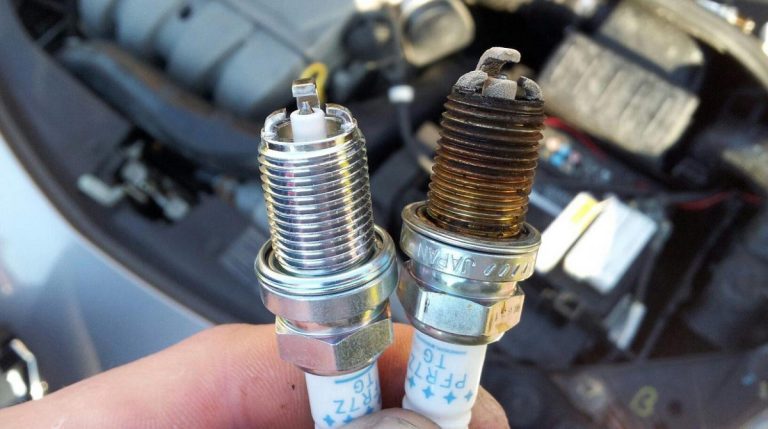
Regular short-distance driving is one of the most common habits that accelerate spark plug wear. When an engine starts cold, it runs richer, meaning more fuel is injected to help it warm up. During short trips, the engine often never reaches its optimal operating temperature, preventing proper combustion. This incomplete burn allows carbon deposits to form on spark plug tips, reducing their ability to create a strong, clean spark.
Cold starts also cause moisture to build up inside the combustion chamber. When the engine does not stay hot long enough, that moisture does not fully evaporate. Instead, it combines with fuel residues and contaminants, leading to fouling on the spark plugs. Over time, this buildup interferes with ignition timing and spark intensity.
Repeated cold starts increase electrical demand on the ignition system. Spark plugs must work harder to ignite a colder, richer mixture, which gradually erodes electrodes. This constant strain shortens their service life well before normal replacement intervals.
Drivers who rely heavily on short trips often notice rough idling, hesitation, or misfires. These symptoms develop because spark plugs never get the chance to self-clean at higher temperatures. Without longer drives to burn off deposits, wear accelerates steadily and performance declines.
Aggressive Acceleration And High RPM Driving
Hard acceleration and frequent high RPM driving put significant stress on spark plugs. Rapid throttle inputs demand instant ignition under higher pressure, forcing spark plugs to fire more intensely and more often. This increased electrical load speeds up electrode erosion, especially in standard copper or platinum plugs.
High RPM operation also raises combustion temperatures. Excessive heat can cause spark plugs to overheat, leading to glazing or pre-ignition. When a spark plug runs too hot, its tip may lose the ability to dissipate heat properly, increasing wear and reducing reliability. Over time, this heat damage alters the plug gap and weakens spark consistency.
Aggressive driving habits often include rapid gear changes and sudden bursts of speed. These actions create uneven combustion conditions, making spark plugs compensate constantly. The repeated stress causes faster degradation compared to smooth, steady driving patterns.
Another issue linked to aggressive driving is increased fuel consumption. Rich or inconsistent air-fuel mixtures leave behind deposits that cling to spark plug electrodes. As buildup increases, plugs struggle to fire efficiently, leading to misfires and reduced engine response. The combination of heat, pressure, and residue significantly shortens spark plug lifespan.
Ignoring Engine Warning Signs While Driving
Continuing to drive while ignoring early engine issues is a major contributor to accelerated spark plug wear. Symptoms like rough idling, poor fuel economy, or delayed acceleration often indicate underlying problems such as faulty sensors, vacuum leaks, or fuel system imbalances. These issues directly affect combustion quality, placing extra strain on spark plugs.
When the air-fuel ratio is incorrect, spark plugs either burn too hot or become fouled with excess fuel. Lean conditions raise combustion temperatures, damaging electrodes and insulators. Rich conditions cause carbon buildup, preventing proper spark formation. Both scenarios force spark plugs to work beyond their designed limits.
Misfires are another warning sign often overlooked. Driving with frequent misfires causes unburned fuel to coat spark plugs, rapidly fouling them. This creates a cycle where poor ignition leads to more misfires, further accelerating wear and reducing engine efficiency.
Ignoring check engine lights compounds the problem. Modern vehicles rely on sensors to maintain optimal combustion. When those systems fail and remain unaddressed, spark plugs become the first components to suffer. Continuous driving under faulty conditions dramatically reduces their lifespan and increases the risk of more severe engine damage.
Prolonged Idling And Stop And Go Traffic Patterns
Extended idling and constant stop-and-go driving conditions also accelerate spark plug wear. During idle, combustion temperatures remain relatively low, preventing spark plugs from reaching their self-cleaning range. As a result, fuel residues and carbon deposits accumulate more quickly on the plug tips.
In heavy traffic, engines frequently switch between idle and low-speed operation. This inconsistent combustion environment places spark plugs under fluctuating electrical and thermal stress. Each restart and low-speed acceleration requires spark plugs to ignite less efficient mixtures, increasing the likelihood of fouling.
Prolonged idling also increases fuel consumption without sufficient airflow to cool the combustion chamber. This imbalance contributes to incomplete fuel burn, leaving deposits behind. Over time, these deposits interfere with spark quality and lead to rough engine performance.
Drivers who spend long periods in traffic often experience faster spark plug degradation without realizing the cause. The combination of low temperatures, frequent stops, and minimal self-cleaning action creates ideal conditions for early wear. Without changes in driving patterns or maintenance intervals, spark plug life is significantly reduced.
Carbon Buildup And Oil Fouling Issues
Carbon buildup and oil fouling are two of the most damaging problems affecting spark plug performance. Both issues develop gradually inside the combustion chamber and often go unnoticed until engine symptoms become obvious. Poor combustion, internal wear, and neglected maintenance allow these contaminants to coat spark plug electrodes, reducing spark strength and accelerating overall ignition system failure.
How Carbon Buildup Develops On Spark Plugs
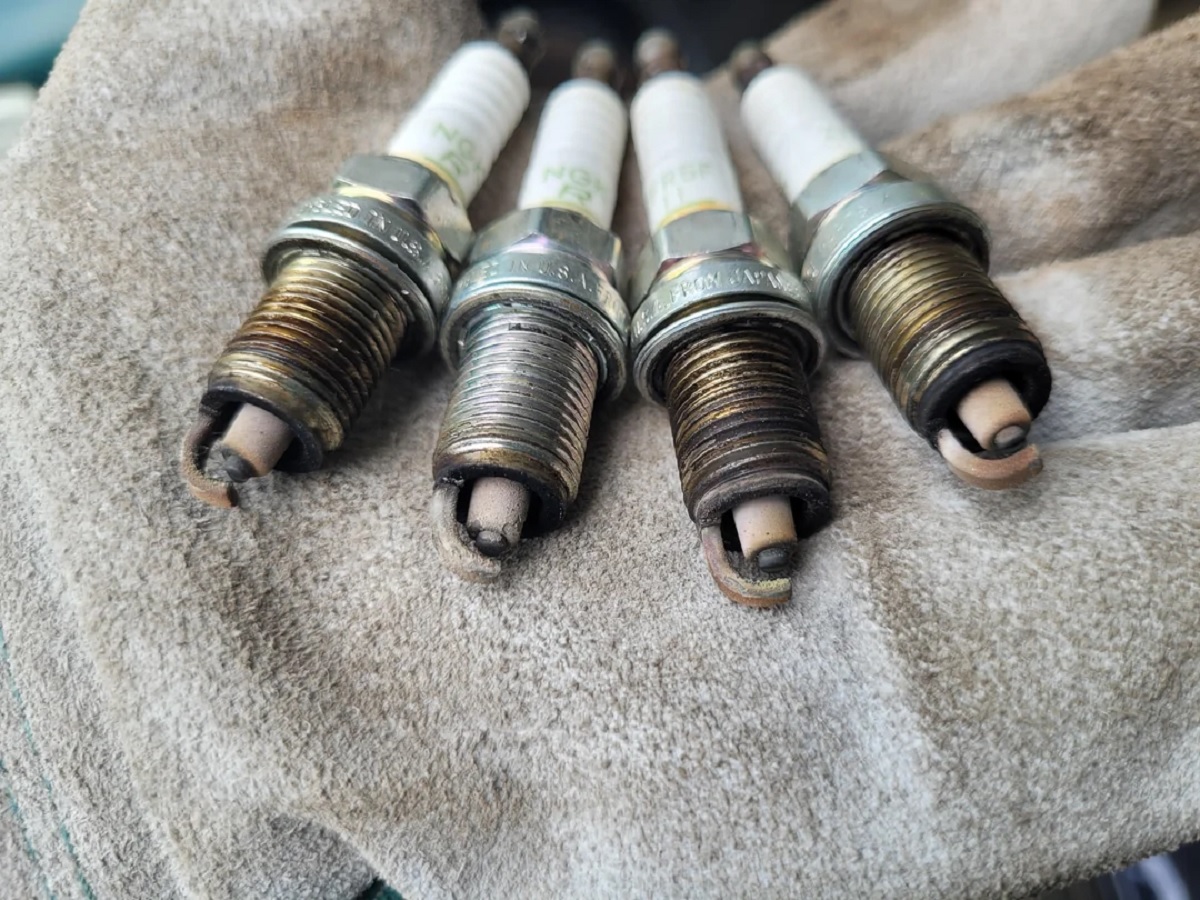
Carbon buildup forms when fuel does not burn completely during combustion. This problem commonly starts with rich air fuel mixtures, inefficient ignition timing, or frequent low temperature operation. When excess fuel remains after ignition, it leaves behind dry, black carbon deposits that cling to spark plug tips and insulators.
Short trips and extended idling make the problem worse because the engine never reaches the temperature needed to burn off residue. Spark plugs rely on heat to self clean, and without sustained driving at normal operating temperatures, deposits accumulate rapidly. Over time, carbon buildup interferes with the spark path, weakening ignition and causing misfires.
As carbon thickens, spark plugs require more voltage to fire. This extra demand strains ignition coils and wires, increasing the risk of secondary ignition failures. Rough idling, hesitation during acceleration, and reduced fuel efficiency often follow as combustion becomes less consistent.
Carbon buildup also alters the spark plug gap by coating the electrode edges. This change affects timing accuracy and combustion efficiency. Without correction, the buildup continues to worsen, eventually leading to hard starts and persistent engine performance issues tied directly to fouled spark plugs.
Oil Fouling And Its Impact On Spark Plug Performance
Oil fouling occurs when engine oil enters the combustion chamber and coats the spark plug electrodes. This issue is often caused by worn piston rings, damaged valve seals, or excessive crankcase pressure. When oil burns alongside fuel, it leaves behind thick, wet deposits that quickly disable spark plugs.
Unlike carbon buildup, oil fouling creates a sticky residue that prevents sparks from forming properly. Even a small amount of oil contamination can short circuit the spark, leading to immediate misfires. The engine may struggle to start, idle unevenly, or emit blue smoke from the exhaust as oil consumption increases.
Oil fouled spark plugs also signal deeper mechanical problems. Continued driving without addressing the source allows oil contamination to worsen, damaging additional engine components. Spark plugs become saturated faster than they can be replaced, making repeated failures common.
As oil residue hardens, it traps heat around the electrode, increasing the risk of overheating and pre ignition. This condition further accelerates spark plug wear and reduces engine reliability. Without correcting oil intrusion, spark plug performance declines rapidly, leading to persistent ignition problems and reduced overall engine efficiency.
Overheating Problems And Engine Temperature Imbalance
Engine temperature plays a critical role in spark plug performance and overall combustion efficiency. When temperatures rise beyond normal operating levels or fluctuate unevenly, spark plugs are forced to operate under extreme conditions. Overheating and temperature imbalance disrupt combustion timing, weaken ignition components, and significantly reduce spark plug lifespan.
How Excessive Engine Heat Damages Spark Plugs
Excessive engine heat directly affects spark plug materials and firing capability. When combustion temperatures climb too high, spark plug electrodes begin to wear faster than designed. Prolonged exposure to extreme heat causes the electrode edges to round off, increasing the spark gap and reducing ignition precision.
Overheating also affects the ceramic insulator surrounding the electrode. High temperatures can cause glazing, a smooth, shiny coating that prevents proper heat dissipation. Once glazed, the spark plug struggles to maintain consistent firing, leading to misfires and unstable engine performance.
Lean air fuel mixtures are a common contributor to excessive heat. When there is too much air and not enough fuel, combustion burns hotter than normal. Spark plugs in these conditions absorb excess heat, pushing them beyond their thermal limits and accelerating failure.
Continuous driving with overheating issues also strains surrounding ignition components. Ignition coils must generate higher voltage to fire overheated plugs, increasing electrical stress. Over time, this combination of heat and electrical demand shortens spark plug life and raises the risk of engine knocking and pre ignition.
Causes Of Engine Temperature Imbalance And Uneven Combustion
Engine temperature imbalance occurs when different cylinders operate at varying heat levels. This problem is often linked to cooling system issues such as clogged radiators, malfunctioning thermostats, or uneven coolant flow. When cooling is inconsistent, some spark plugs endure higher temperatures while others operate below optimal ranges.
Uneven combustion also results from fuel injector problems. A clogged or leaking injector can alter the air fuel mixture in a specific cylinder, causing it to run hotter or cooler than the rest. Spark plugs in overheated cylinders experience accelerated wear, while cooler cylinders may develop carbon buildup.
Temperature imbalance places spark plugs under inconsistent thermal stress. Rapid shifts between hot and cool conditions weaken electrode materials and insulators. This cycling effect increases the likelihood of cracking, erosion, and early failure.
Drivers may notice symptoms such as vibration, loss of power, or uneven acceleration. These issues often stem from mismatched cylinder temperatures affecting combustion stability. Without correction, spark plugs continue to degrade unevenly, leading to repeated misfires and declining engine efficiency.
Long Term Effects Of Driving With Overheating Conditions
Driving with ongoing overheating conditions creates long term damage to spark plugs and the engine as a whole. As spark plugs remain exposed to excessive heat, their ability to transfer heat away from the combustion chamber diminishes. This loss of thermal regulation leads to persistent pre ignition and engine knocking.
Overheated spark plugs also become brittle over time. The constant thermal stress weakens internal components, increasing the risk of cracking or complete electrode failure. Once damaged, spark plugs cannot maintain a stable spark, resulting in rough operation and reduced fuel efficiency.
Continued overheating affects ignition timing accuracy. Spark plugs may fire prematurely due to retained heat, disrupting the combustion cycle. This imbalance forces the engine control system to compensate, often enriching the mixture or retarding timing, which further strains spark plugs.
Ignoring overheating problems also accelerates wear on surrounding engine parts. As spark plugs fail more frequently, misfires increase, placing stress on the catalytic converter and exhaust system. The longer overheating persists, the more severe the ignition and performance issues become, directly tied to temperature related spark plug damage.
Incorrect Spark Plug Gap And Installation Errors
Proper spark plug gap and correct installation are essential for efficient ignition and stable engine performance. Even high quality spark plugs can fail prematurely when the gap is incorrect or installation mistakes are made. These errors disrupt spark formation, increase electrical strain, and create combustion problems that accelerate wear and reduce overall engine reliability.
Effects Of Incorrect Spark Plug Gap On Ignition Performance
An incorrect spark plug gap directly interferes with the ignition process. When the gap is too wide, the ignition system must generate higher voltage to create a spark. This extra demand places stress on ignition coils and wires, often leading to weak or inconsistent sparks. Over time, the increased electrical load accelerates electrode erosion and shortens spark plug life.
A gap that is too narrow causes a different set of issues. While the spark may fire more easily, it lacks the intensity needed to ignite the air fuel mixture completely. Incomplete combustion results in carbon deposits forming on the spark plug tip, which further reduces efficiency and increases the risk of fouling.
Incorrect gapping also affects timing accuracy. Spark formation may occur slightly earlier or later than intended, disrupting the combustion cycle. This imbalance leads to rough idling, reduced power, and poor fuel economy. As these conditions persist, spark plugs degrade faster, creating ongoing ignition problems tied directly to improper gap settings.
Common Installation Errors That Damage Spark Plugs
Installation mistakes are another major cause of early spark plug failure. One of the most common errors is over tightening. Excessive torque can crack the ceramic insulator or damage cylinder head threads, compromising heat transfer and spark stability. A damaged insulator allows heat to build up around the electrode, increasing the risk of overheating and misfires.
Under tightening is equally harmful. A loose spark plug cannot maintain proper contact with the cylinder head, leading to poor heat dissipation. This condition causes the spark plug to run hotter than designed, accelerating electrode wear and increasing the likelihood of pre ignition.
Cross threading during installation creates misalignment, preventing the spark plug from seating correctly. This error disrupts sealing and allows combustion gases to escape, affecting performance and increasing thermal stress. Failing to use the correct spark plug type or heat range further compounds these issues, as mismatched plugs cannot regulate temperature effectively.
Together, incorrect gap settings and installation errors create unstable ignition conditions. Without proper attention during installation, spark plugs are forced to operate under constant stress, leading to premature wear and recurring engine performance problems.
Low-Quality Or Wrong Type Of Spark Plugs
Choosing the correct spark plug is essential for reliable ignition and long term engine performance. Using low quality spark plugs or the wrong type for your engine often leads to rapid wear, poor combustion, and recurring ignition problems. These issues may not appear immediately, but over time they create noticeable performance losses and increased maintenance needs.
Problems Caused By Low-Quality Spark Plug Materials
Low quality spark plugs are often made with inferior electrode materials that wear out much faster under normal driving conditions. Cheaper metals erode quickly when exposed to high combustion temperatures, causing the spark gap to widen sooner than expected. As the gap increases, the ignition system must work harder to produce a spark, leading to inconsistent firing and misfires.
Poor insulation is another common issue with low quality spark plugs. Inferior ceramic insulators struggle to manage heat effectively, increasing the risk of overheating and glazing. Once heat control is compromised, spark plugs lose their ability to maintain stable combustion, resulting in rough idling and reduced engine efficiency.
Low quality manufacturing also affects dimensional accuracy. Even slight inconsistencies in electrode shape or gap settings disrupt spark formation. These irregularities lead to uneven combustion across cylinders, forcing the engine to compensate and increasing overall wear.
Over time, the combined effects of rapid erosion, poor heat dissipation, and inconsistent spark delivery significantly shorten spark plug lifespan. Engines running on low quality plugs often experience frequent replacements and persistent performance issues linked directly to material deficiencies.
Risks Of Using The Wrong Spark Plug Type For Your Engine
Using the wrong type of spark plug can be just as damaging as choosing low quality components. Each engine is designed to work with a specific heat range, electrode design, and material. Installing spark plugs that do not match these requirements disrupts combustion balance and temperature control.
Spark plugs with an incorrect heat range either retain too much heat or dissipate it too quickly. A plug that runs too hot increases the risk of pre ignition and engine knocking, while a plug that runs too cold promotes carbon buildup and fouling. Both conditions accelerate wear and reduce ignition reliability.
Electrode design also plays a crucial role. Some engines require fine wire electrodes for precise ignition, while others are designed for standard configurations. Using an incompatible design weakens spark consistency and affects throttle response.
Modern engines often rely on advanced ignition systems calibrated for specific plug types. Installing mismatched plugs interferes with sensor feedback and ignition timing adjustments. This imbalance places continuous stress on spark plugs and ignition components, leading to ongoing misfires and reduced fuel efficiency caused by incorrect spark plug selection.
Fuel Quality And Contaminated Gasoline Effects
Fuel quality has a direct impact on combustion efficiency and spark plug health. Poor quality or contaminated gasoline introduces impurities that disrupt ignition and leave harmful deposits inside the engine. Over time, these contaminants reduce spark plug performance, increase wear, and create persistent engine problems that affect power, efficiency, and reliability.
How Poor Fuel Quality Leads To Spark Plug Deposits
Low quality gasoline often contains higher levels of impurities and unstable additives. When burned, these substances leave behind residue that sticks to spark plug electrodes and insulators. Instead of clean combustion, the fuel produces carbon and ash deposits that interfere with spark formation and weaken ignition strength.
Inconsistent octane levels are another issue linked to poor fuel quality. Fuel with insufficient octane burns unevenly, increasing the likelihood of knocking and incomplete combustion. This instability causes spark plugs to operate under irregular conditions, leading to faster electrode wear and misfires.
Poor fuel also affects the air fuel mixture. Contaminated or degraded gasoline may not atomize properly, resulting in uneven combustion across cylinders. Spark plugs in these conditions struggle to ignite the mixture efficiently, causing buildup to form more rapidly.
As deposits increase, spark plugs require more voltage to fire, placing extra strain on ignition coils. Over time, this additional stress reduces spark plug lifespan and contributes to rough idling, reduced acceleration, and declining fuel efficiency linked directly to fuel quality issues.
Effects Of Contaminated Gasoline On Combustion And Ignition
Contaminated gasoline introduces substances such as water, dirt, or rust into the fuel system. When these contaminants reach the combustion chamber, they disrupt the ignition process and damage spark plug surfaces. Water contamination, in particular, prevents proper fuel combustion, leading to misfires and rapid plug fouling.
Dirt and debris carried in contaminated fuel can alter spray patterns from fuel injectors, creating uneven air fuel mixtures. Spark plugs must compensate for these irregular conditions, increasing wear and reducing spark consistency. Over time, the abrasive nature of contaminants contributes to electrode damage and insulation breakdown.
Ethanol separation is another common contamination issue. When gasoline absorbs moisture, ethanol can separate and form a corrosive mixture. This condition promotes deposit formation and accelerates spark plug degradation.
Persistent use of contaminated gasoline also affects engine sensors and fuel delivery components. As ignition timing and mixture control become less precise, spark plugs experience repeated stress. The result is frequent misfires, poor throttle response, and shortened spark plug life caused by ongoing exposure to contaminated fuel conditions.
Ignition Coil And Electrical System Failures
The ignition coil and the electrical system are vital for providing consistent voltage to spark plugs. When these components fail or underperform, spark plugs receive irregular or insufficient power, leading to misfires, poor combustion, and accelerated wear. Understanding how electrical issues affect spark plug function can help prevent repeated ignition problems and costly repairs.
How Ignition Coil Malfunctions Affect Spark Plugs
Ignition coils are responsible for converting low voltage from the battery into the high voltage required to generate a spark. When a coil malfunctions, it delivers inconsistent or weak voltage to the spark plug. This irregular supply prevents proper ignition of the air-fuel mixture, causing incomplete combustion and engine misfires.
Weak sparks increase the workload on spark plugs. The electrode has to compensate for the low energy, which accelerates wear and can lead to overheating or glazing. Over time, this strain significantly reduces the plug’s lifespan, even if the plug itself is otherwise in good condition.
Ignition coil failures can occur due to heat damage, internal shorts, or insulation breakdown. Symptoms such as rough idling, hesitation during acceleration, or backfiring are often early indicators of coil issues. Ignoring these signs allows spark plugs to deteriorate faster, creating a cycle of misfires and declining engine performance.
Repeated exposure to weak or inconsistent voltage also damages the spark plug electrode tip. Electrodes erode unevenly, altering the gap and reducing combustion efficiency. As the ignition system compensates for these deficiencies, other electrical components, like the spark plug wires or coil packs, face additional stress, further amplifying spark plug degradation.
Electrical System Issues That Harm Spark Plug Performance
Beyond ignition coils, other electrical system problems can accelerate spark plug wear. Faulty wiring, poor connections, or voltage fluctuations disrupt the precise timing required for spark formation. Without stable electrical input, spark plugs cannot ignite fuel efficiently, leading to misfires, incomplete combustion, and carbon buildup.
Voltage drops or spikes in the electrical system can overwork spark plugs. When a spark plug receives too much voltage, it overheats, which accelerates electrode erosion and increases the likelihood of pre ignition. Conversely, low voltage causes weak sparks that struggle to ignite the mixture, leaving unburned fuel that fouls the plug surface.
Malfunctioning sensors, such as the crankshaft or camshaft position sensors, indirectly affect spark plug performance. These sensors provide critical timing information to the engine control unit. When they fail, ignition timing becomes erratic, forcing spark plugs to fire under suboptimal conditions and accelerating wear.
Electrical issues can also affect modern coil-on-plug systems differently. A failing module may deliver inconsistent energy to one cylinder, causing uneven plug wear across the engine. Misfires in a single cylinder can increase stress on adjacent spark plugs and other ignition components, reducing overall engine efficiency and spark plug lifespan.
Finally, moisture or corrosion in the ignition wiring harness can exacerbate these problems. Water infiltration or rust reduces conductivity, weakening the spark and forcing spark plugs to operate under strain. Over time, repeated exposure to such electrical inconsistencies significantly reduces plug life and contributes to persistent ignition and combustion issues.
Excessive Idling And Short-Trip Driving Impact
Excessive idling and frequent short trips are surprisingly damaging to spark plugs and overall engine health. Engines that don’t reach optimal operating temperatures experience incomplete combustion, leading to carbon buildup, fouling, and accelerated plug wear. Understanding the effects of these driving patterns helps explain why even new spark plugs can fail prematurely under these conditions.
How Excessive Idling Harms Spark Plugs
Extended idling keeps the engine at low temperatures, preventing spark plugs from reaching the self-cleaning range necessary to burn off carbon deposits. Over time, fuel residues and soot accumulate on the electrode tips and insulator surfaces. These deposits reduce spark intensity and can cause misfires, rough idling, and poor throttle response.
Idling also contributes to incomplete fuel combustion. Without sufficient heat, the air-fuel mixture does not ignite efficiently, leaving unburned fuel in the combustion chamber. Spark plugs must fire repeatedly under these suboptimal conditions, accelerating electrode wear and increasing the risk of fouling.
Moisture buildup is another hidden consequence of prolonged idling. Condensation can form in the combustion chamber, mixing with unburned fuel and creating a sticky layer on spark plugs. Over time, this layer prevents proper sparking and leads to rough engine performance, making ignition less reliable.
Frequent stop-and-go traffic amplifies the effects of idling. Each time the vehicle stops, the engine drops below its optimal temperature, limiting spark plug efficiency. Drivers may notice reduced acceleration, hesitation, or increased fuel consumption, all tied to carbon accumulation and early plug degradation caused by excessive idle time.
Short Trips And Their Role In Premature Spark Plug Wear
Short trips pose similar challenges because the engine never reaches full operating temperature. Incomplete heating prevents spark plugs from burning off carbon, oil, or fuel residues, allowing deposits to build quickly. Over time, this leads to fouling, misfires, and reduced spark strength, even in well-maintained vehicles.
During short trips, the fuel mixture is richer than normal to help the engine warm up. This richer mixture leaves more unburned fuel in the cylinder, which coats spark plug electrodes and insulators. The residue interferes with proper ignition, forcing spark plugs to work harder and wear faster.
Repeated short-distance driving also prevents proper oil circulation in the engine. Thicker, cooler oil fails to lubricate combustion chamber components fully, contributing to carbon buildup and fouling. Spark plugs operating in these conditions are exposed to both chemical deposits and thermal stress, reducing their service life.
The combination of short trips and excessive idling creates a cycle of incomplete combustion. Spark plugs fail to self-clean, deposits accumulate, and engine performance declines. Over time, drivers experience misfires, hesitation, and reduced fuel efficiency, all directly linked to driving patterns that prevent spark plugs from functioning optimally.
Short-trip driving also masks underlying ignition or engine issues. Because the engine does not reach sustained operating temperatures, early signs of plug wear or misfires may go unnoticed. This allows problems to worsen, causing spark plugs to degrade faster and leading to costly replacements sooner than expected.
Engine Age And High Mileage Wear Factors
As engines age and accumulate high mileage, spark plugs naturally face increased stress and wear. Older engines often experience changes in combustion efficiency, oil consumption, and mechanical tolerances, all of which accelerate spark plug degradation. Understanding how engine age and mileage impact spark plug performance helps explain why regular inspection and timely replacement are crucial for long-term reliability.
Effects Of Engine Age On Spark Plug Performance
Older engines typically operate with looser tolerances due to wear in pistons, cylinders, and valves. These changes can alter combustion conditions, making it harder for spark plugs to ignite the air-fuel mixture consistently. As a result, electrodes experience uneven wear and heat distribution, accelerating deterioration compared to newer engines.
With age, engine seals and gaskets can deteriorate, increasing oil leakage into the combustion chamber. Even small amounts of oil contaminate spark plugs, leading to fouling, misfires, and rough idling. Electrodes coated with oil require higher voltage to fire, placing additional strain on ignition coils and ignition wiring.
Carbon buildup is more common in older engines because incomplete combustion occurs more frequently. Worn fuel injectors, intake valves, and uneven compression contribute to residue forming on the spark plug tips. This accumulation reduces spark efficiency, causing misfires and poor fuel economy, which accelerates plug wear even further.
Older engines may also experience weaker compression and reduced cylinder pressure. Lower pressure affects combustion quality, requiring spark plugs to compensate by firing under less than ideal conditions. Over time, the combination of fouling, heat stress, and uneven combustion significantly shortens spark plug lifespan.
High Mileage Driving And Accelerated Spark Plug Wear
High mileage engines face additional challenges that impact spark plug longevity. Continuous operation over tens or hundreds of thousands of miles gradually increases the risk of electrode erosion, heat damage, and deposit buildup. These cumulative effects reduce ignition efficiency and can lead to recurring misfires.
Fuel and oil consumption patterns in high mileage engines often change. Older engines may burn more oil or retain small amounts of fuel residue, both of which coat spark plug electrodes. This buildup reduces the spark’s effectiveness and creates hotspots that stress the plug’s ceramic insulator and electrode material.
High mileage also affects ignition timing and sensor accuracy. Components such as crankshaft and camshaft sensors, fuel injectors, and oxygen sensors may drift from their original calibration. This causes spark plugs to fire under suboptimal conditions, increasing electrode wear and accelerating thermal stress.
Engines that have been through long-term operation often require spark plugs with higher durability, such as iridium or platinum types. Standard plugs may fail sooner in high mileage conditions, making proper material selection and timely replacement essential. Misfires, reduced fuel efficiency, and rough idling in older, high mileage engines are often linked directly to the compounded wear factors affecting spark plugs over time.
High mileage driving also reveals weaknesses in cooling and lubrication systems. Any inconsistency in heat dissipation or oil flow can exacerbate spark plug deterioration, causing uneven electrode wear and premature failure. Combined with natural aging, these factors make regular inspection and replacement critical for maintaining engine performance and reliability.
FAQs
What Causes Spark Plugs To Go Bad?
Spark plugs can go bad due to a combination of wear, contamination, and engine conditions. Over time, the electrodes erode from repeated firing, widening the spark gap and reducing ignition efficiency. Driving habits like short trips or aggressive acceleration also increase stress on spark plugs, causing faster deterioration.
Environmental and engine-related factors contribute as well. Carbon buildup, oil fouling, or overheating from poor engine maintenance can coat electrodes and insulators, preventing proper sparking. Low-quality fuel, contaminated gasoline, or mismatched spark plugs further accelerate damage. Recognizing these causes early helps you maintain engine performance and extend plug life.
Can Driving Habits Affect Spark Plug Longevity?
Yes, driving habits significantly impact how long your spark plugs last. Frequent short trips prevent the engine from reaching optimal operating temperature, causing incomplete combustion. This leaves carbon and fuel residues on spark plug electrodes, which reduces ignition efficiency and accelerates wear.
Aggressive driving, including rapid acceleration and high RPM operation, increases combustion temperatures and electrical load on spark plugs. This stress can erode electrode material faster, leading to misfires and reduced engine performance. Regularly practicing smooth, consistent driving can help maintain spark plug health and avoid early replacement.
How Does Carbon Buildup Cause Spark Plugs To Fail?
Carbon buildup occurs when fuel does not burn completely, leaving black, sooty deposits on spark plug electrodes and insulators. This residue disrupts the spark path, leading to weak or inconsistent ignition. As carbon accumulates, you may notice rough idling, poor acceleration, and increased fuel consumption.
Short trips and idling worsen carbon buildup because the engine does not reach the temperature needed to burn off deposits. Over time, these deposits reduce combustion efficiency and increase the electrical load on ignition components. Regular maintenance and proper driving habits help prevent carbon-related spark plug failure.
What Role Does Oil Fouling Play In Spark Plug Damage?
Oil fouling happens when engine oil leaks into the combustion chamber, coating spark plug electrodes with a wet, sticky residue. This prevents proper sparking and often results in misfires, rough idling, and hard starts. Even small amounts of oil contamination can degrade performance quickly.
Oil fouling usually indicates engine problems such as worn piston rings, damaged valve seals, or excessive crankcase pressure. Driving with oil-fouled spark plugs accelerates wear and may damage other ignition components. Identifying and fixing the root cause is essential to prevent repeated spark plug failures.
Can Overheating Cause Spark Plugs To Go Bad?
Yes, overheating is a common reason spark plugs fail prematurely. Excessive combustion temperatures can erode electrode material and glaze the ceramic insulator, reducing heat dissipation and spark efficiency. Overheated plugs may also cause pre-ignition, misfires, and rough engine performance.
Engine cooling issues, lean air-fuel mixtures, or improper spark plug heat range can contribute to overheating. Repeated exposure to high temperatures stresses the spark plug and surrounding ignition components, shortening service life. Regular engine checks and using the correct plug type can prevent heat-related failures.
Do Incorrect Spark Plug Gaps Or Installation Errors Cause Damage?
Absolutely, improper gap settings or installation mistakes can lead to spark plug failure. A gap that is too wide requires higher voltage to fire, straining ignition coils and causing uneven electrode wear. A gap that is too narrow produces weak sparks, reducing combustion efficiency and leaving carbon deposits.
Installation errors such as over-tightening, under-tightening, or cross-threading damage the ceramic insulator and affect heat transfer. These mistakes can lead to overheating, electrode erosion, and misfires. Ensuring the correct gap and proper installation prevents unnecessary wear and prolongs spark plug life.
How Does Low-Quality Or Wrong Type Of Spark Plug Affect Engine Performance?
Using low-quality or incompatible spark plugs accelerates wear and reduces ignition reliability. Inferior electrode materials erode faster, and poor insulators struggle to handle heat, leading to glazing and misfires. The wrong heat range or electrode design also disrupts combustion, causing pre-ignition, carbon buildup, and uneven firing.
Modern engines require plugs designed for specific ignition systems. Mismatched plugs may not deliver consistent sparks, which reduces fuel efficiency and increases stress on ignition coils. Choosing high-quality, engine-specific spark plugs ensures optimal performance and extends service life.
Conclusion
Keeping your vehicle running smoothly depends on maintaining every small component, and spark plugs are no exception. Understanding what causes spark plugs to go bad helps you recognize early warning signs before they affect engine performance. Factors like carbon buildup, overheating, poor fuel quality, and improper installation can all contribute to spark plug failure, leading to misfires, reduced fuel efficiency, and rough idling.
By being aware of what causes spark plugs to go bad, you can take preventive measures such as using the correct type of spark plug, maintaining proper engine timing, and ensuring regular maintenance checks. Simple habits like avoiding short-trip driving and monitoring engine performance can extend the lifespan of your spark plugs significantly.
Ultimately, knowing what causes spark plugs to go bad empowers you to protect your engine and avoid costly repairs. Routine inspections and timely replacements ensure smoother performance, better fuel economy, and a longer-lasting vehicle.