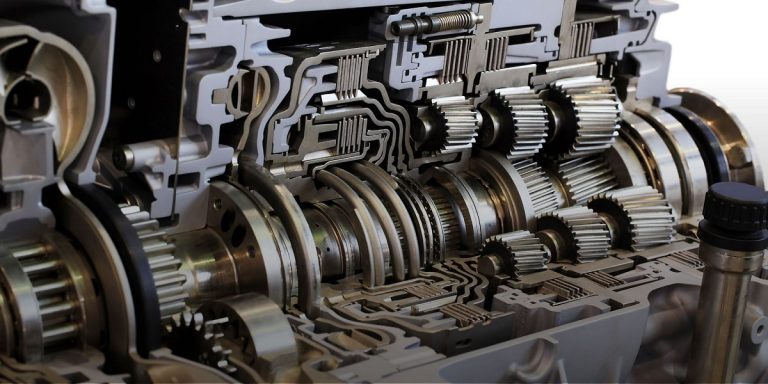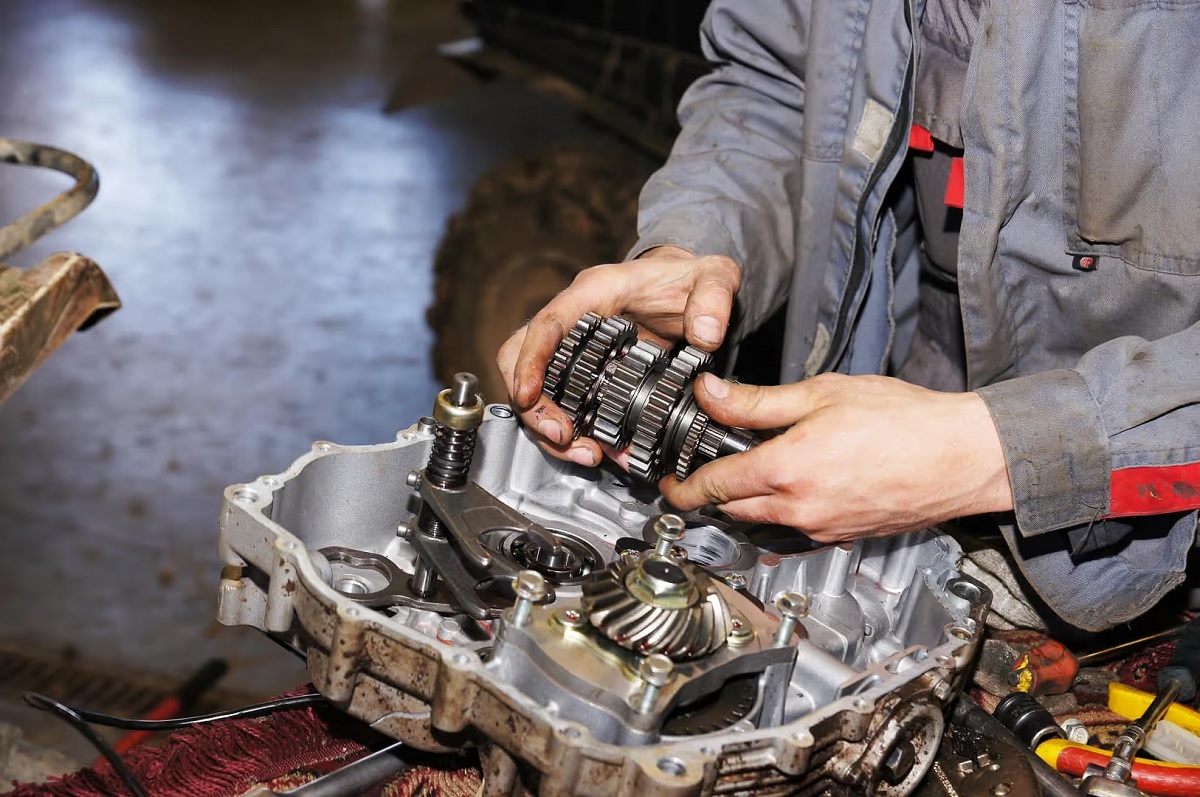
Why Your Transmission Shifts Hard from 2nd to 3rd: Causes, Diagnosis, and Solutions
Many drivers rely on the smooth operation of an automatic transmission to provide effortless and safe driving. When gear changes feel abrupt or rough, it can be both alarming and frustrating. One particular issue that often raises concern is when the vehicle experiences difficulty moving seamlessly from one gear to another, especially between the second and third gears.
Understanding Why Your Transmission Shifts Hard from 2nd to 3rd is important because this problem can indicate underlying mechanical, hydraulic, or electronic issues within the transmission system. Hard shifts between these gears often affect acceleration, fuel efficiency, and overall drivability, making timely diagnosis crucial.
This issue can stem from various causes, including worn clutch packs, low or degraded transmission fluid, or malfunctioning solenoids. Identifying the root cause early helps prevent more severe damage to the transmission and ensures smoother performance.
Recognizing the warning signs and knowing what contributes to hard shifts empowers drivers to take action before minor problems escalate into costly repairs. By understanding the mechanics behind gear changes, you can maintain transmission health and prolong vehicle lifespan.
Common Symptoms of Hard Shifting
Hard shifting between gears, particularly from second to third, is a common symptom that something may be amiss within an automatic transmission. Recognizing these warning signs early helps prevent further damage and costly repairs. Drivers often notice performance changes, unusual noises, or physical sensations that indicate the transmission is struggling to engage gears properly.
Abrupt or Jerky Gear Changes
One of the most noticeable symptoms of hard shifting is abrupt or jerky gear changes. When the transmission moves from second to third gear, you may feel a sudden jolt or jerk that disrupts smooth acceleration. This can make driving uncomfortable and reduce overall vehicle control.
Abrupt shifts are often caused by worn clutch packs, degraded transmission fluid, or failing shift solenoids. The transmission may hesitate slightly before engaging the next gear, or it may engage suddenly, creating a harsh movement. Over time, repeated hard shifts can place additional stress on the transmission’s internal components, accelerating wear and increasing the likelihood of costly repairs. Paying attention to when and how these jerks occur—during acceleration, deceleration, or under load—can help pinpoint the underlying cause.
Delayed Engagement Between Gears
Delayed engagement is another common symptom associated with hard shifting. You may notice that the vehicle hesitates or struggles before moving from second to third gear. During this delay, the engine may rev higher without a corresponding increase in vehicle speed.
This issue often results from low or contaminated transmission fluid, worn clutch packs, or malfunctioning hydraulic components. Delayed shifts reduce acceleration efficiency, affect fuel economy, and can make driving feel unpredictable. Regularly monitoring the transmission’s performance and checking fluid levels can help identify whether the delay is fluid-related or indicative of internal mechanical wear. Addressing delayed engagement early prevents further transmission damage and maintains consistent gear performance.
Unusual Noises During Shifts
Hard shifting is frequently accompanied by unusual noises coming from the transmission. Drivers may hear whining, clunking, or grinding sounds when the vehicle transitions from second to third gear. These noises signal friction or misalignment within the transmission’s internal components.
Causes may include worn gears, failing clutch packs, or loose chain and gear assemblies in certain transmission types. Ignoring these sounds can lead to more severe mechanical problems, including complete gear failure. By noting the type, timing, and frequency of these noises, you can provide technicians with valuable information for diagnosing the problem accurately. Early attention to abnormal sounds helps protect the transmission and ensures smoother future gear shifts.
Slipping or Inconsistent Shifts
Another symptom of hard shifting is slipping or inconsistent gear engagement. The transmission may intermittently fail to engage properly, causing the vehicle to unexpectedly drop into a lower gear or hesitate before accelerating. This can create a feeling of lost power and unpredictability while driving.
Slipping or inconsistent shifts often indicate worn internal components, such as clutch packs or bands, or hydraulic issues like low pressure or faulty solenoids. In some cases, electronic control malfunctions can also disrupt timing and gear selection. Recognizing and addressing these inconsistencies early prevents sudden transmission failure and maintains safe, reliable vehicle operation.
Reduced Performance and Fuel Efficiency
Finally, hard shifting often correlates with reduced overall vehicle performance. Delays, jerks, or slipping between second and third gear affect acceleration, responsiveness, and fuel economy. The engine may work harder to compensate for inefficient gear engagement, leading to increased fuel consumption and higher operational stress.
Monitoring vehicle performance, along with noting any unusual sensations, delays, or noises during shifts, allows drivers to detect hard shifting early. Proper diagnosis and timely repair help restore smooth gear engagement, improve fuel efficiency, and prolong the life of the transmission, ensuring the vehicle operates reliably in all driving conditions.
Transmission Fluid Issues
Transmission fluid is the lifeblood of an automatic transmission, responsible for lubricating moving parts, providing hydraulic pressure, and cooling the system. Problems with fluid—whether low levels, contamination, or deterioration—can directly cause hard shifting between gears. Understanding transmission fluid issues helps drivers identify symptoms early and prevent costly damage to the transmission.
Low Transmission Fluid Levels
Low transmission fluid is a common cause of hard shifting from second to third gear. Without sufficient fluid, the hydraulic pressure needed to engage gears properly decreases, causing delayed or abrupt shifts. Drivers may notice jerking, slipping, or unusual engine rev behavior during gear changes.
Leaks from seals, gaskets, or fluid lines often lead to low fluid levels. Regularly checking the dipstick and maintaining proper levels ensures smooth operation. Ignoring low fluid can result in overheating, increased internal wear, and eventual transmission failure. Promptly topping off or repairing leaks prevents further issues and maintains reliable gear engagement.
Contaminated or Dirty Fluid
Transmission fluid can become contaminated over time due to metal shavings, debris, or degraded additives. Dirty fluid loses its ability to lubricate and maintain hydraulic pressure, leading to hard or delayed shifts. Contamination may also cause overheating, further stressing internal components.
Symptoms include slipping, jerking during acceleration, or inconsistent shifts between gears. Replacing contaminated fluid and filters restores proper lubrication and hydraulic function. Performing regular fluid inspections and following manufacturer-recommended service intervals helps prevent contamination-related transmission problems and ensures smooth, reliable operation.
Overheated Transmission Fluid
Overheating is another factor that affects fluid performance. Excessive heat can break down transmission fluid, reducing its viscosity and ability to provide adequate hydraulic pressure. Overheated fluid may also degrade internal seals and gaskets, contributing to leaks and further shifting problems.
Overheating can result from towing heavy loads, stop-and-go traffic, or low fluid levels. Drivers may notice delayed engagement, harsh shifts, or a burning smell coming from the transmission. Installing an auxiliary cooler or addressing engine cooling issues can help manage fluid temperature. Regular fluid checks and maintenance prevent overheating, protecting both the fluid and the transmission.
Using the Wrong Type of Fluid
Using an incorrect transmission fluid type can also cause hard shifts. Different transmissions require specific fluid formulas with the correct viscosity and additive packages. Using the wrong fluid can alter hydraulic pressure, reduce lubrication, and negatively affect clutch engagement.
Symptoms of improper fluid include jerking between gears, delayed shifts, slipping, and unusual noises. Always refer to the manufacturer’s specifications when replacing fluid. Using the correct type ensures proper gear operation, maintains hydraulic efficiency, and prolongs transmission lifespan, preventing hard shifting and other performance issues.
Signs That Fluid Replacement Is Needed
Indicators that transmission fluid needs attention include a noticeable drop in shift quality, jerking or slipping between second and third gear, dark or burnt-smelling fluid, or persistent overheating. Regular inspections, including checking fluid color, level, and consistency, can detect problems early.
Timely fluid replacement or service prevents further transmission damage, restores smooth gear engagement, and ensures the system functions efficiently. Maintaining healthy transmission fluid is a simple yet crucial step in preventing hard shifts and prolonging the life of the transmission.
Mechanical and Internal Transmission Problems
Mechanical and internal issues within an automatic transmission are among the most common causes of hard shifting from second to third gear. These problems can arise from worn components, damaged gears, or hydraulic failures, affecting the smooth operation of the transmission. Understanding how internal mechanisms contribute to gear engagement helps drivers recognize symptoms early and take action before major damage occurs.
Worn Clutch Packs
Clutch packs are critical components that engage and disengage gears in an automatic transmission. Over time, friction materials on these clutches wear down, reducing their ability to grip and transfer power efficiently. When clutch packs are worn, shifts—especially between second and third gear—can feel abrupt or harsh.
Symptoms of worn clutch packs include delayed engagement, slipping between gears, jerking, or vibration during acceleration. The wear is often accelerated by high mileage, aggressive driving, or overheating. Replacing worn clutch packs restores smooth gear changes and proper power transfer, preventing further damage to internal transmission components. Early attention ensures the longevity of other related parts like bands, gears, and hydraulic circuits.
Damaged or Worn Gears
Internal gear damage can also contribute to hard shifting. Gears with worn teeth or cracks may not mesh properly, causing delays or abrupt engagement when shifting. This can create a rough or jerky sensation, particularly noticeable when transitioning from second to third gear.
Damaged gears often result from prolonged wear, insufficient lubrication, or mechanical overload. Ignoring these issues can lead to complete gear failure, which may cause the transmission to become inoperable. Timely inspection and replacement of worn or damaged gears prevent further internal damage and restore smooth transmission performance, ensuring the engine and drivetrain operate efficiently.
Faulty Hydraulic Components
Automatic transmissions rely on hydraulic pressure to engage gears smoothly. Components such as the pump, valves, and hydraulic circuits play a key role in delivering the right pressure at the right time. Malfunctioning hydraulic components can result in hard shifts or delayed gear engagement.
A failing pump may struggle to maintain sufficient pressure, while worn or clogged valves can disrupt fluid flow to clutch packs. Symptoms include jerking, slipping, or inconsistent shifts, often accompanied by unusual noises. Regular fluid maintenance, combined with hydraulic inspection, can detect early failures. Repairing or replacing faulty components restores proper pressure, ensuring smooth transitions between gears.
Worn Bands and Linkages
Bands and linkages within the transmission help regulate gear engagement. Over time, these components can stretch, loosen, or wear, causing improper gear engagement. When bands or linkages fail to operate correctly, shifts between second and third gear may feel harsh or delayed.
Drivers may notice vibrations, jerks, or unusual noises during acceleration. Ignoring worn bands or linkages can increase stress on other transmission components, accelerating wear and potentially leading to catastrophic failure. Replacing worn parts ensures accurate gear selection and restores smooth, consistent shifting. Proper adjustment and maintenance of these components are essential to maintaining transmission health.
Symptoms of Internal Transmission Failure
Internal transmission problems often present as a combination of symptoms, including hard or delayed shifts, jerking between gears, slipping, and unusual noises like whining or clunking. The severity and frequency of these symptoms help determine the extent of internal damage.
Early detection and repair are critical to prevent more severe transmission failure. Mechanics typically perform diagnostic tests, hydraulic pressure checks, and internal inspections to identify worn or damaged components. Addressing these issues promptly ensures smoother shifts, protects other transmission parts, and extends the overall life of the transmission system. Proper maintenance and attention to symptoms can save significant repair costs in the long run.
Electronic and Sensor-Related Causes
Modern automatic transmissions rely heavily on electronic controls and sensors to manage smooth gear engagement. When these components malfunction, hard shifting from second to third gear can occur, even if the mechanical parts of the transmission are in good condition. Understanding how electronic systems influence gear changes helps identify problems early and prevents costly repairs.
Faulty Transmission Control Module (TCM)
The Transmission Control Module (TCM) is the brain of the automatic transmission. It monitors inputs from various sensors and sends commands to control gear engagement. A malfunctioning TCM can disrupt timing and hydraulic pressure, causing hard or delayed shifts between second and third gear.
Symptoms of a faulty TCM include jerky or abrupt shifts, inconsistent gear changes, and illumination of the check engine or transmission warning light. In some cases, the TCM may place the vehicle in “limp mode,” limiting available gears to prevent damage. Diagnosing TCM issues typically involves scanning for error codes and analyzing live sensor data. Reprogramming or replacing a faulty TCM restores accurate control of gear shifts, ensuring smooth and reliable operation.
Malfunctioning Shift Solenoids
Shift solenoids are electrically controlled valves that regulate hydraulic fluid flow to engage specific gears. If a solenoid fails or becomes clogged, the transmission may struggle to shift smoothly from second to third gear. Hard shifts, slipping, or delayed engagement often indicate solenoid problems.
Solenoid failure can result from electrical faults, contaminated transmission fluid, or internal wear. Symptoms may include jerking, inconsistent shifts, or unusual transmission noises. Using a diagnostic scan tool allows technicians to check solenoid operation and detect error codes. Replacing or cleaning malfunctioning solenoids restores proper fluid control, improving shift quality and preventing further transmission damage.
Sensor Failures
Several sensors affect transmission performance, including the vehicle speed sensor (VSS), throttle position sensor (TPS), and input/output speed sensors. Incorrect or intermittent signals from these sensors can disrupt gear timing, causing the transmission to shift hard.
Drivers may notice rough engagement, delayed shifts, or a sudden drop in performance. Sensor failures can also trigger warning lights on the dashboard. Proper diagnosis involves scanning for fault codes, monitoring live sensor data, and checking wiring connections. Replacing or repairing faulty sensors restores accurate communication with the TCM, allowing the transmission to shift smoothly and reliably.
Wiring and Connection Issues
Electrical wiring and connections play a vital role in transmission operation. Corroded, loose, or damaged connectors can interrupt signals between sensors, solenoids, and the TCM. These interruptions may result in delayed or harsh shifts, especially between second and third gear.
Symptoms include intermittent hard shifting, erratic behavior, or activation of warning lights. Technicians often inspect wiring harnesses, connectors, and grounds to ensure stable communication. Repairing or replacing damaged wiring prevents miscommunication between components, restoring proper gear timing and improving transmission performance.
Software and Calibration Problems
In some cases, transmission hard shifts can be caused by outdated or corrupted software within the TCM. Improper calibration may prevent the module from correctly interpreting sensor data or controlling solenoids, resulting in harsh engagement between gears.
Reprogramming the TCM with updated software often resolves these issues. Mechanics may also perform adaptive learning procedures to recalibrate the transmission for optimal performance. Ensuring the system’s software is current and properly calibrated helps maintain smooth shifts, prevents unnecessary wear on internal components, and enhances overall drivability.
Understanding electronic and sensor-related causes of hard shifting allows drivers and technicians to identify problems efficiently. Addressing issues with the TCM, solenoids, sensors, wiring, or software ensures smooth, reliable operation between second and third gear.
Driving and External Factors
Transmission performance is not solely affected by internal mechanics or electronics. Driving habits and external conditions can significantly influence gear engagement, especially when shifting from second to third gear. Understanding these factors helps drivers prevent hard shifts and prolong the life of the transmission.
Aggressive Driving and Frequent Stop-and-Go Traffic
Aggressive driving, including rapid acceleration and hard braking, places additional stress on the transmission. Frequent stop-and-go traffic further exacerbates this strain, as the transmission constantly cycles through gears under varying loads. Over time, this repeated stress can lead to premature wear of clutch packs, bands, and hydraulic components, contributing to hard shifts.
Drivers may notice jerking, delayed engagement, or unusual vibrations when accelerating between second and third gear in these conditions. Adopting smoother driving techniques, such as gradual acceleration and maintaining consistent speeds, reduces the strain on transmission components. Proper driving habits can extend transmission life, improve fuel efficiency, and minimize the occurrence of hard shifting, while also helping detect emerging issues before they become severe.
Extreme Temperatures and Environmental Conditions
External conditions like extreme heat or cold can impact transmission fluid and its performance. High temperatures may thin the fluid, reducing hydraulic pressure and causing delayed or harsh gear engagement. Conversely, extremely cold temperatures can thicken fluid, making it harder for the transmission to engage gears smoothly.
These temperature-related changes affect fluid flow, solenoid operation, and overall transmission responsiveness. Vehicles operating in regions with extreme weather may experience more noticeable hard shifts, especially during seasonal transitions. Maintaining proper fluid levels, using manufacturer-recommended fluid types, and allowing the engine to warm up in cold conditions can mitigate the impact of temperature on transmission performance.
Heavy Loads and Towing
Carrying heavy loads or towing a trailer significantly increases the demand on the transmission. Additional weight requires more torque and hydraulic pressure for smooth gear changes, particularly between second and third gear. Without proper adjustments, the transmission may shift harshly or experience delayed engagement under load.
Using appropriate towing packages, monitoring fluid temperature, and performing regular maintenance are crucial for preventing damage. Overloading a vehicle or towing beyond manufacturer recommendations accelerates wear on internal components, potentially leading to costly repairs. Adjusting driving techniques when carrying heavy loads, such as reducing acceleration and maintaining steady speeds, helps maintain smooth gear engagement and extends transmission longevity.
Road Conditions and Terrain
The type of terrain and road conditions also influence transmission performance. Frequent hill driving, steep inclines, or uneven surfaces can stress the transmission, requiring higher torque and causing shifts to feel harder. Off-road conditions, potholes, and rough roads can similarly affect hydraulic pressure and gear timing.
Anticipating shifts, adjusting driving speed, and minimizing sudden maneuvers on challenging roads reduce stress on the transmission. Regular inspections and fluid maintenance are even more important for vehicles frequently operating under demanding conditions. Understanding how external factors impact gear engagement allows drivers to protect the transmission and maintain smoother, more reliable shifts.
People Also Asked
What Causes My Transmission to Shift Hard from 2nd to 3rd?
Hard shifting between second and third gear is often caused by a combination of mechanical, hydraulic, and electronic issues. Worn clutch packs, damaged gears, or failing bands can directly affect gear engagement.
Transmission fluid problems, including low levels, contamination, or overheating, also contribute to harsh shifts. Additionally, electronic components such as the Transmission Control Module (TCM), sensors, and solenoids may malfunction, disrupting hydraulic pressure and timing. Understanding these causes helps you identify the problem early and take the necessary steps to restore smooth gear operation.
Can Low Transmission Fluid Cause Hard Shifts?
Yes, low transmission fluid is a common reason for hard shifting. Fluid provides hydraulic pressure that enables smooth engagement of gears, including the transition from second to third.
When fluid levels are low due to leaks or evaporation, the pressure may be insufficient to fully engage the next gear, resulting in jerks, slipping, or delayed shifts. Checking fluid levels regularly and maintaining proper fluid conditions ensures smooth operation, prevents overheating, and reduces stress on internal components, extending the life of your transmission.
How Do Worn Clutch Packs Affect Gear Shifting?
Clutch packs inside the transmission are responsible for transferring power between gears. Over time, friction material on these clutches can wear down, reducing grip and causing harsh or delayed shifts.
When the clutch packs between second and third gear are worn, you may feel jerking, slipping, or vibration during acceleration. Addressing worn clutch packs promptly prevents additional damage to gears, bands, and hydraulic circuits, restoring smooth power transfer and maintaining reliable transmission performance.
Can Faulty Solenoids Cause Hard Shifting?
Yes, shift solenoids are electrically controlled valves that regulate the flow of hydraulic fluid to the transmission. A malfunctioning solenoid can prevent proper fluid routing, leading to hard or delayed shifts.
Symptoms of a faulty solenoid include abrupt jerks between second and third gear, inconsistent engagement, and occasional slipping. Diagnosing solenoid issues requires scanning for error codes and testing electrical function. Replacing or repairing faulty solenoids restores proper hydraulic control, ensuring smoother, more predictable gear changes.
Does Driving Style Affect Hard Shifting?
Driving habits significantly impact transmission performance. Aggressive acceleration, heavy towing, frequent stop-and-go traffic, or rapid gear changes increase stress on clutch packs, bands, and hydraulic components.
Over time, these stresses can cause wear, leading to jerky shifts, delayed engagement, or slipping between second and third gear. Smooth driving, gradual acceleration, and proper maintenance reduce wear, prolong transmission life, and minimize the occurrence of hard shifts. Awareness of driving habits helps prevent unnecessary transmission stress and ensures consistent gear operation.
Can Sensors or the TCM Cause Hard Shifts?
Yes, modern transmissions rely on sensors and the Transmission Control Module (TCM) to manage timing and hydraulic pressure. Malfunctioning sensors, such as the vehicle speed sensor or throttle position sensor, can send incorrect signals, while a faulty TCM can mismanage gear engagement.
This can lead to delayed shifts, jerking, or inconsistent gear operation between second and third gear. Diagnosing sensor or TCM issues requires scanning for fault codes and live data analysis. Replacing or recalibrating these components restores accurate control of the transmission, ensuring smooth, reliable shifts.
When Should I Seek Professional Help for Hard Shifting?
You should seek professional assistance as soon as you notice consistent hard shifts between second and third gear. Early signs include jerking, delayed engagement, unusual noises, or slipping during acceleration.
Prompt diagnosis prevents further internal damage, reduces the risk of complete transmission failure, and minimizes costly repairs. A certified mechanic can inspect fluid levels, test solenoids, sensors, clutch packs, and internal components to identify the root cause. Timely intervention ensures smooth gear changes, prolongs transmission life, and maintains safe, reliable vehicle performance.
Final Thoughts
Experiencing rough or abrupt gear changes can be frustrating and may signal that your vehicle needs attention. Many drivers notice a jolt or clunk specifically when moving from 2nd to 3rd gear, which can affect smooth driving and overall performance. Understanding Why Your Transmission Shifts Hard from 2nd to 3rd helps identify whether the problem lies in the transmission fluid, mechanical components, or electronic control systems.
Common causes include worn clutch packs, faulty shift solenoids, low or contaminated transmission fluid, and sensor malfunctions. Left unaddressed, these issues can lead to more serious transmission damage and costly repairs. Proper diagnostics, including inspections and using an OBD-II scanner, can help pinpoint the root cause and guide effective repairs.
Regular maintenance, timely fluid changes, and careful driving habits play a critical role in preventing hard shifts. Addressing Why Your Transmission Shifts Hard from 2nd to 3rd promptly ensures smoother transitions, enhances vehicle reliability, and extends the life of your transmission system.