Timing Chain Replacement Time: Signs, Schedule, and Cost Considerations
Engines rely on precise timing to ensure valves and pistons move in perfect synchronization. The timing chain is a critical component that maintains this coordination, directly impacting engine performance and longevity. Over time, even a well-built timing chain can stretch, wear, or develop slack, affecting how efficiently the engine runs.
Knowing the appropriate Timing Chain Replacement Time is essential for preventing serious engine damage. A worn or failing timing chain can lead to misfires, rattling noises, or in severe cases, catastrophic engine failure if it breaks completely.
Unlike timing belts, timing chains are designed to last much longer, often the lifetime of the engine, but they are still subject to wear influenced by driving conditions, maintenance practices, and engine design. Ignoring signs of wear can result in costly repairs or even complete engine replacement.
Understanding manufacturer recommendations and recognizing early warning signs help ensure timely replacement. This proactive approach safeguards engine reliability and keeps your vehicle performing smoothly for years to come.
Signs Your Timing Chain Needs Attention
The timing chain is a critical engine component that ensures precise synchronization between the crankshaft and camshaft. While designed to last for a long time, it can stretch, wear, or develop issues over years of use. Recognizing early warning signs can prevent catastrophic engine damage and costly repairs. Understanding these indicators helps you act promptly, maintaining engine performance and reliability.
Unusual Engine Noise
One of the most common signs of timing chain wear is unusual engine noise. Drivers may hear a rattling, clanking, or ticking sound coming from the front of the engine, particularly during startup or while idling. This noise occurs because a stretched or loose timing chain can create gaps between the chain and its guides or tensioner, causing it to slap against the chain cover or other components.
Ignoring this sound can lead to more severe problems, such as the chain skipping teeth or breaking completely, resulting in engine misalignment or catastrophic failure. Regularly listening for these noises and addressing them early can prevent extensive damage. Mechanics often recommend using a stethoscope or listening carefully with the hood open to pinpoint the source of the rattle and confirm whether the timing chain is the culprit.
Engine Misfires and Poor Performance
A worn timing chain can affect the precise timing of valves and pistons, leading to engine misfires or reduced performance. You may notice rough idling, hesitation during acceleration, or decreased fuel efficiency. These issues occur because the camshaft and crankshaft are no longer perfectly synchronized, causing inefficient combustion cycles.
In some cases, the vehicle’s check engine light may illuminate, indicating misfire codes or timing-related faults. Prompt attention is crucial, as prolonged driving with a stretched timing chain can damage pistons, valves, and cylinder heads. Mechanics can verify timing chain condition using diagnostic tools or by inspecting timing marks on the camshaft and crankshaft. Detecting early misfire patterns often prevents more severe engine damage and costly repairs.
Difficulty Starting the Engine
Difficulty starting the engine can also indicate timing chain problems. When the chain stretches, it may throw off the alignment of the camshaft and crankshaft, resulting in improper valve timing. This misalignment can make it hard for the engine to fire consistently, causing prolonged cranking or failure to start.
Drivers may notice that the problem worsens when the engine is cold or after the vehicle has been sitting for an extended period. Over time, if the chain continues to wear without replacement, the engine may fail to start entirely, potentially leaving you stranded. Early detection allows for timely chain replacement, restoring proper engine timing and reliable ignition.
Check Engine Light or Error Codes
Modern vehicles are equipped with sensors that monitor engine timing. A stretched or damaged timing chain can trigger the check engine light due to timing-related fault codes. These may include camshaft or crankshaft position sensor errors, misfire codes, or variable valve timing (VVT) faults.
Ignoring these warning signals can result in severe engine damage, as the ECU may attempt to compensate for incorrect timing. Using an OBD-II scanner to read fault codes can help identify timing chain issues early. Prompt diagnostic evaluation allows mechanics to determine whether the chain, tensioners, or guides need replacement, preventing further complications and ensuring the engine runs smoothly.
Excessive Chain Slack or Visible Wear
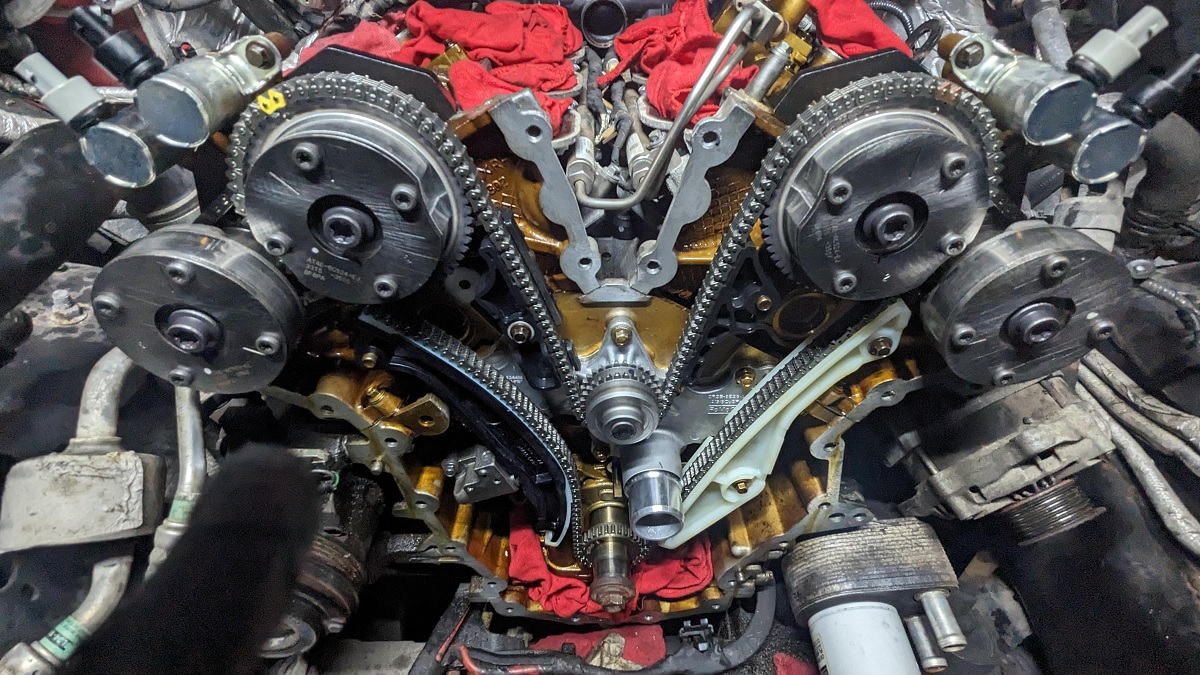
During routine maintenance, mechanics may notice excessive slack or visible wear on the timing chain. Signs include elongated links, damaged teeth on the sprockets, or worn tensioners and guides. Physical inspection is one of the most reliable ways to assess the timing chain’s condition.
A chain with noticeable slack can skip teeth, causing the engine to lose synchronization and potentially resulting in bent valves or piston damage. Replacing the chain along with worn guides and tensioners ensures proper timing, reduces the risk of sudden engine failure, and extends the lifespan of related components. Regular inspection during service intervals is key to avoiding unexpected breakdowns.
Identifying these warning signs—unusual engine noise, misfires, starting issues, check engine alerts, and physical wear—allows you to take timely action. Early intervention helps prevent major engine damage and ensures your vehicle continues to perform reliably.
Factors Affecting Replacement Timing
The timing chain is a durable engine component, but its lifespan is influenced by various factors. Understanding what affects Timing Chain Replacement Time helps drivers plan maintenance, prevent unexpected engine damage, and ensure reliable performance. Several elements, from driving habits to engine design, contribute to how quickly a chain may wear or require replacement.
Driving Conditions and Habits
Driving style and conditions play a major role in timing chain wear. Frequent stop-and-go traffic, aggressive acceleration, or towing heavy loads increases stress on the engine, which can accelerate chain stretching or wear. Engines operating under higher temperatures or heavy loads experience more friction, leading to faster deterioration of the chain, tensioners, and guides.
Conversely, smooth driving on highways with consistent RPMs places less stress on the timing chain, allowing it to last longer. Drivers who notice early signs of chain wear, such as rattling noises or rough idling, should adjust driving habits and schedule maintenance promptly. Understanding how driving conditions impact the timing chain can help prevent premature failure and ensure longer engine life.
Engine Design and Material Quality
The design and quality of the engine also affect timing chain longevity. Some engines use robust, heavy-duty chains with high-quality materials, while others rely on lighter chains that may stretch more quickly. Engines with advanced variable valve timing (VVT) or high-revving performance engines place additional stress on timing components, potentially shortening the replacement interval.
Material quality of tensioners, guides, and sprockets also impacts wear. Inferior or worn components can cause the chain to loosen faster, resulting in misalignment and early failure. Understanding your engine’s design specifications and using OEM-approved replacement parts ensures the chain functions correctly and maintains proper timing over its expected lifespan.
Maintenance Practices
Regular maintenance significantly influences timing chain health. Clean, high-quality engine oil ensures proper lubrication, reducing friction and wear on the chain and related components. Neglecting oil changes or using incorrect oil grades can accelerate stretching and damage tensioners, guides, and sprockets.
Periodic inspections allow mechanics to detect early signs of wear, such as chain slack, noise, or misalignment. Replacing worn tensioners and guides during routine service can extend the chain’s lifespan. Drivers who follow recommended maintenance schedules are less likely to encounter unexpected chain failures, ensuring consistent engine timing and performance.
Mileage and Vehicle Age
Although timing chains are built to last longer than timing belts, mileage and vehicle age still affect replacement timing. High-mileage vehicles are more likely to experience chain stretching, wear on tensioners, or guide degradation. Even if the chain appears in good condition, age-related fatigue and material wear can compromise its reliability.
Manufacturers often provide suggested replacement intervals based on mileage or years of service. Exceeding these recommendations increases the risk of chain failure, which can lead to costly engine damage. Monitoring your vehicle’s age, mileage, and performance allows for proactive timing chain replacement and prevents unexpected breakdowns.
Signs of Wear That Influence Replacement Timing
Visible or audible signs of timing chain wear can determine when replacement is necessary, regardless of mileage. Common indicators include rattling or clanking noises from the engine, misfires, rough idling, and check engine light warnings. Chains with excessive slack or damaged links identified during inspection should be replaced immediately.
Ignoring these signs can result in the chain skipping teeth or breaking, causing severe engine damage. Replacing the chain along with worn tensioners and guides ensures proper synchronization and protects other engine components. Recognizing wear indicators helps maintain engine performance and prevents emergency repairs, making timing chain replacement more predictable and manageable.
Considering driving conditions, engine design, maintenance, mileage, and observable wear provides a comprehensive understanding of when timing chain replacement is necessary. These factors guide proactive maintenance, preserving engine performance and avoiding costly failures.
Risks of Delaying Replacement
Timing chains are designed to be durable, but postponing replacement when signs of wear appear can lead to serious consequences. Understanding the risks of delaying replacement helps drivers prioritize timely maintenance, prevent catastrophic engine damage, and avoid costly repairs. Ignoring early warning signs may compromise engine performance, safety, and reliability.
Engine Misalignment and Performance Issues
One of the primary risks of delaying timing chain replacement is engine misalignment. A stretched or worn chain can cause the camshaft and crankshaft to fall out of proper synchronization, leading to incorrect valve timing. This misalignment results in rough idling, hesitation during acceleration, poor fuel efficiency, and engine misfires.
When the engine timing is off, combustion becomes inconsistent, placing additional stress on pistons, valves, and other internal components. Drivers may notice decreased power, increased vibrations, and an overall drop in performance. Over time, continued operation with a misaligned timing chain can worsen internal wear, making repairs more extensive and expensive. Addressing timing chain issues early ensures smooth engine operation and maintains optimal performance.
Risk of Catastrophic Engine Damage
Delaying replacement significantly increases the risk of catastrophic engine damage. If a timing chain breaks while the engine is running, pistons can collide with valves, causing bent valves, damaged pistons, and potentially cracked cylinder heads. This type of failure often requires a full engine rebuild or replacement, which is extremely costly compared to proactive timing chain maintenance.
Even partial chain failure, such as skipping teeth, can create sudden engine misfires or stalls. This not only affects drivability but also increases the likelihood of accidents, particularly if failure occurs while driving at high speeds. Timely replacement minimizes the risk of sudden catastrophic failures and protects both the engine and driver safety.
Damage to Associated Components
A failing timing chain can also damage associated components such as tensioners, guides, sprockets, and the water pump in certain engines. Worn tensioners and guides accelerate chain wear, while damaged sprockets can compromise proper chain movement, further worsening engine timing.
Replacing a timing chain late often requires simultaneous replacement of these associated parts, increasing labor and parts costs. Neglecting related components can result in repeated failures even after the chain itself is replaced. Proactive maintenance ensures all interconnected components function properly, extending engine life and preventing cascading damage.
Increased Repair Costs and Vehicle Downtime
Delaying timing chain replacement often results in higher repair costs and longer vehicle downtime. Minor wear may only require a chain and tensioner replacement, but a broken chain can lead to full engine repair or replacement, costing thousands of dollars.
Additionally, emergency repairs can leave you stranded or force towing services, adding inconvenience and expense. Early intervention allows for planned maintenance, minimizing costs and reducing the risk of unexpected breakdowns. Maintaining a schedule based on manufacturer recommendations helps manage expenses and keeps the vehicle reliably on the road.
Safety Concerns While Driving
Driving with a worn or failing timing chain is not only costly but also unsafe. Sudden chain failure can cause engine stalls, loss of power, or unpredictable performance, increasing the risk of accidents. High-speed chain failure can be particularly dangerous, leaving drivers unable to control acceleration or braking effectively.
By addressing timing chain wear promptly, you maintain engine reliability and safe operation. Regular inspection, early detection of warning signs, and timely replacement reduce the risk of accidents caused by engine failure. Prioritizing maintenance safeguards both your vehicle and personal safety, making it a critical aspect of responsible vehicle ownership.
How to Determine Exact Replacement Time
Knowing the precise Timing Chain Replacement Time is essential for maintaining engine health and avoiding unexpected failures. While timing chains are designed to last longer than belts, several factors influence their lifespan. Accurate determination of replacement time requires combining manufacturer recommendations, vehicle-specific inspections, and monitoring of performance and wear indicators to ensure timely maintenance.
Consult Manufacturer Guidelines
The first step in determining replacement time is reviewing the manufacturer’s recommendations. Automakers provide suggested intervals based on engine design, material durability, and expected operating conditions. These intervals are usually specified in mileage or years and serve as a reliable baseline for proactive maintenance.
For example, many modern engines are designed to run 100,000 to 150,000 miles before timing chain replacement, though variations exist based on engine type and driving conditions. Following manufacturer guidance ensures that replacement occurs before critical wear develops, minimizing the risk of engine misalignment or catastrophic failure. Ignoring these recommendations increases the likelihood of costly repairs and sudden breakdowns.
Monitor Engine Performance and Symptoms
Even if your vehicle hasn’t reached the suggested mileage, monitoring engine performance can provide early indicators of timing chain wear. Common signs include rattling or clanking noises from the engine, misfires, rough idling, delayed acceleration, and illumination of the check engine light.
Keeping a log of these symptoms over time helps track progression and severity. Some issues, like unusual engine noise, may appear before more serious problems develop. Noticing early warning signs allows for scheduling replacement at an optimal time, preventing unexpected failure and preserving engine reliability.
Conduct Visual Inspections
A visual inspection of the timing chain and related components can help determine replacement timing more precisely. Mechanics often check for slack in the chain, worn or damaged links, and degradation of guides or tensioners. Physical wear or elongation beyond acceptable limits is a clear indicator that replacement is necessary.
Inspecting sprockets, tensioners, and guides during routine maintenance also identifies components that may contribute to chain wear. Replacing worn parts along with the chain ensures proper alignment and smooth operation. Visual assessments combined with performance monitoring provide a comprehensive picture of the chain’s condition.
Use Diagnostic Tools and Sensors
Modern engines often include sensors and diagnostic systems that monitor timing performance. Using an OBD-II scanner or specialized diagnostic equipment allows mechanics to detect timing-related fault codes, camshaft or crankshaft misalignment, and irregular sensor readings.
Real-time data helps identify subtle issues that may not be obvious during casual observation. Diagnosing timing chain wear with these tools ensures accurate evaluation and allows for replacement planning before severe damage occurs. Combining sensor data with visual inspections and performance monitoring provides the most reliable method for determining exact replacement timing.
Consider Driving Conditions and Maintenance History
Finally, driving conditions and maintenance history play a key role in timing chain longevity. Vehicles exposed to stop-and-go traffic, high heat, heavy loads, or irregular oil changes may require earlier replacement than the standard interval. Conversely, smooth highway driving and regular maintenance can extend chain life.
Keeping detailed records of oil changes, driving conditions, and previous repairs helps determine the optimal replacement time. By combining manufacturer guidelines, performance monitoring, visual inspections, diagnostic data, and maintenance history, drivers can accurately determine when a timing chain should be replaced, safeguarding engine health and reliability.
Frequently Asked Questions
What Is the Average Timing Chain Replacement Time?
The average timing chain replacement time varies by engine design and manufacturer recommendations. Most modern engines are designed for timing chains to last between 100,000 to 150,000 miles, though some high-performance or older engines may require earlier attention.
Timing chains are built to last longer than timing belts, but driving conditions, maintenance habits, and engine load can influence wear. Monitoring symptoms like rattling noises, misfires, or rough idling helps determine whether replacement is needed sooner. Following manufacturer guidelines ensures you replace the chain before severe damage occurs, preserving engine health and reliability.
How Do Driving Habits Affect Timing Chain Replacement Time?
Driving habits have a significant impact on timing chain wear. Frequent stop-and-go traffic, heavy towing, aggressive acceleration, and high-speed driving increase stress on the chain and associated components. These conditions can accelerate stretching, tensioner wear, and guide degradation.
Conversely, smooth highway driving and moderate acceleration put less stress on the timing chain, potentially extending its service life. Paying attention to early signs of wear and adjusting driving habits can help delay replacement. Maintaining consistent oil changes and proper lubrication further reduces stress and ensures the chain functions efficiently for its expected lifespan.
Can I Rely Solely on Mileage to Determine Replacement Time?
Mileage is an important reference, but it isn’t the only factor when determining timing chain replacement. Age, engine condition, driving habits, and maintenance history all influence the chain’s wear and performance.
A timing chain may stretch or develop slack before reaching the recommended mileage if maintenance is irregular or the engine operates under extreme conditions. Conversely, a well-maintained engine may exceed mileage recommendations without issues. Combining mileage with regular inspections, listening for unusual noises, and monitoring performance ensures timely replacement and prevents unexpected engine damage.
What Are Early Signs That My Timing Chain Needs Replacement?
Early warning signs include rattling or clanking noises from the engine, rough idling, engine misfires, delayed acceleration, and illumination of the check engine light. These symptoms indicate the chain may be stretching or tensioners and guides are wearing out.
Listening for engine noise during startup or idle, observing performance issues, and scanning for timing-related fault codes helps detect wear before severe damage occurs. Addressing these early indicators allows you to plan a replacement at the optimal time, avoiding catastrophic engine failure and reducing repair costs.
How Does Maintenance Affect Timing Chain Longevity?
Regular maintenance plays a critical role in extending timing chain life. Frequent oil changes with high-quality engine oil keep the chain lubricated and reduce friction, wear, and heat buildup. Neglecting maintenance accelerates stretching, tensioner wear, and guide damage.
Inspecting the chain, tensioners, and guides during routine service also helps detect wear early. Replacing worn components alongside the chain ensures proper alignment and smooth operation. Following maintenance schedules not only prolongs chain life but also preserves overall engine performance and reliability, reducing the risk of sudden breakdowns.
Are Certain Engines More Prone to Timing Chain Issues?
Yes, engine design influences timing chain longevity. High-revving performance engines, engines with variable valve timing (VVT), or older designs with lighter materials may place additional stress on the chain and its components. These engines may require earlier inspection or replacement compared to standard commuter engines.
Material quality of the chain, tensioners, and guides also affects durability. Understanding your engine type and following manufacturer guidelines, while monitoring performance and noise, ensures you replace the timing chain at the correct time, preventing costly repairs and maintaining engine reliability.
Can I Extend Timing Chain Replacement Time with Driving Adjustments?
Yes, careful driving and proper maintenance can extend timing chain replacement intervals. Avoiding aggressive acceleration, heavy towing, and prolonged idling reduces stress on the chain, tensioners, and guides. Maintaining consistent oil changes and using high-quality engine oil helps keep the chain lubricated and operating smoothly.
Paying attention to early warning signs, such as rattling noises or misfires, allows you to take corrective action before severe wear occurs. While these adjustments can extend service life, following manufacturer guidelines and performing regular inspections remains essential for preventing unexpected engine damage and ensuring long-term reliability.
Final Words
Proper maintenance of your engine plays a critical role in ensuring long-term performance and reliability. The timing chain, being central to engine operation, requires attention to avoid severe damage. Knowing the appropriate Timing Chain Replacement Time helps prevent unexpected failures and keeps your vehicle running smoothly.
Several factors influence when the timing chain should be replaced, including engine type, mileage, driving habits, and the quality of oil used. Regular inspections and monitoring for warning signs like unusual noises, rough idling, or check engine lights can help you determine the optimal replacement schedule. Ignoring these indicators may lead to costly engine repairs or even complete engine failure.
Planning ahead for timing chain replacement, following manufacturer guidelines, and addressing early warning signs can save both time and money. By understanding Timing Chain Replacement Time, you ensure engine longevity, maintain consistent performance, and reduce the risk of unexpected breakdowns on the road.