Why Your Car AC Stopped Working Suddenly: Causes, Diagnosis, and Fixes
Few things are more frustrating on a hot day than getting into your car and realizing the air conditioning isn’t cooling as it should. A sudden loss of cold air can turn a comfortable drive into an uncomfortable ordeal. Understanding the potential reasons behind this problem is essential for maintaining comfort and preventing further damage to your vehicle.
When a Why Your Car AC Stopped Working Suddenly occurs, it often points to issues within the AC system, electrical faults, or low refrigerant levels. Components like the compressor, condenser, or AC clutch may fail unexpectedly, leaving you without cooling when you need it most.
Environmental factors, such as extreme heat or debris in the system, can also contribute to sudden AC failures. Drivers may notice unusual noises, warm air blowing from vents, or inconsistent cooling before the system stops functioning altogether.
Recognizing the signs early and understanding the potential causes can save time, money, and discomfort. Knowing what to check first helps identify whether a minor repair or professional intervention is needed to restore proper cooling and ensure the AC system operates efficiently.
Common Symptoms Noticed When AC Fails
When a car’s air conditioning system stops working suddenly, it rarely happens without warning. Certain symptoms often appear before or alongside the failure, helping drivers identify the underlying problem. Recognizing these signs early can prevent further damage and make repairs more efficient. Understanding the common symptoms provides valuable insight into Why Your Car AC Stopped Working Suddenly.
Warm Air Blowing from Vents
One of the most obvious symptoms is the AC blowing warm air instead of cold. This can occur suddenly or gradually, depending on the underlying issue. Warm airflow often indicates problems with the refrigerant, such as leaks, low levels, or improper pressure, which prevent the system from producing cold air.
Drivers may notice that the fan works at all speeds, but the temperature fails to drop as expected. Other possible causes include a malfunctioning compressor, a faulty AC clutch, or blocked airflow in the evaporator. In some cases, the issue may be electrical, such as a blown fuse or relay that prevents the compressor from engaging. Observing this symptom immediately after a sudden failure can help technicians focus on the correct components during diagnosis.
Unusual Noises During Operation
Strange noises like rattling, hissing, or grinding often accompany AC problems before a complete failure. A sudden onset of these sounds can be a sign that a key component, such as the compressor, condenser, or blower motor, is malfunctioning.
Hissing noises may indicate refrigerant leaks, while grinding or squealing could point to worn bearings or a failing compressor clutch. Rattling sounds sometimes stem from loose mounting hardware or debris within the system. Drivers may also notice vibrations or intermittent engagement as the AC struggles to operate. Paying attention to these auditory cues helps identify whether the failure is mechanical, electrical, or related to refrigerant circulation, guiding technicians to the source of the problem.
Reduced Airflow or Intermittent Operation
A sudden reduction in airflow or inconsistent operation can also signal AC failure. Even if the system produces cold air initially, restricted airflow can occur due to a failing blower motor, clogged cabin air filter, or blocked evaporator.
Symptoms may include weak air from vents, fluctuating fan speeds, or AC that turns on and off without warning. Environmental factors like debris, leaves, or dust can exacerbate these problems. Recognizing these signs helps distinguish between airflow issues and temperature-related failures, providing a clearer picture of Why Your Car AC Stopped Working Suddenly and whether the issue is mechanical or related to system blockages.
Unpleasant Odors from Vents
Foul or unusual odors can accompany AC failure. A sudden onset of musty, moldy, or chemical smells often indicates problems with the evaporator, refrigerant leaks, or mold growth in the ductwork.
These odors may appear before the system completely stops working, serving as an early warning. Moisture accumulation in the evaporator can foster bacterial growth, while refrigerant leaks may produce a chemical smell. Detecting these odors early can help prevent further contamination, maintain cabin air quality, and guide proper maintenance to restore normal AC operation.
Ice or Frost on AC Components
In some cases, drivers notice ice or frost forming on AC lines, the evaporator, or vents. This can occur suddenly when a system malfunction causes improper refrigerant flow or low pressure, leading to freezing.
Symptoms include reduced airflow, warm air despite system operation, and visible ice buildup on the AC components. Over time, this can damage the compressor, hoses, or other parts. Recognizing ice or frost formation helps technicians identify refrigerant-related problems and correct pressure or flow issues, explaining Why Your Car AC Stopped Working Suddenly and restoring effective cooling.
These common symptoms provide critical clues to the underlying causes of sudden AC failure. Observing airflow, temperature, noises, odors, and physical signs allows drivers and technicians to diagnose problems accurately, prevent further damage, and restore efficient cooling quickly.
Refrigerant and Leak-Related Issues
The refrigerant is the lifeblood of a car’s air conditioning system, responsible for absorbing heat and delivering cold air to the cabin. When a car AC stops working suddenly, refrigerant problems are often at the core. Low refrigerant levels, leaks, or improper pressure can prevent the system from functioning correctly, leading to warm airflow, strange noises, or total AC failure.
Low Refrigerant Levels
Low refrigerant is one of the most common causes of sudden AC failure. Over time, even small leaks or natural system depletion can reduce refrigerant levels below the minimum required for effective cooling.
Symptoms of low refrigerant include warm air blowing from the vents, intermittent cooling, and reduced system performance. Drivers may notice the AC struggles more during hot weather or while idling. Low refrigerant also forces the compressor to work harder, which can cause additional wear and potential failure. Regular maintenance, including checking refrigerant levels and recharging the system when needed, ensures consistent cooling and prevents unexpected AC breakdowns.
Refrigerant Leaks
Leaks in the AC system can occur in various components, such as hoses, seals, the condenser, or the evaporator. A sudden leak can cause a rapid loss of refrigerant, leading to immediate cooling failure.
Drivers may observe hissing noises, oily residue around connections, or an AC that stops blowing cold air after a short period. Refrigerant leaks also pose environmental risks, as the chemical escapes into the atmosphere. Detecting leaks typically involves using UV dye or electronic leak detection tools. Repairing the source of the leak and recharging the system restores proper refrigerant levels, pressure, and cooling performance.
Blocked or Faulty Expansion Valve
The expansion valve regulates refrigerant flow into the evaporator, maintaining proper pressure and temperature. A malfunctioning or blocked valve can prevent the refrigerant from circulating effectively, causing the AC to stop producing cold air suddenly.
Symptoms may include inconsistent cooling, freezing of the evaporator, or sudden warm airflow despite the system running normally. The AC may appear to work intermittently as the valve struggles to regulate refrigerant flow. Replacing or repairing a faulty expansion valve ensures proper refrigerant distribution, restoring consistent cooling and preventing stress on the compressor.
Compressor Damage Due to Refrigerant Issues
The compressor relies on the correct refrigerant level and pressure to operate effectively. Low refrigerant or leaks can cause the compressor to overheat, seize, or fail, resulting in a sudden loss of AC functionality.
Drivers may notice unusual noises, such as clanking or whining, before a complete failure. Continuing to run the AC with low refrigerant can lead to irreparable compressor damage, increasing repair costs. Diagnosing refrigerant issues early and addressing leaks protects the compressor, restores system efficiency, and explains why the AC may have stopped working suddenly.
Environmental Factors and Refrigerant Performance
Extreme temperatures can also impact refrigerant performance. Very hot conditions increase demand on the system, while very cold conditions can cause low-pressure issues or temporary freezing in the lines.
In either scenario, inadequate refrigerant flow or pressure can prevent the system from maintaining cool airflow. Monitoring refrigerant levels, checking for leaks, and ensuring components like the compressor, expansion valve, and condenser are functioning properly are essential steps for maintaining consistent cooling, particularly during seasonal temperature extremes.
Refrigerant and leak-related problems are a primary reason Why Your Car AC Stopped Working Suddenly. Addressing leaks, maintaining proper refrigerant levels, and ensuring all related components function correctly is essential for restoring efficient cooling and preventing costly repairs.
Electrical and Fuse Problems
The electrical system in a car is vital for operating the air conditioning system. When a car AC stops working suddenly, electrical issues, including blown fuses, faulty relays, or damaged wiring, are often a key culprit. Identifying these problems is essential to restoring proper AC function and preventing further damage to the system.
Blown Fuses
Fuses protect the AC system from electrical surges or short circuits. A blown fuse can immediately interrupt power to critical components, such as the compressor, blower motor, or control module, causing the AC to stop working abruptly.
Symptoms of a blown fuse include a completely non-functional AC, absence of blower motor sound, or unresponsive control buttons. Sometimes, only specific functions like fan speed or cooling fail while others continue to work. Checking the fuse box for burned or damaged fuses is the first step in diagnosing this issue. Replacing a blown fuse restores power and functionality, but it’s important to identify the underlying cause of the electrical overload to prevent repeat failures.
Faulty Relays
Relays control high-current circuits in the AC system, allowing switches or the control module to engage components like the compressor safely. A malfunctioning relay can prevent the AC compressor from turning on, resulting in sudden loss of cooling.
Drivers may notice that the fan still runs, but cold air does not blow, or the AC engages intermittently. Relay issues can arise from wear, corrosion, or internal electrical failure. Testing relays with a multimeter or swapping with a known working relay can confirm the problem. Replacing a faulty relay restores proper electrical flow, ensuring the compressor engages correctly and the AC system operates reliably.
Wiring and Connector Issues
Damaged or corroded wiring, loose connectors, or broken terminals can interrupt the electrical supply to the AC system. These issues can cause sudden or intermittent AC failures, often making diagnosis challenging.
Symptoms include inconsistent operation, flickering display lights on the AC panel, or the system cutting out without warning. Moisture, heat, and vibration can degrade wiring over time, while poor connections at the compressor, control module, or fuse box can prevent proper power flow. Inspecting wiring and connectors, repairing damaged sections, and ensuring tight connections help restore electrical continuity and reliable AC performance.
Impact on AC System Performance
Electrical and fuse problems not only cause immediate AC failure but can also lead to stress on other components. For example, repeated attempts to engage the compressor with faulty wiring may cause the motor to overheat or burn out.
Regular inspection and maintenance of fuses, relays, wiring, and connectors prevent sudden AC stoppages. By addressing electrical issues promptly, you ensure that the system receives stable power, the compressor engages reliably, and the air conditioning operates efficiently. Understanding these factors clarifies why a car AC stops working suddenly and helps restore comfort quickly.
Compressor and Mechanical Failures
The compressor is often considered the heart of a car’s air conditioning system. It pressurizes and circulates refrigerant, enabling the system to produce cold air. When a car AC stops working suddenly, mechanical failures within the compressor or other AC components are frequently to blame. Understanding these failures is crucial for diagnosing issues and restoring proper cooling performance.
Worn or Seized Compressor
A worn or seized compressor can completely halt AC operation. Over time, internal components such as bearings, pistons, or the clutch can wear out, causing the compressor to stop functioning or make unusual noises.
Symptoms include warm air blowing from the vents, grinding or squealing sounds when the AC is turned on, or intermittent engagement of the compressor. A seized compressor can also strain other parts of the system, potentially damaging hoses or the condenser. Testing the compressor involves checking for proper clutch engagement and mechanical resistance. Replacing a worn or seized compressor restores the system’s ability to circulate refrigerant and deliver cold air efficiently.
AC Clutch Failure
The AC clutch connects the compressor to the engine’s drive belt, allowing the system to engage and disengage as needed. A failing clutch can prevent the compressor from activating, leading to a sudden loss of cooling.
Symptoms of clutch failure include a clicking noise when the AC is switched on, intermittent cooling, or the compressor pulley spinning without engaging. Electrical issues, worn friction surfaces, or overheating can cause the clutch to fail. Inspecting the clutch for wear or damage and replacing it as necessary ensures the compressor engages properly and restores consistent AC performance.
Condenser or Pulley Malfunctions
Mechanical issues in the condenser or compressor pulleys can also cause sudden AC failure. A blocked or damaged condenser reduces heat exchange efficiency, while a misaligned or worn pulley can prevent the compressor from operating correctly.
Drivers may notice unusual vibrations, rattling noises, or reduced cooling efficiency prior to complete system failure. Over time, debris, corrosion, or belt wear can exacerbate these problems. Regular inspection of the condenser, pulleys, and belts ensures proper function, allowing refrigerant to circulate efficiently and preventing unexpected AC stoppages.
Refrigerant Flow Restrictions
Mechanical problems such as blocked expansion valves, clogged evaporators, or faulty orifices can restrict refrigerant flow. Restricted flow increases pressure on the compressor and can cause the system to shut down suddenly.
Symptoms include uneven cooling, ice buildup on AC lines, or intermittent compressor operation. Diagnosing these restrictions involves measuring system pressure and visually inspecting components for blockages. Correcting flow restrictions ensures that the compressor operates within safe limits, restores cold airflow, and prevents additional mechanical strain on the AC system.
Preventive Maintenance for Mechanical Components
Regular maintenance of the compressor, clutch, pulleys, and associated mechanical components can prevent unexpected failures. Lubrication, inspections, and timely replacement of worn parts help ensure that the AC system operates reliably.
Addressing mechanical failures promptly not only restores cooling performance but also protects other AC components from damage. Understanding that a car AC stops working suddenly can result from compressor or mechanical issues allows drivers to take preventive measures and maintain a comfortable cabin environment throughout the year.
Climate Control and Cabin Components
A car’s climate control and cabin components are essential for regulating interior temperature and ensuring comfort. When a car AC stops working suddenly, issues within these systems can play a major role. Problems with the HVAC controls, blend doors, or cabin sensors may prevent cold air from reaching the vents, even if the AC system itself is functioning properly. Understanding these components helps pinpoint why the AC fails.
Malfunctioning Blend Doors
Blend doors direct airflow through the heater core or evaporator to regulate temperature inside the cabin. A malfunctioning blend door can prevent cold air from reaching the vents, making it appear as though the AC has stopped working.
Symptoms include uneven cooling, sudden warm air from certain vents, or inconsistent airflow regardless of temperature settings. Blend door actuators, which control the doors via electrical motors, can fail due to worn gears, broken linkages, or electrical faults. Testing involves inspecting door movement and actuator response. Repairing or replacing faulty actuators or doors restores proper airflow and ensures that the climate control system delivers the intended temperature to the cabin consistently.
Faulty HVAC Control Module
The HVAC control module manages temperature, fan speed, and airflow direction. A failure in this module can disrupt the operation of the AC system, causing sudden loss of cooling or erratic behavior in cabin temperature regulation.
Drivers may notice that adjusting temperature settings does not change airflow, the fan operates inconsistently, or error codes appear on digital displays. Control module failure can result from electrical shorts, water damage, or internal circuit malfunctions. Diagnosing the module involves scanning for error codes and testing control signals. Replacing a faulty HVAC module restores full functionality, allowing the climate control system to respond accurately to user inputs and maintain a comfortable cabin environment.
Cabin Air Filter and Duct Issues
A clogged cabin air filter or obstructed ductwork can restrict airflow, reducing cooling performance even when the AC system is working correctly. Sudden AC inefficiency may be caused by accumulated dust, debris, or blockages in vents or ducts.
Symptoms include weak airflow, uneven cooling, or strange noises coming from the vents. Replacing a dirty cabin filter and inspecting ducts for blockages ensures unrestricted airflow through the evaporator and into the cabin. Proper maintenance improves cooling efficiency and ensures that the HVAC system can deliver cold air effectively, even during sudden AC issues.
Faulty Temperature Sensors
Modern vehicles use temperature sensors to regulate cabin climate automatically. A faulty sensor can misreport the interior temperature, causing the system to produce warm air or stop cooling suddenly, even if the AC is functioning properly.
Symptoms include inaccurate cabin temperature readings, erratic fan behavior, or delayed responses to temperature adjustments. Sensor failures can result from electrical faults, corrosion, or exposure to moisture. Testing sensors with diagnostic tools can confirm accuracy. Replacing faulty sensors ensures the climate control system receives correct feedback and maintains consistent cooling, resolving sudden AC failures related to cabin components.
Importance of Routine Inspection
Regular inspection and maintenance of blend doors, HVAC modules, cabin filters, ducts, and sensors are critical for reliable AC operation. Even minor issues in cabin components can mimic a complete AC failure, leaving drivers frustrated during hot weather.
Addressing climate control and cabin component problems promptly ensures proper airflow, accurate temperature regulation, and consistent cooling performance. Understanding that a car AC stops working suddenly may stem from cabin-related issues allows drivers to identify and resolve the problem efficiently, maintaining comfort and safety during every drive.
Diagnosing Sudden AC Failures
Identifying the root cause of a sudden AC failure is essential to restore proper cooling and prevent further damage. When a car AC stops working suddenly, understanding the symptoms, performing systematic checks, and evaluating key components can help pinpoint the issue efficiently. Proper diagnosis ensures that repairs are targeted, saving time and cost while restoring comfort quickly.
Initial Inspection and Symptom Assessment
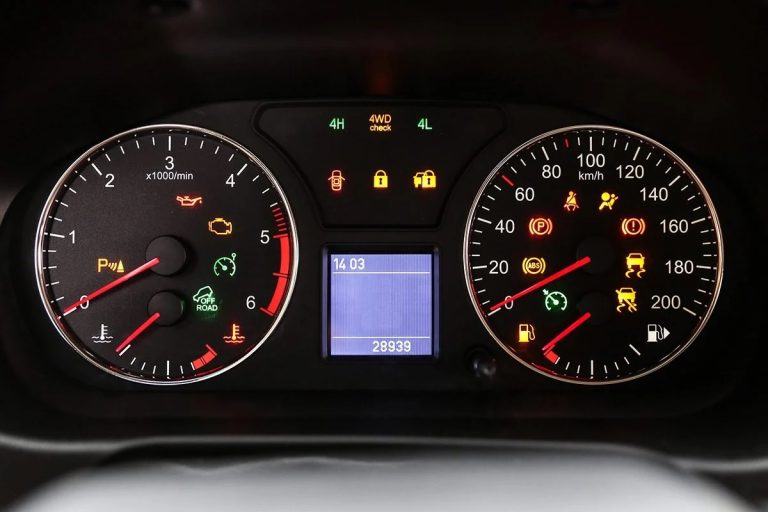
The first step in diagnosing a sudden AC failure is assessing the symptoms. Drivers should note whether the AC blows warm air, if airflow is weak, or if unusual noises are present. Checking for warning lights, unusual odors, or intermittent operation provides valuable clues about the source of the problem.
A detailed symptom assessment helps differentiate between mechanical, electrical, and refrigerant-related issues. For example, warm air combined with a clicking sound may point to a compressor or clutch problem, while weak airflow with no unusual noises could indicate a clogged cabin filter or duct obstruction. Documenting all observations ensures that technicians can perform a targeted inspection, improving the chances of a quick and accurate repair.
Electrical and Control System Checks
Electrical components, fuses, relays, and the HVAC control module should be examined early in the diagnostic process. A blown fuse or faulty relay can cut power to the compressor, while a malfunctioning control module may prevent proper engagement of the AC system.
Testing involves using a multimeter to measure voltage at key points, inspecting connectors for corrosion or loose connections, and verifying that control signals are functioning correctly. By ruling out electrical issues first, technicians can prevent unnecessary replacement of mechanical components and ensure that power is consistently reaching the AC system.
Refrigerant and Mechanical System Evaluation
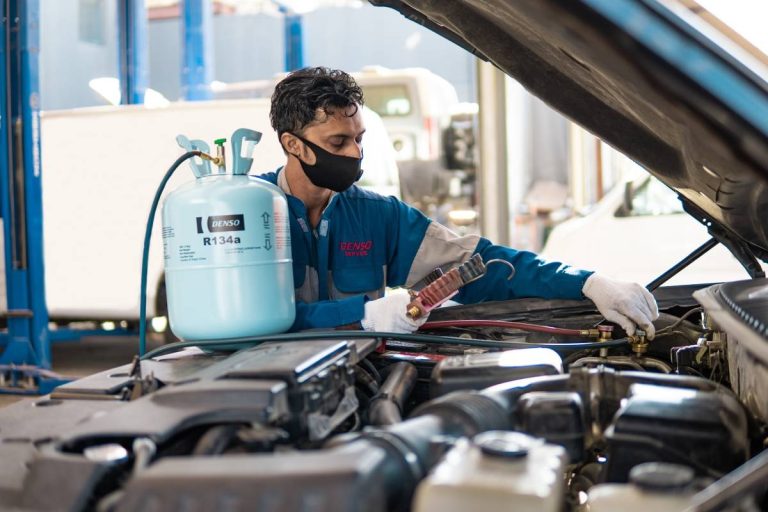
Next, technicians assess refrigerant levels, check for leaks, and evaluate the compressor, clutch, and condenser. Low refrigerant or blockages in the system can cause the AC to stop producing cold air suddenly.
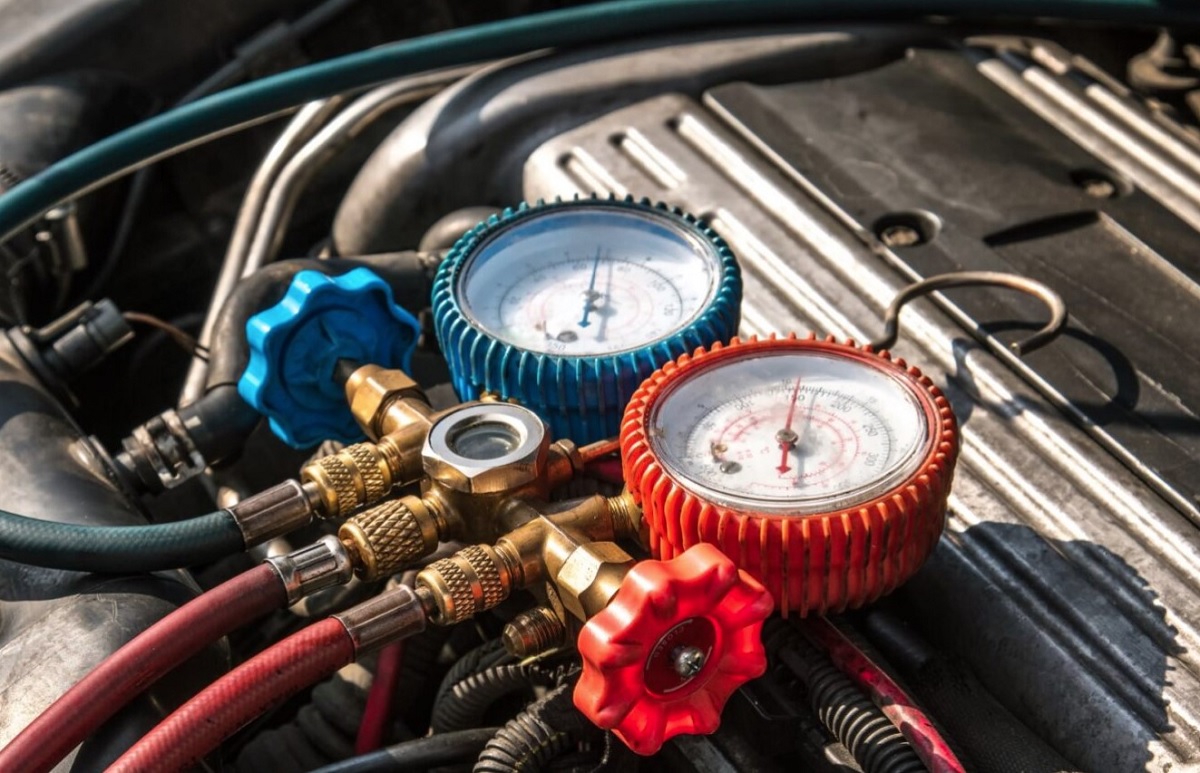
Mechanical inspection includes testing the compressor for proper clutch engagement, unusual noises, or internal resistance. Checking for clogged expansion valves, evaporators, or condenser fins helps identify flow restrictions that may trigger sudden failures. Pressure gauges and leak detection tools are often used to confirm refrigerant integrity, ensuring the system operates at the correct levels.
Cabin Component and Climate Control Inspection
Finally, HVAC cabin components, including blend doors, ducts, sensors, and the cabin air filter, should be examined. Malfunctioning blend doors, blocked vents, or faulty temperature sensors can prevent the AC from cooling the cabin effectively, even if the system is mechanically sound.
Technicians check actuator operation, airflow, and sensor readings to ensure proper communication between the control module and physical components. By evaluating cabin components, they can determine whether the AC failure stems from internal airflow issues or temperature mismanagement, ensuring a comprehensive diagnosis of the system.
People Also Asked
Why Did My Car AC Stop Working Suddenly?
Your car AC can stop working suddenly due to several issues, ranging from low refrigerant to electrical faults. When the refrigerant level drops, the system cannot cool the air properly, causing the AC to fail.
Electrical problems, such as blown fuses, faulty relays, or damaged wiring, can also interrupt AC operation instantly. Mechanical failures like a seized compressor or broken belts may prevent airflow. Inspecting refrigerant levels, checking electrical components, and monitoring the compressor can help identify why your AC stopped working and guide you toward a proper solution.
Can Low Refrigerant Cause My AC to Stop Suddenly?
Yes, low refrigerant is one of the most common reasons your AC stops working abruptly. Refrigerant is crucial for absorbing heat and cooling the cabin air.
Leaks in hoses, connections, or the condenser can lead to a sudden drop in refrigerant levels. When this happens, the AC system may shut down to prevent damage to the compressor. Regular checks and timely recharge of refrigerant ensure smooth AC performance and help avoid unexpected breakdowns, especially during hot weather.
Could a Blown Fuse or Relay Make My AC Stop Working?
Absolutely. Electrical components like fuses and relays control power to your AC system. A blown fuse or faulty relay can cut power instantly, causing the AC to stop working suddenly.
These components are often easy to inspect and replace. Checking the AC-related fuses and relays in your vehicle’s fuse box can quickly determine if electrical failure is the cause. Maintaining proper electrical connections and replacing worn relays helps prevent sudden AC interruptions.
Can a Faulty AC Compressor Cause Sudden Failure?
Yes, the AC compressor is the heart of your cooling system. If it seizes, fails, or its clutch stops engaging, the system cannot circulate refrigerant, resulting in the AC stopping abruptly.
Mechanical wear, low refrigerant, or lack of lubrication can damage the compressor over time. Signs of a failing compressor include unusual noises, reduced cooling efficiency, or AC stopping without warning. Professional inspection and timely replacement of the compressor ensure the system works reliably.
Could a Clogged Cabin Air Filter Affect My AC?
Yes, a clogged cabin air filter can reduce airflow and make your AC seem like it has stopped working. While it may not completely shut off the system, airflow can become so weak that cooling feels ineffective.
Dust, debris, and pollen can block the filter over time, reducing efficiency and straining the system. Regularly replacing the cabin air filter ensures proper airflow and prevents sudden AC performance issues. This simple maintenance step helps your AC function efficiently and prolongs system lifespan.
Can Electrical Wiring Problems Cause My AC to Stop Suddenly?
Yes, damaged or loose wiring can interrupt the electrical flow to your AC system, causing it to stop working without warning. Worn connectors, corroded wires, or rodent damage can all trigger sudden failure.
Checking wiring continuity, ensuring secure connections, and repairing or replacing damaged wires can restore proper AC function. Electrical inspections are essential for diagnosing sudden AC issues, as many modern vehicles rely heavily on sensors and modules to control the system.
Could a Faulty Climate Control Module Be the Reason?
Yes, the climate control module manages AC operation, including fan speed, temperature, and compressor activation. A malfunctioning module can prevent the AC from working suddenly.
If the display shows errors or the system doesn’t respond to controls, the module could be the issue. Reprogramming or replacing the climate control module often resolves this problem. Regular diagnostics can catch module issues early, preventing complete AC failure in critical situations.
How Can I Prevent My Car AC From Stopping Suddenly?
Preventive maintenance is key to avoiding sudden AC failures. Regularly checking refrigerant levels, replacing cabin air filters, and inspecting belts, compressors, and electrical components keeps the system running efficiently.
Avoid overworking the AC in extreme heat without proper maintenance. Routine professional inspections help detect small leaks, worn parts, or electrical issues before they cause sudden failure. Following these steps ensures your AC remains reliable, cools the cabin effectively, and prevents unexpected interruptions during hot weather.
Final Thoughts
Experiencing a sudden loss of air conditioning can turn a comfortable drive into an uncomfortable one, especially during hot weather. Understanding the possible causes of AC failure is essential for identifying the problem and preventing further damage. Components such as the compressor, refrigerant system, electrical wiring, fuses, and cabin controls all play a role in maintaining consistent cooling performance.
A systematic approach to inspection and diagnosis helps pinpoint the root cause. By observing symptoms like warm air, unusual noises, weak airflow, or odors, drivers and technicians can determine whether the issue lies in mechanical components, refrigerant levels, or electrical systems. Proper maintenance and timely repairs can restore performance and prevent repeated failures.
Addressing the underlying problem promptly ensures that your AC operates efficiently, keeps the cabin comfortable, and avoids costly repairs. Understanding Why Your Car AC Stopped Working Suddenly empowers drivers to act quickly, maintain system reliability, and enjoy a cool, safe driving environment.