Troubleshooting Clunking Noise in Manual Transmission Shifting: Causes and Solutions
Hearing unusual noises while operating a manual transmission can be both concerning and distracting. One of the common issues drivers face is a clunking sound when shifting gears, which may indicate mechanical problems within the transmission or related components. Understanding the causes and addressing them promptly is essential for maintaining vehicle performance and preventing further damage.
Troubleshooting clunking noise in manual transmission shifting requires careful observation and methodical inspection. These sounds often signal issues such as worn synchronizers, damaged gears, or problems with the clutch system. Paying attention to when and how the noise occurs—whether during upshifts, downshifts, or while engaging certain gears—provides valuable clues for diagnosis.
Regular maintenance and early detection are critical to avoiding more severe transmission problems. Ignoring clunking noises can lead to accelerated wear, costly repairs, or even complete transmission failure.
By understanding the potential sources of clunking and how to troubleshoot them effectively, drivers can maintain smooth shifting and ensure their manual transmission remains reliable over time.
Common Causes of Clunking Noise in Manual Transmission Shifting
Clunking noises when shifting a manual transmission are a common warning sign of underlying mechanical issues. Identifying the root cause is essential to prevent further damage and maintain smooth gear operation. These noises can stem from various components, ranging from the clutch system to internal transmission parts, and understanding the likely culprits helps you address the problem efficiently.
Worn or Damaged Synchronizers
Synchronizers are responsible for matching the speed of gears during shifts, allowing smooth engagement. When synchronizers wear out or become damaged, the gears may clash during shifts, creating a noticeable clunking sound. This is particularly common when shifting into higher or lower gears abruptly.
Symptoms of worn synchronizers include grinding or resistance when shifting, delayed gear engagement, or difficulty in moving the shifter. Driving with damaged synchronizers over time can accelerate gear wear and increase transmission stress. Professional inspection and replacement of worn synchronizers restore smooth gear transitions and eliminate clunking noises.
Maintaining proper transmission fluid levels and using the recommended fluid type can help prolong synchronizer life and reduce premature wear.
Clutch System Issues
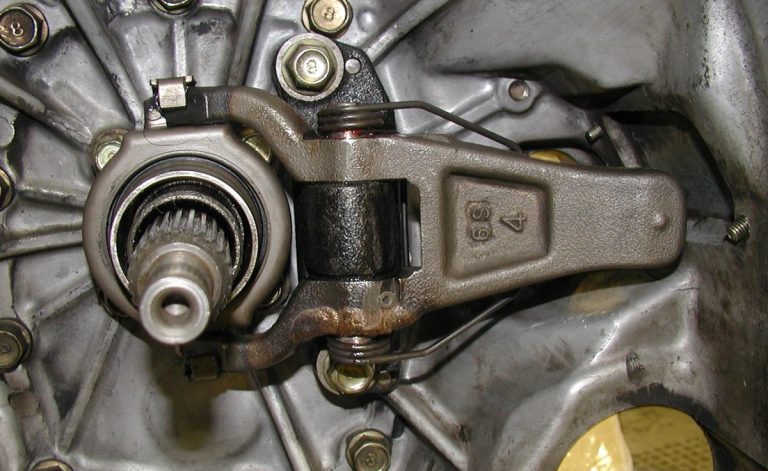
Problems in the clutch system can also lead to clunking noises during shifting. A worn clutch disc, pressure plate, or release bearing can cause incomplete disengagement, which produces mechanical impacts and unusual sounds as gears engage.
Signs of clutch-related issues include a stiff or spongy clutch pedal, difficulty engaging gears, or slipping during acceleration. A failing release bearing may create a distinct clicking or clunking noise when the pedal is depressed. Replacing worn clutch components resolves these issues and restores proper disengagement for smoother gear shifts.
Regular inspection of the clutch system, especially on high-mileage vehicles, prevents damage to the transmission and ensures reliable operation.
Loose or Worn Transmission Mounts
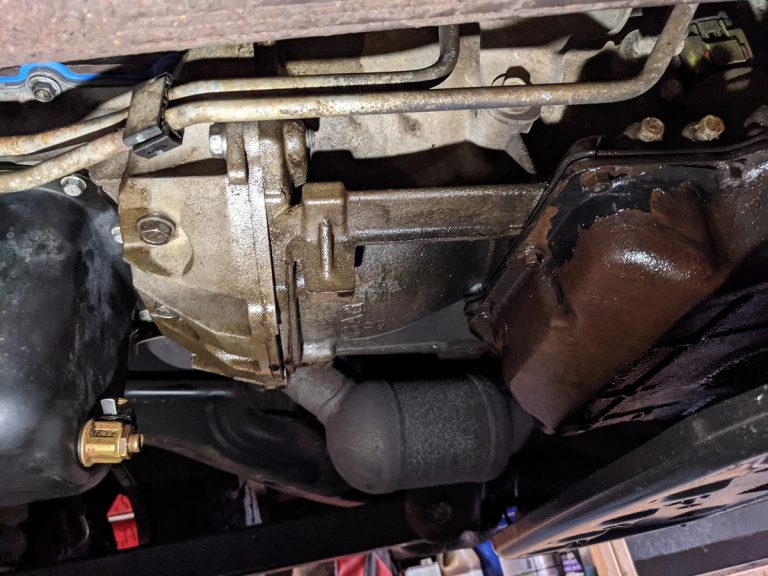
Transmission mounts secure the transmission to the vehicle frame and absorb vibrations. When mounts become loose, cracked, or worn, the transmission can move excessively during shifts, producing clunking noises.
Drivers may notice vibrations through the shifter or chassis, along with harsh or noisy gear changes. Ignoring worn mounts can lead to additional stress on the transmission, driveshaft, and surrounding components. Replacing damaged mounts stabilizes the transmission and eliminates unnecessary movement, reducing clunking noises and improving overall driving comfort.
Properly maintained mounts protect internal transmission components from excessive stress and extend the lifespan of both the transmission and drivetrain.
Gear or Shaft Damage
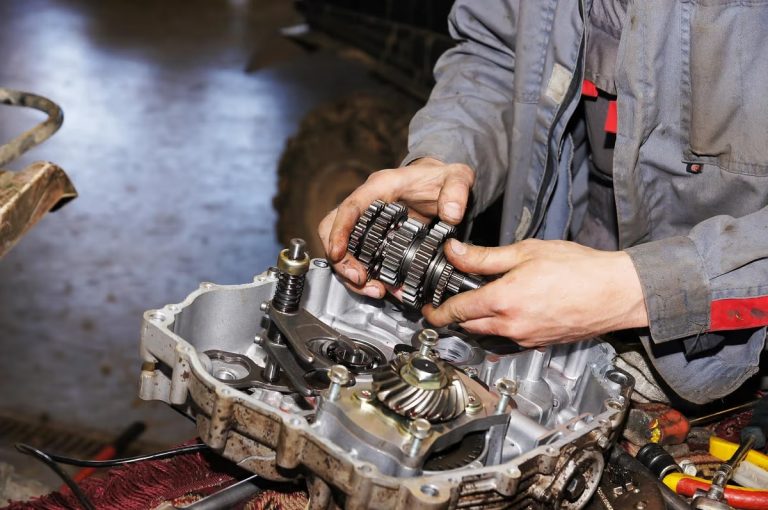
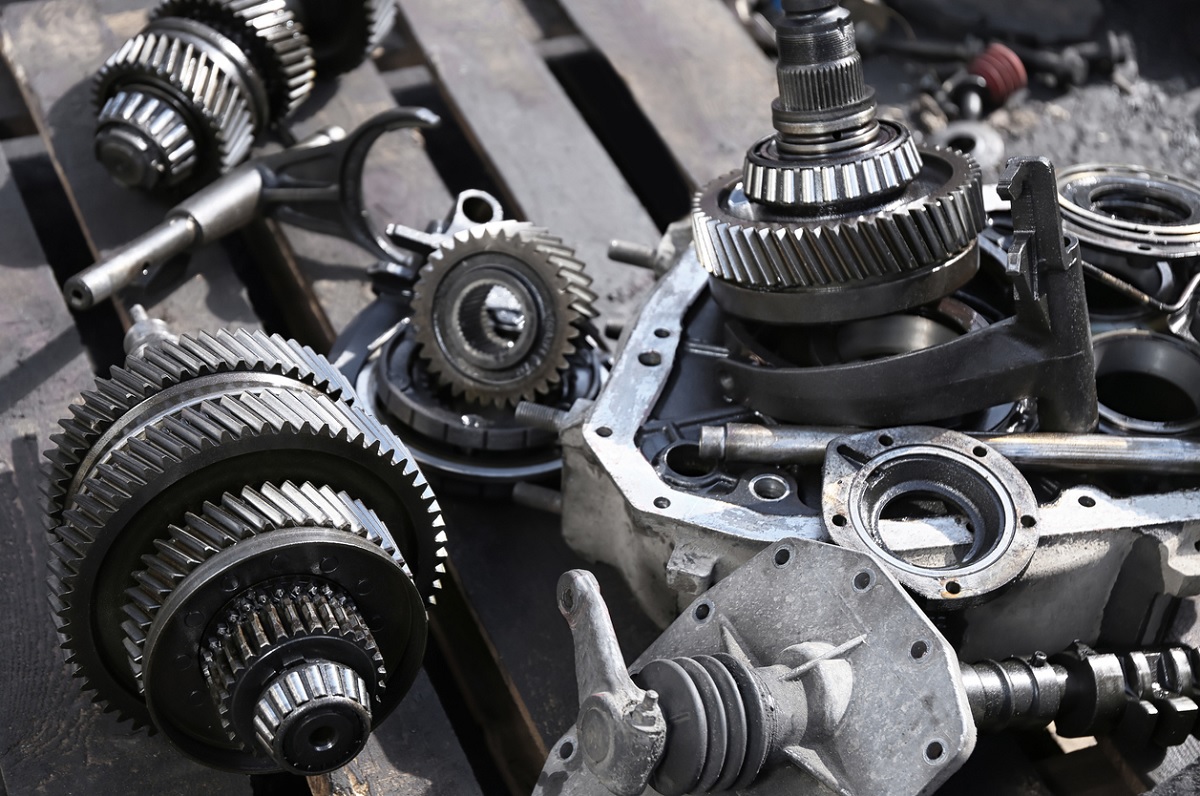
Internal transmission damage, such as worn gears, shafts, or bearings, can also be a source of clunking noises. Damaged teeth or misaligned shafts create impacts as gears mesh during shifts, resulting in sharp clunks.
This type of damage often accompanies difficulty shifting, inconsistent gear engagement, or unusual noises under load. Timely inspection and repair of damaged gears prevent catastrophic failure and costly transmission rebuilds. Mechanics may need to replace or repair worn gears and bearings to restore smooth, reliable operation.
Regular maintenance, proper shifting habits, and ensuring correct transmission fluid levels help reduce the risk of internal gear and shaft damage over time.
Low or Contaminated Transmission Fluid
Transmission fluid plays a crucial role in lubricating gears, synchronizers, and bearings. Low fluid levels or contaminated fluid can increase friction and wear, leading to clunking noises during shifts.
Symptoms include stiff shifting, unusual resistance, or grinding sounds. Flushing old fluid and refilling with the manufacturer-recommended type restores lubrication, reduces friction, and improves gear engagement. Regular fluid checks and changes help maintain proper transmission performance and prevent damage that can cause clunking noises.
Maintaining clean, adequate transmission fluid is a simple yet effective preventive measure to avoid mechanical issues and extend the life of your manual transmission.
How to Diagnose Clunking Noise in Manual Transmission Shifting
Experiencing a clunking noise while shifting your manual transmission can be alarming, but proper diagnosis helps identify the source and prevent further damage. A systematic approach ensures that issues are detected accurately, whether they stem from the clutch system, transmission components, or mounts. Understanding when and where the noise occurs is critical to effective troubleshooting.
Observe When the Noise Occurs
The first step in diagnosing clunking noises is careful observation. Pay attention to whether the noise happens during upshifts, downshifts, or when engaging specific gears. Note whether it occurs only under acceleration, deceleration, or while idling.
This information provides clues about the root cause. For example, noises during all gear changes may indicate worn synchronizers, while clunks that occur only when pressing the clutch pedal could point to release bearing or clutch disc issues. Recording these patterns helps mechanics pinpoint the problem more accurately and prevents unnecessary component replacements.
Documenting the timing and conditions of the noise forms the foundation of an effective diagnostic process.
Inspect the Clutch System
The clutch system is a common source of clunking in manual transmissions. Begin by checking the clutch pedal for unusual stiffness, sponginess, or inconsistent engagement. These signs often indicate issues with the clutch disc, pressure plate, or release bearing.
A visual inspection can reveal worn or damaged components, while testing the clutch under different load conditions helps identify mechanical faults. Press the clutch slowly and engage each gear, listening for noises or resistance. Any abnormal feedback often points directly to the clutch system.
Replacing worn clutch components resolves pedal-related clunks and restores smooth disengagement, preventing further wear on the transmission.
Check Transmission Fluid Levels and Condition
Transmission fluid plays a vital role in lubrication and smooth gear engagement. Low levels, contaminated fluid, or using the wrong type can increase friction and result in clunking noises.
Inspect the fluid for proper level, color, and odor. Dark, burnt-smelling fluid or debris can indicate contamination and potential internal wear. Flushing and replacing old or contaminated fluid with the manufacturer-recommended type often reduces clunks and improves shifting performance.
Monitoring fluid condition and performing regular changes ensures internal transmission components are adequately lubricated, reducing wear and preventing clunking issues.
Inspect Transmission Mounts and Chassis Connections
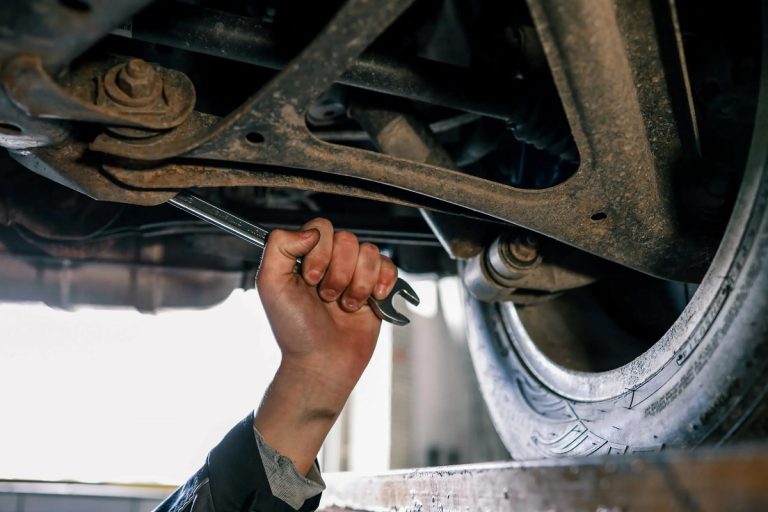
Loose or worn transmission mounts can transmit vibrations and clunks directly to the cabin during shifting. Examine mounts for cracks, movement, or signs of deterioration. Ensure that all bolts and connections to the chassis are secure and free of corrosion.
Excessive transmission movement during shifts can also stress the drivetrain, leading to misalignment and gear impact noises. Replacing worn mounts stabilizes the transmission and absorbs shocks, reducing clunks and vibrations.
Maintaining transmission mounts prevents additional stress on internal components and improves overall driving comfort and control.
Examine Internal Transmission Components
If external factors like the clutch, mounts, and fluid are in good condition, the source may lie within the transmission itself. Worn synchronizers, gears, or bearings can cause clunks when shifting, particularly under load.
Professional mechanics can inspect internal components using diagnostic tools, measuring tolerances, and checking for wear or misalignment. Signs include difficulty engaging specific gears, grinding, or delayed engagement. Addressing worn gears or synchronizers early prevents catastrophic failure and costly transmission rebuilds.
Combining these inspections with prior observations ensures accurate diagnosis and guides targeted repairs to restore smooth, reliable manual shifting.
Effective Solutions for Clunking Noise
Clunking noises during manual transmission shifting indicate underlying mechanical problems that require prompt attention. Addressing these issues with targeted solutions ensures smoother gear engagement, reduces wear on components, and prevents costly transmission damage. This section outlines the most effective solutions to eliminate clunking noises and restore reliable manual transmission performance.
Replace Worn Clutch Components
One of the most common solutions for clunking noises is replacing worn clutch components. A damaged clutch disc, pressure plate, or release bearing can cause incomplete disengagement, leading to clunks during shifts. Inspect each component for wear, cracks, or damage and replace them as necessary.
Symptoms of clutch-related clunks include a stiff or spongy pedal, difficulty engaging gears, and occasional gear slipping. Replacing worn parts restores proper pedal feel and ensures smooth disengagement of the clutch, eliminating noise. High-mileage vehicles often benefit from a full clutch replacement to prevent recurring issues and protect the transmission from further stress.
Proper installation and adjustment of the clutch components are critical to restoring smooth operation and preventing future clunking noises during gear shifts.
Balance and Align the Transmission System
Loose or worn transmission mounts can amplify clunking noises by allowing excessive movement of the transmission during shifts. Inspect mounts for cracks, wear, or loose bolts, and replace any compromised parts. Properly securing the transmission stabilizes it, reducing vibration and preventing impact noises.
Balancing the transmission system also ensures that forces generated during shifting are evenly distributed, which protects internal gears and synchronizers from stress. Drivers will notice smoother gear engagement and reduced clunks once mounts are tightened or replaced, improving overall drivability.
Regular inspection of mounts and chassis connections as part of routine maintenance prevents the recurrence of clunking caused by excessive transmission movement.
Service or Replace Synchronizers and Gears
Internal transmission issues such as worn synchronizers or damaged gears are another major cause of clunking. Synchronizers match gear speeds for smooth engagement, and when they wear out, gears can clash, producing noticeable clunks.
Professional inspection can identify damaged gears, bearings, or shafts that require replacement. Replacing worn synchronizers and repairing gear damage restores smooth operation, reduces transmission stress, and eliminates clunking noises. Delaying this repair can lead to more severe gear damage and costly transmission rebuilds.
Routine maintenance, including monitoring fluid levels and observing shifting behavior, helps detect synchronizer or gear wear early, preventing further damage.
Maintain Proper Transmission Fluid Levels
Transmission fluid lubricates gears, bearings, and synchronizers, ensuring smooth operation. Low or contaminated fluid increases friction and wear, which can lead to clunking noises during shifts. Checking fluid levels and replacing dirty or degraded fluid with manufacturer-recommended types resolves many minor clunking issues.
Regular fluid maintenance also prolongs the life of internal transmission components, reduces heat buildup, and ensures consistent gear engagement. Keeping fluid clean and at proper levels is a simple yet effective solution to prevent clunking and other transmission-related noises.
Adhering to the vehicle manufacturer’s recommended service intervals for fluid replacement keeps your manual transmission functioning smoothly over time.
Inspect and Adjust Linkages and Cables
Clunking can also occur due to misaligned or worn shift linkages and cables. Inspect the shift linkage for play, wear, or improper adjustment. Tightening or replacing worn components ensures precise movement of the shifter and reduces impact between gears.
Linkage issues often produce inconsistent shifting or clunks only in certain gears. Adjusting and lubricating linkages improves shift feel and eliminates unwanted noises. This preventive measure enhances overall transmission performance and extends the life of internal components.
Preventive Measures to Avoid Clunking
Preventing clunking noises in a manual transmission is easier than repairing the damage after it occurs. Regular maintenance, proper driving habits, and timely inspections can significantly reduce the risk of gear-related clunks. Implementing preventive measures ensures smooth shifting, extends transmission lifespan, and improves overall vehicle reliability. This section outlines practical strategies to keep your manual transmission in optimal condition.
Regular Clutch Inspection and Maintenance
A well-maintained clutch is essential for smooth gear engagement. Inspecting the clutch system periodically helps identify wear or damage before it causes clunking noises. Check the clutch disc, pressure plate, and release bearing for signs of wear, cracks, or uneven surfaces.
Lubricate the release mechanism and ensure the clutch pedal operates smoothly. Proper adjustment of pedal free play also prevents premature wear on transmission components. High-mileage vehicles may require periodic clutch fluid replacement for hydraulic systems to maintain optimal function.
By addressing minor clutch issues early, you reduce stress on gears and synchronizers, preventing clunking during shifts and extending the overall life of the transmission.
Maintain Transmission Fluid Quality and Levels
Transmission fluid plays a crucial role in lubrication and smooth gear engagement. Regularly checking fluid levels and ensuring clean, high-quality fluid helps prevent friction, wear, and internal noise. Follow the manufacturer’s recommended service intervals for fluid replacement and use the specified type for your vehicle.
Contaminated or low fluid increases the risk of worn synchronizers, gears, and bearings, which can lead to clunking noises. Maintaining proper fluid levels ensures smooth operation, reduces heat buildup, and minimizes stress on transmission components.
Routine fluid maintenance is a simple yet highly effective preventive measure for avoiding clunking and preserving transmission health.
Inspect and Replace Worn Transmission Mounts
Transmission mounts stabilize the transmission and absorb vibrations from gear engagement. Over time, mounts can wear, crack, or loosen, increasing the likelihood of clunking noises. Periodically inspect mounts for signs of wear or excessive movement.
Replacing damaged mounts restores proper support, reduces vibration, and prevents the transmission from shifting excessively during gear changes. This also protects other components, such as the driveshaft and suspension, from additional stress.
Ensuring strong and intact mounts is a crucial preventive step to maintain smooth, quiet manual transmission operation and avoid clunking issues.
Proper Driving Habits
Gentle and consistent shifting habits help prevent unnecessary stress on the transmission. Avoid rapid or forceful gear changes, and allow the clutch to fully disengage before engaging a gear. Smooth acceleration and deceleration reduce impact on synchronizers and gears.
Gradual engagement of the clutch and avoiding “riding” the clutch pedal prevent excessive wear on clutch components. Being mindful of gear selection, especially when downshifting under load, also reduces the risk of clunking noises.
Adopting good driving practices complements mechanical maintenance, protecting the transmission from avoidable damage and keeping shifting smooth.
Routine Inspections of Linkages and Internal Components
Regularly inspecting shift linkages, cables, and internal transmission components helps identify early signs of wear or misalignment. Tighten loose bolts, lubricate moving parts, and replace worn components to ensure precise gear engagement.
Monitoring for unusual noises or resistance during gear changes allows you to address minor issues before they develop into larger problems. Preventive inspections combined with routine maintenance create a proactive approach to keeping the manual transmission functioning reliably.
People Also Asked
What Causes Clunking Noise When Shifting a Manual Transmission?
Clunking noise when shifting a manual transmission usually stems from worn or damaged components in the clutch or transmission system. Common causes include worn synchronizers, damaged gears, a failing release bearing, or loose transmission mounts.
The noise often occurs when engaging or disengaging gears, indicating that parts are not operating smoothly. Noticing when the clunk happens—during upshifts, downshifts, or in specific gears—helps pinpoint the source. Early diagnosis prevents further wear, protects the transmission, and ensures smooth, reliable gear engagement over time.
How Can I Tell If the Clunking Is From the Clutch?
Clutch-related clunks are often associated with pedal operation. A stiff, spongy, or inconsistent clutch pedal can indicate issues with the clutch disc, pressure plate, or release bearing.
To confirm, press the clutch slowly and shift through gears, listening for noise or resistance. Pedal-related clunks typically occur when the clutch is engaged or disengaged. Replacing worn clutch components restores proper pedal feel and smooth gear engagement, reducing clunking and preventing further damage to transmission gears and synchronizers.
Can Transmission Fluid Affect Clunking Noise?
Yes, transmission fluid plays a crucial role in smooth gear operation. Low fluid levels or contaminated fluid can increase friction between gears, bearings, and synchronizers, resulting in clunking noises during shifts.
Checking the fluid level, quality, and color helps determine if fluid-related issues exist. Flushing old or dirty fluid and refilling with the manufacturer-recommended type improves lubrication, reduces internal wear, and eliminates minor clunks caused by insufficient lubrication. Maintaining fluid quality is a simple preventive step for smoother manual transmission operation.
Do Worn Transmission Mounts Cause Clunking?
Transmission mounts secure the transmission to the chassis and absorb vibrations. Worn, loose, or cracked mounts allow excessive movement during shifts, which can create clunking noises.
Symptoms include vibrations through the shifter or chassis, harsh gear changes, or noise only under load. Replacing worn mounts stabilizes the transmission, reduces movement, and improves overall gear engagement. Properly maintained mounts also protect internal components and prevent additional wear on gears, synchronizers, and the clutch system, making them an important preventive measure.
How Do Worn Synchronizers Affect Shifting Noise?
Synchronizers help match gear speeds for smooth engagement. When they wear out or become damaged, gears may clash while shifting, producing clunks or grinding noises.
Common signs include difficulty engaging certain gears, delayed shifts, or a loud clunk when changing speeds. Repair or replacement of worn synchronizers restores smooth operation, reduces stress on the gears, and prevents long-term damage. Regular fluid maintenance and careful shifting habits also extend the life of synchronizers and minimize noise.
When Should I See a Mechanic for Clunking Noise?
You should consult a mechanic as soon as clunking becomes noticeable during shifts. Persistent or worsening noise indicates wear in the clutch, gears, or transmission mounts.
Early professional inspection allows for targeted repairs, such as replacing worn synchronizers, clutch components, or mounts, preventing catastrophic transmission failure. Delaying repairs may lead to more severe damage, costly rebuilds, and unsafe driving conditions. A timely diagnosis ensures smooth shifting, reduces repair costs, and prolongs the life of your manual transmission.
Final Thoughts
Experiencing clunking noises while shifting gears can be frustrating and may signal underlying issues in your manual transmission system. Ignoring these sounds can lead to further damage, increased repair costs, and compromised driving safety. Paying attention to symptoms early allows for timely inspection and corrective action, ensuring smoother gear transitions and longer transmission life.
Understanding the causes of [Troubleshooting Clunking Noise in Manual Transmission Shifting] is essential to identify the right solution. Common issues include worn clutch components, faulty gears or synchronizers, loose linkages, or low and contaminated transmission fluid. By carefully diagnosing the source—through visual inspection, test driving, or professional tools—you can implement targeted repairs such as replacing worn parts, adjusting linkages, or flushing the transmission fluid.
Preventive maintenance and proper driving habits are key to avoiding future problems. Regular clutch and transmission inspections, correct fluid changes, and gentle shifting techniques reduce the risk of [Troubleshooting Clunking Noise in Manual Transmission Shifting], ensuring smoother performance, enhanced safety, and long-term reliability of your vehicle.