Why Your Engine Spits and Sputters When Accelerating – Common Causes and Quick Fixes
Experiencing hesitation, jerking, or unusual noises when pressing the accelerator can be alarming for any driver. These symptoms often signal that your engine is struggling to deliver power smoothly, which can affect performance, fuel efficiency, and overall driving safety. Understanding the underlying causes helps you address the issue before it leads to more serious damage.
Why your engine spits and sputters when accelerating is a common concern for many vehicle owners. It often points to problems with fuel delivery, ignition, or airflow, which disrupt the combustion process. Even minor issues in these systems can cause noticeable performance changes, especially under load or during rapid acceleration.
Symptoms like sputtering, jerky movement, or uneven throttle response are usually early indicators that the engine is not running optimally. Drivers may notice these effects during uphill driving, overtaking, or heavy-load situations.
By learning the potential causes and signs, you gain insight into maintaining engine health and preventing more expensive repairs. Early attention allows you to restore smooth, reliable acceleration and protect long-term engine performance.
Signs That Your Engine Is Spitting and Sputtering
Engine sputtering and spitting can disrupt your driving experience and indicate underlying mechanical or electrical issues. Recognizing the signs early allows you to address problems before they escalate into costly repairs. These symptoms often point to fuel, ignition, or airflow issues that affect combustion and overall engine performance.
Hesitation During Acceleration
One of the most common signs of engine spitting and sputtering is hesitation when pressing the accelerator. You may notice a delay in power delivery, where the engine struggles to respond immediately to your input. This lag can be more pronounced during high-demand situations such as overtaking, climbing hills, or merging onto highways.
Hesitation often occurs when fuel delivery is inconsistent or air-fuel mixture ratios are off. Fuel injectors may be clogged, the fuel pump may be weak, or sensors like the mass airflow or throttle position sensor may provide inaccurate readings. These issues prevent proper combustion, causing the engine to falter temporarily.
Repeated hesitation can also indicate ignition problems. Worn spark plugs or faulty ignition coils fail to ignite fuel efficiently, further contributing to the sputtering sensation. Left unaddressed, these issues can increase fuel consumption, reduce engine performance, and place additional stress on drivetrain components.
Rough Idling and Engine Stalling
Rough idling is another key indicator that your engine is spitting and sputtering. When your vehicle is stationary or at low speeds, you may feel vibrations, shaking, or irregular RPM fluctuations. The engine may seem unstable or “jerky,” and in severe cases, it might stall unexpectedly.
Rough idling usually points to problems in the ignition system or fuel delivery. Misfires caused by worn spark plugs, dirty fuel injectors, or poor air-fuel mixture can make the engine idle unevenly. Sensors that monitor engine conditions may also contribute if they provide faulty data to the engine control unit.
This symptom is often more noticeable when starting the vehicle in cold weather or during prolonged idling. Consistently rough idling not only affects drivability but can indicate that internal engine components are under additional stress. Addressing the underlying cause promptly prevents further performance degradation.
Backfiring and Popping Noises
Backfiring and popping sounds from the exhaust or intake are clear warning signs that your engine is spitting and sputtering. These noises occur when unburned fuel ignites outside the combustion chamber, often due to delayed or incomplete combustion. You may hear sharp pops while accelerating, decelerating, or even when shifting gears.
Causes of backfiring can include clogged fuel injectors, incorrect ignition timing, or air leaks in the intake system. Excess fuel may reach the exhaust system without proper combustion, igniting abruptly and producing audible popping sounds. Oxygen sensors and exhaust components may also contribute if they provide inaccurate feedback to the engine control unit.
Repeated backfiring not only affects performance but can damage exhaust components, including catalytic converters and mufflers. Recognizing this symptom early helps you prevent costly repairs and ensures smoother, safer engine operation.
Loss of Power and Reduced Acceleration
Experiencing a noticeable drop in engine power or reduced acceleration is another symptom of spitting and sputtering. The engine may feel sluggish, slow to respond, or incapable of maintaining speed under load. This is particularly apparent during uphill driving, towing, or rapid acceleration.
Reduced power often stems from issues with fuel delivery, ignition, or airflow. Inconsistent fuel pressure, clogged injectors, or faulty spark plugs disrupt combustion, while intake or exhaust leaks alter the air-fuel ratio. Even sensors like the throttle position or mass airflow sensor can contribute if they relay inaccurate information.
The loss of power affects overall drivability and can make routine driving feel unstable. Ignoring this symptom can place additional strain on the engine and transmission, potentially leading to more severe mechanical problems over time. Early diagnosis ensures smoother acceleration and restores optimal performance.
Check Engine Light and Diagnostic Codes
A lit check engine light is often one of the first signs that your engine is experiencing spitting and sputtering. Modern vehicles are equipped with sensors that monitor fuel, ignition, and emissions systems. When irregularities occur, the engine control unit triggers warning codes to alert the driver.
Common diagnostic codes associated with sputtering include misfire detection, fuel system lean or rich conditions, and sensor malfunctions. Using an OBD-II scanner allows you to identify the specific cause and determine whether the issue relates to spark plugs, fuel injectors, or other components.
Ignoring a check engine light can exacerbate existing problems. Early attention allows you to address minor issues before they cause more serious engine damage. Monitoring diagnostic codes ensures accurate maintenance and supports consistent engine performance.
Common Causes Behind Engine Spitting and Sputtering
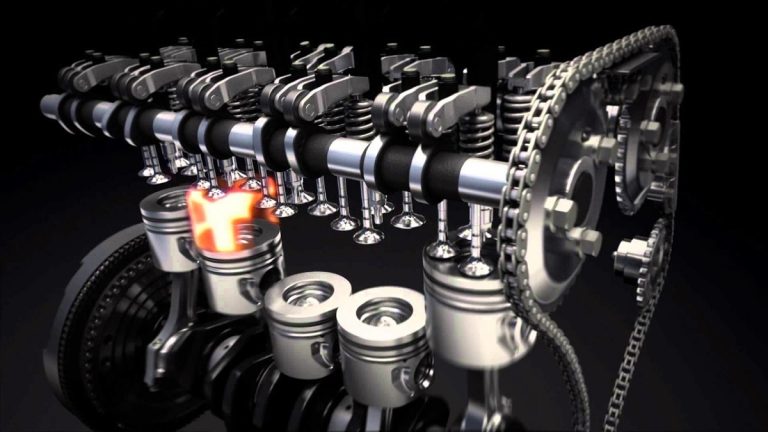
Engine spitting and sputtering can stem from several mechanical and electrical issues that disrupt normal combustion. Identifying the root cause is essential to restoring performance, fuel efficiency, and smooth acceleration. Common causes range from fuel system problems to ignition issues and airflow disruptions, each affecting how the engine responds under load.
Faulty or Dirty Fuel Injectors
Fuel injectors are responsible for delivering precise amounts of fuel into the combustion chamber. When injectors become clogged, dirty, or faulty, the fuel spray pattern is disrupted, causing uneven combustion. This can result in engine sputtering, hesitation during acceleration, and inconsistent power delivery.
Dirty fuel injectors may leave unburned fuel in the cylinders, which contributes to backfiring or popping noises. Faulty injectors can also cause a lean or rich fuel mixture, further reducing efficiency and increasing emissions. You may notice rough idling, lower fuel economy, or a sudden drop in acceleration when fuel delivery is compromised.
Regular maintenance, including using high-quality fuel and periodic fuel system cleaning, helps prevent injector-related issues. Replacing worn or failing injectors restores smooth fuel delivery, eliminates sputtering, and improves throttle response. Early detection and maintenance are key to preventing long-term engine damage caused by uneven combustion.
Worn or Failing Spark Plugs and Ignition Components
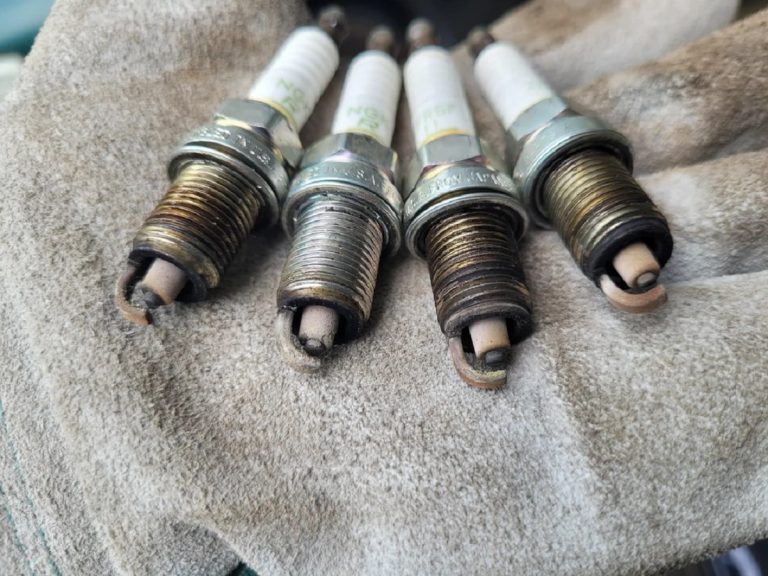
Spark plugs ignite the air-fuel mixture inside the combustion chamber. Over time, spark plugs wear out, corrode, or accumulate deposits, reducing their ability to create a strong, consistent spark. This leads to incomplete combustion, causing the engine to sputter, spit, or misfire during acceleration.
Ignition coils, wires, and related components can also degrade, contributing to irregular spark delivery. When the ignition system is compromised, the engine struggles to maintain proper combustion timing. You may notice hesitation, rough idling, or jerky performance, especially under load or during high-demand driving.
Replacing spark plugs and ignition components according to the manufacturer’s schedule is critical. Well-maintained ignition systems ensure reliable combustion, smooth acceleration, and consistent engine power. Neglecting these components not only reduces performance but also increases fuel consumption and emissions.
Clogged Air Filters and Restricted Airflow
Air is essential for proper combustion, and any restriction can disrupt the engine’s performance. Dirty or clogged air filters reduce airflow into the engine, affecting the air-fuel mixture. An imbalanced mixture can cause sputtering, hesitation, and reduced throttle response.
In addition to filters, other airflow restrictions such as damaged intake hoses or blocked throttle bodies can worsen the problem. Sensors like the mass airflow sensor rely on accurate air measurement to adjust fuel delivery. Restricted airflow can mislead these sensors, creating inconsistent combustion and engine sputtering.
Regularly inspecting and replacing air filters and ensuring clear intake paths preserves proper airflow. Maintaining clean intake components supports efficient combustion, smooth acceleration, and stable engine operation, reducing the likelihood of spitting and sputtering.
Fuel Pump and Fuel Pressure Issues
A weak or failing fuel pump can reduce fuel pressure, causing inconsistent delivery to the engine. Insufficient fuel results in lean combustion, leading to sputtering, hesitation, and reduced power, particularly during acceleration or heavy load situations.
Fuel pressure regulators can also malfunction, either overpressurizing or underpressurizing the system. Both conditions interfere with the ideal air-fuel mixture, increasing the likelihood of backfiring or jerky engine response. Drivers may notice difficulty maintaining speed, decreased fuel efficiency, or rough performance under load.
Routine fuel system inspections, including pressure testing and pump performance checks, help detect issues early. Timely repairs restore consistent fuel delivery, stabilize combustion, and eliminate acceleration-related sputtering. Proper fuel system maintenance is essential for reliable engine performance.
Sensor Malfunctions and Engine Management Issues
Modern engines rely heavily on sensors to monitor air, fuel, and exhaust conditions. Malfunctioning sensors, such as oxygen sensors, throttle position sensors, or mass airflow sensors, provide inaccurate data to the engine control unit, leading to improper fuel delivery and timing.
Inaccurate readings can cause rich or lean conditions, resulting in engine spitting, sputtering, or misfires. Drivers may also notice fluctuating RPMs, rough idling, or check engine lights triggered by sensor errors. These issues can occur intermittently, making diagnosis challenging without proper scanning tools.
Regular sensor inspections and diagnostics help identify failing components before they severely impact performance. Maintaining accurate sensor function ensures proper engine management, smooth acceleration, and efficient combustion, preventing ongoing spitting and sputtering problems.
How Fuel System Issues Affect Acceleration
A properly functioning fuel system is essential for smooth acceleration and overall engine performance. When components like fuel injectors, pumps, or filters are compromised, the engine may sputter, hesitate, or lose power under load. Understanding how fuel system issues impact acceleration helps drivers recognize problems early and take action to maintain efficiency and reliability.
Clogged Fuel Injectors and Uneven Fuel Delivery
Fuel injectors spray precise amounts of fuel into the combustion chamber for optimal combustion. Over time, dirt, debris, or carbon deposits can clog injectors, disrupting the spray pattern and leading to uneven fuel delivery.
When fuel is not delivered consistently, the engine struggles to maintain proper combustion, especially during acceleration. You may notice hesitation, jerking, or spitting when pressing the gas pedal. Incomplete combustion also increases fuel consumption and emissions, reducing overall engine efficiency.
Dirty injectors can create localized rich or lean conditions, causing misfires and rough running. Using high-quality fuel, periodic injector cleaning, and timely maintenance help restore proper spray patterns and prevent sputtering. Ensuring clean, efficient injectors is critical for smooth, reliable acceleration and optimal engine performance.
Weak Fuel Pump or Low Fuel Pressure
The fuel pump ensures that the engine receives a steady supply of fuel at the correct pressure. A weak or failing pump cannot maintain sufficient pressure, leading to delayed fuel delivery during acceleration. This often results in hesitation, sputtering, or a noticeable drop in power.
Low fuel pressure also affects the air-fuel mixture, causing lean combustion in some cylinders. The engine may feel sluggish under load, struggle to reach higher RPMs, or hesitate when overtaking. These symptoms are particularly noticeable during heavy acceleration or uphill driving.
Regular fuel system inspections, including pressure testing and pump performance checks, are essential. Replacing worn pumps and ensuring correct fuel pressure restores smooth acceleration, consistent power delivery, and prevents long-term damage to engine components caused by fuel starvation.
Dirty Fuel Filters and Restricted Flow
Fuel filters trap contaminants before they reach the injectors and combustion chamber. Over time, filters can become clogged with dirt, rust, or debris, restricting fuel flow. Restricted fuel flow leads to uneven delivery, which compromises combustion and reduces acceleration performance.
When the engine cannot receive enough fuel quickly, you may experience hesitation, jerky throttle response, or sputtering during rapid acceleration. Prolonged restriction can strain the fuel pump and other components, further reducing engine reliability and efficiency.
Regularly replacing fuel filters according to the manufacturer’s schedule ensures clean fuel reaches the injectors and combustion chamber. Clean filters help maintain proper acceleration, support smooth engine operation, and prevent downstream damage caused by restricted fuel flow.
Malfunctioning Fuel Pressure Regulators
Fuel pressure regulators control the amount of fuel supplied to the injectors based on engine demand. A failing regulator can cause too much or too little fuel to reach the engine, affecting acceleration and overall performance.
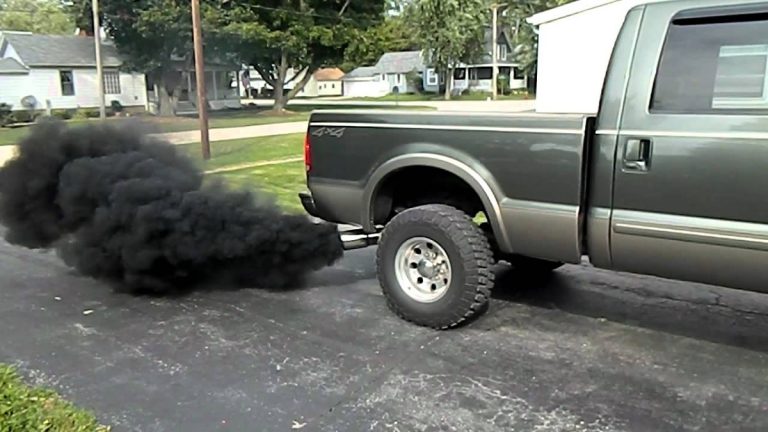
Overpressurization may lead to rich combustion, producing black smoke, poor fuel efficiency, and sputtering. Underpressurization results in lean combustion, causing hesitation, engine knock, and misfires during acceleration. Both conditions disrupt smooth power delivery and can damage internal engine components over time.
Routine diagnostics and timely replacement of faulty regulators maintain proper fuel pressure and restore balanced air-fuel mixtures. A well-functioning regulator ensures the engine responds reliably to throttle input, providing consistent, smooth acceleration and preventing performance-related issues.
Fuel Contamination and Its Impact
Contaminated fuel can introduce water, debris, or microbial growth into the system, clogging injectors, filters, and pumps. Contamination reduces combustion efficiency, causing the engine to hesitate or sputter during acceleration.
Even small amounts of contamination can alter the air-fuel mixture, producing inconsistent power delivery. Drivers may notice irregular throttle response, rough idling, or engine misfires. Long-term exposure to contaminated fuel can accelerate wear on pumps, injectors, and other fuel system components.
Preventing fuel contamination involves using high-quality fuel, keeping the tank clean, and replacing filters regularly. Addressing contamination promptly restores consistent fuel flow, improves acceleration, and protects the fuel system from costly damage.
Impact of Ignoring Engine Spitting and Sputtering
Ignoring engine spitting and sputtering can lead to serious performance issues, increased maintenance costs, and potential long-term damage. What starts as minor hesitation or jerking during acceleration may escalate into more severe problems affecting fuel efficiency, engine components, and drivability. Recognizing the consequences highlights the importance of timely diagnosis and repair.
Reduced Engine Performance and Acceleration
When engine sputtering is left unaddressed, overall performance gradually declines. The vehicle may struggle to accelerate smoothly, feel sluggish under load, or respond inconsistently to throttle input. You may notice delayed power delivery during overtaking, uphill driving, or heavy-load situations, making everyday driving more frustrating and less efficient.
The root causes—such as clogged fuel injectors, faulty spark plugs, or airflow issues—interfere with proper combustion. As the engine continues to operate under these compromised conditions, efficiency declines further, increasing fuel consumption and emissions. Over time, repeated strain can accelerate wear on critical components like pistons, valves, and the fuel system.
Left untreated, poor acceleration affects not only drivability but also vehicle reliability. Timely attention to sputtering symptoms preserves engine responsiveness, restores consistent performance, and helps avoid cascading issues that require costly repairs.
Increased Fuel Consumption and Emissions
Engine spitting and sputtering reduce combustion efficiency, which directly impacts fuel economy. Incomplete fuel burning forces the engine to consume more fuel to maintain performance, leading to higher fuel costs over time. You may notice more frequent trips to the gas station or a drop in miles per gallon compared to normal operation.
In addition to wasting fuel, inefficient combustion increases emissions. Unburned hydrocarbons and excess fuel exit through the exhaust system, potentially triggering the check engine light or failing emissions tests. Over time, these conditions can harm components like the catalytic converter, further escalating repair costs.
Ignoring early signs of sputtering means ongoing inefficiency, creating a cycle where increased fuel consumption leads to further engine strain and worsening performance. Addressing the underlying causes restores proper combustion, improves efficiency, and reduces harmful emissions.
Long-Term Engine Damage
Persistent spitting and sputtering can cause long-term engine damage. Misfires, uneven combustion, and delayed ignition increase stress on pistons, cylinders, valves, and the crankshaft. Over time, this wear can lead to costly failures such as damaged pistons, burnt valves, or compromised engine timing.
Faulty fuel or ignition components exacerbate internal stress when left uncorrected. For example, a failing spark plug or clogged injector can repeatedly trigger lean or rich combustion, producing excessive heat or pressure inside the cylinder. This damages critical components and may shorten engine lifespan.
Timely repair and maintenance prevent these long-term consequences, preserving engine integrity. Addressing spitting and sputtering early ensures smooth operation and prevents expensive repairs that arise from prolonged neglect.
Safety and Driving Reliability Concerns
Engine sputtering affects more than performance and efficiency—it can compromise safety. Hesitation or jerky acceleration during highway driving, merging, or overtaking creates unpredictable behavior that increases the risk of accidents. Sudden power loss or misfires may startle the driver, making handling more difficult.
Unreliable acceleration also impacts everyday driving in traffic or challenging road conditions. Vehicles that sputter under load may struggle with hill climbs or carrying heavy cargo, which can be dangerous in certain situations. Addressing the root causes restores predictable engine response, enhancing safety and ensuring dependable operation under all conditions.
Cost Implications of Neglect
Ignoring engine spitting and sputtering often leads to higher repair costs over time. Minor issues, like clogged injectors or worn spark plugs, can evolve into more severe problems affecting pistons, valves, or the catalytic converter. Repairs for these components are significantly more expensive than routine maintenance or cleaning.
Additionally, decreased fuel efficiency and increased emissions contribute to ongoing operating costs. Early detection and resolution minimize these expenses, preserve engine performance, and extend vehicle lifespan, making proactive attention to engine sputtering a cost-effective strategy.
Frequently Asked Questions
What Causes Your Engine To Spit And Sputter When Accelerating?
Your engine spits and sputters during acceleration when the combustion process is interrupted. This can happen due to uneven fuel delivery, clogged fuel injectors, faulty spark plugs, or ignition coil issues. When fuel and air aren’t mixed properly, the engine struggles to generate smooth power, causing hesitation or jerking.
Airflow issues, such as a dirty throttle body or clogged air filter, also contribute to sputtering by preventing enough air from reaching the combustion chamber. Addressing these problems restores consistent ignition, smoother acceleration, and improved engine efficiency.
Can Dirty Fuel Injectors Make My Engine Sputter?
Yes, dirty or clogged fuel injectors are a major reason engines sputter during acceleration. They fail to spray fuel in a proper pattern, resulting in uneven fuel distribution inside the combustion chamber. When this happens, the engine experiences misfires, hesitation, and reduced power.
Inconsistent fuel delivery also increases emissions and can worsen over time, causing more pronounced performance issues. Cleaning or replacing fuel injectors ensures proper combustion, restores smooth throttle response, and improves fuel efficiency, preventing the engine from spitting and sputtering under load.
How Do Faulty Spark Plugs Affect Engine Performance?
Faulty or worn spark plugs can cause your engine to sputter because they fail to ignite the air-fuel mixture efficiently. Weak sparks or misfires result in incomplete combustion, leading to jerking, rough idling, and hesitation during acceleration.
Ignition coils or spark plug wires can also degrade, compounding the problem. Replacing worn spark plugs and checking ignition components ensures proper combustion timing, smoother acceleration, and reduced engine strain, preventing sputtering under load and restoring consistent performance.
Can A Dirty Air Filter Cause Acceleration Issues?
Yes, a dirty or clogged air filter restricts airflow to the engine, affecting the air-fuel mixture. Insufficient air results in a rich mixture, where too much fuel and not enough oxygen enter the combustion chamber. This imbalance leads to engine sputtering, jerking, and delayed acceleration.
Other intake issues, like blocked hoses or a dirty throttle body, also reduce airflow. Regularly inspecting and replacing air filters ensures proper combustion, restores smooth engine response, and prevents hesitation or spitting during acceleration, maintaining overall engine efficiency.
How Does A Weak Fuel Pump Affect Acceleration?
A weak or failing fuel pump cannot maintain adequate pressure for consistent fuel delivery. When fuel pressure drops, the engine receives an insufficient supply, causing hesitation, sputtering, or loss of power, especially during rapid acceleration or uphill driving.
Low fuel pressure can also create a lean mixture, leading to misfires and rough engine operation. Testing fuel pressure and replacing a failing pump ensures smooth, reliable fuel delivery, restoring acceleration performance and preventing further strain on the engine and fuel system.
Can Sensor Malfunctions Cause Engine Sputtering?
Yes, malfunctioning sensors like the oxygen sensor, mass airflow sensor, or throttle position sensor can cause the engine to sputter. These sensors provide critical data to the engine control unit, helping it maintain the correct air-fuel ratio and ignition timing.
If sensors send inaccurate readings, fuel delivery or timing may be off, causing misfires, hesitation, or spitting during acceleration. Diagnosing and replacing faulty sensors ensures accurate engine management, restoring smooth throttle response and preventing performance issues caused by inconsistent combustion.
Does Poor Fuel Quality Contribute To Engine Sputtering?
Poor-quality fuel can significantly contribute to engine sputtering. Low-grade fuel may contain impurities or additives that do not burn completely, leaving behind deposits in the fuel system and combustion chamber. These residues can clog injectors and reduce combustion efficiency.
Using low-quality fuel also increases the risk of misfires, hesitation, and reduced acceleration performance. Switching to high-quality, top-tier fuel helps maintain clean injectors, promotes proper combustion, and reduces the likelihood of spitting or sputtering during acceleration, protecting engine longevity.
Can Ignoring Engine Sputtering Cause Long-Term Damage?
Yes, ignoring engine sputtering can lead to long-term damage. Repeated misfires and incomplete combustion place extra stress on pistons, valves, and the catalytic converter, potentially causing permanent engine or exhaust system issues.
Sputtering also reduces fuel efficiency and increases emissions, creating additional strain on the engine over time. Addressing the problem early through maintenance, fuel system cleaning, or spark plug replacement prevents further damage, restores smooth acceleration, and preserves engine reliability and performance.
Final Thoughts
Experiencing hesitation, jerking, or unusual noises while driving is a clear signal that something in your engine needs attention. Ignoring these signs can lead to worsening performance, higher fuel consumption, and even damage to critical components like the catalytic converter. Addressing problems early ensures smoother acceleration and a safer driving experience.
Understanding the underlying reasons behind why your engine spits and sputters when accelerating helps you take effective action. Issues such as dirty fuel injectors, worn spark plugs, vacuum leaks, or sensor malfunctions can all disrupt the air-fuel mixture, causing hesitation and misfires. Performing regular inspections, cleaning, and replacing worn parts prevents these problems from escalating.
Preventive maintenance and timely repairs are key to avoiding frequent sputtering issues. By keeping your ignition and fuel systems in optimal condition, monitoring engine performance, and addressing warning signs promptly, you can resolve why your engine spits and sputters when accelerating and enjoy a more efficient, reliable, and responsive vehicle.