Engine Misfire At High RPM – Causes, Risks, and How to Fix It
Experiencing a sudden hesitation or stuttering in your vehicle at higher speeds can be alarming. One of the more concerning issues drivers encounter is an engine misfire at high RPM. This type of misfire can significantly affect performance, fuel efficiency, and even long-term engine health, making it essential to recognize the signs early.
An engine misfire at high RPM often indicates a problem with the ignition system, fuel delivery, or internal engine components. Drivers may notice a rough running engine, loss of power, or unusual vibrations, especially when accelerating or pushing the engine to higher speeds. These symptoms are often accompanied by dashboard warning lights, such as the check engine light.
The causes can vary widely, from worn spark plugs and clogged fuel injectors to more severe internal engine issues. Understanding how to detect and address these problems ensures smoother operation and prevents further damage.
Addressing misfires promptly not only restores engine performance but also maintains fuel efficiency and prolongs the vehicle’s lifespan. Being attentive to unusual engine behavior helps avoid costly repairs and keeps the car running reliably.
Regular maintenance, including spark plug replacement, fuel system cleaning, and timely inspections, plays a key role in preventing misfires at high RPM and ensuring optimal engine performance under all driving conditions.
Common Signs Of Engine Misfire At High RPM
An engine misfire at high RPM can be subtle at first but often becomes more noticeable as engine speed increases. Recognizing the early signs is critical for preventing serious damage, maintaining performance, and ensuring safe driving. Misfires can affect acceleration, fuel efficiency, and overall engine reliability, making prompt diagnosis and repair essential.
Loss Of Power During Acceleration
One of the most noticeable signs of an engine misfire at high RPM is a sudden loss of power during acceleration. As the engine speed increases, cylinders that are not firing correctly fail to deliver the necessary combustion force, resulting in reduced performance.
You may notice the car hesitates when pressing the accelerator, struggles to maintain speed, or feels uneven in power delivery. This is especially evident when overtaking or merging onto highways. Persistent misfires can strain other engine components, leading to overheating, increased fuel consumption, and further wear. Detecting power loss early allows for inspection of ignition components, fuel injectors, and air intake systems, helping to restore smooth and reliable acceleration.
Rough Engine Vibrations And Shaking
Engine misfires often cause noticeable vibrations, particularly at higher RPMs. When one or more cylinders fail to ignite properly, the engine loses balance, resulting in shaking or roughness that can be felt through the steering wheel, seat, or pedals.
This symptom may intensify with engine speed and is usually accompanied by a rhythmic pulsation that corresponds to the firing pattern of the engine. Unaddressed, these vibrations can damage engine mounts, exhaust components, and other mechanical systems. Identifying the source of rough vibrations is crucial, as it points to ignition issues, fuel delivery problems, or potential mechanical failures requiring immediate attention.
Unusual Engine Noises
A misfiring engine often produces unusual noises at high RPM, including popping, sputtering, or knocking sounds. These noises occur when unburned fuel ignites irregularly or when combustion timing is off in one or more cylinders.
The sounds may vary depending on the severity of the misfire and which cylinder is affected. Persistent unusual noises can indicate spark plug wear, faulty ignition coils, clogged injectors, or more serious internal engine issues. Monitoring engine sounds during high-speed driving helps you detect problems early, ensuring that minor issues do not escalate into costly engine repairs.
Poor Fuel Efficiency
Frequent misfires at high RPM can significantly reduce fuel efficiency. When a cylinder fails to fire correctly, unburned fuel is wasted, forcing the engine to work harder to maintain power output.
Drivers may notice more frequent trips to the gas station or a sudden drop in miles per gallon. Over time, poor fuel efficiency not only increases operating costs but can also stress other engine components, leading to overheating or additional wear. Addressing the misfire promptly helps restore fuel economy and prevents further damage to the engine and related systems.
Illuminated Check Engine Light
A common and immediate sign of an engine misfire at high RPM is the illumination of the check engine light on the dashboard. Modern vehicles have sensors that detect misfires and notify the driver through this warning system.
The light may flash or stay steady depending on the severity and frequency of the misfire. Ignoring the check engine light can lead to worsened engine performance, potential damage to the catalytic converter, and higher repair costs. Diagnosing the fault code early provides critical information for identifying which cylinder or system is affected, enabling timely repairs to restore engine function and prevent further complications.
Typical Causes Behind High-RPM Engine Misfires
Experiencing an engine misfire at high RPM often signals underlying mechanical or electrical issues within the vehicle. Understanding the common causes is crucial for diagnosing the problem accurately and preventing long-term damage. Misfires at high engine speeds can originate from ignition problems, fuel delivery issues, or internal engine component wear, each affecting performance and safety.
Worn Or Faulty Spark Plugs
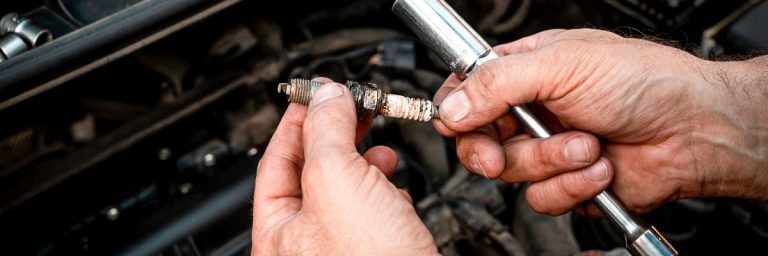
Spark plugs are responsible for igniting the air-fuel mixture in each cylinder, and worn or faulty plugs are a leading cause of high-RPM misfires. Over time, the electrodes erode, deposits accumulate, or insulation deteriorates, reducing the plug’s ability to create a strong, consistent spark.
At higher RPMs, the engine demands quicker and more precise ignition. If a spark plug fails to fire at the correct moment, the affected cylinder misfires, causing vibrations, hesitation, and power loss. Drivers may also notice rough idling or reduced acceleration performance. Replacing worn spark plugs on schedule ensures consistent combustion, smooth engine operation, and prevents misfires from escalating into more severe engine problems.
Failing Ignition Coils
Ignition coils amplify voltage to the spark plugs, making them essential for proper cylinder firing. A failing coil can lead to weak or intermittent sparks, especially under high RPM conditions where the demand on the coil increases.
Symptoms of coil-related misfires include rough acceleration, hesitation, or sputtering at higher speeds. Often, misfires caused by ignition coils occur in a single cylinder, but multiple failing coils can result in widespread engine performance issues. Replacing defective coils promptly restores consistent spark delivery, eliminates misfires, and prevents potential damage to the catalytic converter caused by unburned fuel.
Clogged Or Faulty Fuel Injectors
Fuel injectors deliver precise amounts of fuel to each cylinder, and clogs or malfunctions can disrupt proper combustion. At high RPM, the engine requires increased fuel flow, and any restriction can lead to misfires.
Clogged injectors may spray unevenly or inconsistently, causing one or more cylinders to run lean, while a faulty injector may fail to deliver fuel entirely. Symptoms include loss of power, rough acceleration, and unusual engine noises. Cleaning or replacing problematic injectors restores proper fuel delivery, ensures balanced combustion, and prevents recurring misfires that compromise performance and efficiency.
Vacuum Leaks And Air Intake Problems
Vacuum leaks or issues in the air intake system can disrupt the air-fuel ratio, leading to misfires at high RPM. Leaks may occur in hoses, gaskets, or intake manifold connections, allowing excess air into the engine.
This unmetered air causes cylinders to run lean, resulting in delayed or incomplete combustion. Drivers may notice hesitation, loss of power, or a rough-running engine during high-speed driving. Addressing vacuum leaks promptly and maintaining a clean air intake system restores proper combustion balance, eliminates high-RPM misfires, and ensures consistent engine performance.
Mechanical Engine Issues
Internal mechanical problems, such as worn piston rings, low compression, or valve timing issues, can also cause misfires at high RPM. These issues prevent cylinders from achieving the pressure needed for efficient combustion.
Symptoms include pronounced vibrations, loss of acceleration, and sometimes unusual knocking or tapping noises from the engine. Persistent mechanical misfires can lead to further engine damage, decreased fuel efficiency, and costly repairs if left unaddressed. Diagnosing mechanical problems often requires compression testing, timing inspections, or professional evaluation to restore proper engine function.
Ignition Timing And Sensor Malfunctions
Modern engines rely on precise timing controlled by sensors such as the crankshaft and camshaft position sensors. Malfunctions in these sensors or improper ignition timing can cause misfires at high RPM.
Incorrect timing disrupts the firing sequence, preventing cylinders from combusting efficiently. Drivers may notice hesitation, sputtering, or a check engine light. Timely diagnosis and repair of sensor issues or timing adjustments ensure accurate combustion, smooth acceleration, and the prevention of repeated high-RPM misfires that could damage engine components.
How Fuel System Problems Lead To Misfires
Fuel system issues are a major contributor to engine misfires, especially at high RPM. When the engine does not receive the correct amount of fuel or if fuel delivery is inconsistent, cylinders fail to combust properly, leading to misfires. Understanding how fuel system problems affect performance helps identify the root cause and prevent long-term engine damage.
Clogged Or Dirty Fuel Injectors
Fuel injectors are responsible for delivering precise amounts of fuel into each cylinder. Over time, deposits can build up in the injector nozzle, restricting fuel flow or causing uneven spray patterns.
When driving at high RPM, the engine requires rapid and consistent fuel delivery to maintain performance. Clogged injectors fail to supply sufficient fuel, leading to lean combustion and misfires. Drivers may notice hesitation, rough acceleration, or vibrations during high-speed driving. Regular fuel system cleaning or injector replacement restores proper fuel flow, ensuring consistent cylinder firing and preventing misfires that could stress other engine components.
Weak Or Failing Fuel Pump
The fuel pump ensures that gasoline is delivered from the tank to the engine at the correct pressure. A weak or failing pump cannot maintain adequate fuel pressure, particularly under high-demand conditions like rapid acceleration or high RPM driving.
Symptoms of a failing fuel pump include engine sputtering, hesitation during acceleration, and occasional misfires. Low fuel pressure reduces the efficiency of combustion, causing cylinders to misfire intermittently. Addressing fuel pump issues promptly restores proper pressure, ensures consistent fuel delivery, and prevents misfires from causing damage to spark plugs, ignition coils, or the catalytic converter.
Contaminated Fuel
Contaminated fuel can contain water, dirt, or other impurities that interfere with combustion. Even small amounts of contamination can prevent proper ignition, leading to engine misfires at high RPM.
Water or debris in the fuel can cause inconsistent spray from the injectors, resulting in uneven combustion across cylinders. Drivers may notice rough acceleration, hesitation, or occasional engine sputtering. Flushing the fuel system and replacing fuel filters removes contaminants, restores smooth fuel flow, and prevents recurring misfires caused by impure fuel. Proper fuel quality is critical for engine performance and long-term reliability.
Fuel Pressure Regulator Malfunction
The fuel pressure regulator maintains consistent fuel pressure throughout the system. A malfunctioning regulator can cause fuel pressure to fluctuate, leading to misfires under load or at higher engine speeds.
Inconsistent fuel pressure affects the air-fuel ratio, resulting in lean or rich combustion conditions. This imbalance causes misfires, vibrations, and loss of power. Symptoms may include hesitation during acceleration, poor fuel economy, or a check engine light. Diagnosing and replacing a faulty regulator restores proper fuel pressure, ensuring balanced combustion and eliminating high-RPM misfires caused by fuel delivery issues.
Fuel Filter Blockage
A clogged fuel filter restricts the flow of gasoline to the engine, reducing fuel availability during high-demand situations. Limited fuel supply can prevent cylinders from firing properly, causing misfires, especially at higher RPMs.
Drivers may notice hesitation, sputtering, or a decrease in acceleration performance. Replacing the fuel filter at recommended intervals restores proper fuel flow, prevents pressure drops, and eliminates misfires. Maintaining a clean fuel system ensures consistent engine performance, smooth acceleration, and prevents potential damage to the ignition system and other engine components caused by lean combustion.
Ignition System And Sensor Issues
A properly functioning ignition system and engine sensors are critical for smooth combustion and optimal performance. Failures or malfunctions in these systems are a common cause of engine misfires at high RPM. Understanding how ignition and sensor issues contribute to misfires helps diagnose problems effectively and prevent long-term engine damage.
Worn Or Faulty Spark Plugs
Spark plugs ignite the air-fuel mixture in the engine cylinders. Over time, they can wear out, accumulate deposits, or develop cracks, reducing their ability to create a strong spark.
At high RPM, the engine demands precise and rapid ignition. Worn or faulty spark plugs may fail to fire consistently, causing one or more cylinders to misfire. Drivers may notice rough acceleration, vibrations, or hesitation when pressing the accelerator. Ignoring worn spark plugs can lead to unburned fuel entering the exhaust, which may damage the catalytic converter and reduce fuel efficiency. Replacing spark plugs at recommended intervals ensures consistent combustion, eliminates misfires, and restores engine performance.
Failing Ignition Coils
Ignition coils amplify voltage to the spark plugs, providing the energy needed to ignite the air-fuel mixture. A failing coil can produce weak or intermittent sparks, especially at high RPM where demand is greatest.
Symptoms of coil-related misfires include engine hesitation, rough acceleration, and vibrations that worsen under load. Sometimes, misfires may occur in a single cylinder, but multiple failing coils can cause widespread engine performance issues. Replacing defective ignition coils ensures proper spark delivery, reduces misfires, and prevents potential damage to other engine components caused by incomplete combustion.
Malfunctioning Crankshaft And Camshaft Sensors
Crankshaft and camshaft position sensors provide critical data for timing the ignition and fuel injection. When these sensors fail or provide inaccurate readings, the engine’s timing can be thrown off, resulting in misfires at high RPM.
Drivers may notice hesitation, sputtering, or an illuminated check engine light. Sensor malfunctions prevent the engine control unit (ECU) from maintaining the correct ignition timing, which is vital for efficient cylinder combustion. Replacing or repairing faulty sensors restores accurate timing, ensures smooth acceleration, and eliminates misfires caused by miscommunication between the ECU and ignition system.
Faulty Ignition Control Module
The ignition control module manages spark timing and ensures the engine fires in the correct sequence. A malfunctioning module can cause erratic spark delivery, leading to misfires, particularly under high-speed or heavy load conditions.
Symptoms include poor acceleration, engine hesitation, rough idling, or vibrations at high RPM. Failure to address ignition module issues can stress other ignition components and reduce overall engine performance. Replacing or repairing the module ensures precise spark timing, smooth engine operation, and consistent combustion, preventing recurring misfires and improving fuel efficiency.
Wiring And Connection Problems
Loose or damaged wiring in the ignition system can disrupt the flow of electricity to spark plugs or coils. Poor connections, corrosion, or broken wires can cause intermittent misfires, especially when the engine is operating at high RPM.
Drivers may experience hesitation, rough running, or sudden engine vibrations. Inspecting and repairing damaged wiring, connectors, or terminals restores proper electrical flow, ensuring consistent ignition and preventing misfires. Proper maintenance of the ignition system wiring helps avoid repeated misfires, protects components from further damage, and keeps the engine performing reliably under all conditions.
People Also Asked
What Causes An Engine Misfire At High RPM?
You may notice an engine misfire at high RPM due to several factors affecting fuel delivery, ignition, or engine timing. Worn spark plugs or faulty ignition coils often fail to provide a strong enough spark under high engine load, leading to misfires.
Fuel system issues like clogged injectors or low fuel pressure can also disrupt the air-fuel mixture, causing combustion problems. Additionally, vacuum leaks or faulty sensors such as the crankshaft or camshaft position sensors can interfere with timing and fuel delivery, making your engine hesitate and misfire when accelerating at high speeds.
Can Worn Spark Plugs Cause Engine Misfire At High RPM?
Yes, worn or damaged spark plugs are a common cause of engine misfire at high RPM. As engine speed increases, a weak spark may fail to ignite the air-fuel mixture properly, causing hesitation or jerking during acceleration.
You should inspect your spark plugs for signs of wear, carbon buildup, or improper gaps. Replacing old or faulty spark plugs ensures consistent combustion, improves engine performance, and reduces the risk of high-RPM misfires, keeping your vehicle running smoothly under heavy loads.
How Do Fuel System Issues Lead To Misfires At High RPM?
You might experience misfires if your fuel injectors are clogged or if the fuel pump is not supplying adequate pressure. At high RPM, the engine requires more fuel to maintain power, and any disruption can cause cylinders to misfire.
Low-quality fuel or dirty fuel filters can also contribute to uneven fuel delivery. Ensuring clean injectors, proper fuel pressure, and regular maintenance helps maintain the correct air-fuel mixture and prevents engine misfire at high RPM.
Can A Timing Problem Cause Engine Misfire At High RPM?
Yes, improper engine timing can trigger a misfire when RPMs are high. The ignition system must fire at precise moments for each cylinder, and timing issues from a worn timing chain, belt, or sensor failure can disrupt combustion.
When the spark occurs too early or too late, the air-fuel mixture burns inefficiently, causing jerking, loss of power, and vibrations. Regular inspection and proper maintenance of timing components help prevent misfires and protect your engine from long-term damage.
How Do Sensors Affect Engine Misfire At High RPM?
You may face high-RPM misfires if sensors like the crankshaft or camshaft position sensors malfunction. These sensors provide crucial data to the engine control unit (ECU) to manage ignition and fuel timing.
A failing sensor can send inaccurate signals, disrupting combustion and causing misfires under high load. Diagnosing sensor faults with a scan tool and replacing defective sensors ensures smooth engine operation and prevents high-RPM misfire issues from recurring.
When Should You Seek Professional Help For High-RPM Misfires?
You should consult a professional if engine misfires persist despite replacing spark plugs or performing basic maintenance. Persistent high-RPM misfires may indicate deeper issues like fuel injector failure, internal engine problems, or timing system faults.
A certified mechanic can run detailed diagnostics to identify the exact cause, prevent further engine damage, and ensure safe, reliable performance. Professional inspection is especially important if misfires affect acceleration, fuel efficiency, or trigger the check engine light.
Final Thoughts
Experiencing an engine misfire at high RPM is a clear sign that your vehicle’s performance is being compromised. Misfires can result from a variety of issues, including ignition system failures, fuel delivery problems, or mechanical wear. Each of these problems affects cylinder combustion, causing rough acceleration, vibrations, and loss of power. Recognizing the symptoms early is crucial for maintaining safe and efficient driving.
Addressing an engine misfire at high RPM promptly prevents further damage to critical components such as spark plugs, fuel injectors, or the catalytic converter. Ignoring the problem can lead to increased repair costs, reduced fuel efficiency, and potential safety hazards while driving at high speeds. Regular inspections and timely maintenance play a vital role in identifying the root cause and resolving it effectively.
By understanding the common causes and signs, you can take proactive measures to keep your engine running smoothly. Diagnosing and repairing misfires ensures optimal performance, enhances fuel efficiency, and prolongs the overall lifespan of your vehicle.