Why Is My Engine Loud When Accelerating? Common Causes and Solutions
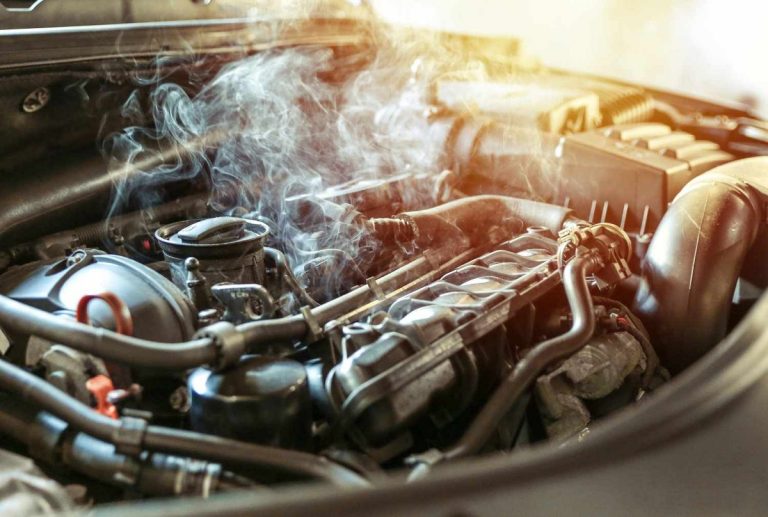
Hearing your engine roar or produce unusually loud sounds during acceleration can be alarming, and it often signals that the vehicle is experiencing underlying mechanical issues. Many drivers notice that the engine becomes noticeably louder under load, producing vibrations, rattles, or even clanking noises that make normal driving uncomfortable and concerning.
Engine noise during acceleration can arise from multiple sources, including exhaust system problems, worn internal components, or air and fuel delivery issues. Each type of sound can indicate a different problem, and understanding the source is key to preventing more serious damage.
Persistent loud engine noise not only affects comfort but can also signal potential safety risks. Over time, unresolved issues can lead to decreased performance, lower fuel efficiency, and even costly repairs if critical components fail.
Exploring the reasons behind [Why is My Engine Loud When Accelerating?] helps drivers identify potential causes, assess their severity, and determine appropriate solutions. Awareness and timely action ensure smoother, safer driving while protecting the engine from long-term damage.
Signs Your Engine Is Louder Than Normal During Acceleration
Noticing that your engine is louder than usual when accelerating can indicate that something is wrong with the vehicle. Loud engine noise is rarely normal and may be caused by exhaust issues, internal engine wear, or air and fuel delivery problems. Recognizing the signs early allows drivers to take preventive action, avoid further damage, and maintain performance and safety. Understanding the specific indicators of a louder-than-normal engine helps identify the root cause and determine the proper solution.
Unusual Roaring or Rumbling Sounds
A common sign of a loud engine during acceleration is a deep roaring or rumbling sound coming from the engine bay or exhaust. This often indicates that the exhaust system is compromised, such as through a damaged muffler, loose heat shield, or exhaust leak. The roaring noise typically becomes louder as the engine revs increase, especially when you press the accelerator pedal hard.
Drivers may also notice vibration or resonance accompanying the sound, particularly at higher speeds or under heavy load. Prolonged driving with these symptoms can worsen exhaust component damage and affect overall engine performance. Prompt inspection of the exhaust system, including mufflers, pipes, and connections, is critical to restoring normal noise levels and protecting other components from stress caused by unrestrained vibrations.
Addressing roaring or rumbling early prevents further deterioration, ensures the engine runs efficiently, and maintains proper exhaust flow. Regular inspection and maintenance of exhaust components are essential for long-term performance and comfort during acceleration.
Pinging or Knocking Noises
A louder engine during acceleration can also produce pinging or knocking sounds, often described as metallic tapping or rattling. These noises may indicate premature combustion, low-quality fuel, or internal engine wear, such as worn piston rings or bearings. Pinging or knocking is especially noticeable during hard acceleration or uphill driving.
Drivers might feel slight vibrations through the steering wheel or pedals while hearing these noises, signaling uneven combustion or increased engine stress. Continuous knocking can damage pistons, valves, or the cylinder head, leading to more expensive repairs over time. Addressing fuel quality, checking spark timing, or inspecting engine internals can identify and resolve the cause.
Recognizing and addressing pinging or knocking early prevents long-term damage and restores engine performance. Regular maintenance, including using recommended fuel grades and checking ignition timing, helps minimize abnormal noises and keeps acceleration smooth and controlled.
Whining or Squealing Noises
Another sign of a louder engine is whining or high-pitched squealing, which often comes from accessory components such as belts, pulleys, or the power steering system. These noises tend to become more noticeable during acceleration, particularly when the engine is under load.
Whining or squealing may indicate worn or loose belts, failing tensioners, or deteriorating pulleys. Drivers might also notice fluctuations in engine performance or difficulty turning the steering wheel if the power steering system is involved. Addressing these problems promptly prevents belt failure, protects accessories like the alternator and water pump, and restores quiet operation during acceleration.
Regular inspections of belts and pulleys, tightening or replacing worn components, and ensuring proper lubrication improve engine efficiency and reduce noise. A properly maintained accessory system keeps the engine running smoothly and prevents loud, distracting sounds during acceleration.
Vibrations or Excessive Engine Movement
Louder engine sounds during acceleration can also be accompanied by noticeable vibrations or excessive engine movement. This often points to failing engine mounts, which normally stabilize the engine and absorb vibrations. Worn or broken mounts allow the engine to shift or vibrate excessively, amplifying normal operating noises.
Drivers may feel the vibrations through the steering wheel, floor, or seat while hearing louder engine sounds. This can worsen over time, placing stress on hoses, wiring, and other components attached to the engine. Inspecting and replacing faulty engine mounts restores stability, reduces noise, and protects surrounding parts from damage.
Maintaining proper engine mounting ensures quieter, smoother operation and prevents the loud, loose sensations associated with uncontrolled engine movement during acceleration. Regular inspections help detect mounting wear before it impacts performance or safety.
Exhaust Leaks or Backpressure Issues
Finally, a louder engine can result from exhaust leaks or backpressure problems. Leaks in the exhaust manifold, pipes, or gasket areas can allow engine gases to escape, producing hissing, popping, or loud rumbling noises during acceleration. Backpressure issues, often caused by clogged catalytic converters, increase engine strain and can amplify noise as the engine works harder to expel exhaust gases.
Drivers may notice reduced power, irregular acceleration, or a strong exhaust odor accompanying the loud sound. Professional inspection of the exhaust system is essential to identify leaks, replace damaged gaskets, and restore proper flow. Maintaining exhaust integrity improves engine efficiency, reduces harmful emissions, and ensures quieter operation during acceleration.
Promptly addressing leaks or backpressure problems prevents engine damage, improves throttle response, and restores normal noise levels. Regular exhaust system inspections are critical for performance, safety, and comfort while driving.
Common Causes of a Loud Engine During Acceleration
A loud engine during acceleration is often more than just an annoyance—it’s a warning sign that something may be wrong with your vehicle. The noise can originate from a variety of sources, including exhaust problems, internal engine wear, or accessory failures. Identifying the root cause of the sound is crucial for preventing further damage, maintaining engine performance, and ensuring safe driving. By understanding the most common causes, drivers can take timely action to resolve the issue before it escalates.
Exhaust System Problems
One of the most frequent causes of a loud engine during acceleration is a problem in the exhaust system. Components such as the muffler, catalytic converter, exhaust manifold, or pipes can develop cracks, holes, or leaks over time. These issues allow engine gases to escape before proper silencing, creating loud roaring, rumbling, or hissing noises.
Drivers may notice that the sound intensifies as the engine revs increase, particularly under hard acceleration or heavy load. Exhaust leaks can also impact fuel efficiency and engine performance by reducing backpressure or altering the exhaust flow. Unaddressed leaks can lead to damage to the catalytic converter or other exhaust components, and prolonged exposure to escaping exhaust gases can create safety hazards.
Professional inspection of the exhaust system, including visual checks for cracks or corrosion and testing for leaks, is often required. Repairing or replacing damaged sections restores proper exhaust flow, reduces noise, and improves overall engine efficiency. Maintaining the exhaust system also ensures compliance with emission standards and protects passengers from harmful gases.
Worn Engine Components
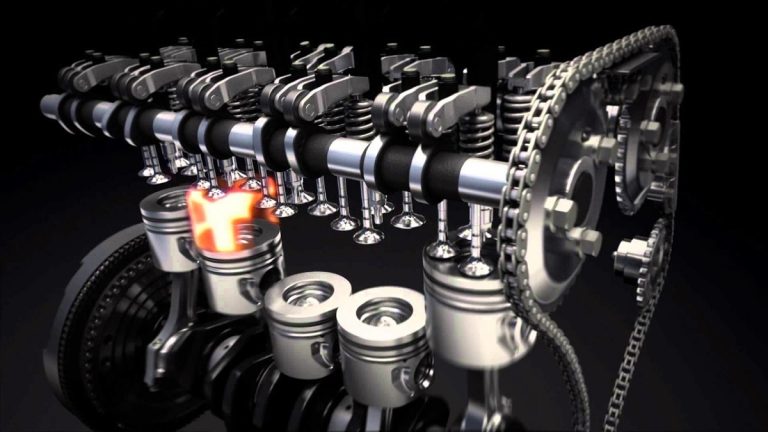
Internal engine wear is another common cause of loud engine noise during acceleration. Components such as piston rings, bearings, valves, and camshafts can wear over time, creating knocking, tapping, or metallic rattling noises when the engine is under load. This is especially noticeable during hard acceleration or uphill driving.
Drivers may experience vibrations, decreased engine performance, or rough idling alongside the loud noise. Prolonged driving with worn internal components can lead to further deterioration, including damage to the pistons, cylinder walls, or crankshaft. Early detection is critical for preventing expensive repairs and maintaining engine longevity.
Addressing internal engine wear usually involves professional inspection and, in some cases, major repairs or part replacements. Routine maintenance, including timely oil changes and using high-quality lubricants, helps reduce wear and extend the life of engine components, keeping noise levels within normal ranges.
Faulty or Worn Belts and Pulleys
Accessory belts and pulleys play a key role in operating components such as the alternator, power steering, and air conditioning. When these belts are worn, loose, or misaligned, they can produce squealing, whining, or chirping noises during acceleration. Faulty pulleys or tensioners can amplify the sound and affect engine performance.
Drivers might notice that the noise increases with higher engine speeds and may be accompanied by fluctuations in steering effort or accessory function. Ignoring belt or pulley issues can lead to belt failure, potentially causing alternator or water pump malfunction, which can further compromise engine operation.
Regular inspection of belts, tensioners, and pulleys is essential. Replacing worn belts, lubricating pulleys, and tightening or realigning components restores quiet, smooth operation. Proper maintenance ensures accessories work efficiently and prevents loud, distracting noises during acceleration.
Low or Contaminated Engine Oil
Engine oil lubricates internal moving parts, reduces friction, and absorbs heat. Low oil levels or contaminated oil can increase friction between engine components, causing knocking or loud rumbling during acceleration. This is particularly noticeable in older engines or vehicles with high mileage.
Drivers may experience stiffer engine operation, overheating, or metallic knocking noises when accelerating. Prolonged use with low or dirty oil can damage bearings, pistons, and other critical components. Regularly checking oil levels and performing scheduled oil changes helps maintain proper lubrication, reduces noise, and prevents severe engine damage.
Using the correct grade of oil recommended by the manufacturer ensures optimal performance and reduces unnecessary friction. Addressing lubrication issues promptly keeps the engine quiet, smooth, and reliable during all driving conditions.
Exhaust Backpressure and Catalytic Converter Issues
A clogged or malfunctioning catalytic converter can also make the engine louder than normal. When backpressure builds up due to a blockage, the engine has to work harder to expel exhaust gases, often producing roaring, popping, or rumbling noises during acceleration.
Drivers may notice reduced power, hesitation, or abnormal vibrations along with the increased noise. Ignoring catalytic converter problems can lead to overheating, increased emissions, and damage to the exhaust or engine components. Professional inspection, cleaning, or replacement of the catalytic converter restores proper exhaust flow and reduces engine noise.
Maintaining the exhaust system and catalytic converter ensures smooth engine operation and efficient combustion. Regular monitoring helps detect blockages early, improving performance, fuel efficiency, and minimizing loud, disruptive engine sounds during acceleration.
How to Diagnose Engine Noise at Acceleration
Experiencing unusual engine noise during acceleration can be alarming, but identifying the source early is key to preventing costly repairs and maintaining vehicle safety. Diagnosing engine noise involves careful observation, simple at-home checks, and understanding the different sounds that indicate specific problems. By paying attention to patterns, location, and type of noise, drivers can pinpoint potential causes and determine whether professional intervention is necessary.
Observing the Type and Source of Noise
The first step in diagnosing engine noise is identifying the type of sound and where it originates. Engines can produce knocking, tapping, whining, or rumbling noises, and each indicates different potential issues. For example, metallic knocking often points to internal wear, while whining may signal accessory or belt problems.
Start by listening during different driving conditions: idling, light acceleration, and hard acceleration. Note whether the noise comes from the front, rear, or underside of the engine. Pay attention to when the sound occurs—whether only under load, during turns, or when the engine is cold. Documenting these details provides critical clues for diagnosis and helps mechanics identify the root cause faster.
Regular observation and note-taking make it easier to detect changes in engine performance over time. This proactive approach can prevent minor issues from escalating into serious mechanical problems, ensuring safer and smoother driving.
Checking Fluid Levels and Condition
Engine fluids, including oil, coolant, and power steering fluid, play a critical role in reducing friction and ensuring smooth operation. Low or contaminated fluids can increase engine noise, particularly during acceleration when components work harder.
Check the engine oil level and condition by using the dipstick. Oil that is low, dirty, or burned may produce knocking or rumbling sounds. Inspect coolant levels for signs of leaks or contamination, which can contribute to overheating and unusual engine noises. Additionally, check power steering and transmission fluids, as issues with these systems can amplify noise during acceleration.
Maintaining proper fluid levels and performing regular changes ensures that engine components are adequately lubricated and cooled. Prompt attention to fluid-related issues reduces friction, prevents excessive wear, and minimizes unusual engine sounds during acceleration.
Inspecting Belts, Pulleys, and Accessories
Accessory belts, pulleys, and associated components often produce whining, squealing, or chirping noises under load. Inspecting these parts at home can help determine whether they are contributing to engine noise during acceleration.
Look for worn or cracked belts, loose tensioners, or misaligned pulleys. Run the engine at idle and observe belt movement, listening for squeals or vibrations. Worn belts may slip under load, producing noise that increases with engine speed. Similarly, failing pulleys or tensioners can create inconsistent tension, leading to whining or rattling.
Replacing worn or misaligned belts and pulleys restores smooth operation, reduces noise, and protects components such as the alternator, water pump, and power steering pump from excessive strain. Regular inspection of these parts ensures quieter and more reliable engine performance.
Monitoring Exhaust and Intake Systems
Problems in the exhaust or intake system can also contribute to engine noise during acceleration. Leaks in the exhaust manifold, catalytic converter, or muffler can create loud rumbling, popping, or hissing noises. Intake issues, such as a clogged air filter or malfunctioning mass airflow sensor, can affect engine efficiency and cause unusual sounds.
Check for visible damage, loose clamps, or holes in the exhaust system. Listen for noises that intensify with throttle input, indicating potential leaks or blockages. Inspect the air intake system for debris, damaged hoses, or sensors that may affect airflow and combustion.
Maintaining proper exhaust and intake system function improves engine efficiency, reduces abnormal noise, and ensures smooth acceleration. Regular inspection helps detect leaks or blockages early, protecting the engine from strain and long-term damage.
Professional Repairs and Solutions
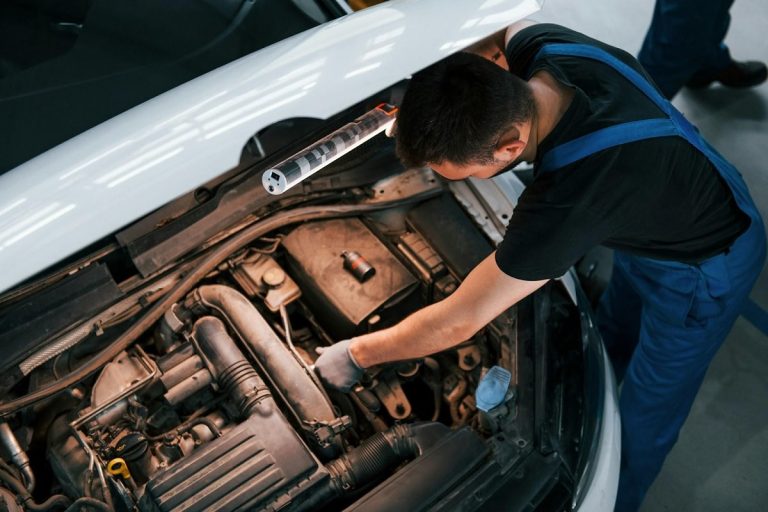
When your engine becomes louder than normal during acceleration, professional repairs are often necessary to restore performance and protect long-term vehicle health. While some issues can be diagnosed at home, many problems—such as internal engine wear, exhaust leaks, or accessory failures—require specialized tools and expertise. Understanding the professional solutions available ensures that the underlying causes are addressed properly, improving safety, efficiency, and driving comfort.
Exhaust System Repairs
A common cause of loud engine noise is damage or leaks in the exhaust system. Professionals can inspect the entire exhaust assembly, including the manifold, catalytic converter, muffler, and connecting pipes. Exhaust leaks, corrosion, or damaged components are repaired or replaced to restore proper flow and reduce engine noise.
Mechanics also check for loose clamps or heat shields, which can amplify rattling or rumbling during acceleration. In some cases, professional welding or gasket replacement is needed to ensure a tight seal and prevent gases from escaping prematurely. After repairs, technicians often perform backpressure tests to verify optimal exhaust performance.
Addressing exhaust issues professionally not only reduces noise but also improves fuel efficiency, prevents further engine stress, and ensures emissions compliance. This approach protects both engine components and the vehicle occupants from potential exhaust-related hazards.
Engine Component Repairs
Loud engine noises can also originate from internal wear or damaged components such as piston rings, bearings, or camshafts. Professional mechanics can perform detailed inspections, often using diagnostic tools or compression tests, to identify worn or failing parts.
Depending on the severity, repairs may include replacing worn bearings, resurfacing or replacing pistons, or addressing valve train components. This ensures proper combustion, reduces knocking or tapping noises, and restores smooth engine operation. High-level repairs often require precise measurements and torque specifications, which are best handled in a professional workshop.
Timely professional intervention prevents further internal damage, improves performance, and extends engine life. Attempting these repairs without proper expertise can risk additional failure or costly mistakes, making professional assistance crucial.
Belt, Pulley, and Accessory Repairs
Whining or squealing noises during acceleration often come from worn belts, pulleys, or accessory components like alternators or water pumps. Professionals can inspect these parts for wear, misalignment, or tension issues and perform precise replacements.
Tensioners may be adjusted or replaced to ensure belts maintain proper pressure, reducing slippage and eliminating high-pitched noises. Pulley bearings and accessory components are also checked to prevent future failures that could affect engine operation. Professional maintenance ensures belts and accessories work efficiently, reducing unnecessary strain on the engine.
Properly installed and tensioned belts restore smooth power delivery, quieter operation, and prevent breakdowns caused by accessory failure. Regular professional inspection of these components helps maintain overall engine health and prevents loud, disruptive noises.
Lubrication and Fluid System Repairs
Low or contaminated engine oil, coolant, or other fluids can amplify engine noise during acceleration. Professional services include oil changes, fluid flushes, and system inspections to ensure proper lubrication and cooling.
Technicians check for leaks, flush contaminated fluids, and replace worn seals or gaskets as needed. This restores optimal lubrication, reduces friction between internal components, and eliminates knocking or rumbling noises. Maintaining proper fluid levels also improves engine efficiency, performance, and longevity.
Routine professional maintenance of lubrication and fluid systems ensures smoother, quieter engine operation during acceleration and protects critical components from excessive wear or overheating.
FAQs
Why Is My Engine Loud When Accelerating?
A loud engine during acceleration often signals an underlying issue that needs attention. Common causes include exhaust leaks, worn engine components, low or contaminated oil, or problems with belts and pulleys. These issues increase noise levels as the engine works harder under load.
You might notice knocking, rumbling, whining, or metallic sounds depending on the source. Observing when and how the noise occurs—during light or hard acceleration, high RPMs, or uphill driving—helps pinpoint the problem. Early detection prevents more severe damage and maintains engine efficiency and performance.
Addressing the noise promptly with professional inspection or home diagnostics ensures safety, preserves engine life, and restores smooth, quiet acceleration.
Can Exhaust Problems Cause My Engine To Be Louder?
Yes, exhaust issues are a major reason your engine may sound louder during acceleration. Leaks in the exhaust manifold, pipes, muffler, or catalytic converter allow gases to escape before proper silencing, producing rumbling, roaring, or hissing noises.
These leaks also affect backpressure, which can reduce engine efficiency and increase stress on internal components. Drivers may notice noise intensifying as engine RPM rises or under heavy acceleration.
Professional inspection of the exhaust system identifies leaks, cracks, or worn components. Repairs or replacements restore normal sound levels, improve fuel efficiency, and prevent exhaust-related damage or hazards inside the vehicle.
Could Worn Engine Components Be Making My Engine Noisy?
Yes, worn engine parts like piston rings, bearings, or valves often create loud knocking, tapping, or metallic noises during acceleration. These sounds are typically more noticeable under load, such as when accelerating uphill or towing.
Internal wear can also cause vibrations or uneven performance, signaling that parts are deteriorating. Ignoring these symptoms can result in serious engine damage and costly repairs.
Mechanics can diagnose worn components through compression tests, visual inspections, and specialized tools. Timely replacement restores smooth operation, reduces noise, and prevents further engine deterioration, keeping performance reliable.
Can Low Or Dirty Engine Oil Increase Engine Noise?
Absolutely, low or contaminated engine oil can cause your engine to be louder during acceleration. Oil lubricates moving parts, reduces friction, and absorbs heat. When levels are low or the oil is degraded, friction increases, producing knocking or rumbling sounds.
Drivers may also notice stiffer engine operation, overheating, or rough idling alongside the noise. Ignoring oil problems can accelerate wear on pistons, bearings, and other critical components.
Regularly checking oil levels and performing timely oil changes ensures proper lubrication, reduces engine noise, and maintains efficiency. Using the correct oil grade recommended by the manufacturer optimizes performance and protects engine components.
Can Belts And Pulleys Cause Loud Engine Noise?
Yes, worn or misaligned belts and pulleys can create squealing, whining, or chirping noises during acceleration. These components drive accessories such as the alternator, water pump, and power steering system.
When belts slip or tensioners fail, noise increases with engine speed, and accessories may operate inefficiently. Ignoring these issues can lead to belt breakage or accessory damage, affecting overall engine operation.
Professional inspection, replacement of worn belts, and proper pulley alignment restore smooth, quiet operation. Maintaining these components prevents loud, distracting noises and ensures all accessories function efficiently under load.
Could A Clogged Catalytic Converter Make My Engine Louder?
Yes, a clogged or malfunctioning catalytic converter can cause loud engine noise during acceleration. When exhaust gases cannot flow freely due to a blockage, backpressure increases, forcing the engine to work harder and producing rumbling, popping, or roaring sounds.
Symptoms often include reduced power, sluggish acceleration, or abnormal vibrations along with the noise. Ignoring these signs can lead to overheating, further exhaust damage, and decreased fuel efficiency.
Professional cleaning, repair, or replacement of the catalytic converter restores proper exhaust flow, reduces engine noise, and ensures optimal performance. Regular maintenance prevents clogging and protects engine and exhaust system components.
Should I Seek Professional Help For A Loud Engine During Acceleration?
Yes, professional help is often necessary when your engine is louder than normal during acceleration. While minor issues like low fluid levels can sometimes be addressed at home, many causes—such as worn internal components, exhaust leaks, or accessory failures—require specialized tools and expertise.
Mechanics can diagnose the exact source of the noise, perform precise repairs, and restore proper engine function. Professional service prevents further damage, improves efficiency, and ensures safe, reliable performance.
Seeking timely help protects your engine, reduces repair costs in the long term, and maintains smooth, quiet acceleration, enhancing driving comfort and safety.
Final Thoughts
Experiencing an unusually loud engine during acceleration can be both alarming and a sign that your vehicle needs attention. Addressing the underlying cause promptly can prevent more serious damage and ensure your car continues to run smoothly. Common culprits include exhaust leaks, worn engine mounts, misfires, or issues with the muffler and resonator, all of which can affect both performance and safety.
Understanding Why is My Engine Loud When Accelerating? helps you identify whether the noise is minor or a symptom of a larger problem. Simple checks like inspecting the exhaust system, monitoring engine oil levels, and paying attention to vibrations can help pinpoint the source. Some issues may be easily fixed, while others require professional repair to avoid long-term damage.
Taking proactive measures ensures your vehicle remains reliable and safe. Regular maintenance, timely repairs, and careful observation of unusual noises can reduce risks and restore a quieter, smoother driving experience. Knowing Why is My Engine Loud When Accelerating? empowers you to act before small problems turn costly.