How Long Do Platinum Spark Plugs Last: Lifespan, Signs, and Maintenance Tips
Spark plugs are a critical component of your vehicle’s ignition system, responsible for delivering the spark that ignites the air-fuel mixture in the engine. Choosing the right type of spark plug can impact performance, fuel efficiency, and maintenance intervals. Platinum spark plugs are known for their durability and consistent performance, making them a popular choice among car owners seeking reliability.
Understanding how long do platinum spark plugs last is essential for maintaining optimal engine performance. These plugs are designed to resist wear and corrosion longer than standard copper plugs, providing a longer service life while maintaining efficient combustion.
The lifespan of platinum spark plugs can vary depending on driving conditions, engine type, and maintenance habits. Regular inspection and timely replacement ensure the engine continues to run smoothly and prevents issues like misfires, reduced fuel efficiency, or rough idling.
Knowing when to replace platinum spark plugs helps you plan maintenance, avoid unexpected problems, and maintain overall engine health over time. Proper care extends their longevity and keeps your vehicle performing at its best.
Average Lifespan of Platinum Spark Plugs
Platinum spark plugs are designed for durability and long-term performance, making them a preferred choice for many modern vehicles. Their construction allows them to resist wear and maintain optimal spark efficiency longer than conventional copper plugs. Understanding the average lifespan of platinum spark plugs helps drivers plan maintenance, ensure consistent engine performance, and avoid unexpected issues caused by worn or failing plugs.
Typical Mileage Range for Platinum Spark Plugs
Platinum spark plugs generally last between 60,000 and 100,000 miles under normal driving conditions. This lifespan is significantly longer than standard copper plugs, which often require replacement every 20,000 to 30,000 miles. The platinum tip resists erosion, allowing the plug to maintain proper spark gap and ignition efficiency over extended periods.
Driving conditions play a key role in actual lifespan. Highway driving with consistent speeds tends to cause less wear on spark plugs, while city driving with frequent stops, idling, and short trips can reduce their longevity. High-performance engines or heavy towing can also shorten the lifespan, as these conditions place additional stress on the ignition system.
Regular inspections help ensure plugs remain in optimal condition throughout their service life. Checking for signs of wear, deposits, or misfiring helps drivers identify the right time for replacement, ensuring consistent engine performance and fuel efficiency. Proper care can extend the useful life of platinum spark plugs and prevent premature issues.
Factors Affecting Lifespan
Several factors influence how long platinum spark plugs last. Engine type, driving habits, fuel quality, and environmental conditions all contribute to wear rates. High-performance or turbocharged engines tend to generate more heat, which can increase electrode wear even on platinum plugs.
Driving habits also play a role. Frequent stop-and-go traffic, short trips where the engine doesn’t reach optimal temperature, and heavy loads can increase carbon deposits and stress on the spark plug. Fuel quality is another factor, as low-grade or contaminated fuel may leave residues that affect spark performance.
Environmental conditions, such as extreme temperatures or high humidity, can also accelerate wear. Regular maintenance, including timely oil changes, proper engine tuning, and monitoring for deposits, helps mitigate these factors and prolong spark plug life. Awareness of these influences allows drivers to anticipate replacements before performance declines.
Signs Platinum Spark Plugs Are Worn
Even though platinum spark plugs have a long lifespan, certain signs indicate they may need replacement. Common indicators include rough idling, engine misfires, reduced fuel efficiency, and difficulty starting the engine. These symptoms often suggest the spark plug is losing its ability to maintain a consistent spark.
Electrode wear and gap widening can decrease ignition efficiency, causing incomplete combustion. Drivers may notice increased exhaust emissions or sluggish acceleration as a result. Visual inspection of the spark plug can reveal carbon buildup, corrosion, or worn electrodes, all of which signal replacement is necessary.
Addressing these signs promptly ensures continued engine performance and prevents damage to other components. Replacing worn platinum spark plugs at the right time preserves fuel efficiency, reduces emissions, and maintains smooth engine operation.
Maintenance Practices to Extend Lifespan
Proper maintenance can help maximize the lifespan of platinum spark plugs. Regular engine tune-ups, timely oil changes, and using quality fuel reduce stress on spark plugs and minimize buildup of carbon deposits. Ensuring the ignition system is functioning correctly also helps maintain consistent performance.
Checking the spark plug gap periodically ensures optimal spark efficiency. Keeping the engine clean and addressing issues like oil leaks, overheating, or misfires promptly prevents unnecessary wear on the plugs. Following manufacturer recommendations for replacement intervals is essential, as even high-quality platinum plugs can degrade over time.
Signs Your Platinum Spark Plugs Need Replacement
Platinum spark plugs are designed for longevity, but they don’t last forever. Over time, wear and deposits can reduce their efficiency, affecting engine performance and fuel economy. Recognizing the signs that your platinum spark plugs need replacement allows you to maintain smooth operation, avoid misfires, and prevent long-term damage to the ignition system or engine components.
Rough Idling and Engine Misfires
One of the most noticeable signs that your platinum spark plugs require replacement is rough idling or frequent engine misfires. You may feel vibrations or hear unusual engine noises when the vehicle is stationary. Misfires occur when the spark plug fails to ignite the air-fuel mixture efficiently, disrupting combustion and reducing engine performance.
Worn electrodes or buildup on the spark plugs can prevent a strong, consistent spark, leading to incomplete combustion. This not only affects idling but can also reduce acceleration responsiveness, fuel efficiency, and overall drivability.
Drivers may also notice hesitation during acceleration or jerky movements when the spark plugs cannot maintain consistent ignition. Monitoring engine performance and addressing misfires promptly ensures that your ignition system remains reliable and prevents potential damage to the catalytic converter caused by unburned fuel.
Reduced Fuel Efficiency
Declining fuel efficiency is another common indicator of worn platinum spark plugs. As the spark weakens, the engine struggles to burn fuel completely, leading to increased consumption over time. You may notice that your vehicle requires more frequent refueling or that your fuel economy drops unexpectedly.
Inefficient combustion caused by deteriorated plugs can also increase exhaust emissions, as unburned fuel leaves residues in the exhaust system. This not only affects fuel economy but may contribute to environmental pollution and potential issues with emissions testing.
Replacing worn platinum spark plugs restores proper spark performance, ensuring fuel burns efficiently and reducing unnecessary fuel consumption. Regularly monitoring mileage and fuel usage can help you detect spark plug wear before it affects overall vehicle performance.
Difficulty Starting the Engine
Difficulty starting the engine is a clear sign that your platinum spark plugs may be nearing the end of their lifespan. Weak or worn plugs may fail to generate the necessary spark to ignite the air-fuel mixture quickly, resulting in delayed starts or repeated attempts to start the engine.
Cold weather or short trips can exacerbate this problem, as worn spark plugs may struggle to ignite fuel under less-than-optimal conditions. You may notice the engine cranks longer than usual or requires multiple key turns before starting.
Addressing spark plug wear promptly ensures reliable starts and reduces stress on the starter motor and battery. Timely replacement keeps the ignition system operating efficiently, supporting smooth operation and preventing further mechanical issues.
Visual Signs of Wear
A visual inspection of platinum spark plugs can also indicate when replacement is necessary. Signs such as worn electrodes, carbon buildup, oil deposits, or discoloration suggest that the spark plug is no longer performing optimally.
Worn electrodes increase the spark gap, reducing ignition efficiency and causing rough engine performance. Excessive deposits can prevent proper ignition, leading to misfires and fuel inefficiency. Even though platinum plugs are designed to resist wear, visual inspection during routine maintenance helps identify early signs of deterioration.
Replacing spark plugs showing these visual indicators restores combustion efficiency, maintains engine smoothness, and prevents further damage to the ignition system or engine components. Regular inspections ensure consistent performance and help you stay ahead of potential problems.
Engine Performance Issues and Acceleration Lag
Another sign of worn platinum spark plugs is reduced engine performance and noticeable lag during acceleration. You may experience slower response when pressing the accelerator, or the engine may feel less powerful than usual.
This happens because worn spark plugs cannot deliver a strong, consistent spark, leading to incomplete combustion. The resulting power loss affects acceleration, drivability, and fuel efficiency. Vehicles may also exhibit hesitation during uphill driving or when carrying heavy loads, highlighting the importance of optimal spark plug function.
Timely replacement of worn platinum spark plugs restores consistent ignition, improving acceleration, responsiveness, and overall engine performance. Recognizing these performance issues early ensures a smoother driving experience and helps maintain long-term vehicle reliability.
Factors Affecting Longevity
The lifespan of platinum spark plugs is influenced by a variety of factors that can either extend or reduce their effective service life. Understanding these influences helps drivers maintain optimal engine performance, avoid premature wear, and plan maintenance more effectively. Several key factors, including driving habits, engine conditions, and maintenance routines, determine how long your spark plugs can perform reliably.
Driving Habits and Conditions
Driving habits play a significant role in the longevity of platinum spark plugs. Frequent short trips, stop-and-go traffic, or aggressive driving can increase the rate of electrode wear and carbon buildup. Short trips often prevent the engine from reaching optimal operating temperatures, which can lead to incomplete combustion and residue accumulation on the spark plug tips.
High-speed highway driving or towing heavy loads can also put extra stress on the ignition system. While these conditions may not seem harsh, the higher temperatures and increased engine load accelerate electrode erosion, even on durable platinum plugs.
Maintaining smoother driving habits, limiting unnecessary idling, and avoiding frequent heavy acceleration can help prolong spark plug life. Awareness of how your driving style affects wear allows you to take preventive measures, extending the service interval for your platinum spark plugs.
Engine Performance and Condition
The overall condition of your engine directly impacts spark plug longevity. Engines that run poorly due to misfires, oil leaks, or clogged fuel injectors can cause excessive deposits to form on spark plugs, leading to reduced efficiency and faster wear.
High-performance or turbocharged engines generate more heat, which can accelerate electrode erosion, even for platinum spark plugs. Conversely, well-maintained engines with proper combustion, clean fuel, and regulated oil levels support longer-lasting spark plug performance.
Regular engine maintenance, including tune-ups, cleaning injectors, and monitoring for leaks or irregular combustion, ensures that platinum spark plugs remain in optimal condition for longer. Keeping the engine running smoothly is one of the most effective ways to maximize spark plug longevity.
Fuel Quality and Additives
Fuel quality also affects how long platinum spark plugs last. Low-quality or contaminated fuel can leave carbon deposits and impurities on the spark plug electrodes, reducing ignition efficiency and accelerating wear. Certain fuel additives may also contribute to buildup, affecting long-term performance.
Using high-quality fuel with proper octane levels reduces the risk of premature deposits and ensures consistent combustion. Clean fuel helps maintain the correct spark gap, allowing platinum plugs to operate efficiently and last closer to their maximum lifespan.
Being mindful of fuel type and additives, and avoiding substandard options, supports consistent spark plug performance and reduces the likelihood of misfires or poor acceleration caused by fouled plugs.
Maintenance Practices
Routine maintenance is critical for extending the lifespan of platinum spark plugs. Regular inspections, proper torque during installation, and checking for deposits or electrode wear are essential practices. Neglecting these steps can lead to reduced spark efficiency and earlier replacement.
Following manufacturer-recommended replacement intervals, maintaining clean filters, and ensuring the ignition system is functioning properly all contribute to longer-lasting plugs. Preventive care also reduces stress on the engine and maintains fuel efficiency.
Maintenance Tips to Extend Spark Plug Life
Proper maintenance is essential for maximizing the lifespan of your platinum spark plugs. Even though they are more durable than standard copper plugs, neglecting care can shorten their service life and affect engine performance. Following routine checks, cleaning, and timely replacements ensures your spark plugs continue to deliver efficient ignition and consistent engine operation.
Regular Inspection and Cleaning
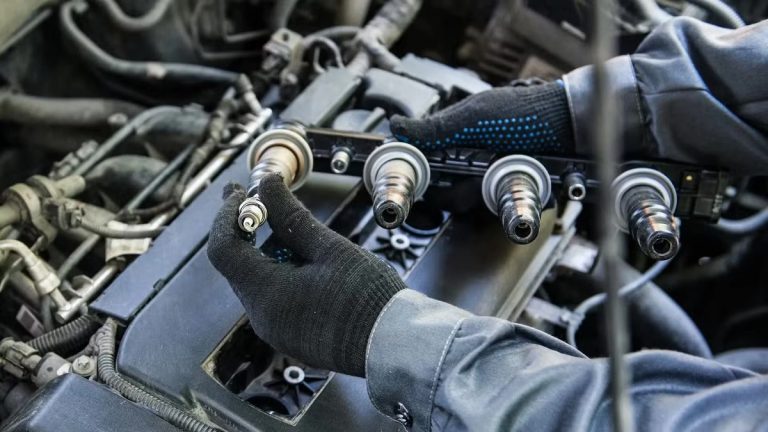
Regular inspection of your spark plugs helps detect early signs of wear or deposits. You should examine them during routine maintenance intervals, looking for signs of carbon buildup, corrosion, or electrode erosion. These issues can affect ignition efficiency and cause misfires or rough idling.
Cleaning spark plugs carefully with a wire brush or approved cleaner removes carbon deposits and residue that accumulate over time. Avoid harsh abrasives or aggressive cleaning methods that could damage the platinum tip. Ensuring the electrodes remain clean allows the spark to ignite the air-fuel mixture consistently, improving combustion and engine efficiency.
Frequent inspections and cleaning also help identify other engine problems early, such as oil leaks or fuel inconsistencies, which can reduce spark plug lifespan. By maintaining spark plug cleanliness, you protect both the plugs and the overall ignition system.
Monitor Engine Performance
Keeping track of your engine’s performance is key to extending spark plug life. Pay attention to rough idling, decreased acceleration, or unusual engine noises, as these can indicate spark plug wear or fouling. Detecting issues early allows for timely corrective measures before damage escalates.
Maintaining proper fuel quality, regular oil changes, and following the recommended engine maintenance schedule all contribute to spark plug longevity. A well-functioning engine produces stable combustion conditions, reducing stress and wear on platinum spark plugs.
Monitoring performance also helps you adjust driving habits, such as minimizing frequent short trips or aggressive acceleration, which can accelerate electrode wear. Being proactive ensures the spark plugs operate efficiently over their full service life.
Proper Installation and Gap Adjustment
Ensuring spark plugs are installed correctly is another important maintenance tip. Using the correct torque prevents damage to the threads and ensures a secure connection. Over-tightening can crack the porcelain insulator, while under-tightening can reduce heat dissipation and affect performance.
Checking and adjusting the spark plug gap according to manufacturer specifications is also critical. An incorrect gap can lead to misfires, rough idling, or inefficient combustion, all of which reduce the lifespan of your plugs. Platinum spark plugs are durable, but maintaining the correct gap ensures optimal performance throughout their service interval.
Correct installation and precise gap settings support efficient ignition, reduce engine strain, and maximize spark plug longevity. Following these practices prevents unnecessary replacements and helps maintain smooth engine operation.
Timely Replacement Intervals
Even with proper maintenance, spark plugs have a finite lifespan. Following the manufacturer-recommended replacement intervals ensures continued engine efficiency and prevents unexpected failures. Platinum spark plugs typically last longer than standard plugs, but ignoring replacement schedules can lead to misfires, decreased fuel efficiency, and reduced performance.
Tracking replacement intervals and performing routine inspections guarantees that worn plugs are replaced before they affect engine operation. Timely replacement also allows you to maintain the ignition system in optimal condition, supporting smooth acceleration, reliable starts, and consistent fuel economy.
FAQs
How Long Do Platinum Spark Plugs Last?
Platinum spark plugs typically last between 60,000 and 100,000 miles, depending on driving habits, engine type, and maintenance. Their durable platinum-tipped electrodes resist wear and corrosion better than standard copper plugs, allowing them to maintain a consistent spark over longer periods.
Proper engine care and using high-quality fuel can help you reach the upper range of their lifespan. Regular inspection and maintenance ensure they continue to deliver reliable ignition, efficient combustion, and smooth engine performance without causing misfires or rough idling.
Do Driving Conditions Affect Platinum Spark Plug Lifespan?
Yes, driving conditions can significantly affect how long platinum spark plugs last. Frequent stop-and-go traffic, short trips where the engine doesn’t reach optimal temperature, and aggressive driving can increase carbon buildup and wear on the electrodes.
Highway driving with steady speeds tends to cause less stress, allowing plugs to perform closer to their maximum lifespan. Harsh conditions like heavy towing or extreme temperatures may shorten service life. Adapting driving habits and monitoring engine performance can help extend the longevity of platinum spark plugs.
Can Engine Type Influence Spark Plug Longevity?
Absolutely, engine type plays a major role in spark plug lifespan. High-performance engines, turbocharged engines, or engines that operate at higher temperatures tend to wear plugs faster due to increased combustion stress and heat.
Conversely, well-maintained, naturally aspirated engines with stable operating temperatures can allow platinum spark plugs to reach their full service life. Regular maintenance, proper combustion, and attention to engine health help ensure your spark plugs last as long as possible.
How Can I Tell My Platinum Spark Plugs Need Replacement?
You may notice rough idling, engine misfires, difficulty starting, or decreased fuel efficiency as signs that your platinum spark plugs need replacement. Visual indicators like worn electrodes, carbon deposits, or discoloration also signal the end of service life.
Addressing these signs promptly ensures smooth engine operation, prevents catalytic converter damage from unburned fuel, and maintains fuel efficiency. Regular inspections help you identify worn plugs before they affect overall performance or lead to costly repairs.
Does Fuel Quality Impact Spark Plug Life?
Yes, fuel quality directly affects how long platinum spark plugs last. Poor-quality or contaminated fuel can leave carbon deposits or cause electrode fouling, reducing spark efficiency and accelerating wear.
Using high-quality fuel with the proper octane level helps maintain clean combustion, preventing buildup and preserving ignition efficiency. This ensures platinum spark plugs continue to operate optimally, providing smooth engine performance, reliable starts, and efficient fuel usage over their full lifespan.
Can Proper Maintenance Extend Spark Plug Longevity?
Proper maintenance is crucial for maximizing platinum spark plug life. Regular inspections, timely cleaning of carbon deposits, and following the manufacturer-recommended replacement schedule all help maintain ignition efficiency.
Maintaining a healthy engine, using quality fuel, and monitoring performance for misfires or rough idling reduces unnecessary wear. Proper torque during installation and correct spark plug gap adjustments also prevent damage. Combining these maintenance practices allows your spark plugs to perform reliably and last longer, minimizing the risk of engine problems.
Are Platinum Spark Plugs Better Than Copper for Longevity?
Yes, platinum spark plugs are generally longer-lasting than copper plugs due to the durability of the platinum-tipped electrodes. Copper plugs wear faster and require replacement every 20,000 to 30,000 miles, while platinum plugs can last up to 100,000 miles under optimal conditions.
Their resistance to corrosion, erosion, and high temperatures allows platinum plugs to maintain consistent spark performance over extended periods. Choosing platinum spark plugs and practicing proper maintenance ensures reliable ignition, improved fuel efficiency, and reduced replacement frequency compared to copper alternatives.
Conclusion
Proper spark plug maintenance is essential for keeping your engine running smoothly and efficiently. Platinum spark plugs are designed for durability, but their performance can decline over time due to factors like driving habits, engine conditions, and fuel quality. Regular checks help ensure your vehicle maintains optimal performance and avoids unnecessary wear.
Knowing how long do platinum spark plugs last allows you to plan timely replacements before issues arise. While many last between 60,000 and 100,000 miles, extreme conditions or neglect can shorten their lifespan. Watching for signs like engine misfires, rough idling, or decreased fuel efficiency can help you detect when it’s time for a change.
By following proper maintenance routines and addressing issues promptly, you can maximize the life of your spark plugs. Understanding how long do platinum spark plugs last ensures better engine reliability, smoother performance, and reduced risk of costly repairs over the long term.