Why Is My Automatic Car Not Shifting Gears: Causes, Diagnosis, and Fixes
Experiencing trouble with your automatic transmission can be frustrating and stressful, especially when the car hesitates or refuses to shift gears smoothly. Many drivers rely on the seamless operation of automatic gearboxes, so any disruption can make driving unpredictable and potentially unsafe.
One common concern that often arises is why is my automatic car not shifting gears. This issue can appear as delayed shifting, hard shifts, slipping between gears, or complete refusal to change gears. Such behavior is a clear sign that something within the transmission system, whether mechanical, hydraulic, or electronic, needs attention.
Transmission problems can stem from a variety of sources, including low or contaminated transmission fluid, sensor malfunctions, or internal wear and tear. Understanding the potential causes and recognizing the symptoms early can save you from more costly repairs down the road. Being aware of what triggers shifting issues allows you to take prompt action, ensuring your vehicle remains safe and reliable while driving.
Common Symptoms Drivers Notice
When an automatic car stops shifting gears properly, it usually exhibits a range of warning signs that alert drivers to a potential problem. Recognizing these symptoms early helps prevent further damage to the transmission and ensures safe, reliable operation. Understanding what to watch for makes it easier to identify the root cause and take appropriate action before minor issues become costly repairs.
Delayed or Hesitant Shifting
One of the most common symptoms is delayed or hesitant gear changes. Drivers may notice a pause when the car is moving from one gear to another, such as when accelerating from a stop or cruising at highway speeds. The engine may rev higher than usual before the transmission finally engages the next gear.
Delayed shifting can be caused by low transmission fluid, worn clutches, or malfunctioning shift solenoids. It creates a noticeable lag between throttle input and vehicle response, which can feel like the car is struggling to accelerate. Left unaddressed, this issue may worsen, potentially leading to slipping gears or transmission overheating. Observing when the delays occur—such as during acceleration, deceleration, or under load—can help pinpoint whether the problem is fluid-related, mechanical, or electronic.
Hard or Abrupt Shifts
Another common symptom is hard or abrupt shifting, where the vehicle jerks noticeably when changing gears. This can happen during regular driving or when downshifting, creating a rough and uncomfortable ride. Drivers may feel a sudden jolt, which can also put extra stress on the transmission and drivetrain components.
Hard shifts are often caused by worn clutch packs, low or degraded transmission fluid, or a failing torque converter. Electronic issues, such as faulty sensors or control modules, can also result in abrupt gear changes. Regular maintenance, including checking fluid levels and condition, helps reduce the risk of harsh shifts. Monitoring when these shifts occur—whether at low speeds, during acceleration, or while cruising—provides clues about the source of the problem.
Transmission Slipping
Transmission slipping occurs when the engine revs increase without a corresponding acceleration in the vehicle. Drivers may notice the car suddenly drops to a lower gear or shifts unexpectedly, making acceleration feel inconsistent. Slipping often indicates worn internal components or low hydraulic pressure within the transmission.
This symptom can be particularly dangerous on highways or when climbing hills, as it reduces the driver’s ability to control speed effectively. Common causes include worn clutch packs, failing bands, or low-quality transmission fluid. Detecting slipping early allows for fluid replacement, adjustment, or component repair before extensive damage occurs. Drivers should note whether slipping occurs under heavy load, during quick acceleration, or randomly, as this pattern can aid in accurate diagnosis.
Unusual Noises During Shifting
Many drivers also report unusual noises when the transmission struggles to shift. This can include whining, humming, or clunking sounds, often synchronized with gear changes. Such noises indicate friction, wear, or internal damage within the transmission components.
Low or dirty transmission fluid, failing bearings, or worn gears can produce these sounds. Electronic issues, like malfunctioning solenoids or sensors, may also contribute. Listening carefully to when and how the noises occur helps identify the source. Early attention to unusual shifting noises prevents further transmission damage, maintains smooth gear engagement, and ensures safer driving conditions.
Dashboard Warning Lights
Finally, dashboard warning lights often accompany gear-shifting issues. The check engine light or a dedicated transmission warning light may illuminate when the transmission control module detects a problem. Drivers may ignore these lights initially, but they serve as important alerts to underlying mechanical or electronic issues.
Modern vehicles use sensors and ECU diagnostics to monitor transmission performance. A warning light can indicate low fluid levels, sensor malfunctions, or mechanical wear. Reading diagnostic trouble codes (DTCs) helps pinpoint the exact issue, allowing for targeted repairs. Observing and responding to these signals promptly ensures transmission longevity and prevents more serious failures.
Transmission Fluid-Related Issues
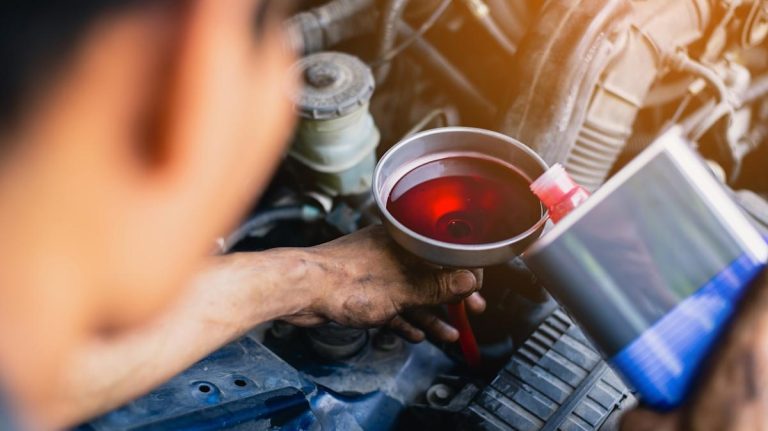
Transmission fluid is the lifeblood of an automatic transmission, providing lubrication, hydraulic pressure, and cooling for moving components. Problems with fluid levels, quality, or contamination are among the most common causes of an automatic car not shifting gears properly. Understanding how fluid issues affect performance helps identify symptoms early and prevent costly transmission repairs.
Low Transmission Fluid
Low transmission fluid is one of the most frequent causes of shifting problems. When fluid levels drop, hydraulic pressure decreases, preventing smooth gear engagement. Drivers may notice delayed or harsh shifts, slipping gears, or the transmission failing to engage altogether.
Low fluid can result from leaks in seals, gaskets, or fluid lines. It may also occur due to infrequent fluid checks or prolonged use without maintenance. Symptoms often include unusual whining or humming noises, overheating, or a burning smell from the transmission. Monitoring fluid levels regularly and addressing leaks promptly restores proper hydraulic pressure and improves gear-shifting reliability.
Contaminated or Dirty Transmission Fluid
Transmission fluid degrades over time due to heat, friction, and contamination. Dirty or burnt fluid loses its ability to lubricate and transmit hydraulic pressure effectively, causing hesitation, hard shifts, or slipping gears.
Contaminants such as metal particles or sludge indicate internal wear and can accelerate transmission damage if not addressed. Drivers may notice a dark or gritty fluid color, unusual odors, or erratic shifting behavior. Regular fluid replacement according to manufacturer recommendations ensures proper lubrication, reduces friction, and maintains smooth gear engagement.
Using the Wrong Type of Transmission Fluid
Using the wrong type of transmission fluid can also lead to shifting issues. Automatic transmissions are designed for specific fluid types with precise viscosity, friction characteristics, and additives. Incorrect fluid may fail to provide adequate lubrication, disrupt hydraulic pressure, or impair clutch operation.
Drivers may notice delayed engagement, slipping, or difficulty shifting between gears. Over time, the wrong fluid can damage seals, clutches, and internal components, leading to more severe transmission problems. Always check the owner’s manual for the correct fluid type and adhere to recommended service intervals to maintain optimal performance.
Fluid Overheating
Overheating transmission fluid is another critical factor affecting gear shifting. High temperatures reduce fluid effectiveness, increase internal wear, and can trigger limp mode in modern transmissions. Signs of overheating include harsh or delayed shifts, unusual noises, or warning lights on the dashboard.
Fluid overheating often results from towing heavy loads, driving in hot conditions, or low fluid levels. Installing an auxiliary cooler or ensuring proper fluid maintenance helps prevent excessive heat buildup. Maintaining correct fluid levels and quality allows the transmission to operate at optimal temperatures, ensuring smooth and reliable shifting.
Monitoring and Maintenance Tips
Regular monitoring of transmission fluid levels, color, and smell is crucial for preventing fluid-related shifting problems. Scheduled fluid changes, leak inspections, and using the correct type of fluid help maintain transmission health and prevent unexpected gear engagement issues. Proper fluid care ensures smooth operation, extends the lifespan of the transmission, and reduces the likelihood of expensive repairs.
Mechanical and Internal Transmission Problems
Mechanical and internal issues within an automatic transmission can prevent smooth gear changes and, in severe cases, cause the car not to shift gears at all. These problems often involve worn or damaged internal components, which directly impact hydraulic pressure, clutch engagement, and overall transmission performance. Recognizing early warning signs is crucial for avoiding costly repairs and ensuring the vehicle remains safe to drive.
Worn Clutch Packs
Automatic transmissions use clutch packs to engage and disengage gears. Over time, these clutches can wear out due to friction and heat, leading to slipping or delayed gear engagement. Drivers may notice the transmission hesitating, jolting between gears, or failing to shift entirely.
Slipping clutches often become apparent under load, such as during acceleration, towing, or climbing hills. The engine may rev higher than usual without a corresponding increase in vehicle speed, creating a sense of lost power. Worn clutch packs can also generate heat, accelerating further wear and potentially damaging other internal components. Timely inspection and replacement of worn clutches restore proper gear engagement and improve transmission reliability.
Damaged or Worn Gears
Gears themselves can wear or become damaged due to prolonged use, inadequate lubrication, or excessive stress. Worn gears may grind, produce unusual noises, or cause the transmission to skip or hesitate during shifts. Drivers often hear clunking or whining sounds when shifting between gears or notice the car failing to accelerate smoothly.
Damaged gears compromise the mechanical connection between the engine and drivetrain, affecting overall performance and increasing the risk of total transmission failure. Early detection through fluid inspection, listening for unusual noises, and monitoring shifting behavior can prevent further damage and reduce repair costs. Proper maintenance and addressing gear wear promptly ensures continued smooth and safe operation.
Faulty Torque Converter
The torque converter is responsible for transferring engine power to the transmission while allowing the vehicle to idle without stalling. A failing torque converter can cause hard shifts, slipping, overheating, or a complete inability to engage gears.
When the torque converter malfunctions, drivers may notice delayed acceleration, strange noises, or vibrations at low speeds. The engine may also stall temporarily before the vehicle restarts, creating intermittent performance issues. Torque converter problems often stem from worn internal components, contaminated fluid, or overheating. Rebuilding or replacing the torque converter restores proper power transfer, smooth gear engagement, and overall transmission function.
Broken Bands and Hydraulic Issues
Automatic transmissions rely on bands and hydraulic systems to control gear changes. Worn or broken bands, leaks, or pressure inconsistencies can prevent gears from engaging properly, resulting in slipping, hard shifts, or failure to shift.
Hydraulic issues often cause erratic or unpredictable shifting patterns, which may appear during acceleration, deceleration, or while driving at steady speeds. Detecting these problems early involves monitoring fluid pressure and inspecting for leaks, unusual noises, or delayed shifts. Maintaining proper fluid levels and addressing mechanical wear promptly helps restore correct hydraulic function and ensures reliable gear engagement.
Early Detection and Maintenance
Regular transmission maintenance, including fluid inspections, filter replacement, and listening for unusual noises, can prevent many internal mechanical problems. Early detection of worn clutches, gears, or torque converter issues reduces the risk of catastrophic failure, extends the lifespan of the transmission, and ensures smooth, reliable gear shifting across all driving conditions.
Electronic and Sensor Malfunctions
Modern automatic transmissions rely heavily on electronics and sensors to manage gear shifts accurately. Malfunctions in these systems can disrupt communication between the transmission control module (TCM) and the vehicle, leading to delayed, harsh, or failed gear shifts. Understanding how electronic and sensor issues affect shifting helps drivers identify problems early and avoid costly transmission repairs.
Faulty Transmission Control Module (TCM)
The TCM acts as the brain of the transmission, monitoring sensor inputs and controlling shift timing. A faulty TCM can cause erratic shifting, delayed gear engagement, or failure to shift altogether. Drivers may notice the transmission slipping, jumping between gears unexpectedly, or entering “limp mode” to protect itself from damage.
Malfunctions often result from software glitches, internal component failures, or exposure to heat and vibration over time. Diagnosing TCM problems typically requires specialized scan tools that can read error codes and perform live system monitoring. Addressing TCM issues promptly is essential, as a failing module can affect the entire transmission system, compromising reliability and drivability.
Malfunctioning Speed or Position Sensors
Sensors such as vehicle speed sensors (VSS), crankshaft position sensors, and throttle position sensors provide critical data to the TCM for accurate gear selection. A faulty sensor can send incorrect or intermittent signals, causing the transmission to hesitate, shift erratically, or fail to engage gears.
Symptoms often include delayed shifting, inconsistent acceleration, or the transmission staying in a single gear. Drivers may also notice the check engine light illuminated. Sensor failures are more common in higher-mileage vehicles or those exposed to extreme heat, moisture, or vibration. Replacing faulty sensors restores accurate communication between the transmission and the TCM, improving gear engagement and overall vehicle performance.
Issues With Shift Solenoids
Shift solenoids control hydraulic pressure to engage and disengage gears in an automatic transmission. When a solenoid malfunctions, the transmission may hesitate, fail to shift, or shift abruptly. Drivers may notice delayed engagement when moving from park to drive or unusual jerks during gear changes.
Solenoid failures can result from clogged fluid passages, electrical shorts, or worn internal components. Diagnosing the problem involves scanning for transmission trouble codes and testing solenoid operation with diagnostic equipment. Replacing or cleaning faulty solenoids restores proper hydraulic control, smooth gear changes, and prevents further transmission damage.
Electrical Wiring and Connection Problems
Loose, corroded, or damaged wiring can interrupt signals between sensors, the TCM, and the transmission. These disruptions often cause intermittent shifting issues that appear unpredictably during driving. Drivers may notice sudden stalls, erratic gear engagement, or the vehicle stuck in a single gear.
Regular inspection of wiring harnesses, connectors, and grounds helps maintain stable electrical communication. Cleaning or repairing damaged connections ensures reliable sensor signals and proper transmission control. Maintaining secure and corrosion-free wiring is crucial for consistent electronic operation and prevents unexpected transmission failures.
Electronic and sensor malfunctions can significantly impact transmission performance, causing delays, erratic shifts, or complete failure to change gears. Early detection through observation, diagnostic scans, and electrical inspections allows for timely repairs, maintaining smooth and reliable automatic transmission operation.
Diagnosing Gear Shifting Problems
Identifying why your automatic car is not shifting gears properly requires a structured diagnostic approach. Gear-shifting issues can stem from mechanical wear, fluid problems, or electronic malfunctions. Understanding how to observe symptoms, test components, and analyze data helps pinpoint the root cause and ensures repairs are targeted and effective. Accurate diagnosis prevents unnecessary replacements and maintains the transmission’s longevity.
Observing Driving Behavior and Patterns
The first step in diagnosing gear-shifting problems is carefully observing how and when the issue occurs. Note whether the problem appears during acceleration, deceleration, idling, or while cruising at steady speeds. This helps narrow down potential causes to specific systems, such as hydraulic, mechanical, or electronic components.
Pay attention to additional symptoms like jerking, slipping, delayed engagement, or unusual noises during gear changes. For example, delayed shifts under load often indicate fluid or solenoid issues, while hard or abrupt shifts may point to worn clutch packs or gears. Recording these patterns over several drives provides valuable information for a more accurate diagnosis.
Checking Transmission Fluid and Filters
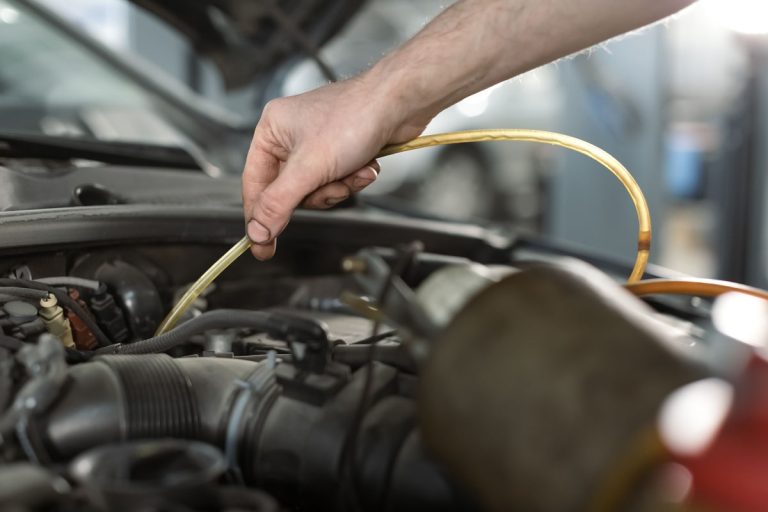
Transmission fluid plays a critical role in smooth shifting, and issues with fluid can mimic more serious mechanical failures. Inspect the fluid level, color, and smell. Low or burnt fluid often leads to slipping, delayed shifts, or overheating.
Transmission filters should also be checked for clogs or contamination, which can restrict hydraulic pressure and prevent proper gear engagement. Replacing fluid and filters according to manufacturer recommendations can resolve many shifting issues without major repairs. Observing changes in performance after fluid maintenance can help determine whether the problem is fluid-related or mechanical.
Inspecting Mechanical Components
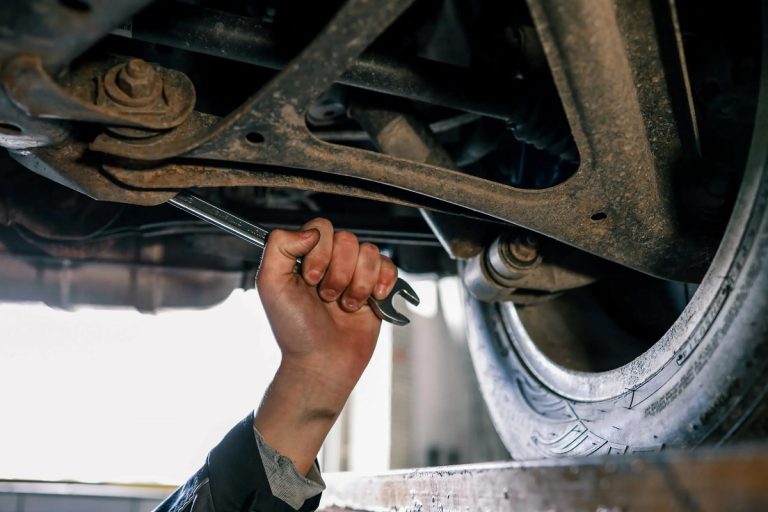
Mechanical wear within the transmission is a common cause of shifting problems. Components like clutch packs, gears, bands, and the torque converter should be inspected for wear, damage, or misalignment. Symptoms such as slipping, jerking, or sudden gear drops often indicate internal mechanical failure.
Testing involves checking hydraulic pressure, listening for unusual noises, and performing controlled shift tests. Early detection of worn or damaged parts allows for targeted repairs, preventing further internal damage and ensuring the transmission operates smoothly.
Diagnosing Electronic and Sensor Issues
Modern automatic transmissions rely heavily on sensors and the transmission control module (TCM). Using a diagnostic scan tool to read trouble codes and monitor live sensor data helps identify malfunctions in solenoids, speed sensors, throttle position sensors, or the TCM itself.
Intermittent signals from faulty sensors or wiring can cause erratic shifting, delayed engagement, or failure to shift. Inspecting wiring harnesses, connectors, and grounds ensures stable communication between components. Accurate electronic diagnosis ensures proper gear selection, restores smooth operation, and prevents further transmission damage.
A systematic approach combining observation, fluid checks, mechanical inspection, and electronic diagnostics allows drivers and technicians to pinpoint the root cause of gear-shifting problems. This method reduces unnecessary repairs and maintains safe, reliable transmission performance.
FAQs
Why Is My Automatic Car Not Shifting Gears Smoothly?
If your automatic car isn’t shifting smoothly, it may indicate low or contaminated transmission fluid. Proper fluid levels and quality are essential for hydraulic pressure and smooth gear engagement. Worn clutch packs or internal gears can also create rough or delayed shifts.
Electronic issues, such as faulty sensors or a malfunctioning TCM, can disrupt the timing of gear changes. Observing when the rough shifting occurs—during acceleration, deceleration, or idle—helps identify whether the problem is fluid-related, mechanical, or electronic, guiding effective repairs and preventing further damage.
Can Low Transmission Fluid Cause Shifting Problems?
Yes, low transmission fluid is a common reason your car may not shift properly. Transmission fluid lubricates moving parts, provides hydraulic pressure, and cools the system. Insufficient fluid can lead to slipping, delayed engagement, or complete failure to change gears.
Leaks from seals, gaskets, or fluid lines often cause low fluid levels. Regularly checking the transmission fluid and topping it up when needed helps maintain smooth shifts. Ignoring low fluid can lead to overheating, internal damage, and expensive repairs, making early detection critical for transmission longevity.
Could a Faulty Transmission Control Module Be the Cause?
Absolutely. The transmission control module (TCM) manages gear changes by interpreting data from various sensors. A malfunctioning TCM can cause erratic, delayed, or failed shifts.
Symptoms of a faulty TCM include the transmission staying in one gear, unexpected gear jumps, or activation of “limp mode.” Software glitches, internal component failures, or exposure to heat and vibration can cause TCM issues. Scanning for diagnostic trouble codes and testing the module allows for precise identification and timely repair, ensuring proper transmission operation.
How Do Worn Clutch Packs Affect Gear Shifting?
Worn clutch packs reduce friction within the transmission, causing slipping, delayed engagement, or harsh gear changes. Drivers may notice the engine revs without a corresponding increase in speed, especially under load or during acceleration.
Over time, excessive heat and friction worsen wear, potentially damaging other internal components. Replacing worn clutches restores proper gear engagement, smooths shifts, and prevents further transmission damage. Regular maintenance and monitoring for symptoms like jerking or slipping help catch clutch issues early.
Can Transmission Sensors Cause Gear Shifting Problems?
Yes, sensors like the vehicle speed sensor (VSS), throttle position sensor (TPS), and input/output speed sensors play a key role in gear selection. A faulty sensor can send incorrect or intermittent signals to the TCM, causing delayed, erratic, or failed gear changes.
Drivers may notice rough shifting, hesitation, or the transmission stuck in a single gear. Live data monitoring with a diagnostic scan tool can help detect sensor malfunctions. Replacing or repairing faulty sensors restores accurate communication with the TCM, ensuring smooth and reliable gear engagement.
What Role Does the Torque Converter Play in Shifting Issues?
The torque converter transfers engine power to the transmission and allows the car to idle without stalling. A failing torque converter can cause delayed engagement, slipping, or harsh shifts, affecting overall transmission performance.
Symptoms may include vibrations at low speeds, engine stalling, or jerky acceleration. Malfunctions often result from worn internal components, contaminated fluid, or overheating. Repairing or replacing a faulty torque converter restores proper power transfer, smooth gear engagement, and reliable operation, ensuring the automatic transmission functions as intended.
Conclusion
Experiencing trouble with your automatic transmission can be stressful, especially when gear changes become delayed, harsh, or fail entirely. These symptoms often point to issues with transmission fluid, mechanical components, or electronic systems that control shifting. Understanding why is my automatic car not shifting gears allows you to pinpoint the cause and take the necessary steps to prevent further damage.
Common problems include low or contaminated transmission fluid, worn clutch packs, faulty solenoids, or malfunctioning sensors. Ignoring these warning signs can lead to more severe transmission damage, costly repairs, or even complete transmission failure. Early diagnosis using tools like an OBD-II scanner, combined with careful inspection of mechanical and electronic components, is essential for restoring smooth and safe operation.
Regular maintenance, including fluid checks, timely repairs, and proper driving habits, can prevent gear-shifting issues from recurring. Addressing the root causes promptly ensures reliable performance, prolongs the life of your transmission, and keeps your driving experience safe and stress-free.