Troubleshooting Engine Popping Noise and Power Loss: Causes, Symptoms, and Practical Fixes
That sudden popping sound from the engine combined with a noticeable drop in power can turn an ordinary drive into a stressful experience. The vehicle may feel rough, hesitate during acceleration, or struggle to maintain speed, making every mile feel uncertain. These symptoms often show up without warning and can easily shake a driver’s confidence.
Many drivers describe the noise as a sharp pop, backfire, or even a small explosion coming from the engine or exhaust. Alongside that sound, the loss of power can make the car feel sluggish, especially during uphill driving or while overtaking. This combination usually points to underlying mechanical or fuel-related issues that deserve attention.
Troubleshooting Engine Popping Noise and Power Loss becomes essential to prevent further damage and restore smooth performance. Ignoring these signs can allow minor faults to grow into costly repairs over time.
Understanding what causes these problems helps drivers make smarter decisions and communicate more clearly with mechanics. With the right approach, the issue can be narrowed down, addressed early, and resolved before it affects reliability and safety on the road.
Driving Conditions That Trigger Engine Popping Noise and Power Loss
Certain driving situations tend to expose weaknesses in the engine, fuel delivery, or ignition system. When the vehicle is pushed beyond gentle cruising, hidden problems become easier to notice through popping sounds and reduced power. These conditions place extra demand on airflow, fuel mixture, and combustion timing, making them key moments when engine behavior changes and warning signs appear.
Hard Acceleration And Sudden Throttle Input
Rapid acceleration puts immediate pressure on the engine to deliver power smoothly. When the accelerator is pressed aggressively, the fuel system and ignition components must react instantly to maintain proper combustion. During this moment, popping noises may occur as unburned fuel ignites late or escapes into the exhaust system. Power loss often follows, making the car feel slower than expected.
In real driving, this commonly happens while merging onto highways or overtaking slower traffic. The engine may hesitate before responding, then produce a popping sound that signals uneven combustion. This behavior often feels inconsistent, where power comes and goes instead of building steadily.
Repeated hard acceleration highlights issues such as weak ignition coils, worn spark plugs, or restricted fuel flow. The engine struggles to keep the air and fuel mixture balanced, especially under load. As pressure increases, even small inefficiencies become noticeable through sound and performance.
Over time, frequent aggressive driving under these conditions worsens the symptoms. The popping noise becomes more frequent, and the power loss more pronounced. Drivers often notice the vehicle feels unreliable during quick throttle changes, even though it performs acceptably during light cruising.
Driving Uphill Or Under Heavy Load
Climbing hills or carrying heavy cargo forces the engine to work harder for longer periods. This sustained demand increases combustion temperatures and stresses the fuel and ignition systems. During uphill driving, popping noises can emerge as the engine struggles to maintain consistent firing under pressure.
Power loss becomes especially noticeable on steep inclines. The vehicle may slow down despite steady throttle input, making the engine sound strained. Popping sounds during this condition often come from delayed ignition or incomplete combustion, which becomes more obvious when torque demand is high.
Long uphill drives expose airflow restrictions and fuel delivery weaknesses. The engine requires more oxygen and fuel to climb efficiently, and any imbalance leads to misfires. These misfires release excess fuel into the exhaust, creating popping noises that echo more clearly under load.
Drivers often sense this issue during highway inclines or mountain roads, where maintaining speed becomes difficult. The engine may feel fine on flat roads but underperform on hills. This contrast makes uphill driving one of the most common conditions that reveal popping noise and power loss problems.
Stop And Go Traffic In Urban Driving
City driving creates constant changes in engine demand due to frequent braking and acceleration. Stop and go traffic forces the engine to repeatedly shift between idle and low-speed power delivery. During these transitions, popping noises may occur as the combustion process struggles to stabilize.
Power loss in traffic often feels like delayed throttle response. The car may hesitate when pulling away from a stop, then produce a popping sound before moving forward smoothly. This pattern can be frustrating, especially when quick response is needed in tight traffic conditions.
Urban driving highlights issues related to fuel mixture control and sensor feedback. The engine management system continuously adjusts settings to match speed changes. When components fail to respond accurately, combustion becomes uneven, leading to audible pops and inconsistent power.
Over time, these symptoms become more noticeable in congested areas. The engine feels rough at low speeds, and the popping sound appears during light acceleration. While highway driving may mask the issue, stop and go traffic makes these problems impossible to ignore.
High Speed Cruising And Sustained Highway Driving
Extended highway driving places steady demand on the engine at higher speeds. During this condition, the engine runs at elevated RPM for long periods, requiring precise fuel delivery and ignition timing. Popping noises at high speed often signal combustion irregularities that only appear under sustained load.
Power loss during cruising may feel subtle at first. The vehicle struggles to maintain speed on gentle inclines or requires more throttle than usual. Popping sounds may occur intermittently, especially when maintaining speed after acceleration.
High speed conditions expose problems related to airflow and exhaust flow. The engine relies heavily on proper intake and exhaust efficiency at cruising speeds. Any restriction or imbalance becomes more pronounced, leading to delayed combustion and audible pops.
Drivers typically notice these symptoms during long trips. The vehicle may feel fine initially, then gradually lose power as the drive continues. The popping noise serves as an early warning that sustained highway conditions are pushing the engine beyond its current efficiency limits.
Fuel System Issues
Fuel system problems are a common cause behind engine popping noises and sudden power loss. The engine relies on a precise amount of clean fuel delivered at the right pressure to maintain smooth combustion. When any part of the fuel system fails to perform correctly, combustion becomes unstable, leading to misfires, hesitation, and noticeable popping sounds during driving.
Clogged Or Dirty Fuel Injectors
Fuel injectors are responsible for spraying a fine mist of fuel into the engine for proper combustion. Over time, deposits from low-quality fuel or contaminants can build up inside the injectors. When this happens, the spray pattern becomes uneven, causing certain cylinders to receive too much fuel while others receive too little.
This imbalance often results in incomplete combustion, which creates popping noises as unburned fuel ignites late in the exhaust system. Power loss becomes noticeable because the engine cannot generate consistent energy across all cylinders. Drivers may feel rough acceleration, shaking, or hesitation, especially during throttle input.
Dirty injectors commonly show symptoms during everyday driving, such as sluggish response at low speeds or jerking during acceleration. The engine may sound fine at idle but struggle once more power is required. These issues gradually worsen as deposits continue to accumulate.
Left unaddressed, clogged injectors can lead to persistent misfires and increased fuel consumption. The popping noise becomes more frequent, and overall engine performance declines. Regular maintenance and clean fuel delivery play a major role in preventing this type of fuel system failure.
Failing Fuel Pump Or Low Fuel Pressure
The fuel pump ensures that fuel reaches the engine at the correct pressure. When the pump weakens or begins to fail, fuel delivery becomes inconsistent. Low fuel pressure prevents the engine from receiving enough fuel during high-demand situations, leading to power loss and irregular combustion.
Popping noises often appear when the engine struggles to maintain the proper air-fuel ratio. As pressure drops, the mixture becomes too lean, causing misfires. These misfires allow unburned fuel to pass into the exhaust, where it ignites and creates sharp popping sounds.
Drivers may notice these symptoms during acceleration, uphill driving, or highway cruising. The vehicle may feel fine at low speeds but lose power when more throttle is applied. In some cases, the engine may hesitate or surge as fuel pressure fluctuates.
A failing fuel pump can also cause starting issues and sudden stalling. As the condition worsens, the engine becomes increasingly unreliable. Addressing fuel pressure problems early helps restore smooth operation and prevents further stress on other engine components.
Contaminated Or Low Quality Fuel
Fuel quality plays a critical role in engine performance. Contaminated fuel containing water, dirt, or debris disrupts the combustion process. When poor-quality fuel enters the system, it burns unevenly, leading to popping noises and reduced engine power.
Water in fuel is especially problematic. It prevents proper ignition and causes misfires that result in popping sounds from the engine or exhaust. Power loss becomes noticeable as the engine struggles to maintain consistent combustion across all cylinders.
Low-quality fuel may also contain improper additives or insufficient octane levels. This can cause premature or delayed ignition, both of which create abnormal engine noises. Drivers often notice rough acceleration, engine knocking, or hesitation after refueling.
These issues can appear suddenly, making them difficult to diagnose without considering recent fueling habits. Over time, contaminated fuel can damage injectors, fuel pumps, and filters. Maintaining clean fuel sources and replacing filters regularly helps reduce the risk of popping noises and performance issues.
Clogged Fuel Filter Restricting Flow
The fuel filter is designed to trap contaminants before they reach the engine. As it collects debris, it gradually becomes restricted. A clogged fuel filter limits fuel flow, especially during high-demand driving conditions, leading to power loss and unstable combustion.
When fuel flow is restricted, the engine receives less fuel than required. This creates a lean mixture that causes misfires. Popping noises occur as combustion becomes incomplete, allowing excess air or fuel to ignite in the exhaust system.
Drivers may notice hesitation during acceleration or difficulty maintaining speed. The engine may feel weak, particularly when driving uphill or carrying heavy loads. At idle, the vehicle might run smoothly, masking the problem until more power is needed.
As the filter becomes more blocked, symptoms worsen. Power loss becomes consistent, and popping noises occur more frequently. Replacing the fuel filter at recommended intervals ensures proper fuel delivery and helps maintain stable engine performance under all driving conditions.
Ignition System Problems
The ignition system plays a vital role in starting the combustion process inside the engine. It delivers the spark needed to ignite the air and fuel mixture at precisely the right moment. When ignition components begin to fail, combustion becomes inconsistent, leading to engine popping noises, misfires, and noticeable power loss during different driving conditions.
Worn Or Faulty Spark Plugs
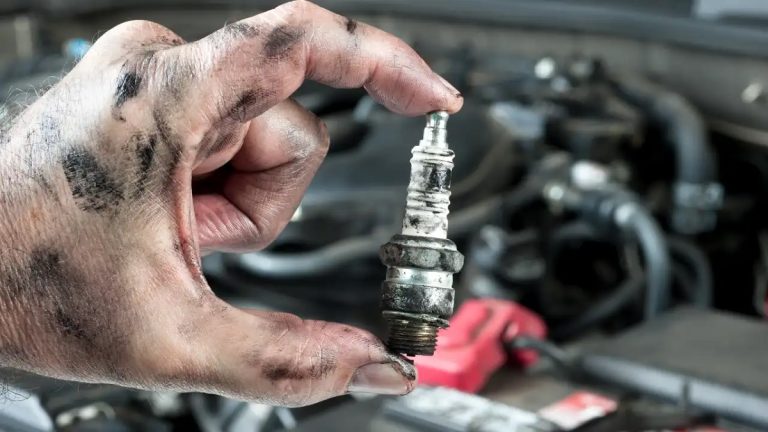
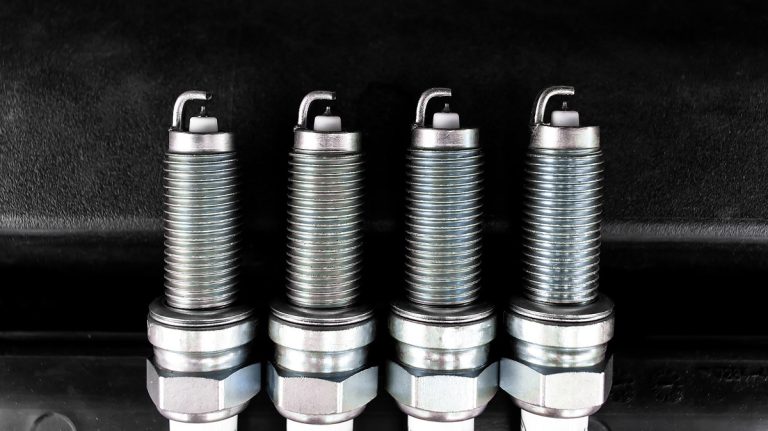
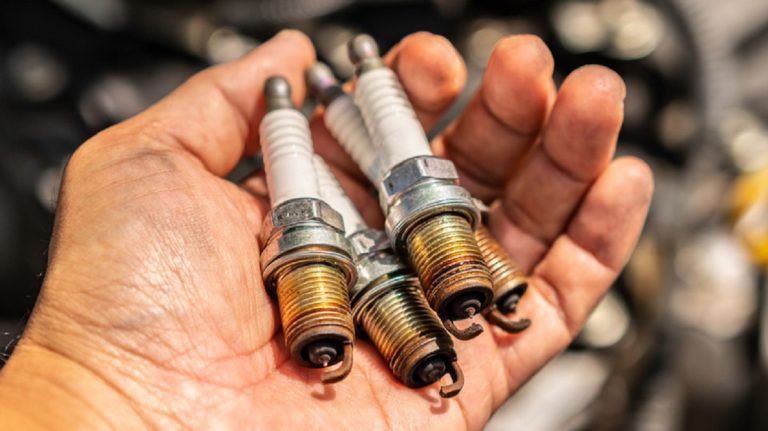
Spark plugs are responsible for igniting the fuel mixture in each cylinder. Over time, their electrodes wear down or become coated with carbon deposits. When this happens, the spark weakens or becomes irregular, causing incomplete combustion that leads to popping noises.
Power loss often accompanies worn spark plugs because the engine cannot burn fuel efficiently. Drivers may feel hesitation during acceleration, rough idling, or a lack of responsiveness when pressing the accelerator. These symptoms tend to worsen under load, such as during uphill driving or quick throttle changes.
Popping sounds usually occur when unburned fuel escapes into the exhaust system and ignites late. This creates sharp noises that are especially noticeable during acceleration or deceleration. The engine may also feel unstable, with performance varying from moment to moment.
As spark plugs continue to degrade, misfires become more frequent. Fuel consumption increases, and engine performance steadily declines. Regular inspection and timely replacement of spark plugs help maintain consistent ignition and prevent popping noises linked to incomplete combustion.
Failing Ignition Coils Or Coil Packs
Ignition coils convert battery voltage into the high voltage needed to create a spark. When a coil begins to fail, it may deliver inconsistent power to the spark plug. This inconsistency causes misfires that disrupt the combustion process and lead to popping noises.
Power loss becomes noticeable when one or more coils fail to fire properly. The engine may run unevenly, especially during acceleration or under load. Drivers often describe the feeling as a sudden drop in power followed by brief recovery, making the vehicle feel unreliable.
Popping noises often occur when misfiring cylinders allow unburned fuel to pass into the exhaust. As this fuel ignites, it produces sharp pops that signal uneven ignition timing. These sounds may increase during highway driving or rapid throttle input.
Over time, a failing ignition coil places extra stress on other components, including spark plugs and the catalytic converter. Continued driving with weak coils worsens performance and increases repair costs. Addressing coil issues early restores smooth power delivery and reduces engine noise.
Incorrect Ignition Timing
Ignition timing determines when the spark occurs in relation to piston movement. When timing is incorrect, combustion happens too early or too late. This imbalance disrupts engine efficiency and often results in popping noises and reduced power output.
Late ignition timing allows fuel to ignite after the exhaust valve opens. This causes popping sounds as combustion spills into the exhaust system. Power loss follows because the fuel energy is not used effectively to drive the piston downward.
Drivers may notice sluggish acceleration, poor fuel economy, and inconsistent performance. The engine may feel strained, especially during heavy load or highway cruising. These symptoms often develop gradually, making timing issues harder to detect without close attention.
Incorrect timing can result from sensor failures, timing belt wear, or engine control issues. Left uncorrected, it can lead to overheating and long-term engine damage. Ensuring proper ignition timing is essential for smooth combustion and stable engine performance.
Damaged Spark Plug Wires Or Electrical Connections
Spark plug wires and electrical connections carry high-voltage current from the ignition coil to the spark plug. When these components become cracked, corroded, or loose, the electrical signal weakens or leaks. This causes inconsistent sparking and misfires.
Popping noises emerge when the spark fails to ignite the fuel mixture at the right moment. Unburned fuel travels into the exhaust system, where it ignites and creates audible pops. Power loss often feels intermittent, with the engine surging or hesitating unexpectedly.
Drivers may notice performance issues during wet or humid conditions. Moisture can worsen electrical leakage, making misfires more frequent. The engine may run smoothly at times and poorly at others, creating confusion about the source of the problem.
As electrical damage progresses, misfires become more consistent. Engine performance declines, and popping noises increase. Maintaining clean, secure ignition connections helps ensure reliable spark delivery and prevents ignition-related power loss during everyday driving.
Air Intake and Vacuum Leaks Affecting Engine Performance
The air intake system controls how much clean air enters the engine for combustion. Along with vacuum lines, it helps maintain the correct air and fuel balance. When leaks or restrictions develop, the engine receives inaccurate airflow information, leading to popping noises, misfires, and noticeable power loss during normal driving conditions.
Cracked Or Loose Intake Hoses
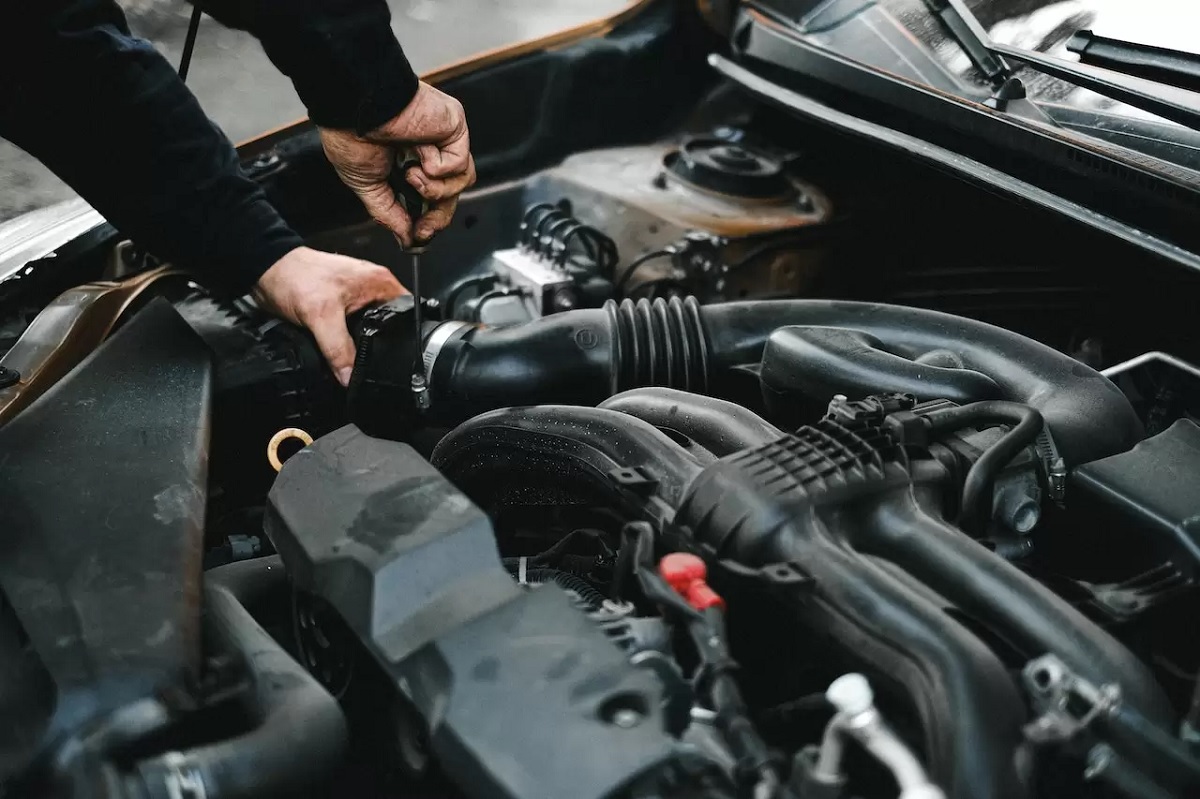
Intake hoses carry air from the air filter to the engine. Over time, heat and vibration can cause these hoses to crack, loosen, or collapse. When unmetered air enters through damaged hoses, the engine control system cannot adjust fuel delivery accurately, resulting in an uneven air and fuel mixture.
This imbalance often causes popping noises as combustion becomes inconsistent. Power loss follows because the engine struggles to generate stable energy. Drivers may notice hesitation during acceleration or a rough idle that smooths out only at certain speeds.
Cracked intake hoses commonly cause symptoms that appear suddenly. The vehicle may run normally one day and poorly the next. The popping sound may occur during throttle input or when the engine is under load, making driving unpredictable.
As damage worsens, the leak allows more air to bypass sensors, further confusing the engine’s fuel calculations. This leads to more frequent misfires and reduced performance. Regular inspection of intake hoses helps prevent airflow-related issues from escalating.
Vacuum Leaks From Worn Or Disconnected Lines
Vacuum lines play a crucial role in controlling various engine systems, including fuel pressure regulation and emissions control. When these lines become brittle, cracked, or disconnected, vacuum pressure drops. This disrupts the engine’s ability to maintain a stable idle and proper combustion.
Vacuum leaks often cause popping noises during acceleration or deceleration. As excess air enters the system, the engine runs lean, creating misfires. Power loss becomes noticeable as the engine struggles to respond smoothly to throttle input.
Drivers may experience rough idling, stalling, or hesitation at low speeds. The engine may sound uneven, with popping noises occurring sporadically. These symptoms tend to worsen over time as vacuum leaks expand or additional lines fail.
Because vacuum lines are often hidden, leaks can go unnoticed. However, their impact on engine performance is significant. Addressing worn or disconnected vacuum lines restores proper airflow balance and reduces popping noises caused by lean combustion.
Dirty Or Faulty Mass Air Flow Sensor
The mass air flow sensor measures the amount of air entering the engine and sends this information to the engine control unit. When the sensor becomes dirty or faulty, it provides inaccurate readings. This leads to incorrect fuel delivery and unstable combustion.
Popping noises occur when the engine receives too much or too little fuel based on faulty airflow data. Power loss becomes evident as the engine cannot maintain consistent output. Drivers may notice hesitation during acceleration or poor response at steady speeds.
A contaminated sensor often causes intermittent issues. The engine may perform well at times and poorly at others. These fluctuations create confusion, as symptoms may disappear temporarily before returning under different driving conditions.
Over time, incorrect airflow readings stress other engine components. Fuel efficiency drops, and misfires become more frequent. Keeping the mass air flow sensor clean ensures accurate airflow measurement and helps maintain smooth engine performance.
Leaking Intake Manifold Gaskets
The intake manifold distributes air evenly to each cylinder. Gaskets seal the connection between the manifold and the engine. When these gaskets fail, air leaks into the engine, disrupting the air and fuel mixture.
Leaking intake manifold gaskets often cause popping noises and uneven power delivery. The engine may run rough at idle and lose power during acceleration. Misfires occur as cylinders receive inconsistent air volumes.
Drivers may notice symptoms worsen as the engine warms up. Heat causes materials to expand, increasing the size of the leak. This leads to more pronounced popping noises and power loss during normal driving.
Because intake manifold leaks affect multiple cylinders, their impact is widespread. Engine performance becomes unpredictable, and fuel efficiency declines. Repairing gasket leaks restores proper airflow and stabilizes combustion across all cylinders.
Exhaust System Faults
The exhaust system is responsible for safely directing combustion gases away from the engine while maintaining proper backpressure. When exhaust components fail or become restricted, engine efficiency drops. These faults often cause popping noises, rough operation, and power loss, especially during acceleration or deceleration when exhaust flow changes rapidly.
Exhaust Leaks Before The Catalytic Converter
Leaks in the exhaust system before the catalytic converter allow hot gases to escape prematurely. This disrupts normal exhaust flow and reduces backpressure, which the engine relies on for efficient operation. As gases escape, popping noises become noticeable, particularly during acceleration or when the throttle is released.
Power loss often follows because the engine cannot expel exhaust gases correctly. The imbalance affects how fresh air enters the cylinders, leading to uneven combustion. Drivers may feel sluggish performance, hesitation, or a lack of responsiveness when pressing the accelerator.
These leaks commonly occur at exhaust manifolds, gaskets, or cracked pipes. Heat and vibration weaken metal components over time, making them more prone to failure. The popping sound may grow louder as the leak expands.
In addition to performance issues, exhaust leaks can allow oxygen to enter the system. This confuses sensors and worsens fuel mixture control. Addressing leaks early helps restore proper exhaust flow and stabilizes engine performance.
Clogged Or Failing Catalytic Converter
The catalytic converter reduces harmful emissions by filtering exhaust gases. When it becomes clogged or begins to fail, exhaust flow is restricted. This creates backpressure that interferes with engine breathing, leading to power loss and popping noises.
Drivers may notice a gradual decline in performance. The engine struggles to accelerate, especially at higher speeds or during uphill driving. Popping sounds often occur as exhaust gases are forced through a restricted pathway.
A failing catalytic converter can also cause excessive heat buildup. This heat affects nearby components and worsens performance problems. The engine may feel strained, with inconsistent power delivery and increased fuel consumption.
Over time, the restriction becomes more severe. Popping noises grow more frequent, and power loss becomes constant. Addressing converter issues restores exhaust flow and helps prevent further engine stress.
Damaged Muffler Or Exhaust Piping
The muffler and exhaust pipes are designed to reduce noise and maintain smooth exhaust flow. When these components become damaged or corroded, exhaust gases escape irregularly. This often produces popping sounds and changes in engine performance.
Power loss can occur when damaged piping disrupts exhaust pressure. The engine may struggle to expel gases efficiently, affecting how well it draws in fresh air. Drivers often notice a rough sound accompanied by reduced acceleration.
Corrosion is a common cause of exhaust damage, especially in vehicles exposed to moisture. Small holes grow larger over time, increasing noise and worsening performance. The popping sound may vary depending on engine speed.
As exhaust damage spreads, performance issues become more noticeable. The engine feels less responsive, and fuel efficiency declines. Repairing damaged mufflers and pipes restores proper exhaust flow and reduces popping noises.
Air Intake and Vacuum Leaks
The air intake and vacuum system work together to control how much air enters the engine and how that air is regulated for combustion. When leaks develop, unmetered air disrupts the air and fuel balance. This imbalance leads to rough engine behavior, popping noises, hesitation, and noticeable power loss during normal driving.
Cracked Or Disconnected Intake Hoses
Intake hoses carry filtered air from the air box to the engine. Over time, constant heat, vibration, and aging materials can cause these hoses to crack or loosen. When this happens, air enters the system without being measured, confusing the engine control unit and throwing off fuel delivery.
Popping noises often occur because the engine receives too much air and not enough fuel. This lean condition leads to misfires, especially during acceleration or when the engine is under load. Power loss follows as combustion becomes uneven and less efficient.
Drivers may notice rough idling, delayed throttle response, or sudden drops in power. These symptoms can appear unexpectedly, making the vehicle feel unreliable. The popping sound may increase when pressing the accelerator or during gear changes.
As the damage worsens, more unmetered air enters the engine, increasing misfires and performance issues. Regular inspection of intake hoses helps catch cracks or loose connections before they significantly affect engine performance.
Vacuum Line Leaks Affecting Engine Balance
Vacuum lines help regulate various engine functions, including fuel pressure and emissions control. When these lines become brittle, cracked, or disconnected, vacuum pressure drops. This disrupts the engine’s ability to maintain stable combustion and consistent power output.
Popping noises are common when vacuum leaks create a lean air and fuel mixture. Misfires occur as cylinders fail to ignite properly, allowing unburned fuel to reach the exhaust. Power loss becomes noticeable, especially at low speeds or during light acceleration.
Drivers may experience rough idling, stalling, or hesitation when starting from a stop. The engine may feel uneven, with popping sounds appearing intermittently. These symptoms often worsen as vacuum leaks expand or additional lines fail.
Because vacuum lines are small and often hidden, leaks can go unnoticed for long periods. Addressing worn or disconnected vacuum lines restores proper engine balance and reduces popping noises linked to unstable combustion.
Faulty Mass Air Flow Sensor Or Airflow Sensor Issues
The mass air flow sensor measures incoming air and sends this data to the engine control unit. When the sensor becomes dirty or malfunctions, it provides incorrect readings. This leads to improper fuel delivery and inconsistent combustion.
Popping noises occur when fuel delivery does not match actual airflow. The engine may run lean or rich at different times, causing misfires and power loss. Drivers often notice hesitation during acceleration or poor response at steady speeds.
Sensor-related issues can feel unpredictable. The engine may perform normally under certain conditions and poorly under others. This inconsistency makes diagnosis challenging and can lead to worsening performance over time.
Keeping airflow sensors clean and functioning properly ensures accurate air measurement. Proper sensor operation supports stable combustion and helps prevent popping noises caused by incorrect fuel calculations.
Leaking Intake Manifold Gaskets
Intake manifold gaskets seal the connection between the intake manifold and the engine. When these gaskets wear out or fail, air leaks into the engine where it should not. This disrupts airflow distribution and fuel mixture balance.
Leaking gaskets often cause popping noises and rough engine behavior. Power loss becomes noticeable during acceleration, while idle quality may become unstable. Misfires occur as different cylinders receive uneven amounts of air.
Drivers may notice symptoms worsen as the engine warms up. Heat causes materials to expand, increasing the size of the leak. This results in more pronounced popping sounds and reduced performance.
Because intake manifold leaks affect multiple cylinders, they can significantly impact engine operation. Repairing faulty gaskets restores proper airflow and helps stabilize engine performance across all driving conditions.
Mechanical Engine Problems
Mechanical engine problems often develop gradually but can have a major impact on performance. When internal components wear or fall out of alignment, combustion efficiency drops. These issues commonly lead to engine popping noises, rough operation, and power loss, especially under load or during acceleration when engine stress is highest.
Low Compression In One Or More Cylinders
Compression is essential for proper combustion inside the engine. When one or more cylinders have low compression, the air and fuel mixture cannot ignite efficiently. This causes misfires that lead to popping noises and noticeable power loss during driving.
Low compression often results from worn piston rings, damaged cylinder walls, or leaking valves. Drivers may notice the engine struggling to accelerate, shaking at idle, or losing power on hills. The popping sound may come from the exhaust as unburned fuel ignites late.
These symptoms tend to worsen over time. Initially, the engine may feel slightly weak, but as compression loss increases, performance drops significantly. Fuel efficiency also declines as the engine compensates by using more fuel.
Low compression affects overall engine balance. One weak cylinder forces others to work harder, increasing wear across the engine. Addressing compression issues early helps prevent severe engine damage and restores smoother performance.
Worn Or Damaged Valves Affecting Combustion
Engine valves control the intake of air and fuel and the release of exhaust gases. When valves become worn, bent, or damaged, they fail to seal properly. This allows combustion pressure to escape, leading to misfires and popping noises.
Power loss becomes noticeable because the engine cannot build enough pressure to generate consistent force. Drivers may experience hesitation during acceleration, rough idling, or uneven engine sound. The popping noise often increases as engine speed rises.
Valve problems can result from carbon buildup, overheating, or prolonged wear. These issues often develop slowly, making them easy to overlook until performance noticeably declines. Over time, misfires become more frequent and power loss more severe.
As valve damage progresses, it affects multiple cylinders. Engine efficiency drops, and internal stress increases. Repairing valve-related issues restores proper sealing and helps stabilize combustion and engine performance.
Timing Chain Or Timing Belt Issues
The timing chain or belt ensures that engine valves open and close at the correct time. When timing components stretch, slip, or wear out, engine timing becomes inaccurate. This disrupts combustion and leads to popping noises and reduced power.
Incorrect timing causes fuel to ignite at the wrong moment. This results in misfires and uneven power delivery. Drivers may notice sluggish acceleration, rattling sounds, or popping noises during throttle input.
Timing issues often appear during startup or under load. The engine may feel unstable, with power dropping unexpectedly. As timing components continue to wear, the symptoms become more pronounced and frequent.
A failing timing chain or belt can cause severe engine damage if ignored. Maintaining proper timing ensures smooth combustion and prevents the popping noises and power loss associated with mechanical timing problems.
Excessive Carbon Buildup Inside The Engine
Carbon buildup forms when fuel does not burn completely. Over time, deposits accumulate on valves, pistons, and combustion chambers. This buildup interferes with airflow and fuel delivery, leading to popping noises and power loss.
Excessive carbon can cause pre-ignition or delayed combustion. These irregular combustion events produce popping sounds and reduce engine efficiency. Drivers may notice poor throttle response and rough engine behavior.
Carbon buildup often develops gradually, making it difficult to detect early. Performance slowly declines, and fuel consumption increases. Popping noises become more frequent as deposits worsen.
Regular maintenance and proper driving habits help reduce carbon accumulation. Addressing buildup restores airflow and improves combustion consistency, helping the engine regain lost power.
Repair Options and Cost Considerations
When engine popping noises and power loss appear, choosing the right repair approach becomes important. Costs can vary widely depending on the root cause, vehicle type, and labor involved. Understanding common repair options helps drivers set realistic expectations, avoid unnecessary expenses, and make informed decisions about fixing performance-related engine problems.
Minor Repairs And Routine Maintenance Costs
Many engine performance issues are caused by minor faults that can be resolved through routine maintenance. Replacing spark plugs, ignition coils, air filters, or fuel filters often eliminates popping noises and restores lost power. These repairs are generally affordable and require less labor compared to major engine work.
Drivers may notice immediate improvement after basic maintenance. Smooth acceleration, quieter engine operation, and improved fuel efficiency are common results. Addressing small issues early prevents them from escalating into more expensive problems.
Costs for minor repairs depend on the vehicle model and part quality. While some components are inexpensive, labor charges can add up if multiple parts require replacement. Even so, routine maintenance remains one of the most cost-effective ways to improve engine performance.
Ignoring minor issues often leads to bigger failures. What starts as a simple misfire can stress other systems, increasing repair costs over time. Regular maintenance offers long-term savings by keeping the engine running efficiently.
Diagnostic Testing And Inspection Expenses
Proper diagnosis is essential before committing to repairs. Diagnostic testing helps identify the exact cause of popping noises and power loss. This process may include scan tool readings, compression tests, vacuum checks, and fuel pressure inspections.
Diagnostic costs vary depending on the depth of testing required. Basic electronic scans are usually affordable, while advanced mechanical tests may cost more. However, accurate diagnosis prevents unnecessary part replacements and wasted labor.
Drivers benefit from professional inspections because symptoms often overlap. Popping noises can stem from ignition, fuel, air intake, or mechanical problems. Without proper testing, repairs may address the wrong issue, leading to repeated visits and higher expenses.
Although diagnostic fees add to upfront costs, they often reduce overall repair spending. Knowing the exact problem allows targeted repairs, saving time and money while ensuring the engine receives the correct fix.
Major Repairs And Long Term Cost Impact
Some engine issues require major repairs that involve significant labor and expense. Problems such as timing chain failure, low compression, or internal engine damage fall into this category. These repairs can be costly due to parts, labor hours, and the complexity of the work.
Power loss and popping noises linked to major faults often worsen quickly. Delaying these repairs increases the risk of complete engine failure, which may result in replacement costs far higher than repair expenses.
Drivers must consider the long-term value of the vehicle when facing major repairs. In some cases, repairing the engine is more cost-effective than replacing the vehicle. In others, especially with older cars, replacement may be a better financial decision.
Understanding repair options helps drivers weigh immediate costs against long-term reliability. Addressing major engine problems restores performance and prevents further damage, but careful cost evaluation ensures the repair choice makes financial sense.
FAQs
What Causes Engine Popping Noise And Power Loss?
Engine popping noise and power loss are usually caused by irregular combustion in one or more cylinders. This can happen due to faulty spark plugs, ignition coils, clogged fuel injectors, or vacuum leaks. When the air and fuel mixture does not burn properly, unburned fuel may ignite in the exhaust system, producing a popping sound.
You may also notice reduced engine power during acceleration or uphill driving. Mechanical issues such as low compression, worn valves, or timing problems can worsen the problem. Identifying the root cause early prevents further damage and restores smooth engine performance.
How Can Fuel System Problems Lead To Popping Noise And Power Loss?
Fuel system issues like clogged injectors, low fuel pressure, or contaminated fuel can disrupt proper combustion. When cylinders do not receive the correct amount of fuel, misfires occur, producing popping noises and causing noticeable power loss.
You might feel hesitation during acceleration, rough idling, or inconsistent engine response. Dirty fuel injectors, failing fuel pumps, or blocked fuel filters reduce fuel flow, making the engine run lean. Resolving these problems restores proper fuel delivery, eliminates popping sounds, and improves overall engine performance.
Can Ignition System Failures Cause These Symptoms?
Yes, problems in the ignition system are a common reason for popping noise and power loss. Worn spark plugs, failing ignition coils, or incorrect ignition timing can cause cylinders to misfire, resulting in irregular combustion.
You may notice the engine hesitating, surging, or producing sharp popping sounds from the exhaust. These symptoms often appear during acceleration or under load. Replacing faulty spark plugs, coils, or correcting ignition timing ensures consistent combustion, restores power, and prevents further stress on the engine.
How Do Air Intake And Vacuum Leaks Affect Engine Performance?
Air intake and vacuum leaks allow unmetered air into the engine, disrupting the balance of air and fuel. This can cause misfires, rough idling, popping noises, and reduced power, especially during throttle input.
You may notice rough engine behavior, delayed acceleration, or intermittent power loss. Cracked intake hoses, worn gaskets, or disconnected vacuum lines are common culprits. Fixing these leaks restores proper airflow, stabilizes combustion, and improves engine responsiveness.
Are Exhaust System Issues A Common Cause Of Popping Noise?
Yes, exhaust system faults can trigger popping noises and power loss. Leaks before the catalytic converter, clogged converters, or damaged mufflers disrupt exhaust flow and backpressure, affecting engine performance.
You may experience reduced acceleration, intermittent power loss, or sharp pops from the exhaust. Addressing leaks or replacing damaged components restores proper exhaust flow, stabilizes engine operation, and eliminates the noise. Proper maintenance ensures the exhaust system functions efficiently and protects the engine.
When Should I Consider Mechanical Engine Repairs?
Mechanical engine problems like low compression, worn valves, or timing chain issues often require professional repairs. These issues can cause repeated misfires, popping noises, and consistent power loss that cannot be fixed with simple maintenance.
You may notice rough acceleration, poor idle, and engine shaking under load. Early detection is crucial to prevent further damage. Repairing or replacing affected mechanical components restores proper combustion, improves power output, and extends engine life.
How Much Do Repairs For Engine Popping Noise And Power Loss Cost?
Repair costs vary depending on the underlying problem. Minor repairs like spark plug replacement, fuel filter changes, or cleaning intake components are relatively affordable, while major engine repairs or timing component replacements can be costly.
You should budget for both parts and labor, as complex diagnostics may also be required. Accurate diagnosis helps target the root cause, preventing unnecessary expenses. Addressing issues early often reduces overall costs and restores smooth engine performance efficiently.
Conclusion
Dealing with unusual engine sounds and reduced performance can be stressful for any driver. Persistent popping noises combined with noticeable power loss are clear indicators that your vehicle needs attention. Identifying the root cause early can prevent more serious damage and costly repairs down the line.
By carefully observing symptoms and performing systematic checks, you can narrow down potential issues, whether they stem from the fuel system, ignition components, exhaust, or internal engine mechanics. Keeping up with regular maintenance and monitoring changes in engine behavior can make a significant difference in overall vehicle performance.
Troubleshooting Engine Popping Noise and Power Loss requires patience and a methodical approach. Whether addressing minor fixes like spark plugs or more complex issues like timing components, understanding the possible causes ensures you take the right steps toward a reliable and smooth-running engine. Regular inspections and timely repairs will help maintain both safety and efficiency on the road.