Why Do My Brakes Squeak in the Morning: Causes, Fixes, and Prevention
Waking up to your car in the driveway and hearing a high-pitched squeal when you press the brake can be alarming. This noise is not just annoying—it’s also a signal from your braking system that something may need attention. Understanding the underlying causes of brake noises helps you address potential issues before they become serious.
Why do my brakes squeak in the morning is a question many drivers ask, especially when the sound occurs after the car has been parked overnight. Temperature changes, moisture, and overnight condensation can cause brake components to react differently than during normal driving conditions.
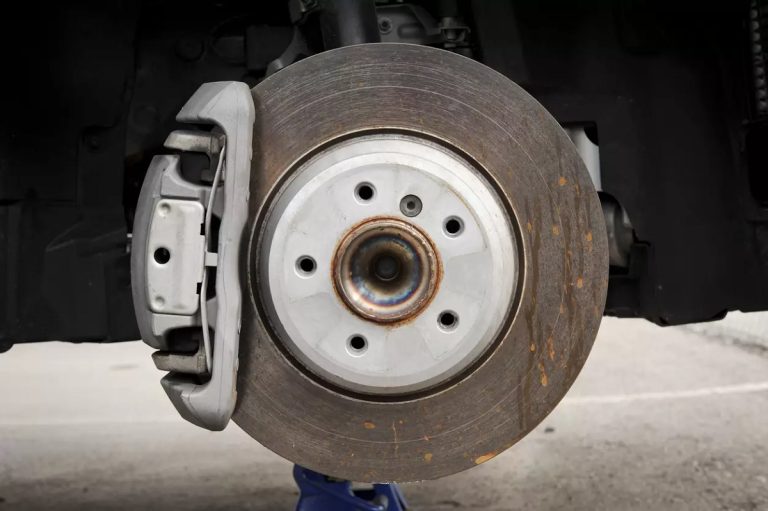
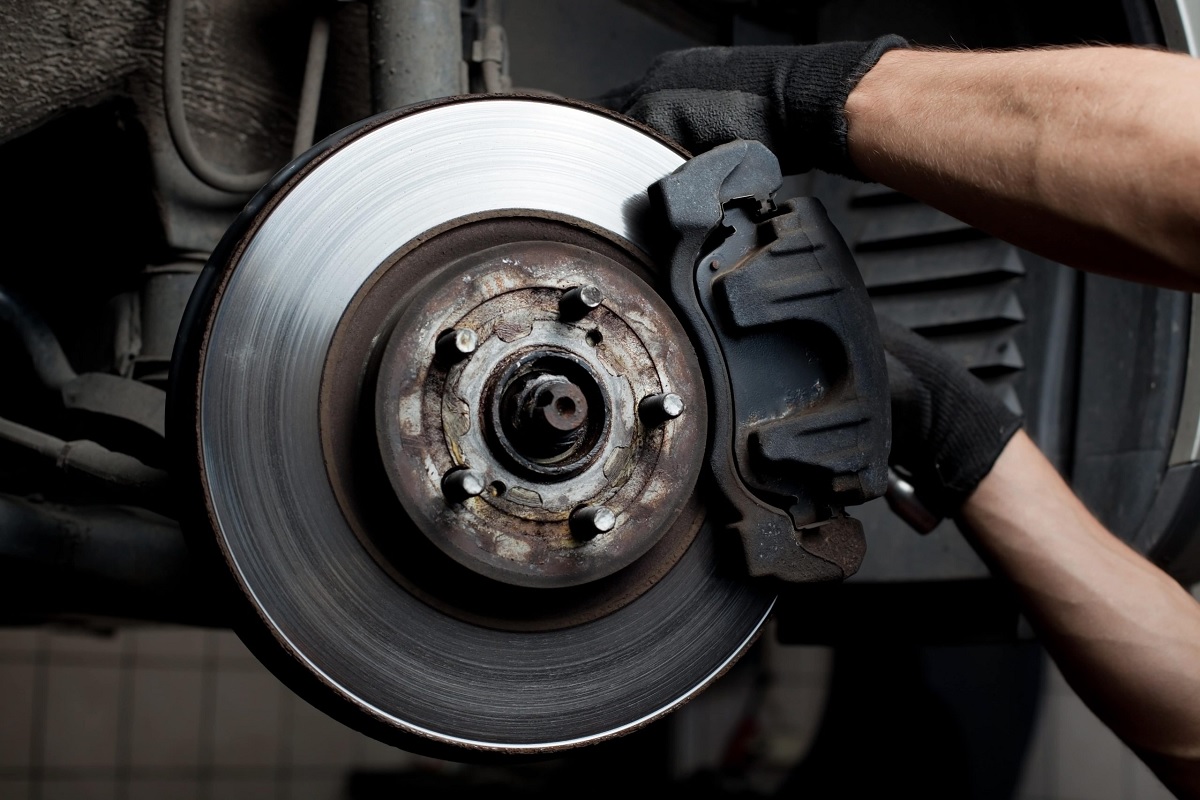
Brakes consist of multiple parts including pads, rotors, calipers, and hardware. Any interaction between these components—such as rust formation, pad material friction, or slight wear—can result in squeaking, particularly during the first few brake applications in the morning.
Noticing when and how the squeak occurs provides clues for diagnosis. Observing whether the sound happens only when cold, or continues after driving, helps determine whether it’s a normal phenomenon or a sign of maintenance needs.
Being proactive about brake care ensures not only a quieter ride but also reliable stopping performance. Addressing early warning signs can prevent further damage and maintain vehicle safety on the road.
Recognizing the Morning Brake Squeak
Brake squeaking in the morning can be a common yet concerning occurrence for drivers. Understanding the specific characteristics of this noise helps determine whether it’s a normal, temporary condition or a sign of underlying brake issues. Recognizing patterns, timing, and circumstances of the squeak is essential to identify the root cause and ensure safe braking performance.
Frequency and Timing of the Squeak
One of the first things to observe is how often the squeak occurs and at what time. Morning brake squeaks usually happen during the first few stops after the car has been parked overnight. This is often due to overnight condensation forming a thin layer of rust on the brake rotors or minor moisture accumulation on the pads.
You may notice that the squeak is more pronounced in colder temperatures or humid conditions. In some cases, the noise may only last for the first few brake applications and disappear as the brakes heat up and the rust or moisture wears away. Tracking the consistency of the noise helps determine whether it is an environmental phenomenon or a mechanical concern.
Distinguishing Normal Squeak From Warning Signs
Not all morning brake squeaks indicate a serious problem. Temporary squeaks caused by moisture or minor surface rust are generally harmless and resolve after a short drive. However, persistent squeaks, grinding noises, or vibrations may indicate worn brake pads, glazed rotors, or loose hardware.
Pay attention to any changes in braking performance, such as reduced responsiveness, longer stopping distances, or uneven pedal feel. These signs, combined with persistent noise, suggest that your brakes require inspection. Differentiating normal, temporary squeaks from warning signs ensures timely maintenance and prevents further damage to the braking system.
Role of Brake Pad Material
The type of brake pads installed can also influence morning squeaks. Semi-metallic pads are known to produce higher-pitched noises compared to ceramic pads, particularly in cold or humid conditions. This is often due to metal content reacting with rotor surfaces, especially after the vehicle has been stationary.
Ceramic pads tend to be quieter but may still squeak when cold or damp. Understanding the material composition of your brake pads can help set expectations for morning noise. Regular checks for pad wear and surface glazing are important, as worn or damaged pads will exaggerate squeaking and reduce braking efficiency.
Environmental and Vehicle Conditions
Environmental factors such as humidity, dew, and temperature fluctuations play a significant role in morning brake squeaks. Overnight moisture can create a thin layer of rust on rotors, causing a temporary squeak during initial braking. Vehicles parked outside in humid or rainy climates are more likely to experience this phenomenon.
Additionally, driving habits and vehicle usage impact squeaking. Short trips, infrequent driving, or extended parking periods allow more moisture accumulation on braking components. Observing these environmental and usage patterns helps distinguish between harmless morning squeaks and issues that require mechanical attention.
Early Detection and Maintenance Benefits
Recognizing morning brake squeaks early allows you to monitor potential problems before they escalate. Regular inspection of pads, rotors, calipers, and hardware ensures proper functioning and reduces the likelihood of more serious issues such as rotor scoring or pad wear.
Cleaning or lubricating moving components, checking for loose clips, and addressing minor rust buildup can eliminate squeaks while extending the lifespan of braking parts. Early attention also enhances vehicle safety, ensuring consistent stopping performance and maintaining confidence in everyday driving situations.
Moisture and Environmental Causes
Brake squeaks in the morning are often influenced by moisture and environmental conditions. Condensation, humidity, and temperature changes can create temporary surface conditions on braking components, leading to noise during the first few stops of the day. Understanding how environmental factors contribute to morning brake squeaks is essential for distinguishing harmless sounds from those requiring maintenance.
Condensation and Surface Rust
Overnight condensation is a primary cause of morning brake squeaks. When a vehicle sits idle, moisture from the air can settle on metal surfaces like rotors and calipers. This moisture can react with the iron in rotors, forming a thin layer of surface rust that creates a high-pitched squeal when brake pads initially make contact.
The noise is typically more noticeable in humid conditions or after rain. The squeak often disappears after a short drive, as friction between the pads and rotors scrapes away the rust layer. Observing whether the noise stops after a few brake applications helps determine if condensation and surface rust are the cause. Temporary rust buildup is normal and usually not a sign of brake system failure.
Temperature Fluctuations
Changes in temperature, particularly cold mornings, can also trigger brake squeaks. Metal contracts in lower temperatures, which can create slight gaps or increased tension between brake components. These changes may amplify vibrations when the brakes are first applied, producing a squeaking sound.
Vehicles parked outdoors in winter or early mornings are especially prone to this phenomenon. As the brakes warm up during driving, metal expansion and friction eliminate the minor vibrations, and the noise typically disappears. Understanding this pattern helps differentiate harmless environmental squeaks from mechanical issues requiring repair.
Humidity and Dew
High humidity levels and morning dew contribute to moisture accumulation on braking surfaces. Even when rain hasn’t fallen, dew can settle on the rotors and pads overnight, creating a thin layer of moisture. This can temporarily reduce friction and cause a squeaking noise when the brakes are first engaged.
The severity of the noise often depends on the duration of exposure and the environmental conditions. Vehicles parked on grass or near water sources are more susceptible to dew accumulation. Monitoring whether the noise subsides after a short drive or after warming the brakes helps identify moisture as the source.
Seasonal Patterns and Driving Habits
Environmental causes of brake squeaks often follow seasonal patterns. Spring and fall, when temperatures fluctuate and humidity is higher, are common times for morning brake noises. Driving habits also play a role; short trips and infrequent use of the vehicle allow more moisture to accumulate, increasing the likelihood of squeaks.
Recognizing these patterns helps you distinguish between normal environmental squeaks and persistent issues caused by worn components. Awareness of seasonal and usage factors allows for proactive measures, such as regular brake inspections and cleaning, to minimize squeaks while maintaining safe and effective braking performance.
Preventive Measures Against Environmental Squeaks
Simple preventive measures can reduce squeaking caused by moisture and environmental factors. Parking in covered or dry areas, wiping rotor surfaces, or driving gently at the first application of brakes can minimize noise. Regular inspection and maintenance of brake components also ensure that moisture does not exacerbate minor surface rust or vibrations.
By understanding how environmental factors influence brake squeaks, drivers can prevent unnecessary concern while maintaining confidence in their vehicle’s braking system. Awareness of moisture-related causes helps in differentiating temporary noises from mechanical issues requiring attention.
Brake Pad and Rotor Issues
Brake squeaks in the morning can often be traced to problems with the brake pads or rotors. These components are the primary contact points in your braking system, and any wear, damage, or improper alignment can create high-pitched noises. Understanding how pad and rotor conditions contribute to squeaking is essential for identifying the cause and ensuring safe braking performance.
Worn or Glazed Brake Pads
Brake pads wear down over time due to friction against the rotors. As pads thin, the metal backing plate can come into closer contact with the rotor, producing a squeaking or squealing sound. Additionally, glazed pads—caused by excessive heat from heavy braking or prolonged friction—develop a hard, smooth surface that reduces braking efficiency and amplifies noise.
Symptoms of worn or glazed pads include squeaking during initial stops, reduced braking performance, and longer stopping distances. Inspecting the thickness of the pads and checking for glazing or uneven wear can confirm the issue. Replacing worn or glazed pads restores proper contact and friction, eliminating squeaks and ensuring consistent stopping power. Regular inspection of brake pads is key to preventing sudden failures and maintaining safe braking.
Uneven or Warped Rotors
Rotors can warp over time due to heat, uneven wear, or improper installation. Warped rotors create inconsistent contact with the brake pads, resulting in vibrations and squeaking noises. This issue is often more noticeable during the first few stops in the morning when the vehicle is cold, as metal contracts slightly in lower temperatures.
Symptoms of warped rotors include pulsating brake pedals, vibration during braking, and squeaks or squeals during initial stops. Measuring rotor thickness and checking for uneven surfaces can identify warping. Resurfacing or replacing damaged rotors ensures smooth, even contact with brake pads, eliminating squeaks and improving braking performance. Proper rotor maintenance helps prevent further wear and protects new brake pads from early damage.
Brake Pad Material and Compatibility
The type of brake pad material can influence morning squeaks. Semi-metallic pads are more prone to high-pitched noises compared to ceramic pads due to their metallic content interacting with the rotor surface. Incompatible pad and rotor combinations can also increase squeaking, especially when brakes are cold or damp.
Observing the noise pattern and checking manufacturer recommendations for pad material ensures compatibility with your rotors. Switching to compatible or higher-quality pads reduces noise and improves overall braking performance. Ensuring proper installation and material selection is crucial for minimizing morning brake squeaks and maintaining safe, reliable stopping power.
Dust, Debris, and Contamination
Brake pads and rotors can accumulate dust, dirt, or road debris that exacerbates squeaking. Tiny particles trapped between the pad and rotor create friction and vibrations, producing high-pitched noises. Contamination from oil or grease can further reduce braking efficiency and increase the likelihood of squeaks.
Cleaning the braking surface and ensuring pads and rotors are free from contaminants can reduce noise. Regular maintenance, including removing accumulated dust and inspecting for debris, prevents unnecessary squeaking and protects the braking system from damage. Proper cleaning and maintenance extend the life of both pads and rotors, maintaining reliable and quiet braking performance.
Early Detection and Maintenance
Recognizing signs of pad and rotor issues early helps prevent more severe damage. Regular visual inspections, measuring pad thickness, checking for rotor warping, and monitoring brake performance ensure that any issues causing squeaks are addressed promptly.
Timely replacement or resurfacing of worn or damaged components not only eliminates morning brake squeaks but also enhances overall braking safety and performance. Preventive maintenance reduces repair costs, extends the life of the braking system, and ensures consistent, reliable stopping power in all driving conditions.
Lubrication and Hardware Causes
Brake squeaks are not always caused by pads or rotors. Sometimes, the issue stems from improper lubrication or worn hardware within the braking system. Clips, shims, and caliper slides play a crucial role in ensuring smooth brake movement, and lack of maintenance or failure of these components can lead to high-pitched noises, especially during the first stops in the morning.
Dry or Worn Caliper Slides
Caliper slides allow the brake caliper to move smoothly, applying even pressure to the brake pads. Over time, these slides can dry out, corrode, or wear, causing uneven pad contact and vibrations that generate squeaking noises. This issue is often more noticeable when the vehicle is first driven in the morning, as metal surfaces contract in cooler temperatures.
Symptoms of worn or dry caliper slides include squeaking, uneven brake pad wear, and inconsistent braking feel. Cleaning and lubricating the slides with high-temperature brake grease ensures smooth caliper movement, reducing noise and improving braking performance. Regular maintenance of caliper slides prevents future squeaks and extends the lifespan of the braking system components.
Missing or Damaged Shims
Shims are thin pieces of metal or rubber installed between the brake pad and caliper to reduce vibration and noise. Over time, shims can become damaged, misplaced, or worn, allowing pads to vibrate against the caliper or rotor. This vibration often produces a high-pitched squeak, especially during initial brake applications.
Symptoms include persistent squeaking despite new pads and uneven braking pressure. Inspecting and replacing worn or damaged shims restores proper pad alignment and dampens vibrations, eliminating noise. Using high-quality shims designed for your vehicle ensures consistent performance and prevents recurring squeaks caused by hardware issues.
Loose or Worn Hardware
Other brake hardware, such as clips, pins, and mounting brackets, can loosen or wear over time. Loose components allow pads to move excessively during braking, producing squeaks and sometimes rattling noises. Corrosion or lack of lubrication can exacerbate this problem, especially in damp or cold environments.
Regular inspection and proper installation of brake hardware ensure that all components are secure and well-lubricated. Replacing worn or damaged clips, pins, or brackets restores proper brake pad positioning, reduces vibration, and eliminates morning squeaks. Attention to hardware maintenance prevents uneven pad wear and protects other brake system parts.
Proper Lubrication Techniques
Correct lubrication is essential for preventing squeaks caused by hardware issues. High-temperature brake grease should be applied to caliper slides, pad backing plates, and hardware contact points. Avoid getting grease on the rotor or pad friction surface, as this can reduce braking effectiveness.
Routine lubrication, combined with inspection of hardware and shims, ensures smooth brake operation and reduces the likelihood of morning squeaks. Keeping all moving components properly maintained allows brakes to perform quietly and efficiently, enhancing safety and extending the life of the braking system.
Driving and Brake Usage Factors
How you drive and use your brakes can significantly influence squeaking noises, particularly in the morning. Habits like frequent short trips, heavy braking, or infrequent use of the vehicle allow moisture to build up on brake components or create uneven pad wear. Understanding these driving-related factors helps explain why brakes squeak in the morning and guides preventive measures for quieter, more efficient braking.
Short Trips and Infrequent Driving
Short trips and limited daily driving contribute to morning brake squeaks. When a vehicle sits idle for long periods, moisture accumulates on the rotors and pads, and the brakes do not reach the heat necessary to evaporate this moisture. This results in a thin layer of surface rust or condensation, which produces squeaking during the first few stops of the day.
Vehicles that are only used for short errands are particularly prone to this issue, as brakes do not fully warm up during brief trips. Over time, the combination of inactivity and moisture can accelerate minor surface rust formation. Observing how squeaks dissipate after driving for a few minutes can help distinguish between harmless short-trip noise and issues requiring maintenance.
Aggressive Braking Habits
Frequent or aggressive braking places additional stress on brake pads and rotors, creating heat and friction that can lead to glazing or uneven pad wear. Glazed pads develop a hard, smooth surface that produces high-pitched squeaks, especially during cold starts in the morning. Similarly, uneven rotor wear due to aggressive braking can create vibration-related noise.
Drivers who often brake hard in traffic or downhill conditions may notice squeaks more frequently. Monitoring brake performance and adopting smoother braking habits can reduce pad glazing, prolong rotor life, and minimize morning squeaks. Over time, consistent, gentle braking helps maintain even contact between pads and rotors, ensuring quieter operation.
Parking Habits and Overnight Moisture
How and where you park also affects brake noise. Vehicles parked outdoors overnight or in humid areas accumulate moisture on rotors and pads, which contributes to morning squeaks. Parking on grass, near water sources, or in areas with heavy dew can intensify this effect.
Shaded or covered parking reduces exposure to moisture and temperature fluctuations, helping prevent surface rust formation. Paying attention to parking habits allows drivers to minimize morning squeaks caused by environmental and usage factors while maintaining brake safety.
Load and Vehicle Weight
The weight of your vehicle and cargo can influence brake squeaks as well. Heavier loads increase braking pressure, causing pads to heat up and wear more quickly. Over time, this can lead to pad glazing or rotor stress, both of which contribute to squeaking noises, particularly during initial brake applications in the morning when components are cold.
Managing vehicle load and ensuring brakes are appropriate for your weight class help reduce excessive wear and squeaking. Regular inspection of pads and rotors under heavy-use conditions is crucial to maintain braking efficiency and prevent recurring noise.
Consistent Maintenance and Driving Awareness
Being mindful of driving habits and brake usage can reduce morning squeaks significantly. Regularly using the vehicle for longer drives allows brakes to heat up and self-clean minor rust or moisture buildup. Pairing this with gentle braking habits and attention to load management ensures that pads and rotors wear evenly.
Routine maintenance, including cleaning, lubrication of hardware, and inspection of pads and rotors, complements careful driving. Awareness of how usage patterns affect braking behavior helps prevent annoying squeaks and preserves the longevity and performance of your braking system.
DIY Troubleshooting Steps
Morning brake squeaks can often be addressed with simple DIY troubleshooting steps. By carefully inspecting and testing your braking system, you can identify minor issues before they escalate. These steps allow drivers to distinguish between harmless environmental noises and problems requiring professional maintenance, helping maintain both safety and braking performance.
Visual Inspection of Brake Pads and Rotors
Start by visually inspecting your brake pads and rotors. Look for signs of wear, glazing, or uneven surfaces. Thin or damaged pads can create squeaks, and rotors with rust buildup or scoring may exacerbate the noise. Use a flashlight to get a clear view and check both sides of each rotor.
Pay attention to pad thickness and rotor condition. Even minor rust on the rotor surface can cause morning squeaks, which usually disappear after driving a few minutes. Removing debris, cleaning rotors, and replacing worn pads are effective DIY measures to address squeaks caused by pad and rotor issues. Regular inspections prevent small problems from developing into costly repairs.
Check Hardware and Lubrication
Next, examine brake hardware, including caliper slides, clips, and shims. Dry, corroded, or loose components can create vibrations that lead to squeaks. Apply high-temperature brake grease to caliper slides and hardware contact points, avoiding friction surfaces.
Inspect clips and shims for damage or misalignment, replacing them if necessary. Proper lubrication ensures smooth movement of brake components, reducing vibrations and noise. Regular maintenance of hardware not only prevents squeaks but also extends the lifespan of your braking system. Simple lubrication checks are a cost-effective way to address many common morning brake noises.
Inspect for Environmental and Moisture Factors
Consider environmental influences such as dew, humidity, or overnight condensation. Surface rust or moisture buildup on rotors can cause temporary squeaks during the first brake applications. Cleaning the rotors with a brake-safe cleaner or gently driving the vehicle to heat the brakes can remove surface rust.
Observing whether the squeak disappears after a short drive helps determine if moisture or environmental factors are the cause. This step differentiates harmless morning noises from mechanical issues, allowing you to address the source efficiently without unnecessary parts replacement.
Testing Brake Operation
Perform a careful brake test in a safe, controlled area. Listen for squeaks and note when they occur, whether at low speeds, initial stops, or repeated braking. Testing under different conditions helps identify whether noise is due to pads, rotors, hardware, or environmental factors.
Pay attention to pedal feel, braking responsiveness, and vibration. Abnormal behavior combined with squeaking may indicate mechanical wear or component failure. Documenting these observations helps guide DIY fixes or provides useful information for a professional mechanic if needed.
Preventive Cleaning and Maintenance
Finally, perform routine preventive cleaning and maintenance. Wipe down rotors, check pad thickness, and remove any debris from the braking system. Regularly lubricate caliper slides and hardware, and replace worn pads and shims.
Maintaining a consistent cleaning and inspection routine reduces the likelihood of morning brake squeaks and ensures reliable braking performance. Combining visual inspection, lubrication, environmental awareness, and functional testing allows drivers to tackle minor issues themselves, enhancing safety and extending the life of the braking system.
People Also Asked
Why Do My Brakes Squeak Only In The Morning?
Brakes often squeak in the morning due to moisture or condensation that forms on the rotors overnight. When you first start driving, this thin layer of moisture causes the brake pads to vibrate against the rotor surface, producing a high-pitched sound.
Cold temperatures or humidity can make this more noticeable. The squeak usually disappears after a few stops as the brakes warm up and the moisture evaporates. This is generally normal, but persistent squeaks may indicate worn pads, rusted rotors, or hardware issues that require inspection.
Can Moisture Cause My Brakes To Squeak?
Yes, overnight moisture or dew can make your brakes squeak in the morning. The thin water layer on the rotors interacts with the brake pads, creating friction that produces the high-pitched noise when you first apply the brakes.
Rust can also form quickly on rotor surfaces in humid or wet conditions. This combination of moisture and surface corrosion often causes temporary squeaking, which usually goes away after driving a short distance and applying the brakes a few times.
Do Worn Brake Pads Make Noise In The Morning?
Worn or glazed brake pads can amplify squeaking, especially during the first stops in the morning. As pads wear down, the metal backing or hardened surface may make contact with the rotor, producing a consistent squeal.
Even if moisture is present, worn pads increase the likelihood of noise. Inspecting your pads for thickness, glazing, or uneven wear is essential. Replacing worn pads can eliminate squeaks and restore braking efficiency while also preventing further rotor damage.
Can Rust On Rotors Cause Morning Squeaks?
Yes, light surface rust on rotors is a common reason brakes squeak after sitting overnight. Overnight moisture accelerates oxidation, forming a thin layer of rust on the rotor surface.
This layer causes brief vibration when the pads first contact the rotor in the morning. Driving and applying the brakes a few times usually scrapes off the rust, eliminating the squeak. Persistent rust, however, can cause permanent rotor damage and may require resurfacing or replacement.
Does Cold Weather Make Brakes Squeak More?
Cold temperatures can increase the likelihood of morning brake squeaks. When metal components contract in lower temperatures, slight gaps or misalignments can produce vibration between pads and rotors.
Additionally, cold weather often coincides with higher humidity, causing condensation on the brake rotors. This combination makes initial stops noisy. Once the brakes warm up during driving, the metal expands slightly, the moisture evaporates, and the squeak usually disappears.
Can Lack Of Lubrication Cause My Brakes To Squeak?
Yes, insufficient lubrication on caliper slides, shims, or anti-rattle clips can cause brakes to squeak, especially during the first stops in the morning. Metal components rubbing against each other without proper lubrication create vibrations and noise.
Applying high-temperature brake grease to slides and shims can prevent squeaking and ensure smooth movement. Regular inspection and lubrication of these components, especially after pad replacement, helps minimize morning brake noise and improves overall braking performance.
Should I Be Concerned If My Brakes Squeak Every Morning?
Persistent squeaking every morning could indicate issues beyond normal moisture or rust. While temporary noise is often harmless, repeated squeaks may suggest worn pads, warped rotors, sticking calipers, or corroded hardware.
Ignoring these problems can lead to reduced braking performance or more expensive repairs. Regular inspection of brake pads, rotors, and caliper components is important. Addressing underlying causes ensures your brakes remain safe, reliable, and quiet.
How Can I Prevent My Brakes From Squeaking In The Morning?
To minimize morning brake squeaks, keep rotors and pads clean and free from rust. Parking in a dry area can reduce overnight moisture accumulation. Using high-quality brake pads and lubricating caliper slides, shims, and anti-rattle clips also helps.
Regular driving prevents rust build-up and ensures pads wear evenly. Performing routine inspections and maintenance keeps braking components in optimal condition. These preventive steps reduce squeaking, enhance brake performance, and provide smoother, quieter stops during your morning commute.
Final Words
Morning brake squeaks can be alarming, but they are often caused by a combination of environmental, mechanical, and usage factors. Moisture, dew, and overnight condensation can create temporary surface rust on rotors, while temperature changes and humidity contribute to high-pitched noises during the first few stops of the day. Understanding these conditions helps distinguish harmless squeaks from signs of brake wear or malfunction.
Exploring mechanical causes, such as worn or glazed brake pads, uneven rotors, and hardware issues, is essential for identifying persistent squeaks. Proper maintenance, including cleaning, lubrication, and regular inspections, can prevent or reduce these noises. Paying attention to driving habits, short trips, and parking conditions also helps minimize squeaks caused by environmental and usage factors.
By following DIY troubleshooting steps and maintaining awareness of common causes, you can address morning brake squeaks efficiently. Knowing why do my brakes squeak in the morning allows you to maintain safe braking performance while avoiding unnecessary repairs, ensuring your vehicle remains reliable and quiet on every drive.