Clunking Noise When Turning Steering Wheel: Causes, Troubleshooting, and Fixes
Hearing unusual noises when steering can be alarming, especially a distinct clunk or thud. Such sounds often indicate that components within the steering or suspension system are under stress or failing. Paying attention to these early warning signs is essential for both vehicle safety and preventing further damage.
A clunking noise when turning steering wheel is one of the more common issues drivers encounter, often occurring during low-speed maneuvers or while navigating sharp turns. The noise can range from a subtle thump to a loud clunk, depending on the source and severity of the problem.
These noises are usually linked to worn suspension parts, loose steering components, or issues with the steering column itself. Identifying the exact source requires careful observation and sometimes professional inspection, as the noise may be intermittent or dependent on road conditions.
Recognizing when and how the clunk occurs helps narrow down potential causes. Noting whether it happens while turning in both directions, while parked, or only at certain speeds can provide valuable clues.
Being proactive about addressing the noise ensures not only a quieter ride but also reliable steering performance and overall vehicle safety. Understanding the reasons behind this clunking sound helps drivers take timely action.
Recognizing the Symptoms
Identifying the early signs of a clunking noise when turning the steering wheel is crucial for preventing further damage and ensuring safe driving. Recognizing the specific conditions under which the noise occurs can help pinpoint whether the issue originates from the steering system, suspension, or other related components. Careful observation and understanding of these symptoms are essential for timely troubleshooting.
Noise Characteristics and Timing
The first step in recognizing steering-related issues is understanding the nature of the clunk. A clunking noise when turning steering wheel can vary in pitch, intensity, and frequency. It may occur during slow-speed maneuvers, tight turns, or even when the steering wheel is lightly turned. Some drivers notice a single clunk while entering a turn, while others experience repeated noises with each rotation.
Timing is equally important. A clunk heard when the vehicle is moving versus when it is stationary provides clues about the source. For instance, noise only during driving may indicate suspension or wheel components, while noise when parked could point to the steering column or universal joints. Observing the exact circumstances helps isolate the root cause and determine whether immediate attention is necessary.
Steering and Handling Symptoms
Alongside the noise, changes in steering feel often accompany the clunk. Drivers may notice increased stiffness, looseness, or a “notchy” sensation while turning. This irregular movement suggests that components such as tie rods, ball joints, or the steering rack may be worn or loose.
Monitoring how the vehicle responds to steering inputs is key. Pulling to one side, uneven turning resistance, or vibrations through the steering wheel can indicate mechanical wear or alignment issues. Documenting these handling changes alongside the clunking noise helps mechanics diagnose the problem accurately and ensures safety before further driving.
Vehicle Speed and Road Conditions
Clunking noises may also correlate with speed and road conditions. Low-speed turns in parking lots often reveal steering and suspension wear, while higher-speed maneuvers might highlight issues with wheel bearings or CV joints. Uneven or rough surfaces can amplify existing problems, making clunks more noticeable.
Observing how different driving conditions affect the noise can narrow down potential sources. For example, consistent clunks on bumps or dips may point to suspension components, while noise isolated to smooth turns suggests steering-specific issues. Recognizing these patterns allows for targeted inspections and prevents unnecessary replacements.
Associated Visual and Physical Symptoms
In addition to auditory cues, visual and physical signs often accompany a clunking noise when turning the steering wheel. Worn or damaged suspension components may be visible upon inspection, such as torn rubber boots on CV joints or excessive play in tie rods and ball joints.
Physical checks, like gently lifting the vehicle and manually testing wheel and steering movement, can reveal looseness or excessive play. Uneven tire wear, steering wheel misalignment, or vibrations can also serve as warning signs. Being aware of these visual and tactile indicators, alongside the noise itself, strengthens the ability to recognize potential issues before they lead to failure or unsafe driving conditions.
Frequency and Intermittency
The frequency of the clunk is another critical symptom to track. Intermittent noises may suggest loose components that shift under certain conditions, whereas constant clunks indicate ongoing wear or damage. Keeping a record of when the noise occurs—whether only when turning left or right, during acceleration, or while braking—provides valuable diagnostic information.
Understanding these patterns allows drivers to communicate the issue more effectively to a mechanic, ensuring a quicker and more accurate diagnosis. Consistent monitoring of the clunking noise alongside steering performance ensures early detection of potential problems, preventing costly repairs and maintaining safe vehicle operation.
Suspension System Causes
A clunking noise when turning the steering wheel is often linked to issues within the suspension system. Suspension components play a critical role in connecting the wheels to the chassis and absorbing road impacts. Wear, damage, or looseness in these parts can create noises that are particularly noticeable during turns or over uneven surfaces. Understanding suspension-related causes helps identify the root problem and maintain safe vehicle operation.
Worn Ball Joints
Ball joints connect the control arms to the steering knuckles, allowing smooth pivoting of the wheels while steering. Over time, these joints can wear out due to friction, loss of lubrication, or exposure to dirt and moisture. A worn ball joint can produce a clunking noise when turning steering wheel, especially when navigating tight turns or driving over bumps.
Symptoms of failing ball joints include uneven tire wear, vibrations through the steering wheel, and a loose or wandering feeling while driving. A visual inspection may reveal torn rubber boots, grease leakage, or excessive play when manipulating the joint. Replacing worn ball joints restores smooth steering, eliminates clunking noises, and ensures proper wheel alignment, which is critical for both performance and safety.
Failing Control Arm Bushings
Control arm bushings isolate the chassis from road impacts and allow controlled movement of the suspension. Over time, these rubber or polyurethane components can deteriorate, crack, or become loose, leading to metal-on-metal contact. This often generates a noticeable clunk, particularly during turns, braking, or when driving over uneven surfaces.
Signs of failing bushings include lateral play in the wheel, uneven tire wear, and clunking sounds that change with steering angle or vehicle load. Replacing worn bushings restores suspension stability and dampens unwanted noise, improving both handling and ride comfort. Regular inspection of bushings helps prevent further stress on adjacent components like control arms and ball joints.
Damaged or Loose Struts and Shocks
Struts and shock absorbers control wheel movement and absorb road energy. Worn or damaged shocks and struts can allow excessive movement of suspension components, producing clunks during turns or over bumps. Loose mounts or hardware may further amplify these noises, making them particularly noticeable when steering.
Symptoms include body roll, excessive bouncing, reduced braking stability, and unusual noises when turning. Visual signs include leaking fluid, damaged mounts, or bent components. Replacing or tightening struts and shocks resolves clunking noises, restores proper damping, and ensures that the suspension maintains consistent contact with the road for safety and comfort.
Tie Rod Ends and Steering Linkages
Tie rods and other steering linkages connect the steering wheel to the wheels, translating driver input into wheel movement. Worn or loose tie rod ends can cause clunks when turning, as the steering geometry shifts slightly under load. This often coincides with looseness in the steering wheel or misaligned tracking.
Symptoms include uneven tire wear, excessive play in the steering wheel, and vibration while turning. Regular inspection and replacement of worn tie rod ends prevent steering instability and eliminate clunking noises. Properly functioning steering linkages are crucial for vehicle control and handling precision, making their maintenance a top priority.
Preventive Inspection and Maintenance
Early detection of suspension-related issues is key to preventing further damage and ensuring safety. Regular inspections of ball joints, control arm bushings, shocks, struts, and tie rods allow you to identify wear before it causes more serious problems. Lubrication, tightening hardware, and timely replacement of damaged components reduce clunking noises and maintain smooth, reliable steering performance.
Routine maintenance also prolongs the lifespan of suspension parts, ensures even tire wear, and improves overall ride comfort. Understanding the suspension system’s role in producing a clunking noise when turning the steering wheel helps drivers make informed decisions about repairs and maintain safe handling at all times.
Steering Components Issues
A clunking noise when turning the steering wheel can often be traced directly to the steering system itself. Steering components are responsible for translating the driver’s input into wheel movement, and any wear, looseness, or damage within these parts can generate distinct clunks or thuds. Identifying problems in steering components is essential for safe handling and preventing further damage to connected systems.
Worn Steering Rack or Gear
The steering rack converts the rotational motion of the steering wheel into the linear movement of the wheels. Over time, internal wear, insufficient lubrication, or damage can create a loose or uneven motion, producing clunks during turns. This noise often becomes more noticeable at low speeds or when the wheels are fully turned.
Symptoms of a failing steering rack include difficulty steering, uneven resistance, or a knocking noise in sync with wheel movement. Fluid leaks in power steering systems can also exacerbate the problem by reducing hydraulic pressure and creating clunks. Inspecting the steering rack and replacing worn components restores smooth steering response and eliminates clunking sounds, ensuring consistent vehicle control and safety.
Tie Rod Ends and Ball Joints
Tie rod ends connect the steering rack to the wheels, while ball joints connect control arms to steering knuckles. Both are pivot points that allow smooth wheel movement. Wear, corrosion, or looseness in these parts can cause clunks when turning, especially when the suspension is under load.
Signs of worn tie rods or ball joints include uneven tire wear, excessive play in the steering wheel, vibrations, and clunks that occur while turning left or right. Checking for movement by manually manipulating the wheels or using a pry bar can reveal loose components. Replacing worn tie rods or ball joints restores proper steering geometry, reduces noise, and ensures safe handling.
Steering Column and Universal Joints
The steering column houses the shaft and universal joints that transmit rotational input from the wheel to the rack or gearbox. Worn bushings, loose universal joints, or misaligned shafts can create clunks during steering. This is often felt as a jolt or thump through the steering wheel, especially at low speeds or during sudden turns.
Additional symptoms include stiffness, intermittent binding, or unusual vibrations while turning. Inspecting the column for looseness, damaged joints, or worn bearings can pinpoint the issue. Tightening or replacing faulty components restores smooth steering input and eliminates clunks, preventing further stress on the steering system and connected suspension parts.
Power Steering Pump and Hoses
In vehicles with hydraulic power steering, the pump and hoses also influence noise during turns. Low fluid levels, air in the system, or failing pumps can cause clunks, whines, or sudden resistance changes while steering. These issues often worsen when making sharp or repeated turns.
Symptoms include fluctuating steering effort, whining noises combined with clunks, and fluid leaks. Checking the fluid level, inspecting hoses for cracks or damage, and bleeding air from the system can restore smooth operation. In some cases, replacing the power steering pump or worn hoses may be necessary to eliminate clunking noises.
Preventive Maintenance and Inspection
Regular inspection of steering components is crucial to prevent clunking noises and ensure safe driving. Checking tie rods, ball joints, universal joints, and the steering rack for wear, looseness, or damage allows early detection of problems. Lubricating moving parts and tightening hardware as needed keeps the steering system responsive and quiet.
Awareness of how clunks correlate with steering angle, speed, or road conditions helps identify the source accurately. Proactive maintenance ensures longer component life, better handling, and eliminates the stress and safety risks associated with a clunking steering system.
Wheel and Bearing Problems
A clunking noise when turning the steering wheel can often originate from wheel assemblies or bearings. These components support the vehicle’s weight and allow smooth wheel rotation, but wear, looseness, or damage can produce distinct noises. Understanding wheel and bearing issues is key to identifying the source of clunks and preventing more serious problems affecting safety and vehicle handling.
Worn Wheel Bearings
Wheel bearings allow wheels to rotate smoothly while supporting the vehicle’s weight. Over time, bearings can wear out due to friction, lack of lubrication, or exposure to dirt and moisture. A worn bearing can produce a clunking noise when turning the steering wheel, often accompanied by humming, grinding, or vibration.
Signs of worn bearings include uneven tire wear, steering wheel vibrations, and noises that change with vehicle speed or steering angle. Bearings may also generate heat from excessive friction. Detecting early signs of wear is critical, as a failed wheel bearing can compromise steering control and lead to wheel separation. Replacing worn bearings restores smooth rotation, eliminates clunks, and ensures safe operation.
Loose or Damaged Wheel Components
Loose lug nuts, hub assemblies, or wheel spacers can create clunking noises when turning. Even slight looseness can allow the wheel to shift under load, producing vibrations or audible thuds. Damage to wheel studs, hubs, or rims can also contribute to clunks, especially when navigating turns or rough surfaces.
Symptoms include visible wobble in the wheel, uneven tire wear, or unusual vibrations through the steering wheel. Tightening lug nuts to the manufacturer’s torque specifications and inspecting wheel assemblies for damage or play prevents clunks and ensures proper alignment. Addressing loose components early reduces stress on suspension and steering parts, improving handling and safety.
CV Joints and Axle Shafts
Constant velocity (CV) joints connect the transmission to the wheels and allow consistent power transfer while accommodating suspension movement. Worn or damaged CV joints can produce clunking noises when turning, particularly during sharp or low-speed maneuvers. Torn CV boots can allow dirt and moisture to enter, accelerating wear and creating noticeable clunks.
Other symptoms include clicking noises when turning, grease splatter near the wheel, or vibration under acceleration. Replacing worn CV joints or damaged axle shafts restores smooth power delivery, eliminates clunks, and maintains proper wheel alignment. Regular inspection of CV boots and joints prevents long-term damage to the drivetrain and wheel assembly.
Tire and Wheel Imbalance
Although less common, imbalanced or improperly mounted tires can exacerbate clunking noises when turning. Uneven weight distribution in the wheel causes minor vibrations, which may interact with worn bearings or suspension components to produce audible thuds.
Symptoms include steering wheel shake, uneven tire wear, and noise that varies with speed or steering angle. Correctly balancing tires and checking for bent rims or uneven wear can resolve these issues. Maintaining proper tire inflation and alignment ensures smooth rotation and prevents clunks from interacting with other steering or suspension problems.
Preventive Maintenance for Wheels and Bearings
Routine inspection and maintenance of wheel assemblies and bearings are essential to prevent clunks and ensure safe handling. Checking for looseness, wear, or damage, lubricating wheel bearings when required, and ensuring proper tire balance reduces the risk of noise and improves vehicle stability.
Monitoring clunks in relation to speed, turning angle, or road conditions helps pinpoint the source accurately. Proactive care of wheels, bearings, and associated components extends the life of the steering and suspension systems while providing a quieter, safer driving experience.
DIY Troubleshooting Steps
A clunking noise when turning the steering wheel can indicate a range of potential issues, from minor wear to serious suspension or steering component problems. While professional inspection is recommended for persistent or severe issues, many drivers can perform DIY troubleshooting to identify the source of the noise. Careful observation, systematic testing, and basic inspections can save time and help prevent further damage.
Visual Inspection of Steering and Suspension Components
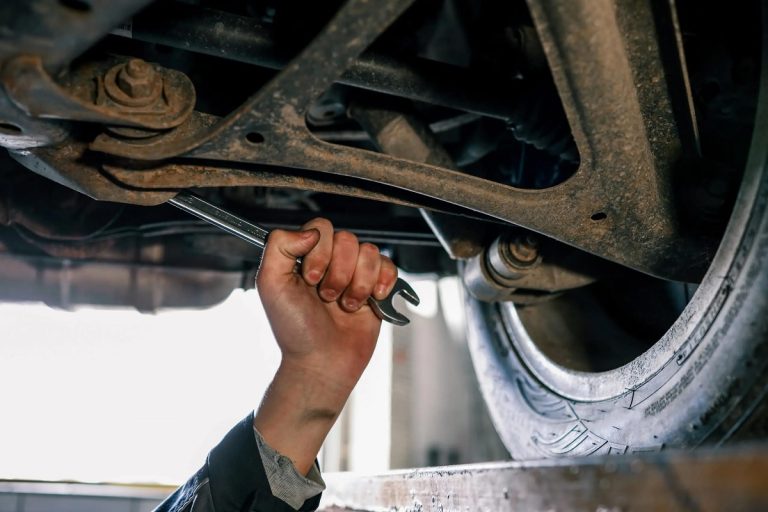
Begin with a thorough visual inspection of your steering and suspension components. Examine ball joints, tie rods, control arms, bushings, and sway bar links for signs of wear, cracks, or loosened connections. Torn rubber boots, leaking grease, or corrosion are common indicators of component failure. Pay attention to the mounts of shocks or struts, as damaged or loose hardware can also produce clunking noises during steering.
Lifting the vehicle safely with a jack and using jack stands allows a better view of hard-to-see parts. Gently manipulate the wheels back and forth by hand to detect play in ball joints or tie rods. Look for uneven gaps, movement in the suspension links, or damaged bushings. Documenting any irregularities will help narrow down potential causes and guide further troubleshooting steps.
Checking Wheel Bearings and CV Joints
Wheel bearings and constant velocity (CV) joints can also generate clunks when turning. Inspect bearings for looseness, excessive play, or unusual resistance when rotating the wheels by hand. Listen for grinding or humming noises, which can indicate worn bearings. CV joints often produce clicking noises, but severe wear can create a clunk, especially during low-speed turns or sharp maneuvers.
Examine CV boots for tears, grease leaks, or contamination with dirt and moisture. A compromised boot accelerates joint wear, increasing the likelihood of clunks. Testing involves lifting the vehicle and gently rotating and moving the wheels to feel for any excessive movement or roughness. Identifying worn or damaged components early prevents more serious failures and ensures smooth steering operation.
Inspecting the Steering Column and Rack
The steering column and rack translate the driver’s input into wheel movement. Loose universal joints, worn bushings, or misaligned shafts can produce clunks during steering. Check for play in the steering wheel by gently moving it back and forth while the vehicle is stationary. Excessive movement or unusual resistance may indicate worn or damaged components within the column or rack.
Visually inspect the column for damaged bushings, loose bolts, or misaligned shafts. In vehicles with hydraulic power steering, check fluid levels and hoses for leaks, as low fluid or air in the system can amplify clunks. Tightening loose connections, lubricating pivot points, or noting parts that require replacement helps prevent further damage and ensures consistent steering performance.
Testing Brakes and Wheel Components
Brake and wheel components can contribute to clunking noises during turns. Inspect rotors, calipers, and mounting hardware for looseness or damage. Loose lug nuts, worn wheel hubs, or damaged rotors can create vibrations or audible thuds. Ensure tires are properly mounted and balanced, as imbalance can exacerbate noise from suspension or steering issues.
Manual testing involves gently rocking the wheels to check for movement at the hubs or bearings. Listen for clicking, grinding, or thumping sounds. Inspecting tire condition and alignment also helps determine whether wheel wear contributes to clunks. Identifying these factors ensures that noises are not misattributed and that all related components function correctly.
Documenting and Monitoring Noise Patterns
While performing DIY checks, document when and how the clunking occurs. Note whether it happens at low or high speeds, during sharp turns, when braking, or over bumps. Track whether the noise is consistent, intermittent, or directional. This information is invaluable for identifying the root cause and for communicating issues to a professional mechanic if needed.
Observing patterns also helps distinguish between harmless environmental effects, such as temporary surface rust on rotors, and more serious mechanical problems. Maintaining a detailed log of noises, visual findings, and test results allows for a more systematic approach to troubleshooting, ensuring that all potential causes are considered before making repairs or replacements.
Preventive Maintenance and Safety Measures
After completing DIY inspections, take preventive measures to reduce clunking noise and improve overall vehicle safety. Tighten loose hardware, lubricate moving suspension and steering parts, and replace worn bushings or boots. Regularly inspect tie rods, ball joints, control arms, and wheel bearings to catch wear early.
Even when DIY troubleshooting identifies minor issues, prioritizing safety is critical. Avoid driving the vehicle aggressively until components are repaired or replaced. Consistent preventive maintenance not only reduces clunking noises but also extends the lifespan of steering and suspension components, ensures smoother handling, and maintains safe vehicle operation under all driving conditions.
People Also Asked
What Causes a Clunking Noise When Turning Steering Wheel?
A clunking noise when turning steering wheel often indicates wear or looseness in the steering or suspension system. Common causes include worn ball joints, tie rods, control arm bushings, or steering rack components. Loose hardware or damaged mounts can also produce clunks, especially during low-speed turns or sharp maneuvers.
Noticing when the noise occurs—such as only when turning left, right, or over bumps—helps pinpoint the source. Addressing the underlying cause promptly prevents further damage, maintains safe handling, and ensures smoother steering performance.
Can Worn Ball Joints Make a Clunking Noise?
Yes, worn ball joints are a frequent source of clunks when steering. Ball joints connect the control arms to the steering knuckles, allowing the wheels to pivot smoothly. Over time, friction, dirt, and loss of lubrication can cause wear.
Symptoms include uneven tire wear, steering wheel vibrations, and noticeable clunks while turning. Inspecting the joints for play or torn boots helps confirm the issue. Replacing worn ball joints restores proper suspension movement, reduces clunking, and improves overall vehicle control.
How Do Tie Rod Ends Contribute to Steering Clunks?
Tie rod ends connect the steering rack to the wheels, translating steering input into wheel movement. When they wear or become loose, slight shifts in alignment can produce a clunking noise when turning steering wheel.
Additional signs include loose steering, uneven tire wear, and vibrations while turning. Checking tie rods by manually moving the wheel or observing for play at the joints can confirm wear. Replacing damaged tie rods ensures precise steering response and eliminates clunking caused by excessive movement.
Can Worn Control Arm Bushings Cause Clunking?
Yes, worn control arm bushings are another common cause of clunking noises. These bushings isolate the suspension from the vehicle frame while allowing controlled movement. Over time, rubber or polyurethane bushings can crack, become loose, or deteriorate.
Symptoms include clunks during turns, lateral play in the wheel, and uneven tire wear. Replacing damaged bushings restores suspension stability, reduces noise, and maintains proper alignment. Routine inspection of bushings helps prevent additional stress on ball joints and tie rods.
Could the Steering Column Be Responsible for Clunks?
The steering column houses the shaft and universal joints that transmit motion from the steering wheel to the rack. Worn bushings, loose universal joints, or misaligned shafts can produce noticeable clunks during turning.
Drivers may feel stiffness, binding, or jolts through the wheel. Inspecting the column for loose connections, damaged joints, or worn bearings can identify the problem. Repairing or replacing affected components restores smooth steering input and eliminates clunking, ensuring safe and reliable control.
Are CV Joints or Wheel Bearings a Possible Cause?
Yes, CV joints and wheel bearings can generate clunks during turns. Worn CV joints may produce clunks, clicking, or vibrations, especially during sharp or low-speed maneuvers. Torn CV boots accelerate wear by allowing dirt and moisture to enter the joint.
Wheel bearings with excessive play or wear can create clunks and vibrations during steering. Checking for looseness, unusual resistance, or grinding helps identify these issues. Replacing damaged CV joints or bearings restores smooth rotation and eliminates noises that affect handling.
Can Loose Suspension Hardware Make a Clunking Noise?
Loose suspension hardware, such as bolts, strut mounts, sway bar links, or shocks, can allow components to shift under stress, producing clunks when turning. Noise often worsens over bumps or during sharp turns.
Symptoms include irregular steering feel, vibrations, or intermittent thuds. Inspecting and tightening bolts, replacing worn mounts, and checking struts and shocks reduces clunks and prevents further damage. Maintaining properly secured suspension hardware is essential for smooth steering and safe handling.
Should I Drive With a Clunking Noise When Turning?
Driving with a clunking noise when turning steering wheel is risky. The noise often indicates worn or loose components that affect vehicle handling, suspension, or steering geometry. Ignoring the problem can lead to more severe failures, such as ball joint separation or wheel bearing collapse.
You can perform basic DIY checks to identify minor issues, but persistent clunks should be addressed promptly by a professional. Limiting driving until repairs are made helps prevent accidents, preserves vehicle components, and ensures safe, controlled steering at all times.
Final Thoughts
Experiencing unusual noises while steering can be unsettling and may indicate underlying issues that affect vehicle safety and handling. A clunking sound when turning the steering wheel often points to worn suspension components, loose steering parts, or problems with wheel bearings. Addressing these issues promptly ensures your vehicle remains responsive and safe on the road.
Regular inspections and maintenance play a crucial role in preventing steering-related noises. Checking ball joints, tie rods, control arms, sway bar links, and power steering components helps identify wear before it becomes a serious problem. Keeping wheel bearings lubricated and ensuring proper alignment also reduces the likelihood of clunks during turns.
Understanding and addressing [clunking noise when turning steering wheel] through careful troubleshooting and timely repairs protects both your safety and your vehicle’s longevity. Whether through basic DIY checks or professional assistance, resolving these issues ensures smoother steering, better handling, and peace of mind while driving.