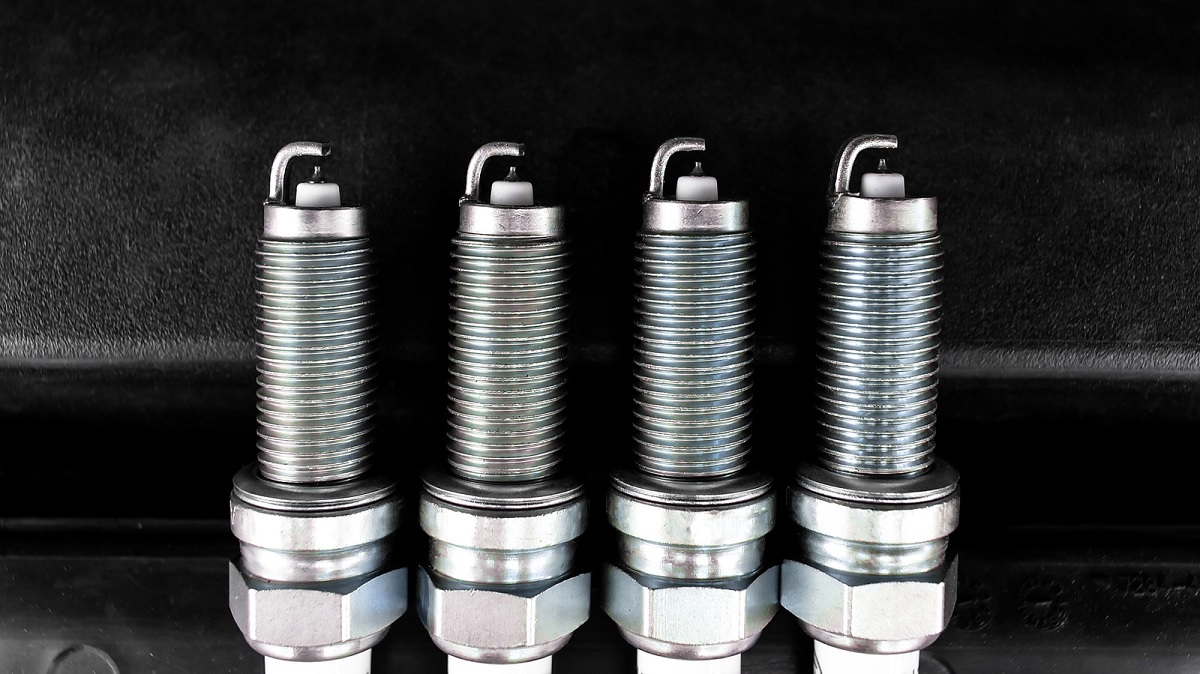
What Do Bad Spark Plugs Sound Like – Signs, Diagnosis, And Fixes
A vehicle’s performance can quickly decline when ignition components start to fail, and spark plugs are often the first to show signs of trouble. Understanding the symptoms of worn or damaged spark plugs can help you diagnose engine issues early and prevent further damage. Among the most noticeable indicators are unusual noises, which can alert you to potential problems before they escalate.
Learning to recognize these sounds is essential for maintaining engine health and efficiency. Worn spark plugs can affect combustion, leading to misfires, rough idling, and decreased fuel economy. The noises generated by faulty plugs are often subtle at first but become more pronounced as the issue worsens.
Knowing what to listen for helps you distinguish spark plug problems from other engine issues. Paying attention to engine performance alongside these sounds allows for more accurate diagnosis and timely maintenance. Recognizing these auditory cues can save time, money, and prevent more serious engine damage.
Common Engine Noises Caused By Bad Spark Plugs
Bad spark plugs can produce a variety of engine noises that indicate issues with ignition, combustion, and overall performance. Recognizing these sounds is essential for early diagnosis and repair, helping you prevent further engine damage. Understanding how faulty spark plugs affect engine operation allows drivers and mechanics to identify problems quickly and maintain smooth performance.
Popping Or Backfiring Sounds
One of the most noticeable noises caused by bad spark plugs is a popping or backfiring sound, often heard from the exhaust. This occurs when unburned fuel ignites prematurely or unevenly in the combustion chamber due to incomplete spark plug firing.
Backfires and popping are common during acceleration or sudden throttle changes, indicating misfires caused by worn or fouled plugs. Carbon deposits, oil fouling, or incorrect spark plug gaps can also contribute to these noises. Ignoring this sound can lead to more severe engine issues, including damage to the exhaust system or catalytic converter. Regular inspection and replacement of spark plugs help restore smooth ignition, eliminating these disruptive noises and improving fuel efficiency.
Knocking Or Pinging Noises
Knocking or pinging sounds can occur when combustion timing is inconsistent, often due to faulty spark plugs. These noises are produced by uncontrolled fuel ignition in the cylinder, creating small explosions rather than smooth combustion.
Bad spark plugs may have worn electrodes, excessive gaps, or carbon buildup that disrupts the ignition timing, causing the engine to produce metallic knocking sounds under load or acceleration. Persistent knocking can stress pistons, bearings, and cylinder walls, reducing engine lifespan. Addressing spark plug problems promptly ensures proper combustion timing, reduces engine stress, and eliminates the metallic noise, improving both performance and drivability.
Rough Idling And Vibrations
Faulty spark plugs often cause rough idling, which can manifest as unusual engine vibrations or chattering sounds. During idle, uneven combustion leads to inconsistent power delivery, causing the engine to shake or rattle slightly.
These vibrations may be accompanied by a stuttering or misfiring sound, especially in multi-cylinder engines where one cylinder fails to fire correctly. Bad spark plugs disrupt the air-fuel mixture ignition, creating irregular engine cycles that produce noise and reduce efficiency. Replacing worn or fouled spark plugs restores smooth combustion, eliminating vibrations and ensuring a steady idle for improved engine performance and comfort while driving.
Hissing Or Sizzling Sounds
In some cases, bad spark plugs can cause hissing or sizzling noises during engine operation. This often results from unburned fuel escaping into the exhaust or intake system due to incomplete combustion.
Faulty plugs may allow small pockets of fuel to ignite irregularly, producing a faint sizzling or hissing sound, especially during acceleration or deceleration. While subtle at first, these noises can worsen over time, signaling a need for spark plug inspection or replacement. Maintaining clean, properly gapped spark plugs ensures complete combustion, preventing hissing sounds, improving fuel efficiency, and protecting the exhaust system from potential damage.
Misfire-Related Clicking Or Ticking
A consistent clicking or ticking noise can indicate misfires caused by failing spark plugs. Each click corresponds to a cylinder misfiring or firing unevenly, which disrupts the normal engine rhythm.
This sound is particularly noticeable at low speeds or when idling and often accompanies reduced power and fuel efficiency. Misfiring can stem from worn electrodes, fouling, or incorrect spark plug gaps. Timely inspection and replacement of problematic spark plugs restore proper firing order, eliminate the irregular clicking, and improve overall engine performance, allowing your vehicle to run smoothly and quietly once again.
How Engine Misfires Affect Spark Plug Sounds
Engine misfires are one of the most common causes of unusual noises associated with spark plugs. Misfires occur when the air-fuel mixture in a cylinder fails to ignite properly, leading to inconsistent combustion. These misfires not only reduce engine performance but also create distinct sounds that can help drivers diagnose spark plug issues early, ensuring timely maintenance and avoiding more serious engine damage.
Clicking And Tapping Noises
One of the most noticeable effects of engine misfires on spark plug sounds is a clicking or tapping noise. This occurs when a cylinder repeatedly fails to fire correctly, causing the engine to operate unevenly. The misfiring cylinder produces irregular combustion, which can generate sharp, rhythmic noises audible during idling or light acceleration.
The severity of the clicking depends on the frequency and number of misfiring cylinders. If the spark plug is fouled, worn, or improperly gapped, the spark may be weak or intermittent, increasing the likelihood of these noises. Addressing spark plug issues promptly restores consistent firing, eliminates the clicking, and improves overall engine smoothness and fuel efficiency.
Popping And Backfire Sounds
Misfires can also lead to popping or backfiring sounds in the exhaust system. When the air-fuel mixture fails to ignite inside the cylinder, unburned fuel travels through the exhaust and ignites later, creating a sharp popping noise.
These sounds often occur during acceleration, sudden throttle changes, or under load. Bad spark plugs are a common culprit, as fouling, carbon buildup, or worn electrodes prevent proper combustion. Left unaddressed, repeated misfires and backfires can damage the exhaust system, catalytic converter, or even the spark plugs themselves. Replacing or cleaning spark plugs ensures complete combustion and eliminates these disruptive noises.
Rough Idling And Engine Vibrations
Engine misfires directly affect idling, resulting in rough operation and vibration that can be felt and heard. When spark plugs fail to ignite the mixture correctly, cylinders produce uneven power strokes, causing the engine to shake or emit a chattering sound.
This rough idle often correlates with noticeable misfire codes in modern engines, reduced fuel efficiency, and hesitation during acceleration. Spark plugs experiencing fouling, incorrect gap, or wear are typically responsible for these misfires. Regular inspection, cleaning, and replacement of spark plugs restore smooth combustion, eliminate uneven firing sounds, and enhance overall engine performance.
Hissing Or Sizzling From Misfires
In some cases, misfires cause a hissing or sizzling noise in the engine bay or exhaust. This occurs when unburned fuel escapes into the intake or exhaust system due to incomplete ignition, producing subtle sizzling sounds as it ignites later.
Spark plug problems are often the root cause, as weak or inconsistent sparks fail to ignite the fuel mixture at the right time. Maintaining clean, properly gapped spark plugs ensures complete combustion, reducing misfire-related noises, protecting the exhaust system, and improving engine responsiveness. Recognizing these sounds helps you identify misfires early and address spark plug issues before they escalate.
Other Mechanical Sounds That May Mimic Bad Spark Plugs
While faulty spark plugs can produce noticeable engine noises, other mechanical issues may create similar sounds, making diagnosis challenging. Recognizing the difference between spark plug problems and other mechanical sources is crucial for accurate troubleshooting. Understanding these sounds helps you avoid unnecessary replacements and ensures the true underlying issue is addressed.
Valve Train Noise
One common source of engine noise that can mimic bad spark plugs is the valve train. Components like lifters, rocker arms, and pushrods can generate ticking, tapping, or clicking sounds if they are worn or improperly adjusted.
Hydraulic or mechanical lifters may produce noise when oil pressure is insufficient, causing uneven valve movement. Worn rocker arms or loose pushrods can exaggerate this effect, creating rhythmic sounds similar to misfires caused by faulty spark plugs. Regular inspection, adjustment, and proper lubrication of the valve train help maintain smooth operation. Distinguishing between valve train noise and spark plug misfires requires careful observation of engine behavior, as valve-related sounds are usually more constant across RPMs, whereas misfire sounds vary with load and throttle input.
Exhaust Leaks
Exhaust leaks can also create noises that resemble the popping or backfiring associated with bad spark plugs. A leak near the exhaust manifold or gasket allows hot gases to escape, producing hissing, popping, or tapping sounds during engine operation.
These noises may intensify during acceleration or under load, closely mimicking misfire sounds caused by spark plugs. However, the source is mechanical rather than electrical or combustion-related. Inspecting the exhaust system, including gaskets, flanges, and manifolds, helps identify leaks. Repairing or replacing faulty components restores proper exhaust flow, eliminates unusual noises, and improves engine performance, fuel efficiency, and emissions.
Fuel System And Injector Noises
Fuel system components, particularly fuel injectors, can create clicking or ticking noises that resemble misfire sounds. While injectors produce high-frequency sounds as they open and close, a malfunctioning or leaking injector may create uneven firing or popping-like noises.
Bad fuel delivery can lead to incomplete combustion, further mimicking the auditory symptoms of faulty spark plugs. Regular maintenance, including cleaning or replacing injectors, checking fuel pressure, and inspecting lines, ensures proper fuel delivery and reduces noise. Differentiating between injector-related noises and spark plug issues is critical to avoid misdiagnosis and ensure smooth engine operation.
Timing Chain Or Belt Noise
Timing chains or belts may produce rattling, clicking, or slapping sounds when worn or loose. These noises often occur during startup or at low RPMs, which can be confused with misfires from spark plugs.
A loose or stretched timing chain can affect valve timing, potentially causing misfire-like symptoms and irregular engine noises. Inspection and maintenance of timing components, such as guides, tensioners, and sprockets, are essential for preventing mechanical noise, preserving engine timing, and avoiding more severe engine damage. Correctly identifying these noises ensures you target the root cause rather than replacing spark plugs unnecessarily.
Common Causes Of Spark Plug Noise
Spark plug noise is often an early indicator of underlying engine problems, ranging from minor maintenance issues to serious mechanical failures. Recognizing the common causes of these noises helps drivers and mechanics identify problems quickly and take corrective action. Understanding why spark plugs produce unusual sounds ensures proper engine performance and prevents further damage.
Worn Or Fouled Spark Plugs
One of the most frequent causes of spark plug noise is wear or fouling. Over time, spark plug electrodes can erode, accumulate carbon deposits, or become coated with oil, which disrupts proper spark generation.
When a spark plug is worn or fouled, it may misfire, causing distinct popping, ticking, or backfiring noises. These noises are often more pronounced during acceleration, idling, or under load. Fouled plugs can result from poor fuel quality, oil leakage into the combustion chamber, or extended use beyond the recommended service interval. Regular inspection and replacement of spark plugs restore smooth combustion, eliminate misfire noises, and improve fuel efficiency and overall engine performance.
Incorrect Spark Plug Gap
An improper spark plug gap is another common cause of unusual noises. The gap between the center and ground electrode must match manufacturer specifications to ensure consistent spark and efficient combustion.
If the gap is too wide or too narrow, the spark may be weak, intermittent, or delayed, leading to engine misfires. These misfires can produce ticking, popping, or knocking sounds similar to those caused by worn plugs. Adjusting the spark plug gap correctly ensures reliable ignition, smooth combustion, and optimal engine performance. Periodic gap checks during maintenance help prevent noise and reduce wear on other engine components.
Using The Wrong Type Of Spark Plug
Using the incorrect spark plug for your engine can also cause unusual sounds. Spark plugs vary in heat range, thread size, and electrode design, and using the wrong type can lead to incomplete combustion or misfires.
Incorrect spark plugs may overheat, produce pre-ignition knocking, or fail to fire consistently, creating audible ticking, knocking, or popping noises. Matching the spark plug type to your engine’s specifications ensures proper heat dissipation, consistent spark, and smooth operation. Always refer to manufacturer guidelines when replacing spark plugs to prevent noise and maintain engine efficiency.
Ignition System Problems
Sometimes spark plug noise is not caused by the plug itself but by other ignition system components. Weak ignition coils, damaged wires, or a failing distributor can result in irregular spark delivery.
Irregular sparks cause misfires, which create popping, clicking, or backfiring sounds. These noises often mimic those of bad spark plugs, making accurate diagnosis critical. Inspecting the ignition system, including coils, wires, and distributor components, ensures proper voltage delivery to the plugs, restores smooth combustion, and eliminates misfire-related noises. Proper maintenance of the ignition system supports overall engine performance and longevity.
Fuel Mixture And Engine Conditions
A poor air-fuel mixture or engine condition can also amplify spark plug noises. Lean or rich mixtures, carbon buildup in cylinders, or engine deposits can disrupt combustion, causing misfires and unusual noises.
Lean mixtures may produce metallic knocking or pinging sounds, while rich mixtures often lead to popping or backfiring. Regular fuel system maintenance, including injector cleaning, fuel filter replacement, and carburetor or fuel system tuning, ensures the engine receives the proper mixture. Maintaining clean combustion chambers and correct spark plug function reduces noise, improves performance, and prevents further engine damage.
Repairing Or Replacing Bad Spark Plugs
Bad spark plugs can lead to misfires, rough idling, decreased fuel efficiency, and unusual engine noises. Addressing spark plug issues promptly is crucial to maintain engine performance and prevent further damage. Understanding how to repair, clean, or replace spark plugs helps drivers and mechanics restore proper combustion and smooth operation in a timely manner.
Diagnosing Faulty Spark Plugs
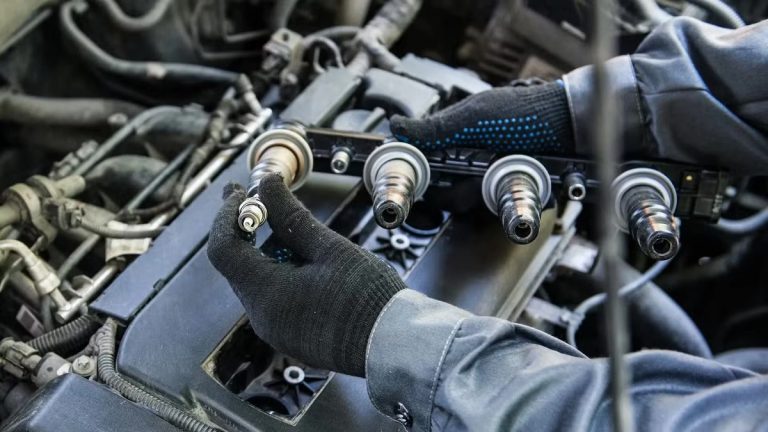
Before repairing or replacing spark plugs, it is important to accurately diagnose the problem. Common signs of bad spark plugs include engine misfires, rough idling, difficulty starting, reduced power, and unusual noises such as popping, ticking, or knocking. Visual inspection can also reveal fouling, carbon buildup, oil deposits, or worn electrodes.
Using a spark plug tester or multimeter can help determine whether the plug is generating a proper spark. Comparing readings between cylinders ensures that misfires are correctly attributed to spark plugs rather than other ignition system components. Accurate diagnosis prevents unnecessary replacements and allows you to target the root cause, ensuring the engine operates efficiently.
Cleaning And Repairing Spark Plugs
In some cases, spark plugs can be repaired or cleaned rather than replaced. Light carbon or oil buildup can be removed using a specialized spark plug cleaner or a soft wire brush, restoring proper firing function. Proper cleaning removes deposits that interfere with spark generation and helps maintain correct combustion.
After cleaning, inspect the electrode for wear or damage. Gaps should be measured and adjusted according to manufacturer specifications using a spark plug gap tool. While cleaning can extend the life of some plugs, severely worn or damaged plugs should be replaced to avoid recurring misfires and potential engine damage.
Replacing Spark Plugs
When spark plugs are beyond repair, replacement is the best solution. Select the correct spark plug type based on the engine’s specifications, considering heat range, thread size, and electrode type. Using the wrong plug can lead to misfires, knocking, or poor performance.
Before installing new plugs, ensure the threads in the cylinder head are clean. Apply anti-seize compound sparingly to prevent future thread damage but avoid over-application, which can interfere with proper torque. Tighten the plugs to manufacturer-specified torque using a torque wrench to prevent over-tightening or under-tightening, both of which can cause noise, misfires, or engine damage.
Maintenance After Replacement
After repairing or replacing spark plugs, it is important to maintain proper ignition system health. Inspect spark plug wires, ignition coils, and distributor components regularly to ensure consistent spark delivery. Checking gaps and torque periodically helps prevent recurring issues and ensures smooth operation.
Routine maintenance also includes monitoring fuel quality and engine performance. Clean and properly functioning spark plugs improve combustion efficiency, reduce engine noise, restore power, and enhance fuel economy. By addressing spark plug issues promptly and maintaining proper care, the engine can continue to run smoothly and reliably for thousands of miles.
FAQs
What Do Bad Spark Plugs Sound Like When Idling?
When spark plugs are failing, you may notice unusual sounds while the engine is idling. These often include ticking, clicking, or chattering noises caused by inconsistent combustion in one or more cylinders.
During idle, misfires from worn or fouled spark plugs result in uneven power delivery. This produces vibrations and intermittent noises that are more noticeable at lower RPMs. Paying attention to these subtle engine sounds can help you identify faulty plugs early, preventing rough idling, reduced fuel efficiency, and potential damage to other engine components.
Can Bad Spark Plugs Cause Popping Sounds?
Yes, faulty spark plugs can lead to popping sounds, often heard from the exhaust. These pops occur when unburned fuel ignites irregularly due to incomplete or delayed combustion.
The popping is more pronounced during acceleration or when the engine is under load. Carbon buildup, fouled electrodes, or incorrect spark plug gaps can disrupt combustion timing, causing fuel to ignite inconsistently. Identifying popping sounds as spark plug-related allows you to address the issue quickly and restore smooth engine performance and fuel efficiency.
Do Worn Spark Plugs Make Knocking Noises?
Worn or damaged spark plugs can contribute to knocking or pinging sounds in the engine. These occur when the air-fuel mixture ignites prematurely or unevenly in the cylinder.
Knocking sounds are often metallic and are more noticeable during acceleration or heavy load. Faulty plugs with eroded electrodes, improper gaps, or fouling cause inconsistent spark timing, which produces small explosions rather than smooth combustion. Replacing worn spark plugs ensures proper ignition timing, reduces knocking, and protects pistons, valves, and other engine components from stress.
How Can You Tell If Spark Plugs Are Causing Backfiring?
Bad spark plugs can cause backfiring, producing loud popping or banging sounds from the exhaust. This happens when unburned fuel ignites outside the combustion chamber due to misfires.
Misfires result from worn, fouled, or improperly gapped spark plugs. Backfiring is more noticeable during sudden acceleration or gear changes. Detecting these noises and inspecting the spark plugs helps you identify the source of irregular combustion. Replacing faulty plugs restores proper firing, prevents backfires, and maintains smooth engine operation.
Can Misfires From Bad Spark Plugs Cause Engine Vibrations?
Yes, misfires caused by bad spark plugs can result in engine vibrations that are both felt and heard. Uneven firing creates irregular power delivery across cylinders, leading to chattering or shaking sounds.
These vibrations are most noticeable at idle or low speeds but can persist under light acceleration. Faulty plugs, fouled electrodes, or incorrect gaps are often the root cause. Regular inspection, cleaning, or replacement of spark plugs restores consistent combustion, smooths out engine vibrations, and improves overall drivability and fuel efficiency.
Do Oil-Fouled Spark Plugs Make Different Noises?
Oil-fouled spark plugs can produce subtle hissing or sizzling noises due to incomplete combustion. Oil coating the electrodes prevents proper ignition of the air-fuel mixture, causing irregular firing.
These sounds are often more pronounced during acceleration or when the engine is cold. Oil fouling typically results from worn piston rings, valve seals, or overfilling the crankcase. Addressing the underlying oil issue and cleaning or replacing spark plugs ensures complete combustion, eliminates unusual noises, and restores engine performance.
When Should You Replace Spark Plugs Based On Noise?
If you hear persistent ticking, popping, knocking, or misfire-related vibrations, it is a clear sign that spark plugs may need replacement. Ignoring these noises can lead to reduced fuel efficiency and engine damage.
You should inspect spark plugs regularly and compare sounds across cylinders. Worn, fouled, or incorrectly gapped plugs are the most common causes of abnormal engine noises. Timely replacement restores smooth operation, prevents misfires, and protects internal engine components from unnecessary stress. Listening carefully to your engine helps identify problems before they escalate.
Conclusion
Unusual engine noises are often the first clue that your vehicle may have ignition problems. Knowing what do bad spark plugs sound like helps drivers and mechanics quickly identify issues before they lead to more serious engine damage. Common indicators include popping, sputtering, rough idling, or backfiring, all of which signal that combustion is not occurring properly in one or more cylinders.
Listening carefully during cold starts and under varying engine loads can make it easier to pinpoint the problem. Bad spark plugs often produce irregular firing noises that differ from other mechanical sounds, such as timing chain rattles or exhaust leaks. Combining audible cues with visual inspection of the spark plugs ensures an accurate diagnosis and effective repair.
Understanding what do bad spark plugs sound like allows for timely replacement and proper maintenance. Addressing spark plug issues promptly improves engine performance, fuel efficiency, and overall reliability, keeping your vehicle running smoothly and safely on every drive.