What Should Spark Plugs Look Like – Signs Of Healthy vs Worn Plugs And Maintenance Tips
Spark plugs are small but essential components in your vehicle’s engine, responsible for igniting the fuel-air mixture and keeping the engine running smoothly. Regular inspection of spark plugs helps maintain engine performance, fuel efficiency, and overall reliability. Understanding what a healthy spark plug looks like can prevent costly repairs and ensure your vehicle operates at its best.
Knowing what should spark plugs look like helps you identify potential issues such as wear, deposits, or damage. Spark plugs that appear abnormal can indicate engine problems, fuel system inefficiencies, or improper combustion. Recognizing the difference between healthy and worn spark plugs allows you to take timely action and avoid engine misfires.
Spark plug appearance provides valuable insight into engine health. Factors such as color, electrode condition, and deposit buildup all offer clues about combustion quality. Learning what should spark plugs look like empowers you to maintain your vehicle proactively and safely.
Visual Indicators Of Healthy Spark Plugs
Healthy spark plugs are vital for ensuring optimal engine performance, fuel efficiency, and smooth combustion. By examining their appearance, you can gain valuable insight into your engine’s condition and detect potential issues before they become serious. Recognizing visual indicators of healthy spark plugs allows you to maintain your vehicle proactively and ensure reliable performance over time.
Clean, Light Tan or Gray Electrodes
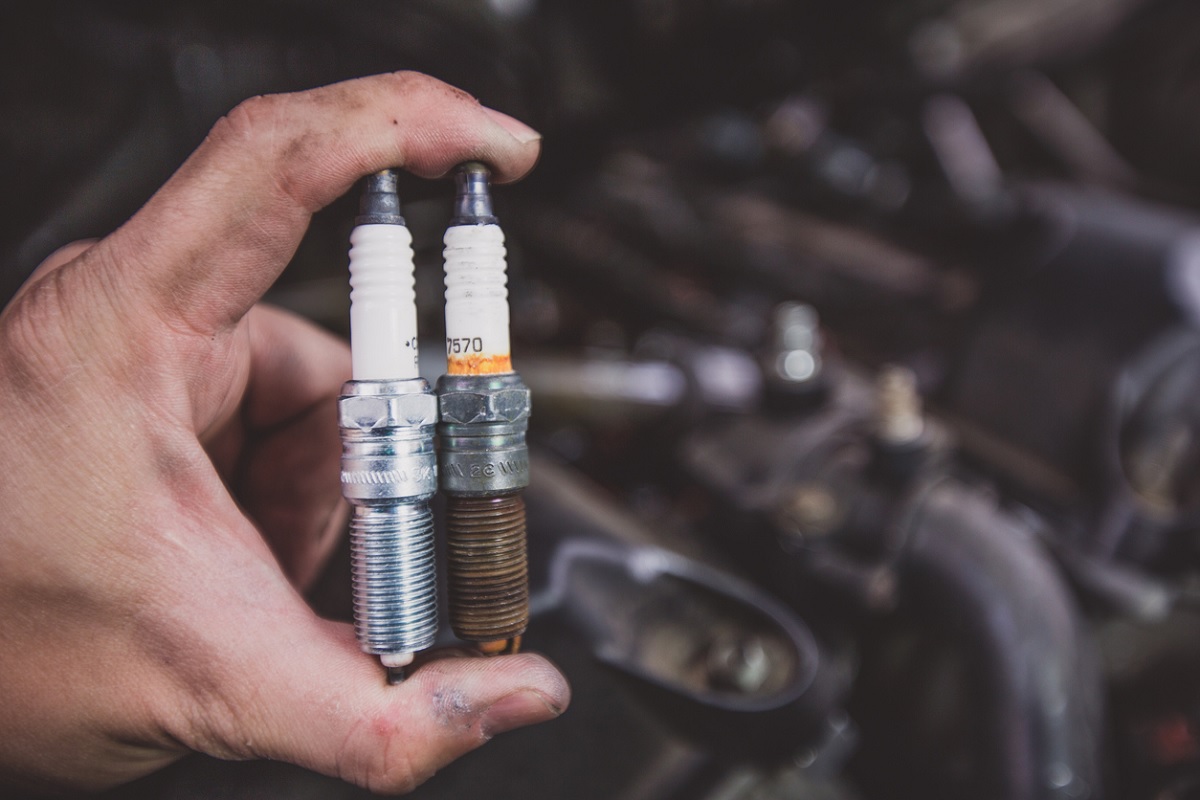
One of the most reliable signs of a healthy spark plug is a clean electrode with a light tan or gray coloration. This indicates proper fuel combustion and that the engine is running efficiently. The electrode should be free of excessive carbon deposits, soot, or oil residue, which could indicate incomplete combustion or mechanical issues.
A light tan or gray electrode suggests that the air-fuel mixture is balanced and the ignition system is functioning correctly. Spark plugs with this coloration typically provide consistent firing, smooth acceleration, and optimal fuel efficiency. Regular inspection of the electrode ensures early detection of combustion problems.
Excessive black soot or oily residue may indicate engine oil leakage, fuel mixture issues, or worn piston rings. Recognizing a healthy electrode color helps you distinguish between normal wear and early warning signs, allowing timely maintenance. Maintaining clean electrodes also supports long-term engine reliability and prevents misfires.
Minimal Electrode Wear And Proper Gap
Healthy spark plugs should show minimal wear on the center and ground electrodes. Slight rounding at the edges is normal over time, but significant erosion or pitting can reduce spark efficiency and affect engine performance. Proper electrode condition ensures consistent ignition and smooth combustion throughout the engine’s operating range.
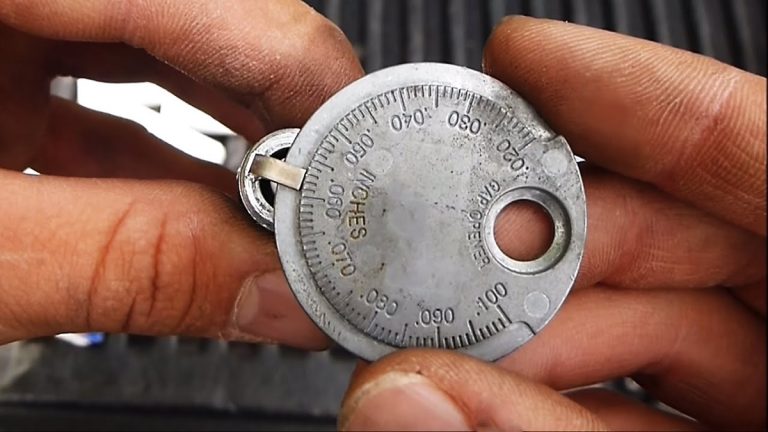
The gap between the center and ground electrode should match the manufacturer’s specifications. A correctly spaced gap allows a strong, consistent spark that ignites the fuel-air mixture efficiently. Over time, gaps may widen due to normal wear, but healthy spark plugs maintain spacing within an acceptable range.
Maintaining minimal electrode wear supports efficient engine operation, preventing rough idling, poor fuel economy, and misfires. Regularly checking electrode condition and gap ensures your spark plugs continue to perform reliably, contributing to overall engine health.
Absence Of Deposits And Contaminants
A key indicator of healthy spark plugs is the absence of deposits or contaminants on the electrode and insulator. Healthy spark plugs are generally free of carbon buildup, oil residue, ash, or metallic deposits. Any unusual accumulation can point to fuel quality issues, oil leaks, or combustion inefficiencies.
Black carbon deposits often result from a rich fuel mixture or excessive idling, while oily residues may indicate worn engine components. White or light-colored deposits could suggest overheating or the use of low-quality fuel. Healthy spark plugs remain clean, signaling proper combustion and optimal engine operation.
Inspecting spark plugs for contaminants allows early detection of potential engine problems. Keeping electrodes and insulators free from deposits ensures reliable spark formation, preventing misfires and maintaining consistent performance. Regular cleaning and replacement help sustain engine efficiency.
Intact Insulator And Electrode Structure
The insulator and electrodes of healthy spark plugs should remain intact and free of cracks, chips, or damage. Any physical damage can compromise insulation, reduce spark effectiveness, and lead to engine misfires. The insulator should maintain its original shape and color, without visible signs of excessive heat or erosion.
Properly intact spark plug components indicate the engine is running under normal conditions, without overheating or abnormal voltage issues. Cracked or damaged insulators, on the other hand, may result in short circuits or erratic engine behavior. Maintaining structural integrity ensures the spark plug continues to function safely and efficiently.
Regular inspection for chips, cracks, or erosion allows early detection of problems that could affect ignition performance. Healthy structural components promote consistent firing and reduce the risk of sudden engine malfunctions.
Consistent Firing Marks On The Center Electrode
Another visual indicator of healthy spark plugs is consistent, evenly distributed firing marks on the center electrode. This pattern shows that the spark plug is firing correctly across all cylinders and that the combustion process is balanced. Uneven marks can indicate misfiring, inconsistent air-fuel mixture, or ignition system problems.
Consistent firing marks also reflect proper combustion chamber conditions and correct spark plug heat range. Spark plugs that maintain a uniform wear pattern and balanced firing marks support smooth engine operation and reliable acceleration.
Examining firing marks during regular maintenance provides insight into engine performance trends over time. Healthy spark plugs with consistent marks contribute to efficient fuel combustion, reduced emissions, and long-term engine stability.
Signs Spark Plugs Are Worn Or Damaged
Spark plugs play a critical role in engine performance, and their condition directly affects fuel efficiency, acceleration, and smooth operation. Worn or damaged spark plugs can cause a range of issues, from misfires to increased emissions. Recognizing the signs early allows you to replace or repair spark plugs before they lead to serious engine problems or costly repairs.
Engine Misfires And Rough Idling
One of the most common signs of worn spark plugs is engine misfires or rough idling. A misfire occurs when the spark plug fails to ignite the fuel-air mixture in the combustion chamber consistently, causing uneven engine operation. You may notice the engine shaking, hesitating during acceleration, or producing unusual noises.
Rough idling often becomes more noticeable when the vehicle is stationary, as the engine struggles to maintain consistent firing. Worn electrodes or deposits on the spark plug can reduce spark strength, leading to incomplete combustion. These misfires not only affect drivability but can also increase fuel consumption and produce higher emissions.
Monitoring engine performance and identifying misfires early helps prevent long-term damage to components like the catalytic converter. Replacing spark plugs showing signs of wear ensures smoother operation and restores proper combustion efficiency.
Difficulty Starting The Engine
Worn or damaged spark plugs can make starting your vehicle more difficult. Weak sparks or inconsistent firing caused by electrode wear or buildup can prevent the fuel-air mixture from igniting efficiently, leading to slow starts or multiple attempts to start the engine.
Cold starts may become particularly challenging, as the engine requires stronger ignition to compensate for lower temperatures. Drivers may notice the starter motor working longer or the engine cranking without immediate ignition. Over time, this places additional strain on the battery, starter, and ignition system.
Regularly inspecting spark plugs and replacing those that show signs of wear ensures reliable starts and prevents stress on other components. Maintaining functional spark plugs helps your engine fire consistently under all conditions, improving reliability and performance.
Visible Deposits Or Carbon Buildup
Spark plugs that are worn or damaged often display visible deposits or carbon buildup on the electrodes and insulator. Black, sooty deposits indicate a rich fuel mixture or incomplete combustion, while oily residues may suggest oil leakage into the combustion chamber.
White or ashy deposits can indicate overheating, the use of low-quality fuel, or improper spark plug heat range. Excessive buildup prevents consistent spark formation and reduces combustion efficiency, leading to misfires, rough idling, and lower fuel economy.
Cleaning minor deposits may provide temporary relief, but significant buildup or repeated recurrence usually requires spark plug replacement. Inspecting spark plugs regularly for discoloration or residue helps identify underlying engine issues early and ensures optimal performance.
Worn Electrodes And Increased Gap
Electrode wear is a key sign of spark plug deterioration. Over time, the center and ground electrodes erode due to repeated arcing and high-temperature exposure, resulting in rounded or pitted surfaces. This reduces spark efficiency, making combustion less consistent and affecting engine performance.
Worn electrodes also increase the spark plug gap, which requires more voltage to generate a spark. If the gap becomes too wide, the spark may fail to jump, causing misfires, hesitation, and rough acceleration. Checking electrode condition and spacing ensures the spark plug delivers reliable ignition.
Replacing spark plugs with worn electrodes restores proper firing and gap consistency, improving combustion efficiency. Properly maintained electrodes prevent engine stress, enhance fuel economy, and reduce emissions.
Cracks, Chips, Or Physical Damage
Physical damage to spark plugs, including cracks, chips, or broken insulators, is a clear indicator they need replacement. Damaged spark plugs can cause short circuits, misfires, and poor engine performance. Even minor cracks can allow electrical leakage, preventing the spark from igniting the fuel-air mixture properly.
Damage can result from improper installation, excessive heat, or impact. Drivers may notice engine hesitation, unusual noises, or a strong fuel smell from incomplete combustion. Continuing to use damaged spark plugs risks further engine problems, including damage to ignition coils or catalytic converters.
Regular inspections for physical damage ensure spark plugs are safe and effective. Replacing broken or cracked plugs maintains reliable ignition, protects the engine, and supports overall vehicle performance.
Color Guide For Spark Plug Condition
The color of your spark plugs provides valuable insight into engine performance and health. By examining the electrode and insulator color, you can detect issues such as fuel mixture imbalances, overheating, or oil leaks. Understanding a spark plug color guide helps you identify problems early and maintain optimal engine efficiency, ensuring smooth operation and preventing costly repairs over time.
Light Tan Or Gray: Healthy Spark Plugs
Spark plugs that display a light tan or gray coloration are generally considered healthy. This color indicates proper combustion, a balanced air-fuel mixture, and efficient engine operation. When the electrodes and insulator show a consistent light tan or gray hue, it means the spark plug is firing correctly, and the engine is running as intended.
Healthy spark plugs with this coloration provide smooth acceleration, reliable starts, and optimal fuel efficiency. Drivers are less likely to experience misfires or rough idling when spark plugs remain clean and free of excessive deposits. Regular inspection ensures that the spark plug continues to perform reliably over time.
Slight variations in color, such as a slightly darker gray, are normal and typically result from regular engine operation. Maintaining light tan or gray spark plugs helps prolong engine life and supports consistent combustion performance.
Black, Sooty Deposits: Rich Fuel Mixture
Black or sooty deposits on a spark plug indicate a rich fuel mixture or incomplete combustion. This occurs when there is too much fuel and not enough air in the combustion chamber, causing carbon buildup on the electrode and insulator. Such deposits reduce spark efficiency and may result in misfires, poor fuel economy, and rough idling.
Black deposits may also appear if the engine frequently idles, uses low-quality fuel, or has a malfunctioning fuel injector. Over time, excessive carbon buildup can prevent the spark from jumping effectively, leading to performance issues. Cleaning minor deposits may temporarily help, but persistent blackening usually requires inspection of the fuel system and spark plug replacement.
Monitoring black deposit formation allows you to adjust fueling or address engine inefficiencies early. Maintaining the correct air-fuel balance ensures spark plugs stay clean and combustion remains efficient.
Oily Deposits: Oil Leakage
Oily deposits on spark plugs are a sign of oil entering the combustion chamber. This can result from worn piston rings, valve guides, or other internal engine issues. The oil coats the electrode and insulator, preventing a proper spark and causing misfires, poor acceleration, and increased emissions.
Oily spark plugs often appear shiny or wet, with dark brown or black coloration that does not burn off during combustion. Repeated oil fouling can lead to engine performance issues and may damage ignition coils if left unaddressed. Identifying oil-contaminated spark plugs allows you to investigate the source of the leak and prevent further damage.
Addressing the root cause of oil deposits and replacing fouled spark plugs restores proper ignition and maintains engine efficiency. Regular inspections help catch oil-related issues before they escalate into major repairs.
White Or Light Ash Deposits: Overheating
White or light ash-colored deposits on spark plugs indicate overheating or the use of an incorrect heat range plug. This condition may also result from excessive ignition timing, lean fuel mixtures, or prolonged high-speed driving. Overheating can erode the electrodes, reducing spark efficiency and potentially causing engine knock or pre-ignition.
These spark plugs often display a chalky or ashy texture on the electrode and insulator. If left unchecked, continued overheating can damage the spark plug and lead to costly engine repairs. Identifying white deposits early allows you to correct the fuel mixture, ignition timing, or replace the spark plug with the correct heat range.
Maintaining the proper spark plug heat rating and monitoring driving conditions helps prevent overheating and prolongs engine life. Regular visual inspections reveal temperature-related issues before they affect performance.
Mixed Or Uneven Colors: Engine Imbalances
Spark plugs with mixed or uneven coloration, such as patches of black, brown, or white, may indicate engine imbalances. These can result from inconsistent fuel delivery, ignition timing issues, or partial fouling in specific cylinders. Uneven spark plug color often correlates with misfires, rough idling, and decreased fuel efficiency.
Uneven deposits can also suggest localized overheating or oil contamination affecting certain cylinders. Analyzing spark plug color patterns across all cylinders helps pinpoint specific engine problems. Replacing affected spark plugs and addressing the underlying mechanical or fuel system issues restores balanced engine performance.
Consistent monitoring of spark plug coloration allows early detection of engine inefficiencies. Maintaining uniform and appropriate spark plug colors ensures smooth combustion, reliable ignition, and optimal engine operation.
Effects Of Worn Spark Plugs On Engine Performance
Spark plugs are essential for igniting the fuel-air mixture in an engine, and their condition directly impacts overall performance. Worn or damaged spark plugs reduce ignition efficiency, which can lead to misfires, rough idling, and poor fuel economy. Understanding how worn spark plugs affect engine performance helps you identify issues early and maintain reliable, smooth-running vehicles.
Reduced Fuel Efficiency
Worn spark plugs can significantly decrease fuel efficiency. As the electrodes erode or become coated with carbon, oil, or ash, the spark strength weakens, leading to incomplete combustion. This forces the engine to burn more fuel to achieve the same power output, resulting in higher fuel consumption over time.
Drivers may notice the fuel gauge dropping faster than usual, especially during city driving or stop-and-go traffic. In addition, misfires caused by worn spark plugs further contribute to wasted fuel and increased emissions. Maintaining proper spark plug condition ensures that the engine operates efficiently, maximizing fuel economy and reducing unnecessary strain on the fuel system.
Regular inspection and timely replacement of spark plugs restore efficient combustion. Properly functioning spark plugs not only improve fuel economy but also help reduce environmental impact by minimizing unburned fuel emissions.
Engine Misfires And Rough Idling
Engine misfires and rough idling are common symptoms of worn spark plugs. When the spark plug fails to ignite the fuel-air mixture consistently, the engine experiences uneven combustion, causing the vehicle to shake, hesitate, or run roughly at low speeds. Misfires can occur in one or multiple cylinders, depending on the condition of the spark plugs.
Rough idling is particularly noticeable when the car is stationary, as the engine struggles to maintain a smooth RPM. Prolonged misfires place stress on engine components such as the catalytic converter, pistons, and ignition coils, potentially leading to costly repairs.
Replacing worn spark plugs restores consistent ignition, smooth idling, and reliable acceleration. Regular monitoring of engine performance helps detect early signs of misfires, ensuring the vehicle continues to operate efficiently and safely.
Difficulty Starting The Engine
Worn spark plugs can make starting the engine more difficult, especially during cold weather. Weak or inconsistent sparks caused by eroded electrodes or fouling prevent the fuel-air mixture from igniting effectively, resulting in slow starts or multiple attempts to start the engine.
Frequent starting issues can strain the battery, starter motor, and ignition system. Drivers may notice prolonged cranking, unusual noises, or delayed engine response. Over time, this repeated stress may shorten the lifespan of other engine components, increasing maintenance costs.
Replacing worn spark plugs ensures reliable ignition and restores smooth starts. Maintaining properly functioning spark plugs prevents unnecessary strain on the starting system and enhances overall engine dependability.
Loss Of Acceleration And Power
Worn spark plugs reduce engine power and acceleration. Incomplete combustion caused by weak sparks results in less energy being produced in each cylinder, which directly affects the engine’s ability to respond efficiently to throttle input. Drivers may notice sluggish acceleration, difficulty overtaking, or reduced performance under load.
Reduced power output not only impacts driving enjoyment but also affects fuel efficiency and overall vehicle performance. Engines with worn spark plugs must work harder to achieve desired speed, placing additional stress on components such as the transmission and drivetrain.
Timely spark plug replacement restores consistent combustion, improving engine responsiveness and acceleration. Properly maintained spark plugs allow the engine to deliver optimal power and maintain smooth performance under various driving conditions.
Increased Emissions And Engine Strain
Worn spark plugs contribute to increased exhaust emissions due to incomplete combustion. Unburned fuel enters the exhaust system, producing higher levels of hydrocarbons and carbon monoxide. This not only affects the environment but can also cause the vehicle to fail emissions tests.
Additionally, the engine experiences increased strain as it compensates for reduced ignition efficiency. Components like the catalytic converter, ignition coils, and fuel injectors face added stress, which can lead to premature wear or failure if spark plugs are not replaced in time.
Maintaining healthy spark plugs ensures efficient fuel combustion, reduces emissions, and minimizes unnecessary engine strain. Regular inspection and timely replacement support engine longevity, optimal performance, and compliance with environmental standards.
How Often Spark Plugs Should Be Inspected Or Replaced
Spark plugs are critical for engine performance, and their condition directly affects fuel efficiency, acceleration, and smooth operation. Regular inspection and timely replacement ensure that your engine continues to run reliably. Understanding how often spark plugs should be checked or changed helps prevent misfires, rough idling, and costly repairs, keeping your vehicle in optimal condition.
Recommended Inspection Intervals
Most manufacturers recommend inspecting spark plugs every 30,000 miles or during routine service intervals. Regular inspection allows you to assess electrode wear, deposits, and overall condition. Even if your engine seems to run smoothly, small signs of wear or contamination can lead to performance issues over time.
During inspections, look for color changes, carbon buildup, oil residue, or physical damage. Checking the electrode gap ensures the spark plug can fire efficiently, preventing misfires and rough idling. Spark plug inspection is especially important in older vehicles or engines exposed to harsh driving conditions, such as frequent stop-and-go traffic, towing, or extreme temperatures.
Routine inspections help identify potential problems early, allowing you to address them before they escalate. Maintaining a consistent inspection schedule prolongs engine life, preserves fuel efficiency, and reduces the risk of unexpected engine performance issues.
Standard Replacement Intervals
Standard replacement intervals vary depending on the spark plug type and vehicle specifications. Copper spark plugs generally require replacement every 20,000 to 30,000 miles, while platinum or iridium plugs can last between 60,000 and 100,000 miles. Following the manufacturer’s recommended schedule ensures reliable ignition and consistent engine performance.
Delaying replacement beyond the recommended mileage can lead to decreased fuel efficiency, misfires, and poor acceleration. Even high-quality spark plugs eventually wear down, with electrodes eroding and gaps widening over time. Regular replacement prevents ignition inefficiencies and maintains optimal combustion.
Checking the owner’s manual or manufacturer guidelines provides specific intervals for your vehicle. Replacing spark plugs on schedule helps prevent engine strain, reduces emissions, and supports smooth operation under all driving conditions.
Signs That Require Early Replacement
Even before reaching the recommended mileage, certain signs indicate spark plugs need replacement. Symptoms include engine misfires, difficulty starting, rough idling, decreased acceleration, and unusual fuel consumption. Visible issues like black soot, oil fouling, or cracked insulators also warrant immediate attention.
Early replacement prevents further engine damage and ensures reliable ignition performance. Addressing spark plug wear proactively reduces stress on ignition coils, fuel injectors, and catalytic converters. Ignoring these signs can lead to costly repairs and poor vehicle performance.
Keeping an eye on these indicators during routine inspections allows you to replace spark plugs when necessary, even if they haven’t reached their standard service interval. Timely maintenance protects engine health and maintains optimal efficiency.
Factors Affecting Replacement Frequency
Several factors influence how often spark plugs should be replaced. Driving habits, fuel quality, engine type, and operating conditions can accelerate wear. High-performance or turbocharged engines often generate more heat, which can erode electrodes faster. Frequent short trips, stop-and-go traffic, or heavy towing may also increase replacement frequency.
Using low-quality fuel or skipping regular maintenance can lead to carbon buildup and fouling, shortening spark plug life. Environmental conditions like extreme temperatures or dusty areas may also contribute to faster deterioration. Being aware of these factors allows drivers to adjust maintenance schedules accordingly.
Regularly evaluating driving conditions and monitoring spark plug health ensures optimal engine performance. Proactive replacement based on wear and conditions, rather than mileage alone, helps maintain reliable ignition and prevents costly engine issues.
Benefits Of Timely Spark Plug Maintenance
Inspecting and replacing spark plugs on schedule ensures consistent combustion, smooth engine operation, and optimal fuel efficiency. Proper maintenance reduces misfires, prevents rough idling, and extends the life of other engine components.
Timely spark plug replacement also supports emissions control, helping vehicles meet environmental standards. Regular attention to spark plug health contributes to a safer, more reliable, and more efficient driving experience.
Tips For Maintaining Healthy Spark Plugs
Maintaining healthy spark plugs is essential for optimal engine performance, fuel efficiency, and smooth operation. Regular care and attention to spark plugs help prevent misfires, rough idling, and unnecessary strain on engine components. Implementing proper maintenance practices ensures that your vehicle remains reliable and runs efficiently over time.
Regular Inspection And Cleaning
Regular inspection is the first step in keeping spark plugs healthy. Remove the spark plugs at recommended intervals and examine them for signs of wear, deposits, or damage. Look for discoloration, carbon buildup, or oil residue on the electrodes and insulators, as these indicate potential engine issues.
Minor deposits can often be cleaned using a wire brush or spark plug cleaner, restoring proper spark function. Checking the electrode gap during inspections ensures the spark plug fires efficiently. Proper inspection and cleaning help maintain consistent combustion, improve fuel efficiency, and prevent misfires caused by fouled or worn plugs.
Routine inspections allow you to identify early signs of problems, enabling proactive maintenance. This approach prevents minor issues from escalating into costly engine repairs while keeping spark plugs in optimal working condition.
Use Quality Fuel And Correct Engine Fluids
Using high-quality fuel and engine fluids plays a significant role in spark plug health. Low-quality fuel can leave deposits on electrodes, while contaminated engine oil may cause oil fouling. Maintaining clean fuel and proper oil levels reduces the risk of carbon buildup, overheating, and premature electrode wear.
Fuel with the correct octane rating, as recommended by the vehicle manufacturer, ensures proper combustion and reduces stress on spark plugs. Similarly, using engine oil that meets the manufacturer’s specifications helps prevent oil leakage into the combustion chamber, which could foul spark plugs.
Consistent use of quality fuel and fluids supports clean combustion, extending spark plug life and maintaining engine efficiency. This simple practice can significantly reduce wear and improve overall vehicle performance.
Ensure Proper Spark Plug Installation
Proper installation is crucial for maintaining spark plug performance. Incorrect torque or improper placement can damage the insulator, cause electrode misalignment, or create poor electrical contact. Always follow manufacturer specifications when installing new spark plugs.
Using a torque wrench ensures the spark plug is neither over-tightened nor under-tightened, reducing the risk of cracks or stripped threads. Applying anti-seize lubricant to the threads can also prevent corrosion and make future removal easier. Correct installation supports consistent firing, prevents misfires, and maintains proper combustion across all cylinders.
Proper installation practices protect both the spark plug and the engine, ensuring long-lasting performance and avoiding unnecessary repairs caused by improper fitting.
Monitor Engine Performance
Keeping an eye on engine performance helps maintain spark plug health. Unusual symptoms such as misfires, rough idling, decreased acceleration, or poor fuel efficiency may indicate worn or fouled spark plugs. Early detection allows you to take action before further engine damage occurs.
Regularly reviewing the vehicle’s performance and monitoring fuel consumption helps you recognize when spark plugs require attention. Proactive replacement or adjustment based on these observations ensures consistent ignition and efficient engine operation.
Monitoring performance trends alongside scheduled maintenance keeps spark plugs functioning optimally, contributing to smoother driving, lower emissions, and improved engine reliability.
Follow Manufacturer Maintenance Guidelines
Adhering to the manufacturer’s recommended maintenance schedule is key to spark plug longevity. Most vehicles specify inspection and replacement intervals for different types of spark plugs, such as copper, platinum, or iridium. Following these guidelines ensures that spark plugs are replaced before significant wear or fouling occurs.
Using the correct spark plug type and heat range for your engine prevents overheating, electrode erosion, and premature failure. Regular maintenance according to manufacturer guidelines supports overall engine health and prevents performance issues related to ignition inefficiency.
FAQs
What Color Should Healthy Spark Plugs Be?
Healthy spark plugs typically have a light tan or gray color on the electrode and insulator. This indicates proper fuel combustion and efficient engine performance. The light coloration shows that the air-fuel mixture is balanced and that the spark plug is firing correctly.
Darker deposits, such as black soot, indicate a rich fuel mixture, while oily residue can suggest engine oil leakage. White or ashy deposits may point to overheating or improper heat range. Regularly inspecting the color of your spark plugs helps you maintain engine health and detect potential issues before they become serious.
How Can I Tell If My Spark Plugs Are Worn?
You can identify worn spark plugs by looking for rounded or eroded electrodes, increased gaps, or physical damage like cracks or chips. Worn electrodes reduce spark strength, causing misfires, rough idling, and reduced fuel efficiency.
In addition to electrode wear, uneven coloration or buildup of carbon, oil, or ash can indicate deterioration. Monitoring these visual signs regularly allows you to replace spark plugs in a timely manner, ensuring consistent engine performance and preventing strain on other components such as ignition coils and catalytic converters.
What Do Carbon-Fouled Spark Plugs Look Like?
Carbon-fouled spark plugs appear black and dry, often with a soot-like coating on the electrodes and insulator. This occurs when the fuel-air mixture is too rich or combustion is incomplete, reducing spark efficiency.
Driving habits like frequent idling, short trips, or using low-quality fuel can contribute to carbon buildup. Worn or improperly gapped spark plugs may also exacerbate fouling. Recognizing carbon deposits early allows you to clean or replace the spark plug, restore proper combustion, and prevent engine misfires or decreased fuel efficiency.
Can Oil-Fouled Spark Plugs Be Repaired?
Oil-fouled spark plugs are covered with dark, wet, shiny deposits caused by oil entering the combustion chamber. This can result from worn piston rings, valve guides, or other engine issues.
While minor fouling may be temporarily cleaned, the root cause must be addressed to prevent recurrence. Continued use of oil-fouled plugs leads to misfires, reduced acceleration, and poor fuel efficiency. Replacing the affected spark plugs after fixing the engine issue restores reliable ignition and optimal engine performance.
What Does a White or Ash-Colored Spark Plug Indicate?
White or light ash-colored spark plugs suggest overheating or the use of an incorrect heat range plug. This can result from lean fuel mixtures, excessive ignition timing, or prolonged high-speed driving.
Overheating erodes electrodes, reduces spark efficiency, and can cause engine knock or pre-ignition. If your spark plugs display a chalky or ashy texture, replacing them with the correct type and adjusting engine parameters helps restore proper combustion and prevent further damage. Monitoring spark plug color is essential for detecting temperature-related engine issues.
How Often Should I Check Spark Plug Appearance?
It’s recommended to check spark plugs at regular service intervals, typically every 30,000 miles or as specified by your vehicle’s manufacturer. Regular inspection allows you to identify signs of wear, fouling, or damage before performance problems arise.
During inspection, check electrode color, gap, deposits, and the overall condition of the insulator. Early detection of issues like carbon buildup, oil fouling, or overheating ensures timely replacement or maintenance. Consistent monitoring helps maintain efficient engine performance, fuel economy, and smooth operation while extending the lifespan of your spark plugs.
Conclusion
Maintaining your vehicle’s spark plugs is essential for smooth engine performance and fuel efficiency. Understanding what should spark plugs look like helps you quickly identify whether they are functioning properly or need replacement. Healthy spark plugs typically have a light tan or grayish color with minimal deposits, while signs like black soot, oil residue, or cracks indicate problems that could affect combustion and overall engine health.
Regular inspection allows you to catch potential issues early, preventing misfires, rough idling, and poor fuel economy. Knowing what should spark plugs look like also helps you determine if the problem is with the plugs themselves or if there’s an underlying issue, such as a rich fuel mixture, overheating, or oil leakage.
By paying attention to visual cues and replacing worn or damaged spark plugs on time, you ensure your engine runs efficiently and reliably. Following proper maintenance routines extends the life of your vehicle and keeps driving performance optimal.