What Causes a Torque Converter to Fail – Signs and Solutions
Experiencing issues with your vehicle’s transmission can be stressful, and one of the more complex components to troubleshoot is the torque converter. This essential part connects the engine to the transmission, allowing smooth power transfer while enabling the car to remain stationary when in gear. Malfunctions in the torque converter can lead to poor acceleration, slipping gears, or strange noises, which can affect overall driving performance and safety.
The torque converter operates under significant stress, with constant rotation and hydraulic pressure playing a key role in its function. Over time, wear and tear on internal components, contamination of transmission fluid, or overheating can compromise its performance. Recognizing the warning signs early can prevent more extensive transmission damage and costly repairs.
Understanding [what causes a torque converter to fail] is vital for maintaining your vehicle’s transmission health. By identifying the common triggers and symptoms, you can take appropriate measures to address issues promptly, ensuring smooth and reliable vehicle operation.
Common Causes of a Torque Converter to Fail
The torque converter is a critical component in automatic transmissions, responsible for transferring engine power to the transmission while allowing the vehicle to remain stationary when in gear. Failure of this component can lead to slipping gears, shuddering, overheating, or complete loss of power. Understanding the common causes of torque converter failure helps in early detection, timely maintenance, and prevention of more extensive transmission damage. Identifying these triggers allows you to maintain smooth vehicle performance and reduce costly repairs.
Contaminated or Low Transmission Fluid
Transmission fluid is essential for the proper operation of a torque converter. It lubricates internal components, maintains hydraulic pressure, and facilitates smooth power transfer. Contaminated fluid or low fluid levels increase friction, heat, and wear inside the torque converter, leading to premature failure.
Contaminated fluid often results from metal shavings, debris, or degraded additives accumulating over time. Low fluid levels can occur due to leaks or delayed fluid changes. Symptoms include shuddering during acceleration, delayed engagement, overheating, and strange noises from the transmission. Regularly checking transmission fluid, ensuring it is at the proper level, and replacing it according to manufacturer guidelines can prevent damage. Proper fluid maintenance reduces internal friction, protects critical components, and helps the torque converter operate efficiently under all driving conditions.
Overheating
Excessive heat is one of the primary factors contributing to torque converter failure. High operating temperatures degrade internal components and fluid, causing warping, metal fatigue, and reduced efficiency. Overheating often occurs due to prolonged heavy towing, aggressive driving, or a malfunctioning transmission cooling system.
When a torque converter overheats, it can produce shuddering, slipping, or delayed gear engagement. Heat accelerates the breakdown of transmission fluid, reducing its ability to lubricate and transfer power effectively. Maintaining proper cooling, avoiding overloading the vehicle, and replacing worn or damaged transmission components helps prevent overheating. Consistent monitoring of transmission temperature ensures that the torque converter remains reliable, smooth, and capable of handling the stresses of everyday driving.
Worn or Damaged Internal Components
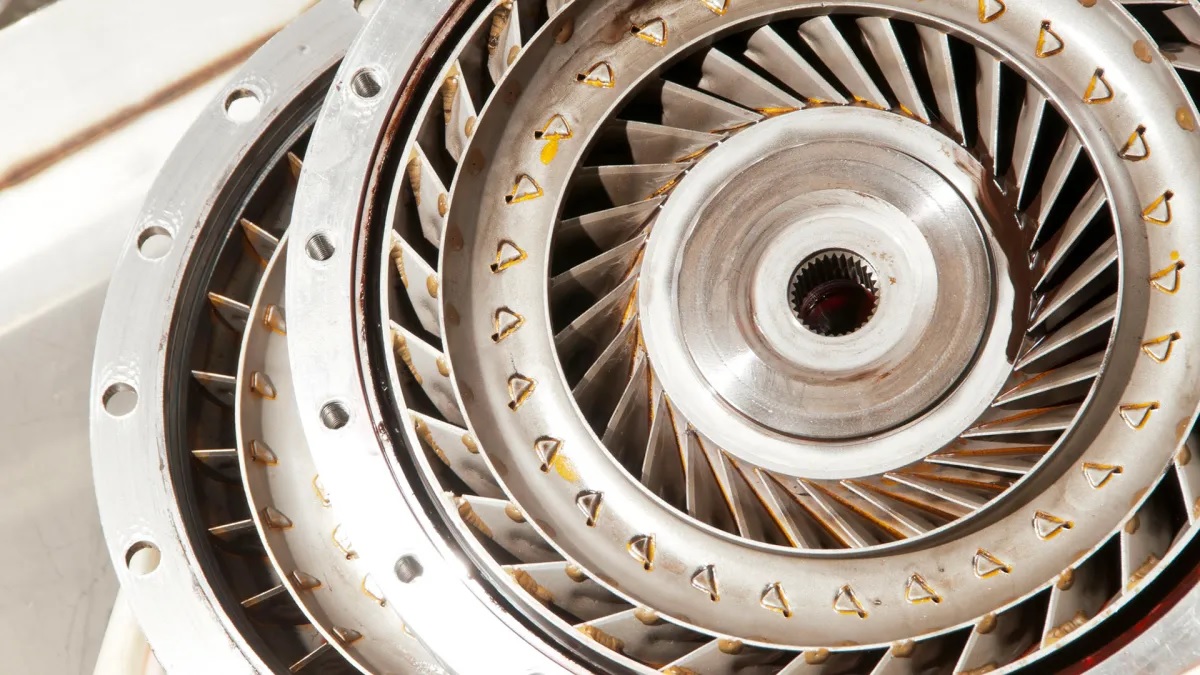
The torque converter contains several internal components, including the turbine, stator, and impeller, which work together to transfer engine power efficiently. Over time, these parts can wear, become misaligned, or sustain damage, reducing performance and causing failure.
Worn components often produce symptoms such as shuddering, slipping, delayed engagement, or unusual noises. Damage can occur from prolonged stress, contaminated fluid, or manufacturing defects. Repairing or replacing damaged components restores proper function, ensures smooth power transfer, and prevents additional strain on the transmission. Regular inspections and preventive maintenance, including fluid changes and monitoring driving habits, help protect internal components and extend the lifespan of the torque converter.
Faulty Seals and Bearings
Seals and bearings inside the torque converter maintain proper fluid pressure and alignment of internal components. Worn or damaged seals can result in fluid leaks, reducing hydraulic pressure and causing the converter to slip or overheat. Failing bearings can produce noise, vibration, and uneven power transfer, accelerating component wear.
Common causes of seal and bearing failure include heat, wear over time, and contamination from metal particles or debris. Inspecting seals and bearings during routine maintenance allows early detection and replacement, preventing more severe damage. Ensuring proper fluid levels and using manufacturer-recommended fluid reduces stress on these components. Healthy seals and bearings are essential for consistent torque converter performance, smooth acceleration, and prevention of rattling or shuddering noises.
Excessive Vehicle Load and Aggressive Driving
Driving habits and vehicle load significantly impact torque converter longevity. Consistently towing heavy loads, driving aggressively, or rapidly accelerating places additional stress on the converter. This can lead to overheating, fluid degradation, and premature wear of internal components.
Overstressing the torque converter accelerates failure, leading to slipping, shuddering, and delayed engagement. Moderating acceleration, observing towing limits, and allowing the transmission to cool during heavy use prevents excessive strain. By adapting driving habits to reduce stress on the transmission, you can significantly extend the life of the torque converter and maintain smooth, reliable performance during acceleration.
Manufacturing Defects
Although less common, manufacturing defects can contribute to torque converter failure. Imperfections in casting, machining, or assembly may create misalignment or uneven wear, causing early malfunction. Vehicles with defective torque converters may experience slipping, vibration, or abnormal noises even under normal driving conditions.
Addressing manufacturing defects often requires replacement of the torque converter under warranty. Recognizing signs such as unusual shuddering, delayed engagement, or inconsistent power delivery in newer vehicles helps identify potential defects early. Combining preventive maintenance with awareness of possible manufacturing issues ensures the torque converter operates reliably and protects the transmission system from additional damage.
Symptoms of Torque Converter Failure
Recognizing the early signs of torque converter failure is essential to prevent extensive transmission damage and costly repairs. Since the torque converter plays a vital role in transferring engine power to the transmission, any malfunction can significantly impact vehicle performance. Being aware of common symptoms helps you identify problems early and take timely action, ensuring smooth acceleration, consistent power delivery, and overall transmission health. Detecting issues promptly can save both money and stress in the long run.
Transmission Slipping
One of the most common symptoms of a failing torque converter is transmission slipping. This occurs when the torque converter fails to transfer engine power efficiently, causing the transmission to momentarily lose connection with the wheels. You may notice that the engine revs increase without a corresponding increase in vehicle speed.
Transmission slipping can lead to delayed gear engagement, inconsistent acceleration, and reduced fuel efficiency. Worn or damaged internal components, low or contaminated transmission fluid, and overheating often contribute to this issue. Paying attention to these signs allows you to address the problem before it causes more serious transmission damage. Regular fluid checks and professional inspections are essential for identifying torque converter-related slipping early.
Shuddering or Vibrations
Shuddering or vibrations during acceleration are strong indicators of torque converter problems. These sensations occur when internal components, such as the turbine, stator, or impeller, are worn or misaligned. Vibration may also be caused by contaminated transmission fluid reducing hydraulic efficiency.
Shuddering typically happens at specific speeds or during gear engagement, and may feel like a rough or jerky motion. Ignoring these symptoms can lead to further wear on the transmission and connected drivetrain components. Addressing shuddering involves checking fluid levels, inspecting internal components, and, if necessary, repairing or replacing the torque converter to restore smooth operation.
Overheating
Excessive heat within the transmission is another warning sign of torque converter failure. Overheating occurs when the converter generates too much friction due to worn components, low fluid, or excessive load. Symptoms include a burning smell, erratic shifting, or warning lights on the dashboard.
Continuous overheating degrades transmission fluid, reduces lubrication, and accelerates wear on internal components. Maintaining proper fluid levels, following manufacturer-recommended replacement schedules, and monitoring driving habits help prevent overheating. Promptly addressing overheating symptoms ensures that the torque converter and transmission remain protected, reducing the risk of extensive damage and costly repairs.
Strange Noises
Unusual noises such as whining, rattling, or clunking are common indicators of torque converter issues. These sounds often stem from worn bearings, damaged fins, or misaligned internal components. Noise may become more noticeable during acceleration, gear changes, or while the engine is under load.
Ignoring these sounds can result in further deterioration of internal parts and increased stress on the transmission. Identifying and addressing the source of the noise early through professional inspection or maintenance can prevent severe damage. Replacing worn components or the torque converter itself restores quiet, smooth operation and ensures reliable power transfer.
Delayed or Harsh Shifting
A failing torque converter can cause delayed or harsh shifting, making gear changes feel jerky or unresponsive. Hydraulic pressure inside the converter may be insufficient to engage gears smoothly, leading to sudden surges or hesitation.
This symptom often accompanies slipping, overheating, or vibration and indicates that the torque converter cannot maintain proper fluid flow or alignment. Professional diagnosis and maintenance, including checking internal components and fluid condition, can correct these issues. Addressing delayed or harsh shifting early protects the transmission from long-term damage and maintains consistent performance during acceleration and normal driving.
Reduced Fuel Efficiency
Torque converter problems can also manifest as reduced fuel efficiency. When the converter slips, shudders, or fails to transfer power efficiently, the engine has to work harder to maintain speed. This increased load consumes more fuel, leading to noticeable drops in mileage.
Monitoring fuel consumption alongside other symptoms such as shuddering, slipping, or overheating can help identify torque converter issues early. Addressing inefficiencies through maintenance or replacement improves both performance and fuel economy. Maintaining the converter in good condition ensures optimal power transfer, reduces strain on the engine, and keeps your vehicle running efficiently.
Repair and Replacement Options
Addressing a failing torque converter promptly is critical to avoid further transmission damage and ensure smooth vehicle operation. Depending on the severity of the problem, there are multiple repair and replacement options available. Understanding the differences between repairs, component replacements, and full torque converter replacement allows you to choose the most effective solution, balancing cost, reliability, and long-term performance.
Torque Converter Repair
Minor issues within a torque converter, such as worn bearings, seals, or damaged fins, can sometimes be repaired without full replacement. Repair typically involves disassembling the converter, cleaning and inspecting internal components, and replacing only the damaged parts.
Repairing a torque converter requires specialized tools and expertise, as misalignment or improper assembly can cause further damage. Common symptoms addressed in repairs include shuddering, slipping, and unusual noises. While repairs may be more affordable than full replacement, their effectiveness depends on the extent of wear or damage. For vehicles with less severe torque converter problems, professional repair can restore performance, improve fuel efficiency, and extend the component’s life while maintaining smooth transmission operation.
Partial Transmission Component Replacement
In some cases, the torque converter itself may be fine, but other transmission components, such as fluid pumps, bearings, or seals, contribute to failure symptoms. Partial component replacement involves identifying and replacing only the defective parts without removing the entire torque converter.
This approach is less expensive than full replacement and addresses specific causes of malfunction, such as leaks, worn bearings, or degraded hydraulic pressure. Proper diagnosis is essential to ensure all contributing components are addressed. Partial replacement can restore smooth power transfer, eliminate rattling or shuddering, and prevent minor issues from escalating into full torque converter failure. Regular maintenance and fluid replacement further enhance the longevity of these repairs.
Full Torque Converter Replacement
When the torque converter is severely damaged, worn, or beyond repair, full replacement is often the most reliable option. This involves removing the existing converter and installing a new or remanufactured unit designed to match your vehicle’s specifications.
Full replacement addresses internal damage such as broken fins, misaligned turbine components, or irreparable bearing failure. While more expensive than repairs or partial replacement, it ensures long-term reliability and restores smooth transmission performance. Professional installation is critical, as improper alignment or fluid handling can compromise function and lead to recurring issues. Full replacement guarantees proper torque conversion, eliminates symptoms like slipping and shuddering, and extends the overall lifespan of the transmission system.
Transmission Rebuild or Overhaul
In cases where multiple components of the transmission are affected along with the torque converter, a full transmission rebuild or overhaul may be recommended. This process involves disassembling the entire transmission, inspecting and replacing worn or damaged components, and reassembling it with new gaskets, seals, and fluids.
Rebuilds or overhauls are ideal when the transmission shows widespread wear, persistent slipping, or repeated torque converter failures. While labor-intensive and more costly, this option restores the transmission to near-new condition. It addresses not only the torque converter but also related gears, bearings, and hydraulic systems, providing a long-term solution. Vehicles subjected to heavy use or experiencing multiple symptoms often benefit most from this comprehensive approach.
Preventive Measures During Repair or Replacement
Regardless of the chosen repair option, preventive maintenance during the process can extend the life of the torque converter and transmission. This includes replacing transmission fluid, inspecting mounts, checking for leaks, and addressing any wear in related drivetrain components.
Ensuring clean, high-quality fluid, proper alignment, and secure mounts minimizes stress on the new or repaired torque converter. Following manufacturer-recommended maintenance schedules and avoiding aggressive driving habits also enhances long-term performance. Taking preventive steps during repair or replacement maximizes the investment in the component, reduces the likelihood of future failure, and maintains smooth, efficient vehicle operation.
FAQs
What Are The Most Common Causes Of Torque Converter Failure?
Torque converters can fail due to a combination of mechanical wear, overheating, and fluid-related issues. Internal components like bearings, fins, or the turbine can wear down over time, reducing efficiency and causing slipping or vibrations.
Low or contaminated transmission fluid is another common cause. Insufficient lubrication increases friction and heat, accelerating component degradation. Excessive stress from towing heavy loads or aggressive driving can also contribute to failure. Recognizing these causes early through regular maintenance and inspection helps prevent severe transmission damage and ensures smooth power transfer during driving.
How Does Low Transmission Fluid Lead To Failure?
Low transmission fluid affects the torque converter’s ability to maintain hydraulic pressure and lubrication. Without adequate fluid, friction between moving parts increases, causing heat buildup, wear, and eventual component failure.
Symptoms include shuddering, slipping, and delayed gear engagement. Regularly checking fluid levels, maintaining proper viscosity, and following manufacturer-recommended fluid replacement intervals can prevent damage. Keeping the transmission fluid clean and full ensures smooth operation of the torque converter and protects internal parts from excessive stress, extending the component’s lifespan.
Can Overheating Cause Torque Converter Damage?
Yes, overheating is a major factor in torque converter failure. High temperatures degrade internal components and break down transmission fluid, reducing lubrication and increasing friction. Prolonged heat exposure can warp the turbine, damage bearings, and lead to slipping.
Overheating often results from heavy towing, aggressive driving, or a malfunctioning transmission cooling system. Monitoring transmission temperature, using high-quality fluid, and avoiding excessive loads help reduce heat buildup. Proper heat management ensures that the torque converter operates efficiently, maintains smooth power transfer, and avoids premature failure.
Do Worn Bearings And Internal Components Cause Failure?
Worn or damaged internal components, such as bearings, fins, and turbines, are frequent causes of torque converter failure. These parts facilitate power transfer and fluid movement within the converter. Excessive wear can lead to shuddering, slipping, or uneven power delivery.
Wear may result from high mileage, poor maintenance, or contaminated fluid. Addressing issues early through inspections, repairs, or fluid changes can prevent extensive damage. Maintaining the integrity of these internal components ensures smooth torque conversion, protects the transmission, and reduces the risk of unexpected failure.
Can Driving Habits Contribute To Torque Converter Problems?
Yes, aggressive driving, excessive towing, and rapid acceleration can place extra stress on the torque converter. High loads increase internal friction and heat, accelerating wear on bearings, fins, and fluid seals.
Driving beyond recommended limits consistently can cause overheating, slipping, and premature failure. Moderate acceleration, observing towing capacities, and avoiding prolonged high-stress driving help extend the torque converter’s life. Adapting driving habits reduces stress on the transmission system and minimizes the likelihood of damage, ensuring smoother and more reliable power transfer.
How Does Contaminated Transmission Fluid Affect The Torque Converter?
Contaminated fluid contains debris, metal particles, or degraded additives that interfere with hydraulic pressure and lubrication. This contamination increases friction, generates heat, and accelerates wear on internal components.
Symptoms include slipping, shuddering, and unusual noises during acceleration. Regular fluid replacement, proper filtration, and using manufacturer-approved fluid prevent contamination. Clean fluid ensures smooth torque converter operation, maintains proper power transfer, and reduces the risk of failure, protecting both the converter and the transmission system from premature damage.
Final Thoughts
A failing torque converter can significantly impact your vehicle’s performance, leading to slipping, shuddering, or even transmission damage if left unaddressed. Identifying and addressing issues early, such as low transmission fluid, overheating, worn bearings, or clogged stators, is crucial to prevent costly repairs and maintain smooth driving. Regular maintenance and careful monitoring of transmission health can go a long way in extending the life of your torque converter.
Understanding [what causes a torque converter to fail] helps you pinpoint potential problems before they escalate. Poor driving habits, overloading, or age-related wear can all accelerate failure, making it essential to adopt preventive measures such as proper fluid checks, controlled driving, and timely professional inspections.
By staying proactive and addressing warning signs promptly, you can ensure your torque converter operates efficiently and reliably. Implementing these steps not only avoids unexpected breakdowns but also enhances overall vehicle longevity and performance.