Clutch Making Noise When Releasing: Causes and Simple Fixes
A noisy clutch can be one of the most noticeable and concerning issues for drivers, especially when the sound appears during release. Hearing unusual noises when lifting your foot off the pedal often indicates that some components in the clutch system are not operating smoothly. These sounds can range from squeaks and rattles to grinding or whining, each pointing to different potential causes.
The release process puts stress on the clutch assembly, including the release bearing, pressure plate, and related linkages. Any wear, misalignment, or lack of lubrication in these components can produce a distinct sound that is hard to ignore. Drivers may notice the noise increases when the engine is running at higher RPMs or when the vehicle is under load.
Understanding why the clutch making noise when releasing occurs is essential for preventing further damage. Timely attention allows you to maintain smooth gear engagement and ensures the longevity of the clutch system.
Regular observation and basic maintenance can help identify early warning signs. Detecting the source promptly may prevent costly repairs and keep driving safe and comfortable.
Signs and Situations of Clutch Noise
Clutch noise can appear in various forms and under different driving conditions. Recognizing the signs early helps prevent further damage to the clutch assembly and related components. Listening carefully to your vehicle and noting the situations in which the noise occurs allows for more accurate diagnosis and timely intervention, keeping your driving smooth and safe.
Noise During Clutch Release
One of the most common scenarios is hearing noise specifically when releasing the clutch pedal. This sound can range from a high-pitched squeak to a grinding or rattling noise. The issue often originates from the release bearing, which allows smooth engagement and disengagement of the clutch.
A worn or dry release bearing produces a consistent ticking or whining noise when the pedal is lifted. This may be accompanied by vibration in the pedal or a slight roughness in gear engagement. Drivers often notice the noise intensifies when the engine is running at higher RPMs or when the clutch is released slowly under load.
Proper lubrication and inspection of the release bearing and clutch fork can help identify the source. Ignoring the noise may lead to further wear on the pressure plate, clutch disc, or even the transmission input shaft, making early detection critical for preventing costly repairs.
Squealing or Whining Sounds
Squealing or whining noises often indicate that components within the clutch assembly are under stress or misaligned. These sounds are usually most noticeable when releasing the clutch slowly while the car is stationary or moving at low speeds.
The clutch pilot bearing, throw-out bearing, or pressure plate may be involved. Dust, dirt, or lack of lubrication can increase friction between components, resulting in high-pitched sounds during pedal release. Sometimes, the sound occurs intermittently, appearing only when the pedal is partially released, which can make the issue harder to detect.
Listening for these subtle noises helps pinpoint whether the problem lies in the release mechanism, bearings, or other related components. Routine inspection and lubrication of moving parts can reduce squealing and extend the lifespan of the clutch system.
Grinding or Rattling During Engagement
Another common sign is a grinding or rattling noise when engaging or partially releasing the clutch. This type of sound usually indicates that the clutch disc or pressure plate is not seating properly against the flywheel.
Drivers may notice difficulty in smoothly shifting gears alongside the noise. The grinding may occur when the pedal is released quickly or under load, suggesting wear on the clutch disc, damaged pressure plate, or misalignment in the release mechanism. In some cases, vibration can accompany the sound, indicating that multiple components are affected.
Regular monitoring of clutch behavior during engagement and release helps you detect unusual vibrations and sounds early. Addressing minor wear or alignment issues promptly prevents further damage and avoids more expensive repairs in the transmission system.
Noise During Vehicle Acceleration or Load
Clutch noise is often more pronounced when the vehicle is under load, such as accelerating uphill or carrying heavy cargo. The added stress amplifies friction between the clutch disc, pressure plate, and flywheel, making any issues in the release mechanism more noticeable.
Drivers may notice that the noise disappears when the clutch is fully engaged or fully released, appearing only during partial pedal travel. This pattern helps differentiate clutch-related noises from engine or transmission issues. Long-term operation under these conditions can exacerbate wear on the release bearing, pressure plate, or pilot bearing, leading to more severe mechanical problems.
Observing how the clutch behaves under different driving conditions provides valuable diagnostic clues. Early attention to load-related noises helps maintain smooth gear changes, reduces component wear, and ensures reliable performance of the clutch system.
Intermittent or Conditional Noise
Some clutch noises appear only under certain conditions, such as cold starts, wet weather, or after long periods of idling. Intermittent sounds are often caused by temperature-related expansion, temporary misalignment, or minor lubrication issues in the release mechanism.
Drivers may notice that the sound fades as the clutch warms up or after repeated engagement. While not always indicative of serious damage, intermittent noise should be monitored closely. Ignoring recurring sounds increases the risk of accelerated wear or sudden component failure.
Careful observation during varied driving scenarios helps distinguish between minor, temporary noises and persistent issues that require inspection or repair. Documenting when and how the noise occurs provides useful information for mechanics and aids in accurate diagnosis of the clutch system.
Clutch Release System Problems
The clutch release system is a critical part of your vehicle’s transmission operation. It ensures smooth engagement and disengagement of the clutch, allowing gears to shift seamlessly. Issues within this system are a common reason for clutch making noise when releasing, often resulting in squeaks, grinding, or rattling. Understanding the components and how they can fail helps identify problems early and prevent costly repairs.
Worn or Damaged Release Bearing
The release bearing, also called the throw-out bearing, is a key component that presses against the pressure plate to disengage the clutch. Over time, it can wear out or lose lubrication, producing a distinct ticking, squealing, or grinding noise during pedal release.
A worn bearing may also cause vibration in the clutch pedal and uneven engagement when shifting gears. Noise is often most noticeable at higher RPMs or when the clutch is partially released. Ignoring a failing release bearing can lead to damage in the pressure plate and clutch disc, worsening the problem.
Regular inspection during routine maintenance and timely replacement of worn bearings ensures smooth clutch operation. Proper lubrication and careful use of the pedal can prolong the bearing’s lifespan and reduce noise during release.
Clutch Fork or Lever Issues
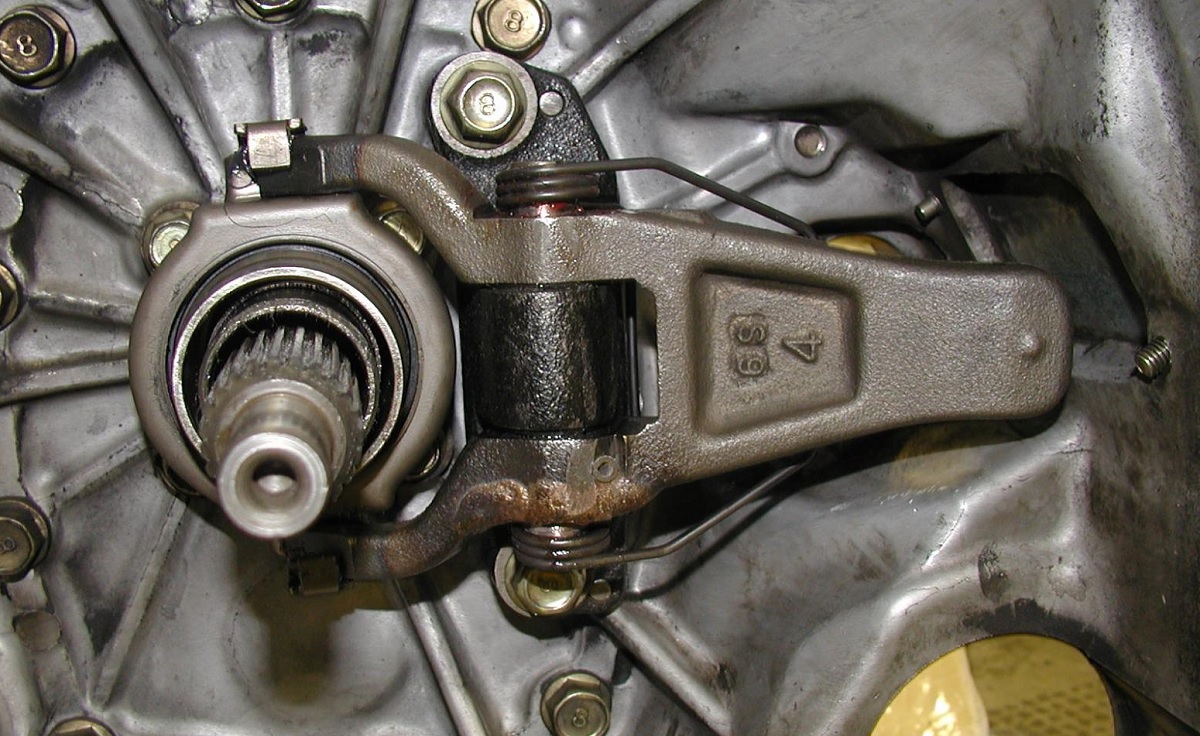
The clutch fork or release lever transfers movement from the pedal to the release bearing. Bending, wear, or misalignment in this component can create noise during clutch operation. A faulty fork may cause the bearing to engage unevenly with the pressure plate, producing squeaks or tapping sounds.
Drivers may also notice difficulty in depressing the clutch pedal or inconsistent pedal feel. Noise is often most pronounced during slow, controlled releases when the lever moves the bearing along the full travel path.
Inspecting the clutch fork for cracks, wear, or improper alignment helps detect problems early. Repairing or replacing a damaged fork restores proper motion to the release system, eliminates noise, and prevents further damage to related components.
Hydraulic or Cable System Malfunctions
Modern vehicles use hydraulic or cable systems to operate the clutch release. Problems such as low fluid levels, air in hydraulic lines, stretched cables, or worn linkage can create unusual noises when releasing the clutch.
Hydraulic issues often result in spongy pedal feel, delayed engagement, and ticking or squealing noises. Similarly, stretched or misadjusted cables can cause the release bearing to operate under uneven pressure, producing squeaks or grinding sounds during pedal release.
Regular maintenance, including checking fluid levels, bleeding air from hydraulic lines, and inspecting cables or linkages, ensures proper clutch operation. Addressing these issues early prevents noise, improves pedal feel, and maintains smooth gear shifting.
Misalignment of Clutch Components
Misalignment in the clutch release system can occur due to improper installation, wear, or damaged components. Misaligned bearings, forks, or pressure plates create uneven contact during pedal release, resulting in ticking, squeaking, or grinding noises.
Drivers may notice inconsistent clutch engagement, difficulty shifting gears, or vibrations in the pedal or transmission. Continuous operation under misalignment accelerates wear on all moving parts in the clutch system.
Checking for correct alignment during installation or maintenance is essential. Realigning components restores smooth motion, reduces noise during release, and extends the life of the clutch assembly and related parts.
Pressure Plate and Clutch Disc Issues
The pressure plate and clutch disc are the core components of the clutch assembly, responsible for transferring engine power to the transmission. Wear, damage, or misalignment in these parts can cause unusual sounds, including clutch making noise when releasing. Understanding how these components fail and recognizing early warning signs can prevent further damage and maintain smooth gear engagement.
Worn Clutch Disc
The clutch disc sits between the flywheel and pressure plate, providing friction to transfer power. Over time, the friction material wears down, reducing its ability to engage smoothly. A worn disc can produce squeaking, rattling, or scraping noises when the clutch pedal is released.
Drivers may also notice slipping during acceleration, difficulty in maintaining consistent speed, or vibration in the clutch pedal. Heat buildup from repeated slipping accelerates wear, further increasing the noise and risking damage to the pressure plate and flywheel.
Regular inspection of the clutch disc and timely replacement prevent noisy operation and ensure effective power transfer. Using high-quality replacement discs with proper alignment also reduces friction-related noise and extends the overall lifespan of the clutch assembly.
Pressure Plate Problems
The pressure plate applies force to the clutch disc, pressing it against the flywheel. Worn or damaged pressure plate springs, fingers, or surface can cause uneven engagement and produce ticking, squealing, or metallic sounds when releasing the clutch.
Heat, friction, and general wear can warp the pressure plate, creating uneven contact and vibrations. Drivers may notice that the noise changes with pedal release speed or engine load, and gear shifts may feel rough or resistant. Ignoring these symptoms can lead to accelerated clutch disc wear or even damage to the flywheel.
Routine inspection of the pressure plate, including checking for cracks, warped surfaces, or weakened springs, is essential. Repair or replacement restores smooth clutch engagement, eliminates noise, and ensures consistent power transfer to the transmission.
Misalignment Between Disc and Pressure Plate
Misalignment between the clutch disc and pressure plate can create irregular contact during pedal release, leading to rattling, scraping, or ticking noises. This often occurs after improper installation or prolonged wear of mounting surfaces.
Drivers may also experience uneven clutch pedal feel, difficulty shifting gears, or sudden engagement changes. Continuous operation with misalignment increases wear on both the disc and pressure plate, potentially leading to complete clutch failure.
Correct alignment during installation and periodic inspection prevent these issues. Ensuring that the clutch disc and pressure plate are properly centered and mounted helps maintain smooth operation, reduces noise, and prolongs the lifespan of the entire clutch assembly.
Heat Damage and Glazing
Excessive heat from repeated clutch slipping or heavy use can cause the clutch disc and pressure plate surfaces to glaze or warp. This reduces friction efficiency, producing squealing or scraping sounds when releasing the clutch.
Glazing can also make the clutch feel stiff or inconsistent during engagement, while warping may create vibrations or uneven pedal response. Early recognition of heat-related issues allows for resurfacing or replacement before more extensive damage occurs.
Maintaining proper driving habits, such as avoiding prolonged partial engagement, and timely inspection of the clutch assembly minimizes heat damage, ensuring quieter and smoother operation of the clutch system.
Hydraulic or Cable System Causes
The clutch’s operation relies heavily on its hydraulic or cable system, which transmits pedal movement to the clutch release mechanism. Issues in these systems can lead to clutch making noise when releasing, along with other symptoms like spongy pedals or difficulty in shifting gears. Understanding the common hydraulic or cable-related problems helps identify the source of noise and maintain smooth clutch operation.
Low or Contaminated Hydraulic Fluid
For vehicles with a hydraulic clutch system, low or contaminated fluid is a frequent cause of clutch noise. Hydraulic fluid lubricates and transfers pedal force to the release bearing, allowing smooth disengagement of the clutch. Low fluid levels reduce pressure, causing the release bearing to operate unevenly and produce squeaks, ticking, or rattling noises.
Contaminated fluid containing dirt, moisture, or debris can also affect the hydraulic system’s efficiency. The result is inconsistent pedal feel, delayed clutch engagement, and noisy operation when the clutch is released. Drivers may notice that the noise is more pronounced during initial pedal release or under load.
Regularly checking hydraulic fluid levels and replacing old or contaminated fluid prevents these issues. Bleeding the hydraulic system ensures that air bubbles are removed, restoring proper pressure and smooth operation while eliminating noise from uneven clutch release.
Air in Hydraulic Lines
Air trapped in hydraulic lines is another common cause of noisy clutch operation. Air compresses under pressure, reducing the system’s efficiency and causing uneven movement of the release bearing. This often results in squeaks, ticking, or rattling sounds when the clutch pedal is released.
Drivers may also notice a spongy pedal, inconsistent engagement, or difficulty shifting gears. The noise is typically more noticeable during partial pedal release or when the clutch is under load. Over time, trapped air can increase wear on the release bearing and pressure plate.
Proper bleeding of the hydraulic lines is essential to remove air and restore full system functionality. Regular inspection and maintenance prevent air from entering the system and ensure smooth, quiet clutch operation during acceleration and normal driving.
Worn or Misadjusted Clutch Cable
Vehicles with a cable-operated clutch can experience noise if the cable becomes worn, stretched, or misadjusted. A loose or improperly tensioned cable can cause the release bearing to engage unevenly with the pressure plate, producing squeaks, clicks, or metallic sounds during clutch release.
Drivers may notice that the noise varies with pedal travel or changes when the clutch is partially engaged. In addition, shifting may feel rough or inconsistent due to uneven force transmission from the pedal to the clutch assembly.
Regular inspection, lubrication, and proper adjustment of the clutch cable are critical to maintaining smooth engagement. Replacing worn cables prevents noise, reduces pedal effort, and ensures reliable operation of the clutch system over time.
Master Cylinder or Slave Cylinder Issues
Problems with the clutch master or slave cylinder can also contribute to noisy operation. Leaks, worn seals, or internal damage reduce hydraulic pressure, causing uneven release of the clutch. This may manifest as ticking, squeaking, or whining noises during pedal movement.
Drivers might notice inconsistent pedal feel, difficulty engaging gears, or delayed clutch response alongside the noise. Addressing these components promptly by repairing or replacing faulty cylinders restores proper hydraulic pressure, smooth clutch engagement, and eliminates noise from the system.
Routine inspection of the master and slave cylinders, along with regular fluid maintenance, ensures that hydraulic clutch systems remain reliable and quiet, preventing noise-related issues during clutch release.
How to Diagnose Clutch Noise
Diagnosing clutch noise requires careful observation, testing, and understanding of the clutch system’s components. A noisy clutch can indicate issues in the release bearing, pressure plate, hydraulic or cable system, or related parts. Listening to the noise, noting the situations when it occurs, and conducting systematic checks helps identify the root cause and prevents further damage, saving time and costly repairs.
Listen Carefully During Pedal Operation
The first step in diagnosing clutch noise is to pay close attention while pressing and releasing the pedal. Note whether the noise occurs when the clutch is fully depressed, partially released, or during full release. Ticking, squealing, or grinding sounds can provide clues about which component is at fault.
Noise during full pedal release often points to the release bearing or pressure plate, while squeaks during partial engagement can indicate hydraulic or cable system issues. Changes in noise intensity with engine load or pedal speed can also help differentiate between internal mechanical problems and peripheral or external issues.
Keeping a consistent record of when the noise occurs and its characteristics makes it easier to communicate the issue to a mechanic or troubleshoot it yourself. Observing patterns during different driving conditions provides valuable diagnostic insight.
Inspect Fluid Levels and Pedal Feel
For hydraulic clutch systems, checking the fluid level and pedal feel is essential. Low fluid or air in the lines reduces pressure, causing uneven release and noise. A spongy or inconsistent pedal often accompanies hydraulic problems, indicating that the master or slave cylinder may need attention.
Testing the clutch at various points of pedal travel helps identify whether noise occurs only under specific conditions. Fluid inspection and bleeding ensure proper hydraulic pressure and smooth operation, eliminating noises caused by trapped air or leaks. Properly maintaining fluid levels and quality also prevents wear on the release bearing and other internal components.
Monitoring pedal feedback in both cold and warmed-up conditions can highlight subtle issues that might not be noticeable during normal driving. Documenting pedal feel alongside noise characteristics aids in accurate diagnosis.
Examine External Components and Clutch Assembly
Visual inspection of the clutch assembly and external components is another key step. Loose heat shields, brackets, or peripheral mounts can mimic clutch noises. Checking the release bearing, clutch fork, pressure plate, and disc for wear, cracks, or misalignment is critical.
During inspection, ensure that the release bearing moves smoothly along the fork and that the clutch disc engages evenly with the pressure plate. Any visible damage, uneven wear, or contamination may be the source of ticking, squealing, or grinding noises during clutch release.
Drivers may also notice vibration or unusual pedal resistance alongside noise, which can indicate misaligned or worn components. Careful examination and minor adjustments can often restore smooth, quiet operation.
Conduct Road Tests Under Various Conditions
Finally, road testing under different driving conditions provides additional diagnostic clues. Observe clutch noise during slow releases, full pedal engagement, partial engagement, uphill acceleration, and normal cruising. Noise patterns during specific situations help pinpoint whether issues are load-related, temperature-dependent, or continuous.
Noting whether the sound changes with RPM, pedal speed, or load helps differentiate between internal mechanical problems, hydraulic issues, or external component interference. Keeping track of these conditions allows for more precise troubleshooting and informs decisions about repair or replacement.
Consistent observation, combined with visual inspection and pedal testing, provides a comprehensive approach to diagnosing clutch noise. Systematic evaluation helps isolate the root cause and ensures accurate maintenance or repair, restoring smooth and quiet clutch operation.
Transmission and Flywheel Factors
Transmission and flywheel components play a critical role in smooth clutch operation. Problems in these areas can contribute to clutch making noise when releasing, even if the clutch itself appears fine. Understanding how the flywheel and transmission interact with the clutch assembly helps pinpoint the source of unusual noises and prevents more serious drivetrain damage over time.
Flywheel Wear or Damage
The flywheel connects the engine to the clutch disc and pressure plate, providing a friction surface for power transfer. Over time, the flywheel can develop hot spots, grooves, or warping from heat and friction, causing unusual noises when releasing the clutch.
Noise from a damaged flywheel often presents as a scraping, whining, or ticking sound during clutch engagement or release. Drivers may notice vibration through the pedal or inconsistent clutch feel, especially when accelerating or decelerating. Excessive wear can also reduce clutch efficiency, leading to slipping or difficulty in maintaining smooth gear shifts.
Resurfacing or replacing a worn flywheel restores a flat friction surface and eliminates noise caused by uneven contact. Proper inspection during clutch service ensures the flywheel remains in good condition, maintaining smooth operation and extending the life of the clutch assembly.
Transmission Input Shaft and Bearings
The transmission input shaft and its associated bearings interface directly with the clutch disc and flywheel. Worn or misaligned input shaft bearings can generate clicking, ticking, or whining noises when the clutch is released.
Drivers may notice that the noise changes with engine speed or pedal position, sometimes intensifying during acceleration or under load. Uneven or excessive play in the bearings can also affect gear engagement, creating vibration or difficulty in shifting. Ignoring bearing wear can accelerate damage to the transmission and clutch components, increasing repair costs.
Regular inspection of the input shaft and bearings during maintenance helps detect wear early. Proper lubrication and alignment reduce noise, maintain smooth power transfer, and ensure reliable transmission operation alongside the clutch system.
Transmission Mounts and Alignment
Transmission mounts secure the gearbox to the vehicle chassis and maintain proper alignment with the engine and clutch assembly. Worn or loose mounts can allow movement, causing the clutch release to operate unevenly and produce ticking or rattling noises.
Misalignment between the clutch, flywheel, and transmission may also contribute to uneven wear and noise. Drivers may experience vibration through the pedal or floor, difficulty shifting gears, or intermittent clutch noise during acceleration or release. Continuous operation under misalignment stresses the clutch and drivetrain, potentially damaging both the flywheel and transmission components.
Inspecting and tightening transmission mounts, along with verifying proper alignment, restores stable positioning and reduces unnecessary stress. Maintaining correct alignment ensures smooth clutch release, eliminates noise, and protects both the flywheel and transmission from premature wear.
Gearbox Internal Issues
Internal transmission problems, such as worn gears, bearings, or synchronizers, can indirectly contribute to clutch noise. While the clutch is released, these components may create whining, ticking, or rattling sounds that seem to originate from the clutch itself.
Drivers may notice the noise varies with load, gear selection, or engine RPM. Shifts may feel rough or produce resistance, signaling that internal transmission components are under stress. Early detection of these issues prevents further damage and protects the clutch from being overworked to compensate for drivetrain irregularities.
Periodic inspection, proper lubrication, and timely repair of gearbox components ensure that both the transmission and clutch operate quietly and efficiently. Maintaining the health of the flywheel and transmission together reduces the likelihood of persistent clutch noise during release.
Frequently Asked Questions
Why Is My Clutch Making Noise When Releasing?
You might notice a squealing, grinding, or rattling sound when releasing the clutch pedal due to worn or damaged components. Most commonly, the release bearing or clutch fork is the culprit. Over time, these parts wear out and create noise as they move against the pressure plate.
Other factors like a misaligned clutch, contaminated clutch surfaces, or issues in the hydraulic system can also produce noise. Checking these components and performing timely maintenance can help reduce or eliminate the sound, ensuring smoother clutch operation and preventing further damage.
Can Low Clutch Fluid Cause Noise When Releasing The Clutch?
Yes, low or contaminated clutch fluid in hydraulic systems can cause unusual noises when you release the pedal. Insufficient fluid reduces pressure in the system, making the clutch components work harder than intended. This can lead to squealing or grinding noises.
Bleeding the system to remove air and topping up or replacing the fluid often resolves this issue. Regular inspection of the clutch fluid helps maintain smooth engagement and prevents excessive wear on the release bearing, fork, and master-slave cylinder, which are critical to quiet clutch operation.
Is A Worn Release Bearing Responsible For Clutch Noise?
Absolutely. The release bearing is designed to reduce friction between the clutch fork and pressure plate. When it wears out or becomes dry, it creates a noticeable squeal or grinding noise when the clutch is released.
Replacing a worn bearing is the most effective solution, as continuing to drive with it can damage the pressure plate and clutch disc. Lubricating pivot points or the bearing itself may help temporarily, but long-term, a full replacement ensures smooth and silent clutch operation.
Can Oil Or Grease On Clutch Components Cause Noise?
Yes, contamination of the clutch disc, pressure plate, or flywheel with oil or grease can create noise when releasing the clutch. These substances change the friction properties, causing squealing or chattering sounds.
Cleaning the surfaces or replacing affected components is often necessary. Preventing leaks from the engine or transmission and avoiding contact with lubricants during maintenance ensures the clutch remains silent and functions efficiently. Regular checks reduce the risk of contamination-related noise.
How Does Clutch Pedal Adjustment Affect Noise?
An improperly adjusted clutch pedal can lead to excessive travel or insufficient release, causing noise during disengagement. If the pedal doesn’t fully release the pressure plate, the release bearing may rub unnecessarily, creating squealing or grinding sounds.
Adjusting the pedal free play or hydraulic system ensures the clutch engages and disengages smoothly. Proper adjustment also reduces wear on components, improving the longevity of the release bearing, fork, and pressure plate while eliminating annoying noises when the clutch is released.
Can Worn Clutch Forks Cause Noise When Releasing?
Yes, a worn or damaged clutch fork can create rubbing or clicking noises when you release the pedal. The fork transfers force from the pedal or slave cylinder to the release bearing, and any wear, bending, or misalignment leads to uneven pressure and noise.
Replacing or properly aligning the fork can restore smooth clutch operation. Combined with inspecting the release bearing and pressure plate, addressing fork issues ensures the clutch engages quietly and reduces the risk of further mechanical damage in the system.
When Should I Take My Car To A Mechanic For Clutch Noise?
You should consult a mechanic if the clutch noise persists after basic checks, such as topping up fluid or adjusting the pedal. Persistent squealing, grinding, or rattling may indicate worn release bearings, pressure plates, or other internal clutch components.
Additionally, if you notice difficulty shifting gears, slipping, or vibration along with the noise, professional inspection is essential. Mechanics can accurately diagnose the root cause and replace or repair affected parts, ensuring safe, smooth, and quiet clutch operation, preventing more serious transmission damage.
Final Words
Experiencing unusual sounds from your clutch can be worrying, especially when it affects smooth gear shifting. Hearing squeaks, ticking, or grinding during pedal release often points to issues in the release bearing, pressure plate, clutch disc, or associated hydraulic or cable systems. Timely observation and proper diagnosis are essential to prevent further wear and costly repairs.
Understanding the various causes of clutch making noise when releasing allows drivers to address minor problems before they escalate. Regular maintenance, including checking fluid levels, inspecting the clutch assembly, and monitoring pedal feel, can significantly reduce the likelihood of noise. Early attention to symptoms ensures that components like the flywheel, transmission, and release system remain in good working condition.
Proactive care not only eliminates distracting noises but also extends the lifespan of the clutch system. By paying attention to signs, following proper maintenance practices, and addressing issues promptly, you can restore smooth, quiet operation and maintain reliable, safe driving performance.