Troubleshooting Steering Wheel Sticking When Turning: Causes, Fixes, and Prevention
Experiencing resistance or unusual stiffness while turning your steering wheel can be both alarming and frustrating. Many drivers notice that the wheel does not rotate smoothly, feels heavy, or sticks momentarily during maneuvers. Such behavior can affect control, safety, and overall driving comfort.
Troubleshooting steering wheel sticking when turning is essential to identify the underlying cause and prevent further damage to the steering system. Several factors, including power steering fluid issues, worn components, or mechanical obstructions, can contribute to the problem. Recognizing the symptoms early allows you to address them promptly, maintaining smooth steering and reliable vehicle performance.
This issue can occur during low-speed turns, parking, or even while driving at highway speeds. Accompanying symptoms like whining noises, vibrations, or uneven resistance often indicate a more serious mechanical concern.
Understanding the common causes and performing a step-by-step inspection empowers drivers to make informed decisions. Proper troubleshooting ensures safety, restores steering performance, and prevents minor problems from becoming costly repairs.
Routine maintenance and awareness of your steering system’s behavior are key. Paying attention to subtle changes in resistance or responsiveness can help detect issues early, improving overall driving confidence and safety.
Recognizing the Symptoms
Understanding the signs of steering issues is the first step in troubleshooting steering wheel sticking when turning. Identifying specific symptoms helps differentiate minor problems from serious mechanical failures, allowing for timely intervention. Observing how and when the steering wheel behaves abnormally provides essential clues for accurate diagnosis and repair.
Stiff or Heavy Steering
One of the most noticeable symptoms is a steering wheel that feels unusually stiff or heavy. This often occurs when turning at low speeds, such as during parking maneuvers or sharp turns. The resistance may be constant or intermittent, depending on the underlying cause.
Stiff steering can result from low power steering fluid, worn steering components, or issues with the power steering pump. Drivers may feel a noticeable increase in effort required to turn the wheel, making precise maneuvers difficult. Monitoring when the stiffness occurs and whether it is accompanied by unusual noises can help pinpoint the source of the problem. Addressing stiffness promptly prevents further wear on steering components and maintains safe vehicle control.
Grinding, Whining, or Clunking Noises
Unusual noises often accompany a steering wheel that sticks. Grinding, whining, or clunking sounds while turning can indicate worn bearings, damaged steering rack components, or low power steering fluid. These noises often increase during slow or tight turns.
Ignoring these sounds can lead to more severe damage, such as complete failure of the steering system. Observing when the noises occur and whether they change with speed or steering angle provides valuable diagnostic information. Early detection allows timely repair of worn components, restoring smooth steering and preventing potential safety hazards.
Uneven or Jerky Steering Response
A steering wheel that responds unevenly or jerks while turning signals another common symptom. You may notice hesitation when initiating a turn or sudden resistance mid-turn. This erratic behavior often points to issues with the steering linkage, rack and pinion, or power steering system.
Jerky steering can make driving unpredictable, increasing the risk of accidents, especially during emergency maneuvers. Paying attention to the frequency, location, and severity of jerking movements helps isolate the cause. Timely inspection and repair of affected components restore smooth and consistent steering performance.
Fluid Leaks or Low Power Steering Fluid
Visual inspection often reveals fluid leaks, which can contribute to steering wheel sticking. Low power steering fluid reduces hydraulic assistance, making the wheel harder to turn and causing intermittent sticking. Fluid leaks may appear near the steering rack, pump, or hoses.
Monitoring fluid levels and checking for leaks during regular maintenance can prevent more severe steering problems. Replacing worn hoses, seals, or the pump as needed ensures consistent hydraulic pressure, smooth steering, and eliminates sticking issues. Proper fluid maintenance is essential for long-term steering system reliability.
Vibration or Shaking While Turning
Another symptom to recognize is vibration or shaking in the steering wheel during turns. This can indicate worn suspension or steering components, misaligned wheels, or damaged tie rods. Vibrations often accompany sticking or uneven steering, especially under load or during sharp turns.
Identifying the pattern of vibration—such as speed-dependent or angle-specific—helps isolate the root cause. Addressing worn or damaged components promptly restores smooth steering, prevents further damage, and ensures safe handling. Recognizing these early signs is crucial for maintaining vehicle safety and control.
Power Steering System Issues
A car experiences steering wheel sticking when turning often due to problems in the power steering system. This system is designed to reduce the effort needed to steer, especially at low speeds, by using hydraulic or electric assistance. When components within the system malfunction, the steering wheel may feel heavy, stick, or respond unevenly, affecting driving comfort and safety. Understanding these issues is crucial for proper diagnosis and repair.
Low Power Steering Fluid
Low power steering fluid is one of the most common causes of a sticking steering wheel. Hydraulic power steering relies on fluid to transmit pressure and assist with smooth wheel movement. Low fluid levels reduce hydraulic pressure, making the wheel feel stiff or sticky during turns.
Symptoms of low fluid include difficulty turning, whining noises from the pump, and occasional jerky steering response. Regularly checking fluid levels and topping up with the correct type ensures consistent hydraulic assistance. Identifying leaks early and repairing them prevents further fluid loss and restores smooth steering operation, preventing more serious pump or steering rack damage.
Failing Power Steering Pump
The power steering pump generates the hydraulic pressure needed for smooth steering. A failing or worn pump can cause inconsistent assistance, making the wheel feel heavy, stiff, or jerky. Pump issues may develop gradually, with resistance increasing over time, or intermittently, causing unpredictable steering behavior.
Signs of a failing pump include whining or groaning noises when turning, fluid foaming, and noticeable vibration in the steering wheel. Replacing or repairing a worn pump restores consistent pressure, smooth wheel movement, and eliminates hesitation. Regular maintenance, including fluid changes and monitoring pump performance, ensures the system continues to operate efficiently.
Worn Steering Rack or Linkages
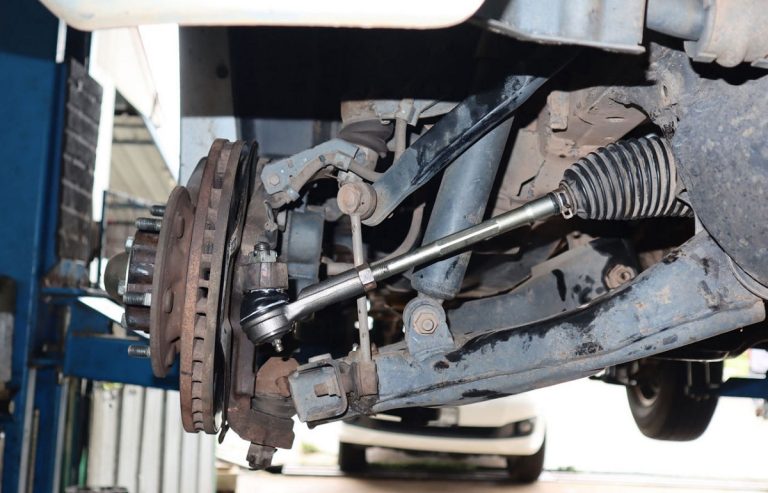
The steering rack and associated linkages convert the driver’s input into wheel movement. Wear, damage, or corrosion in these components can create friction or binding, causing the wheel to stick during turns. This is often more noticeable at low speeds or when making sharp turns.
Symptoms of a worn steering rack include uneven resistance, clunking noises, or slight wandering of the vehicle. Inspecting the rack, tie rods, and ball joints helps identify worn or damaged parts. Repairing or replacing affected components restores smooth steering, improves response, and prevents further wear on the power steering system.
Contaminated or Old Power Steering Fluid
Dirty or degraded power steering fluid can reduce system efficiency, causing stiffness or jerky steering. Contaminants can clog narrow passages in the pump or rack, increasing friction and creating intermittent sticking. Fluid that has oxidized or absorbed moisture can also lead to foaming and inconsistent hydraulic pressure.
Flushing and replacing the power steering fluid with clean, manufacturer-recommended fluid ensures smooth operation. Regular fluid maintenance prevents binding in the system and prolongs the life of pumps, hoses, and steering racks. Proper fluid care is essential for preventing steering wheel sticking and maintaining overall system reliability.
Air Trapped in the System
Air trapped in the power steering system can create inconsistent hydraulic pressure, causing the steering wheel to feel stiff or jumpy. This often occurs after repairs, fluid replacement, or when leaks introduce air into the system.
Bleeding the system to remove trapped air restores consistent pressure and smooth steering operation. Monitoring the system for leaks and ensuring proper fluid levels prevents air from re-entering. Addressing air-related issues quickly improves driver control, reduces wear on the power steering pump, and eliminates the hesitation and sticking experienced while turning.
Steering Column and Rack Problems
A car hesitates when turning the steering wheel can often be linked to issues in the steering column or steering rack. These components are critical for translating your steering input into wheel movement. Wear, damage, or misalignment in these parts can lead to stiffness, binding, or uneven resistance, making driving difficult and potentially unsafe. Identifying these problems early ensures proper repair and maintains vehicle safety.
Worn Steering Column Bearings
The steering column contains bearings that allow smooth rotation of the steering wheel. Over time, these bearings can wear out, corrode, or accumulate debris, causing friction and binding. This can result in a steering wheel that feels stiff, jerky, or occasionally sticks during turns.
Symptoms of worn column bearings include uneven resistance when turning, unusual grinding noises, and vibration transmitted to the steering wheel. Inspecting the column for play or excessive movement can reveal bearing wear. Replacing damaged bearings restores smooth rotation, improves steering responsiveness, and prevents further damage to connected components like the steering rack or universal joints.
Damaged or Worn Steering Rack
The steering rack connects the steering column to the wheels and converts rotational motion into linear movement. Wear in the rack, such as pitted teeth, worn bushings, or internal leaks, can cause binding, stiffness, or hesitation when turning. This is especially noticeable during sharp turns or low-speed maneuvers.
Signs of a worn steering rack include uneven steering resistance, clunking or knocking sounds, and fluid leaks in hydraulic systems. Rebuilding or replacing the rack restores proper alignment, smooth wheel movement, and consistent steering feel. Regular inspection of the rack ensures long-term performance and prevents unexpected steering difficulties.
Misaligned or Loose Steering Components
Loose or misaligned components, including universal joints, intermediate shafts, or mounting points, can create irregular resistance in the steering system. This may make the wheel stick or hesitate during rotation and reduce precision in handling.
Symptoms include a wandering steering wheel, unusual play, and inconsistent response when turning. Tightening loose connections, realigning components, or replacing worn parts restores proper function. Ensuring secure and properly aligned steering components maintains vehicle control and reduces the risk of further mechanical issues.
Steering Column Binding from Lubrication Issues
Insufficient lubrication within the steering column can cause friction between moving parts, resulting in a sticky or stiff steering wheel. Dust, dirt, or old grease can exacerbate this problem over time.
Regular maintenance, such as cleaning and applying manufacturer-recommended lubrication, prevents binding and ensures smooth rotation. Addressing lubrication issues promptly reduces wear on the steering column and connected components, enhancing overall steering performance and preventing hesitation during turns.
Electrical and Sensor Malfunctions
A car hesitates when turning the steering wheel can also be caused by electrical issues or sensor malfunctions. Modern steering systems, especially those with electronic power-assisted steering (EPS), rely on sensors, motors, and control modules to regulate effort and responsiveness. Faulty electronics or sensors can disrupt proper steering operation, causing stiffness, intermittent resistance, or delayed response. Understanding these malfunctions is crucial for accurate diagnosis and effective repair.
Faulty Steering Angle Sensor
The steering angle sensor measures the position and rotation of the steering wheel and communicates this data to the vehicle’s electronic control units. A malfunctioning sensor can send incorrect signals, causing the power steering system to overcompensate or fail intermittently.
Symptoms of a faulty steering angle sensor include inconsistent steering resistance, warning lights on the dashboard, and hesitation when turning. This sensor is particularly important in vehicles equipped with stability control or lane-keeping assist, as it influences multiple safety systems. Diagnosing the sensor often requires a diagnostic scanner to check for error codes. Replacing or recalibrating a faulty sensor restores accurate steering feedback, smooth wheel movement, and proper integration with other electronic safety features.
Malfunctioning Electronic Power Steering (EPS) Motor
In electric power steering systems, the EPS motor provides assistance based on input from the driver and sensors. A failing motor can reduce assistance, making the wheel feel heavy or sticky, especially during low-speed maneuvers.
Symptoms include uneven steering effort, jerky wheel movement, and intermittent warning lights related to the EPS system. Diagnosing motor performance requires specialized diagnostic equipment to test electrical output and response. Repairing or replacing a faulty EPS motor restores consistent steering assistance and eliminates hesitation, improving overall handling and safety. Regular checks of electrical connections and motor performance prevent unexpected failures.
Loose or Corroded Electrical Connections
Loose, corroded, or damaged wiring and connectors can interrupt signals between sensors, control modules, and power steering components. This may cause intermittent steering issues, such as sticking or hesitation, and trigger warning lights.
Signs of electrical connection problems include flickering dashboard lights, inconsistent EPS behavior, and occasional stiffness while turning. Inspecting wiring harnesses and connectors for corrosion, fraying, or looseness ensures reliable communication between components. Cleaning, securing, or replacing faulty connections restores proper electronic function, stabilizes steering response, and prevents unexpected malfunctions during driving.
Malfunctioning Torque Sensor
The torque sensor detects how much force the driver applies to the steering wheel and adjusts power assistance accordingly. A faulty torque sensor can send incorrect readings, resulting in inconsistent or delayed steering response, making the wheel feel sticky or resistant.
Symptoms of a failing torque sensor include abrupt changes in steering effort, jerky wheel movement, and hesitation during turns. Diagnosing the sensor involves testing output signals with diagnostic tools. Replacing a defective torque sensor restores smooth steering input, proper power assistance, and consistent handling, ensuring safety and reliability, especially in vehicles with advanced driver-assist systems.
Steering Control Module Failure
The steering control module processes input from multiple sensors to regulate steering assistance in electronic systems. A malfunctioning module can misinterpret sensor signals, causing unpredictable resistance or delayed response in the steering wheel.
Symptoms include intermittent stiffness, warning lights, and inconsistent steering behavior during low-speed or tight maneuvers. Professional diagnostics are often required to identify a faulty module. Reprogramming or replacing the steering control module restores coordinated operation of sensors and motors, eliminating hesitation and improving overall steering performance. Ensuring module integrity is essential for safe, responsive, and reliable steering.
DIY Troubleshooting Steps
A car experiencing steering wheel sticking when turning can often be partially diagnosed at home before seeking professional help. Simple inspections and basic troubleshooting allow you to identify potential causes, narrow down issues, and determine whether a professional repair is necessary. Taking a systematic approach ensures safety and prevents accidental damage while diagnosing the problem.
Step 1: Visual Inspection of Steering Components
Start with a careful visual inspection of the steering column, rack, and associated linkages. Look for obvious signs of wear, corrosion, or damage, such as bent tie rods, loose bolts, or leaking seals. Inspect the universal joints and intermediate shafts for excessive play or binding.
Also, check for any debris or foreign objects lodged around the steering column or rack that could restrict movement. Noting unusual wear patterns or damaged components can help pinpoint the source of the sticking. Performing a visual inspection early can prevent minor issues from turning into major repairs and gives a clear starting point for more detailed troubleshooting.
Step 2: Check Power Steering Fluid Levels
For vehicles with hydraulic power steering, low fluid levels are a common cause of stiffness or sticking. Locate the power steering reservoir and check the fluid level against the recommended markings. Examine the fluid for discoloration, contamination, or foaming, which can indicate internal issues or air in the system.
Topping up the reservoir with manufacturer-approved fluid can temporarily improve steering performance, but persistent fluid loss may indicate leaks in the pump, hoses, or rack seals. Monitoring fluid levels and looking for visible leaks under the car or around the engine bay is an essential step in DIY troubleshooting.
Step 3: Test Steering Movement and Resistance
With the car safely parked and engine running, gently turn the steering wheel from lock to lock. Pay attention to any areas of stiffness, binding, or uneven resistance. Note whether the issue occurs at certain angles or speeds, and whether there are accompanying noises like whining, clunking, or grinding.
This step helps you isolate whether the problem is continuous or intermittent. Observing patterns in steering resistance can provide valuable information for diagnosing whether the issue is hydraulic, mechanical, or sensor-related. Documenting these findings will also assist a professional mechanic if further repair is necessary.
Step 4: Inspect Electrical Connections and Sensors
For vehicles with electronic power steering (EPS), check visible wiring and connectors leading to the EPS motor, steering control module, and sensors. Look for loose, corroded, or damaged wires that could interrupt signals and cause sticking or inconsistent assistance.
A multimeter or basic diagnostic scanner can help test continuity and identify any potential electrical issues. Ensuring secure and clean connections is critical, as minor sensor or wiring problems can lead to significant steering resistance and unpredictable behavior. This step allows you to rule out simple electrical malfunctions before seeking professional intervention.
Step 5: Listen for Unusual Noises During Steering
While turning the wheel slowly, listen for unusual noises such as whining, grinding, or clunking. These sounds often accompany mechanical issues in the power steering pump, rack, or column bearings. Pay attention to when the noises occur and whether they are louder during low-speed maneuvers or tight turns.
Unusual sounds can provide clues about worn components or fluid-related issues. Identifying the type and location of the noise is critical for accurate diagnosis. Recording observations about both resistance and sounds will help you make informed decisions about repairs or whether professional assistance is required.
Frequently Asked Questions
What Causes A Steering Wheel To Stick When Turning?
A steering wheel can stick when turning due to mechanical, hydraulic, or electronic issues. Common causes include low power steering fluid, a failing power steering pump, worn steering column bearings, or damaged steering racks. In vehicles with electronic power steering, faulty sensors or control modules can also create resistance.
Recognizing the type of steering system your car uses helps narrow down potential causes. Observing when and how the sticking occurs—such as during low-speed turns or tight maneuvers—provides valuable insight for troubleshooting and ensures proper repair, preventing further damage and safety risks.
Can Low Power Steering Fluid Cause Sticking?
Yes, low power steering fluid is a frequent cause of a sticking steering wheel. Hydraulic systems rely on fluid to transmit pressure, assisting smooth wheel rotation. When fluid levels drop, the steering effort increases, causing stiffness or intermittent sticking.
Symptoms include whining noises while turning, uneven steering resistance, and occasional jerking. Checking and topping up the fluid can temporarily alleviate the problem, but persistent fluid loss may indicate leaks in hoses, pumps, or rack seals. Addressing fluid issues promptly maintains smooth steering and prevents further mechanical damage.
How Do Power Steering Pump Problems Affect Steering?
A failing power steering pump can cause inconsistent hydraulic pressure, making the steering wheel feel heavy, sticky, or jerky. The pump may produce whining or groaning noises, particularly during low-speed turns or tight maneuvers.
Testing the pump involves checking fluid pressure and listening for abnormal sounds. Replacing a worn or damaged pump restores consistent assistance, improves wheel responsiveness, and eliminates hesitation. Regular maintenance of the pump and fluid ensures long-term reliability and smooth steering performance.
Can Steering Column Bearings Cause Stiffness?
Yes, worn or damaged steering column bearings can create friction, resulting in stiffness or sticking while turning. Bearings allow smooth rotation of the wheel, and debris, corrosion, or wear can disrupt this motion.
Symptoms include uneven resistance, vibration, or grinding noises in the steering wheel. Inspecting the column for play or binding can reveal bearing issues. Replacing worn bearings restores smooth steering operation, improves responsiveness, and prevents additional strain on the steering system.
Are Electrical or Sensor Issues Responsible For Sticking?
In vehicles with electronic power-assisted steering (EPS), faulty sensors or control modules can cause the wheel to stick. Steering angle sensors, torque sensors, or a malfunctioning EPS motor can send incorrect signals, resulting in inconsistent or delayed assistance.
Indicators include dashboard warning lights, intermittent stiffness, or sudden changes in steering effort. Inspecting wiring connections, sensors, and the EPS system ensures accurate communication between components. Repairing or replacing malfunctioning electronics restores smooth wheel movement and reliable steering control.
Can Leaks In The Steering System Cause Hesitation?
Yes, hydraulic leaks in hoses, seals, or the steering rack reduce fluid pressure, leading to heavier or sticky steering. Low fluid from leaks compromises the system’s ability to assist wheel rotation, especially during tight turns or slow-speed maneuvers.
Identifying leaks involves visual inspection for wet spots, fluid puddles under the vehicle, or foaming in the reservoir. Repairing leaks and refilling fluid restores hydraulic pressure, smooth wheel operation, and prevents further damage to the power steering pump or rack.
How Do Steering Rack Problems Affect Turning?
A worn or damaged steering rack can produce uneven resistance, binding, or sticking during turns. Issues may include internal leaks, pitted teeth, or worn bushings, all of which reduce smooth motion and create unpredictable steering effort.
Symptoms include clunking noises, jerky movements, or difficulty maintaining direction. Inspecting and repairing or replacing the rack restores precise wheel movement and consistent resistance. Maintaining the rack ensures long-term steering reliability and prevents safety hazards associated with sticky steering.
When Should I Seek Professional Help For Sticking Steering?
Professional help is recommended if DIY checks like fluid inspection, visual examination, or basic sensor checks do not resolve the issue. Persistent stiffness, unusual noises, or intermittent wheel sticking may indicate serious mechanical or electronic failures.
A certified mechanic can use specialized diagnostic tools to test hydraulic pressure, electronic components, and sensor outputs. Timely professional intervention ensures proper repair, prevents further damage, and restores safe, reliable steering performance, especially in vehicles with complex power-assisted or electronic steering systems.
Final Thoughts
Experiencing difficulty while turning your steering wheel can make driving unsafe and uncomfortable. Stiffness, jerking, or resistance often signals underlying issues in the power steering system, steering column, suspension, or electrical components. Identifying and addressing these problems early ensures smoother control and prevents further damage to your vehicle.
Regular inspections and maintenance play a key role in preventing steering issues. Checking fluid levels, belts, hoses, steering joints, and wheel alignment can often resolve minor problems before they escalate. Proper care of both hydraulic and electric power steering systems ensures consistent responsiveness and reduces the likelihood of sudden sticking while driving.
Following a systematic approach to [Troubleshooting Steering Wheel Sticking when Turning] allows you to pinpoint the cause and apply effective solutions. Whether through DIY fixes like fluid checks or consulting a professional for complex mechanical or electrical issues, addressing steering problems promptly ensures safer driving, reliable performance, and peace of mind on the road.