How to Address Transmission Rattling Noise When Accelerating – Causes and Fixes
Hearing a rattling noise from your vehicle during acceleration can be unsettling and may indicate underlying issues with the transmission. Such noises are not just annoying—they can signal potential damage that, if ignored, could lead to costly repairs or even complete transmission failure. Understanding the causes and timely addressing the problem is essential for maintaining smooth and safe driving performance.
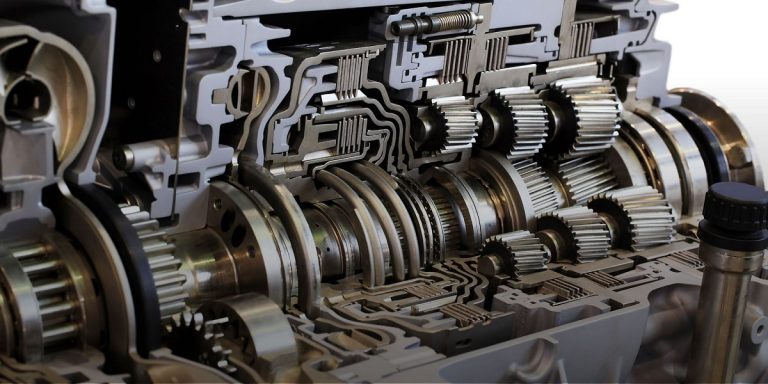
Transmission systems are complex, consisting of gears, bearings, and other moving components that work together to transfer power from the engine to the wheels. Wear and tear, low transmission fluid, or loose parts can trigger rattling sounds, especially during acceleration when the system is under load.
Proper diagnosis and timely intervention help prevent further damage and extend the lifespan of your transmission. Recognizing the warning signs allows you to take action before minor issues become major problems.
Common Causes of Transmission Rattling Noise When Accelerating
A rattling noise from the transmission during acceleration can signal various mechanical or maintenance-related issues. Understanding the potential causes is essential to prevent further damage and ensure the longevity of your vehicle’s transmission system. Many factors, from worn components to fluid problems, can produce rattling sounds. Identifying the source helps you address the issue efficiently, maintain smooth driving, and avoid costly repairs. Recognizing these common causes early can save both time and money.
Low or Contaminated Transmission Fluid
Transmission fluid is crucial for lubricating gears, reducing friction, and cooling the system. Low or contaminated fluid can cause components to grind or rattle during acceleration. Insufficient lubrication increases wear on gears, bearings, and other moving parts, producing noticeable rattling or clunking sounds.
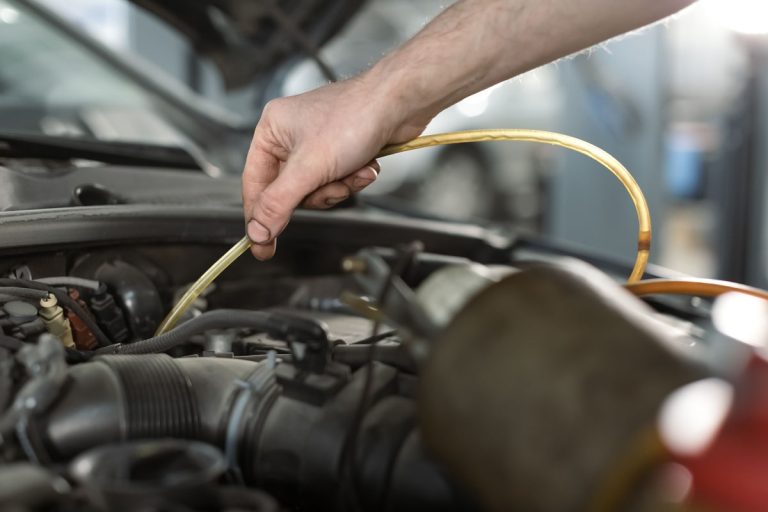
Symptoms of fluid-related issues include delayed gear engagement, overheating, slipping, and unusual noises during acceleration. Regularly checking the fluid level, color, and smell helps detect problems early. Dark, burnt-smelling, or gritty fluid indicates contamination and requires immediate replacement. Flushing the system and refilling it with manufacturer-recommended fluid restores proper lubrication and reduces noise. Maintaining clean and sufficient transmission fluid ensures smooth gear operation, prevents premature wear, and minimizes the risk of rattling noises when accelerating.
Worn or Damaged Gears
Gears inside the transmission are responsible for transferring engine power to the wheels efficiently. Over time, gears can wear, chip, or become misaligned, causing rattling sounds when accelerating under load. The intensity of the noise often varies with engine speed or gear selection.
Worn gears can lead to slipping, delayed engagement, or rough shifting. Addressing the issue promptly involves inspecting the transmission and replacing damaged gears. Ignoring gear damage can escalate into further component failure, including bearings and shafts. Regular maintenance and timely repairs ensure proper gear alignment, restore smooth power delivery, and reduce rattling noises. Professional inspection is often recommended for gear issues due to the complexity of internal transmission components.
Loose or Worn Transmission Mounts
Transmission mounts secure the transmission to the vehicle frame and absorb vibrations. Over time, mounts can wear, crack, or loosen, allowing excessive movement that produces rattling noises during acceleration. Worn mounts may also cause misalignment, stressing gears and drive components.
Signs of faulty mounts include vibration felt through the cabin, clunking sounds during acceleration or shifting, and movement of the transmission when the engine is running. Inspecting mounts for cracks, wear, or loose bolts is essential. Replacing damaged mounts restores proper alignment, stabilizes the transmission, and reduces rattling noises. Maintaining mounts ensures smooth power transfer, prevents damage to surrounding components, and improves overall driving comfort.
Faulty Bearings and Bushings
Bearings and bushings within the transmission facilitate smooth rotation and reduce friction between moving parts. Over time, wear or insufficient lubrication can cause these components to degrade, resulting in rattling or grinding noises under acceleration. Worn bearings may also cause vibration and uneven gear engagement.
Regular inspection and maintenance of bearings and bushings help detect wear before it leads to significant damage. Lubrication with appropriate transmission fluid and timely replacement of faulty components prevent rattling and improve transmission longevity. Addressing bearing and bushing issues early avoids more extensive repairs, protects the gears and shafts, and maintains smooth, quiet operation when accelerating.
Torque Converter Problems
The torque converter connects the engine to the transmission and allows smooth power transfer. Issues such as worn bearings, damaged fins, or fluid contamination inside the torque converter can create rattling or knocking noises during acceleration. Problems with the torque converter often lead to vibrations, slipping, or shuddering sensations.
Diagnosis requires careful inspection, as internal torque converter components are complex. Replacing or repairing a faulty torque converter restores proper fluid flow and engagement, reducing rattling and improving acceleration performance. Regular fluid checks and maintenance prevent torque converter damage, ensuring smooth power transfer and minimizing internal stress on the transmission system.
Worn or Loose Drive Shaft Components
The drive shaft transfers power from the transmission to the wheels. Worn universal joints (U-joints), CV joints, or loose connections can produce rattling, clicking, or clunking noises during acceleration. Vibrations may increase with engine load or speed changes.
Symptoms of worn drive shaft components include noticeable vibrations, unusual sounds during acceleration, and uneven power delivery. Regular inspection of U-joints, CV joints, and associated hardware is necessary. Lubricating or replacing worn components stabilizes power transfer and eliminates rattling noises. Maintaining these parts ensures smooth acceleration, reduces strain on the transmission, and protects other drivetrain components from damage.
Improper or Worn Clutch Components (Manual Transmission)
In manual transmission vehicles, clutch issues can lead to rattling noises during acceleration. Worn clutch discs, pressure plates, or release bearings can produce vibration and noise when engaging gears. Incomplete engagement or misalignment intensifies the rattling, especially under load.
Signs include chatter, difficulty shifting, or grinding when accelerating. Inspecting clutch components for wear or damage and replacing faulty parts restores smooth gear engagement. Proper clutch maintenance improves power transfer, eliminates rattling noises, and prevents damage to the transmission and flywheel. Regular attention to clutch condition is critical for vehicles prone to cold-start or load-related misfires.
DIY vs Professional Repair
Deciding between a DIY repair and seeking professional help is a critical choice when addressing transmission rattling noise during acceleration. Each option has advantages and limitations, depending on the complexity of the issue, your experience level, and the tools available. Understanding the differences helps you make informed decisions, avoid costly mistakes, and ensure the transmission operates smoothly and reliably.
DIY Repairs for Transmission Rattling
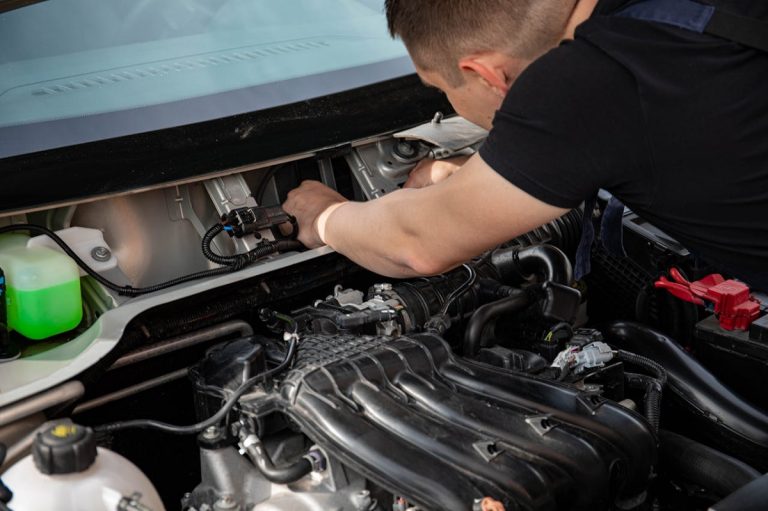
DIY repairs can be effective for minor issues such as checking fluid levels, tightening loose mounts, or replacing easily accessible components like transmission filters. Performing these tasks at home allows you to save money on labor costs and gain familiarity with your vehicle’s transmission system. Basic maintenance and visual inspections often prevent small issues from escalating into major problems.
However, DIY repairs carry significant risks for complex transmission issues. Internal gear damage, faulty bearings, or torque converter problems require specialized tools, diagnostic equipment, and technical expertise. Misdiagnosis can worsen the problem, causing further damage or costly repairs. Following step-by-step instructions, using the right tools, and understanding the limitations of DIY work is essential to prevent aggravating the issue while attempting home repairs.
DIY approaches are most effective for routine maintenance or minor adjustments, such as topping off transmission fluid, inspecting mounts, or replacing accessible seals. For more complicated internal repairs, professional intervention is highly recommended to avoid serious damage. Proper understanding of your skills and the transmission system ensures safe and effective results.
Professional Repair Advantages
Professional repair provides the expertise, tools, and experience required to handle complex transmission issues safely and accurately. Certified technicians can diagnose the root cause of rattling noises, whether it stems from gears, bearings, mounts, or the torque converter, and carry out precise repairs that restore proper function.
Professional services also include access to specialized diagnostic equipment, such as pressure testers, vibration analyzers, and computerized scanning tools, which allow for accurate problem identification. This ensures that the transmission is repaired efficiently and reduces the risk of recurring issues. Technicians are trained to handle sensitive components, comply with safety standards, and provide warranties on labor and parts, offering peace of mind that DIY repairs cannot match.
Professional repair is particularly valuable when internal transmission components are involved. Gear damage, worn bearings, or torque converter issues require precision and expertise to resolve effectively. By relying on professionals, you prevent further damage, maintain optimal performance, and extend the lifespan of your transmission system.
Cost and Convenience Considerations
Cost and convenience play important roles in deciding between DIY and professional repair. DIY repairs may save money upfront but can require considerable time, effort, and troubleshooting, especially if the problem is misdiagnosed. On the other hand, professional repair has a higher initial cost but provides accurate, efficient, and lasting solutions, often saving money by preventing repeated repairs or damage.
Convenience extends beyond cost considerations. Professionals have fully equipped service bays and access to specialized tools, enabling faster and more precise repairs. DIY repairs, while potentially satisfying, may be limited by available tools and workspace. Evaluating the complexity of the issue, your skills, and the potential risks helps determine the best approach to restore smooth, quiet operation during acceleration.
Safety and Long-Term Reliability
Safety is a critical factor when considering DIY transmission repair. Mishandling fluid systems, torque converters, or internal gears can pose serious hazards. Professional technicians ensure that repairs are conducted safely, reducing the risk of injury and preventing damage to other vehicle components.
Long-term reliability is also improved with professional service. Properly performed repairs, including fluid replacement, bearing inspection, and internal adjustments, extend the lifespan of the transmission and prevent future rattling or malfunctions. While DIY fixes are suitable for minor maintenance, professional repairs guarantee that complex issues are resolved thoroughly, ensuring consistent performance and protecting the value of your vehicle.
Preventive Measures to Avoid Transmission Rattling
Preventing transmission rattling noise during acceleration is easier and more cost-effective than repairing major damage after it occurs. Regular maintenance, proper driving habits, and timely inspections can significantly reduce the risk of rattling caused by worn components, low fluid, or internal damage. Understanding preventive measures ensures smooth gear operation, protects the transmission from unnecessary stress, and prolongs its lifespan.
Regular Transmission Fluid Checks and Replacement
Transmission fluid lubricates gears, bearings, and other moving parts while providing cooling and hydraulic pressure. Low or contaminated fluid can cause friction, overheating, and rattling noises during acceleration. Monitoring fluid levels regularly is essential, particularly before long trips or heavy use.
Fluid should be inspected for color, consistency, and smell. Dark, burnt-smelling, or gritty fluid indicates contamination and requires a full fluid replacement. Following manufacturer-recommended service intervals for fluid changes ensures proper lubrication and reduces the risk of component wear. Keeping transmission fluid at optimal levels prevents excessive friction, maintains smooth gear engagement, and eliminates one of the most common causes of rattling noises in accelerating vehicles.
Inspect and Maintain Transmission Mounts
Transmission mounts secure the system to the vehicle frame and absorb vibrations. Over time, mounts can wear, crack, or loosen, leading to movement that produces rattling sounds during acceleration. Regularly checking mounts ensures that they remain intact and properly secured.
Visual inspections should focus on cracks, excessive wear, or loose bolts. Replacing damaged mounts stabilizes the transmission, reduces stress on internal components, and prevents rattling noises. Properly maintained mounts also help keep gears aligned and protect the drivetrain from uneven forces. Regular attention to mounts is a simple yet highly effective way to prevent rattling and ensure smoother, quieter operation during acceleration.
Monitor and Maintain Gears and Bearings
Worn or damaged gears and bearings are major contributors to transmission rattling. Regular inspections during scheduled maintenance can detect early signs of wear, such as unusual noises, rough shifting, or vibrations. Lubrication through proper fluid levels and quality is critical for reducing friction and preventing component degradation.
Addressing minor wear early, such as replacing worn bearings or aligning gears, prevents more severe damage that could lead to rattling or complete transmission failure. Maintaining internal components ensures smooth power transfer and consistent performance during acceleration. Preventive maintenance on gears and bearings protects the transmission, enhances efficiency, and minimizes costly repairs.
Check Drive Shaft and Torque Converter Components
The drive shaft and torque converter play a crucial role in transferring power from the transmission to the wheels. Worn U-joints, CV joints, or torque converter components can produce rattling, vibration, or knocking noises. Regular inspection and lubrication of these components reduce stress and prevent misalignment.
Torque converter health can be maintained by ensuring proper fluid levels and avoiding excessive load during early driving. Drive shaft components should be checked for looseness or wear. Early detection and preventive replacement stabilize power delivery, reduce vibrations, and eliminate rattling sounds. Proper care of these components enhances acceleration smoothness and prolongs the life of the transmission system.
Adopt Safe Driving Practices
Aggressive acceleration, frequent sudden stops, and towing beyond recommended limits can stress the transmission and lead to rattling. Smooth, gradual acceleration and regular gear use reduce strain on internal components and maintain proper fluid circulation.
Maintaining consistent engine RPMs and avoiding prolonged high-speed driving under load prevents overheating and excessive wear. Observing recommended towing capacities and vehicle load limits protects the transmission from stress-induced damage. Safe driving practices, combined with proper maintenance, significantly reduce the likelihood of rattling noises and ensure a longer, more reliable transmission lifespan.
People Also Asked
What Causes Transmission Rattling Noise When Accelerating?
Transmission rattling during acceleration is usually caused by worn internal components, low or contaminated transmission fluid, or loose mounts. Gears, bearings, and torque converter parts may wear over time, producing noise under load. Vibration or misalignment can also amplify rattling.
Observing when the noise occurs—during gear changes, acceleration, or steady speed—helps identify the source. Regular inspections and proper maintenance can prevent minor issues from escalating. Addressing the root cause early ensures smoother gear engagement, protects the transmission, and reduces the risk of costly repairs.
How Can Low Transmission Fluid Cause Rattling?
Transmission fluid lubricates moving parts, reduces friction, and maintains hydraulic pressure. Low fluid levels or contaminated fluid can cause gears, bearings, or clutches to grind, producing rattling sounds when accelerating. Fluid issues can also lead to overheating and slipping.
Regularly checking the transmission fluid, following manufacturer-recommended replacement intervals, and ensuring it is clean and at the proper level prevents damage. Maintaining optimal fluid levels allows the transmission to operate smoothly, reduces wear on internal components, and eliminates rattling noises during acceleration.
Can Worn Transmission Mounts Lead To Noise?
Yes, worn or loose transmission mounts can allow the transmission to shift excessively, causing rattling or clunking sounds. Mounts stabilize the system and absorb vibrations, so any degradation affects alignment and increases stress on gears and shafts.
Regular inspection for cracks, wear, or loose bolts ensures the mounts remain secure. Replacing damaged mounts stabilizes the transmission, reduces noise, and protects internal components from misalignment. Properly maintained mounts also enhance driving comfort and prevent vibration from transmitting through the cabin.
How Do Bearings and Gears Affect Transmission Noise?
Worn or damaged bearings and gears are a common source of rattling noise during acceleration. Bearings facilitate smooth rotation, while gears transfer engine power efficiently. Wear, misalignment, or insufficient lubrication causes friction, vibration, and rattling.
Regular maintenance, such as fluid changes and inspections, ensures proper lubrication and alignment. Early detection and replacement of worn components prevent further damage. Maintaining gear and bearing health provides smooth acceleration, reduces noise, and protects the transmission from more severe failures.
Could the Torque Converter Be the Problem?
Yes, issues with the torque converter, such as worn bearings, damaged fins, or contaminated fluid, can produce rattling, vibration, or knocking noises. The torque converter connects the engine to the transmission, so any malfunction can affect smooth power transfer during acceleration.
Inspecting the torque converter and ensuring proper fluid levels and quality helps prevent internal damage. Replacing or repairing faulty components restores proper operation. Addressing torque converter problems early reduces stress on the transmission, eliminates rattling, and ensures smooth acceleration.
Should I Attempt DIY Repair or See a Professional?
Deciding between DIY repair and professional service depends on the complexity of the issue. Minor tasks like checking fluid levels, tightening mounts, or inspecting accessible components can be handled at home.
However, internal transmission problems, including worn gears, bearings, or torque converter faults, require professional expertise and specialized tools. Misdiagnosis or improper repair can worsen the problem and increase costs. Seeking professional help ensures accurate diagnosis, safe repair, and long-term reliability while restoring smooth, quiet transmission performance during acceleration.
Final Thoughts
A rattling noise from your transmission during acceleration is more than just an annoyance—it can signal serious issues that, if ignored, may lead to costly repairs. Addressing the root causes early, such as low transmission fluid, worn mounts, or gear wear, is essential to maintain smooth and safe vehicle performance. Routine inspections and timely maintenance help prevent small problems from escalating.
Understanding [How to Address Transmission Rattling Noise When Accelerating] allows you to take practical steps, whether it’s checking fluid levels, tightening loose components, or seeking professional repair for internal transmission issues. Proper diagnosis ensures that the source of the noise is accurately identified, avoiding unnecessary part replacements and saving both time and money.
By staying proactive with maintenance and addressing warning signs promptly, you can protect your transmission’s longevity and overall vehicle performance. Implementing these strategies ensures smoother acceleration, reduces repair risks, and keeps your car running reliably for years to come.