How to Prevent Engine Misfire When Cold – Tips for Smooth Starts
Experiencing an engine misfire during cold starts can be frustrating and concerning. A misfire not only affects your car’s performance but can also lead to increased fuel consumption, rough idling, and potential long-term damage to the engine. Understanding the factors that contribute to misfires in cold conditions is essential for keeping your vehicle running smoothly.
Cold weather places additional stress on your engine components. Spark plugs, fuel injectors, and ignition coils are more likely to struggle during initial startups, which can cause incomplete combustion and trigger a misfire. Even minor maintenance issues, such as worn spark plugs or dirty fuel filters, become more noticeable when temperatures drop.
Addressing these challenges requires a combination of proper maintenance, timely inspections, and attention to driving habits. Taking preventive steps ensures that the engine operates efficiently, even in low temperatures.
This guide focuses on [How to Prevent Engine Misfire When Cold] and provides practical tips to maintain reliable performance during chilly starts, extending the life of your engine while improving overall driving comfort.
Common Causes of Engine Misfire When Cold
Experiencing engine misfire during cold starts is a common problem that can affect vehicle performance, fuel efficiency, and overall reliability. Cold weather can make existing issues more noticeable and put extra stress on components that are critical for combustion. Understanding the underlying causes helps in diagnosing the problem and taking steps to prevent damage while ensuring smooth engine operation. By identifying these triggers, you can maintain engine health and avoid costly repairs.
Worn or Faulty Spark Plugs
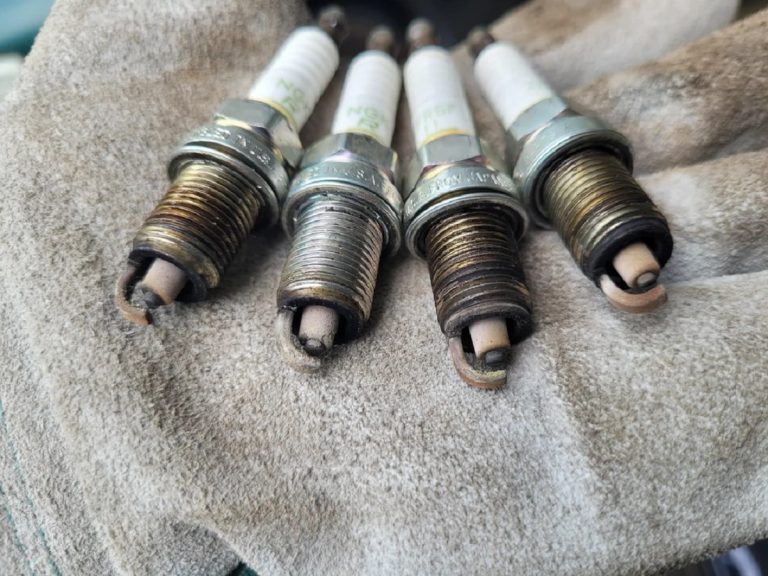
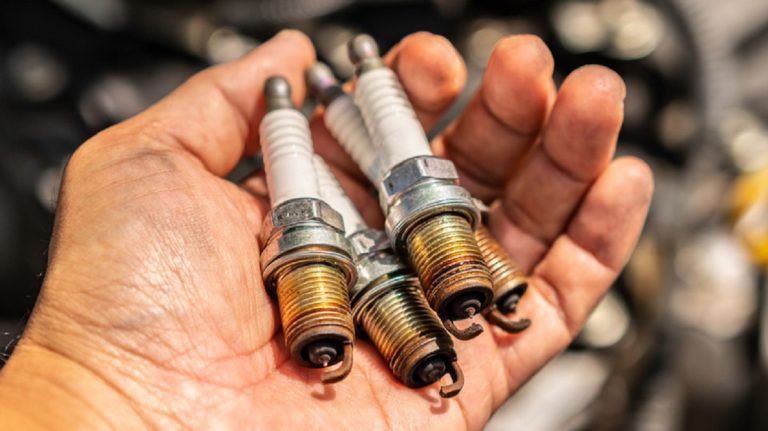
Spark plugs play a crucial role in igniting the air-fuel mixture in the engine. Worn, dirty, or improperly gapped spark plugs can fail to generate a strong spark, especially during cold starts, leading to incomplete combustion and engine misfire. Low temperatures can make weak sparks even less effective, causing rough idling and hesitation.
Symptoms of spark plug issues include uneven engine performance, reduced fuel efficiency, and visible carbon deposits on the plugs. Replacing spark plugs at manufacturer-recommended intervals restores proper ignition and reduces misfires. Choosing the correct spark plug type for your engine, checking the gap, and inspecting them periodically ensures consistent performance during cold starts. Proper maintenance prevents the misfire from escalating into larger engine problems, such as damage to the catalytic converter.
Faulty Ignition Coils
Ignition coils convert the battery voltage into the high voltage needed for the spark plugs to ignite fuel. A failing coil may produce inconsistent sparks, especially when the engine is cold. Temperature fluctuations can exacerbate weak coils, triggering misfires during startup or the first few minutes of driving.
Signs of ignition coil failure include rough idling, loss of power, engine hesitation, and sometimes the check engine light turning on. Replacing a faulty coil is essential to maintain smooth combustion. Preventive maintenance involves testing coils periodically and ensuring electrical connections remain secure. Addressing ignition coil problems promptly restores engine performance, prevents stress on other components, and reduces fuel wastage caused by incomplete combustion.
Clogged or Dirty Fuel Injectors
Fuel injectors are responsible for delivering precise amounts of fuel into the combustion chamber. Over time, deposits can accumulate, restricting fuel flow and causing lean or uneven fuel mixtures. During cold starts, restricted injectors can fail to deliver the proper fuel-air ratio, leading to misfires, rough idling, and hesitation.
Symptoms include poor acceleration, inconsistent RPMs, and increased fuel consumption. Cleaning or replacing fuel injectors ensures proper fuel delivery and reduces the likelihood of cold-start misfires. Regular maintenance, such as using quality fuel and injector cleaning additives, helps prevent deposits from forming. Ensuring fuel injectors are functioning correctly improves engine efficiency, reduces emissions, and enhances smooth performance during chilly mornings.
Weak or Failing Battery
A weak battery can struggle to provide sufficient voltage to the ignition system during cold starts. Low temperatures reduce battery efficiency, making it harder for the engine to start and causing ignition components to underperform. This can result in engine misfires immediately after starting.
Symptoms of battery-related misfires include slow cranking, difficulty starting, dim lights, and erratic engine performance during the first few minutes. Testing battery voltage and connections regularly ensures reliable performance. Replacing an aging or weak battery improves startup reliability, provides consistent voltage to ignition components, and reduces the risk of misfires during cold conditions. Maintaining battery health is a simple but essential step in preventing early morning engine issues.
Vacuum Leaks and Air Intake Issues
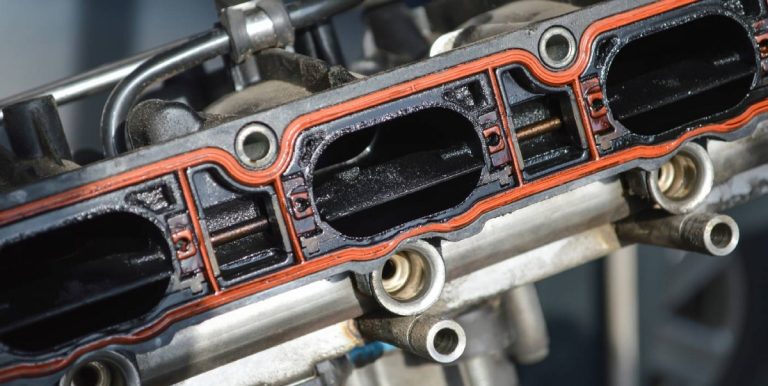
Vacuum leaks or air intake problems can upset the fuel-air mixture in the engine, causing misfires during cold starts. Cracked hoses, loose connections, or leaks in the intake manifold allow extra air into the combustion chamber, creating a lean mixture that is difficult to ignite when temperatures are low.
Symptoms include rough idling, fluctuating RPMs, and poor acceleration. Inspecting vacuum hoses, intake connections, and gaskets can identify leaks before they worsen. Repairing or replacing damaged components ensures proper airflow and restores optimal combustion. Properly functioning air intake prevents cold-start misfires, maintains engine efficiency, and reduces stress on other components like spark plugs and ignition coils.
Maintenance Practices to Prevent Cold Engine Misfire
Regular maintenance is key to preventing engine misfires during cold starts. Many misfires result from neglected components or irregular servicing, which become more noticeable when temperatures drop. By following consistent upkeep routines, you can ensure that spark plugs, ignition systems, fuel delivery, and other critical components function properly. Implementing these practices helps maintain engine performance, improves fuel efficiency, and reduces the risk of costly repairs. Understanding the right steps allows your vehicle to start smoothly even in colder conditions.
Regular Spark Plug Inspection and Replacement
Spark plugs are essential for igniting the air-fuel mixture in the combustion chamber. Over time, they accumulate deposits, wear out, or develop improper gaps, leading to misfires, especially during cold starts. Inspecting spark plugs regularly helps identify these issues before they affect engine performance.
Replacing spark plugs according to the manufacturer’s recommended schedule ensures a strong and consistent spark. Using the correct type and gap for your engine improves ignition efficiency and reduces misfire risk. Cleaning minor deposits can extend their life, but worn or damaged plugs should be replaced promptly. Proper spark plug maintenance prevents rough idling, hesitation, and poor acceleration, keeping the engine reliable in low temperatures. Consistent attention to this simple component has a significant impact on preventing cold-start misfires.
Ignition Coil Maintenance
Ignition coils are responsible for converting battery voltage into the high-voltage spark needed by spark plugs. Over time, coils can wear out, crack, or experience electrical faults, resulting in weak sparks or complete misfires. Cold conditions can amplify these issues, causing uneven combustion or engine hesitation.
Regular inspection of ignition coils includes checking for visible damage, loose electrical connections, and testing output with diagnostic tools. Replacing worn or faulty coils restores reliable spark delivery, ensuring proper combustion during cold starts. Keeping the ignition system in top condition not only prevents misfires but also protects other components, such as spark plugs and the catalytic converter, from excessive wear. Proactive coil maintenance is essential for smooth performance in colder climates.
Fuel System Care
Proper fuel delivery is critical for preventing engine misfires, particularly when the engine is cold. Fuel injectors can become clogged, fuel filters may restrict flow, and low-quality fuel can leave deposits, all of which contribute to lean mixtures and misfires during startup.
Routine fuel system maintenance includes cleaning fuel injectors, replacing fuel filters, and using high-quality fuel. Fuel additives can help remove deposits and maintain injector efficiency. Ensuring consistent fuel flow allows the air-fuel mixture to ignite properly even at low temperatures. Proper fuel system care reduces hesitation, improves acceleration, and maintains overall engine performance. Preventing misfires through fuel system maintenance safeguards both the engine and related components over time.
Battery and Electrical System Checks
Cold weather reduces battery efficiency, which can affect ignition performance and trigger misfires. A weak battery may struggle to supply sufficient voltage to spark plugs and ignition coils during startup. Regular battery inspection and maintenance help prevent this issue.
Testing battery voltage, cleaning terminals, and checking for corrosion ensures a reliable electrical supply. Replacing aging or underperforming batteries guarantees that ignition components function correctly during cold starts. Additionally, inspecting fuses, relays, and wiring for wear or damage prevents intermittent misfires caused by electrical faults. Maintaining the battery and electrical system is a simple but crucial step in preventing cold-start engine misfires.
Vacuum and Air Intake System Maintenance
Vacuum leaks and air intake restrictions can upset the air-fuel mixture, causing misfires during cold starts. Cracked hoses, loose connections, or dirty intake components may allow extra air into the combustion chamber, leading to lean mixtures and incomplete combustion.
Routine inspections include checking vacuum hoses, intake manifold gaskets, and air filters for damage or clogs. Replacing worn components and cleaning air filters ensures consistent airflow and proper fuel-air ratios. Maintaining these systems not only prevents cold-start misfires but also enhances engine efficiency, reduces emissions, and protects ignition components from added stress. Proper attention to airflow and vacuum integrity is critical for reliable engine performance.
Professional Help vs DIY Fixes
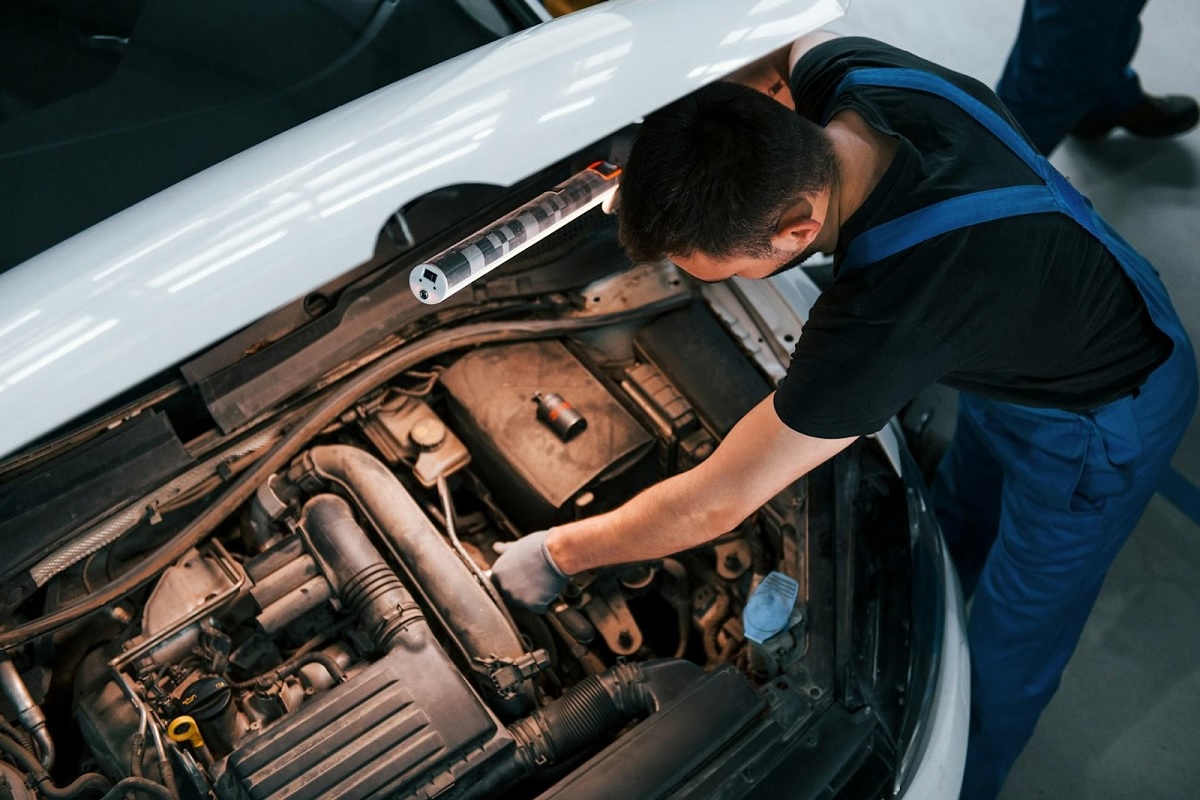
When dealing with engine misfires, especially during cold starts, deciding between DIY fixes and professional help is crucial. Each approach has benefits and limitations, depending on your experience, tools, and the severity of the issue. Understanding the differences ensures safe, effective, and long-lasting solutions. Knowing when to attempt a DIY repair versus consulting a professional helps maintain engine performance and prevents further complications.
DIY Fixes for Cold Engine Misfire
DIY fixes can be effective for minor issues like replacing spark plugs, checking battery connections, or inspecting air filters. These tasks are generally straightforward, require basic tools, and allow you to save money on labor costs. Attempting simple repairs also gives you better familiarity with your engine components and encourages regular maintenance.
However, DIY repairs carry risks if the problem is more complex. Misdiagnosing the cause of a misfire can worsen engine performance or damage expensive components, such as ignition coils or fuel injectors. Additionally, some tasks, like handling fuel system components or testing advanced electrical circuits, require specialized knowledge. Following proper instructions, safety precautions, and manufacturer guidelines is essential to ensure that your DIY efforts are effective and do not compromise engine reliability.
DIY approaches are best for straightforward maintenance tasks that you can handle confidently. Regular inspections and preventive measures like cleaning filters, tightening connections, or replacing easily accessible parts often resolve minor cold-start misfire issues. By understanding the limitations of DIY work, you can address simple problems while avoiding unnecessary risks.
Professional Repair for Engine Misfire
Professional repair is often the safest and most reliable solution for persistent or complex cold-start misfires. Certified technicians have the tools, experience, and knowledge to accurately diagnose the root cause, whether it’s ignition, fuel delivery, electrical faults, or mechanical issues. They can perform precise repairs, such as replacing ignition coils, cleaning fuel injectors, or addressing vacuum leaks.
A professional approach also ensures safety and compliance with regulations. Handling fuel, refrigerants, or electrical systems without proper training can be hazardous. Professionals prevent further damage, provide warranties on labor and parts, and often detect underlying issues that a DIY approach might miss. Choosing professional help reduces stress, saves time, and ensures your engine runs efficiently, even in cold conditions.
Professional repair is particularly valuable when misfires are accompanied by rough idling, reduced power, or check engine light warnings. Investing in expertise prevents long-term damage, protects engine components, and guarantees consistent performance during cold starts, offering peace of mind for reliable daily driving.
FAQs
What Causes Engine Misfire When Cold?
Engine misfires during cold starts occur when the air-fuel mixture fails to ignite properly. Cold temperatures affect components like spark plugs, ignition coils, and fuel injectors, making them less efficient. Worn or dirty spark plugs, weak ignition coils, and clogged fuel injectors are common culprits.
Other factors, such as weak batteries, vacuum leaks, or low engine oil, can also contribute. Regular maintenance, including checking ignition components, fuel delivery, and electrical systems, helps prevent misfires and ensures the engine starts smoothly even in cold conditions.
How Can I Prevent Spark Plug-Related Misfires?
Spark plugs are essential for igniting the air-fuel mixture in the engine. Worn, dirty, or improperly gapped spark plugs can cause misfires, especially during cold starts. Regular inspection and replacement according to the manufacturer’s schedule maintain consistent spark delivery.
Cleaning minor deposits and ensuring the correct plug type and gap reduces the risk of misfires. Proper spark plug maintenance also improves fuel efficiency, prevents rough idling, and protects other components like ignition coils and the catalytic converter from unnecessary stress.
Can Weak Batteries Cause Cold Engine Misfires?
Yes, a weak or aging battery can lead to misfires when the engine is cold. Low temperatures reduce battery efficiency, making it harder to supply sufficient voltage to ignition components during startup. This can cause weak sparks, slow cranking, and misfires.
Testing the battery regularly, cleaning terminals, and replacing worn batteries ensures reliable voltage to the ignition system. Maintaining the electrical system supports proper combustion, prevents early engine misfires, and improves overall cold-start reliability.
How Do Fuel Injectors Affect Cold Engine Performance?
Fuel injectors deliver the precise amount of fuel needed for combustion. Clogged or dirty injectors can disrupt the air-fuel mixture, leading to misfires when the engine is cold. Low temperatures make improper fuel delivery more noticeable during startup.
Cleaning injectors periodically and using quality fuel ensures smooth fuel flow. Proper injector maintenance improves combustion, prevents hesitation, and maintains consistent engine performance. Addressing injector issues early reduces stress on spark plugs and the ignition system while preventing cold-start misfires.
Are Ignition Coils Responsible for Cold Misfires?
Ignition coils supply the high voltage required for spark plugs to ignite fuel. Faulty or worn coils may produce weak or inconsistent sparks, especially when the engine is cold. Temperature changes can exacerbate coil failures, triggering misfires.
Inspecting ignition coils for cracks, loose connections, or electrical issues ensures proper function. Replacing worn or damaged coils restores reliable spark delivery, preventing misfires and protecting other components like spark plugs and the catalytic converter.
Can Vacuum Leaks Lead to Cold Engine Misfires?
Yes, vacuum leaks can cause misfires by upsetting the air-fuel mixture in the combustion chamber. Cracked hoses, loose connections, or damaged intake components allow extra air into the system, creating a lean mixture that is difficult to ignite in cold conditions.
Regularly inspecting hoses, intake gaskets, and the air intake system ensures proper airflow. Repairing leaks and replacing worn components restores correct fuel-air ratios, improving combustion and preventing misfires during cold starts.
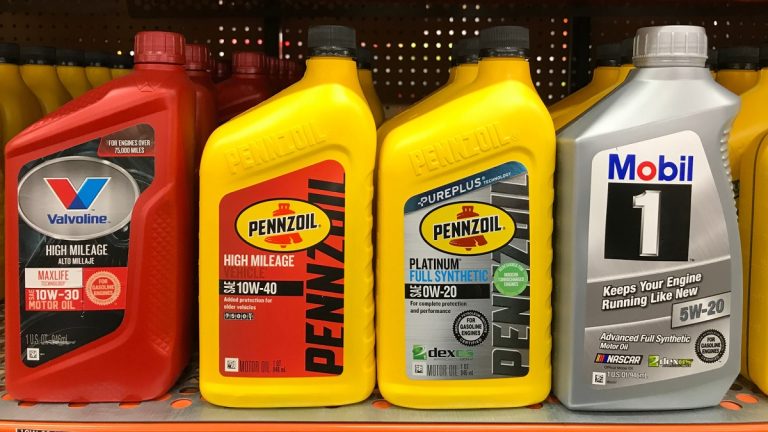
How Does Engine Oil Influence Cold-Start Misfires?
Low or old engine oil can affect combustion efficiency and cause misfires when the engine is cold. Cold temperatures make thick or contaminated oil less effective at lubricating moving parts, increasing friction and affecting ignition.
Maintaining proper oil levels and changing oil according to the manufacturer’s schedule ensures smooth operation. Fresh, high-quality oil reduces strain on pistons, valves, and other components, supporting proper combustion and preventing cold-start misfires while extending engine life.
Conclusion
Experiencing engine misfires during cold starts can be frustrating and potentially harmful to your vehicle over time. Addressing the underlying causes early, such as worn spark plugs, weak batteries, fuel delivery issues, or faulty sensors, can make a significant difference in performance and reliability. Regular maintenance ensures that your engine starts smoothly even in harsh weather conditions.
Knowing [How to Prevent Engine Misfire When Cold] allows you to take practical steps, including using the correct engine oil, inspecting ignition components, cleaning fuel injectors, and checking for vacuum leaks. These preventive measures reduce the likelihood of cold-start misfires and improve overall engine efficiency, saving both time and repair costs in the long run.
By staying proactive with your vehicle’s maintenance schedule and addressing minor issues promptly, you can ensure consistent, smooth engine operation. Implementing these practices keeps your car reliable and reduces the stress of unpredictable cold-weather starts, making cold mornings much easier to handle.