How Does A Battery Charger Work: Mechanism, Types, and Safety Tips
A battery charger is an essential tool for keeping your vehicle, electronics, or rechargeable devices powered and ready for use. Understanding the way a charger operates can help you use it safely, maintain battery health, and maximize performance over time. By delivering controlled electrical current, a battery charger restores energy to depleted batteries, allowing them to function efficiently again.
Knowing how does a battery charger work involves understanding the process of converting electrical energy from a power source into a form that the battery can safely store. Modern chargers often include features like automatic shutoff, trickle charging, and voltage regulation to prevent overcharging and prolong battery life.
Chargers work differently depending on the battery type, whether it’s lead-acid, lithium-ion, or nickel-metal hydride. Each chemistry requires precise voltage and current management to ensure safe and efficient charging without causing damage.
By understanding the basic principles and functions of a battery charger, you can choose the right charger for your needs, maintain battery longevity, and avoid common issues like overcharging, overheating, or reduced capacity. Regular use and proper care help ensure that batteries remain reliable and ready whenever you need them.
Basic Working Principle of a Battery Charger
Battery chargers are designed to replenish the energy stored in rechargeable batteries by supplying a controlled electrical current. Understanding their basic working principle helps you use them safely and efficiently. By managing voltage and current, chargers restore battery charge without causing damage, ensuring optimal performance and longer lifespan. Different battery types may require specific charging techniques to maintain efficiency and safety.
Conversion of AC to DC Power
Most battery chargers work by converting alternating current (AC) from your home or power source into direct current (DC) suitable for charging the battery. Batteries store energy in DC form, so this conversion is essential. The charger uses components like rectifiers and transformers to regulate voltage and current during this process.
The transformer reduces the high voltage from the AC supply to a lower, safer level. Then, the rectifier converts the alternating current into direct current, which flows steadily into the battery. This ensures that the battery receives a consistent flow of energy, preventing damage from sudden voltage spikes.
Modern chargers often include additional circuits to stabilize the output, ensuring that fluctuations in the AC supply do not harm the battery. By providing a steady, controlled current, chargers maintain battery health while efficiently restoring its energy.
Regulating Current and Voltage
A key aspect of how a battery charger works is the regulation of current and voltage. Batteries can only handle a certain amount of electrical flow at a time, and excessive current or voltage can cause overheating, swelling, or permanent damage.
Chargers are designed to monitor the battery’s condition and adjust the current accordingly. For example, a fully discharged battery may receive higher current initially to recharge quickly, then gradually reduce the current as the battery approaches full capacity. Voltage regulation ensures that the battery charges safely within its specified limits.
This controlled charging process also prevents overcharging, which can degrade the battery’s internal chemistry. Advanced chargers include microprocessors or smart circuits to monitor voltage, temperature, and charge level, automatically adjusting output to maximize battery life and safety.
Charging Stages
Most modern battery chargers use a multi-stage charging process to optimize efficiency and protect the battery. The initial stage, often called bulk charging, delivers a constant current to quickly restore most of the battery’s capacity.
Next, the absorption stage maintains a steady voltage while gradually reducing current, allowing the battery to absorb energy safely without overheating. Finally, the trickle or maintenance stage supplies a small, controlled current to keep the battery at full charge, preventing self-discharge and maintaining readiness for use.
This staged approach ensures that the battery receives the right amount of energy at the right time. It reduces the risk of damage, improves charge efficiency, and prolongs the battery’s overall lifespan, making the charger both effective and safe.
Safety Features in Battery Chargers
Battery chargers incorporate several safety mechanisms to ensure proper operation. Overvoltage protection, temperature sensors, and automatic shutoff systems prevent damage from excessive current, overheating, or prolonged charging.
Smart chargers detect the battery’s state and adjust output accordingly. If a battery is fully charged or shows signs of malfunction, the charger will stop supplying current to prevent overcharging or thermal runaway. These features are particularly important for lithium-ion and other sensitive battery types, which are more susceptible to heat and voltage stress.
Types of Battery Chargers and Their Functions
Battery chargers come in various types, each designed to suit specific battery chemistries, capacities, and applications. Understanding the differences between chargers and their functions helps you choose the right one for your device, vehicle, or equipment. Selecting an appropriate charger ensures efficient energy transfer, safe operation, and prolonged battery life.
Standard or Trickle Chargers
Standard chargers, often called trickle chargers, deliver a low, steady current to the battery over an extended period. They are commonly used for lead-acid batteries in cars, motorcycles, or small equipment, providing a slow charge that minimizes the risk of overheating or overcharging.
Trickle chargers are ideal for maintaining batteries that are not frequently used, such as seasonal vehicles or backup generators. By supplying a continuous low current, they prevent self-discharge and keep the battery fully charged without causing stress on the internal components.
Although they charge slowly compared to modern smart chargers, trickle chargers are simple, reliable, and highly effective for long-term battery maintenance. Their low current ensures safety and reduces wear on the battery, making them suitable for extended use without monitoring.
Smart Chargers
Smart chargers are advanced devices equipped with microprocessors that monitor the battery’s voltage, temperature, and charge level in real time. They adjust the current and voltage automatically, optimizing the charging process based on the battery’s condition.
These chargers often feature multiple charging modes, including bulk, absorption, and maintenance, allowing them to charge efficiently while preventing overcharging. They are compatible with various battery types, including lead-acid, AGM, gel, and lithium-ion, making them versatile and user-friendly.
The intelligence of smart chargers also provides safety advantages, as they can detect faults, reversed polarity, or defective batteries, stopping the charging process to prevent damage. For regular vehicle use or household devices, smart chargers combine speed, efficiency, and safety, offering superior performance compared to standard chargers.
Fast or Rapid Chargers
Fast or rapid chargers are designed to deliver a higher current to a battery for quick charging. They are commonly used in applications where minimal downtime is critical, such as electric vehicles, power tools, or emergency equipment.
Rapid chargers use controlled high-current output to restore a significant portion of the battery’s charge in a short period. Modern devices include monitoring systems to prevent overheating or overcharging, maintaining safety while providing speed. However, frequent use of rapid charging can generate additional heat, which may reduce the long-term lifespan of some battery types.
These chargers are particularly useful for professionals or situations that require rapid turnaround times. Proper use and monitoring are essential to balance fast charging with battery health and ensure that the device remains safe and reliable.
Portable and USB Chargers
Portable chargers, including USB-based chargers, are designed for smaller batteries in smartphones, tablets, laptops, and other electronic devices. They typically deliver low voltage and current appropriate for delicate lithium-ion or nickel-metal hydride batteries.
USB chargers are widely used for everyday convenience, allowing users to recharge devices from wall sockets, power banks, or even vehicles. Their compact design and ease of use make them ideal for travel or mobile applications. Many modern chargers include automatic current adjustment, protecting sensitive electronics from overcharging or voltage fluctuations.
These chargers ensure that portable devices remain functional throughout the day while maintaining battery longevity. Understanding the correct voltage and amperage requirements is essential to avoid overheating, reduced capacity, or battery damage.
Multi-Stage and Combination Chargers
Multi-stage or combination chargers integrate multiple charging methods and safety features in a single device. They often include bulk, absorption, and maintenance stages, allowing precise control of current and voltage for different battery types.
These chargers are suitable for a wide range of applications, from automotive to recreational and industrial batteries. By adjusting the charging process according to battery chemistry and condition, they optimize energy transfer, prevent overcharging, and extend battery lifespan. Many also include diagnostic features to identify faults, reverse polarity, or low electrolyte levels.
Combination chargers are particularly useful for households or workshops managing multiple battery types. Their versatility and efficiency make them a practical investment for anyone seeking reliable, safe, and long-lasting battery performance.
Step-by-Step Process of Charging a Battery
Charging a battery correctly ensures safety, efficiency, and prolonged battery life. Understanding the step-by-step process allows you to restore energy safely while avoiding common problems like overcharging, overheating, or reduced battery capacity. Different battery types may require slightly different techniques, but the fundamental steps remain similar for most rechargeable batteries.
Preparing the Battery and Charger
The first step in charging a battery is preparation. Begin by inspecting the battery for visible damage, leaks, or corrosion on the terminals. Damaged batteries should never be charged, as this poses a serious safety risk. Cleaning any corrosion or dirt from the terminals using a soft brush or a terminal cleaner ensures proper electrical contact.
Next, select a compatible charger based on the battery type, voltage, and capacity. Standard chargers, smart chargers, and portable USB chargers all have different output characteristics, so choosing the correct one is crucial. Ensure the charger is unplugged while connecting it to the battery, and verify that the polarity is correct. Connecting the charger incorrectly can damage the battery or cause sparks, presenting a hazard.
Proper preparation sets the foundation for a safe and efficient charging process, ensuring that the battery receives the correct voltage and current throughout the cycle. This step also protects both the battery and the charger from potential damage.
Connecting the Charger Properly
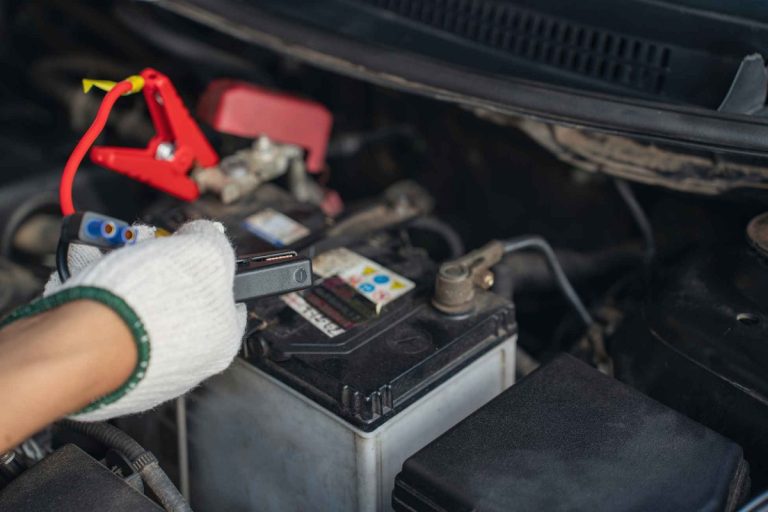
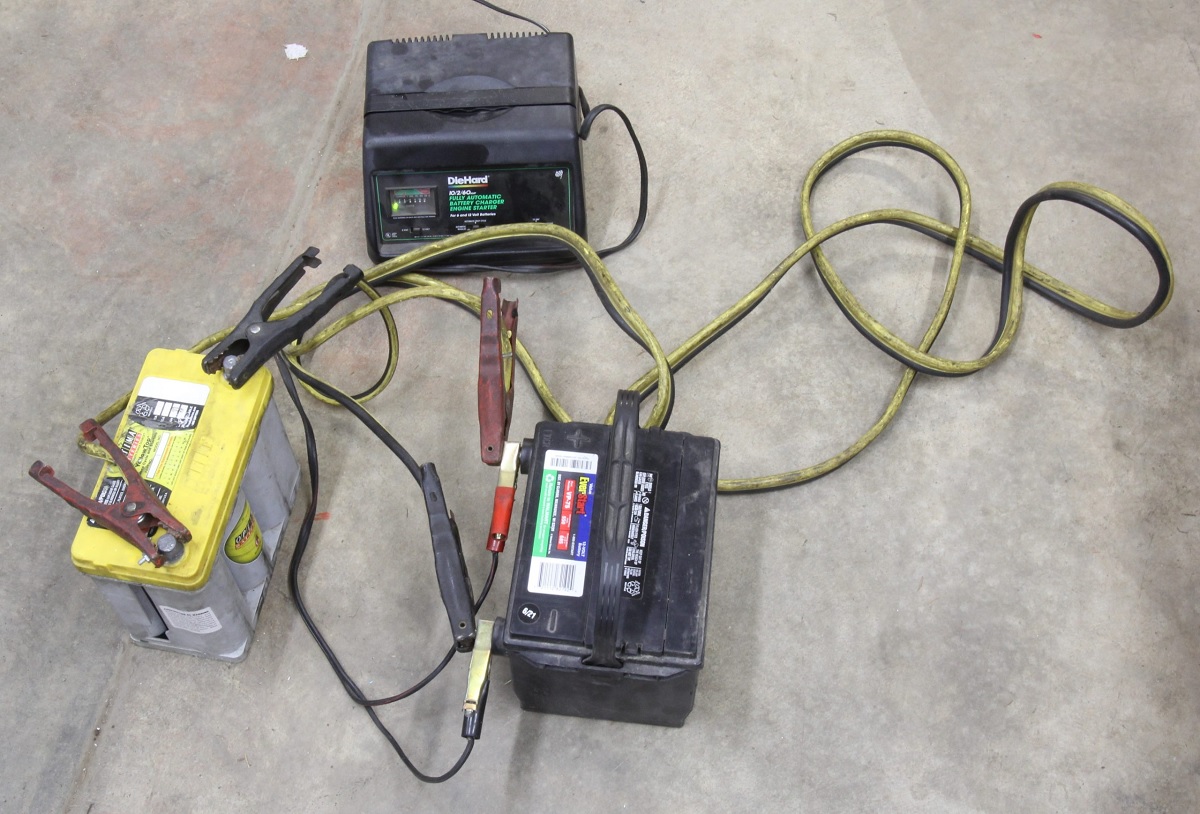
Once the battery and charger are ready, the next step is to make secure connections. For lead-acid or car batteries, connect the positive terminal of the charger to the positive battery terminal, followed by the negative terminal. For lithium-ion or smaller rechargeable batteries, follow manufacturer instructions for proper placement in the charging dock or cable.
Ensuring tight and secure connections is essential for efficient energy transfer. Loose connections can cause arcing, overheating, or incomplete charging, reducing the battery’s lifespan. Many chargers include clamps, connectors, or color-coded indicators to simplify correct placement.
After connecting the charger, double-check the connections and the battery’s voltage rating to ensure compatibility. Proper connection not only guarantees safe charging but also ensures that the battery reaches its full capacity without unnecessary stress or overheating.
Initiating the Charging Process
With connections secure, you can begin the charging process. Modern smart chargers often have automatic settings that detect battery type, voltage, and current, adjusting output accordingly. For standard or trickle chargers, manually set the charging rate according to the battery’s specifications.
During charging, it is important to monitor the battery for excessive heat, unusual smells, or visible leakage. These are signs of a potential problem, and the process should be stopped immediately if they occur. Smart chargers include built-in safety features to automatically reduce current or shut off if the battery reaches full charge or detects an anomaly.
Allow the battery to charge completely according to the manufacturer’s recommendations. A fully charged battery will maintain optimal voltage and energy storage, ready for use when needed. Correct initiation ensures efficiency, safety, and longevity for the battery.
Monitoring and Adjusting During Charging
Monitoring the battery while it charges is critical for both safety and performance. Observe the battery’s temperature, electrolyte levels (for lead-acid batteries), and the charger’s indicator lights to ensure normal operation. Avoid leaving the battery unattended for extended periods unless using a smart charger with automatic shutoff.
Some chargers allow you to adjust the charging rate based on conditions. Reducing current during the absorption or trickle stage prevents overheating and overcharging. For lithium-ion batteries, avoid exceeding the recommended voltage or current, as this can degrade internal chemistry and shorten lifespan.
Continuous monitoring ensures that the charging process progresses efficiently and safely, protecting the battery from damage and preserving its long-term performance. It also allows early detection of any issues that could compromise safety or efficiency.
Completing the Charge and Disconnecting
Once the battery reaches full charge, it is important to disconnect the charger safely. Turn off or unplug the charger before removing connectors to prevent sparks or electrical shocks. For lead-acid batteries, inspect the electrolyte levels and top off with distilled water if necessary.
Store the charger in a safe, dry location and ensure that the battery is ready for use. Proper completion of the charging cycle prevents overcharging, maintains optimal capacity, and extends battery lifespan. By following each step carefully, you ensure the battery remains reliable and fully functional for its intended applications.
Safety Precautions While Using a Battery Charger
Using a battery charger involves handling electricity and batteries, both of which can be hazardous if proper precautions are not taken. Following safety guidelines ensures that you charge batteries efficiently while minimizing the risk of accidents such as electric shocks, sparks, or chemical exposure. Awareness and preparation are key to a safe charging experience.
Wear Protective Gear and Work in a Ventilated Area
When charging batteries, especially lead-acid types, always wear protective gear such as safety glasses and gloves. Batteries contain corrosive acids and can release harmful gases like hydrogen during charging. Proper protection prevents injury from accidental spills, splashes, or explosions.
Working in a well-ventilated area is equally important. Poor ventilation allows hydrogen gas to accumulate, creating a risk of ignition from sparks or static electricity. Avoid enclosed spaces, and keep open flames or smoking materials away from the charging area. Ventilation ensures that any gases produced are dispersed safely, reducing the likelihood of dangerous incidents.
Taking these steps protects both you and the battery while creating a controlled environment for safe charging, especially during extended or high-current charging sessions.
Ensure Correct Polarity and Connection
One of the most critical safety measures is connecting the charger correctly. Always attach the positive terminal of the charger to the positive terminal of the battery, and the negative to the negative. Reversing polarity can cause sparks, damage the battery, or even lead to fires.
Use properly insulated clamps and make sure the connections are secure to prevent arcing. Avoid letting metal tools or jewelry touch the terminals while the charger is connected, as this can short-circuit the battery and cause burns or sparks.
Double-checking polarity and connections before powering on the charger prevents accidents and ensures efficient energy transfer, protecting both the battery and the charging device.
Monitor Temperature and Charging Progress
Monitoring the battery’s temperature during charging is essential for safety. Excessive heat can indicate overcharging, a faulty battery, or improper charger settings. High temperatures can cause battery swelling, leakage, or even explosion in extreme cases.
Observe the charger’s indicators to ensure the battery is charging at the recommended voltage and current. For smart chargers, allow the automatic functions to control the current flow. Never leave batteries unattended for extended periods unless using a charger with built-in safety shutoff.
Regular monitoring allows you to respond quickly to unusual conditions, preventing damage and ensuring the charging process is both safe and effective.
Avoid Overcharging and Use Compatible Chargers
Overcharging can damage batteries and pose serious safety risks. Always use a charger that is compatible with the battery’s type, voltage, and capacity. Different chemistries, such as lead-acid, lithium-ion, and nickel-metal hydride, require specific voltage and current levels for safe charging.
Set the charger according to manufacturer specifications, and use smart or automatic chargers when possible. These chargers detect when the battery reaches full charge and adjust or stop the current to prevent overheating or overcharging.
Using compatible chargers and preventing overcharging ensures the battery remains safe, functional, and long-lasting while reducing the risk of chemical leaks, explosions, or fire hazards.
Keep the Charging Area Organized and Dry
Maintaining a clean and organized charging area is an important safety practice. Keep tools, liquids, and flammable materials away from the battery and charger. Avoid placing the charger on wet surfaces or near water, as electricity and moisture can lead to shock hazards.
Store cables neatly to prevent tripping or accidental disconnection. Make sure the battery is on a stable surface to avoid tipping over during charging. A well-organized and dry environment reduces accidents, ensures proper airflow, and provides easy access in case you need to disconnect the charger quickly.
Factors Affecting Charging Efficiency
Charging efficiency determines how effectively a battery charger transfers energy into a battery. Several factors influence this efficiency, from the battery’s condition and type to the charger’s design and environmental conditions. Understanding these factors allows you to optimize charging, reduce energy loss, and prolong battery life. Efficient charging ensures that your devices or vehicles are ready for use when needed while maintaining safety.
Battery Type and Chemistry
The type and chemistry of a battery play a significant role in charging efficiency. Lead-acid, lithium-ion, nickel-metal hydride, and other battery types have unique voltage and current requirements. Chargers designed for one chemistry may not efficiently charge a different type, leading to energy loss or longer charging times.
Lithium-ion batteries, for example, require precise voltage control and multi-stage charging to maintain efficiency and prevent degradation. Lead-acid batteries may tolerate slower trickle charging but can suffer from sulfation if not charged properly. Using a charger compatible with the battery type ensures that energy transfer is optimized, reducing wasted electricity and preventing damage.
Understanding the battery’s chemistry allows you to select the appropriate charging method, current, and voltage settings. This helps maximize efficiency while maintaining safety and prolonging the battery’s service life.
Battery Condition and Age
The condition and age of a battery directly affect how efficiently it charges. Older batteries or those with worn internal components, such as corroded plates or reduced electrolyte levels, may accept charge more slowly or inefficiently.
A damaged or degraded battery often generates heat during charging, which reduces efficiency and can further deteriorate internal components. Even with a high-quality charger, a battery in poor condition will not achieve maximum energy storage or performance. Regular inspection of battery health, including checking for leaks, swelling, or decreased capacity, is essential for maintaining charging efficiency.
Proper maintenance, such as cleaning terminals and ensuring electrolyte levels are adequate for lead-acid batteries, can improve energy transfer and extend the battery’s effective lifespan. Healthy batteries maximize the efficiency of both the charger and the charging process.
Charging Current and Voltage
The current and voltage supplied by the charger are critical factors in charging efficiency. Delivering too little current results in slow charging and wasted time, while excessive current can generate heat, reduce efficiency, and damage the battery.
Voltage regulation ensures that the battery receives a consistent flow of energy. Chargers that automatically adjust current and voltage based on the battery’s state are more efficient because they optimize energy transfer while minimizing heat generation. In contrast, manual chargers without regulation may overcharge or undercharge, reducing the battery’s ability to store energy effectively.
Selecting the correct current and voltage settings, or using a smart charger with automatic adjustment, ensures the battery charges quickly and efficiently without compromising its long-term health.
Temperature and Environmental Conditions
Environmental conditions, particularly temperature, significantly impact charging efficiency. Batteries charge most efficiently within a recommended temperature range. Extremely cold temperatures slow chemical reactions inside the battery, reducing energy acceptance and increasing charging time. High temperatures, on the other hand, may cause overheating and energy loss through heat dissipation.
Maintaining proper ventilation and avoiding direct sunlight or enclosed spaces during charging helps control temperature and ensures stable energy transfer. Some advanced chargers include temperature sensors to automatically adjust current and voltage for optimal efficiency in varying conditions.
Monitoring environmental factors ensures that the battery charges effectively while minimizing energy waste and preventing damage due to overheating or thermal stress.
Charger Quality and Technology
The design and quality of the charger itself also affect charging efficiency. High-quality chargers with multi-stage charging, microprocessor control, and safety features provide precise voltage and current regulation. This optimizes energy transfer and prevents heat generation or overcharging.
Cheaper or poorly designed chargers may lack regulation, causing fluctuations that reduce charging efficiency and shorten battery life. Features such as automatic shutoff, trickle maintenance, and compatibility with multiple battery chemistries improve efficiency and prolong battery performance.
Investing in a reliable charger with modern technology ensures consistent energy delivery, protects the battery, and maximizes overall charging efficiency. Selecting the right charger for your battery type and usage pattern is crucial for optimal performance.
Frequently Asked Questions
How Does A Battery Charger Work?
When you use a battery charger, it converts AC power from a wall outlet into DC power that the battery can store. You connect the charger to the battery terminals, and electricity flows into the cells, replenishing the energy that was used.
The charger regulates voltage and current to ensure safe charging. Some chargers automatically stop or reduce current when the battery is full, preventing overcharging and extending battery life. Understanding this process helps you charge your batteries efficiently and safely.
Can A Battery Charger Overcharge My Battery?
Yes, overcharging can happen if the charger lacks an automatic shut-off or if you leave it connected for too long. Overcharging increases heat and pressure inside the battery, which can damage cells and shorten lifespan.
Modern smart chargers prevent this by monitoring voltage and current levels, automatically reducing power or stopping charging once the battery is full. You should always follow manufacturer instructions to avoid overcharging, ensuring both safety and maximum battery performance.
What Are The Different Types Of Battery Chargers?
Battery chargers come in various types designed for different needs. Trickle chargers deliver a slow, steady current ideal for long-term maintenance. Fast chargers supply higher amperage to recharge batteries quickly but require careful monitoring.
Smart chargers are the most versatile, automatically adjusting voltage and current based on the battery’s condition. Choosing the right charger depends on battery type, size, and how quickly you need it charged. Using the wrong type can reduce efficiency or damage your battery.
How Long Does It Take To Charge A Battery Fully?
The charging time depends on battery capacity, charger type, and the battery’s current state of charge. A small battery with a fast charger may reach full charge in a few hours, while larger batteries with trickle chargers can take a full day or more.
Temperature and battery condition also affect charging time. Cold or old batteries charge slower, and monitoring the process ensures you don’t risk undercharging or overcharging, which could reduce efficiency or lifespan.
Can I Use Any Charger For Any Battery?
Not all chargers are compatible with every battery. Chargers are designed for specific chemistries like lead-acid, lithium-ion, or nickel-metal hydride, and using the wrong type can damage the battery or create safety hazards.
Voltage and current ratings must also match the battery’s requirements. Always check the battery’s specifications and the charger’s instructions before connecting. Using a compatible charger ensures safe, efficient charging and prevents permanent battery damage.
Why Is My Battery Not Charging Even When Connected?
If your battery isn’t charging, several factors could be responsible. Loose or corroded connections prevent current flow, while an old or damaged battery may be unable to accept a charge.
The charger itself could be faulty or incompatible with the battery type. Ensuring clean terminals, proper connections, and using the correct charger usually resolves the problem. If issues persist, testing the battery or charger with a multimeter can help identify the exact cause.
Final Thoughts
Understanding the operation of a battery charger is essential for safely and efficiently restoring energy to your batteries. By converting AC power to DC, regulating voltage and current, and using multi-stage charging processes, a charger ensures that your battery receives the right amount of energy without risking damage or overheating. Proper usage maintains battery health and extends its lifespan.
Knowing how does a battery charger work helps you select the right type of charger for different battery chemistries, whether it’s lead-acid, lithium-ion, or nickel-metal hydride. Smart chargers, trickle chargers, and rapid chargers each serve specific purposes, and understanding their functions allows you to optimize charging efficiency while preventing common issues like overcharging or reduced battery capacity.
Following safety precautions, monitoring charging progress, and using compatible chargers further enhance both efficiency and safety. With a clear understanding of how a battery charger works, you can maintain your batteries reliably, ensuring they remain ready for use whenever needed.