Grinding Noise When Driving: Causes, Diagnosis, and Fixes You Need
Hearing unusual noises from your vehicle while on the road can be unsettling, especially when the sound is harsh or metallic. One of the most concerning sounds drivers encounter is a grinding noise, which can indicate that critical components are wearing down or malfunctioning. Recognizing these sounds early is key to maintaining safety and preventing costly repairs.
A grinding noise often points to issues in essential systems like brakes, wheel bearings, suspension, or the drivetrain. These components work together to ensure smooth operation, and any wear or damage can produce audible signs during driving. Paying attention to when the noise occurs—whether during acceleration, braking, or turning—helps narrow down the potential cause.
Understanding the reasons behind a grinding noise when driving allows you to take appropriate action promptly. Timely inspection and repair not only restore smooth performance but also protect the vehicle from further damage.
Regular maintenance and careful observation are essential to ensure that these noises do not compromise safety or vehicle reliability. Identifying the source quickly can save both time and money while maintaining a comfortable and secure driving experience.
Common Causes of Grinding Noise When Driving
A grinding noise when driving is a warning sign that something in your vehicle is not functioning properly. This sound can stem from a variety of sources, including brakes, wheel bearings, suspension, or drivetrain components. Understanding the common causes helps you identify issues early, prevent further damage, and maintain safe and reliable vehicle performance.
Worn Brake Pads and Rotors
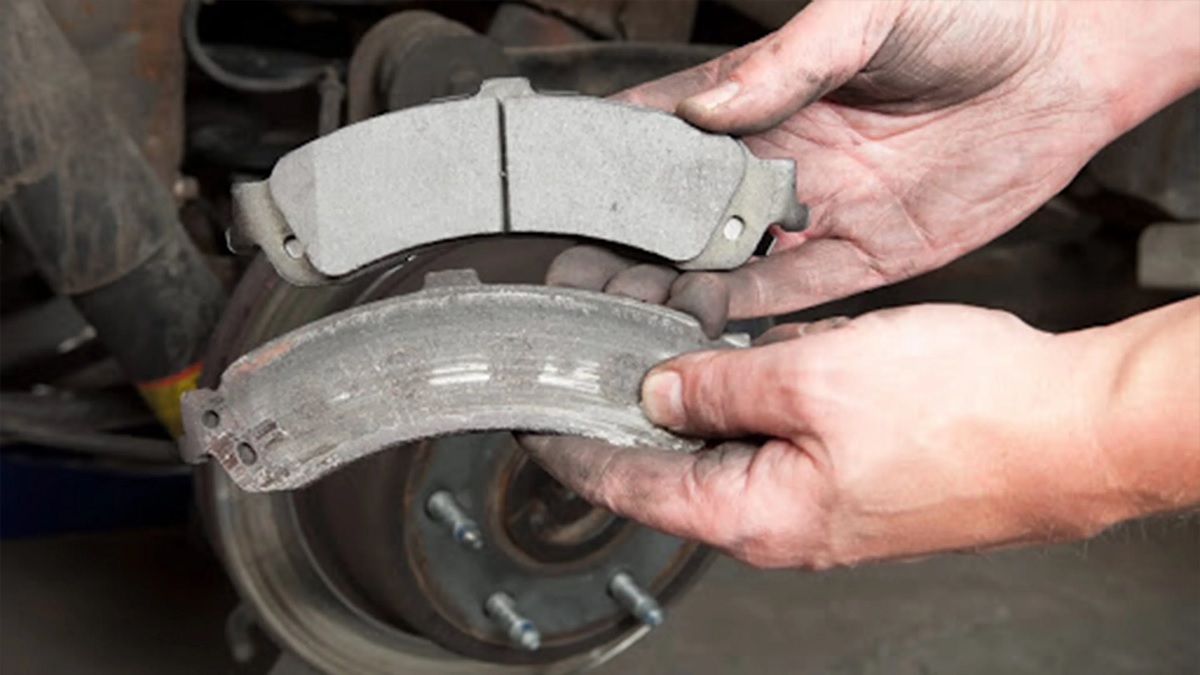
One of the most frequent causes of grinding noises is worn brake pads and rotors. Brake pads are designed to create friction against the rotors to slow or stop the vehicle. When the pads wear down completely, the metal backing plate comes into direct contact with the rotor, producing a harsh grinding sound.
This noise is usually noticeable during braking and may vary depending on speed or brake pressure. Ignoring worn pads can lead to rotor damage, reduced braking efficiency, and potentially dangerous driving situations. Mechanics typically recommend replacing brake pads promptly and resurfacing or replacing rotors as needed. Regular brake inspections and maintenance ensure smooth stopping, prevent grinding noises, and extend the life of braking components.
Failing Wheel Bearings
Wheel bearings allow the wheels to rotate smoothly with minimal friction. When they begin to fail, friction increases, producing a grinding or humming noise that often changes with vehicle speed. Failing bearings may also create vibrations in the steering wheel or uneven tire wear.
Symptoms of worn wheel bearings include grinding during turns or a noticeable increase in noise when accelerating or decelerating. Driving with compromised bearings is dangerous because it can lead to wheel lockup or hub failure. Replacing worn or damaged bearings restores smooth wheel operation, eliminates grinding noises, and protects other suspension and steering components from additional wear.
CV Joint and Axle Problems
Constant velocity (CV) joints and axles are critical for transmitting power from the transmission to the wheels while allowing for suspension movement. Worn or damaged CV joints can produce grinding or clicking noises, especially during acceleration or turning.
Torn CV boots often lead to dirt and debris entering the joint, accelerating wear and causing metal-on-metal contact. Ignoring CV joint issues may result in axle failure, loss of power to the wheels, or unsafe handling. Replacing worn CV joints or the entire axle assembly restores smooth power delivery and eliminates grinding noises while maintaining vehicle control. Proper lubrication and inspection of CV boots prevent future problems.
Transmission and Drivetrain Issues
Grinding noises can also originate from the transmission or drivetrain, particularly if gears are worn, fluid is low, or components like the torque converter are failing. Manual transmissions may produce grinding when shifting due to worn synchros, while automatic transmissions may generate noise during gear engagement or deceleration.
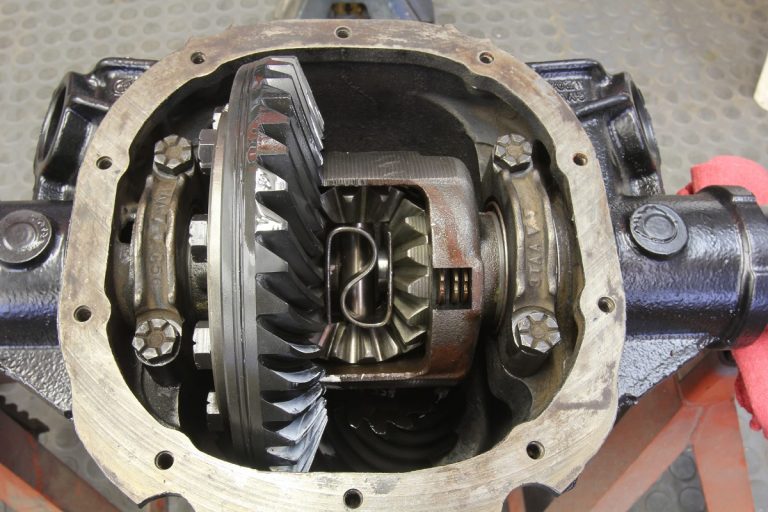
Differential problems, such as worn gears or bearings, can create grinding or whining noises that worsen when turning or under load. Addressing transmission or drivetrain issues promptly prevents more serious failures, maintains smooth power delivery, and ensures safe operation. Proper fluid maintenance and professional inspection are essential for diagnosing and fixing these problems.
Suspension and Steering Component Wear
Worn suspension components like bushings, control arms, and strut mounts can also produce grinding noises. Metal-on-metal contact or shifting components under load generates sounds that often vary with road conditions, acceleration, or cornering.
Loose or damaged parts compromise handling, increase vibration, and accelerate wear on connected components. Replacing worn suspension parts restores proper geometry, eliminates grinding noises, and improves ride quality. Routine inspection of suspension and steering systems helps detect early wear before it leads to more significant noise and performance issues.
Debris or Foreign Objects
Sometimes, grinding noises are caused by foreign objects trapped between components, such as small stones between brake pads and rotors or debris caught in wheel hubs. This can create intermittent grinding that varies depending on wheel rotation or braking.
While less serious than worn parts, leaving debris untreated can scratch rotors, damage brake pads, or accelerate wear on moving components. Cleaning the affected areas and removing trapped objects restores smooth operation and eliminates occasional grinding caused by debris buildup.
How to Identify the Source of the Noise
When a car produces a grinding noise when driving, pinpointing the exact source is critical for effective repairs. Grinding can originate from multiple systems, including brakes, suspension, wheel bearings, or drivetrain components. Identifying the source early prevents unnecessary replacements, reduces repair costs, and ensures that your vehicle remains safe and reliable.
Observing When the Noise Occurs
The first step in identifying the source of grinding is to pay attention to when the noise appears. Take note of conditions such as braking, accelerating, cornering, or driving over bumps.
For example, a grinding noise that occurs only when applying the brakes is often related to worn brake pads or rotors. If the sound happens when turning or at specific speeds, it may indicate a failing wheel bearing or CV joint. Observing patterns in the noise helps narrow down potential causes and allows for a more focused inspection. Keeping a log of when and how the noise occurs can be helpful for both you and a mechanic during diagnosis.
Inspecting Brake Components
Brakes are a common source of grinding noises. Begin by visually inspecting the brake pads, rotors, calipers, and hardware. Thin or unevenly worn pads, grooves in the rotor, or metal-on-metal contact are clear indicators of a problem.
In some cases, surface rust or debris can cause intermittent grinding. Removing the wheels and examining the brake assembly allows you to check for foreign objects and assess the condition of pads and rotors. Replacing worn pads, resurfacing rotors, or cleaning debris often resolves grinding noises associated with braking while restoring smooth stopping power.
Checking Wheel Bearings and CV Joints
Wheel bearings and CV joints are critical for smooth wheel rotation and power delivery. Worn bearings often produce a grinding or humming noise that changes with speed and may become more pronounced when turning. Testing for excessive wheel hub play by rocking the wheel back and forth can indicate worn bearings.
CV joints should be checked for torn boots, leaks, or metal-on-metal contact. Damaged CV joints may produce grinding or clicking noises during acceleration or cornering. Early detection and replacement of worn bearings or CV joints prevent more severe mechanical issues and maintain safe handling.
Examining Suspension and Steering Components
Grinding noises can also originate from the suspension or steering system. Worn bushings, control arms, strut mounts, or loose bolts can cause metal-on-metal contact under load.
Inspecting suspension components for cracks, wear, or looseness is critical. Test the movement of control arms, sway bars, and mounts for unusual friction or noise. Worn parts may shift during acceleration, braking, or cornering, producing intermittent grinding. Replacing or tightening these components restores proper geometry and eliminates grinding caused by suspension wear.
Assessing Drivetrain and Transmission Components
If brakes, wheels, and suspension appear fine, the noise may originate from the drivetrain or transmission. Grinding during acceleration, deceleration, or gear shifts can indicate worn gears, synchros, or torque converter problems.
Checking transmission fluid levels and condition is essential, as low or contaminated fluid can worsen grinding. Manual transmissions often reveal grinding due to worn synchronizers, while automatic transmissions may produce noise during gear engagement. Professional inspection is recommended, as drivetrain issues are complex and require specialized tools to repair properly. Proper diagnosis ensures targeted repairs, restoring smooth performance and preventing further damage.
Effects of Ignoring Grinding Noise
A grinding noise when driving is a warning that something in your vehicle requires attention. Ignoring this sound can lead to more severe mechanical issues, increased repair costs, and compromised safety. Understanding the consequences of neglecting grinding noises highlights why prompt inspection and maintenance are essential for vehicle reliability and performance.
Increased Wear and Component Damage
When grinding noises are ignored, the affected components experience accelerated wear and potential failure. For example, worn brake pads left untreated can damage rotors, leading to costly replacements. Similarly, failing wheel bearings or CV joints subjected to continued use can compromise hubs, axles, and suspension parts.
Continued friction and metal-on-metal contact intensify wear, often resulting in secondary issues that could have been avoided with early intervention. Ignoring grinding noises accelerates the deterioration of essential components, making repairs more complex, expensive, and time-consuming. Timely attention prevents cascading damage, preserves vehicle performance, and extends the lifespan of critical parts.
Reduced Vehicle Performance and Handling
Grinding noises typically indicate friction or misalignment, which can negatively impact overall vehicle performance. Braking may become less effective, acceleration may feel uneven, and steering response can deteriorate.
Suspension or drivetrain issues producing grinding noises can lead to vibrations, shuddering, or difficulty controlling the vehicle during turns or sudden maneuvers. These effects compromise comfort, responsiveness, and safety. Addressing grinding noise promptly restores smooth operation, ensures proper handling, and maintains consistent power delivery, keeping the vehicle reliable under all driving conditions.
Safety Hazards and Accident Risks
Ignoring grinding noises increases the risk of accidents. Worn brake components, failing wheel bearings, or damaged CV joints can lead to unexpected brake failure, wheel lockup, or loss of vehicle control.
These hazards are particularly dangerous in high-traffic situations, sharp turns, or during emergency maneuvers. Neglecting early warning signs may put both the driver and other road users at risk. Prioritizing diagnosis and repair ensures safe vehicle operation and minimizes the likelihood of accidents caused by component failure.
Increased Repair Costs
Delaying repairs on grinding noises often results in significantly higher repair bills. Minor issues, like replacing brake pads or cleaning debris, are inexpensive compared to major repairs such as rotor replacement, wheel hub or axle assembly replacement, or transmission rebuilds.
Secondary damage caused by neglect can multiply costs, as multiple components may fail simultaneously. Investing in early inspection and repair minimizes expenses, prevents major failures, and ensures the vehicle remains safe and functional. Proactive maintenance is far more cost-effective than addressing compounded problems later.
Long-Term Vehicle Reliability
Continuous grinding noise is a sign that components are under stress, which, if ignored, can reduce the overall lifespan of the vehicle. Mechanical parts exposed to constant friction or misalignment degrade faster, compromising the reliability of brakes, suspension, drivetrain, and other essential systems.
By addressing grinding noises promptly, you maintain proper function, reduce the risk of repeated breakdowns, and preserve long-term vehicle performance. Routine inspections, timely repairs, and preventive maintenance ensure the vehicle continues to operate efficiently, safely, and quietly for years to come.
Diagnosing Grinding Noise Problems
A grinding noise when driving can originate from multiple sources, making accurate diagnosis critical. Components such as brakes, wheel bearings, suspension, CV joints, and the drivetrain can all produce similar sounds. Proper diagnosis helps pinpoint the exact cause, preventing unnecessary replacements, restoring vehicle performance, and ensuring safe operation on the road.
Conducting a Visual Inspection
The first step in diagnosing grinding noises is a thorough visual inspection. Begin with the brake system, checking pads, rotors, and calipers for wear, grooves, or metal-on-metal contact. Thin pads or uneven rotor surfaces are common causes of grinding.
Next, examine wheel bearings and suspension components, including control arms, bushings, and strut mounts, for wear, looseness, or cracks. Check CV joints and boots for tears, leaks, or debris. A careful visual inspection often reveals obvious issues and helps narrow down potential sources of the noise. Observing components while the vehicle is stationary provides a clear idea of where friction or damage may exist.
Observing the Noise During Driving
Controlled driving tests are essential for identifying the source of intermittent grinding noises. Pay attention to when the noise occurs—during braking, accelerating, turning, or driving over bumps.
Noise during braking typically points to brake pads or rotors, while sounds that change with speed or occur during turns may indicate wheel bearings or CV joints. Note if the noise intensifies under load or while cornering, as this can help identify suspension or drivetrain issues. Keeping track of speed, pedal usage, and road conditions can provide valuable clues for accurate diagnosis.
Testing Component Movement
After visual and driving observations, test components for movement or play. Lift the vehicle and check for excessive wheel hub movement, which may indicate worn wheel bearings.
Suspension parts, such as control arms and bushings, should be tested for looseness or unusual friction. CV joints can be examined by gently moving the axle while listening for clicking or grinding noises. Identifying excessive play or friction points allows you to determine which parts require repair or replacement before further damage occurs.
Using Diagnostic Tools and Professional Assistance
For less obvious issues, diagnostic tools like a mechanic’s stethoscope, pry bars, or scan tools can assist in locating the noise source. Transmission or drivetrain problems, in particular, often require professional inspection due to the complexity of the components.
A trained mechanic can test brakes, bearings, CV joints, suspension, and drivetrain components while the vehicle is stationary or in controlled operation. Professional tools and expertise ensure an accurate assessment, enabling targeted repairs that restore smooth operation, prevent further damage, and eliminate grinding noises from affecting safety and performance.
Repair and Replacement Solutions
A grinding noise when driving is a clear signal that components in your vehicle need attention. Timely repair or replacement of affected parts ensures safety, restores performance, and prevents further damage. Understanding the appropriate solutions for brakes, wheel bearings, suspension, CV joints, and drivetrain components helps maintain your vehicle’s reliability and smooth operation.
Brake System Repairs
Worn brake pads and rotors are one of the most common causes of grinding noises. Replacing brake pads and resurfacing or replacing damaged rotors is often the most effective solution.
Mechanics will remove the wheels to inspect the calipers, pads, rotors, and related hardware. Metal-on-metal contact, grooves, or uneven wear are addressed during this process. Cleaning and replacing hardware such as clips and shims ensures proper alignment and smooth brake operation. Timely brake repair restores stopping power, eliminates grinding noises, and prevents further damage to other braking components. Regular inspection and maintenance are key to preventing future issues and ensuring optimal braking performance.
Wheel Bearing and Hub Replacement
Faulty wheel bearings produce grinding or humming noises, particularly during turns or acceleration. Replacing worn or damaged bearings restores smooth wheel rotation and eliminates vibrations.
The replacement process involves lifting the vehicle, removing the wheel and hub assembly, and pressing out the old bearing. New bearings are installed with proper lubrication and torque specifications to prevent premature failure. Ignoring worn bearings can result in hub or axle damage, so timely replacement is critical for safety. Proper installation ensures quiet and reliable wheel operation while maintaining suspension integrity.
CV Joint and Axle Repairs
Grinding noises originating from CV joints or axles require immediate attention. CV joints transmit power from the transmission to the wheels while allowing suspension movement. Damaged joints or torn boots can lead to metal-on-metal contact, creating grinding sounds.
Repair may involve replacing the CV joint or the entire axle assembly if necessary. Mechanics inspect the CV boot for tears or leaks, clean and lubricate the joint, and install new components according to specifications. Addressing CV joint problems restores smooth power delivery, improves handling, and prevents sudden axle failure, ensuring safe operation during acceleration and cornering.
Suspension Component Replacement
Worn suspension components, including bushings, control arms, and strut mounts, can create intermittent grinding noises. Metal-on-metal contact or loose parts affects vehicle stability, handling, and ride comfort.
Replacing damaged suspension components restores proper geometry and eliminates grinding caused by friction or shifting. Mechanics carefully remove worn parts, replace them with new components, and ensure correct torque settings. Routine inspection of the suspension system prevents future noise and maintains optimal handling. Smooth suspension operation enhances comfort and reduces stress on tires, brakes, and other connected parts.
Drivetrain and Transmission Solutions
Grinding noises from the drivetrain or transmission may indicate worn gears, synchros, or torque converter issues. Manual transmissions often grind due to worn synchronizers, while automatic transmissions can produce noise during gear engagement or under load.
Repair options include replacing worn components, servicing fluids, or performing professional transmission rebuilds when necessary. Maintaining proper fluid levels and using manufacturer-recommended fluids prevents premature wear and reduces the risk of recurring grinding. Professional inspection ensures accurate diagnosis, restoring smooth power delivery and preventing further damage to complex drivetrain components.
Preventive Maintenance After Repairs
After completing repairs or replacements, preventive maintenance is critical. Regular inspection of brakes, bearings, CV joints, suspension, and drivetrain components detects early signs of wear before they become serious problems.
Maintaining proper lubrication, fluid levels, and torque specifications reduces friction and stress on moving parts. Following the manufacturer’s recommended maintenance schedule ensures long-term quiet operation, minimizes grinding noises, and keeps the vehicle safe, efficient, and reliable for years to come.
People Also Asked
What Causes My Car To Make A Grinding Noise When Driving?
A grinding noise when driving usually points to worn or damaged components. Common causes include brake pads or rotors that are worn down, failing wheel bearings, or issues with CV joints and driveshafts. Transmission or gearbox problems can also produce grinding sounds, especially during acceleration or shifting.
Identifying the source early can prevent more serious damage. By noting when the noise occurs—while braking, turning, or accelerating—you can narrow down the cause. Timely inspection and repair keep your vehicle safe and reliable.
Is It Dangerous If My Car Makes A Grinding Noise When Driving?
Yes, it can be dangerous if ignored. Grinding noises often indicate failing brakes, wheel bearings, or drivetrain components. These issues can compromise handling, braking performance, and overall vehicle safety. Driving without addressing the problem could lead to accidents or more expensive repairs.
You should limit high-speed driving, avoid heavy braking, and schedule an inspection immediately. Early attention ensures your safety and prevents minor problems from escalating into major mechanical failures.
How Do I Identify Where The Grinding Noise Is Coming From?
To find the source, pay close attention to when and where the noise occurs. Is it coming from the front or rear, left or right? Does it appear while braking, accelerating, or turning? A visual inspection of brakes, rotors, tires, and suspension can provide additional clues.
Listening carefully while driving slowly in a safe area helps pinpoint the problem. Combining observations with a professional inspection ensures accurate diagnosis and prevents unnecessary replacement of unrelated parts.
Can Worn Brake Pads Cause Grinding Noise When Driving?
Yes, worn brake pads are a common culprit. When pads wear down completely, the metal backing can contact the rotor, producing a grinding sound. This noise typically occurs during braking and can worsen over time if ignored.
Replacing worn brake pads restores smooth braking, eliminates the grinding noise, and prevents rotor damage. Maintaining your brake system is crucial for safety and vehicle performance.
Could Wheel Bearings Be Responsible For Grinding Noise?
Absolutely. Failing wheel bearings can create grinding or humming noises while driving, especially when turning or accelerating. Bearings wear out due to heat, stress, or lack of lubrication, and ignoring the issue can compromise wheel stability.
Driving with a damaged bearing increases the risk of uneven tire wear or even wheel detachment in extreme cases. Timely replacement prevents further damage and ensures safer operation.
Does Transmission Trouble Cause Grinding Noises While Driving?
Yes, transmission problems can produce grinding sounds, particularly when shifting gears. Low or contaminated transmission fluid, worn gears, or clutch issues in manual transmissions are common causes.
If the grinding coincides with slipping gears, delayed acceleration, or vibrations, the transmission likely needs professional attention. Addressing these issues promptly prevents extensive damage, costly repairs, and ensures smoother gear operation.
How Do I Check If CV Joints Are Causing The Noise?
CV joints, especially in front-wheel-drive cars, can produce intermittent grinding or clicking noises when turning or accelerating. Look for torn CV boots, grease leaks, or unusual joint movement.
Testing involves driving slowly in a safe area and listening for consistent grinding while turning. Damaged CV joints or boots should be replaced to restore proper power transfer to the wheels and eliminate the noise.
When Should I Take My Car To A Mechanic For Grinding Noise?
You should see a mechanic as soon as you notice grinding noises while driving. Ignoring the problem can lead to more severe damage and costly repairs. Immediate attention is vital if the noise appears during braking, accelerating, or turning.
A professional mechanic can accurately diagnose the source, whether it’s brakes, wheel bearings, CV joints, or transmission issues. Prompt repair ensures safety, prevents further damage, and restores normal vehicle performance.
Final Thoughts
Unusual noises from your vehicle often indicate underlying mechanical problems, and a grinding noise when driving is no exception. This sound can point to worn brakes, failing wheel bearings, suspension issues, or drivetrain problems. Addressing it early helps prevent more severe damage and ensures the vehicle remains safe and reliable.
Ignoring a grinding noise can lead to reduced braking efficiency, compromised handling, and even unexpected component failure. Over time, minor issues can escalate into costly repairs, affecting not only performance but also overall vehicle safety. Regular inspection and maintenance are essential for preventing these consequences and extending the lifespan of critical parts.
Timely diagnosis, repair, and preventive measures ensure that your vehicle operates smoothly and quietly. By understanding the causes and taking action when a grinding noise when driving occurs, drivers can maintain performance, safety, and peace of mind on every journey.