Why Does My Steering Wheel Shake When I Brake at High Speeds – Causes and Fixes
Feeling a strong vibration through the steering wheel while slowing down on the highway can be unsettling. Many drivers first notice this issue during sudden braking or when reducing speed from higher ranges. The shaking sensation often makes the car feel unstable, raising concerns about safety and control, especially during long drives or heavy traffic situations.
This problem usually points toward components in the braking or suspension system that are no longer working in perfect harmony. Uneven wear, heat buildup, or alignment-related stress can gradually lead to noticeable feedback through the steering wheel. Over time, what starts as a mild vibration can become more pronounced and harder to ignore.
Understanding why does my steering wheel shake when i brake at high speeds is important for protecting both driving comfort and vehicle safety. The causes are not always obvious at first glance, but they often develop from common maintenance issues. Paying attention to these early warning signs can help prevent more serious damage and costly repairs.
Reasons Steering Wheel Shakes During High-Speed Braking
A steering wheel that vibrates during high-speed braking is often a sign that one or more critical components are no longer functioning smoothly. At higher speeds, even minor imperfections in braking or suspension parts become more noticeable. Understanding the underlying causes helps drivers recognize early warning signs and address issues before they affect overall safety and control.
Warped Or Uneven Brake Rotors
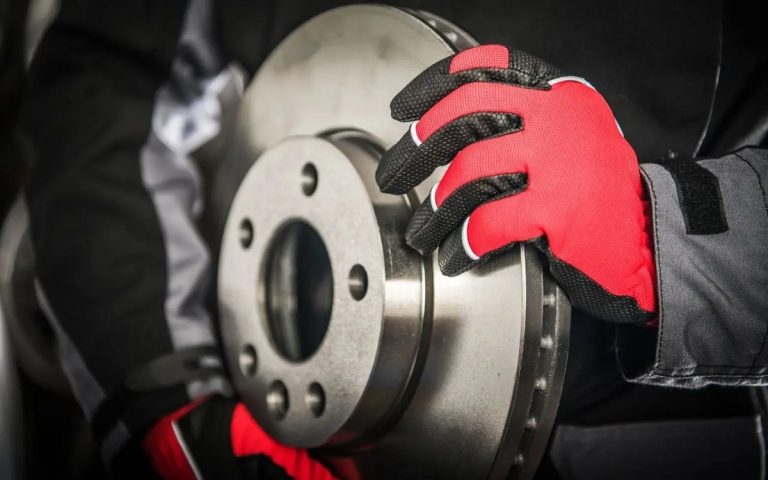
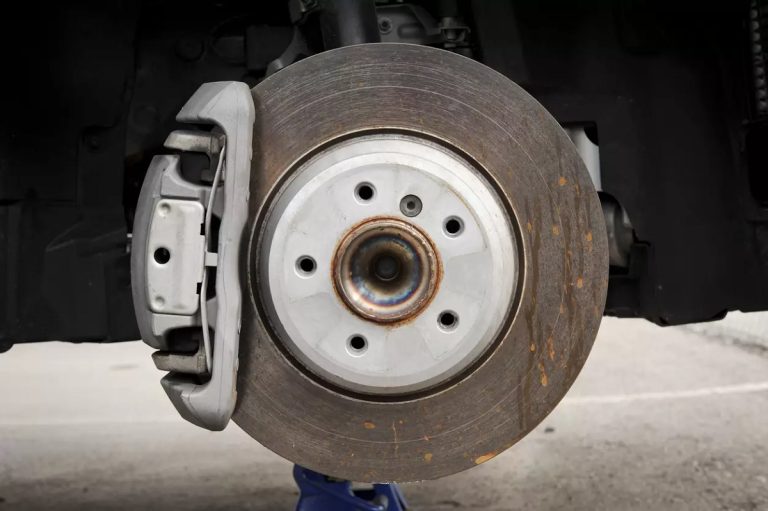
Warped brake rotors are one of the most common reasons a steering wheel shakes during high-speed braking. Rotors can become uneven due to excessive heat buildup, sudden cooling, or prolonged braking on downhill roads. When the rotor surface is no longer flat, the brake pads grip inconsistently, creating vibrations that travel through the steering system.
These vibrations are usually more noticeable at higher speeds because braking forces increase with momentum. Drivers may feel pulsation through the brake pedal along with steering wheel shake. Over time, continued use of uneven rotors can accelerate wear on brake pads and reduce overall braking efficiency.
Improper installation or failure to torque lug nuts evenly can also contribute to rotor distortion. Thin or worn rotors are more susceptible to heat damage, making regular inspection important. Resurfacing or replacing damaged rotors restores smooth contact between the pads and rotors. Addressing this issue promptly improves braking stability and reduces steering wheel vibration.
Worn Or Uneven Brake Pads
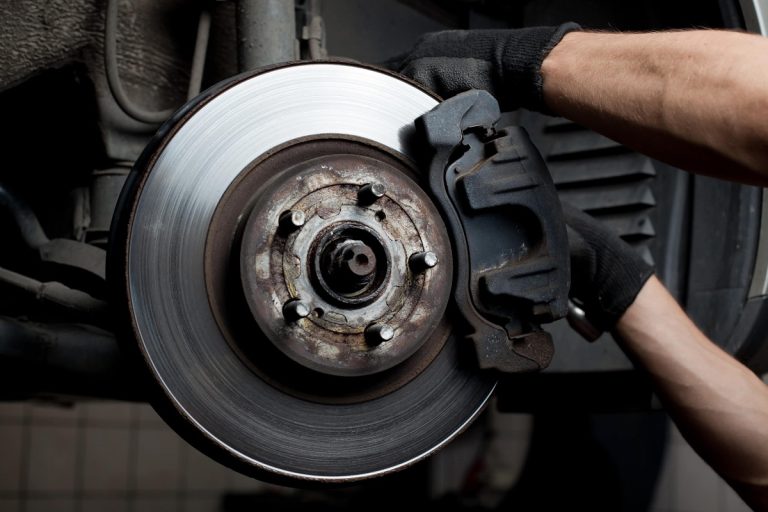
Brake pads play a direct role in how smoothly braking forces are applied. When pads wear unevenly or degrade beyond their effective range, they can cause inconsistent contact with the rotors. This uneven pressure often leads to vibration felt in the steering wheel during high-speed braking.
Low-quality or overheated brake pads may develop hard spots or glazing, reducing friction consistency. As a result, braking becomes jerky rather than smooth. This issue is amplified at higher speeds, where braking force demands are greater. Uneven pad wear can also indicate problems with calipers or slide pins that prevent proper pad movement.
Ignoring worn brake pads may cause further damage to rotors and calipers. Regular inspection ensures pads maintain proper thickness and wear evenly across the surface. Replacing pads at recommended intervals helps maintain balanced braking performance. Proper pad selection and installation play a key role in minimizing steering wheel shake during braking.
Suspension And Steering Component Wear
The suspension and steering systems work together to keep the wheels stable during braking. When components like tie rods, ball joints, or control arm bushings wear out, they allow excessive movement. This looseness can amplify vibrations when braking at high speeds, transferring them directly to the steering wheel.
Worn suspension parts may not absorb road forces effectively, causing the wheels to shift slightly under braking pressure. At higher speeds, these shifts become more noticeable and unsettling. Drivers may also experience wandering, uneven tire wear, or clunking noises over bumps.
Regular inspection of suspension components helps identify wear before it leads to steering instability. Replacing worn parts restores proper alignment and reduces vibration. Maintaining suspension integrity ensures smoother braking response and better steering control, especially during high-speed deceleration.
Wheel And Tire Imbalance Or Alignment Issues
Wheel and tire conditions significantly affect steering stability during braking. An imbalanced wheel can cause vibrations that become more intense at higher speeds. When braking, these vibrations may feel more pronounced, giving the impression that the steering wheel shakes due to braking alone.
Misaligned wheels can also contribute to uneven tire wear and instability. During high-speed braking, misalignment causes uneven braking forces across the wheels, leading to noticeable vibration. Tires with flat spots, uneven tread wear, or internal damage further worsen the issue.
Routine tire balancing and alignment checks help prevent these problems. Rotating tires regularly ensures even wear patterns. Addressing wheel and tire issues improves overall ride quality and reduces steering wheel shake during braking at higher speeds.
Tire and Wheel Issues
Tires and wheels play a major role in how stable a vehicle feels, especially during braking at higher speeds. Even small imperfections in these components can create noticeable vibrations through the steering wheel. When braking force is applied, existing tire or wheel problems often become more pronounced, making it important to understand how these issues develop and affect overall driving control.
Wheel Imbalance Causing High-Speed Vibrations
Wheel imbalance is one of the most common tire-related causes of steering wheel shake. When the weight of the wheel and tire assembly is not evenly distributed, centrifugal force increases as speed rises. This imbalance creates vibrations that travel through the suspension and steering components, becoming more noticeable during braking.
At higher speeds, braking adds extra load to the front wheels, intensifying the vibration felt through the steering wheel. Drivers may notice the shaking starts around a certain speed and worsens when slowing down. Over time, wheel imbalance can also accelerate tire wear and strain suspension parts.
Balancing wheels involves adding small weights to counter uneven distribution. This simple maintenance task significantly improves ride smoothness and braking stability. Regular balancing, especially after tire replacement or repair, helps prevent vibrations that interfere with safe and comfortable driving.
Uneven Or Irregular Tire Wear Patterns
Uneven tire wear can cause steering wheel shake during braking by disrupting consistent road contact. Tires worn unevenly may develop cupping, scalloping, or feathered edges, all of which create vibration as the tire rotates. These irregularities become more pronounced during high-speed braking when braking forces increase.
Alignment issues, suspension wear, or improper inflation often contribute to uneven wear. When tires fail to maintain uniform contact with the road, braking force is applied inconsistently, leading to vibration through the steering system. Drivers may also notice increased road noise or reduced traction.
Regular tire rotation helps distribute wear evenly across all tires. Maintaining proper inflation and addressing alignment problems early prevents irregular wear patterns. Replacing excessively worn tires restores smooth braking performance and reduces steering wheel shake caused by uneven tire surfaces.
Bent Or Damaged Wheels Affecting Stability
Bent or damaged wheels can significantly affect steering stability during braking. Impacts from potholes, curbs, or road debris may cause wheels to bend slightly, even if damage is not visible. A bent wheel disrupts proper tire rotation, leading to vibration that intensifies at higher speeds and during braking.
These vibrations often feel similar to brake-related issues, making diagnosis challenging. The steering wheel may shake intermittently or worsen under braking load. Driving with bent wheels can also accelerate tire wear and stress suspension components.
Wheel inspection using specialized equipment helps identify bends or structural damage. In some cases, professional wheel straightening restores balance. Severe damage requires wheel replacement to ensure safety. Maintaining wheel integrity is essential for smooth braking and reliable steering control.
Incorrect Tire Pressure And Tire Quality Issues
Improper tire pressure affects how tires respond under braking forces. Overinflated tires reduce contact with the road, while underinflated tires create excessive flexing. Both conditions can lead to instability and vibration during high-speed braking.
Low-quality or aging tires may also contribute to steering wheel shake. Internal belt separation or weakened sidewalls disrupt smooth rotation, especially under braking stress. These defects may not be visible but can significantly affect handling.
Checking tire pressure regularly ensures optimal performance. Investing in quality tires suited for the vehicle and driving conditions improves stability. Proper tire maintenance reduces vibration, enhances braking response, and supports safer high-speed driving.
Brake System Problems
Brake system problems are a major contributor to steering wheel vibration during high-speed braking. When braking components are worn, uneven, or overheated, they can no longer apply smooth and consistent pressure. As speed increases, even small defects in the braking system become more noticeable, transferring vibration through the steering and suspension and reducing overall driving confidence.
Warped Brake Rotors From Heat And Wear
Warped brake rotors are one of the most frequent causes of steering wheel shake under braking. Repeated exposure to high temperatures from aggressive or prolonged braking can cause rotors to expand unevenly. When they cool, this uneven expansion leads to surface distortion that creates vibration during braking.
At higher speeds, the brake pads clamp harder against the rotors, making imperfections more noticeable. Drivers often feel pulsation in the brake pedal along with steering wheel shake. Thin or worn rotors are especially prone to warping, as they cannot dissipate heat efficiently.
Improper wheel installation can also contribute to rotor distortion. Uneven lug nut torque places additional stress on the rotor hat, increasing the risk of warping over time. Regular inspection and timely replacement of rotors help maintain smooth braking performance and reduce vibration during high-speed deceleration.
Worn Brake Pads Creating Uneven Contact
Brake pads that wear unevenly can disrupt consistent braking force, leading to steering wheel vibration. When pad material becomes thin or develops hard spots, it may not grip the rotor evenly. This uneven contact creates a grabbing sensation that intensifies during high-speed braking.
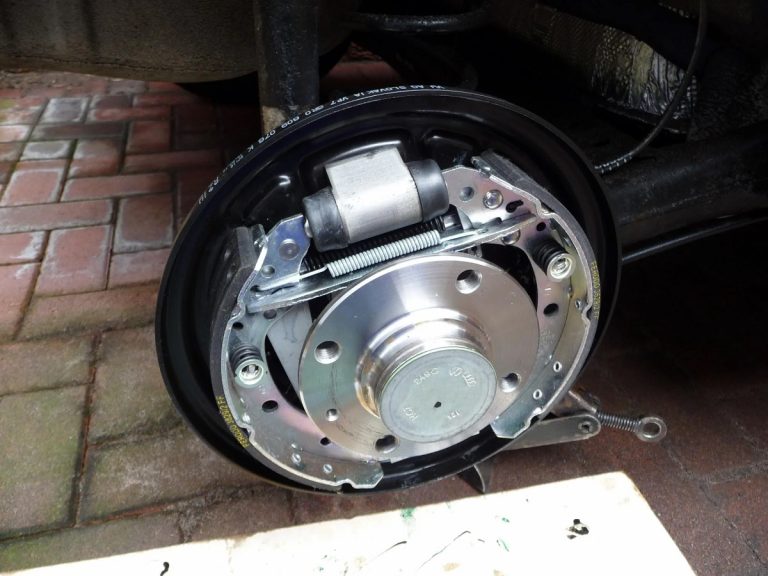
Low-quality brake pads or pads exposed to excessive heat can glaze over, reducing friction and causing vibration. Uneven pad wear may also indicate sticking calipers or seized slide pins that prevent proper pad movement. These issues increase braking resistance on one side, transferring vibration through the steering system.
Ignoring worn brake pads can result in rotor damage and reduced braking efficiency. Regular pad inspection ensures even wear and consistent contact. Replacing pads at the proper interval helps restore smooth braking response and minimizes steering wheel shake during braking.
Sticking Brake Calipers And Hardware Issues
Brake calipers play a crucial role in applying even pressure to the brake pads. When calipers stick or fail to retract properly, they cause uneven braking force. This uneven pressure often leads to vibration felt through the steering wheel during high-speed braking.
Sticking calipers may result from corrosion, damaged seals, or lack of lubrication on slide pins. Over time, this causes one brake pad to wear faster than the other, creating imbalance. Drivers may also notice the vehicle pulling to one side or excessive brake dust on one wheel.
Faulty caliper hardware places additional stress on rotors and pads, accelerating wear. Regular brake service includes cleaning and lubricating caliper components to ensure smooth operation. Addressing caliper issues promptly improves braking balance and reduces steering wheel vibration.
Brake System Contamination And Fluid Issues
Contamination within the brake system can also contribute to vibration during braking. Oil, grease, or brake fluid on the rotor or pads reduces friction consistency. This leads to uneven braking force that becomes more noticeable at higher speeds.
Brake fluid condition affects braking performance as well. Moisture-contaminated fluid lowers boiling point, increasing the risk of brake fade and inconsistent pedal feel. Under high-speed braking, this inconsistency can transfer vibration to the steering wheel.
Regular brake fluid replacement and careful handling during service help prevent contamination. Keeping braking components clean ensures stable friction and smooth braking. Proper brake system maintenance supports consistent performance and reduces vibration under demanding driving conditions.
Diagnostic Steps To Identify The Exact Cause
Pinpointing the reason behind a steering wheel that shakes during high-speed braking requires a systematic approach. Multiple factors, including tires, wheels, brakes, and suspension components, can contribute to the problem. Following a structured diagnostic process helps isolate the root cause efficiently, preventing unnecessary repairs and ensuring safe, stable braking performance.
Visual Inspection Of Tires And Wheels
The first diagnostic step involves a careful visual inspection of tires and wheels. Look for signs of uneven tread wear, cupping, flat spots, or sidewall damage. Tires with irregular wear patterns can produce vibrations that become more pronounced during high-speed braking. Similarly, examine the wheels for bends, cracks, or corrosion, as even minor imperfections can disrupt smooth rotation.
Check tire pressure in all wheels to ensure they are properly inflated. Incorrect pressure can exacerbate vibrations and lead to uneven braking forces. Rotate the tires if irregular wear is present and observe any improvements. While driving at moderate speed, note if vibration intensity changes with braking. Documenting these observations provides useful insights and helps determine whether tires or wheels are the primary source of steering wheel shake.
Routine inspection also includes lug nuts and wheel alignment. Loose or improperly torqued lug nuts can allow subtle wheel movement, which becomes noticeable during braking. Misaligned wheels cause uneven tire contact with the road, amplifying vibration under braking stress. Identifying tire and wheel issues first is essential before moving on to brake or suspension components.
Brake System Examination And Testing
After assessing tires and wheels, the next step is a detailed brake system inspection. Check the condition of brake rotors for warping, scoring, or excessive wear. Warped rotors often produce pulsation in the brake pedal and vibration through the steering wheel, especially at higher speeds. Examine brake pads for uneven wear, glazing, or damage that could disrupt smooth contact with rotors.
Inspect brake calipers and hardware, ensuring that slide pins are lubricated and calipers move freely. Sticking or seized calipers can apply uneven pressure to brake pads, producing vibration during braking. Additionally, examine brake fluid for contamination or low levels, as degraded fluid can compromise braking consistency and contribute to uneven pedal response.
Test the brakes in a safe, controlled environment by applying moderate to high braking force at increasing speeds. Pay attention to steering feedback and pedal pulsation. Record which wheels feel most affected to help isolate the problem to a specific rotor, pad, or caliper. This hands-on testing is crucial to confirm whether the steering wheel shake originates from the braking system.
Suspension And Steering Component Checks
The suspension and steering systems play a critical role in how braking forces are transferred to the wheels. Worn tie rods, ball joints, control arm bushings, or wheel bearings can amplify vibrations experienced at the steering wheel. Start by inspecting all suspension components for visible wear, cracks, or looseness.
Perform a wiggle test on the front wheels while the vehicle is lifted. Movement or play may indicate worn ball joints, tie rods, or wheel bearings. Check alignment settings, as misaligned wheels can worsen vibration during braking. Observe tire wear patterns, as uneven wear can signal underlying suspension issues.
Driving tests can also help identify suspension-related problems. Apply controlled braking at various speeds while noting any vibration, pulling, or wandering. Steering shake that persists even with new or balanced tires often points to suspension or steering component wear. Addressing these components restores stability and reduces vibration felt through the steering wheel.
Professional Diagnostic Tools And Testing
In some cases, specialized diagnostic tools are required to accurately identify the cause. Wheel balancing machines can reveal minor imbalances not detectable by visual inspection. Brake lathe measurements can quantify rotor runout, confirming whether rotors are warped.
Advanced alignment tools and computerized steering diagnostics help detect subtle misalignment or suspension irregularities. Scan tools may also detect ABS sensor faults or electronic brake system anomalies contributing to uneven braking.
Combining visual inspections, hands-on testing, and professional diagnostics provides a comprehensive understanding of the root cause. This systematic approach ensures that repairs target the actual problem, restoring smooth braking performance and eliminating steering wheel vibration during high-speed braking.
FAQs
Why Does My Steering Wheel Shake When I Brake At High Speeds?
You may notice your steering wheel vibrating when braking at higher speeds due to issues in the braking or wheel system. One of the most common causes is warped brake rotors. When rotors are uneven or distorted, the brake pads cannot make consistent contact, causing pulsation through the steering wheel.
Additionally, unevenly worn brake pads or sticking calipers can create similar vibrations. Wheel imbalance or misalignment also contributes, as the tires do not rotate smoothly under braking stress. Identifying the root cause ensures safer driving and helps restore smooth braking performance.
Can Worn Brake Rotors Cause Steering Wheel Shake?
Yes, worn or warped brake rotors are a primary cause of steering wheel shake during high-speed braking. Over time, heat buildup from frequent braking, combined with stress from high-speed stops, can cause rotors to distort. This leads to uneven contact with brake pads and noticeable vibration.
Drivers often feel the pulsation in both the brake pedal and the steering wheel simultaneously. Warped rotors also increase wear on brake pads and reduce braking efficiency. Replacing or resurfacing damaged rotors restores smooth braking, improves steering stability, and eliminates vibrations felt at higher speeds.
Do Uneven Brake Pads Contribute To Steering Wheel Vibration?
Uneven or worn brake pads can directly cause your steering wheel to shake when braking at high speeds. Pads that have worn more on one side or developed hard spots create inconsistent friction on the rotor. This irregular pressure translates to vibrations through the steering system.
Overheated or glazed brake pads further reduce smooth contact, making the shaking more noticeable. Uneven pad wear can also indicate caliper problems or seized slide pins. Regular inspection and replacement of pads ensure even braking force, restoring stability and reducing steering wheel vibration during high-speed stops.
How Does Wheel Imbalance Affect Steering During Braking?
Wheel imbalance occurs when the weight of a wheel and tire assembly is unevenly distributed, causing vibration at higher speeds. This imbalance becomes more noticeable during braking because the additional force amplifies the effect, transmitting it through the steering wheel.
Unbalanced wheels may also lead to uneven tire wear and increased stress on suspension components. Balancing the wheels by adding small corrective weights helps restore smooth rotation and eliminates vibrations. Regular tire maintenance, including rotation and balancing, ensures the steering wheel remains stable during high-speed braking.
Can Suspension Problems Cause Steering Wheel Shake When Braking?
Yes, worn suspension components like tie rods, ball joints, or control arm bushings can amplify vibrations during high-speed braking. When these parts lose rigidity, they allow subtle wheel movement that transfers directly to the steering wheel.
Suspension issues may also cause uneven tire wear and misalignment, further increasing steering wheel shake. Testing the suspension for looseness or play and replacing worn components restores proper wheel alignment and stability. Maintaining suspension health ensures smoother braking and reduces vibration felt at the steering wheel.
Could Brake Calipers Be The Reason My Steering Shakes?
Sticking or malfunctioning brake calipers can definitely cause your steering wheel to vibrate during braking. When calipers fail to move freely, they apply uneven pressure to brake pads, creating inconsistent contact with the rotor.
This imbalance sends vibration through the steering wheel and may also cause the vehicle to pull to one side. Lubricating caliper slide pins and inspecting for corrosion or damage can resolve minor issues. In severe cases, caliper replacement ensures balanced braking, smoother pedal feel, and reduced steering wheel vibration.
Do Tire Problems Make Steering Shake While Braking?
Yes, tire issues like uneven wear, flat spots, or internal belt damage can lead to steering wheel vibration during high-speed braking. When the tire surface is irregular, braking forces are applied unevenly, causing the steering wheel to shake.
Low tire pressure or misalignment can worsen this problem, as the tires fail to maintain proper road contact. Regularly checking tire condition, maintaining proper inflation, and performing rotations prevent uneven wear. Replacing damaged tires and correcting alignment ensures stable braking performance and reduces steering wheel vibration.
Final Thoughts
Experiencing a vibrating steering wheel during high-speed braking is more than just an annoyance—it’s a clear sign that your vehicle’s braking or suspension system may need attention. Ignoring these symptoms can lead to uneven brake wear, reduced control, and even safety hazards on the road. Regular inspection of rotors, brake pads, tires, and suspension components is essential to maintain smooth and safe braking performance.
Understanding the underlying causes helps you address the problem effectively. Warped rotors, uneven brake pad wear, unbalanced tires, and worn suspension parts are the most common culprits behind this issue. By identifying the source early, you can prevent further damage and avoid costly repairs while ensuring that braking remains reliable at high speeds.
If you find yourself asking [why does my steering wheel shake when I brake at high speeds], taking immediate action is crucial. Proper maintenance, timely repairs, and professional diagnostics will restore stability, improve vehicle safety, and give you confidence behind the wheel.