Wet Spark Plugs No Start – Causes, Diagnosis & Quick Fixes
Experiencing trouble starting your car can be frustrating, especially when the engine turns over but fails to ignite. One common cause of this issue is spark plugs that have become wet. Wet spark plugs are often a sign that fuel is not igniting properly within the engine cylinders, preventing the car from starting and leaving you stranded.
When spark plugs are wet, it typically indicates that excess fuel has accumulated in the combustion chamber or that the spark is not strong enough to ignite the mixture. This can happen due to repeated attempts to start the engine, a faulty ignition system, or flooding caused by certain driving or maintenance conditions.
Recognizing the signs of wet spark plugs is essential for diagnosing the no-start problem quickly. Cleaning or replacing the plugs can often restore proper ignition and get the engine running again.
Understanding the connection between spark plug condition and engine performance allows drivers to address issues efficiently and avoid further damage. Wet spark plugs no start situations are a common but manageable problem when properly identified.
Signs Your Engine Has Wet Spark Plugs
Wet spark plugs can cause starting issues and poor engine performance, making it important to recognize the signs early. Identifying wet plugs helps prevent long-term damage to the engine and allows timely maintenance. Understanding these indicators enables you to troubleshoot the problem effectively and take the necessary steps to restore proper ignition and engine operation.
Engine Cranks But Fails To Start
One of the most common signs of wet spark plugs is when the engine cranks, but the vehicle does not start. The starter motor may engage normally, but without proper spark to ignite the fuel-air mixture, the engine will fail to turn over fully.
This typically occurs because excess fuel or moisture has accumulated on the spark plugs, preventing the spark from jumping the electrode gap. Repeated attempts to start the car can worsen the situation, further wetting the plugs and flooding the engine. Observing this symptom alongside a noticeable fuel smell often indicates wet spark plugs, signaling that inspection and cleaning or replacement are necessary.
Strong Fuel Smell From Exhaust
Another indicator of wet spark plugs is a pronounced fuel odor coming from the exhaust. When the fuel-air mixture fails to ignite properly, unburned fuel passes through the engine and exits via the exhaust system.
This excess fuel can create a strong gasoline smell, sometimes accompanied by black smoke. While other issues can also cause fuel odors, such as a leaking injector or carburetor problem, the presence of wet spark plugs often explains why the engine fails to start despite having a full fuel supply. Recognizing this sign can help you narrow down the source of the no-start problem quickly.
Misfiring Or Rough Engine Operation
Engines with wet spark plugs may occasionally start but run roughly or misfire. Misfires occur when one or more cylinders fail to ignite the fuel properly due to the spark plugs being coated in fuel, oil, or moisture.
You may notice jerky acceleration, hesitation during driving, or uneven engine sounds when this happens. Even if the engine eventually starts after multiple attempts, wet plugs can prevent smooth combustion, reducing power output and efficiency. Observing repeated misfires alongside starting difficulties often points to wet spark plugs as the root cause.
Visible Moisture On Spark Plug Tips
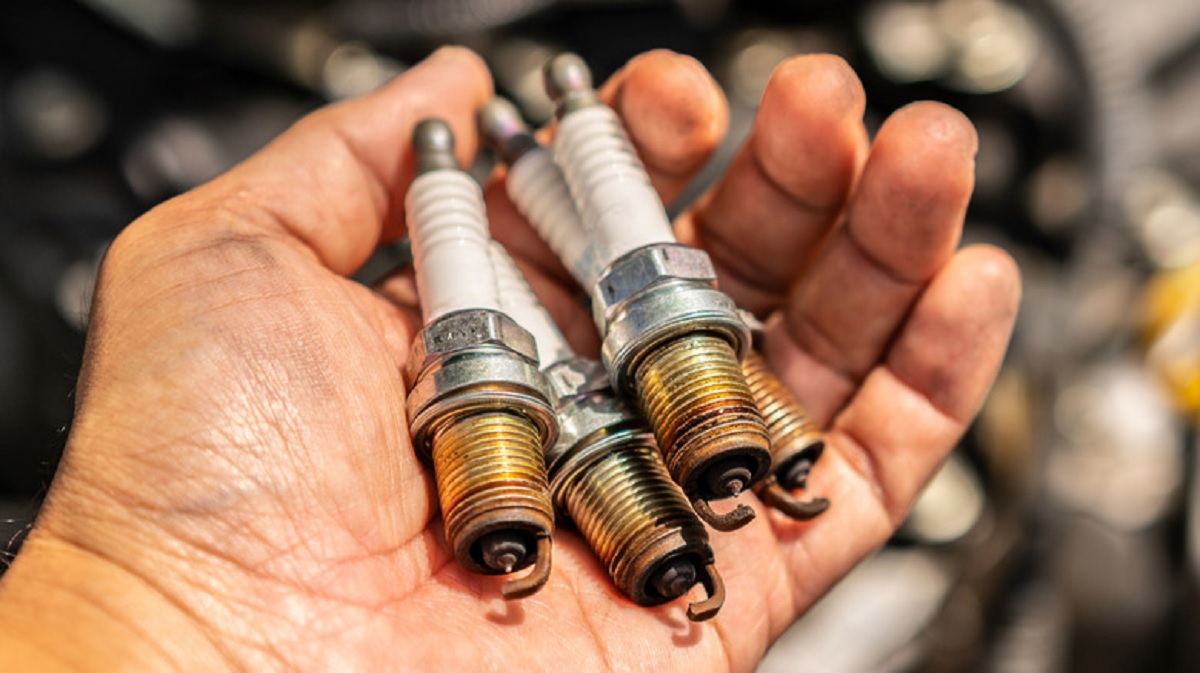
Physically inspecting the spark plugs is a clear way to confirm they are wet. Moisture, fuel, or oil residue on the electrode and insulator indicates the plug is not firing correctly.
This buildup can occur from over-fueling, flooding the engine, or a weak ignition system that fails to generate enough spark. Cleaning or replacing wet plugs restores proper ignition, allowing the fuel-air mixture to combust efficiently. Regular inspection can prevent ongoing engine performance issues and reduce the risk of long-term damage caused by repeated wet plug conditions.
Difficulty Maintaining Ignition During Cold Starts
Cold weather often exacerbates wet spark plug issues. Engines with wet plugs may crank normally but struggle to start during cold mornings, as moisture or condensation further prevents spark generation.
This is especially noticeable in vehicles that sit idle for long periods, allowing condensation to accumulate in the combustion chamber. Difficulty starting in cold conditions, combined with fuel odors or misfires, is a strong indicator that the spark plugs are wet and require cleaning or replacement to restore reliable engine performance.
Common Causes Of Wet Spark Plugs
Wet spark plugs are a frequent culprit behind no-start issues and engine misfires. Understanding the causes can help you prevent future problems and maintain reliable engine performance. Several mechanical and environmental factors contribute to spark plugs becoming wet, ranging from fuel system issues to improper starting techniques. Identifying the root cause is crucial for effective troubleshooting and long-term engine health.
Engine Flooding From Excess Fuel
One of the most common causes of wet spark plugs is engine flooding, where too much fuel accumulates in the combustion chamber. Flooding typically happens during repeated unsuccessful starting attempts, especially in cold weather, when the engine struggles to ignite the air-fuel mixture.
Excess fuel prevents the spark from jumping the electrode gap, leaving the plugs coated in liquid gasoline. Symptoms include a strong fuel odor, repeated cranking without ignition, and blackened plugs when removed for inspection. Engine flooding can also result from a malfunctioning fuel injector, a stuck carburetor, or an overly rich fuel mixture. Addressing flooding requires reducing unnecessary attempts to start the engine, checking fuel delivery systems, and ensuring the spark plugs are dry before trying again.
Faulty Ignition System Components
A weak or malfunctioning ignition system can also cause wet spark plugs. When spark plugs fail to generate sufficient voltage, the fuel-air mixture cannot ignite properly, leaving fuel residue on the electrodes.
Common ignition issues include worn spark plugs, damaged ignition coils, faulty wires, or a weak battery. Even with the correct fuel mixture, insufficient spark prevents proper combustion, resulting in wet plugs and engine misfires. Regular maintenance of the ignition system, including timely replacement of spark plugs and inspection of coils and wires, helps ensure reliable spark generation and prevents fuel from accumulating in the combustion chamber.
Cold Weather And Condensation
Environmental factors like cold temperatures and humidity can lead to wet spark plugs. Condensation can form inside the combustion chamber or on the plug electrodes when a vehicle sits idle for extended periods, especially overnight.
This moisture mixes with fuel during engine cranking, making it difficult for the spark to ignite the mixture effectively. Cold weather also thickens engine oil, slows fuel vaporization, and increases the likelihood of flooding. Drivers in cold climates often notice difficulty starting engines in the morning or after long periods of inactivity, making condensation a common contributor to wet spark plugs and associated no-start problems.
Leaking Fuel Injectors Or Carburetors
Faulty fuel injectors or carburetors can introduce excess fuel into the cylinders, causing wet spark plugs. A leaking injector sprays fuel continuously, even when the engine is off, leading to a flooded cylinder.
Similarly, a carburetor with a stuck float or worn needle valve may overfill the combustion chamber. These conditions leave spark plugs coated in liquid fuel, preventing ignition and causing misfires or failure to start. Addressing injector or carburetor leaks requires professional inspection and repair to restore proper fuel delivery and prevent recurrent wet plug issues.
Oil Contamination From Engine Problems
Oil leaks into the combustion chamber can also result in wet spark plugs. Worn piston rings, valve seals, or gaskets may allow oil to seep into the cylinder, coating the plug and interfering with ignition.
Oil-fouled plugs often appear black and wet and may cause rough idling, misfires, and reduced engine performance. This issue not only affects starting but can lead to long-term engine damage if left unaddressed. Regular engine maintenance, monitoring oil levels, and inspecting seals and rings can prevent oil contamination and keep spark plugs functioning properly.
Overcoming Wet Spark Plug Issues
Identifying the underlying cause of wet spark plugs is essential for long-term engine reliability. By addressing flooding, ignition faults, fuel leaks, or environmental factors, you can prevent repeated no-start situations and ensure optimal combustion.
Routine inspection, proper maintenance, and understanding the conditions that lead to wet plugs are key steps in keeping your engine running smoothly. Recognizing these common causes allows you to take timely corrective action and maintain consistent vehicle performance.
How Ignition Problems Contribute To Wet Spark Plugs
Ignition system issues are one of the primary causes of wet spark plugs and the associated no-start or misfire problems. The ignition system is responsible for generating the spark needed to ignite the fuel-air mixture in the engine. When any component fails or underperforms, fuel remains unburned and collects on the spark plug, rendering it ineffective. Understanding how ignition faults contribute to wet spark plugs helps in diagnosing and fixing starting issues efficiently.
Weak Or Failing Spark Plugs
Spark plugs themselves are a critical component of the ignition system, and worn or damaged plugs can easily lead to wetting. Over time, electrodes wear down, insulators crack, or deposits build up, preventing proper spark formation.
When the spark is too weak or inconsistent, it cannot ignite the fuel in the combustion chamber. This results in excess fuel coating the plug tip, creating a wet appearance and causing the engine to crank without starting. Regular inspection and timely replacement of spark plugs ensure that the ignition system maintains sufficient voltage to ignite the fuel, reducing the likelihood of wet plugs. Properly gapped and clean plugs are essential for efficient combustion and reliable engine performance.
Faulty Ignition Coils
Ignition coils play a vital role in converting low-voltage power from the battery into the high voltage needed to fire spark plugs. A failing or weak coil can result in insufficient spark energy, leaving fuel unburned and wetting the plugs.
Symptoms of coil failure often include rough idling, misfires, difficulty starting, and decreased engine performance. Even if the fuel system is functioning correctly, a bad coil can prevent ignition, causing repeated wet spark plug occurrences. Diagnosing coil issues with a multimeter or through professional inspection helps restore proper spark delivery, ensuring that the fuel-air mixture ignites effectively and prevents engine flooding.
Damaged Or Faulty Spark Plug Wires
Spark plug wires or ignition leads are responsible for transmitting the high-voltage current from the coil to the spark plugs. Damaged, corroded, or poorly connected wires can result in weak or intermittent sparks, leaving fuel unburned in the cylinders.
Wet spark plugs caused by faulty wires may lead to engine hesitation, misfires, or a no-start condition. Even minor insulation cracks or loose connections can disrupt spark flow, especially under load or during repeated starting attempts. Replacing damaged wires or ensuring secure connections restores proper spark delivery, preventing fuel accumulation on the plugs and improving overall engine reliability.
Issues With Distributor Or Ignition Timing
In vehicles with distributors or mechanical ignition timing systems, misalignment or malfunction can contribute to wet spark plugs. Incorrect timing prevents the spark from occurring at the optimal moment, leaving the fuel-air mixture unburned.
Delayed or premature ignition causes excess fuel to remain in the combustion chamber, coating the plugs and leading to wetting. This issue may present as repeated cranking without starting, rough engine operation, or unusual popping sounds. Correcting distributor alignment or ignition timing ensures that sparks occur at the correct point, facilitating complete combustion and reducing the likelihood of wet spark plug formation.
Importance Of Regular Ignition System Maintenance
Regular maintenance of the ignition system is critical in preventing wet spark plugs. This includes inspecting and replacing spark plugs, ignition coils, wires, and timing components as needed.
Neglecting the ignition system can lead to repeated engine flooding, poor fuel efficiency, misfires, and a no-start condition. By keeping all ignition components in good working order, you ensure that the spark consistently ignites the fuel-air mixture, preventing fuel accumulation and maintaining smooth engine performance. Proper care of the ignition system minimizes the risk of wet spark plugs and extends the life of your engine.
Fuel System Factors Leading To Wet Spark Plugs
The fuel system plays a crucial role in ensuring that the engine receives the right amount of fuel for combustion. Problems within this system can cause excess fuel to enter the cylinders, leading to wet spark plugs and no-start conditions. Understanding the fuel system factors that contribute to wet plugs helps in diagnosing engine issues and preventing further damage.
Over-Fueling And Flooded Engines
One of the most common fuel-related causes of wet spark plugs is over-fueling, which can flood the engine. When too much fuel enters the combustion chamber, it overwhelms the spark plug, preventing ignition.
Flooding often occurs during repeated attempts to start a cold engine or when the throttle is held down excessively. The excess fuel accumulates on the spark plug tip, leaving it wet and coated. Over-fueling can also result from a malfunctioning fuel injector or a carburetor delivering too rich a mixture. Recognizing symptoms like a strong fuel smell, blackened plugs, or repeated crank attempts allows you to pinpoint over-fueling as the cause of wet spark plugs.
Malfunctioning Fuel Injectors
Fuel injectors are responsible for delivering precise amounts of fuel to each cylinder. When an injector malfunctions, it may leak or deliver too much fuel, resulting in wet spark plugs.
A leaking injector sprays fuel even when it’s not needed, creating a flooded cylinder. This excess fuel prevents the spark from igniting the mixture, leading to repeated no-start situations or misfires. Symptoms include rough idling, poor acceleration, and strong fuel odors. Maintaining fuel injectors through regular cleaning, inspection, or replacement helps ensure the correct fuel delivery and prevents spark plug wetting. Proper injector performance is essential for efficient combustion and smooth engine operation.
Issues With Carburetors In Older Vehicles
For older vehicles equipped with carburetors, a stuck float or worn needle valve can allow excess fuel into the combustion chamber. This over-fueling leaves spark plugs wet and reduces ignition efficiency.
Carburetor problems often manifest as rough starting, strong fuel odors, and poor engine performance. The carburetor’s job is to mix fuel and air in the correct ratio for combustion, and even minor malfunctions can disrupt this balance. Regular maintenance, cleaning, and adjustment of carburetor components are essential to prevent flooding and ensure that spark plugs remain dry and effective for ignition.
Fuel Pressure Regulator Failures
A faulty fuel pressure regulator can also cause wet spark plugs. When the regulator fails, fuel pressure may rise excessively, forcing too much fuel into the engine cylinders.
Excess fuel overwhelms the spark plug, leaving it coated and preventing combustion. Symptoms of a failing regulator include black smoke from the exhaust, poor fuel economy, and difficulty starting the engine. Timely inspection and replacement of a faulty fuel pressure regulator restore proper fuel flow, prevent wet spark plugs, and maintain efficient engine performance.
Contaminated Or Poor-Quality Fuel
Using contaminated or low-quality fuel can contribute to wet spark plugs by affecting combustion efficiency. Impurities or high water content in the fuel can prevent proper ignition, leaving fuel residue on the spark plug.
Symptoms include rough idling, difficulty starting, and a noticeable fuel smell. Draining contaminated fuel and replacing it with clean, high-quality fuel often resolves the issue. Ensuring that the fuel system remains clean and free from water or debris reduces the likelihood of spark plug wetting and maintains smooth engine operation.
Maintaining Fuel System Health
Preventing wet spark plugs starts with keeping the fuel system in optimal condition. Regular inspections of injectors, carburetors, fuel pressure regulators, and fuel quality ensure proper fuel delivery and combustion.
By addressing fuel system problems promptly, you can prevent engine flooding, maintain spark plug effectiveness, and avoid no-start or misfire situations. Proper maintenance ensures that fuel reaches the cylinders in the right amount, allowing spark plugs to ignite the mixture efficiently and support reliable engine performance.
Diagnostic Steps To Identify The Issue
Identifying why an engine won’t start due to wet spark plugs requires systematic troubleshooting. Proper diagnostics allow you to pinpoint the root cause, whether it’s fuel-related, ignition-related, or due to environmental conditions. Following a structured approach ensures accurate detection and prevents unnecessary replacements or repairs, saving time and maintaining engine health.
Inspect Spark Plugs For Moisture Or Residue
The first diagnostic step is to remove and inspect the spark plugs. Look for signs of wetness, fuel, or oil deposits on the electrodes and insulators. Wet or heavily coated plugs indicate that fuel is not igniting properly.
Pay attention to the color and texture of the deposits. Fuel-soaked plugs often appear dark and shiny, while oil contamination leaves black, greasy residue. This inspection helps determine whether the issue stems from flooding, fuel system malfunctions, or ignition problems. Cleaning or replacing the affected plugs may temporarily resolve starting issues, but further diagnosis is necessary to address the underlying cause. Visual inspection is a critical first step in any wet spark plug troubleshooting process.
Check The Ignition System Components
Next, examine the ignition system to ensure spark delivery is functioning correctly. Test spark plugs, ignition coils, and wires for proper operation. Weak or intermittent sparks can prevent the fuel-air mixture from igniting, leaving plugs wet.
Using a spark tester or multimeter, confirm that the ignition coil produces sufficient voltage and that wires deliver it effectively to each cylinder. Inspect for cracks, corrosion, or loose connections that may disrupt spark flow. Proper maintenance of ignition components ensures that the spark is strong enough to ignite fuel, preventing wet plug accumulation and engine starting difficulties.
Evaluate Fuel Delivery And Injection
After checking the ignition system, assess the fuel delivery system. Inspect fuel injectors, carburetors, and fuel pressure regulators for leaks, over-fueling, or blockages. Excessive fuel in the cylinders is a common cause of wet spark plugs.
Look for fuel odors, black smoke from the exhaust, or rough engine cranking, which may indicate injector or regulator issues. Ensuring that fuel is delivered in the correct quantity at the proper pressure prevents flooding. Regular maintenance and testing of fuel components help maintain proper combustion and avoid spark plug wetting.
Consider Environmental And Engine Conditions
Environmental factors such as cold weather or prolonged engine inactivity can also lead to wet spark plugs. Check for condensation in the cylinders or signs of moisture accumulation on the plugs.
Cold temperatures can thicken engine oil and slow fuel vaporization, making ignition more difficult. Identifying conditions that contribute to wet plugs helps determine whether the issue is situational or mechanical. Addressing environmental factors, such as warming the engine or allowing it to dry, can temporarily restore proper ignition while ensuring underlying problems are addressed.
Perform Systematic Testing And Replacement
Finally, perform systematic testing to confirm the source of wet spark plugs. Replace or clean the plugs, monitor engine performance, and test starting after addressing suspected ignition or fuel issues.
Observing whether the problem persists helps pinpoint the root cause, whether it’s ignition weakness, fuel flooding, or environmental influence. A structured diagnostic approach ensures accurate identification, prevents repeated failures, and maintains engine reliability. Following these steps provides a clear path to resolving wet spark plug problems effectively.
Repair Solutions For Wet Spark Plugs No Start
Wet spark plugs can leave your vehicle unable to start, but addressing the underlying causes can restore engine performance. Proper repair solutions focus on drying or replacing the spark plugs, correcting ignition issues, and resolving fuel system problems. Understanding the available solutions ensures a reliable fix and prevents recurring no-start conditions caused by wet plugs.
Drying Or Replacing Wet Spark Plugs
The most immediate solution for wet spark plugs is to remove them and either dry or replace them. For minor moisture or fuel accumulation, letting the plugs air dry or using a clean cloth to wipe the electrodes can temporarily restore function.
In cases where the plugs are heavily coated with fuel, oil, or carbon deposits, replacement is often necessary. Installing new plugs ensures that the ignition system can generate a strong spark to ignite the fuel-air mixture. Properly gapped and clean plugs prevent further wetting, reduce misfires, and restore the engine’s ability to start reliably.
Addressing Ignition System Problems
Ignition system faults are a common contributor to wet spark plugs. Inspecting and repairing components like ignition coils, spark plug wires, and distributors is essential for restoring proper spark delivery.
Replacing damaged or worn ignition coils and wires ensures the spark reaches each cylinder with sufficient voltage. Adjusting or repairing distributors and timing components guarantees that the spark occurs at the optimal moment for combustion. Addressing these issues eliminates weak or intermittent sparks, allowing the engine to ignite fuel efficiently and preventing future wet spark plug problems.
Correcting Fuel System Issues
Fuel system problems often lead to excess fuel entering the cylinders. Repairing or cleaning fuel injectors, carburetors, and fuel pressure regulators helps prevent over-fueling that causes wet spark plugs.
In some cases, replacing faulty injectors or repairing a leaking regulator is necessary to restore proper fuel delivery. Ensuring that fuel is sprayed in precise amounts and at the correct pressure allows the spark plugs to ignite the mixture effectively, eliminating flooding and restoring engine start reliability. Regular maintenance of fuel components can prevent recurrence of wet plug issues.
Preventive Measures And Maintenance
Once repairs are completed, preventive measures are crucial to avoid repeated wet spark plug problems. Regularly inspect and replace spark plugs according to the manufacturer’s schedule, maintain ignition components, and monitor fuel system performance.
Avoid excessive cranking of the engine, especially during cold starts, and address minor fuel or ignition issues promptly. Keeping the engine dry, clean, and properly tuned minimizes the risk of wet spark plugs and ensures consistent starting and smooth engine operation. Routine maintenance is key to long-term reliability.
FAQs
Why Do Wet Spark Plugs Cause No Start Condition?
When you have wet spark plugs no start issues, it usually means the plugs are soaked with fuel and cannot produce a strong spark. Spark plugs need a clean, dry tip to ignite the air-fuel mixture properly. If they are covered in gasoline, the spark becomes weak or completely ineffective.
This often happens when the engine is flooded due to excessive cranking or a rich fuel mixture. As a result, combustion cannot occur, and your engine will crank but refuse to start until the plugs are dried or replaced.
What Causes Wet Spark Plugs In The First Place?
Wet spark plugs are commonly caused by too much fuel entering the combustion chamber. This can result from leaking fuel injectors, a faulty fuel pressure regulator, or a malfunctioning sensor sending incorrect fuel signals to the engine control module.
Ignition problems can also contribute. If your spark is weak due to worn coils or bad plug wires, fuel will not burn properly and will soak the plugs. Identifying the root cause is essential to prevent repeated no start conditions.
Can A Weak Ignition System Lead To Wet Spark Plugs No Start?
Yes, a weak ignition system is a major cause of wet spark plugs no start situations. When ignition coils, spark plug wires, or the ignition control module fail, they may not generate enough voltage to ignite fuel.
Unburned fuel then accumulates on the spark plug tips, making them wet and ineffective. Even if your battery is strong and the engine cranks normally, poor spark strength can prevent startup. Replacing worn ignition components often restores proper combustion and reliable starting.
How Do You Fix Wet Spark Plugs That Cause No Start?
To fix wet spark plugs no start problems, you first need to remove and inspect the plugs. If they are soaked in fuel, allow them to dry completely or replace them if fouled.
Next, check the ignition system and fuel delivery components. Ensure injectors are not leaking and the fuel pressure is within specification. Avoid repeatedly cranking the engine, as this can worsen flooding. Addressing both the spark and fuel system ensures the issue does not return.
Can A Flooded Engine Cause Wet Spark Plugs No Start?
Yes, a flooded engine is one of the most common reasons for wet spark plugs no start issues. Flooding occurs when too much fuel enters the cylinders, often from repeated failed start attempts or a rich fuel mixture.
You may notice a strong gasoline smell and continuous cranking without ignition. In many vehicles, pressing the accelerator fully while cranking can activate a clear-flood mode. Allowing time for excess fuel to evaporate can also help restore normal starting.
Should You Replace Spark Plugs After They Get Wet With Fuel?
If your spark plugs have been repeatedly soaked, replacement is often the safest solution. Fuel fouling can leave residue that reduces spark efficiency, even after drying.
In mild cases, cleaning and drying may work temporarily. However, if wet spark plugs no start issues persist, installing new plugs ensures reliable ignition. It is also important to fix the underlying fuel or ignition problem to prevent future fouling.
How Can You Prevent Wet Spark Plugs No Start Problems In The Future?
Preventing wet spark plugs no start situations requires regular maintenance of your ignition and fuel systems. Replace spark plugs at recommended intervals and inspect ignition coils and wires for wear.
Avoid excessive cranking if your engine fails to start, as this can flood the cylinders. Keep fuel injectors clean and ensure sensors like the mass airflow and coolant temperature sensors function properly. Routine diagnostics help you maintain consistent engine performance and dependable starts.
Conclusion
Dealing with a vehicle that refuses to start can be frustrating, especially when the root cause turns out to be something as common as wet spark plugs. Excess fuel, weak ignition components, or fuel system faults can quickly lead to combustion failure. Recognizing the early signs and acting promptly can prevent further engine complications.
When wet spark plugs no start situations occur, the key is proper diagnosis. Inspecting the spark plugs, checking ignition strength, and evaluating fuel delivery help identify the true source of the issue. Simply replacing the plugs without fixing the underlying cause may only provide a temporary solution.
By maintaining the ignition and fuel systems regularly, you reduce the chances of facing another wet spark plugs no start problem. Consistent maintenance, careful starting practices, and timely repairs ensure reliable engine performance and long-term vehicle dependability.