Engine Humming Sound – Causes, Risks, and How to Fix It Quickly
A strange noise coming from your vehicle can be unsettling, especially when it originates from the engine. One of the more common noises that drivers notice is a steady, low-pitched vibration or drone that seems to come from the engine area. Understanding the potential causes and implications of unusual sounds is essential for maintaining the health and performance of your car.
Engine humming sound can be an early indicator of mechanical issues or minor maintenance needs that require attention. It often manifests as a continuous noise while idling, accelerating, or cruising, which can vary in intensity depending on speed or load. Recognizing and addressing this sound early can prevent more severe problems and costly repairs.
This type of engine noise may arise from a range of factors, including worn components, fluid issues, or misalignments in moving parts. Observing when the humming occurs, its volume, and any accompanying changes in performance can provide important clues for diagnosis.
Vehicle owners who respond promptly to unusual engine sounds often find it easier to maintain smooth operation and avoid unexpected breakdowns. Paying attention to subtle differences in engine behavior can be the key to catching problems before they escalate.
Overall, being aware of an engine humming sound and its potential causes allows drivers to take proactive measures. Timely maintenance and inspection not only preserve engine health but also improve the safety, reliability, and comfort of your driving experience.
Common Signs Of An Engine Humming Sound
Noticing a humming sound coming from your vehicle’s engine can be concerning, but identifying the specific signs helps determine the underlying issue. Engine humming sound is often subtle at first but may become more noticeable over time, signaling potential mechanical problems or maintenance needs. Recognizing the symptoms early allows you to address issues before they escalate.
Persistent Low-Pitched Noise While Idling
One of the most common signs of an engine humming sound is a persistent low-pitched noise when the car is idling. This humming often originates from the engine bay and can vary in volume depending on engine load or temperature.
This sound may be caused by worn bearings, tensioners, or pulleys that vibrate as the engine operates. Drivers may notice the noise becomes more pronounced after starting the car or when accessories like the AC or alternator are engaged. Over time, ignoring this noise can lead to accelerated wear on critical components, increasing the likelihood of more severe engine issues.
Paying attention to when the humming occurs, whether during idling, acceleration, or steady cruising, provides valuable clues. Regular inspections can help identify the source, such as a loose pulley, misaligned belt, or worn engine mount, ensuring timely repairs and preventing further damage.
Humming During Acceleration
Another noticeable sign of an engine humming sound is when it intensifies during acceleration. As the engine works harder, vibrations from worn or damaged components can become amplified, producing a humming or droning noise.
This can indicate issues with engine mounts, belts, or even the transmission coupling that transfers power from the engine to the drivetrain. Drivers might also feel subtle vibrations in the cabin or steering wheel accompanying the humming. Continuous driving under these conditions can worsen component wear and affect vehicle performance.
Observing the correlation between acceleration and humming allows mechanics to pinpoint potential problems more accurately. Addressing issues early, such as replacing worn belts or tightening mounts, can restore smooth engine operation and reduce unwanted noise.
Noise Changes With Speed or Load
An engine humming sound may also vary in intensity depending on vehicle speed or engine load. You may notice the noise becomes louder at higher RPMs or during uphill driving, suggesting that specific components are struggling under stress.
Common causes include worn bearings, failing alternators, or tension issues with pulleys and belts. Humming that changes with speed or load often indicates mechanical wear rather than simple vibration, signaling a need for closer inspection. Drivers may also notice slight changes in engine performance, such as hesitation or minor vibration in the pedals.
Monitoring these changes helps identify patterns and potential sources of the noise. Timely maintenance can prevent further damage to the engine, improve driving comfort, and avoid more costly repairs down the line.
Accompanying Symptoms Of Engine Issues
Often, an engine humming sound is accompanied by other warning signs, such as fluid leaks, unusual odors, or dashboard warning lights. These indicators provide additional clues about the severity and origin of the problem.
For instance, low oil levels or leaking fluids can cause components to generate unusual vibrations, leading to a humming noise. Electrical or accessory-driven issues, such as a failing alternator or power steering pump, may also produce similar sounds. Recognizing these accompanying symptoms is crucial for accurate diagnosis and effective repair.
By paying attention to these signs, you can take proactive steps to maintain engine health. Documenting when the noise occurs, its intensity, and any other symptoms helps mechanics pinpoint the root cause and implement appropriate solutions, ensuring reliable vehicle performance.
Typical Causes Behind Engine Humming Sound
A humming sound coming from your engine can signal a variety of underlying issues. While sometimes minor, it can also indicate mechanical problems that may worsen if ignored. Identifying the typical causes behind an engine humming sound allows you to take timely action, ensuring your vehicle remains safe, reliable, and efficient.
Worn Engine Bearings
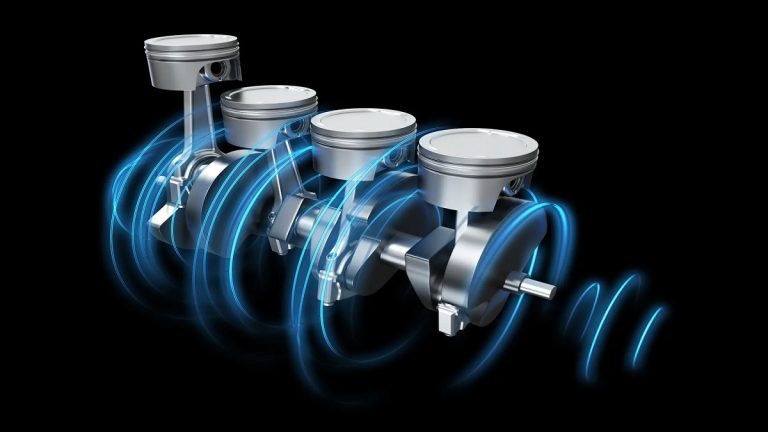
Engine bearings support the crankshaft, camshaft, and other moving components, allowing smooth rotation under high pressure. Over time, these bearings can wear down due to normal use, low lubrication, or contaminated oil. When bearings deteriorate, metal-on-metal contact occurs, generating a persistent humming or whining noise that often increases with engine speed.
Drivers may notice the humming intensifies when accelerating or revving the engine. Left unaddressed, worn bearings can lead to increased friction, overheating, and even catastrophic engine failure. Early detection involves listening for changes in noise patterns and inspecting oil condition. Maintaining proper fluid levels, using high-quality oil, and performing regular oil changes are essential preventive measures that reduce wear on engine bearings and mitigate the risk of humming sounds.
Loose Or Misaligned Pulleys
Pulleys in the engine drive belts for the alternator, power steering pump, AC compressor, and other accessories. When a pulley becomes loose, misaligned, or worn, it can cause the belt to vibrate or slip, producing a continuous humming sound.
The noise often changes with engine speed or load and may be accompanied by slight vibrations in the cabin or steering wheel. Worn belts can exacerbate the humming, sometimes resulting in squealing or irregular tension. Timely inspection of pulleys and belts helps identify misalignment or damage, allowing replacement or adjustment before more serious damage occurs. Maintaining proper tension and alignment ensures smooth operation of engine accessories and prevents additional noise from developing.
Failing Alternator Or Accessory Components
An engine humming sound can also originate from failing electrical or accessory components, particularly the alternator. When the alternator bearings, rotor, or internal connections wear out, they can produce a steady humming or whining noise.
Other accessories, such as the power steering pump or AC compressor, may generate similar sounds when bearings or internal components begin to fail. These issues often coincide with performance changes, such as dimming lights, difficulty steering, or reduced cooling from the AC. Early detection and replacement of failing components prevent further damage, restore normal function, and eliminate the humming noise caused by mechanical wear or electrical resistance.
Low Or Contaminated Engine Oil
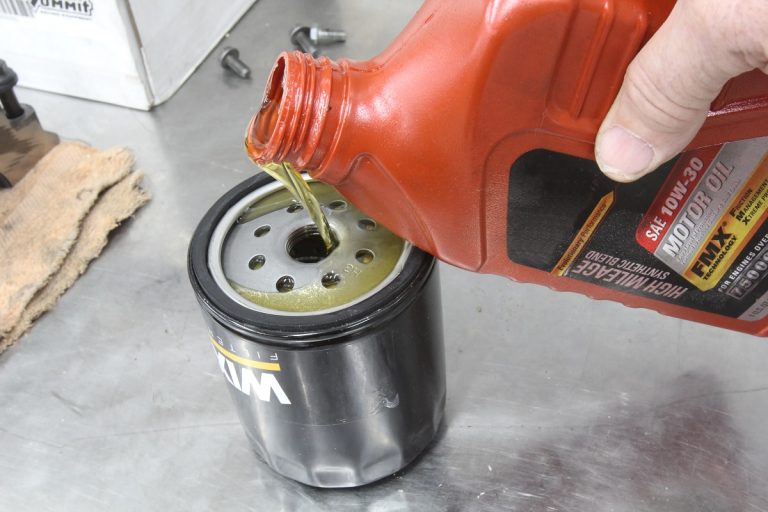
Engine oil lubricates and cools moving components, reducing friction and wear. Low oil levels or contaminated oil can increase resistance between parts, causing vibration and a humming sound that is often noticeable at idle or higher RPMs.
Drivers may also detect other symptoms, such as increased engine temperature, rough idling, or unusual exhaust odors. Neglecting oil maintenance accelerates wear on bearings, camshafts, and other components, worsening the humming over time. Regularly checking oil levels, performing timely changes, and using manufacturer-recommended oil grades are critical for preventing lubrication-related humming noises and preserving overall engine health.
Engine Mount Issues
Engine mounts secure the engine to the chassis and absorb vibrations during operation. Worn, cracked, or loose mounts can fail to dampen engine movement effectively, causing vibrations that resonate through the vehicle and produce a humming or droning sound.
The noise often becomes more pronounced during acceleration, deceleration, or cornering. Drivers may also feel slight shaking in the cabin or steering wheel. Replacing faulty mounts restores stability, reduces unwanted engine vibrations, and eliminates the humming sound, improving both comfort and safety. Regular inspections of engine mounts help detect wear early, preventing secondary damage to belts, hoses, or other engine components.
Airflow Or Exhaust-Related Causes
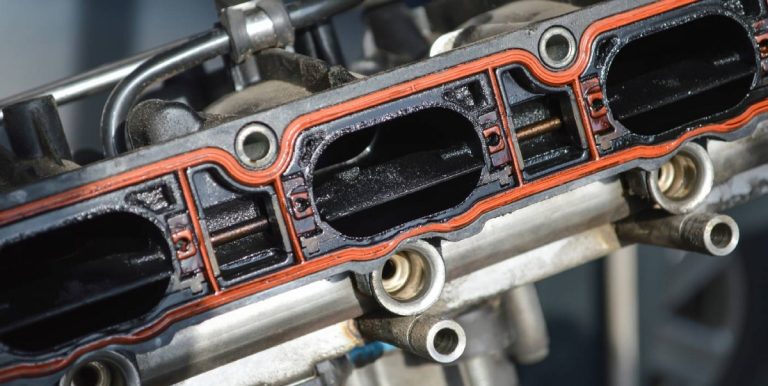
Although less common, restricted airflow or exhaust system issues can contribute to humming noises in the engine bay. Blocked air filters, clogged catalytic converters, or damaged exhaust components can alter pressure and vibration patterns, producing a steady humming or droning sound.
These issues often come with performance changes, such as reduced power, increased fuel consumption, or unusual exhaust smells. Cleaning or replacing air filters, inspecting exhaust components, and addressing any blockages restores proper airflow and reduces mechanical strain. Addressing these problems promptly ensures optimal engine performance and minimizes humming caused by airflow or exhaust restrictions.
How Engine Components Contribute To Humming
A persistent humming noise from the engine is often linked to the interaction of multiple components. Understanding how each part contributes to the sound helps identify the source and prevent further damage. From belts and pulleys to bearings and mounts, even minor wear or misalignment can create noticeable vibrations that result in an engine humming sound.
Bearings And Internal Engine Parts
Engine bearings support critical rotating components like the crankshaft and camshaft, allowing smooth operation under high stress. Worn or insufficiently lubricated bearings can produce friction, leading to a steady humming noise that changes with engine speed.
Other internal components, such as pistons, connecting rods, and valves, may also contribute to the noise when tolerances are worn. Metal-on-metal contact produces vibrations that resonate through the engine block, creating a low-frequency hum. Drivers might notice the sound intensifies during acceleration or under load, signaling potential wear. Timely oil changes and proper lubrication help maintain bearing health, reducing friction and preventing humming noises caused by internal engine wear.
Belts And Pulleys
Belts and pulleys drive essential accessories, including the alternator, water pump, and power steering system. When belts become loose, stretched, or worn, or when pulleys are misaligned, vibrations occur, producing a consistent humming sound.
The hum often changes pitch with engine speed and may be accompanied by slight vibrations felt in the cabin. A worn pulley bearing or tensioner can further amplify the noise, signaling mechanical stress that can impact accessory performance. Regular inspection, alignment, and timely replacement of belts and pulleys ensure smooth rotation and reduce vibrations, preventing the humming sound from worsening over time.
Engine Mounts And Vibration Absorption
Engine mounts secure the engine to the vehicle frame and absorb vibrations generated during operation. When mounts are worn, cracked, or loose, they fail to isolate engine vibrations effectively, allowing hum to resonate through the chassis.
Drivers may notice the humming becomes more noticeable during acceleration, deceleration, or when turning. Faulty mounts can also cause additional stress on belts, hoses, and other components, compounding noise issues. Replacing compromised mounts restores stability, dampens vibrations, and minimizes the engine humming sound, improving overall ride comfort and protecting surrounding components.
Alternator And Accessory Components
Electrical and accessory components, especially the alternator, can produce humming noises when their internal bearings or rotors begin to fail. The sound is often continuous and may change with engine RPM, indicating wear or misalignment.
Other accessories, including the AC compressor and power steering pump, can also generate similar hums if internal parts are worn or insufficiently lubricated. Addressing failing components promptly prevents further mechanical stress, restores normal operation, and eliminates the persistent engine humming noise that can impact driving comfort and vehicle performance.
Exhaust And Airflow Effects
Airflow and exhaust system components can subtly contribute to engine humming. Blockages in air filters, intake systems, or catalytic converters alter airflow patterns, creating vibrations that resonate through the engine bay.
A restricted exhaust system can cause pressure imbalances, producing low-frequency hums, especially at steady speeds or certain RPM ranges. Drivers may notice a change in sound during acceleration or cruising. Maintaining clean air filters and inspecting exhaust components helps prevent airflow-related vibrations, reduces humming, and ensures the engine operates efficiently and quietly.
Effects Of Ignoring Engine Humming
A persistent engine humming sound may seem minor at first, but ignoring it can lead to significant mechanical problems over time. This noise often indicates underlying issues with bearings, belts, mounts, or other components that require attention. Understanding the potential consequences of neglecting a humming engine helps vehicle owners prioritize timely inspections and maintenance to avoid costly repairs and safety risks.
Accelerated Wear Of Engine Components
Ignoring an engine humming sound can accelerate wear on critical components like bearings, pulleys, and tensioners. Continuous vibration increases friction and heat within the engine, which may compromise lubrication and reduce the lifespan of these parts.
Metal-on-metal contact caused by worn bearings can result in scoring, overheating, or even catastrophic failure if left unaddressed. Belts and pulleys under constant stress from misalignment may stretch, crack, or break, leading to accessory malfunction and reduced engine performance. Small issues that might have been resolved with routine maintenance can escalate into major repairs, making early detection and intervention crucial to prolong engine life.
Decreased Engine Performance
A humming engine often signals that certain parts are not functioning optimally. Ignoring these signs can gradually reduce engine efficiency, causing hesitation during acceleration, reduced power output, and poor fuel economy.
Components like a failing alternator, power steering pump, or AC compressor may struggle to operate under load, putting additional stress on the engine. Drivers may notice vibrations, rough idling, or inconsistent acceleration as the problem worsens. Addressing the humming early restores normal operation, ensures smooth performance, and prevents the noise from impacting everyday driving comfort.
Increased Risk Of Major Mechanical Failure
Persistent engine humming can be a precursor to more severe mechanical failures. Worn bearings, loose pulleys, or failing mounts can eventually lead to broken components that may cause the engine to seize or result in a complete accessory failure.
For example, a failing alternator or water pump can overheat the engine, while broken belts may halt essential systems like power steering or the cooling system. Ignoring these warning signs increases the likelihood of sudden breakdowns, leaving you stranded and facing expensive emergency repairs. Timely attention reduces these risks and keeps the engine operating safely.
Rising Repair Costs
Delaying repairs for an engine humming sound often results in higher maintenance costs. Small fixes, like replacing worn bearings, belts, or mounts, are relatively inexpensive. However, neglecting the noise allows the problem to worsen, potentially damaging other engine components or accessories.
Major repairs such as engine rebuilds, transmission work, or alternator replacement can become necessary when underlying issues are ignored. Early diagnosis and routine maintenance not only prevent extensive damage but also save money and downtime, making proactive care more efficient and cost-effective in the long run.
Safety Concerns And Driving Risks
A humming engine that goes unaddressed can also compromise vehicle safety. Malfunctioning engine components can lead to sudden power loss, erratic acceleration, or failure of critical systems like steering or cooling.
These failures increase the risk of accidents, especially in high-speed or emergency driving situations. Maintaining a humming engine through timely inspections and repairs ensures both vehicle reliability and driver safety, preventing potentially dangerous situations caused by neglected mechanical issues.
People Also Asked
What Causes An Engine Humming Sound?
An engine humming sound often originates from worn or misaligned components. Bearings, pulleys, belts, and engine mounts can all contribute to low-frequency vibrations. When these parts experience friction, looseness, or uneven movement, they create a humming noise that resonates through the engine bay.
You might also notice the sound intensifies with acceleration or engine load. Electrical accessories like the alternator or power steering pump can generate humming if internal bearings begin to fail. Identifying the source early helps prevent further mechanical damage and ensures smooth engine operation. Regular inspections and maintenance are essential to pinpoint the exact cause.
Is An Engine Humming Sound Dangerous?
Yes, an engine humming sound can indicate underlying mechanical issues that may worsen over time. While some hums may be minor, others can signal worn bearings, loose pulleys, or failing mounts, all of which can lead to serious engine damage if left unaddressed.
Ignoring the sound increases the risk of component failure, reduced performance, or overheating. Additionally, accessory-driven components like the alternator or AC compressor may fail, affecting other systems. Timely diagnosis and maintenance are essential for preventing costly repairs and ensuring your vehicle remains safe and reliable on the road.
When Should I Be Concerned About Engine Humming?
You should be concerned when the humming sound persists, changes in pitch with engine speed, or occurs alongside other symptoms like vibrations, rough idling, or dashboard warning lights. These indicators often point to mechanical wear or failing components.
Noticing changes during acceleration, deceleration, or high RPMs is a key sign that the issue needs professional inspection. Delaying repairs can lead to worsening wear, reduced engine performance, and potential breakdowns. Prompt evaluation by a qualified mechanic ensures that minor issues don’t escalate into major engine problems.
Can Engine Oil Affect Humming Sounds?
Yes, engine oil plays a significant role in reducing friction and vibrations. Low or contaminated oil can increase wear on bearings, camshafts, and other internal parts, producing a humming sound that may intensify at higher RPMs.
Maintaining proper oil levels and changing oil at recommended intervals keeps internal components well-lubricated and reduces the chance of humming caused by friction. Using the correct oil type recommended by the manufacturer also ensures compatibility with seals and moving parts, helping prevent excessive wear and unwanted engine noises.
How Do Engine Mounts Contribute To Humming?
Engine mounts secure the engine to the vehicle frame while absorbing vibrations. Worn or damaged mounts fail to isolate these vibrations, allowing the engine’s low-frequency resonance to transmit into the cabin, producing a humming noise.
This hum often becomes more noticeable during acceleration, deceleration, or when turning. In addition to causing noise, faulty mounts can stress belts, hoses, and other components, leading to premature wear. Inspecting and replacing worn mounts restores stability, reduces vibrations, and eliminates humming caused by excessive engine movement.
Can I Fix Engine Humming Myself?
Minor causes of engine humming, such as loose belts or tensioners, can sometimes be addressed if you have mechanical knowledge and proper tools. Adjusting belt tension or realigning pulleys may reduce vibrations temporarily.
However, many humming sounds result from worn bearings, failing alternators, or compromised engine mounts, which require professional inspection and replacement. Attempting repairs without expertise can cause further damage. A certified mechanic can accurately diagnose the source, perform repairs safely, and ensure long-term reliability while eliminating the engine humming sound.
Final Thoughts
A persistent low-frequency noise coming from your vehicle can indicate underlying mechanical issues that should not be ignored. Even if the humming seems minor, it often signals wear or misalignment in belts, pulleys, drivetrain components, or other engine systems. Addressing these early prevents further damage and maintains smooth vehicle operation.
Several factors can contribute to an engine humming sound, including worn belts, failing bearings, low fluid levels, or issues in the transmission or power steering system. Identifying the source through careful inspection or diagnostic testing ensures that the problem is resolved efficiently. Small adjustments or timely part replacements often eliminate the noise and prevent more costly repairs in the future.
Routine maintenance and attentive monitoring play a crucial role in managing engine noises. By checking fluid levels, replacing worn components, and inspecting drivetrain parts regularly, you can prevent an engine humming sound from escalating into a serious mechanical issue, ensuring reliability and safety on the road.