Why Your Engine Sputters and Backfires When Accelerating: Causes, Fixes, and Warning Signs
Unexpected engine behavior can instantly make driving feel stressful, especially when your car hesitates the moment you press the accelerator. That sudden sputter or loud popping sound can catch you off guard and make you question whether it is safe to keep driving.
Many drivers search for answers to Why Your Engine Sputters and Backfires When Accelerating because the problem often appears without warning. The vehicle may struggle to gain speed, jerk forward, or produce sharp backfiring noises that sound worse than they feel.
This issue tends to show up during acceleration because the engine demands more fuel, air, and spark at that moment. When something in that balance is off, performance suffers and the symptoms become noticeable right away. Even mild cases can make driving feel rough and unpredictable.
Understanding the possible reasons behind this behavior helps reduce anxiety and prevents unnecessary guesswork. Recognizing early signs allows you to respond with the right solution before the problem grows into a more serious repair.
Driving Conditions When the Problem Is Most Noticeable
Engine sputtering and backfiring rarely happen at random. Certain driving conditions tend to reveal the problem more clearly, making acceleration feel uneven or noisy. Understanding when and where these symptoms are most likely to occur helps you identify the underlying cause. These conditions often involve sudden power demands, low-speed maneuvers, or environmental factors that affect fuel and air delivery.
Rapid Acceleration from a Stop
One of the most common situations where sputtering and backfiring occur is during rapid acceleration from a full stop. Pressing the gas pedal hard increases the engine’s demand for fuel, air, and spark timing. Any imbalance in these systems can cause hesitation, misfires, or even loud popping noises that may seem alarming.
During sudden acceleration, the throttle opens fully, and fuel injectors work harder to maintain the proper mixture. If the mixture is too lean or too rich, combustion becomes irregular. This irregularity produces the sputtering sensation you feel through the accelerator and sometimes audible backfiring from the exhaust. Vehicles with older ignition components, worn spark plugs, or clogged fuel filters are particularly prone to experiencing these symptoms under high-demand acceleration.
Even minor engine issues become more noticeable at low speeds when torque delivery is critical. The sudden demand exposes weak points that might go unnoticed during steady cruising. Drivers often report that acceleration feels jerky or the engine “stumbles,” signaling that maintenance checks are needed to prevent further performance issues.
Driving on Inclines or Hilly Terrain
Engines also sputter and backfire when accelerating on hills or steep inclines. Going uphill increases load on the engine, requiring higher fuel delivery and more precise ignition timing. Any small deviation in these systems can disrupt smooth combustion, causing hesitation or backfiring as the engine struggles to maintain power.
Inclines place stress on the fuel pump and injectors, which must deliver consistent fuel under higher pressure. Air intake and vacuum systems also work harder, and any minor leak or restriction becomes noticeable. Drivers may experience sputtering right as they press the accelerator, followed by a brief pop or misfire sound from the exhaust.
This situation can feel unpredictable because the problem may appear on one hill but not another. Changes in load, temperature, and road incline all influence engine performance. For vehicles with aging components, repeated stress from uphill driving can worsen the issue over time.
Stop-and-Go Traffic or Urban Driving
Stop-and-go traffic is another scenario that often highlights engine sputtering and backfiring. Frequent starts, sudden stops, and rapid accelerations demand precise coordination between fuel, air, and ignition timing. Even minor issues in these systems are magnified under constant throttle changes.
Urban driving exposes the engine to short bursts of acceleration, where slight delays in spark timing or fuel delivery cause hesitation. Backfiring may occur when unburned fuel ignites in the exhaust system, producing the popping or banging sound. Drivers often notice a combination of sputtering and occasional misfires during these conditions, especially in older cars or vehicles with neglected maintenance.
The repeated stress in stop-and-go conditions also prevents the engine from reaching optimal operating temperature, which can worsen combustion irregularities. Sensors, ignition components, and fuel delivery systems work harder, making symptoms more frequent and noticeable compared to steady highway driving.
Cold Starts and Temperature Fluctuations
Cold weather or engine temperature fluctuations can amplify sputtering and backfiring during acceleration. Cold engines require a richer fuel mixture to compensate for lower temperatures. If the mixture is not properly adjusted or ignition timing is slightly off, combustion may become inconsistent, leading to sputtering.
Temperature changes can also affect spark plug performance and sensor readings. A cold engine may hesitate as it accelerates, while the exhaust system may produce brief backfiring as unburned fuel ignites. Drivers often notice this behavior more during morning commutes or after the vehicle has been sitting for several hours.
Environmental factors, such as high humidity or cold air intake, further influence fuel atomization and combustion efficiency. These conditions create ideal circumstances for minor engine weaknesses to become audible and tactile, making acceleration feel rougher than usual. Proper maintenance, including spark plug inspection and fuel system checks, can reduce these temperature-related symptoms.
Fuel System Issues That Disrupt Acceleration
A properly functioning fuel system is critical for smooth engine performance. When any component struggles to deliver the right amount of fuel at the right time, acceleration can feel uneven, and backfiring may occur. Understanding how fuel system problems affect engine behavior helps pinpoint why your vehicle sputters or pops under load. These issues often involve fuel quality, delivery components, or timing inconsistencies that become noticeable during acceleration.
Clogged Fuel Injectors
Fuel injectors are responsible for spraying precise amounts of fuel into the combustion chamber. Over time, deposits from low-quality fuel or carbon buildup can clog the injectors, preventing an even spray. This results in a lean mixture, where the engine receives less fuel than needed during acceleration.
When accelerating, especially from a stop or uphill, clogged injectors fail to provide consistent fuel flow. The engine responds with hesitation, sputtering, and sometimes backfiring as unburned fuel ignites in the exhaust. You may also notice a rough idle or reduced power before the acceleration attempt, indicating the injectors are partially blocked.
Regular maintenance, including fuel injector cleaning or the use of high-quality fuel, helps prevent this problem. Symptoms can worsen over time, especially in vehicles with high mileage or those driven predominantly in stop-and-go traffic. Timely attention keeps acceleration smooth and avoids excessive stress on other engine components.
Faulty Fuel Pump or Pressure Regulator
The fuel pump ensures that the engine receives a steady flow of fuel at the correct pressure. A failing pump or malfunctioning pressure regulator disrupts this balance, causing fuel delivery to fluctuate. During acceleration, the engine may sputter or backfire as it struggles to maintain a consistent mixture.
A weak fuel pump may cause hesitation at higher RPMs or when demanding sudden power. Similarly, a faulty pressure regulator can create either too much or too little fuel pressure, leading to lean or rich conditions. Both situations reduce combustion efficiency and create symptoms specifically noticeable when the engine is under load, such as during rapid acceleration or climbing hills.
Drivers may notice additional signs, including engine stalling, unusual fuel odors, or difficulty starting the car. Addressing fuel pump and regulator issues promptly prevents long-term damage to injectors, spark plugs, and other engine components, while restoring smooth power delivery.
Contaminated or Poor-Quality Fuel
Fuel contamination can come from water, debris, or low-grade gasoline, all of which affect engine performance. Water in the fuel line or tank can disrupt combustion, causing sputtering and backfiring, especially during sudden acceleration when the engine demands a precise fuel-air mixture.
Low-quality fuel with inconsistent additives may burn unevenly, creating pockets of unburned fuel that ignite in the exhaust system. This contributes to audible backfires and a rough throttle response. The engine may also misfire or hesitate, which becomes more noticeable under heavy acceleration compared to steady cruising.
Preventing this issue involves careful fuel selection, proper storage, and occasional fuel system cleaning. Vehicles that frequently run on contaminated or low-grade fuel experience recurring symptoms, while consistent maintenance can restore reliable acceleration and reduce the likelihood of damage to the fuel system and ignition components.
Fuel Line Leaks or Blockages
Even minor leaks or blockages in fuel lines can affect engine performance. A leak reduces the volume of fuel reaching the engine, while a blockage restricts flow, both of which can result in sputtering and backfiring during acceleration.
When the engine demands more fuel, such as during uphill climbs or rapid starts, insufficient fuel delivery causes a lean mixture. The combustion process becomes inconsistent, producing misfires and audible backfires. Blockages often occur from debris or corrosion, while leaks may develop around connectors or old hoses.
Drivers may also notice inconsistent throttle response or a drop in fuel efficiency. Detecting and repairing fuel line problems quickly ensures proper fuel delivery and prevents additional strain on the fuel pump and injectors. Maintaining clean, intact fuel lines helps restore smooth acceleration and reduces backfire occurrences.
Ignition System Problems to Watch For
The ignition system plays a central role in ensuring smooth engine operation. When spark plugs, ignition coils, or related components fail to deliver precise sparks at the right time, the engine may sputter, misfire, or even backfire during acceleration. Understanding common ignition issues helps you recognize the signs early and maintain consistent performance while preventing long-term damage.
Worn or Fouled Spark Plugs
Spark plugs generate the spark that ignites the fuel-air mixture inside the combustion chamber. Over time, plugs can become worn, coated with carbon, or fouled by oil and deposits. When this happens, the spark may be weak or inconsistent, causing incomplete combustion during acceleration.
This incomplete combustion is often felt as sputtering or hesitation when you press the accelerator. Backfiring can occur when unburned fuel travels into the exhaust system and ignites unexpectedly. The problem is especially noticeable during rapid acceleration, uphill driving, or when the engine is under heavy load.
Regular inspection and replacement of spark plugs prevent this issue. High mileage or prolonged use of poor-quality fuel can accelerate fouling, so maintaining plugs according to manufacturer recommendations is crucial. Clean, properly gapped spark plugs ensure smooth ignition and minimize sputtering or backfiring.
Faulty Ignition Coils
Ignition coils transform low voltage from the battery into high-voltage sparks for the spark plugs. A failing coil can produce weak, irregular, or no sparks, resulting in misfires during acceleration. Engines with multiple coils may show symptoms only in specific cylinders, making the problem appear sporadic.
During acceleration, weak or inconsistent sparks prevent complete combustion, causing the engine to sputter. Unburned fuel may ignite in the exhaust, producing audible backfiring. Drivers often notice rough throttle response, reduced power, and occasional jerking motions when the coil is malfunctioning.
Identifying a faulty ignition coil early prevents additional stress on spark plugs and the catalytic converter. Replacing bad coils restores proper spark timing and ensures reliable acceleration without hesitation or popping noises.
Issues With Spark Plug Wires or Connectors
In vehicles that use spark plug wires, damaged or worn wires can disrupt the flow of electricity from the ignition coil to the spark plug. Corroded connectors, cracks, or frayed insulation reduce spark efficiency, resulting in engine sputtering during acceleration.
Low-speed acceleration or heavy load amplifies the issue because the engine relies on consistent spark delivery for proper combustion. Backfiring may occur when unburned fuel ignites outside the combustion chamber. This problem is often intermittent, appearing more frequently in damp or humid conditions due to moisture affecting compromised wires.
Routine inspection of spark plug wires and connectors ensures proper connectivity and prevents misfires. Replacing aged or damaged wires restores full spark efficiency, smoothing acceleration and reducing the likelihood of sputtering or backfiring.
Timing and Ignition Control Problems
The ignition system relies on precise timing to fire the spark at the correct moment. Malfunctions in ignition control modules or timing sensors can lead to delayed or early sparks, disrupting combustion during acceleration.
When timing is off, the engine may hesitate, sputter, or produce backfires as fuel ignites at the wrong moment. Drivers often notice inconsistent power delivery and occasional jerks while pressing the accelerator. Advanced engine management systems can detect timing issues, but early signs often appear as minor sputtering or noise.
Addressing timing or ignition control problems promptly prevents long-term damage to pistons, valves, and exhaust components. Proper tuning and sensor maintenance ensure that the engine fires at the correct moment, providing smooth acceleration and consistent performance.
Air Intake and Sensor-Related Causes
The engine’s air intake system and associated sensors play a critical role in maintaining the correct fuel-to-air ratio for smooth combustion. Any disruption in airflow or inaccurate sensor readings can lead to engine sputtering, hesitation, or backfiring, particularly during acceleration. Understanding how these components interact helps you identify issues early and maintain consistent performance under various driving conditions.
Dirty or Clogged Air Filter
A clogged air filter restricts airflow into the engine, which can upset the delicate balance of the fuel-air mixture. When the engine demands more power during acceleration, restricted airflow can lead to incomplete combustion, causing sputtering or hesitation.
The problem becomes particularly noticeable during rapid acceleration, uphill driving, or towing, where the engine requires a higher volume of air. Limited airflow forces the engine control unit (ECU) to adjust fuel delivery, but these adjustments may not fully compensate for the restriction. The result can be a rough throttle response, engine misfire, or backfiring in the exhaust.
Regular inspection and replacement of air filters prevent these issues. High-performance or older vehicles, as well as cars driven in dusty or polluted environments, are more prone to airflow-related acceleration problems. A clean air filter ensures proper oxygen flow, smooth combustion, and reduces the risk of sputtering or backfiring.
Mass Air Flow (MAF) Sensor Malfunctions
The MAF sensor measures the amount of air entering the engine, allowing the ECU to calculate the correct fuel injection. A malfunctioning or dirty MAF sensor sends inaccurate readings, resulting in a lean or rich mixture during acceleration.
When the engine suddenly demands more fuel, incorrect data from the MAF sensor can cause hesitation, sputtering, or backfiring. You may notice jerking motions or reduced power during throttle application, which is particularly evident at low speeds or under heavy load. Inconsistent readings can also trigger the check engine light, signaling a need for attention.
Cleaning or replacing a faulty MAF sensor restores accurate airflow measurements and proper fuel delivery. Proper sensor maintenance ensures consistent acceleration, reduces engine strain, and prevents intermittent misfires or popping noises in the exhaust.
Throttle Body and Idle Air Control (IAC) Issues
The throttle body controls the volume of air entering the engine based on accelerator input, while the idle air control (IAC) valve manages airflow during low-speed operations. Carbon buildup, dirt, or mechanical wear in these components can disrupt airflow, causing hesitation and sputtering during acceleration.
A sticky throttle body or malfunctioning IAC valve can create inconsistent air intake, leading to temporary lean or rich conditions in the combustion chamber. This imbalance often manifests as sputtering, rough throttle response, or occasional backfiring when fuel ignites unevenly. Drivers may notice the problem more at low speeds or during stop-and-go traffic, where precise airflow adjustments are critical.
Regular cleaning and inspection of the throttle body and IAC valve can prevent these airflow issues. Ensuring smooth operation maintains proper combustion, reduces engine hesitation, and minimizes the risk of backfiring during acceleration.
Faulty Oxygen Sensors and Engine Sensors
Oxygen sensors monitor the level of oxygen in exhaust gases, providing feedback to the ECU to adjust fuel delivery. Malfunctioning O2 sensors or other engine sensors, such as the intake air temperature (IAT) sensor, can disrupt the fuel-to-air ratio.
Incorrect readings may cause the engine to run too rich or too lean, resulting in sputtering, hesitation, or backfiring during acceleration. You may notice uneven throttle response, reduced fuel efficiency, or increased emissions. Sensor issues are particularly noticeable under rapid acceleration or when the engine is cold, as the ECU relies heavily on accurate feedback during these conditions.
Timely replacement of faulty sensors ensures proper air-fuel mixture management. Accurate sensor data maintains smooth acceleration, prevents misfires, and reduces strain on other engine components, helping the vehicle perform reliably across varying driving conditions.
Air Leaks in Intake System
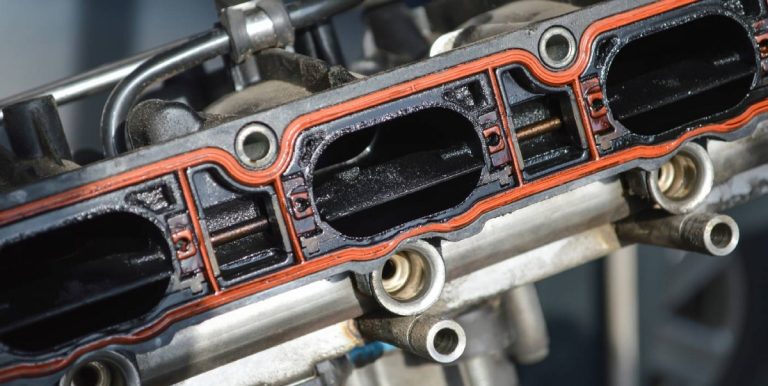
Leaks in the intake manifold, vacuum lines, or hoses allow unmetered air to enter the engine. This disrupts the fuel-air mixture, causing the engine to sputter, hesitate, or backfire when accelerating. The problem becomes most noticeable under load when the engine requires precise fuel delivery to maintain smooth power output.
An intake leak can create a lean condition, where there is too much air and not enough fuel, leading to misfires and backfiring. Drivers may also experience rough idling, reduced power, and unusual engine noises. Small leaks often go unnoticed until the engine is under stress, such as during rapid acceleration or uphill driving.
Inspecting and sealing intake leaks restores correct airflow and combustion balance. Properly sealed intake systems maintain efficient fuel-air ratios, smooth throttle response, and minimize the risk of sputtering or backfiring under acceleration.
Exhaust and Emissions System Triggers
The exhaust and emissions systems play a vital role in controlling engine performance and ensuring fuel combustion is complete. When components like the catalytic converter, oxygen sensors, or exhaust pipes are compromised, they can trigger sputtering, backfiring, or hesitation during acceleration. Identifying these triggers helps you maintain engine efficiency and prevent damage to critical components while keeping emissions under control.
Clogged or Failing Catalytic Converter
A clogged catalytic converter restricts the flow of exhaust gases, creating back pressure in the engine. During acceleration, this restriction prevents exhaust gases from leaving the combustion chamber efficiently, causing sputtering, reduced power, or even backfiring. The problem is particularly noticeable when the engine demands higher output, such as during rapid starts, uphill driving, or towing.
A failing converter may also produce a rattling sound due to broken internal components, while a clogged one can cause the engine to overheat or trigger the check engine light. Drivers often notice sluggish acceleration, rough idling, or occasional misfires that correlate with high exhaust resistance.
Routine inspection and maintenance, including timely replacement of worn catalytic converters, restore proper exhaust flow. This ensures smoother acceleration, reduces the risk of backfiring, and maintains overall engine performance and efficiency.
Malfunctioning Oxygen Sensors
Oxygen sensors monitor the composition of exhaust gases and provide feedback to the engine control unit (ECU) for adjusting fuel delivery. When these sensors fail, inaccurate readings can create a rich or lean fuel mixture, leading to sputtering or backfiring during acceleration.
During high-demand driving, incorrect oxygen sensor data prevents the ECU from maintaining the proper fuel-to-air ratio. This often results in misfires or incomplete combustion, causing audible pops in the exhaust. Drivers may also notice reduced fuel efficiency or the illumination of the check engine light.
Replacing faulty oxygen sensors restores accurate readings, enabling the ECU to properly manage fuel injection and maintain smooth engine operation. Proper sensor function prevents uneven acceleration and minimizes combustion-related backfires.
Exhaust Leaks and Damaged Components
Leaks in the exhaust system, including cracks in pipes or loose connections, allow unburned fuel or air to escape prematurely. This can create popping or backfiring sounds, particularly noticeable during acceleration when fuel delivery is higher.
Exhaust leaks can also affect oxygen sensor readings, further disrupting fuel mixture and engine performance. In some cases, leaks near the engine may increase engine bay noise, making sputtering feel louder than it is. Drivers may notice a strong exhaust smell or reduced engine responsiveness alongside audible backfires.
Repairing leaks and maintaining the exhaust system ensures proper gas flow, consistent sensor feedback, and smooth acceleration. Well-maintained exhaust components prevent unnecessary stress on the engine while reducing backfiring and sputtering during high-demand driving.
How to Diagnose Sputtering and Backfiring Accurately
Accurately diagnosing engine sputtering and backfiring is crucial for addressing the root cause without unnecessary repairs. These symptoms can arise from multiple systems, including fuel, ignition, air intake, and exhaust components. A systematic approach ensures you identify the exact source of the problem and take corrective action efficiently, preventing further damage and maintaining engine performance.
Observing Symptoms Under Specific Driving Conditions
The first step in diagnosing sputtering and backfiring is to observe when the symptoms occur. Take note of conditions such as rapid acceleration, uphill driving, stop-and-go traffic, or cold starts. Recording these details helps narrow down potential causes because different systems respond to different loads and speeds.
Pay attention to accompanying signs, like hesitation, jerking, reduced power, unusual noises, or warning lights. These clues indicate which system may be malfunctioning. For example, sputtering only during high-demand acceleration points to fuel delivery or ignition issues, whereas intermittent backfiring at idle may suggest exhaust or sensor problems. Documenting patterns over several drives improves the accuracy of your diagnosis and allows you to communicate the issue effectively to a mechanic if professional help is needed.
Checking Fuel Delivery and Quality
Fuel system issues are a common source of sputtering and backfiring. Start by inspecting fuel quality and ensuring the tank contains clean, high-quality gasoline. Contaminated or low-grade fuel can cause hesitation and misfires, particularly under acceleration.
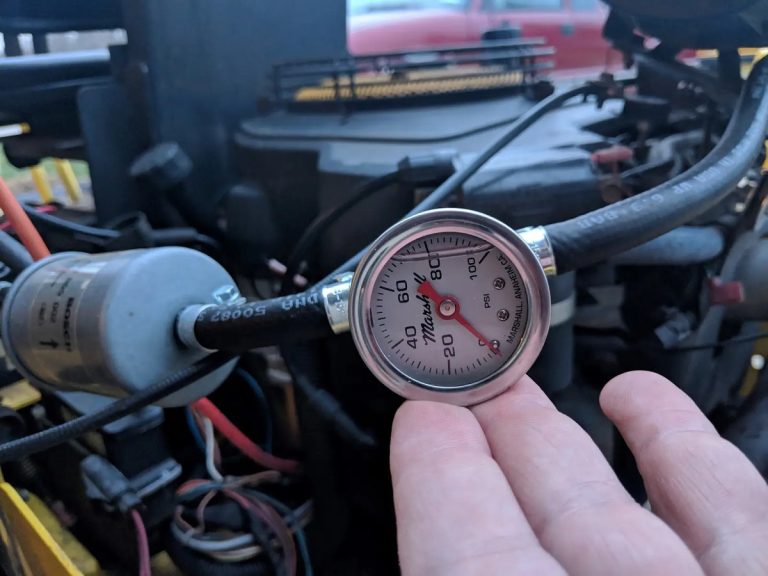
Next, examine fuel system components such as fuel filters, fuel pumps, and injectors. Clogged injectors can cause uneven fuel delivery, while a weak fuel pump or faulty pressure regulator disrupts proper fuel flow. Testing fuel pressure and flow rates during engine operation can reveal inconsistencies that correspond with sputtering or backfiring episodes. Fuel system cleaning or replacement of worn components often resolves acceleration-related issues.
Inspecting Ignition Components
The ignition system is another critical area to check. Begin with spark plugs, ensuring they are clean, properly gapped, and free from carbon buildup or oil fouling. Worn or damaged spark plugs often cause misfires that manifest as sputtering or backfiring.
Next, inspect ignition coils, plug wires, and connectors for signs of wear, corrosion, or damage. Faulty coils or loose connections can create inconsistent sparks, especially during heavy acceleration. Timing issues, including problems with ignition control modules or sensors, can also disrupt proper spark delivery. Observing engine behavior while accelerating and using diagnostic tools, such as a scan tool or timing light, helps pinpoint ignition-related causes accurately.
Evaluating Air Intake and Sensor Performance
Airflow and sensor readings directly affect fuel mixture and combustion. Check the air filter for dirt or restrictions that might limit airflow, particularly during high-demand driving. A clogged air filter can lead to hesitation and rough acceleration.
Sensors like the MAF (mass air flow), IAT (intake air temperature), and oxygen sensors should be tested for proper function. Dirty or malfunctioning sensors provide incorrect data to the ECU, causing lean or rich conditions that trigger sputtering or backfiring. Using diagnostic software or live sensor data monitoring allows precise identification of sensor-related issues. Throttle body and IAC (idle air control) valve inspections also help ensure proper airflow management and smooth engine response.
Assessing Exhaust and Emissions Components
Exhaust and emissions system problems can also cause sputtering and backfiring. Inspect the catalytic converter for clogging or damage, which creates back pressure and hinders exhaust flow. Exhaust leaks, especially near the engine, allow unburned fuel to ignite outside the combustion chamber, producing audible backfiring.
Check oxygen sensors and related emissions components to ensure accurate feedback to the ECU. Inaccurate sensor readings affect fuel-air mixture and contribute to misfires. Visual inspections, pressure tests, and sensor diagnostics help pinpoint exhaust or emissions-related causes. Maintaining these components ensures proper combustion, reduces backfiring, and improves overall engine efficiency.
By systematically observing driving conditions, checking fuel and ignition systems, inspecting air intake and sensors, and evaluating exhaust components, you can accurately identify the underlying cause of sputtering and backfiring. This structured approach minimizes guesswork and allows targeted repairs, preserving engine performance and reliability.
People Also Asked
Why Does My Engine Sputter When I Accelerate?
Your engine may sputter during acceleration because the fuel-air mixture is not balanced properly. This can occur due to clogged fuel injectors, a dirty air filter, or a failing fuel pump. When the engine demands more fuel and air, any disruption can cause hesitation or sputtering.
Ignition system problems, like worn spark plugs or faulty coils, can also contribute. Inconsistent sparks lead to incomplete combustion, making the engine stumble under load. Paying attention to maintenance and replacing worn components often resolves this issue and restores smooth acceleration.
What Causes Backfiring When Accelerating?
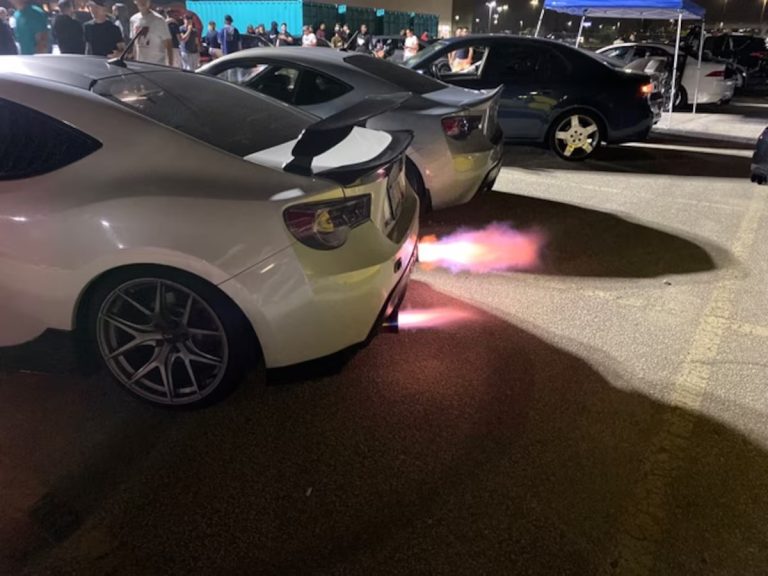
Backfiring occurs when unburned fuel ignites outside the combustion chamber, usually in the exhaust system. This can be caused by delayed ignition timing, a lean fuel mixture, or a faulty oxygen sensor. The problem is often more noticeable during rapid acceleration or heavy engine load.
Exhaust leaks and clogged catalytic converters can amplify backfires, as trapped fuel ignites unexpectedly. Regular maintenance of ignition and fuel systems, along with inspections of the exhaust, helps prevent these popping sounds while maintaining engine performance and efficiency.
Can Fuel System Problems Make My Engine Hesitate?
Yes, fuel system problems are a common cause of hesitation during acceleration. Clogged fuel injectors, dirty fuel filters, or a weak fuel pump can prevent proper fuel delivery. This causes the engine to sputter as it struggles to get the correct fuel-air mixture.
Contaminated or low-quality fuel also contributes by creating inconsistent combustion. These problems are especially noticeable when accelerating from a stop or climbing a hill. Ensuring clean fuel and regular maintenance of fuel system components helps maintain smooth and responsive engine performance.
Do Spark Plugs Affect Engine Sputtering?
Spark plugs are essential for igniting the fuel-air mixture in the combustion chamber. Worn, fouled, or improperly gapped spark plugs can cause incomplete combustion, which results in engine sputtering or hesitation during acceleration.
Faulty spark plugs may also increase backfiring risk if unburned fuel enters the exhaust system. Regular inspection and timely replacement of spark plugs restore proper ignition and ensure consistent acceleration, smooth engine performance, and reduced misfires.
How Do Air Intake Issues Cause Sputtering or Backfiring?
Air intake problems, such as a dirty air filter, clogged throttle body, or faulty mass air flow (MAF) sensor, disrupt the balance of the fuel-air mixture. During acceleration, the engine requires precise airflow, and any restriction or sensor inaccuracy can cause hesitation, sputtering, or backfiring.
A malfunctioning intake system may also confuse the ECU, leading to improper fuel delivery. Cleaning or replacing air filters, sensors, and throttle components helps restore correct airflow, reducing misfires and ensuring smooth power delivery during acceleration.
Can Exhaust System Problems Lead To Backfiring?
Yes, issues in the exhaust system often contribute to backfiring. Clogged catalytic converters, exhaust leaks, or damaged pipes can prevent proper exhaust flow. This traps unburned fuel in the exhaust, which ignites and produces popping or backfiring sounds, especially during acceleration.
Exhaust problems may also affect oxygen sensor readings, further disrupting fuel-air ratios and engine performance. Inspecting and repairing exhaust components ensures proper combustion, reduces backfires, and maintains overall engine efficiency and smooth acceleration.
Should I Be Concerned About Engine Damage From Sputtering or Backfiring?
While occasional sputtering or backfiring is usually harmless, persistent issues can cause long-term engine damage. Continuous misfires put extra stress on spark plugs, catalytic converters, and the exhaust system. Lean fuel mixtures can overheat the engine, while rich mixtures may flood the system.
Addressing the root cause promptly—whether it’s fuel delivery, ignition components, air intake, or exhaust issues—prevents damage and maintains performance. Regular maintenance and timely repairs ensure smooth acceleration, reliable engine operation, and reduce the risk of costly repairs in the future.
Final Thoughts
Experiencing sputtering or backfiring during acceleration can be both frustrating and alarming, especially when it affects your car’s performance and safety. These symptoms often point to underlying issues in the fuel system, ignition components, or airflow, which, if left unchecked, can lead to more serious engine problems. Understanding Why Your Engine Sputters and Backfires When Accelerating allows you to pinpoint the source of the trouble and take timely action.
Many common causes, such as clogged fuel injectors, worn spark plugs, or vacuum leaks, can be addressed with routine maintenance or component replacement. Diagnosing the problem early not only restores smooth acceleration but also prevents additional strain on your engine and reduces the risk of costly repairs down the line.
Regular inspections, using quality fuel, and keeping sensors and filters clean are key steps in preventing recurring sputtering and backfiring. By addressing the root causes, you can maintain engine efficiency, enhance performance, and enjoy a safer, smoother driving experience.