Signs of Bad Timing Chain Tensioner – Symptoms, Causes, and Fixes
Hearing unusual noises from your engine or noticing performance issues can be alarming, especially when they point to critical components like the timing chain system. The timing chain tensioner plays a vital role in keeping the chain properly tensioned, ensuring precise synchronization between the crankshaft and camshaft. When it begins to fail, the engine may exhibit a variety of symptoms that demand immediate attention.
Wear or malfunction in the tensioner can lead to rattling, clanking, or even skipping of the timing chain. These issues can affect engine timing, resulting in poor performance, misfires, or rough idling. Paying attention to early warning signs allows you to address the problem before it escalates into major engine damage.
Understanding common indicators helps you recognize when your vehicle needs inspection or repair. Signs of Bad Timing Chain Tensioner guide drivers in identifying potential failures, explaining symptoms, and highlighting the importance of timely maintenance.
Common Symptoms of Bad Timing Chain Tensioner
A failing timing chain tensioner can create serious problems for your engine if left unchecked. This component ensures that the timing chain remains properly tensioned, keeping the crankshaft and camshaft synchronized for smooth engine operation. Recognizing the common symptoms early allows drivers to prevent severe engine damage, maintain performance, and avoid costly repairs.
Rattling Or Ticking Noise From The Engine
One of the most noticeable symptoms of a bad timing chain tensioner is a rattling or ticking noise coming from the front or top of the engine. This sound is usually most noticeable during startup or acceleration and can become louder when the engine is idling. The noise occurs because the tensioner is unable to keep the chain tight, allowing it to slap against the timing chain guides or other components.
This rattling can vary in intensity depending on engine speed and load, often worsening over time as the tensioner continues to weaken. Ignoring the sound can result in the timing chain skipping teeth or jumping entirely, causing misalignment between the camshaft and crankshaft. Early detection of this symptom can prevent catastrophic engine damage, such as bent valves, damaged pistons, or complete engine failure.
Regularly listening for unusual engine noises and inspecting the timing chain system can help detect tensioner issues early. If you hear persistent rattling or ticking, it is crucial to have your vehicle inspected by a professional mechanic to prevent further complications.
Engine Misfires And Rough Idling
A failing timing chain tensioner can also lead to engine misfires or rough idling. When the timing chain loses proper tension, it can slightly alter the camshaft’s timing, affecting valve operation. This misalignment disrupts the air-fuel mixture in the combustion chamber, leading to incomplete combustion, hesitation during acceleration, and uneven engine performance.
Drivers may notice the engine shaking, stalling briefly, or running unevenly at idle. Acceleration may feel sluggish, and the vehicle might struggle to reach normal speeds smoothly. These symptoms occur because the engine’s timing is no longer precise, reducing efficiency and increasing stress on internal components.
Addressing misfires or rough idling promptly is important because prolonged misalignment can damage the pistons, valves, or even the timing chain itself. Repairing or replacing the tensioner restores proper timing and smooth engine operation, improving performance, fuel efficiency, and overall reliability. Regular monitoring of engine behavior helps catch tensioner problems before they cause significant damage.
Illuminated Check Engine Light
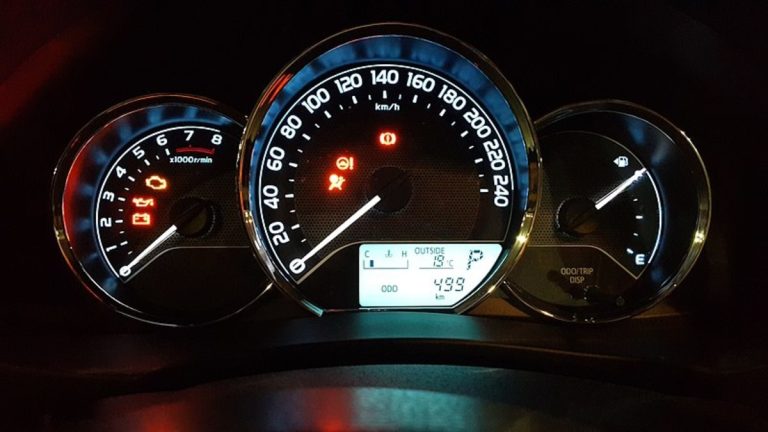
An illuminated check engine light can be another indicator of a failing timing chain tensioner. Modern vehicles are equipped with sensors that monitor camshaft and crankshaft positions. When the tensioner begins to fail and the timing chain loses tension, these sensors detect irregular timing and trigger the check engine light.
The light may be accompanied by other symptoms, such as reduced power, misfires, or unusual noises. Ignoring the warning can lead to progressive engine damage because the timing chain may continue to slip, affecting combustion and valve operation. Addressing the problem immediately prevents severe mechanical failure.
Using an OBD-II scanner to read diagnostic trouble codes helps identify whether the check engine light is related to timing issues. This allows mechanics to pinpoint whether the tensioner, chain, or related components require repair or replacement, ensuring proper engine synchronization and safe vehicle operation.
Difficulty Starting The Engine
A worn timing chain tensioner can also cause starting issues. When the tensioner fails, the timing chain may become loose, making it difficult for the crankshaft and camshaft to synchronize properly during engine start-up. You may hear unusual noises or experience a delayed response when turning the key.
Repeatedly struggling to start the engine indicates that the timing chain is not functioning optimally, placing additional stress on internal engine parts. Prolonged use in this condition can cause chain skipping, bent valves, or damaged pistons, potentially leading to complete engine failure.
Promptly addressing starting difficulties by inspecting the timing chain and tensioner is critical. Replacing the tensioner ensures proper chain tension, restores accurate engine timing, and prevents further complications. Regular maintenance and early attention to starting problems help maintain engine longevity and reliable performance.
Loss Of Power And Poor Acceleration
Another symptom of a bad timing chain tensioner is a noticeable loss of engine power or reduced acceleration. The timing chain ensures that the valves open and close at precise intervals. When the tensioner fails, the chain may slacken, causing the camshaft timing to drift slightly.
This misalignment reduces combustion efficiency, leading to decreased horsepower, sluggish acceleration, and poor throttle response. The vehicle may struggle to maintain speed or feel less responsive during uphill driving or heavy load conditions. Over time, this can increase engine stress and exacerbate wear on the timing chain, guides, and valves.
Addressing loss of power and poor acceleration by inspecting and replacing the timing chain tensioner restores proper engine timing. This not only improves performance and throttle response but also reduces the risk of additional damage, ensuring smoother operation and extending engine life.
Unusual Engine Vibrations
A failing timing chain tensioner can also contribute to unusual engine vibrations. When the chain loses proper tension, the camshaft may operate slightly out of sync with the crankshaft, causing uneven combustion cycles. This can lead to noticeable vibrations felt through the steering wheel, pedals, or engine bay.
The vibrations may intensify during acceleration or at higher RPMs, signaling that the engine is not operating as efficiently as it should. Prolonged vibrations increase stress on engine mounts, the timing chain, and connected components, potentially leading to additional mechanical issues.
Addressing these vibrations early by inspecting and replacing the tensioner helps restore proper timing, smooth engine operation, and overall driving comfort. Regular attention to unusual vibrations can prevent more extensive damage and maintain long-term engine reliability.
How to Diagnose Signs of Bad Timing Chain Tensioner
Diagnosing a bad timing chain tensioner requires careful observation and understanding of engine behavior. This component is critical for maintaining proper timing between the camshaft and crankshaft, and early detection of issues prevents serious engine damage. By paying attention to noises, performance changes, and diagnostic indicators, you can pinpoint potential problems and take action before they escalate into costly repairs.
Listen for Unusual Engine Noises
One of the first steps in diagnosing a failing timing chain tensioner is to listen carefully for unusual engine noises. Rattling, ticking, or clattering sounds, especially near the front of the engine, often indicate that the tensioner is no longer keeping the timing chain properly tightened.
These noises are typically more noticeable during startup, acceleration, or idling, and may vary with engine RPM. A loose chain caused by a worn tensioner can slap against the timing chain guides, producing rhythmic sounds that worsen over time. Prolonged ignoring of these noises may result in the chain skipping teeth, misalignment of the camshaft and crankshaft, and potential engine damage.
To diagnose accurately, perform a careful listening test with the engine running at different speeds. Combining auditory observations with visual inspections of the timing chain system can help confirm tensioner issues before they cause severe damage.
Check Engine Performance and Idle Behavior
Engine misfires, rough idling, and poor throttle response can also signal a failing timing chain tensioner. When the tensioner loses its ability to maintain proper chain tension, the camshaft timing may drift, disrupting valve operation and the air-fuel mixture.
This misalignment reduces combustion efficiency, leading to hesitation, uneven acceleration, or shaking at idle. Drivers may notice that the vehicle struggles to accelerate smoothly, especially under load or during highway driving. Over time, continued misalignment can increase stress on internal engine components, further worsening the problem.
Observing changes in engine behavior during different driving conditions helps identify timing chain tensioner issues. Recording symptoms like misfires, rough idling, or delayed throttle response provides valuable information for mechanics and supports accurate diagnosis.
Inspect Timing Chain and Related Components
Visual inspection of the timing chain and its associated components is an important diagnostic step. Check for excessive slack, wear, or movement in the chain, as well as condition of the chain guides and tensioner itself. A worn or failing tensioner often appears loose, with signs of metal wear or oil leakage around the mounting area.
Timing chains that are slack or unevenly tensioned can skip teeth, which will further affect engine timing. Observing physical wear, cracks, or abnormal movement provides clear evidence that the tensioner is compromised. Careful inspection during engine operation, combined with engine noise observation, can confirm whether the tensioner is the source of the problem.
Ensuring proper chain tension and condition of related components like guides and sprockets is crucial. Replacing a failing tensioner promptly prevents chain skipping, camshaft misalignment, and severe engine damage.
Use Diagnostic Tools and Engine Codes
Modern vehicles often provide helpful diagnostic tools for identifying timing issues. Using an OBD-II scanner to check engine codes can reveal misfires, camshaft timing errors, or other related faults that suggest a failing tensioner. These codes provide objective data to complement visual and auditory inspections.
Some vehicles have sensors that monitor crankshaft and camshaft positions. When the tensioner fails, the chain can slip slightly, triggering error codes or illuminating the check engine light. Interpreting these codes accurately helps distinguish tensioner issues from other engine problems, guiding precise repair decisions.
Using live data from diagnostic tools, such as camshaft position readings and RPM fluctuations, allows you to detect timing irregularities early. Combining these readings with visual inspections and engine noise analysis provides a thorough approach for diagnosing a bad timing chain tensioner.
Monitor Driving Performance and Warning Signs
In addition to noises and diagnostic codes, monitoring overall vehicle performance can aid in diagnosing tensioner issues. Pay attention to unusual vibrations, hesitation during acceleration, or decreased engine power, as these can indicate timing chain misalignment caused by a weak tensioner.
Early recognition of these symptoms allows you to schedule inspections before the problem worsens. Maintaining a log of observed performance issues, noises, and driving conditions can provide mechanics with detailed information for accurate diagnosis and timely repairs.
Regular monitoring and attentive observation, combined with proper inspection and diagnostic tool use, ensures that tensioner problems are identified and resolved quickly. This approach helps maintain engine timing, smooth acceleration, and long-term vehicle reliability.
Causes Behind Signs of Bad Timing Chain Tensioner
The timing chain tensioner plays a critical role in keeping your engine’s timing chain tight, ensuring smooth synchronization between the camshaft and crankshaft. When the tensioner fails, it can cause a range of symptoms that affect engine performance and reliability. Understanding the underlying causes of a bad timing chain tensioner helps in diagnosing issues early and preventing extensive engine damage.
Wear And Tear Over Time
One of the most common causes of a failing timing chain tensioner is simple wear and tear. The tensioner is a mechanical component constantly under stress, maintaining pressure on the timing chain as the engine operates. Over time, springs or hydraulic mechanisms inside the tensioner can weaken or fail, reducing their ability to keep the chain tight.
Engines with high mileage are particularly susceptible, as prolonged operation increases friction and heat exposure. Metal fatigue or erosion inside the tensioner can also contribute to reduced functionality, resulting in slack in the timing chain. This slack causes rattling noises, rough idling, and potential misalignment of engine components, which are classic signs of a failing tensioner.
Regular inspections, especially on older engines, can identify tensioners showing signs of excessive wear. Early replacement prevents chain slippage, misfires, and catastrophic engine damage that could result from complete tensioner failure.
Low Or Contaminated Engine Oil
Hydraulic timing chain tensioners rely on engine oil pressure to maintain proper chain tension. Low oil levels, degraded oil, or contamination can significantly reduce the tensioner’s effectiveness, causing it to malfunction. Dirty or sludgy oil can clog internal passages within the tensioner, preventing it from extending fully and keeping the chain tight.
Inadequate oil pressure also increases wear on the tensioner and the timing chain, accelerating metal fatigue and increasing the likelihood of rattling or skipping. Drivers may notice ticking sounds, engine misfires, or rough acceleration as a result of poor lubrication.
Maintaining the correct oil level and changing the oil at recommended intervals is essential for hydraulic tensioners. Using the manufacturer-recommended oil type ensures proper flow and pressure, keeping the tensioner functioning correctly and extending the life of both the tensioner and the timing chain.
Faulty Chain Guides Or Timing Components
A failing timing chain tensioner can also result from problems with the chain guides or other related components. Timing chain guides support the chain and help maintain alignment. When these guides wear, crack, or break, they compromise the tensioner’s ability to maintain proper chain pressure.
Loose or damaged guides allow the chain to vibrate or shift, increasing stress on the tensioner. Over time, the tensioner may fail prematurely, causing rattling noises, engine misfires, or poor acceleration. Similarly, worn sprockets or camshaft gears can disrupt timing chain movement, further stressing the tensioner.
Replacing worn guides, sprockets, or other timing components in conjunction with the tensioner ensures proper chain alignment and reduces the risk of further mechanical issues. Comprehensive inspection of the entire timing system is critical for long-term reliability.
Manufacturing Defects Or Poor-Quality Parts
In some cases, a bad timing chain tensioner may result from manufacturing defects or the use of low-quality aftermarket parts. Defects such as weak springs, improper machining, or poor hydraulic assembly can cause premature failure.
Vehicles with tensioners prone to defects may experience rattling, chain slack, or engine misfires at relatively low mileage. Using aftermarket parts of substandard quality can also lead to early tensioner failure, as they may not meet the required specifications or tolerances.
Choosing OEM or high-quality replacement tensioners ensures proper fit, reliable performance, and longer service life. Verifying part quality and manufacturer reputation is important when repairing or replacing the timing chain system to prevent repeated failures.
Engine Overheating And Excessive Stress
Engine overheating or prolonged operation under heavy loads can exacerbate timing chain tensioner wear. Excessive heat affects metal components, reducing spring tension in mechanical tensioners or oil viscosity in hydraulic models.
Engines that frequently operate at high RPMs or under heavy towing loads place additional stress on the timing system. The combination of heat, pressure, and friction accelerates wear on the tensioner and chain, increasing the likelihood of slack, misalignment, and associated symptoms.
Preventive measures, such as maintaining proper engine cooling, adhering to recommended operating conditions, and monitoring for early warning signs, help protect the tensioner. Addressing overheating or heavy-load conditions reduces the risk of premature failure, keeping the timing system functioning correctly.
Oil Leaks And Improper Maintenance
Oil leaks around the timing chain cover or tensioner housing can reduce oil supply and pressure, impairing tensioner performance. Similarly, inconsistent or improper maintenance, such as skipping oil changes or using incorrect oil grades, can compromise the tensioner’s ability to maintain chain tension.
A weakened tensioner due to oil starvation or contamination can cause rattling noises, misfires, and reduced engine performance. Preventive maintenance, including timely oil changes and addressing leaks promptly, is crucial for preserving tensioner function.
Regular inspections, proper lubrication, and attention to early warning signs ensure that the tensioner and timing chain operate smoothly. These measures minimize the risk of serious engine damage and extend the service life of both the tensioner and related components.
Effective Fixes for Signs of Bad Timing Chain Tensioner
Addressing a failing timing chain tensioner promptly is essential to prevent serious engine damage. Effective fixes target the root cause of the problem, whether it’s worn components, poor lubrication, or damaged guides. Taking action early ensures proper engine timing, restores performance, and prolongs the life of the timing chain system. Implementing the right repairs can eliminate rattling, misfires, and other associated symptoms.
Replace the Timing Chain Tensioner
The most direct and effective solution for a bad timing chain tensioner is replacement. Over time, mechanical springs weaken, and hydraulic mechanisms can fail, causing slack in the timing chain. Installing a new, high-quality tensioner restores proper chain tension and prevents further engine misalignment.
Replacing the tensioner typically involves removing the timing cover, inspecting the timing chain and related components, and installing the new tensioner according to manufacturer specifications. This ensures that the chain remains properly tensioned and the camshaft and crankshaft remain synchronized.
Using an OEM or high-quality aftermarket tensioner is critical. Substandard parts may fail prematurely, leading to repeated symptoms and potential engine damage. Replacing a worn or defective tensioner not only eliminates rattling and ticking noises but also ensures smooth engine performance, proper valve timing, and improved fuel efficiency.
Inspect and Replace Timing Chain Guides
Along with replacing the tensioner, inspecting the timing chain guides is an essential step. Worn, cracked, or broken guides compromise the chain’s stability, causing slack and placing additional stress on the tensioner. Replacing damaged guides ensures proper chain alignment and reduces the risk of chain skipping.
During inspection, mechanics check for visible cracks, uneven wear, or loose mounting points. Damaged guides can also contribute to excessive engine noise, rough idling, or poor acceleration. Replacing both guides and the tensioner simultaneously ensures the timing chain system operates reliably and quietly.
Addressing guide wear during tensioner replacement provides a long-term solution. It prevents future rattling or misalignment, reduces stress on the camshaft and crankshaft, and preserves engine longevity. Proper maintenance of guides is critical for high-mileage engines or vehicles showing early tensioner wear.
Perform an Oil Change and Ensure Proper Lubrication
Hydraulic timing chain tensioners rely on engine oil pressure to function correctly. Low oil levels, degraded oil, or contamination can prevent the tensioner from maintaining proper chain tension. Performing an oil change with the correct grade restores proper lubrication and pressure, improving tensioner operation.
Regular maintenance, including timely oil changes and using high-quality oil, ensures smooth tensioner movement and prevents premature wear. Inspecting for oil leaks around the timing cover or tensioner housing is also important, as leaks reduce pressure and compromise function.
Proper lubrication eliminates rattling, reduces engine stress, and extends the life of both the timing chain and tensioner. Maintaining clean, high-quality oil is a simple yet highly effective step in addressing tensioner-related issues and preventing recurrence.
Replace the Timing Chain if Necessary
In some cases, a worn tensioner may have caused excessive wear on the timing chain itself. If the chain shows signs of stretching, tooth wear, or slack beyond normal limits, replacement is necessary to restore proper engine timing and prevent future damage.
Replacing the chain involves removing the timing cover, inspecting all sprockets, and installing a new chain in conjunction with the new tensioner. Ensuring correct chain alignment and tension is critical to restoring engine performance and preventing rattling or skipping.
Combining timing chain replacement with a new tensioner and guides provides a comprehensive solution. This approach eliminates the root cause of noise, restores precise engine timing, and ensures smooth acceleration, reducing the risk of costly engine repairs in the future.
Regular Maintenance and Preventive Checks
Preventive maintenance is key to avoiding future tensioner problems. Regular oil changes, periodic inspections of the timing system, and addressing early warning signs such as rattling, misfires, or unusual vibrations help maintain proper timing chain tension.
Monitoring engine performance and listening for unusual noises allows drivers to detect tensioner wear early. Timely repairs and high-quality replacements prevent damage to the camshaft, crankshaft, and valves, ensuring reliable engine operation.
A proactive approach, combining inspections, maintenance, and replacement of worn components, preserves engine performance, extends component lifespan, and keeps the timing chain system operating smoothly and quietly over the long term.
Risks of Ignoring Signs of Bad Timing Chain Tensioner
Failing to address a bad timing chain tensioner can lead to serious consequences for your engine. This component is essential for keeping the timing chain tight, ensuring precise synchronization between the camshaft and crankshaft. Ignoring early warning signs can escalate minor issues into major mechanical failures, resulting in costly repairs, reduced performance, and even complete engine breakdown.
Engine Noise Escalation and Component Damage
One of the immediate risks of ignoring a failing timing chain tensioner is the progression of engine noise into serious mechanical issues. Rattling or ticking sounds caused by a loose chain can worsen over time. The chain may slap against guides, sprockets, or the timing cover, accelerating wear on all related components.
This increased stress can lead to bent valves, worn pistons, or damaged camshaft teeth, depending on the engine design. Continuous operation with a loose chain can cause skipping or misalignment, which may result in catastrophic internal engine damage. Minor rattling that is ignored often escalates into complete engine failure, requiring expensive repairs or a full rebuild.
Early attention to unusual engine noises prevents further wear and preserves critical components, maintaining both performance and long-term reliability.
Reduced Engine Performance and Efficiency
A slack timing chain caused by a bad tensioner can disrupt valve timing, resulting in misfires, poor combustion, and reduced engine efficiency. You may notice sluggish acceleration, decreased horsepower, or rough idling. The engine may hesitate under load or feel unresponsive during high-speed driving.
Misalignment of the camshaft and crankshaft affects the precise opening and closing of valves, compromising the air-fuel mixture and leading to incomplete combustion. This reduces fuel efficiency, increases emissions, and places additional strain on the engine, causing accelerated wear on other components.
Continued operation under these conditions reduces overall engine performance, creates uneven power delivery, and may mask other emerging mechanical issues. Addressing the tensioner early ensures proper valve timing and restores engine efficiency, preventing long-term damage and high fuel consumption.
Increased Risk of Engine Failure
Ignoring a failing timing chain tensioner significantly raises the risk of complete engine failure. A loose or slipping chain can jump teeth or break entirely, causing the camshaft and crankshaft to lose synchronization. This misalignment can result in valve-to-piston collisions in interference engines, bending valves, damaging pistons, and possibly destroying the cylinder head.
Engine failure caused by a broken timing chain or failed tensioner is sudden and often catastrophic, leaving the vehicle inoperable. Repairing this level of damage is extremely costly, sometimes exceeding the value of the vehicle. Preventive replacement of a worn tensioner avoids these risks and maintains the engine’s structural integrity.
Proactive inspections, listening for unusual noises, and timely tensioner replacement can prevent catastrophic engine failure, saving both time and money while ensuring safe driving.
Safety Hazards on the Road
A failing timing chain tensioner can indirectly create safety hazards while driving. Engine misfires, stalling, or sudden power loss due to slack in the timing chain can occur unexpectedly. This unpredictability is particularly dangerous in traffic, on highways, or during maneuvers requiring quick acceleration.
Loss of power or sudden engine hesitation increases the risk of accidents, especially when merging or overtaking. Drivers may also become distracted or stressed by persistent noises or vibrations, further compromising vehicle control.
Maintaining a functional timing chain system ensures predictable engine response, smooth acceleration, and overall safer driving conditions. Addressing signs of tensioner failure promptly reduces the likelihood of unexpected mechanical failures while on the road.
Escalating Repair Costs
Delaying repair of a bad timing chain tensioner often leads to escalating repair costs. Minor issues, such as a worn tensioner or damaged guides, are relatively inexpensive to fix. Ignoring them allows the timing chain to slacken further, increasing stress on the camshaft, valves, pistons, and other engine components.
Once secondary damage occurs, repair complexity rises dramatically. Multiple components may require replacement simultaneously, significantly increasing labor and parts costs. Timely intervention prevents extensive damage and keeps repair expenses manageable.
People Also Asked
What Are the Most Common Signs of a Bad Timing Chain Tensioner?
The most common signs of a bad timing chain tensioner include rattling or ticking noises from the engine, especially during startup or idling. You may also notice rough idling, engine misfires, sluggish acceleration, or unusual vibrations while driving.
Other indicators include an illuminated check engine light or difficulty starting the vehicle. These symptoms occur because a failing tensioner causes the timing chain to lose proper tension, disrupting synchronization between the camshaft and crankshaft. Recognizing these early signs allows you to address the problem before it leads to serious engine damage.
Can Engine Noise Indicate a Failing Timing Chain Tensioner?
Yes, engine noise is one of the earliest indicators of a failing timing chain tensioner. A loose tensioner allows the timing chain to slap against the guides or other engine components, creating a rattling, ticking, or clattering sound.
These noises are most noticeable during startup, acceleration, or when the engine is idling. If ignored, the chain may skip teeth, causing misalignment of the camshaft and crankshaft. Prompt attention to unusual engine sounds can prevent extensive damage, keeping your engine running smoothly and avoiding costly repairs.
How Does a Bad Timing Chain Tensioner Affect Engine Performance?
A failing timing chain tensioner can reduce engine performance by causing misalignment between the camshaft and crankshaft. This misalignment affects valve timing, resulting in incomplete combustion, misfires, and uneven power delivery.
You may notice sluggish acceleration, reduced horsepower, rough idling, or hesitation under load. Over time, improper timing increases stress on internal components, accelerating wear and potentially causing damage to pistons, valves, or the timing chain. Addressing tensioner issues restores proper timing, improves engine efficiency, and ensures smoother, more reliable performance.
Can a Failing Tensioner Cause the Check Engine Light to Turn On?
Yes, a bad timing chain tensioner can trigger the check engine light. Modern vehicles have sensors monitoring camshaft and crankshaft positions. When the tensioner allows the chain to slack, timing irregularities occur, prompting the engine control unit to register an error.
The check engine light may accompany other symptoms like engine misfires, rough idling, or rattling noises. Using an OBD-II scanner can help identify timing-related error codes, allowing you to confirm whether the tensioner is causing the issue and enabling timely repairs to prevent further engine damage.
Is Difficulty Starting the Engine a Sign of Tensioner Problems?
Difficulty starting the engine can indicate a failing timing chain tensioner. When the chain loses tension, the crankshaft and camshaft may fall slightly out of sync, making ignition and combustion less efficient.
You may hear unusual noises or experience delayed engine response when turning the key. Repeatedly struggling to start the engine can increase wear on pistons, valves, and the timing chain. Inspecting the tensioner and timing chain promptly ensures proper alignment, restores smooth starting, and prevents more severe engine damage.
Can a Worn Timing Chain Tensioner Lead to Engine Damage?
Yes, ignoring a worn timing chain tensioner can lead to severe engine damage. A loose tensioner allows the timing chain to skip teeth or slacken, which disrupts synchronization between the camshaft and crankshaft.
In interference engines, this misalignment can cause the pistons to collide with the valves, bending them or damaging the cylinder head. Continuous operation with a faulty tensioner increases stress on the timing chain, guides, and related components, escalating repair costs. Replacing the tensioner promptly prevents catastrophic engine failure and protects your vehicle’s long-term reliability.
How Can I Prevent Problems with My Timing Chain Tensioner?
Preventing timing chain tensioner issues involves regular maintenance and attentive monitoring. Keep engine oil clean and at the recommended level, as hydraulic tensioners rely on proper oil pressure to function.
Regularly inspect the timing chain, guides, and tensioner for wear, unusual noises, or vibrations. Address early warning signs such as rattling, misfires, or rough idling promptly. Using high-quality oil and OEM or reputable aftermarket replacement parts ensures the tensioner performs reliably, maintaining proper engine timing and preventing costly damage in the long term.
Final Thoughts
Recognizing unusual engine noises and performance issues early can save you from costly repairs and potential engine failure. Persistent rattling, rough idling, misfires, or warning lights are often clear indicators that your vehicle requires attention. Addressing these problems promptly ensures that your engine runs smoothly and maintains optimal performance.
Regular maintenance, such as timely oil changes, engine inspections, and monitoring for abnormal sounds, plays a key role in preventing severe issues. Ignoring these warning signs can lead to stretched timing chains, failed tensioners, or even catastrophic engine damage that is expensive and time-consuming to fix.
Being aware of Signs of Bad Timing Chain Tensioner allows you to take proactive measures. By acting quickly and consulting a professional when needed, you protect your engine, improve vehicle reliability, and maintain safe, efficient driving over the long term.