Engine Shakes When Idling – Causes, Risks, and Quick Fixes
Experiencing vibrations or unusual movement from your vehicle while it’s stationary can be alarming. Many drivers notice that their car feels shaky or unstable when the engine is running but the vehicle is not moving. These vibrations are more than just an inconvenience—they can indicate underlying mechanical issues that require attention to prevent further damage.
An engine shakes when idling is a common symptom of problems ranging from minor maintenance needs to more significant mechanical concerns. Causes can include worn spark plugs, clogged fuel injectors, vacuum leaks, or issues with engine mounts. Understanding the potential reasons behind this behavior is essential for diagnosing the problem accurately.
Addressing engine shaking early helps maintain smooth performance, protects internal components, and ensures your vehicle remains safe to drive. Regular maintenance, timely inspections, and awareness of unusual engine behavior all play a role in preventing long-term damage.
Common Causes of Engine Shakes When Idling
An engine that shakes while idling can be more than just a minor annoyance—it often signals underlying issues that need attention. Understanding the common causes of engine shakes when idling helps drivers diagnose problems early, prevent further damage, and maintain smooth vehicle performance. These vibrations may arise from fuel, ignition, or mechanical issues that impact engine stability.
Worn or Faulty Spark Plugs
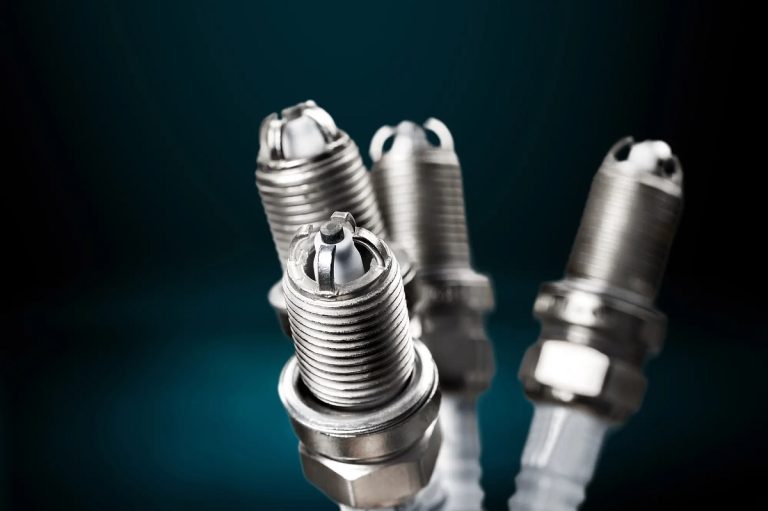
One of the most frequent causes of an engine shakes when idling is worn or faulty spark plugs. Spark plugs provide the spark necessary to ignite the air-fuel mixture in the combustion chamber. Over time, they can accumulate deposits, wear out, or become misaligned, leading to incomplete combustion.
Incomplete combustion creates irregular engine firing, which causes vibrations and noticeable shaking when the engine is at idle. Symptoms often include rough running, hesitation during acceleration, and decreased fuel efficiency. Vehicles with high mileage are especially prone to spark plug-related issues, as the heat and stress of continuous use degrade their performance.
Replacing spark plugs at manufacturer-recommended intervals restores smooth combustion, reduces engine vibration, and improves overall efficiency. Regular inspections of the ignition system also help identify other potential issues like faulty ignition coils or wires, which can contribute to shaking. Proper maintenance ensures that the engine runs evenly, even at low RPMs.
Clogged or Dirty Fuel Injectors
Fuel injectors deliver precise amounts of fuel into the combustion chamber, ensuring the engine operates efficiently. When fuel injectors become clogged or dirty, the engine may receive an inconsistent fuel supply, resulting in rough idling and noticeable shaking.
Clogged injectors prevent the engine from achieving smooth combustion, which can cause misfires, reduced power, and vibrations during idle. Dirty fuel injectors are often a result of low-quality fuel, lack of regular maintenance, or accumulation of carbon deposits over time. Symptoms may include stalling, poor fuel economy, and hesitation when accelerating.
Cleaning or replacing fuel injectors restores proper fuel delivery, ensuring each cylinder fires evenly. This reduces idle vibrations and improves engine efficiency. Regular use of fuel additives or professional injector cleaning services helps prevent future buildup, maintaining optimal engine performance and smooth operation at idle.
Vacuum Leaks
Vacuum leaks are another common cause of engine shakes when idling. The engine relies on vacuum pressure to operate various systems, including the intake manifold, brake booster, and emissions controls. Any leaks in vacuum hoses, gaskets, or seals can disrupt air-fuel ratios and create uneven combustion.
An engine with a vacuum leak may idle roughly, stall unexpectedly, or produce unusual vibrations. Hissing sounds near the intake manifold are often a clear sign of a vacuum leak. Left unaddressed, leaks can reduce fuel efficiency, increase emissions, and place extra stress on engine components, compounding the shaking problem.
Repairing vacuum leaks involves inspecting hoses, gaskets, and seals for cracks, splits, or loose connections. Replacing or tightening faulty components restores proper vacuum pressure, ensuring stable idle performance and reducing engine vibrations. Regular inspections during routine maintenance can prevent leaks before they impact engine operation.
Faulty Engine Mounts
Engine mounts secure the engine to the vehicle frame and absorb vibrations during operation. Worn, cracked, or broken mounts can no longer stabilize the engine effectively, causing it to shake, especially when idling.
Faulty mounts allow excessive movement of the engine, which transmits vibrations to the chassis and cabin. Symptoms often include noticeable shaking when stopped, clunking noises during acceleration, and vibration felt through the steering wheel or floorboard. Over time, driving with damaged mounts can strain other drivetrain components, leading to additional wear or alignment issues.
Replacing worn engine mounts restores stability and minimizes vibrations, ensuring smoother idle and overall engine performance. Routine inspections during maintenance help identify early signs of mount deterioration, preventing secondary damage and maintaining vehicle comfort and safety.
Dirty or Faulty Mass Air Flow Sensor
The mass air flow (MAF) sensor measures the amount of air entering the engine, allowing the engine control unit (ECU) to adjust fuel delivery for optimal combustion. A dirty or faulty MAF sensor can send inaccurate readings, disrupting the air-fuel mixture and causing engine shakes when idling.
Symptoms of MAF sensor issues include rough idle, hesitation, stalling, and decreased fuel efficiency. Dust, oil, or debris accumulation can impair sensor function, while electrical problems may also contribute to inaccurate readings. Ignoring a faulty MAF sensor can lead to prolonged engine stress, increased emissions, and poor performance.
Cleaning or replacing the MAF sensor restores accurate airflow measurements and stabilizes fuel injection, reducing idle vibrations. Routine inspection of the intake system and sensor ensures consistent performance and prevents recurring engine shaking issues.
Risks of Ignoring Engine Shakes When Idling
Not addressing an engine that shakes when idling can lead to serious consequences for both your vehicle and your safety. What might start as a minor annoyance can develop into more severe mechanical problems, affecting performance, fuel efficiency, and long-term reliability. Understanding the risks emphasizes the importance of timely inspection and maintenance.
Increased Wear on Engine Components
Continuing to drive while your engine shakes when idling increases wear on critical components. Misfires, uneven combustion, or vibrations place extra stress on pistons, rods, and cylinder walls. Over time, this can lead to accelerated engine wear, reduced efficiency, and the potential for more extensive mechanical failures.
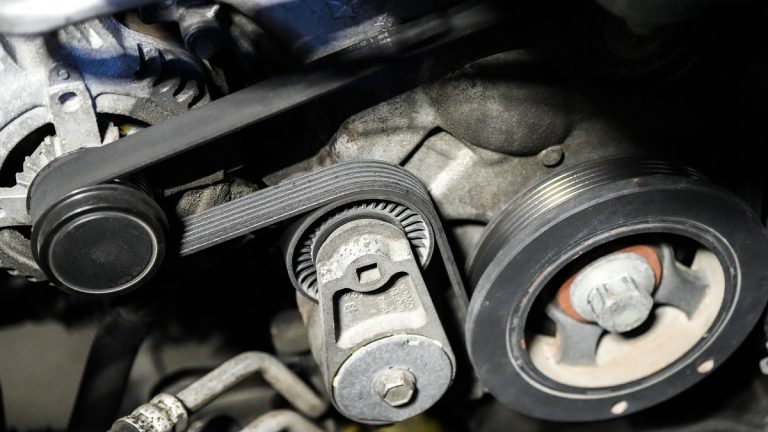
The continuous vibration also affects ancillary components like the alternator, belts, and pulleys. These parts may wear unevenly or fail prematurely due to constant movement that they were not designed to withstand. Early attention to causes like worn spark plugs or clogged fuel injectors reduces unnecessary stress, preserving engine life and preventing cascading failures throughout connected systems.
Ignoring these issues allows small problems to compound, eventually requiring major repairs or even partial engine rebuilds. Proactive maintenance minimizes wear, protects internal components, and ensures consistent engine performance during idle and driving.
Reduced Fuel Efficiency
Engine shaking when idling often indicates incomplete combustion or inefficient fuel delivery. This can reduce fuel efficiency, as the engine requires more fuel to compensate for misfires or uneven operation. Over time, consistent inefficiency translates into higher fuel costs and more frequent refueling.
Inefficient combustion also increases emissions, contributing to environmental impact and possibly causing your vehicle to fail emissions tests. Components like dirty fuel injectors or faulty MAF sensors, if left unresolved, worsen fuel consumption while increasing strain on the engine. Maintaining smooth idle operation ensures optimal fuel use and helps preserve engine performance under all driving conditions.
By addressing idle vibrations promptly, you maintain both fuel efficiency and engine health, preventing long-term costs associated with wasted fuel and avoidable repairs.
Potential for Engine Damage
Persistent engine shakes when idling may lead to more severe engine damage if ignored. Issues like faulty ignition components, vacuum leaks, or worn mounts can escalate, resulting in misfires, overheating, or damage to internal parts such as pistons and valves.
Long-term neglect can create cascading failures where one problem triggers additional stress elsewhere. For example, uneven combustion can generate excessive heat in certain cylinders, which can warp cylinder heads or damage the exhaust system. These problems are often expensive and time-consuming to repair compared to addressing the original cause.
Regular inspection and maintenance reduce the risk of severe engine damage. Promptly identifying and fixing the source of idle shaking prevents costly repairs and prolongs the life of your engine.
Safety Risks
An engine that shakes when idling can also compromise driving safety. Unstable engine performance may lead to stalling at stoplights or during traffic, creating hazardous situations on the road. Vibrations may also affect steering, brakes, or other connected systems, making vehicle control more difficult.
Moreover, sudden engine failure caused by neglected mechanical issues can increase the risk of accidents, especially in high-traffic areas or on inclines. Timely maintenance ensures that the engine operates smoothly, reducing the likelihood of stalling or unexpected loss of power and keeping you and other road users safe.
Solutions and Preventive Measures
Addressing an engine that shakes when idling requires a combination of immediate solutions and long-term preventive practices. Taking timely action can restore smooth engine operation, prevent further mechanical damage, and maintain overall vehicle reliability. Regular maintenance, component checks, and proper driving habits play a key role in reducing vibrations and prolonging engine life.
Regular Inspection and Replacement of Spark Plugs
Worn or faulty spark plugs are one of the main causes of engine shakes when idling. Spark plugs ignite the air-fuel mixture in the combustion chamber, and when they degrade, they cause incomplete combustion and engine misfires. Replacing spark plugs at the recommended intervals restores proper ignition, reduces vibrations, and improves fuel efficiency.
High-mileage vehicles are particularly prone to spark plug wear. Neglecting replacement may worsen misfires over time, leading to additional stress on the engine and reduced performance. Checking spark plug condition during routine maintenance allows early detection of deposits, corrosion, or electrode wear.
Alongside replacement, inspecting ignition coils and wires ensures the entire ignition system operates efficiently. Properly functioning spark plugs maintain consistent combustion, eliminating uneven firing that can make the engine shake at idle and ensuring smoother overall performance.
Cleaning or Servicing Fuel Injectors
Clogged or dirty fuel injectors disrupt proper fuel delivery, causing rough idling and engine shaking. Regular cleaning or servicing of fuel injectors restores precise fuel flow, ensuring each cylinder receives the correct mixture for smooth combustion. This reduces idle vibrations, improves fuel efficiency, and prevents misfires.
Fuel injector maintenance can include professional cleaning services, fuel additives, or replacement in severe cases. High-quality fuel reduces deposit buildup and minimizes the likelihood of injector clogging. Consistent maintenance helps maintain even combustion across all cylinders, reducing stress on engine components and preventing vibration-related damage.
Addressing fuel delivery issues promptly ensures the engine runs efficiently at all RPMs. Preventive measures, like routine injector inspection and cleaning, help avoid recurring engine shakes when idling and maintain overall vehicle reliability.
Repairing Vacuum Leaks and Engine Mounts
Vacuum leaks and worn engine mounts are also common contributors to idle vibrations. Vacuum leaks disrupt air-fuel ratios, leading to uneven combustion, while damaged engine mounts allow excessive movement, transmitting vibrations to the chassis. Inspecting hoses, gaskets, and seals for leaks, and replacing faulty mounts, restores stability and reduces shaking.
Symptoms of these problems include hissing sounds, uneven idle, and noticeable vibration through the steering wheel or floorboard. Routine inspections during maintenance can identify small leaks or mount wear before they become severe, preventing misfires and structural stress.
Repairing vacuum leaks ensures proper airflow and fuel mixture, while replacing mounts stabilizes the engine physically. Combined, these measures significantly reduce engine shaking when idling and prevent long-term damage to connected drivetrain components.
Proper Driving Habits and Routine Maintenance
Adopting smooth driving habits can also prevent engine shakes when idling. Avoiding aggressive acceleration, heavy towing, and prolonged idling reduces stress on the engine and connected components. Allowing the engine to warm up gradually in colder conditions ensures proper fluid circulation and combustion stability.
Routine maintenance, including oil changes, air filter replacement, and periodic professional inspections, prevents buildup, wear, and misalignment that contribute to vibrations. Monitoring engine performance, listening for unusual noises, and addressing minor issues early protects the engine from developing major problems.
FAQs
What Causes An Engine To Shake When Idling?
An engine shakes when idling often due to issues with ignition, fuel delivery, or mechanical components. Worn spark plugs, clogged fuel injectors, or dirty air filters can disrupt combustion, causing uneven firing and vibrations. Additionally, vacuum leaks or faulty engine mounts may allow excessive movement, transmitting vibrations to the chassis and cabin.
Identifying the root cause early helps prevent further damage. Routine inspections of spark plugs, injectors, and mounts can reveal problems before they escalate. Addressing these issues promptly restores smooth engine operation, reduces idle vibrations, and improves overall vehicle performance.
Can Worn Spark Plugs Cause Engine Shaking?
Yes, worn or damaged spark plugs are a common reason an engine shakes when idling. Spark plugs ignite the air-fuel mixture in the combustion chamber, and over time, electrodes wear or deposits build up. This reduces ignition efficiency, causing misfires and vibrations during idle.
Replacing spark plugs at recommended intervals ensures proper combustion and smooth engine operation. Inspecting ignition coils and wires alongside spark plugs also helps maintain a fully functional ignition system. Timely replacement reduces engine shaking, improves fuel efficiency, and prevents additional stress on internal components.
How Do Vacuum Leaks Affect Engine Idling?
Vacuum leaks can disrupt the air-fuel ratio, causing an engine to shake when idling. Air entering the intake system uncontrollably leads to uneven combustion, which manifests as vibrations or rough idle. Leaks often occur in hoses, gaskets, or seals, and may produce hissing sounds near the intake manifold.
Repairing leaks restores proper vacuum pressure and stabilizes the air-fuel mixture. This prevents misfires, reduces vibrations, and improves engine efficiency. Regular inspection of vacuum lines and seals during routine maintenance ensures the engine maintains stable idle and avoids unnecessary mechanical stress.
Can Faulty Engine Mounts Cause Shaking At Idle?
Yes, worn or broken engine mounts are a major contributor to engine shakes when idling. Engine mounts secure the engine to the vehicle frame and absorb vibrations. When mounts deteriorate, they allow excessive engine movement, transmitting vibrations to the cabin.
Symptoms often include noticeable shaking while stopped, clunking noises during acceleration, and vibration felt through the floorboard or steering wheel. Replacing faulty mounts restores stability, minimizes idle vibrations, and prevents additional wear on connected components like the drivetrain and exhaust system. Regular inspection helps detect early signs of mount deterioration.
Does Dirty Fuel Injector Cause Engine Shaking?
Dirty or clogged fuel injectors can disrupt fuel delivery, leading to uneven combustion and engine shakes when idling. Each cylinder requires a precise amount of fuel, and any blockage or buildup prevents smooth firing. Symptoms often include misfires, rough idle, and hesitation during acceleration.
Cleaning or replacing fuel injectors restores proper fuel flow and ensures each cylinder fires correctly. Routine maintenance, including fuel system cleaning or high-quality fuel use, prevents deposits and maintains smooth engine operation. Addressing injector issues promptly reduces vibrations and improves overall engine performance.
When Should I See A Mechanic About Engine Shakes?
You should see a mechanic promptly when an engine shakes when idling, especially if vibrations are persistent or worsening. Early inspection can identify worn spark plugs, dirty injectors, vacuum leaks, or faulty engine mounts before they cause major damage.
A certified technician can perform fluid checks, component inspections, and diagnostic tests to pinpoint the root cause. Timely repair prevents engine stress, reduces the risk of further mechanical issues, and ensures smooth, reliable performance. Addressing idle vibrations early also maintains fuel efficiency and overall vehicle safety.
Conclusion
Experiencing vibrations while your car is stationary often indicates underlying engine issues that require attention. Common causes such as worn spark plugs, vacuum leaks, or faulty fuel injectors can disrupt smooth engine operation and lead to noticeable shaking. Addressing these problems promptly helps prevent more serious damage and ensures your vehicle runs efficiently.
Regular maintenance plays a critical role in reducing engine vibrations. Inspecting and replacing spark plugs, cleaning the throttle body, and checking the fuel system can restore proper engine function. Additionally, examining engine mounts for wear or damage can prevent excessive movement that amplifies idle shakes, improving overall ride comfort and safety.
If your engine shakes when idling, having a professional inspection is highly recommended. Early diagnosis and repair not only prolong the life of your engine but also improve fuel efficiency, performance, and driving confidence, keeping your vehicle reliable on the road.