Why Your Steering Wheel Shakes After New Tires – Hidden Causes You Shouldn’t Ignore
Getting new tires should make your drive smoother, quieter, and more confident. So when the steering wheel starts shaking afterward, it can feel confusing and frustrating. Many drivers notice the vibration almost immediately, while others feel it at certain speeds or on specific roads.
A shaking steering wheel after a tire change often raises doubts about the installation, the vehicle’s condition, or whether something was missed during service. The sensation can range from a mild tremor to a strong wobble that makes driving uncomfortable and distracting.
Understanding Why Your Steering Wheel Shakes After New Tires matters because the issue is not just about comfort. It can affect handling, tire wear, and overall driving safety. Small problems left unchecked often turn into bigger, more expensive repairs over time.
This situation is more common than most people think, and it usually has a clear explanation. Once you know what causes the shaking and how it connects to your new tires, the solution becomes much easier to identify and address.
Tire Balancing Errors After Installation
Tire balancing errors often appear right after new tires are installed, even when everything looks fine on the surface. These issues usually come from small mistakes during the balancing process that affect how the tire and wheel rotate together. When balance is slightly off, vibrations travel through the steering system and suspension, making the driving experience feel rough and unstable.
Improper Weight Placement During Balancing
Improper weight placement is one of the most common tire balancing errors after installation. When a technician adds wheel weights, their exact position matters as much as their size. If the weights are not placed precisely where the balancing machine indicates, the wheel spins unevenly. This imbalance becomes more noticeable as speed increases, especially on highways.
You may feel light shaking at first that slowly turns into stronger steering wheel vibration. Over time, the uneven rotation puts extra stress on suspension components and steering parts. This can make the vehicle feel less responsive and harder to control during long drives.
Incorrect weight placement also leads to uneven tire wear. Certain spots on the tire carry more load than others, causing flat spots or cupping patterns. These wear issues reduce tire lifespan and make the vibration worse.
Balancing errors like this often happen when weights fall off shortly after installation or when reused weights do not hold properly. Even a small missing weight can throw off the entire balance and create noticeable driving discomfort.
Incomplete or Rushed Balancing Procedures
Rushed balancing procedures are another major reason tire problems show up after installation. When balancing is done too quickly, important steps may be skipped. The wheel might not be mounted correctly on the balancing machine, leading to inaccurate readings that look correct but are actually off.
This kind of error causes vibrations that feel inconsistent. You might notice shaking at specific speeds, then feel smooth driving again when you slow down or speed up. These speed-related vibrations are a strong sign of incomplete balancing.
Improper calibration of the balancing machine can also play a role. If the machine is not regularly maintained, it may provide false measurements. Even skilled technicians rely on accurate equipment, and faulty calibration leads to repeated balancing issues.
Incomplete balancing does not always show immediate symptoms. Some drivers notice the problem days later once the tires settle. As you continue driving, the imbalance becomes more noticeable, especially on smooth roads where vibration stands out more clearly.
Wheel and Tire Mounting Issues
Wheel and tire mounting issues often get mistaken for simple balance problems. When a tire is not seated evenly on the rim, it creates an uneven rotation that balancing alone cannot fix. This situation causes persistent vibration even after multiple balancing attempts.
You may feel shaking through the steering wheel along with a slight pulling sensation. This happens because the tire bead does not sit uniformly around the wheel, creating high and low spots as it spins. These irregularities disrupt smooth contact with the road.
Mounting problems are more likely with low-profile tires or stiff sidewalls. These tires require extra care during installation. Without proper lubrication or inflation techniques, the tire may not seat fully.
In some cases, the wheel itself may not be centered correctly on the hub. Hub-centric alignment matters because even a small offset can throw off balance. This leads to vibration that feels similar to balancing errors but requires proper remounting to resolve.
Uneven Tire or Wheel Manufacturing Variations
Manufacturing variations in tires and wheels can also contribute to balancing errors after installation. Even brand-new tires are not always perfectly uniform. Slight differences in rubber thickness or internal construction can affect balance and rotation.
These variations cause what is known as road force imbalance. Standard balancing machines may not detect this issue, allowing the tire to pass inspection while still creating vibration on the road. You may feel consistent shaking that does not improve with standard rebalancing.
Wheels can also have minor imperfections from production or shipping damage. A wheel that looks straight may still have subtle runout that disrupts smooth rotation. This makes balancing more difficult and less effective.
Road force balancing is often needed to identify these issues. It applies pressure to simulate real driving conditions, revealing problems that basic balancing misses. Without this step, vibrations may continue even after multiple service visits, making the issue frustrating and hard to diagnose.
Improper Wheel Alignment
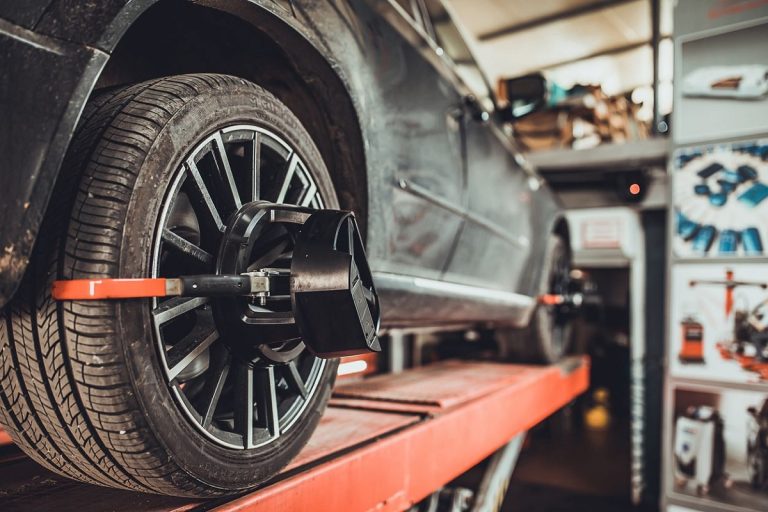
Improper wheel alignment often develops quietly after tire replacement or suspension work, yet its effects are felt every time the vehicle is driven. When wheels are not aligned to the manufacturer’s specifications, they fail to point in the correct direction or sit at the proper angle. This misalignment affects handling, steering response, and tire contact with the road, leading to discomfort and uneven performance.
Steering Wheel Off-Center and Uneven Handling
One of the clearest signs of improper wheel alignment is a steering wheel that sits off-center while driving straight. Even on a flat, straight road, the wheel may tilt slightly left or right, forcing constant correction. This creates uneven handling that makes driving feel tiring, especially during longer trips or at higher speeds.
The vehicle may feel less stable when changing lanes or navigating gentle curves. Instead of smooth transitions, steering inputs feel delayed or overly sensitive. This inconsistency reduces driver confidence and makes precise control more difficult.
Misalignment also affects how weight is distributed across the tires. When wheels are not aligned evenly, certain tires carry more load than others. This imbalance reduces traction and can cause the vehicle to feel unpredictable during braking or acceleration.
Over time, steering components experience extra strain due to constant correction. Tie rods, steering racks, and suspension joints wear faster, increasing the likelihood of future mechanical issues that go beyond simple alignment adjustments.
Vehicle Pulling to One Side While Driving
A vehicle pulling to one side is another strong indicator of improper wheel alignment. When alignment angles are off, one wheel may push harder against the road than the others. This creates a directional force that pulls the car left or right, even when the steering wheel is held straight.
Drivers often notice this pulling more clearly on straight roads. The need to constantly counter-steer becomes frustrating and distracting. This behavior also makes it harder to maintain a straight path during braking, which can feel unsafe in traffic.
Pulling caused by alignment problems is different from road camber effects. While slight drift from road design is normal, consistent pulling across different roads usually points to alignment issues. Ignoring this problem increases tire stress and reduces overall stability.
The pulling force also accelerates tire wear. One edge of the tire may wear faster, creating an uneven surface. As this wear progresses, it worsens handling and makes alignment corrections less effective if not addressed early.
Uneven and Rapid Tire Wear Patterns
Uneven tire wear is one of the most costly consequences of improper wheel alignment. When wheels are misaligned, tires do not make even contact with the road. This causes specific sections of the tire to wear faster than others, often along the inner or outer edges.
These wear patterns reduce tire lifespan significantly. New tires can become worn in a short period, forcing early replacement. This is especially noticeable on front tires, which handle both steering and weight distribution.
As uneven wear develops, road noise often increases. Tires may produce a humming or growling sound at certain speeds. This noise adds to driving discomfort and can be mistaken for wheel bearing or suspension problems.
Rapid wear also reduces traction, especially in wet or slippery conditions. Tires with uneven surfaces struggle to maintain consistent grip, affecting braking distance and cornering stability. Alignment correction becomes essential to prevent further damage and restore proper tire performance.
Impact on Suspension and Steering Components
Improper wheel alignment places continuous stress on suspension and steering components. When wheels are not positioned correctly, parts like control arms, ball joints, and bushings absorb extra force during normal driving. This stress accelerates wear and reduces component lifespan.
Steering response often feels loose or unstable as these components degrade. Small bumps or road imperfections may feel harsher, making the ride uncomfortable. Over time, vibrations may travel through the steering wheel, signaling deeper mechanical strain.
Misalignment can also cause suspension geometry to shift further out of spec. As components wear unevenly, alignment problems worsen, creating a cycle of damage that becomes more expensive to repair.
Addressing alignment early helps protect these systems. Proper alignment allows suspension parts to work as designed, maintaining smooth handling and preventing unnecessary mechanical stress that leads to premature failures.
Bent or Damaged Wheels
Bent or damaged wheels are a common but often overlooked cause of steering and ride issues, especially after hitting potholes, curbs, or rough road surfaces. Even minor wheel damage can disrupt smooth rotation and tire contact with the road. This problem affects vehicle stability, comfort, and tire performance, making it important to understand how wheel damage influences driving behavior.
How Bent Wheels Affect Steering and Vehicle Balance
A bent wheel changes the way the tire rotates, creating an uneven motion that transfers vibration into the steering system. As the wheel spins, the bent section causes slight up-and-down or side-to-side movement. This irregular rotation becomes more noticeable at higher speeds and often results in steering wheel shake.
The imbalance caused by a bent wheel cannot be corrected with standard tire balancing. Even if the tire is balanced perfectly, the wheel’s shape prevents smooth rotation. Drivers may feel persistent vibration that does not improve after multiple service visits.
Steering response also suffers when wheels are bent. The vehicle may feel less precise during turns, requiring more effort to maintain control. This reduced responsiveness makes driving feel unstable, especially on highways or uneven roads.
Over time, the constant vibration places stress on steering components. Tie rods, bearings, and suspension joints absorb the repeated movement, accelerating wear and increasing the risk of additional mechanical issues beyond the wheel itself.
Common Causes of Wheel Damage on the Road
Most wheel damage happens suddenly due to road hazards. Deep potholes are a leading cause, especially when struck at higher speeds. The sharp impact forces the wheel to deform, even if the tire appears undamaged afterward.
Curbs are another frequent cause of bent wheels. Even low-speed curb contact during parking can damage the wheel lip or rim edge. This type of damage may not be obvious but can still disrupt wheel balance.
Rough or uneven road conditions also contribute to gradual wheel damage. Repeated exposure to broken pavement, gravel roads, or construction zones weakens the wheel structure over time. This increases the chance of bending during future impacts.
Low-profile tires make wheels more vulnerable to damage. With less sidewall cushioning, impacts transfer more force directly to the wheel. As a result, vehicles with larger rims often experience wheel damage more easily than those with higher-profile tires.
Signs and Symptoms of a Bent or Damaged Wheel
One of the most noticeable signs of a bent wheel is persistent vibration that increases with speed. Unlike balance issues, this vibration often remains constant across a wide speed range. The steering wheel may shake continuously rather than at specific speeds.
You may also feel a wobbling sensation while driving, especially during straight-line travel. This wobble can make the vehicle feel unstable and harder to control. In some cases, the vehicle may pull slightly to one side due to uneven wheel rotation.
Uneven tire wear is another symptom. A bent wheel causes inconsistent tire contact with the road, leading to irregular wear patterns. Over time, this reduces tire lifespan and worsens driving comfort.
Visual inspection sometimes reveals damage, such as a bent rim edge or visible cracks. However, not all wheel damage is visible. Specialized equipment is often required to detect subtle bends that still affect performance.
Effects on Tire Performance and Suspension Components
Bent or damaged wheels have a direct impact on tire performance. Tires mounted on damaged wheels struggle to maintain consistent contact with the road. This reduces traction, especially during braking or cornering, and increases the risk of slipping on wet surfaces.
The uneven rotation also increases heat buildup in the tire. Excess heat weakens tire structure over time, raising the risk of premature tire failure. This makes damaged wheels a safety concern, not just a comfort issue.
Suspension components also suffer when wheels are bent. The constant vibration and uneven forces place stress on shocks, struts, and wheel bearings. These parts wear faster, leading to costly repairs if the issue is ignored.
As suspension parts degrade, ride quality worsens. Bumps feel harsher, steering becomes less stable, and vibration increases. Addressing wheel damage early helps preserve tire health and prevents unnecessary strain on critical suspension and steering systems.
Incorrect Tire Pressure Levels
Incorrect tire pressure levels are a frequent cause of vibration, poor handling, and uneven tire wear after tire installation or routine maintenance. When tires are either overinflated or underinflated, they fail to maintain proper contact with the road surface. This imbalance affects steering response, ride comfort, and overall vehicle stability, making tire pressure a critical factor in daily driving performance.
Effects of Overinflated Tires on Ride and Steering
Overinflated tires become too stiff to absorb normal road imperfections. When excess air pressure is present, the tire’s contact patch shrinks, causing the center of the tire to carry most of the load. This creates a harsher ride where bumps and road irregularities are felt more directly through the steering wheel.
Steering often feels overly sensitive with overinflated tires. Small inputs can cause sharp directional changes, making the vehicle feel twitchy at higher speeds. This lack of stability increases driver fatigue, especially during long highway drives.
Overinflation also accelerates uneven tire wear. The center tread wears faster than the edges, reducing overall tire life. As the tread pattern becomes uneven, vibrations can develop, adding to steering discomfort.
In wet conditions, overinflated tires struggle with traction. Reduced surface contact limits grip, increasing braking distance and reducing cornering confidence. Maintaining proper pressure helps preserve consistent handling and minimizes steering feedback issues caused by excessive tire stiffness.
Consequences of Underinflated Tires on Vehicle Stability
Underinflated tires create a completely different set of problems. When air pressure is too low, the tire sidewalls flex excessively. This increased flex causes the tire to deform as it rolls, leading to sluggish steering response and reduced vehicle control.
The larger contact patch may seem beneficial, but it actually increases rolling resistance. This makes the vehicle feel heavy and less responsive during acceleration. Steering inputs require more effort, and the car may feel unstable during turns.
Underinflation leads to rapid wear along the outer edges of the tire. As the edges wear down, the tire surface becomes uneven, contributing to vibration and road noise. This wear pattern shortens tire lifespan and reduces ride comfort.
Low tire pressure also increases heat buildup. Excess heat weakens the tire structure over time, increasing the risk of blowouts. Proper inflation supports stable handling, reduces stress on tires, and improves overall driving safety.
Tire Defects or Manufacturing Issues
Tire defects or manufacturing issues can exist even in brand-new tires and may not be immediately obvious after installation. These problems often appear as vibrations, uneven wear, or handling concerns that persist despite proper balancing and alignment. Because defects are internal in many cases, they can be difficult to detect without understanding how manufacturing flaws affect tire structure and performance.
Internal Tire Separation and Structural Flaws
Internal tire separation is one of the most serious manufacturing-related issues. It occurs when layers inside the tire, such as the belts or plies, fail to bond correctly during production. As the tire rolls, these layers move independently, creating uneven rotation and noticeable vibration.
This type of defect often causes shaking that increases with speed. Unlike balance-related vibration, the sensation feels constant and does not improve with rebalancing. Drivers may also notice a thumping or rhythmic noise that matches wheel rotation.
Structural flaws place uneven stress on the tire, accelerating wear in specific areas. Over time, the defect worsens, increasing the risk of tire failure. Steering response may feel inconsistent, especially during acceleration or braking.
Internal separation is not always visible from the outside. Specialized inspection methods are often required to confirm the issue. Identifying this defect early helps prevent further damage to suspension components and avoids unsafe driving conditions caused by compromised tire integrity.
Out-of-Round and Uneven Tire Construction
Out-of-round tires result from uneven construction during the manufacturing process. These tires do not maintain a perfectly circular shape, causing high and low spots as they rotate. This uneven motion creates vibration that is felt through the steering wheel and vehicle floor.
Drivers may notice vibration at all speeds or feel the vehicle bouncing slightly on smooth roads. Traditional balancing may not resolve this issue because the tire itself is not uniformly shaped. Even when weights are added correctly, the irregular shape continues to affect rotation.
Uneven construction also leads to inconsistent road contact. Certain sections of the tire bear more load, leading to irregular wear patterns. As these patterns worsen, vibration becomes more pronounced and ride comfort decreases.
Out-of-round issues often require advanced diagnostic equipment to detect. Road force testing simulates real driving conditions, making it easier to identify shape-related defects. Without this testing, the problem may be mistaken for suspension or alignment issues.
Quality Control Variations and Material Defects
Quality control variations during tire production can result in material defects that affect performance. Differences in rubber compound consistency, belt alignment, or curing temperatures may seem minor but can significantly impact tire behavior on the road.
Material defects often show up as inconsistent ride quality. You may feel intermittent vibration or notice changes in steering feedback at different speeds. These symptoms tend to persist even after multiple adjustments.
Defective materials can also affect tire durability. Weakened areas wear faster, reducing tread life and increasing the likelihood of premature failure. This uneven degradation affects vehicle stability and traction, especially in challenging road conditions.
While manufacturers aim for uniformity, defects can still pass inspection. Recognizing the signs of quality-related issues helps ensure timely replacement and prevents unnecessary strain on steering and suspension components caused by compromised tire construction.
Lug Nut Installation Problems
Lug nut installation problems often occur during tire changes or wheel removal and can easily be overlooked. When lug nuts are not installed correctly, the wheel may not sit evenly against the hub. This improper fit affects wheel balance, steering feel, and overall safety. Even small installation errors can lead to vibration, noise, and handling issues while driving.
Uneven Lug Nut Tightening and Wheel Seating
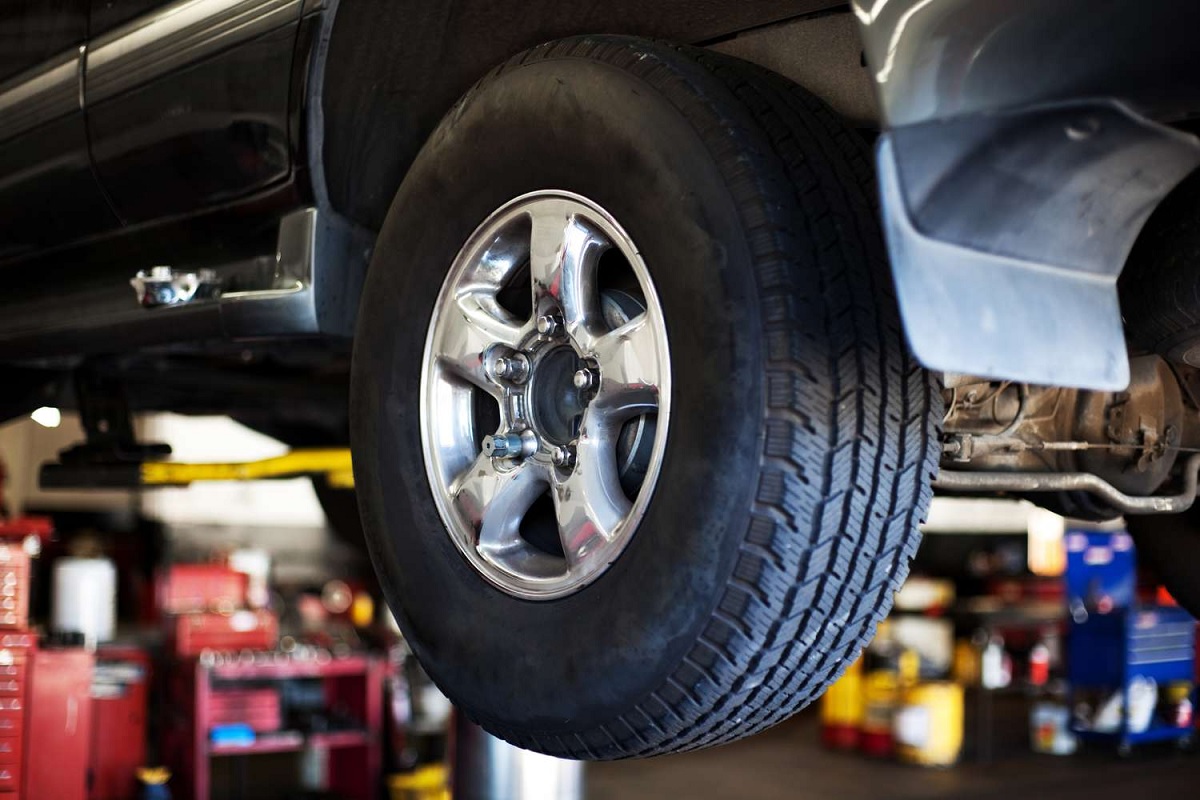
Uneven lug nut tightening is one of the most common causes of wheel-related vibration after tire service. When lug nuts are tightened inconsistently, the wheel does not seat flat against the hub surface. This creates slight gaps that cause the wheel to wobble as it rotates.
The wobble often feels like steering wheel shake that increases with speed. At lower speeds, the issue may go unnoticed, but as rotation increases, the uneven seating becomes more pronounced. This vibration can be mistaken for tire balance problems.
Improper tightening also places stress on the wheel studs. Studs may stretch or weaken over time, increasing the risk of failure. This not only affects ride quality but also creates a serious safety concern.
Correct installation requires tightening lug nuts in a star or crisscross pattern. This evenly distributes pressure and ensures the wheel sits flush. Skipping this process leads to inconsistent clamping force and long-term wheel stability issues.
Over-Tightened Lug Nuts and Stud Damage
Over-tightening lug nuts is another common installation mistake. Using excessive force or relying solely on impact tools can stretch wheel studs beyond their designed limits. This damage weakens the studs and compromises their ability to hold the wheel securely.
Over-tightened lug nuts can also distort the brake rotor or wheel mounting surface. When these surfaces warp, the wheel rotates unevenly, creating vibration that feels similar to brake or tire issues. This makes diagnosing the real cause more difficult.
Removing over-tightened lug nuts later becomes challenging. Excessive force during removal may snap studs or strip threads, leading to costly repairs. This problem often appears during roadside tire changes when proper tools are not available.
Consistent torque application is essential. Using a torque wrench ensures lug nuts are tightened to manufacturer specifications. This protects wheel studs, maintains even wheel seating, and prevents vibration caused by excessive clamping force.
Missing or Incorrect Lug Nuts
Missing or incorrect lug nuts create serious wheel stability problems. When even one lug nut is missing, the remaining nuts carry extra load. This uneven distribution causes the wheel to shift slightly during rotation, leading to vibration and noise.
Incorrect lug nuts, such as using the wrong thread size or seat type, also prevent proper wheel clamping. The lug nut may appear tight but fails to hold the wheel securely. This hidden issue can quickly worsen as driving continues.
Symptoms often include clicking sounds, steering shake, or a loose feeling while driving. These signs indicate that the wheel is not firmly attached to the hub. Continued driving in this condition increases the risk of wheel damage or detachment.
Using manufacturer-approved lug nuts is essential for proper fit and safety. Matching thread pitch, length, and seat style ensures the wheel remains centered and securely mounted, reducing vibration and protecting critical wheel components.
Suspension and Steering Component Wear
Suspension and steering component wear develops gradually and often becomes noticeable after new tires are installed or driving conditions change. Worn components struggle to control wheel movement and absorb road impacts effectively. This wear affects steering precision, ride comfort, and vehicle stability. Even minor deterioration in these parts can amplify vibration and handling problems during everyday driving.
Worn Ball Joints and Their Impact on Steering Control
Ball joints connect the suspension to the steering knuckle and allow smooth movement as the wheels turn and travel over bumps. When ball joints wear out, they develop excess play that prevents precise wheel control. This looseness often causes steering vibration, clunking noises, and a wandering sensation while driving.
As wear progresses, steering response becomes inconsistent. Small steering inputs may feel delayed, requiring constant correction to keep the vehicle straight. This lack of precision is especially noticeable at higher speeds where stability is critical.
Worn ball joints also affect wheel alignment. Excess movement changes alignment angles while driving, leading to uneven tire wear and increased vibration. New tires often make this problem more noticeable because the worn joints cannot support proper tire contact.
Continued driving with worn ball joints places added stress on other suspension parts. Control arms, bushings, and tie rods compensate for the looseness, accelerating their wear and increasing repair costs over time.
Tie Rod Wear and Steering Wheel Instability
Tie rods play a crucial role in steering by linking the steering rack to the wheels. When tie rods wear out, they allow unwanted movement in the steering system. This movement translates into steering wheel shake, looseness, and reduced directional control.
Drivers often notice a vague or sloppy steering feel. The vehicle may drift slightly and require frequent corrections. This instability becomes more pronounced on uneven roads or during highway driving where precise steering input is essential.
Worn tie rods also contribute to uneven tire wear. As the wheels shift during driving, alignment angles change, causing tires to scrub against the road surface. This wear reduces tire life and increases vibration over time.
Ignoring tie rod wear can lead to more serious problems. Severe wear increases the risk of steering failure, making early detection critical. Proper inspection and timely replacement help maintain stable steering and protect other suspension components from unnecessary stress.
Deteriorated Control Arm Bushings and Ride Quality
Control arm bushings cushion the connection between the suspension and vehicle frame. Over time, these rubber or polyurethane components degrade due to heat, age, and road exposure. When bushings wear out, they lose their ability to absorb vibration and control wheel movement.
Worn bushings cause the suspension to shift under load. This shifting leads to clunking noises during acceleration or braking and contributes to steering instability. The vehicle may feel unsettled, especially when driving over bumps or rough surfaces.
As bushings deteriorate, alignment becomes harder to maintain. The wheels may move slightly with changes in speed or direction, leading to uneven tire wear and increased vibration. New tires often highlight this issue because they provide less tolerance for movement.
Replacing worn bushings restores suspension stability and improves ride comfort. Properly functioning bushings allow the suspension to absorb impacts effectively and maintain consistent wheel alignment.
Strut and Shock Absorber Wear Effects
Struts and shock absorbers control suspension movement and help keep tires in contact with the road. When these components wear out, they lose their ability to dampen motion effectively. This results in excessive bouncing, vibration, and reduced handling control.
Worn shocks allow wheels to move excessively over bumps. This uncontrolled movement causes vibration that travels through the steering wheel and vehicle body. The ride becomes rougher, and stability suffers during cornering or braking.
As shocks and struts degrade, tire contact becomes inconsistent. This leads to uneven tire wear patterns and reduced traction. New tires may develop wear issues quickly if worn dampers are not addressed.
Suspension components work as a system. When shocks and struts wear out, they increase stress on ball joints, bushings, and tie rods. Addressing damper wear helps protect the entire suspension system and maintains smooth, predictable handling.
Frequently Asked Questions
Why Does Your Steering Wheel Shake After New Tires?
When you notice vibration after installation, the most common reason is improper tire balancing. Even brand-new tires can be slightly uneven, and if weights are not correctly placed, shaking appears at certain speeds. You may feel it more on highways than in city driving
Another reason is that new tires can highlight existing issues you did not feel before, such as worn suspension parts or bent wheels. The tires themselves are not always the real problem, but they often reveal hidden mechanical concerns
Can Improper Tire Balancing Cause Steering Wheel Vibration?
Yes, improper balancing is one of the main causes behind Why Your Steering Wheel Shakes After New Tires. When balance is off, the tire does not rotate evenly, sending vibration directly to the steering wheel. You will usually feel shaking between 50 and 70 mph
If you recently had tires installed, you should confirm that all four were dynamically balanced. Sometimes a weight can fall off after installation, or balancing is rushed. Rebalancing usually fixes the issue quickly and restores smooth steering
Do Wheel Alignment Issues Lead To Shaking After New Tires?
Wheel alignment problems can absolutely cause shaking after new tires are installed. When alignment angles like toe or camber are off, the tires do not track straight, creating vibration and steering instability. You may also notice the car pulling to one side
New tires often make alignment issues more noticeable because the tread is fresh and grips the road better. If alignment was skipped during installation, uneven tire wear and continued shaking can develop, even if the tires themselves are perfect
Can Bent Wheels Or Rims Cause Steering Wheel Shake?
Bent wheels are a common but overlooked reason behind Why Your Steering Wheel Shakes After New Tires. A wheel can bend slightly from potholes or curbs, even if it looks fine at first glance. When a new tire is mounted, that bend becomes more noticeable
You may feel vibration at all speeds or only when driving faster. Balancing alone will not solve this problem. A professional inspection or road-force balancing test can help identify bent wheels and confirm whether repair or replacement is needed
Does Incorrect Tire Pressure Affect Steering Wheel Vibration?
Incorrect tire pressure can definitely affect how your steering wheel feels after new tires. Overinflated tires become stiff and transmit road vibrations directly to the steering system. Underinflated tires flex too much, causing instability and shaking
Pressure differences between the front tires are especially problematic. Even a few PSI mismatch can create uneven rotation and vibration. Always check pressure after installation, as shops may not adjust it precisely. Proper inflation improves comfort, control, and reduces shaking
Can New Tires Be Defective From The Factory?
Although rare, defective tires do happen and can explain Why Your Steering Wheel Shakes After New Tires. Manufacturing issues like internal belt separation or out-of-round construction can cause vibration immediately after installation
You may notice shaking that does not improve after balancing or alignment. In some cases, the vibration feels rhythmic or gets worse with speed. If you suspect a defect, return to the tire shop promptly. Most manufacturers offer warranties and replacements for faulty tires
Do Loose Or Over-Tightened Lug Nuts Cause Shaking?
Improperly installed lug nuts can cause steering wheel vibration and pose serious safety risks. If lug nuts are unevenly torqued, the wheel may not sit flush against the hub, leading to wobbling and shaking
Over-tightened lug nuts can also warp brake rotors, creating vibration that feels like a tire issue. After new tires are installed, you should have lug nuts torqued to manufacturer specifications. Correct torque ensures even wheel seating and smooth, safe driving
Why Does Steering Wheel Shake Only At Highway Speeds After New Tires?
If shaking appears only at higher speeds, it is usually related to tire balance or wheel fitment. At low speeds, minor imbalances go unnoticed, but as speed increases, vibration becomes stronger and reaches the steering wheel
This is a classic sign associated with Why Your Steering Wheel Shakes After New Tires. Issues like missing hub-centric rings, uneven balancing, or slight wheel bends are often responsible. A highway-speed road test and professional balancing typically resolve this type of vibration.
Final Thoughts
A shaking steering wheel after installing new tires is more than just an annoyance. It is often a sign that something in the tire, wheel, or suspension system needs attention. Ignoring the vibration can lead to uneven tire wear, reduced handling control, and added stress on steering components over time.
Understanding Why Your Steering Wheel Shakes After New Tires helps you identify whether the issue comes from balancing errors, alignment problems, wheel damage, or worn suspension parts. Each cause affects driving comfort and safety in different ways, but all of them can worsen if left uncorrected. Early diagnosis makes the solution easier and more affordable.
Addressing the root cause restores smooth steering and protects your investment in new tires. When the underlying problem is fixed, the driving experience becomes stable, comfortable, and predictable again, reinforcing the importance of knowing Why Your Steering Wheel Shakes After New Tires before the issue turns into a bigger repair.