Car Steering Control Tips – Improve Safety, Handling & Confidence
Maintaining full control of your vehicle is essential for safe and confident driving. Steering plays a critical role in navigating turns, avoiding obstacles, and responding to sudden changes on the road. Many drivers underestimate the importance of proper steering techniques, which can lead to reduced reaction time and increased risk during challenging driving conditions.
Practicing effective steering habits enhances vehicle handling and helps prevent accidents. Understanding how to position your hands, anticipate turns, and adjust to road conditions contributes to smoother, more precise control. Proper steering also reduces fatigue during long drives and improves overall driving comfort.
By following proven car steering control tips, you can enhance both safety and performance behind the wheel. These strategies are designed for everyday driving situations, offering practical guidance that helps you respond confidently to traffic, curves, and unexpected hazards.
Proper Hand Positioning For Steering Control
Hand positioning is one of the most fundamental aspects of maintaining control over your vehicle. The way you hold the steering wheel affects your ability to respond to sudden turns, obstacles, or emergency situations. Proper hand placement improves precision, reduces fatigue, and increases safety by giving you full leverage over the vehicle in all driving conditions. Understanding the best practices for hand positioning is essential for every driver.
Optimal Hand Placement On The Steering Wheel
The recommended hand position for maximum control is the 9 and 3 o’clock position, with your hands evenly spaced on either side of the wheel. This placement allows for balanced leverage and minimizes the risk of injury if the airbag deploys.
Many drivers still use the older 10 and 2 o’clock method, but the modern 9 and 3 position provides better stability and makes steering smoother, especially during quick maneuvers. Keeping a firm but relaxed grip prevents stiffness in your arms and shoulders while ensuring your hands can move freely for precise control.
Maintaining this position also improves visibility of the instrument panel and allows for better interaction with other controls, like turn signals and wipers, without overreaching. It’s the foundation of proper steering control and should be practiced consistently.
Adjusting Grip For Different Driving Conditions
While the 9 and 3 position works for most situations, slight adjustments may be necessary depending on road conditions. For sharp turns, slippery surfaces, or emergency maneuvers, using hand-over-hand or push-pull steering techniques can help maintain control while keeping your hands safely positioned.
Hand-over-hand allows for tighter, more controlled turns by letting one hand cross over the other, while push-pull steering involves moving one hand up as the other pulls down, keeping hands in contact with the wheel at all times. Both methods rely on maintaining awareness of hand position to avoid letting go of the wheel or losing control during abrupt movements.
Adjusting your grip and technique according to driving conditions ensures that your steering remains smooth and precise, even in challenging situations. Practicing these methods builds muscle memory and improves reaction time when quick maneuvers are needed.
Maintaining A Relaxed But Firm Grip
It’s important to strike a balance between holding the wheel too tightly and too loosely. Gripping the steering wheel too hard can cause fatigue, reduce steering responsiveness, and even contribute to overcorrection during turns. Conversely, a loose grip reduces control and increases reaction time.
A firm yet relaxed grip allows your arms and shoulders to absorb minor shocks from the road while keeping the wheel steady. This posture also improves comfort during long drives, preventing strain in the wrists and forearms. Proper hand tension is just as important as correct placement, and drivers should routinely check that their grip remains balanced, responsive, and comfortable.
Incorporating Hand Positioning Into Daily Driving
Developing consistent hand positioning habits requires conscious effort during everyday driving. Start by adjusting your seating position to ensure that your elbows are slightly bent and your hands can reach the wheel comfortably.
Practice keeping your hands at 9 and 3 while making turns, merging, or parking. Over time, this position will become second nature, allowing you to react instinctively to sudden road hazards. Integrating proper hand placement into daily driving routines improves overall steering precision, reduces fatigue, and enhances safety for both short commutes and long trips.
Smooth Steering Techniques
Steering smoothly is a key skill for safe and controlled driving. Jerky or abrupt movements can reduce vehicle stability, increase tire wear, and make handling unpredictable, especially in tight turns or emergency situations. Learning and applying smooth steering techniques enhances precision, improves comfort, and ensures better control over your car in all driving conditions. Developing these habits is essential for every driver.
The Push-Pull Steering Method
One of the most effective techniques for smooth control is the push-pull steering method. This approach involves one hand pushing the wheel up while the other hand pulls down, keeping continuous contact with the wheel.
Push-pull steering allows for precise adjustments during turns without crossing your arms, which reduces the risk of oversteering or losing control. It works well for both small maneuvers in parking lots and larger turns on highways. Maintaining a relaxed grip while performing this technique ensures smooth movement, reduces fatigue, and improves overall steering responsiveness. Practicing push-pull steering in safe environments builds muscle memory, making it easier to handle sudden turns or curves with confidence.
Hand-Over-Hand Steering For Tight Turns
For sharper turns or low-speed maneuvers, hand-over-hand steering provides added control while maintaining smooth motion. In this technique, one hand crosses over the other as you turn, allowing the wheel to rotate fully without lifting your hands.
Hand-over-hand steering is especially useful when navigating tight corners, winding roads, or reversing into parking spots. The method keeps your hands in constant contact with the wheel, ensuring that adjustments can be made quickly without jerky movements. Combining proper hand placement with a calm, controlled motion prevents overcorrection and allows the vehicle to respond predictably, enhancing safety in confined spaces.
Anticipating Turns And Road Conditions
Smooth steering is not only about hand movements but also about anticipating road conditions. Scanning ahead and preparing for turns, curves, or obstacles allows you to steer gradually rather than reacting abruptly.
By reducing sudden corrections, you maintain better vehicle stability and traction. Slowing slightly before curves and adjusting the wheel gently ensures that the tires maintain consistent grip on the road. Anticipation reduces stress on suspension components and prevents oversteering or skidding, particularly on wet or slippery surfaces. Practicing foresight while driving helps integrate smooth steering into everyday habits.
Maintaining Consistent Steering Speed
Controlling the speed of your steering movements is another important factor in smooth driving. Rapid or uneven wheel rotations can make the car feel unstable, especially during high-speed driving or tight turns.
Move the wheel deliberately and evenly, avoiding sudden jerks or sharp corrections. Smooth acceleration and braking combined with steady steering create a more controlled driving experience. Consistent wheel speed allows tires to maintain optimal contact with the road, improving handling and reducing wear. Practicing this technique in different driving scenarios reinforces better control and a more relaxed driving posture.
Combining Techniques For Optimal Control
Effective smooth steering often combines push-pull, hand-over-hand, and anticipatory techniques. Using the appropriate method for the situation enhances precision, safety, and comfort.
Drivers who integrate smooth steering habits notice improved control during emergency maneuvers, tight turns, and everyday traffic conditions. Practicing these techniques regularly strengthens muscle memory, allowing steering to become instinctive and reliable. Consistency in smooth steering contributes to safer driving, reduces fatigue, and ensures that your vehicle responds predictably under all circumstances.
Managing Steering On Different Road Conditions
Driving on varying road conditions requires adjusting your steering techniques to maintain control and ensure safety. Wet roads, gravel, snow, or uneven surfaces can all affect traction and handling, making it essential to adapt your steering style. Understanding how to respond to these challenges helps you prevent accidents, reduce tire wear, and maintain smooth, precise control in all driving situations.
Steering On Wet And Slippery Roads
Wet or slippery roads reduce tire traction, increasing the risk of skidding or hydroplaning. Smooth and gradual steering is critical in these conditions to maintain control. Avoid sharp turns or sudden jerks, and steer gently in the direction you want the vehicle to move.
Reducing speed before entering curves or turns enhances traction and allows for better response to unexpected obstacles. Push-pull or hand-over-hand techniques can be used carefully, ensuring your hands remain steady on the wheel. Maintaining proper following distance gives extra time to react, while keeping your hands at the recommended 9 and 3 o’clock position maximizes leverage and control during gradual corrections.
Handling Steering On Gravel Or Loose Surfaces
Driving on gravel, dirt, or loose surfaces presents unique challenges due to uneven traction. Tires may slip more easily, making precise steering essential. Maintaining a firm but relaxed grip helps you correct minor slides without oversteering.
It’s important to reduce speed before entering turns and avoid abrupt steering movements. Gradually increasing wheel input allows the tires to maintain traction and prevents loss of control. Steering on loose surfaces also benefits from anticipating changes in terrain, such as dips, rocks, or soft patches, and adjusting your wheel inputs accordingly. Smooth and steady steering is key to maintaining stability on uneven surfaces.
Snow, Ice, And Winter Steering Techniques
Snow and ice significantly reduce traction, requiring extra caution and gentle steering. Abrupt movements can easily lead to skids or oversteer. Maintaining slow, controlled steering input helps the tires maintain contact with the road.
Using push-pull steering or minimal hand-over-hand movements allows for gradual correction during slides. Avoid excessive acceleration or braking while turning, as these actions can further reduce control. Increasing following distance, driving at reduced speeds, and keeping both hands firmly on the wheel ensure that you can react effectively to slippery conditions while maintaining directional stability.
Steering On Uneven Or Hilly Terrain
Uneven roads, hills, and inclines demand additional steering attention. Bumps, potholes, and slopes can shift the vehicle unexpectedly, requiring continuous adjustment. Maintaining a relaxed but firm grip helps absorb shocks and keeps the vehicle stable.
On inclines, steering should be smooth and deliberate, with anticipation of how the car may shift on the slope. Avoid sudden steering or sharp turns when descending hills, and use gradual inputs to maintain tire traction. Proper hand placement and consistent steering speed ensure that you can respond effectively to sudden terrain changes without losing control.
Adapting Techniques For Mixed Conditions
Real-world driving often involves a combination of conditions, such as wet roads with gravel patches or snow-covered hills. Adapting your steering techniques to match the environment is essential for safety and control.
By anticipating changes, maintaining smooth inputs, and adjusting hand positioning and grip, you can navigate challenging roads confidently. Practicing these adjustments in safe areas builds muscle memory, ensuring your vehicle remains stable and responsive under varying conditions. Consistent application of these strategies enhances driver confidence, reduces accident risk, and improves overall vehicle handling.
Steering Control During Braking And Acceleration
Effective steering control during braking and acceleration is essential for maintaining vehicle stability and safety. Sudden braking or rapid acceleration can shift the vehicle’s weight, affecting traction and handling. Proper techniques help drivers maintain control, prevent skidding, and improve response to unexpected obstacles. Understanding how to steer smoothly during these critical moments enhances overall driving confidence and safety.
Steering While Braking
Braking causes weight transfer to the front wheels, which can increase grip on the front tires but reduce rear traction. This shift affects steering response, making smooth control essential.
When braking, keep both hands firmly on the wheel at the recommended 9 and 3 o’clock position. Apply gradual and consistent pressure to the brake pedal, avoiding sudden slams that could destabilize the vehicle. Maintaining a steady steering input while decelerating helps you stay on your intended path, especially during emergency stops or on slippery roads. Proper braking combined with controlled steering ensures that the car remains balanced and reduces the risk of understeer or oversteer.
Steering During Acceleration
Acceleration shifts weight toward the rear of the vehicle, reducing front wheel traction and making steering less responsive. Maintaining proper hand positioning and a firm grip becomes even more important during these moments.
Gradually applying throttle rather than sudden bursts helps maintain balance and allows the front tires to stay planted for effective steering. Smooth steering inputs prevent overcorrection, which could lead to swerving or loss of control. On curves or uneven surfaces, accelerating gently while holding a steady wheel ensures that the car follows the intended path without compromising safety or traction.
Anticipating Vehicle Dynamics
Understanding how your vehicle reacts during braking and acceleration allows you to anticipate necessary steering adjustments. Weight transfer can vary depending on vehicle type, load, and road conditions, requiring continuous attention and small corrections.
By predicting how the car will shift, you can steer proactively rather than reactively. This anticipation reduces abrupt movements, prevents oversteering, and keeps the vehicle stable during transitions between acceleration and deceleration. Practicing awareness of vehicle dynamics builds instinctive control and improves handling under all driving conditions.
Combining Braking And Steering Techniques
Effective steering control combines proper hand positioning, smooth inputs, and awareness of weight transfer. Coordinating braking and acceleration with careful steering ensures that the vehicle remains balanced, responsive, and safe.
During high-speed stops, sudden acceleration, or emergency maneuvers, using push-pull or minimal hand-over-hand techniques allows for precise wheel adjustments. This approach keeps your hands in contact with the wheel, improves reaction time, and maintains directional stability. Mastering these techniques helps drivers confidently navigate challenging situations, reduces the risk of accidents, and enhances overall vehicle handling.
Vehicle Maintenance For Optimal Steering Response
Maintaining your vehicle properly is crucial for precise steering control and overall safety. Worn components, low fluids, and misaligned parts can reduce responsiveness, making the car harder to handle in critical situations. Regular inspections and timely maintenance ensure that steering remains smooth, predictable, and safe under all driving conditions. Understanding the key areas to monitor helps prevent unexpected steering issues.
Tire Maintenance And Alignment
Tires are the primary point of contact between your vehicle and the road, so their condition significantly impacts steering response. Maintaining proper tire pressure, tread depth, and rotation schedules ensures consistent traction and handling.
Wheel alignment is equally important, as misaligned wheels can cause uneven tire wear, pulling to one side, and reduced steering precision. Regular alignment checks help your vehicle track straight and respond accurately to steering inputs. Inspecting tires for damage, punctures, or uneven wear also prevents sudden loss of traction, which can compromise control during turns or emergency maneuvers. Proper tire care and alignment are foundational steps in maintaining optimal steering performance.
Steering Fluid And Power Steering System
Power steering relies on hydraulic or electric assistance to reduce the effort needed to turn the wheel. Low or contaminated steering fluid can create stiffness, delayed response, or strange noises while turning.
Regularly checking power steering fluid levels and topping up as needed prevents strain on the steering pump and ensures smooth wheel rotation. In hydraulic systems, replacing old fluid helps avoid leaks and maintains consistent pressure. Electric power steering systems also require inspections of wiring and sensor connections to ensure proper functionality. Keeping the power steering system in optimal condition guarantees responsive and effortless control over your vehicle.
Suspension Components And Their Impact
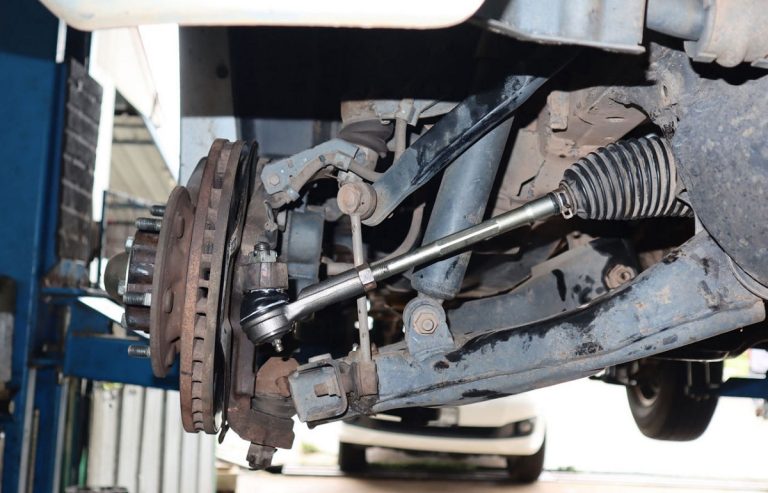
Suspension parts like tie rods, ball joints, and control arms play a major role in steering responsiveness. Worn or damaged components can introduce play in the steering wheel, uneven handling, and vibration during turns.
Routine inspection of suspension components identifies wear before it affects vehicle control. Replacing worn bushings, stabilizer links, or shocks improves stability, reduces body roll, and enhances the vehicle’s ability to respond precisely to driver inputs. Proper suspension maintenance not only ensures comfort but also directly influences the accuracy and reliability of your steering system.
Regular Inspections And Preventive Care
Consistent vehicle inspections and preventive maintenance are critical for preserving steering performance. Checking for loose bolts, worn belts, fluid leaks, or damaged hoses ensures that all systems operate correctly.
Scheduled maintenance according to manufacturer recommendations helps identify potential issues before they compromise steering. Addressing minor problems early prevents costly repairs and maintains consistent vehicle handling. By combining tire care, steering system checks, and suspension inspections, drivers can enjoy precise, responsive steering while improving safety and extending the lifespan of critical components.
Advanced Steering Tips For Confident Driving
Developing advanced steering skills goes beyond basic hand positioning and smooth movements. Confident drivers understand how to anticipate road conditions, adjust their techniques for various scenarios, and maintain precise control at all times. Mastering these strategies improves vehicle handling, enhances safety, and provides a more comfortable driving experience. Implementing advanced steering tips helps you navigate challenging conditions with greater skill and confidence.
Counter-Steering For Emergency Maneuvers
Counter-steering is an essential skill for regaining control during oversteer or sudden skids. This technique involves turning the wheel in the direction opposite to the slide to stabilize the vehicle.
Proper counter-steering requires calm and deliberate movements. Overreacting or turning too sharply can worsen the skid, while smooth adjustments allow the tires to regain traction. Practicing counter-steering in controlled environments builds muscle memory, helping you react instinctively during unexpected situations. Combined with steady throttle and brake control, this technique is vital for maintaining composure and vehicle stability during emergencies.
Steering With Vision And Anticipation
Advanced steering relies heavily on looking ahead and anticipating the road. By scanning upcoming curves, obstacles, and traffic patterns, you can adjust your steering inputs before the vehicle requires sudden corrections.
Anticipatory steering reduces abrupt wheel movements, maintains smoother handling, and improves overall reaction time. On highways or winding roads, keeping your eyes focused on your intended path allows for gradual adjustments rather than reactive oversteering. This technique enhances safety, reduces fatigue, and ensures consistent control in both everyday and challenging driving conditions.
Precision Steering During Low-Speed Maneuvers
Low-speed driving, such as parking or navigating tight streets, demands precise steering control. Small, controlled movements prevent collisions and reduce stress on tires and suspension components.
Using push-pull or minimal hand-over-hand techniques at low speeds allows for smooth wheel rotation without excessive movement. Maintaining a relaxed grip and consistent speed of steering ensures the vehicle responds predictably. Practicing precision steering in safe areas helps build confidence, making it easier to handle parallel parking, sharp turns, and narrow lanes efficiently while maintaining full control.
Adapting Steering For High-Speed Stability
High-speed driving requires a firm yet relaxed grip and subtle steering inputs. Overcorrection at high speeds can destabilize the vehicle, so smooth, incremental adjustments are crucial.
Maintaining proper hand placement and scanning the road ahead helps anticipate lane changes, curves, and obstacles. Lightly countering crosswinds or minor deviations keeps the car steady without abrupt movements. Advanced drivers combine focus, anticipation, and measured wheel inputs to maintain stability, reduce fatigue, and navigate highways or open roads with confidence.
Integrating Advanced Techniques Into Daily Driving
Incorporating advanced steering strategies into daily driving improves overall vehicle control. Practicing counter-steering, anticipatory adjustments, and precise low- and high-speed techniques enhances reaction time and confidence.
By consistently applying these skills, drivers develop instinctive control over their vehicle in various scenarios. Mastering advanced steering allows for safer navigation of urban streets, highways, and challenging conditions, ensuring a smooth, confident, and controlled driving experience every time.
FAQs
What Is The Proper Hand Position For Optimal Steering Control?
The correct hand position is crucial for maintaining car steering control tips and ensuring safe handling. Most experts recommend keeping your hands at 9 and 3 o’clock or 10 and 2 o’clock on the steering wheel. This position allows for maximum leverage and quick response in emergencies.
Avoid gripping the wheel too tightly or placing your thumbs inside the rim, as this can lead to injury if the airbag deploys. Maintaining a relaxed yet firm grip helps you steer smoothly and respond effectively to curves, turns, or sudden obstacles on the road.
How Can Smooth Steering Improve Vehicle Handling?
Smooth steering is one of the most important car steering control tips for maintaining stability and control. Avoid sudden jerks or aggressive turns, especially at high speeds, as abrupt steering can cause oversteer or understeer.
By turning the wheel gradually and anticipating road conditions, you reduce stress on tires, suspension, and your body. Smooth steering also helps maintain traction during curves and improves overall ride comfort, making it easier to manage your vehicle safely in traffic or on winding roads.
What Are The Best Steering Techniques On Slippery Roads?
Driving on wet, icy, or uneven surfaces requires special attention to car steering control tips. You should steer gently and avoid sudden inputs to prevent skidding or losing traction. Reducing speed before turns and maintaining a safe following distance is critical.
Counter-steering may be necessary if the vehicle begins to slide. Keeping both hands on the wheel ensures you can make small adjustments quickly. Proper steering techniques help maintain control and reduce the risk of accidents in slippery or challenging conditions.
How Should You Steer While Braking Or Accelerating?
Maintaining steering control while braking or accelerating is a key aspect of car steering control tips. During hard braking, keep both hands on the wheel and steer smoothly to prevent skidding. Avoid turning sharply while braking, as this can cause loss of control.
When accelerating, especially uphill or in slippery conditions, maintain a steady grip and anticipate the vehicle’s movement. Smooth, coordinated steering combined with controlled pedal inputs ensures stability, prevents overcorrection, and allows you to navigate safely in emergency situations.
What Are Common Steering Mistakes To Avoid?
Many drivers make mistakes that reduce steering effectiveness. Oversteering or understeering in turns is common and can cause loss of control. Steering too aggressively or suddenly can stress tires and suspension, increasing accident risk.
Distracted driving or driving while fatigued can also impair your steering control. Following car steering control tips, keeping both hands on the wheel, and making deliberate, smooth movements helps prevent mistakes. Awareness and proper technique are essential for safe handling in all driving conditions.
How Does Vehicle Maintenance Affect Steering Control?
Proper vehicle maintenance directly impacts steering performance and is an important car steering control tip. Low tire pressure, misaligned wheels, or worn suspension components can cause uneven handling or a pulling steering wheel.
Power steering fluid levels should be checked regularly, and worn steering components like tie rods or ball joints should be replaced promptly. Well-maintained tires, suspension, and steering systems ensure responsive handling, improve safety, and provide a smoother driving experience.
Are There Advanced Steering Techniques For Safer Driving?
Yes, advanced steering techniques are key car steering control tips for confident drivers. The hand-over-hand and push-pull methods allow you to navigate sharp turns while maintaining control. Smooth lane changes and anticipating traffic flow also improve safety.
Defensive driving techniques, such as scanning the road ahead and keeping a safe distance, complement advanced steering skills. Practicing these methods improves reaction time, reduces overcorrection, and enhances overall control, making driving safer and more comfortable in a variety of traffic conditions.
Final Words
Mastering effective steering techniques is essential for safe and confident driving. Proper hand positioning, smooth steering movements, and anticipation of road conditions all contribute to better vehicle control. By understanding how your car responds to braking, acceleration, and varying terrains, you can reduce the risk of accidents and maintain stability in challenging situations.
Regular vehicle maintenance also plays a critical role in steering performance. Ensuring tires, suspension components, and power steering systems are in optimal condition allows for precise, responsive handling. These measures complement driving skills, helping you maintain control and react appropriately during unexpected maneuvers.
By consistently practicing and integrating these car steering control tips into daily driving, you develop instinctive habits that improve reaction time and comfort. Applying these strategies enhances overall driving confidence, safety, and performance, making every journey smoother and more controlled.