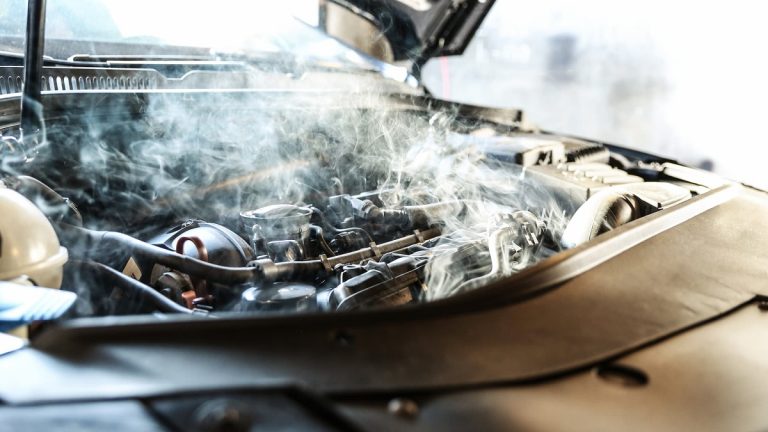
Ticking Noise in Engine When Accelerating: Top Causes and Quick Fixes
Hearing unusual sounds from your engine can be worrying, especially when the noise appears during acceleration. A ticking sound coming from the engine is often a clear sign that something is not moving or operating as smoothly as it should. Many drivers notice it first when pressing the gas pedal, as the engine is under increased load and pressure.
The ticking noise can range from a light, rapid tap to a more pronounced clatter, and it may vary depending on engine speed or load. While some minor engine sounds are normal, persistent ticking can indicate issues that need attention. Paying close attention to when and how the noise occurs is crucial for diagnosing the cause accurately.
Understanding the factors that contribute to ticking noise in engine when accelerating can help prevent further damage. Components like valves, lifters, fuel injectors, and exhaust systems all interact differently under acceleration, and wear or misalignment in any of them may produce distinct ticking patterns.
Recognizing the noise early allows drivers to take proactive steps. A careful inspection or professional check can help identify whether the issue is minor, like low oil or carbon buildup, or more serious, such as worn engine components. Timely attention ensures the engine continues running smoothly and safely.
Common Scenarios When Ticking Noise Appears
Ticking noise in an engine when accelerating doesn’t occur randomly; it often appears in specific driving scenarios. Identifying these moments helps narrow down potential causes and allows drivers to address the issue before it worsens. Observing patterns in speed, load, and engine condition can reveal whether the noise is harmless or a sign of a developing problem.
During Cold Engine Start-Up
Many drivers notice ticking noises when starting the engine cold. This occurs because engine oil has not yet circulated fully, leaving moving parts with temporary insufficient lubrication. Valves, lifters, and other internal components may create faint ticking sounds during this brief period until oil reaches all areas.
The noise is often more pronounced in older engines or vehicles with thicker or degraded oil. Metal-to-metal contact between valve components or timing mechanisms can produce a rapid, rhythmic tick. While some noise may disappear as the engine warms up, consistent or unusually loud ticking signals potential wear or low oil pressure.
Cold start ticking can also be affected by ambient temperature. Extremely cold weather increases oil viscosity, slowing circulation and temporarily amplifying friction within the engine. Observing whether the ticking reduces after a few minutes of driving helps differentiate normal lubrication-related noise from more serious mechanical issues.
Drivers should monitor oil levels and condition regularly, as low or dirty oil can worsen cold start ticking. While some ticking is expected during warm-up, persistent or sharp noises require closer inspection to prevent long-term engine damage.
When Accelerating Hard or Under Load
Ticking noise often becomes more noticeable during hard acceleration or when the engine is under load. This scenario increases pressure on components like valves, lifters, and injectors, causing friction or mechanical play to manifest audibly.
Fuel injectors can create a rapid clicking sound as they open and close to deliver fuel under higher RPMs. Similarly, lifters and rocker arms may produce ticking due to increased movement within the valvetrain. Exhaust manifolds may also expand with heat and pressure, producing a ticking or tapping noise during aggressive acceleration.
Drivers may notice that the ticking rhythm changes with RPMs or acceleration intensity. This variability helps indicate whether the noise is fuel-system-related, valvetrain-related, or linked to thermal expansion in the exhaust or other components.
Paying attention to how the sound correlates with engine load and speed helps isolate potential causes. Monitoring oil pressure, injector function, and valvetrain condition can provide further insight and prevent long-term damage.
During High RPM or Extended Driving
High RPM operation or long drives can also trigger ticking noise in an engine when accelerating. Prolonged stress on moving parts causes thermal expansion and shifts in clearances between components, producing audible ticks.
Valves, lifters, and timing chain components experience greater friction and movement at high RPMs, making even minor wear noticeable. Oil circulation and pressure play a critical role in maintaining smooth operation, and inadequate lubrication can amplify ticking sounds during extended driving.
Exhaust components may also contribute. Expansion and contraction of manifolds, gaskets, and heat shields under sustained high temperatures can create rhythmic ticking. The noise may vary in pitch or intensity depending on engine speed and load.
Monitoring engine temperature, RPM, and noise patterns during longer drives helps identify whether ticking is a lubrication issue, component wear, or normal thermal expansion. Consistent observations can guide maintenance priorities and prevent further complications.
When Oil Levels Are Low or Viscosity Is Wrong
Low oil levels or incorrect oil viscosity frequently trigger ticking noises. Insufficient lubrication causes increased friction between valvetrain components, camshaft, and lifters, producing rapid ticking sounds, especially under acceleration.
Engines relying on thinner oil than recommended may experience greater gaps between components, creating additional metal-to-metal contact. Similarly, degraded oil with dirt or contaminants reduces protective properties, allowing ticking to develop even at normal operating conditions.
Drivers often notice that topping up oil or switching to manufacturer-recommended viscosity reduces ticking temporarily. Persistent noise despite proper oil maintenance indicates mechanical wear, such as lifter or camshaft damage, requiring professional inspection.
Monitoring oil levels, condition, and using correct viscosity is an easy preventive step. This simple habit can reduce the occurrence of ticking noises and extend engine life, while irregular maintenance may accelerate component wear and make the noise worse.
During Cold Weather or Temperature Changes
Ticking noise often appears during cold weather or rapid temperature changes. Metal components contract in cold conditions, increasing clearances and friction, which can produce ticking sounds during acceleration.
This scenario is especially noticeable in engines with older lifters, rocker arms, or timing components. As the engine warms up, metal expands and clearances normalize, reducing the ticking noise. However, persistent noise during and after warm-up may indicate worn components or inadequate lubrication.
Temperature-related ticking can also affect exhaust systems and heat shields, which expand or contract during driving. The rhythmic ticking may appear intermittently and change pitch as the engine temperature rises.
Recognizing the role of temperature helps distinguish normal thermal-related noises from mechanical issues. Observing patterns during warm-up and different weather conditions can guide maintenance decisions and prevent overlooking early signs of wear.
Engine Oil and Lubrication Issues
Proper engine oil and lubrication are critical for smooth engine operation. When oil levels drop or lubrication becomes inadequate, metal components inside the engine may rub against each other, producing a ticking noise. Understanding how oil condition, viscosity, and flow affect engine performance helps pinpoint why ticking noise in engine when accelerating occurs and how to prevent further damage.
Low Engine Oil Levels
Low engine oil is one of the most common causes of ticking noise. Oil lubricates moving parts like camshafts, lifters, and rocker arms, preventing direct metal-to-metal contact. When oil levels are insufficient, these components experience increased friction, producing a rapid ticking sound, especially under acceleration when the engine is under load.
Drivers may notice the noise more clearly during sharp accelerations or while climbing hills. In addition to sound, low oil can cause the engine to feel rough or respond unevenly. Continuous operation with low oil increases wear on critical components and can lead to permanent damage.
Regularly checking the oil level using the dipstick is an easy preventive step. Topping up oil promptly ensures proper lubrication, reduces friction, and minimizes the likelihood of ticking noises. Maintaining consistent oil levels also helps preserve overall engine health and efficiency.
Incorrect Oil Viscosity
Using oil with the wrong viscosity can also contribute to ticking noise. Thinner-than-recommended oil may fail to maintain a protective film between moving parts, allowing increased contact and friction. Conversely, overly thick oil can reduce flow, preventing it from reaching small or high-pressure areas in the valvetrain.
Incorrect viscosity often produces a ticking sound that appears during acceleration or when the engine is cold. Lifters and camshaft components are particularly sensitive to viscosity issues, as they require consistent lubrication to operate quietly. Over time, repeated friction can lead to wear, requiring repairs or replacement.
Following manufacturer recommendations for oil viscosity ensures that engine components receive adequate lubrication at all temperatures. Using high-quality, properly rated oil minimizes friction, prevents ticking noises, and promotes smoother engine performance under all driving conditions.
Oil Degradation and Contamination
Engine oil naturally degrades over time due to heat, oxidation, and contamination. Dirt, metal particles, and carbon buildup reduce its lubricating properties, increasing friction and producing ticking sounds. Contaminated oil is especially harmful to lifters, camshafts, and valve train components, which rely on clean oil to move freely.
Drivers may notice that the ticking noise worsens at higher RPMs or during acceleration. Dirty oil cannot flow effectively to all components, leaving some parts under-lubricated while others remain protected. This uneven lubrication can create rhythmic ticking that varies with engine speed and load.
Regular oil changes according to the manufacturer’s schedule are essential to prevent contamination and maintain proper lubrication. Using high-quality filters and clean oil keeps moving parts protected, reduces friction, and minimizes the risk of ticking noises and premature engine wear.
Oil Pump and Circulation Issues
The oil pump plays a key role in delivering pressurized oil to all moving engine parts. A weak or failing pump may not circulate enough oil, causing insufficient lubrication in the valvetrain and other critical areas. This often results in ticking noise during acceleration, when engine components are under maximum load.
In addition to noise, poor oil circulation may lead to inconsistent hydraulic lifter operation or rough valve movement. Drivers may notice that the sound increases with RPM or disappears temporarily after the engine warms up, signaling localized lubrication issues.
Maintaining the oil pump and ensuring proper circulation is essential for engine longevity. Regular oil checks, timely changes, and monitoring for unusual sounds help prevent lubrication-related ticking and ensure smooth, reliable engine operation under all driving conditions.
Valve Train and Internal Engine Components
The valve train and other internal engine components play a critical role in controlling airflow, fuel delivery, and combustion. These parts move rapidly and precisely, relying on proper lubrication and correct clearances. Wear, misalignment, or damage in these components is a common reason for ticking noise in engine when accelerating, as metal parts may make direct contact or operate unevenly under load.
Worn Hydraulic Lifters
Hydraulic lifters help maintain proper valve clearance and smooth operation of the valvetrain. When lifters wear or fail, they may not maintain consistent contact with the camshaft and pushrods, resulting in a distinct ticking or tapping sound during acceleration.
The noise often increases with engine speed and may be more noticeable when the engine is cold. Over time, worn lifters can affect valve timing and performance, causing rough idling, reduced power, or increased engine stress.
Hydraulic lifters rely heavily on clean, pressurized oil to function correctly. Insufficient oil, contamination, or incorrect viscosity can exacerbate wear, intensifying the ticking noise. Regular oil maintenance and inspection of lifter condition can help prevent premature failure.
Replacing worn lifters is usually necessary to restore quiet operation. Early attention prevents additional wear to camshaft lobes and pushrods, maintaining engine efficiency and performance while eliminating persistent ticking noises.
Loose or Worn Rocker Arms
Rocker arms transfer camshaft motion to the valves. Over time, they can wear at contact points, loosen on the rocker shaft, or become misaligned, creating a rapid ticking sound during acceleration. This noise may appear rhythmic and often corresponds to engine RPM.
Loose rocker arms may also produce uneven valve operation, affecting engine performance and fuel efficiency. You may notice rough idling, reduced power, or inconsistent throttle response alongside the ticking. Friction between worn metal surfaces contributes to the noise, especially under load when the engine requires precise valve timing.
Inspection of rocker arms and associated hardware can reveal excessive wear or misalignment. Tightening, adjusting, or replacing worn rocker arms restores proper contact and eliminates the rhythmic ticking sound while protecting other valvetrain components.
Maintaining proper lubrication is also essential, as oil reduces friction at rocker arm contact points. Neglecting this can accelerate wear, causing further ticking and potential long-term damage to the valve train.
Camshaft and Timing Components
The camshaft controls valve opening and closing. Worn camshaft lobes, timing chain tensioners, or related components can produce ticking noises, especially during acceleration when valves move quickly. Misaligned or stretched timing chains may also create rhythmic tapping sounds from internal components.
Ticking from camshaft or timing issues often varies with RPM. Higher engine speeds make worn lobes or loose chains more audible, while low-speed operation may produce softer or intermittent noise. This is a common source of engine ticking that requires careful inspection.
Regular maintenance, including oil changes and timing component checks, helps preserve camshaft function. Addressing wear early prevents valve train damage and restores smooth, quiet engine performance. Replacing worn or damaged components eliminates ticking while maintaining proper valve timing and overall engine efficiency.
Piston Slap and Rod Knock
Internal components like pistons and connecting rods can also create ticking or tapping noises. Piston slap occurs when pistons move slightly within worn cylinder walls, producing rhythmic noise, particularly during cold starts or acceleration. Rod knock arises from worn bearings at the crankshaft, generating deeper knocking sounds.
These noises are often more pronounced at higher RPMs and under load. They may indicate significant wear, requiring prompt attention to prevent catastrophic engine damage. Consistent observation of noise patterns and engine performance helps distinguish valvetrain ticking from piston or rod issues.
Regular oil maintenance, proper warm-up, and timely component replacement help minimize wear on pistons and rods. Identifying and addressing these issues early protects internal engine components and maintains smooth, quiet operation while reducing the risk of severe engine damage.
Fuel System and Combustion Causes
The fuel system and combustion process play a crucial role in engine performance. Any irregularity in fuel delivery, ignition, or combustion can produce unusual noises, including ticking noise in engine when accelerating. These sounds often originate from fuel injectors, spark plugs, or minor combustion irregularities and can be mistaken for mechanical issues if not carefully analyzed. Understanding these causes helps identify whether the noise is normal or requires attention.
Noisy Fuel Injectors
Fuel injectors spray precise amounts of fuel into the engine cylinders. During acceleration, they open and close rapidly, and the resulting mechanical movement can create a faint ticking sound. This noise is often more noticeable in quiet environments or when the engine is under load.
If the injectors are dirty or partially clogged, the sound may become louder or irregular. Deposits can cause uneven fuel spray, affecting combustion timing and creating subtle ticking noises that correspond to engine RPM. Drivers may also notice slight misfires or hesitation in throttle response alongside the noise.
Regular fuel system maintenance, including using high-quality fuel and periodic injector cleaning, helps keep injectors functioning smoothly. Noisy injectors do not usually indicate severe damage, but cleaning or replacing them improves performance, reduces engine noise, and ensures consistent fuel delivery.
Paying attention to injector sound patterns during acceleration allows you to differentiate normal operational clicks from potential mechanical issues, preventing unnecessary repairs.
Spark Plug and Ignition Timing Issues
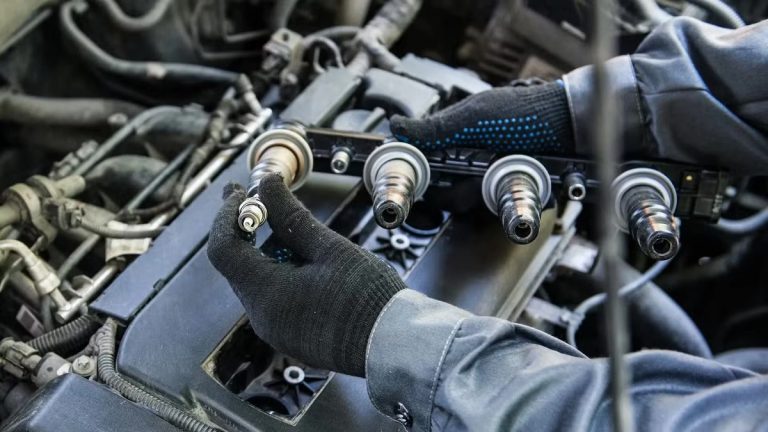
Spark plugs ignite the air-fuel mixture inside cylinders, and their operation can contribute to ticking noises. A worn, loose, or improperly gapped spark plug may produce a rapid ticking sound during acceleration, as the ignition process becomes less precise.
Timing issues in the ignition system can also affect the combustion sequence. If sparks occur slightly off-schedule, uneven combustion may create rhythmic tapping or ticking sounds. These noises are often more noticeable under heavy load or at higher RPMs when the engine requires precise timing for efficient power delivery.
Inspecting spark plugs and ignition components regularly prevents excessive wear or improper firing. Replacing worn or damaged plugs ensures accurate ignition, smoother acceleration, and reduced ticking noises caused by irregular combustion.
Correct maintenance of ignition timing also reduces engine stress and improves fuel efficiency, keeping acceleration smooth and quiet.
Pre-Ignition or Carbon Buildup
Carbon buildup inside combustion chambers or on valves can lead to pre-ignition or uneven fuel burn, producing ticking noises during acceleration. Deposits alter airflow and fuel distribution, causing parts of the mixture to ignite slightly early or unevenly.
This irregular combustion produces rapid, sharp sounds that often mimic mechanical ticking. Drivers may notice reduced engine performance, rough acceleration, or occasional knocking-like noises along with the ticking. Persistent buildup can gradually worsen, increasing friction and stress on internal components.
Using high-quality fuel, performing occasional fuel system cleaning, and following recommended maintenance schedules helps minimize carbon buildup. Addressing pre-ignition or minor combustion irregularities early restores smooth acceleration and reduces ticking noise from fuel and combustion sources.
Monitoring noise patterns relative to RPM and load helps distinguish normal injector clicks from combustion-related ticking, guiding timely maintenance and ensuring consistent engine performance.
Exhaust and External Engine Parts
Not all ticking noises originate from inside the engine. External components like the exhaust system, heat shields, and other engine peripherals can also produce audible ticks, especially during acceleration. These sounds often mimic internal engine issues but are generally less severe. Understanding how external parts contribute to ticking noise in engine when accelerating helps identify the source accurately and avoid unnecessary repairs.
Loose or Damaged Heat Shields
Heat shields protect sensitive components from high exhaust temperatures. Over time, bolts securing the shields can loosen or the metal can warp, causing the shield to vibrate or rub against nearby parts. This often produces a rapid ticking or rattling noise during acceleration.
The sound may change with engine speed, RPM, or load, becoming more noticeable when the exhaust system heats up and metal expands. Drivers might notice the ticking is intermittent, fading when driving at a steady speed or when the engine is cool.
Inspecting heat shields for loose bolts, rust, or visible contact with other parts can pinpoint the source. Tightening or replacing damaged shields often eliminates the noise quickly. Preventive checks during routine maintenance help ensure that heat shields remain secure and do not interfere with other engine or exhaust components.
Proper maintenance of heat shields also prevents long-term wear on surrounding parts caused by repeated vibrations or contact. Addressing minor issues early reduces distracting noise and protects engine peripherals from damage.
Exhaust Manifold and Gasket Issues
The exhaust manifold and its gaskets can also generate ticking noises, particularly under acceleration. Small leaks between the manifold and cylinder head allow exhaust gases to escape, producing a ticking or tapping sound that often intensifies with engine load.
The noise is usually most noticeable during cold starts or when the engine is accelerating from low RPM. Leaks may also affect performance, causing a slight drop in power or reduced fuel efficiency. Rust or thermal stress can worsen gasket leaks, making the ticking more pronounced over time.
Inspecting the manifold for visible cracks, loose bolts, or worn gaskets helps identify the source. Replacing damaged gaskets and securing bolts restores a tight seal, eliminating escaping gas and the resulting ticking noise.
Maintaining manifold integrity also prevents heat damage to surrounding components, protects sensors, and ensures consistent engine performance while eliminating the external ticking sound.
Peripheral Engine Components
Other external engine parts, including brackets, pulleys, belts, and accessory mounts, can contribute to ticking noises. Vibrations from loose or worn components may become audible during acceleration when the engine is under load and producing more vibration.
Belts or pulleys that are misaligned or worn can create rhythmic tapping or light ticking sounds. Engine mounts that allow excessive movement may also cause external components to contact each other or the engine bay, producing noticeable ticks.
Regular inspection of belts, pulleys, and mounts during maintenance helps detect wear early. Tightening, adjusting, or replacing these components reduces vibrations and prevents external noise from being mistaken for internal engine problems.
Addressing peripheral engine components ensures a quieter engine bay, preserves component longevity, and helps drivers focus on true internal engine issues without distraction from minor external ticking sounds.
How to Diagnose the Ticking Noise
Diagnosing ticking noise in an engine when accelerating requires careful observation and systematic testing. The sound can originate from multiple sources, including internal components, fuel systems, or external parts. Paying attention to patterns, conditions, and engine behavior helps narrow down the cause. A structured approach allows you to identify whether the noise is harmless or requires immediate attention, preventing potential damage and costly repairs.
Listen for Patterns During Acceleration
The first step in diagnosing ticking noise is to listen closely while accelerating. Note when the sound appears—whether it occurs at low RPM, high RPM, or under heavy engine load. This helps determine if the source is internal, such as lifters or valves, or external, like the exhaust or heat shields.
Changes in pitch, frequency, or rhythm provide additional clues. A fast, high-pitched tick often points to fuel injectors or lifters, while slower, louder ticking could indicate exhaust manifold leaks or peripheral engine components. Observing the relationship between engine speed and noise intensity helps isolate the problem.
Drivers should also note whether the noise is continuous or intermittent. Intermittent ticking that disappears at certain speeds may indicate thermal expansion issues or minor fuel system irregularities. Paying attention to these patterns saves time during inspection.
Check Engine Oil and Lubrication
Lubrication plays a critical role in quiet engine operation. Inspecting oil levels and condition is essential when diagnosing ticking noises. Low, dirty, or incorrect viscosity oil can cause lifters, rocker arms, and camshaft components to produce ticking sounds, particularly during acceleration.
Observe whether the noise changes after topping up or replacing engine oil. Temporary reduction or disappearance of the sound often points to lubrication-related causes. On the other hand, persistent ticking despite proper oil levels indicates mechanical wear or component issues.
Checking for oil leaks or pressure irregularities is also important. Ensuring proper oil circulation helps distinguish between noise caused by insufficient lubrication and noise stemming from worn internal parts.
Inspect External Components
External engine components such as exhaust manifolds, heat shields, belts, and mounts can also create ticking sounds. During diagnosis, visually inspect these parts for looseness, warping, or contact with other components.
Tapping the exhaust lightly when the engine is off or gently shaking peripheral components can help identify rattles or vibration sources. The location and nature of the noise often reveal whether it is internal or external. Drivers may also notice that the sound varies with engine temperature, which is a common indicator of thermal expansion-related ticking.
Professional Diagnostic Tools
Sometimes, pinpointing the exact source of ticking requires professional tools. Mechanics may use a mechanic’s stethoscope, chassis ear, or diagnostic scan tools to listen for noise in specific areas while the engine is running.
Using these tools helps isolate ticking from components such as fuel injectors, lifters, or exhaust gaskets. Combined with visual inspection and oil checks, professional diagnostics provide accurate identification of the cause and help determine whether simple maintenance or part replacement is necessary.
Quick Fixes and Maintenance Tips
Addressing ticking noise in an engine when accelerating often starts with simple fixes and regular maintenance. Many causes are minor, such as low oil, dirty injectors, or loose components, and can be resolved without major repairs. Following a proactive approach helps reduce noise, improve engine performance, and prevent potential damage from worsening issues over time.
Check and Top Up Engine Oil
The simplest fix for many ticking noises is ensuring proper engine lubrication. Low oil levels or dirty oil can cause lifters, rocker arms, and camshaft components to rub, creating ticking sounds during acceleration. Start by checking the oil level using the dipstick and topping it up to the recommended mark if needed.
Using the correct oil viscosity recommended by the manufacturer is crucial. Thicker or thinner oil than specified can worsen friction and make ticking louder. Regular oil changes and high-quality filters keep internal components lubricated and reduce wear.
After topping up or changing oil, monitor the engine during acceleration to see if the ticking diminishes. Often, this simple maintenance step significantly reduces or even eliminates the noise, especially if it was related to lubrication issues.
Clean or Replace Fuel Injectors
Fuel injectors can create clicking or ticking sounds during normal operation, but dirty or partially clogged injectors may amplify the noise. Cleaning the injectors using fuel system cleaner or professional ultrasonic cleaning restores smooth fuel delivery and reduces ticking during acceleration.
Persistent injector noise may indicate wear or internal issues, in which case replacement is recommended. Keeping injectors clean not only minimizes ticking sounds but also improves fuel efficiency and throttle response.
Regular use of quality fuel and periodic fuel system maintenance helps prevent carbon buildup on injectors, reducing the likelihood of ticking and ensuring consistent combustion. Observing injector performance while driving helps determine whether maintenance or replacement is necessary.
Tighten Loose Components
Many external engine parts, such as heat shields, brackets, belts, and mounts, can produce ticking or rattling noises if loose. Inspecting these components for loose bolts, screws, or worn attachments often provides a quick fix.
Tightening or replacing worn fasteners eliminates vibrations and prevents contact between metal parts, which can mimic internal engine ticking. This is particularly effective for noises that vary with RPM or engine load.
Regularly checking peripheral engine components during maintenance helps maintain stability and reduces the risk of additional noise from engine vibration. Simple adjustments or tightening tasks are often enough to eliminate external ticking.
Maintain Spark Plugs and Ignition Components
Worn, loose, or improperly gapped spark plugs can produce ticking noises during acceleration due to inconsistent combustion. Inspecting spark plugs and ignition wires regularly, and replacing them when necessary, helps maintain smooth and quiet engine operation.
Proper ignition timing is equally important. Misfiring or delayed sparks can cause uneven combustion, leading to rhythmic ticking that intensifies under load. Routine checks and timely replacements ensure accurate firing and reduce engine noise.
Maintaining spark plugs, wires, and ignition components not only minimizes ticking but also improves engine efficiency, throttle response, and fuel economy, making this a critical part of regular maintenance for quiet acceleration.
People Also Asked
What Causes Ticking Noise In Engine When Accelerating?
You may hear a ticking noise in your engine for several reasons. Common causes include worn lifters, rocker arms, or camshaft components, which produce friction under load. Fuel injectors can also create rhythmic ticking as they open and close rapidly.
External components like heat shields, exhaust manifolds, or loose brackets may produce similar sounds that mimic internal engine issues. Additionally, improper oil levels or viscosity can increase friction between moving parts, amplifying ticking. Identifying the source requires listening for patterns, checking lubrication, and inspecting both internal and external engine components.
Is It Normal To Hear Ticking Noise From Fuel Injectors?
Yes, fuel injectors naturally make a faint clicking or ticking sound as they open and close to deliver fuel. This is often more noticeable during acceleration when the engine demands more fuel.
However, if the ticking becomes louder or irregular, it may indicate clogged or worn injectors. Dirty injectors can disrupt fuel flow, causing uneven combustion and enhanced noise. Regular fuel system maintenance, such as injector cleaning and using high-quality fuel, helps maintain smooth operation and minimizes ticking while improving engine performance.
Can Low Engine Oil Cause Ticking Noise?
Absolutely. Engine oil lubricates moving parts like lifters, rocker arms, and camshafts. When oil levels are low, these components experience increased friction, producing a ticking noise, especially during acceleration.
Low or degraded oil may also cause hydraulic lifters to function poorly, amplifying the sound. Topping up oil to the recommended level or performing a complete oil change often reduces or eliminates ticking. Regularly checking oil level and condition ensures proper lubrication, prolongs engine life, and keeps acceleration smooth and quiet.
How Can Spark Plugs Cause Ticking Noise?
Worn, loose, or improperly gapped spark plugs can create ticking noises during acceleration. Irregular sparks lead to uneven combustion, producing rhythmic tapping sounds that often mimic mechanical engine issues.
Timing problems in the ignition system can also amplify the noise. Replacing worn spark plugs, ensuring proper gaps, and maintaining ignition wires and coils helps restore smooth firing. Correct spark plug maintenance improves engine efficiency, reduces fuel consumption, and eliminates ticking caused by irregular combustion.
Could Exhaust Components Be Responsible For Ticking Noise?
Yes, exhaust components such as heat shields, manifolds, or gaskets can produce ticking noises. Loose or warped heat shields may vibrate against other parts when the engine accelerates. Exhaust manifold leaks allow gases to escape, creating a rhythmic ticking sound.
These noises are often more pronounced at higher RPMs or under load. Inspecting and securing heat shields, tightening manifold bolts, or replacing worn gaskets eliminates external ticking. Proper maintenance ensures that these peripheral components do not interfere with engine performance or mimic internal ticking problems.
Is Ticking Noise A Sign Of Serious Engine Damage?
Not always, but persistent ticking should not be ignored. Some ticking noises, like those from fuel injectors or normal valvetrain operation, are harmless. However, continuous or loud ticking may indicate worn lifters, camshaft issues, or piston slap, which can lead to more serious damage over time.
Monitoring the noise pattern, checking oil levels, and inspecting engine components helps determine whether it’s minor or serious. Early attention prevents expensive repairs, protects internal parts, and ensures smooth, safe acceleration.
When Should You Seek Professional Help For Engine Ticking?
You should consult a professional if the ticking persists despite proper oil maintenance, spark plug checks, and visual inspections. Unexplained or worsening noise may indicate internal engine wear, such as camshaft damage, lifter failure, or piston issues.
A mechanic can use diagnostic tools like a stethoscope or scan equipment to pinpoint the source. Prompt professional inspection ensures correct repairs, prevents further engine damage, and restores smooth, quiet operation during acceleration, safeguarding both performance and safety.
Can Regular Maintenance Prevent Ticking Noise?
Yes, regular maintenance significantly reduces the likelihood of ticking noises. Consistently checking and changing engine oil, inspecting spark plugs, cleaning fuel injectors, and tightening external components prevents friction-related and combustion-related ticking.
Maintaining proper ignition timing, performing routine fuel system care, and monitoring exhaust components also help prevent external noises that mimic engine ticking. Proactive maintenance extends engine life, improves performance, and ensures smooth, quiet acceleration by addressing minor issues before they develop into noticeable ticking sounds.
Final Words
Hearing a persistent ticking sound while pressing the accelerator can signal various issues, ranging from minor maintenance needs to serious engine problems. Ignoring such noises can lead to further damage, decreased performance, and costly repairs. Being attentive to changes in your engine’s sound and addressing them promptly ensures both safety and longevity of your vehicle.
To resolve a [ticking noise in engine when accelerating], start with simple checks like verifying oil levels, inspecting for leaks, and ensuring proper oil viscosity. Often, worn lifters, loose valve components, or carbon buildup can be the culprits. Performing routine maintenance and addressing minor issues early can prevent more severe engine damage.
For more persistent or complex ticking noises, seeking professional diagnosis is crucial. Mechanics can identify underlying problems such as faulty injectors, timing chain issues, or piston wear. By taking the right steps, a [ticking noise in engine when accelerating] can be effectively managed, restoring smooth performance and reliable operation.