Do You Leave the Car Running When Adding Transmission Fluid – Step-by-Step Guide
Adding or checking transmission fluid is a crucial part of vehicle maintenance, and doing it correctly ensures the longevity and smooth operation of your car’s transmission system. Understanding the proper procedure helps prevent damage and keeps the transmission performing efficiently under all driving conditions.
A common question among car owners is whether the engine should be running while adding transmission fluid. The answer depends on ensuring the fluid reaches the correct temperature and circulates properly throughout the system. Transmission fluid expands as the engine warms, and checking levels under the right conditions guarantees accurate measurement.
Knowing the correct procedure also minimizes the risk of overfilling, which can cause leaks or other mechanical issues. Paying attention to manufacturer guidelines and using the right type of fluid is essential for maintaining optimal performance.
Proper handling and awareness during this maintenance task protect both the transmission and the vehicle’s overall performance, making the process safer and more effective.
Signs Your Vehicle Needs Transmission Fluid Top-Up
Transmission fluid is vital for the smooth operation and longevity of your vehicle’s transmission system. Low or degraded fluid can lead to slipping gears, overheating, and expensive repairs. Recognizing the signs that your vehicle needs a transmission fluid top-up allows you to maintain proper performance, prevent costly damage, and ensure safe driving. Being attentive to these indicators helps you address issues early and keeps the transmission system running efficiently.
Difficulty Shifting Gears
One of the most noticeable signs that your transmission fluid is low or needs replacement is difficulty shifting gears. You may experience delays, jerks, or a “hard shift” when moving from one gear to another. These symptoms occur because transmission fluid lubricates the internal components, allowing them to move smoothly.
Without sufficient fluid, friction increases, leading to resistance in the gear mechanism. This not only affects drivability but also accelerates wear on the transmission. A top-up restores proper lubrication, reduces heat buildup, and ensures that gear shifts remain smooth. Addressing shifting issues promptly can prevent further mechanical damage and costly repairs.
Unusual Noises from the Transmission
Low or dirty transmission fluid often causes unusual noises, such as whining, humming, or clunking. These sounds usually occur during acceleration, deceleration, or when shifting gears, signaling that the transmission components are not adequately lubricated.
Fluid plays a crucial role in reducing friction between moving parts, and insufficient levels increase wear and noise. Ignoring these auditory cues can result in severe internal damage. Monitoring the transmission for these unusual noises and topping up or replacing the fluid as needed helps maintain quiet operation and protects the transmission from further deterioration.
Transmission Overheating
Transmission fluid not only lubricates but also helps dissipate heat generated by the moving components. Low fluid levels reduce this cooling effect, causing the transmission to overheat. Overheating may manifest as a burning smell, high-temperature warning lights, or the transmission feeling unusually hot to the touch.
Continuing to drive with insufficient fluid can cause serious damage, including warped gears, burnt seals, and fluid breakdown. Topping up or replacing the fluid restores proper cooling, reduces internal friction, and helps maintain consistent operating temperatures. Preventing overheating protects both the transmission and the engine from long-term damage.
Fluid Leaks and Visual Checks
Visible fluid leaks are a clear indicator that the transmission may need attention. Transmission fluid is typically red or pink when healthy, and spotting puddles or stains beneath the vehicle should prompt immediate inspection. Low fluid due to leaks can lead to all of the problems mentioned above.
Regularly checking the fluid level using the dipstick or following the manufacturer’s guidelines helps identify leaks early. Topping up the fluid maintains optimal lubrication and prevents internal damage while allowing time to locate and repair the source of the leak. Visual inspection is a simple but essential step in transmission maintenance.
Slipping or Delayed Response
Another sign of low or degraded transmission fluid is gear slipping or delayed response when accelerating. This occurs because the fluid is responsible for transmitting hydraulic pressure that engages gears. When levels drop, the pressure weakens, causing delays or unexpected gear disengagement.
Experiencing slipping or delayed responses can be dangerous while driving, especially during lane changes or merging. Topping up the fluid restores hydraulic pressure, ensuring timely gear engagement and smooth acceleration. Regular monitoring and maintenance help prevent sudden transmission failure and improve overall vehicle safety.
Safety Precautions Before Adding Transmission Fluid
Before adding transmission fluid, taking the right safety precautions protects both you and your vehicle. Transmission systems operate under heat and pressure, and a small mistake can lead to burns, inaccurate fluid levels, or mechanical damage. Preparing properly ensures the process is safe, controlled, and effective, while also helping you avoid common errors that can shorten transmission life.
Park On a Level Surface and Secure the Vehicle
One of the most important safety steps is parking the vehicle on a level surface. An uneven surface can cause inaccurate fluid readings, leading to overfilling or underfilling the transmission. Both conditions can create serious drivability issues and long-term damage. Engage the parking brake firmly to prevent any movement while working around the engine bay.
For added safety, place wheel chocks behind the tires, especially when working on a slight incline or driveway. This prevents accidental rolling and keeps the vehicle stable. Stability is critical because you may need to lean into the engine bay or move around the car while checking fluid levels.
A properly secured vehicle also reduces stress and distraction, allowing you to focus on the task. When the car is stable and level, you can confidently proceed knowing the fluid measurement will be accurate and the risk of accidents is minimized.
Allow the Engine and Transmission to Reach Safe Temperature
Transmission fluid expands when warm, which is why temperature plays a key role in accurate readings. However, working on an overheated engine or transmission can be dangerous. Hot components can cause severe burns, and rushing the process increases the chance of mistakes.
Let the vehicle cool slightly after driving, while still remaining warm enough for an accurate reading based on manufacturer guidelines. This balance protects your hands and arms from hot metal parts while ensuring the fluid level reflects normal operating conditions.
Wearing heat-resistant gloves adds another layer of protection and improves grip when handling tools or dipsticks. Being patient during this step helps prevent injuries and ensures the fluid level is checked and adjusted under safe, controlled conditions.
Wear Proper Protective Gear
Personal protective equipment is often overlooked but is essential when adding transmission fluid. Safety gloves protect your skin from hot surfaces, chemical exposure, and sharp edges in the engine bay. Transmission fluid can irritate skin, especially with repeated contact.
Eye protection is equally important. Accidental splashes can occur when removing the dipstick or pouring fluid into the fill tube. Safety glasses prevent fluid from contacting your eyes and reduce the risk of serious injury.
Wearing long sleeves and avoiding loose clothing also enhances safety. Loose items can get caught in moving engine components, while proper clothing shields your skin from heat and spills. Simple protective gear makes the process safer and more comfortable, especially for first-time maintenance tasks.
Use the Correct Transmission Fluid and Tools
Using the correct transmission fluid specified by the manufacturer is a critical safety measure. Incorrect fluid types can cause slipping, overheating, or internal damage. Always check the owner’s manual to confirm the correct fluid grade and specifications before adding any fluid.
Using a clean funnel designed for automotive fluids prevents spills and contamination. Dirt or debris entering the transmission can lead to internal wear and reduced performance. Keeping tools clean and dedicated to transmission service avoids cross-contamination with oil or coolant.
Measure fluid additions carefully and add small amounts at a time. Overfilling can be just as harmful as low fluid levels, causing foaming and pressure issues. Precision and patience ensure the transmission operates safely and efficiently after the top-up.
Keep Hands and Tools Clear of Moving Parts
When the engine is running during fluid checks, moving parts such as belts, fans, and pulleys pose a serious hazard. Keeping your hands, clothing, and tools clear of these components is essential to avoid injury. Even a brief distraction can result in cuts or entanglement.
Position yourself securely and maintain awareness of engine movement at all times. Use long-handled funnels and tools to keep your hands at a safe distance. Avoid leaning too far into the engine bay, and never reach across moving components.
Staying focused and working deliberately reduces the risk of accidents. Once the fluid level is correct, securely replace the dipstick and close the hood properly. Maintaining awareness of moving parts throughout the process ensures a safe and successful transmission fluid top-up.
Step-by-Step Process to Leave the Car Running When Adding Transmission Fluid?
Leaving the car running while adding transmission fluid follows a specific process designed to ensure accurate fluid levels and proper circulation. Modern automatic transmissions rely on hydraulic pressure, which only builds when the engine is running. This section walks through each step clearly, helping you understand how to perform the task safely and correctly without rushing or skipping essential checks.
Prepare the Vehicle and Work Area Properly
The first step starts before the engine is even running. Park the vehicle on a completely level surface to ensure the transmission fluid reading is accurate. A slight slope can throw off the level and lead to overfilling or underfilling. Engage the parking brake firmly and keep your foot off the pedals once the car is secured.
Open the hood and locate the transmission dipstick or fill port. Some vehicles label it clearly, while others require checking the owner’s manual. Having this information beforehand prevents unnecessary searching while the engine is running. Keep a clean funnel, the correct transmission fluid, and protective gloves within reach so you do not need to step away mid-process.
Good preparation reduces stress and improves safety. A clear, organized work area helps you stay focused, especially since the engine will be running. Once everything is ready and within arm’s reach, you can move confidently to the next step without interruptions or risk.
Start the Engine and Let It Reach Operating Temperature
With the vehicle secured and tools ready, start the engine and allow it to idle. Transmission fluid expands as it warms, which is why the engine must be running to get a correct reading. Let the car idle for several minutes until it reaches normal operating temperature, usually indicated by the temperature gauge stabilizing at its normal range.
While the engine is warming, keep the gear selector in park and avoid revving the engine. The goal is steady circulation, not increased pressure. In some vehicles, gently shifting through each gear for a few seconds helps distribute fluid through the transmission passages. Always return the selector to park before checking the fluid level.
Staying attentive during this stage is important. Keep hands and clothing away from moving parts like belts and fans. This step sets the foundation for accurate measurement, ensuring the transmission fluid level reflects real driving conditions rather than a cold or inactive system.
Check the Transmission Fluid Level Carefully
Once the engine is warm and idling, locate the transmission dipstick and remove it slowly. Wipe it clean with a lint-free cloth to remove any residual fluid. Reinsert the dipstick fully, then pull it out again to read the level accurately. The fluid should fall within the marked range indicated for hot operation.
Pay close attention to the color and smell of the fluid while checking the level. Healthy transmission fluid usually appears clear red or amber and has a mild odor. Dark, burnt-smelling fluid can indicate internal wear or overheating, signaling a deeper issue beyond simple topping up.
This step requires patience and precision. Rushing the reading or skipping the wipe-and-recheck process can lead to incorrect conclusions. Taking a moment to observe the fluid condition gives valuable insight into transmission health while confirming whether additional fluid is actually needed.
Add Transmission Fluid Slowly With the Engine Running
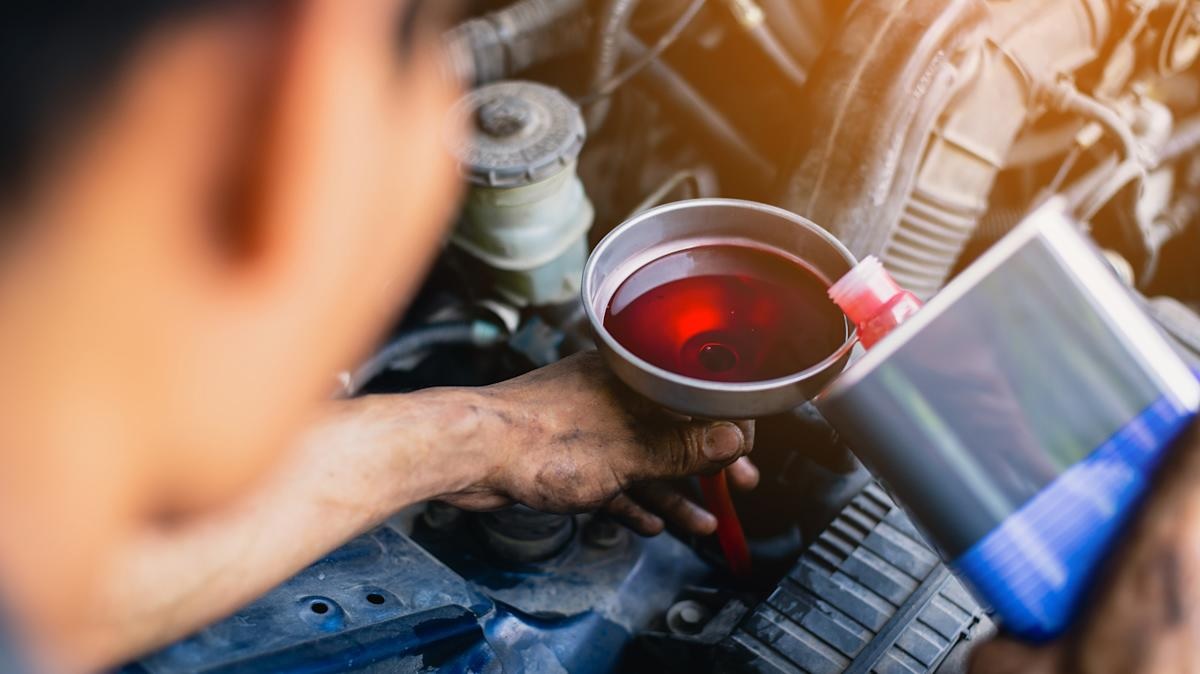
When the dipstick shows a low fluid level, place a clean funnel securely into the dipstick tube or fill port. With the engine still running, pour a small amount of transmission fluid at a time. Adding fluid slowly prevents overfilling, which can cause foaming and erratic shifting.
After adding a small amount, pause and allow the fluid to circulate for a minute. Recheck the level using the dipstick following the same wipe-and-read method. This gradual approach ensures accuracy and avoids unnecessary corrections later. Transmission systems are sensitive, and even small excess amounts can affect performance.
Keep your focus steady during this step. Maintain awareness of engine movement and avoid leaning too far into the engine bay. Controlled, incremental additions help you reach the correct level smoothly while keeping the process safe and effective.
Recheck, Secure Components, and Monitor Operation
Once the transmission fluid reaches the correct level, perform one final check to confirm consistency. Reinsert the dipstick fully and ensure it is seated properly. Remove the funnel carefully and wipe away any spilled fluid to prevent odors or smoke when driving later.
Let the engine continue idling briefly and observe how it sounds and feels. Smooth idle and stable behavior indicate the fluid level is properly balanced. Shut off the engine only after confirming everything is secure and no tools remain in the engine bay.
After completing the process, take the vehicle for a short drive and pay attention to shifting behavior. Smooth gear changes and consistent response suggest the procedure was successful. This final step reinforces confidence that the transmission fluid was added correctly with the car running, maintaining optimal performance and reliability.
Tips for Maintaining Proper Transmission Fluid Levels
Keeping transmission fluid at the correct level is essential for smooth shifting, reduced wear, and long-term transmission health. Small habits and routine checks can prevent costly repairs and unexpected breakdowns. This section focuses on practical, everyday tips that help you maintain proper transmission fluid levels and understand how your driving and maintenance routines affect overall performance.
Check Transmission Fluid at the Right Time and Conditions
Checking transmission fluid correctly is just as important as checking it regularly. Always follow the manufacturer’s guidelines regarding engine temperature and whether the vehicle should be running. Many automatic transmissions require the engine to be warm and idling to give an accurate reading. Skipping this step often results in misleading fluid levels that can cause overfilling or underfilling.
Consistency matters when monitoring fluid levels. Use the same parking spot or ensure the car is parked on level ground each time. Even a slight incline can change the reading on the dipstick. Wipe the dipstick clean before every check and reinsert it fully to avoid false results.
Pay attention to fluid appearance and smell during each check. Clean fluid typically looks red or light amber and smells neutral. Dark or burnt-smelling fluid can indicate overheating or internal wear, even when the level appears normal.
Make fluid checks part of your routine maintenance schedule. Checking once a month or during oil changes helps you catch small changes early. Regular monitoring builds familiarity, making it easier to notice when something feels off before it becomes a serious issue.
Follow Proper Driving and Maintenance Habits
Driving habits play a major role in maintaining proper transmission fluid levels. Aggressive acceleration, frequent towing, and stop-and-go traffic create extra heat, which can break down fluid faster. Smooth driving and gradual acceleration reduce stress on the transmission and help fluid maintain its protective properties longer.
Routine maintenance supports fluid stability over time. Replacing transmission filters when recommended ensures proper circulation and prevents contamination. A clogged filter can restrict fluid flow, leading to erratic shifting and increased heat buildup even when fluid levels are technically correct.
Always use the correct type of transmission fluid specified for your vehicle. Mixing fluids or using the wrong formulation can affect viscosity and lubrication. Even small differences can interfere with hydraulic pressure and shifting behavior. Keeping a record of the fluid type and service intervals helps avoid mistakes.
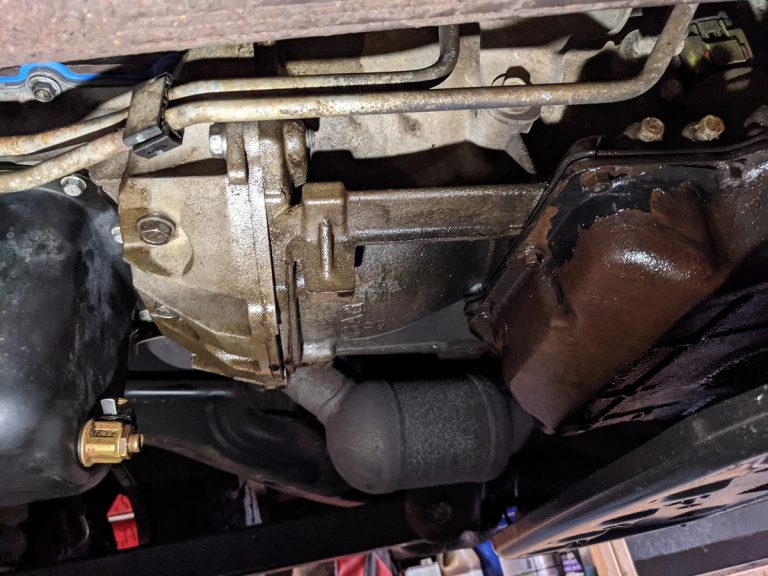
Inspect for leaks regularly, especially around the transmission pan, cooler lines, and seals. Small leaks often go unnoticed until fluid levels drop enough to affect performance. Catching leaks early allows simple repairs rather than major transmission damage. These habits work together to keep fluid levels stable and the transmission operating smoothly.
People Also Asked
Do You Leave The Car Running When Adding Transmission Fluid?
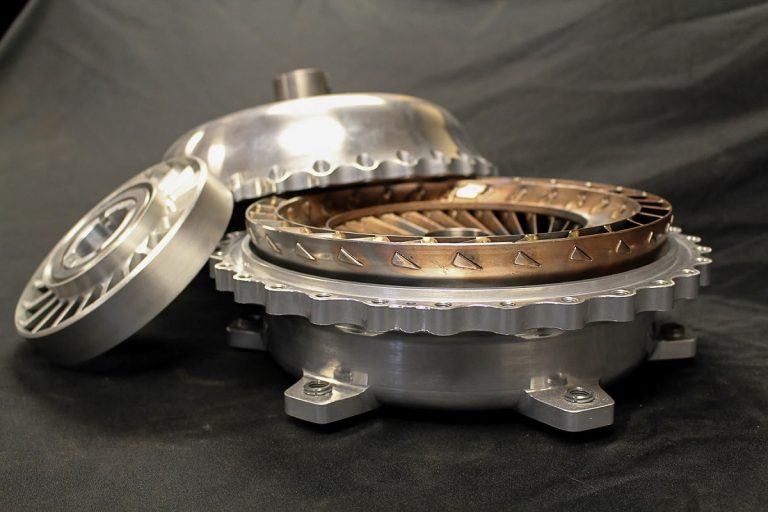
Yes, in most automatic vehicles, you leave the engine running while checking or adding transmission fluid. This allows the fluid to circulate through the transmission and torque converter, giving an accurate level reading. When the engine is off, fluid settles and can show a lower level than actual.
You should keep the vehicle in park with the parking brake engaged. Let the engine reach normal operating temperature before checking. This process ensures the fluid level matches real driving conditions and prevents overfilling issues.
Why Does The Engine Need To Be Running For Accurate Fluid Level?
The transmission pump only operates when the engine is running. This pump moves fluid through internal passages, clutches, and cooling lines. When the engine is off, fluid drains back into the pan, changing the reading.
By keeping the engine running, you measure the fluid level as it functions during driving. This helps avoid adding too much fluid, which can cause foaming and pressure problems. Accurate readings protect internal components and ensure smoother gear shifts.
Can You Add Transmission Fluid With The Engine Off?
Adding transmission fluid with the engine off can lead to incorrect fluid levels. You might think the transmission is low when it is not. Once the engine starts, the fluid redistributes, potentially causing overfilling.
Some vehicles, especially manual transmissions or sealed systems, follow different procedures. Always check your owner’s manual before adding fluid. For most automatics, leaving the engine running is the safest and most accurate approach to maintain proper fluid balance.
What Happens If You Overfill Transmission Fluid?
Overfilling can cause serious transmission problems. Excess fluid may foam as it moves, introducing air bubbles into the system. This reduces lubrication and hydraulic pressure, leading to slipping or delayed shifting.
You might notice leaks, overheating, or erratic gear changes after overfilling. These symptoms often appear quickly. Keeping the engine running while checking levels helps prevent this mistake. Proper fluid levels ensure stable pressure and protect seals, clutches, and internal gears from unnecessary stress.
Should The Transmission Be Warm Before Adding Fluid?
Yes, the transmission should be warm for an accurate reading. Warm fluid expands and circulates fully, reflecting real operating conditions. Checking fluid when cold often shows a lower level than normal.
You can warm the transmission by driving for ten to fifteen minutes. Once parked on level ground, keep the engine running and check the dipstick. This method ensures you add only what is necessary and maintain optimal transmission performance.
Do All Vehicles Follow The Same Transmission Fluid Procedure?
Not all vehicles follow the same procedure. Many modern cars have sealed transmissions without dipsticks. These systems require specific temperature ranges and inspection plugs for fluid checks.
Older or traditional automatic transmissions usually require the engine running. Manuals often need the engine off. Always refer to the manufacturer’s instructions. Understanding your vehicle’s design prevents damage and ensures you maintain proper fluid levels safely and correctly.
What Safety Steps Should You Follow While Adding Transmission Fluid?
Safety is essential when adding transmission fluid. Keep the parking brake engaged and ensure the vehicle is on level ground. Avoid loose clothing near moving engine parts.
Use a funnel designed for transmission fluid to prevent spills. Add fluid slowly and recheck levels frequently. Keeping the engine running during the process ensures accuracy. These precautions help you avoid burns, spills, and mechanical errors while protecting both you and your vehicle.
Final Words
Properly adding transmission fluid is an essential part of maintaining smooth and reliable vehicle performance. Following the correct procedure helps prevent shifting problems, overheating, and unnecessary wear on internal components. Paying attention to safety steps and manufacturer guidelines ensures the process is both effective and risk free.
Different vehicles have different requirements, which is why understanding the correct method matters. Some transmissions require the engine to be running and warmed up, while others do not. Checking the owner’s manual and monitoring fluid levels carefully can help avoid overfilling or underfilling, both of which can cause serious transmission issues.
Knowing the answer to do you leave the car running when adding transmission fluid allows you to service your vehicle with confidence. Whether you handle basic maintenance yourself or consult a professional, using the proper approach protects your transmission and helps extend its overall lifespan.