Oil Pressure Light Comes On When Engine Is Hot – Causes, Risks, and Solutions
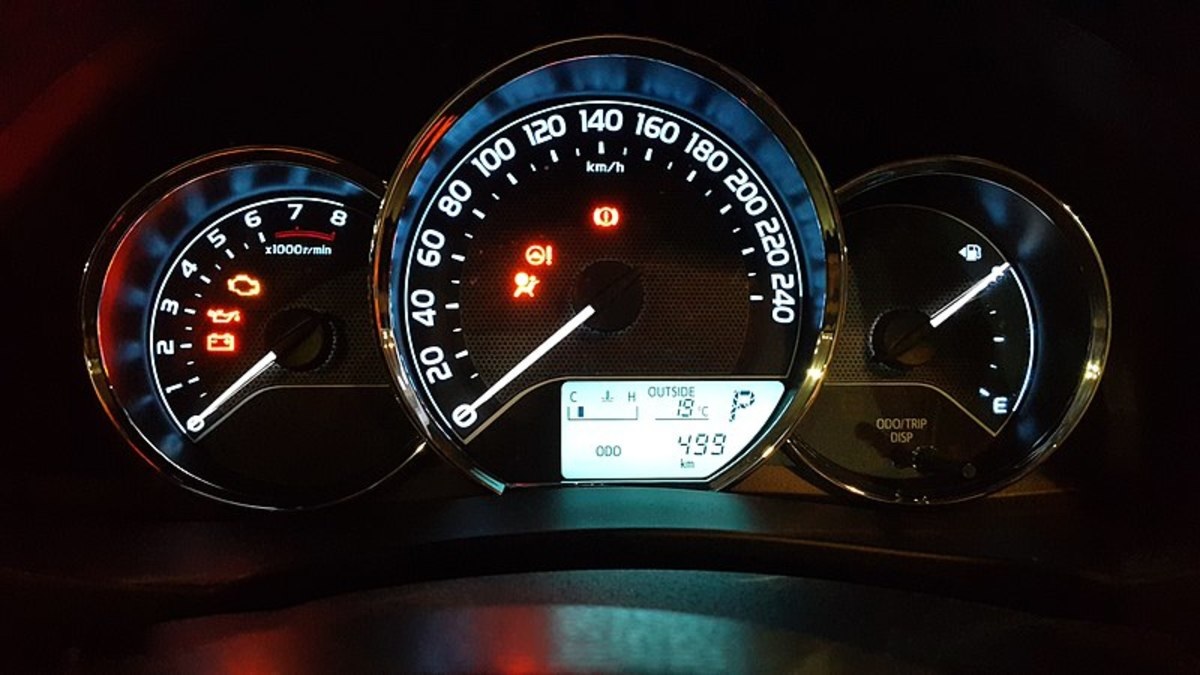
Experiencing a sudden warning from your dashboard can be alarming, especially when it relates to the engine. One of the most concerning alerts for drivers is the oil pressure light. When this light illuminates while driving, it signals that the engine’s lubrication system may not be functioning properly. This situation demands immediate attention, as the engine relies on consistent oil pressure to operate smoothly and prevent severe damage.
The problem becomes even more worrisome when it occurs under heat. Driving for a while naturally raises the engine’s temperature, and oil thins out slightly, affecting its flow. Noticing the oil pressure light comes on when engine is hot suggests there could be a serious underlying issue with oil circulation or the oil itself.
Modern engines are designed to withstand a variety of conditions, but low oil pressure at high temperatures can lead to increased friction between moving parts. This friction accelerates wear and can cause permanent engine damage if ignored. Monitoring oil levels, viscosity, and the condition of the oil pump plays a critical role in identifying the cause.
Addressing this alert promptly not only protects the engine but also ensures the vehicle continues to perform reliably. Recognizing the signs early can save costly repairs and prevent unexpected breakdowns, keeping driving safe and stress-free.
Common Causes of Oil Pressure Light Coming On When Engine Is Hot
Experiencing the oil pressure light illuminating when your engine reaches higher temperatures can be alarming. Understanding the reasons behind this warning can help prevent serious engine damage. Several factors can trigger low oil pressure at high temperatures, ranging from simple maintenance issues to mechanical problems. Knowing these causes helps in identifying the exact problem and addressing it promptly, ensuring the engine continues to run efficiently.
Low Engine Oil Level
One of the most frequent reasons the oil pressure light comes on when engine is hot is simply a low engine oil level. As the engine operates and heats up, oil thins slightly, reducing its ability to maintain proper pressure. Over time, leaks, evaporation, or burning oil can cause the overall oil level to drop. Driving with low oil levels increases friction between engine components, which can lead to overheating and severe mechanical damage.
Regularly checking the dipstick and topping up oil with the correct grade ensures proper lubrication. Additionally, using old or contaminated oil can also affect its viscosity, making it less effective under high temperatures. Ignoring this warning can result in costly repairs, including damage to the crankshaft, camshaft, or bearings, making early intervention critical.
Worn or Failing Oil Pump
The oil pump plays a crucial role in maintaining proper oil pressure throughout the engine. When this pump becomes worn or starts to fail, it may struggle to circulate oil efficiently, especially as the engine heats up. High temperatures can reduce the oil’s thickness, making it harder for a weak pump to maintain adequate pressure. A failing oil pump may produce intermittent pressure drops, which trigger the warning light, particularly under heavy loads or prolonged driving.
Mechanics often recommend checking oil pump performance if the light comes on consistently when the engine is hot. Signs of a failing pump include unusual engine noises, low oil pressure readings, or sluggish lubrication during acceleration. Replacing a worn oil pump ensures the engine receives consistent lubrication, protecting sensitive parts from damage caused by excessive heat and friction.
Clogged Oil Filter
A clogged oil filter can severely restrict oil flow, causing the oil pressure light to illuminate when the engine reaches high temperatures. Over time, filters accumulate debris, sludge, and contaminants that reduce their efficiency. When the oil cannot flow freely, pressure drops, particularly under hot conditions when oil viscosity is lower.
A partially blocked filter forces the oil pump to work harder, which may further stress the engine and lead to wear on moving components. Routine maintenance, including replacing the oil filter during every oil change, is essential to prevent this problem. Ignoring a clogged filter not only triggers the oil pressure warning but can also reduce the lifespan of the engine, as friction and heat build up more quickly in poorly lubricated areas.
Engine Wear or Bearing Problems
Internal engine wear or damaged bearings can also cause the oil pressure light to come on when the engine is hot. Bearings support moving parts like the crankshaft and camshaft, and they rely on a consistent oil film to operate correctly. Over time, normal wear or poor maintenance can thin this oil film, reducing pressure at high temperatures.
Worn bearings increase the space between moving parts, allowing oil to flow too freely and lowering pressure, which triggers the warning. Common signs of bearing problems include knocking sounds, vibrations, and inconsistent oil pressure readings. Repairing or replacing worn bearings is critical, as running the engine under these conditions can lead to catastrophic failure, including seized pistons or damaged crankshafts. Regular maintenance and using high-quality oil help reduce wear and prolong engine life.
Oil Viscosity Issues
Using the wrong oil viscosity can lead to low oil pressure when the engine gets hot. Oil that is too thin for high-temperature operation may not maintain the proper pressure, causing the light to illuminate. Conversely, oil that is too thick may not circulate efficiently during cold starts but can also create pressure problems under heat.
Manufacturers recommend specific oil grades for each vehicle, considering temperature ranges and engine design. Ignoring these recommendations or switching oil types frequently can affect lubrication and pressure. Monitoring oil condition and using the correct viscosity ensures stable pressure, proper lubrication, and protection for engine components even during prolonged high-temperature driving.
Risks of Ignoring the Oil Pressure Light When Engine Is Hot
The oil pressure light is one of the most critical indicators on your vehicle’s dashboard. When it illuminates while the engine is hot, it signals that lubrication may not be adequate to protect vital components. Ignoring this warning can lead to serious mechanical problems, costly repairs, and even total engine failure. Understanding the risks emphasizes the urgency of taking immediate action to maintain engine health.
Severe Engine Damage
Continuing to drive with the oil pressure light on when the engine is hot can result in severe engine damage. Engine oil is essential for lubricating moving parts, reducing friction, and absorbing heat. Without proper oil pressure, metal components such as pistons, crankshafts, and camshafts grind against each other, accelerating wear. High temperatures make this situation even more dangerous, as thinner oil cannot maintain an adequate protective film between moving parts.
Over time, continuous friction can warp critical components and lead to cracks or scoring on engine surfaces. The cost of repairing such damage is often substantial, as affected parts may need full replacement. Even a short drive under low oil pressure can compound wear, creating long-term problems that impact engine reliability. Immediate attention to the oil pressure light is essential to prevent permanent damage and costly repairs.
Regular maintenance, including checking oil levels and replacing old or contaminated oil, helps minimize the risk of severe engine damage. Ensuring the engine receives proper lubrication at all times is the simplest way to protect internal components from premature wear and maintain performance over the long term.
Overheating and Component Failure
Low oil pressure when the engine is hot significantly increases the risk of overheating. Engine oil not only lubricates but also plays a role in cooling internal parts by dissipating heat. When oil pressure drops, friction rises, generating excess heat that can damage seals, gaskets, and bearings. This creates leaks, warped surfaces, or even a blown head gasket.
Electrical components near the engine may also suffer from the heat buildup, reducing overall vehicle reliability. Prolonged operation under these conditions can escalate minor issues into major mechanical failures. Even components that seem unrelated, like hoses or plastic connectors, can deteriorate faster due to excessive engine temperatures.
Ignoring the oil pressure light in this situation accelerates the rate of damage. Early action, such as topping off oil or inspecting for leaks, can prevent overheating and protect engine integrity. Maintaining proper oil pressure ensures that all engine components continue to operate within safe temperature ranges, minimizing the risk of expensive repairs.
Increased Risk of Engine Seizure
The most extreme consequence of ignoring the oil pressure light is engine seizure. Without adequate oil pressure, friction between moving components generates intense heat, causing parts to expand and eventually lock up. A seized engine stops functioning entirely, often leaving a complete engine replacement as the only solution.
High engine temperatures worsen this risk. Thin, overheated oil loses its ability to maintain a protective film, making it easier for parts to fuse together. Symptoms such as knocking sounds, vibrations, or stiff throttle response can signal imminent failure, but many drivers overlook them.
Engine seizure not only ends vehicle operation but can also create dangerous situations if it occurs while driving. Preventive measures, like checking oil levels and replacing worn components promptly, are essential to avoid reaching this critical stage. Timely intervention can save the engine from catastrophic failure and maintain safe vehicle operation.
Higher Repair Costs
Ignoring the oil pressure light almost always leads to higher repair costs. Minor problems, like low oil or a clogged filter, are inexpensive to fix if addressed early. Delaying repairs allows damage to accumulate, often affecting multiple engine components at once.
Replacing bearings, crankshafts, or performing a full engine rebuild can cost thousands of dollars. Insurance rarely covers damage caused by neglect, making preventive maintenance the most cost-effective approach. Even temporary fixes, like topping off oil without addressing the root cause, only delay the inevitable and increase expenses over time.
Proactive monitoring of oil pressure and prompt action reduces financial strain. Maintaining clean oil and replacing worn components ensures the engine continues to operate reliably, saving both time and money in the long term.
Reduced Engine Lifespan
Consistently running an engine with low oil pressure shortens its lifespan. Engines are engineered to operate under specific conditions, and proper oil pressure is critical to maintaining tolerances and minimizing wear. Without sufficient lubrication, components experience accelerated fatigue.
High temperatures exacerbate this problem, as thin oil fails to protect moving parts adequately. Even if the engine avoids immediate catastrophic failure, repeated stress reduces performance and increases the likelihood of frequent repairs. The engine becomes less efficient, consumes more fuel, and loses reliability over time.
Regular oil checks, timely replacements, and attention to the oil pressure light help maintain engine health. Acting promptly ensures the engine runs efficiently, avoids premature wear, and achieves its intended service life without costly interruptions or unexpected breakdowns.
Immediate Steps to Take When Oil Pressure Light Comes On
The moment the oil pressure light comes on, especially when the engine is hot, it signals a potentially serious problem. Acting quickly can prevent costly engine damage and ensure your safety on the road. Understanding the steps to take immediately helps maintain engine health and avoids prolonged exposure to low oil pressure conditions. Prompt action can make the difference between a simple fix and major repairs.
Safely Pull Over and Turn Off the Engine
The first step when the oil pressure light comes on is to safely pull over and turn off the engine. Continuing to drive can allow the problem to worsen rapidly, as low oil pressure reduces lubrication and increases friction between internal components. Find a safe location away from traffic, such as a parking lot or roadside shoulder. Shutting down the engine immediately prevents further heat buildup and minimizes the risk of severe mechanical damage.
After turning off the engine, allow it to cool for several minutes. This helps prevent burns when checking oil levels or inspecting components under the hood. Avoid restarting the engine until you have assessed the situation. Remaining calm and taking these precautions ensures that you don’t worsen the damage or create a safety hazard while attempting a quick solution.
Many drivers underestimate the urgency of the oil pressure light, thinking it may be a minor issue. In reality, any continued operation with low pressure, especially under high temperature, accelerates wear and may lead to catastrophic engine failure. By stopping immediately, you give yourself a chance to evaluate the problem and determine the next steps safely.
Check the Engine Oil Level
Once the engine has cooled slightly, the next step is to check the oil level using the dipstick. Low oil is one of the most common causes of the oil pressure light illuminating. Remove the dipstick, wipe it clean, reinsert it fully, and then check the oil level against the marked indicators. Oil levels below the minimum mark require immediate top-up with the recommended oil type for your vehicle.
While checking the level, also observe the oil’s color and consistency. Dark, sludgy, or gritty oil may indicate contamination or the need for a complete oil change. Using the wrong oil viscosity can also contribute to low pressure, so ensure the oil matches manufacturer specifications. Adding oil temporarily may restore pressure, but it doesn’t solve underlying mechanical issues like a failing pump or worn bearings.
Taking the time to inspect the oil helps determine whether the problem is minor or requires professional assistance. Even if the oil level is adequate, the light may remain on due to other issues, signaling that it’s time to avoid further driving and consult a mechanic. Regularly monitoring oil levels also prevents recurrence and protects long-term engine health.
Inspect for Leaks and Signs of Damage
After confirming oil levels, inspect the engine and surrounding areas for leaks or visible signs of damage. Oil leaks under the vehicle, around gaskets, or near the oil pan can cause pressure drops. High engine temperatures can exacerbate leaks, making them more noticeable after driving. Look for fresh oil spots on the ground or damp areas on engine components, which may indicate compromised seals or gaskets.
Additionally, listen for unusual engine noises like knocking or ticking, which can signal that internal parts are not properly lubricated. Heat can intensify these sounds, and prolonged operation without addressing them can lead to severe damage. Checking for leaks and damage helps identify the source of low oil pressure and provides valuable information for a mechanic.
Even minor leaks can become serious if ignored, as oil loss continues while driving. Early detection allows for timely repairs, whether it’s tightening bolts, replacing gaskets, or addressing more significant mechanical issues. Visual inspection combined with other immediate steps helps prevent escalation of engine problems.
Call for Professional Assistance
If topping off oil and inspecting for leaks does not resolve the problem, it’s essential to call for professional assistance. A certified mechanic can diagnose issues such as a failing oil pump, clogged oil filter, or internal engine wear, which require specialized tools and expertise. Driving to a shop under low oil pressure can exacerbate damage, so arranging for a tow may be safer than attempting to drive the vehicle.
Describe the symptoms clearly to the mechanic, including when the light appeared, whether the engine was hot, and any unusual noises. This information helps in pinpointing the cause faster and prevents unnecessary repairs. A professional inspection ensures that the problem is addressed correctly, whether it involves replacing parts, performing an oil flush, or repairing leaks.
Timely professional intervention prevents minor issues from escalating into catastrophic engine failure. It also ensures that all components are operating safely, restoring normal oil pressure and protecting the vehicle’s longevity. Ignoring the problem or attempting temporary fixes without proper knowledge can result in expensive repairs or complete engine replacement.
Monitor Oil Pressure After Taking Action
After addressing the initial steps, monitoring oil pressure is critical to ensure the issue has been resolved. Some vehicles feature an oil pressure gauge, while others rely solely on the warning light. Keep an eye on the gauge or indicator while driving cautiously, especially after repairs or topping up oil.
Any recurring light or unusual engine behavior should prompt immediate action and further inspection. Consistent monitoring allows drivers to detect early signs of future issues, such as gradual pressure drops or leaks. Maintaining oil at proper levels, adhering to regular oil change intervals, and using the correct oil viscosity helps sustain consistent pressure and prevent repeated warnings.
Monitoring also reinforces safe driving habits and prevents neglect, which is often the cause of engine damage. Regular vigilance combined with proactive maintenance ensures that the engine continues to operate efficiently, avoiding costly repairs and maintaining long-term reliability.
People Also Asked
Why Does The Oil Pressure Light Come On When Engine Is Hot?
When the oil pressure light comes on while the engine is hot, it usually means your engine’s lubrication system isn’t working properly. High temperatures can thin the engine oil, causing pressure to drop below safe levels.
You should check your engine oil level immediately, as low oil can trigger the warning light. If the oil level is fine, the issue could be a worn oil pump, engine bearings, or a clogged filter. Ignoring this can lead to severe engine damage, so prompt action is crucial.
Can Low Engine Oil Cause The Oil Pressure Light To Turn On?
Yes, low engine oil is one of the most common reasons the oil pressure light illuminates, especially when the engine is hot. As oil heats up, it becomes less viscous and may not circulate properly if the level is insufficient.
He, she, or you should check the oil dipstick while the engine is cool and add oil if necessary. Running the engine with low oil pressure can damage bearings, pistons, and other critical components. Regular oil maintenance prevents this issue.
Could A Faulty Oil Pump Make The Oil Pressure Light Come On?
Absolutely. The oil pump is responsible for circulating oil through the engine. When it starts failing, it may not maintain sufficient pressure, especially under high-temperature conditions.
If you notice the oil pressure light flickering or staying on, a failing oil pump could be the cause. He, she, or you should have a mechanic inspect it immediately. Continuing to drive with a faulty pump can lead to serious engine damage, including seized components.
How Does Engine Oil Viscosity Affect Oil Pressure When Hot?
The viscosity, or thickness, of engine oil plays a crucial role in maintaining oil pressure. If the oil is too thin for your engine, pressure can drop when the engine heats up.
You should always use the oil grade recommended by the manufacturer. He, she, or you should check the oil condition and replace it if it has broken down or doesn’t meet specifications. Correct oil ensures proper lubrication and prevents the light from turning on.
Can Worn Engine Bearings Trigger The Oil Pressure Light?
Yes, worn engine bearings can reduce oil pressure, particularly when the engine is hot and oil is thinner. Bearings support rotating components, and wear increases clearances, lowering resistance to oil flow.
He, she, or you may notice additional signs like knocking or unusual engine noise. Ignoring worn bearings can cause catastrophic engine failure. A professional inspection is required to prevent expensive repairs and maintain engine health.
Is A Clogged Oil Filter Responsible For The Oil Pressure Light?
A clogged oil filter can restrict oil flow, causing the oil pressure light to come on, especially when the engine reaches high temperatures. Over time, debris and sludge accumulate, reducing pressure in critical areas.
He, she, or you should replace the oil filter regularly according to the manufacturer’s schedule. Doing so ensures proper oil circulation and prevents damage to the engine’s internal parts. A new filter often resolves pressure warning issues if other problems are absent.
What Should You Do Immediately If The Oil Pressure Light Comes On?
If the oil pressure light comes on when the engine is hot, stop driving safely as soon as possible. Continuing to drive can cause severe engine damage.
He, she, or you should check the oil level and add oil if it’s low. If the light persists, call a mechanic for a full inspection, including the oil pump, bearings, and filter. Taking immediate action helps prevent costly engine repairs and ensures your vehicle remains safe to drive.
Conclusion
Dealing with a sudden warning on your dashboard can be stressful, especially when it relates to engine performance. Noticing the oil pressure light comes on when engine is hot is a clear signal that the lubrication system may be compromised. High temperatures can thin the oil, reduce pressure, and increase friction between moving parts, which can lead to severe engine damage if ignored. Acting promptly is crucial to avoid costly repairs and maintain vehicle safety.
Regular maintenance, including checking oil levels, replacing filters, and using the correct oil grade, plays a key role in preventing such warnings. Monitoring the engine and addressing any unusual behavior immediately ensures that minor issues do not escalate into major mechanical failures. Vehicles with consistently healthy oil pressure tend to perform better, last longer, and offer more reliability during daily use.
Understanding the causes and risks associated with the oil pressure light comes on when engine is hot helps drivers make informed decisions. Prompt inspection, professional assistance, and careful monitoring protect engine components, prevent overheating, and reduce the likelihood of catastrophic failures. Prioritizing engine health ensures both safety and long-term performance.