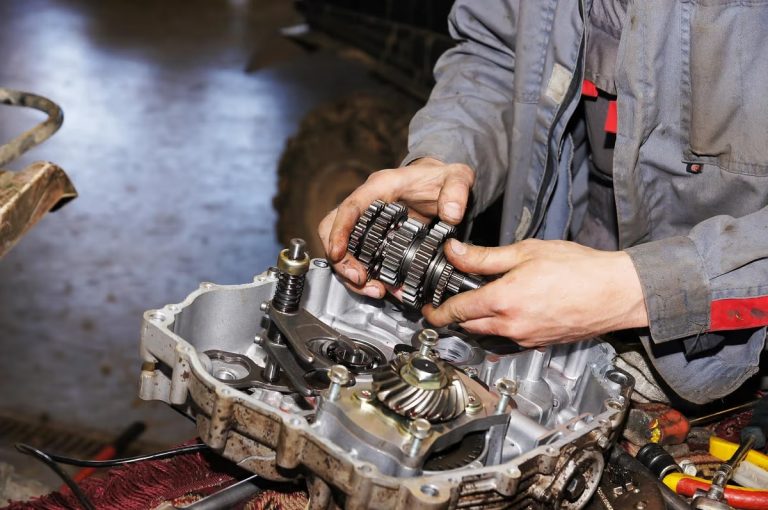
Driving On Low Transmission Fluid: Risks, Symptoms, and Solutions
Transmission fluid plays a vital role in the smooth operation of your vehicle. It lubricates gears, regulates temperature, and enables seamless shifting between gears. Without adequate fluid, the transmission faces increased friction and heat, which can lead to premature wear or even complete failure over time. Understanding how transmission fluid levels affect performance is essential for maintaining a reliable vehicle.
Many drivers underestimate the importance of proper transmission maintenance, especially during routine checks. Low fluid can cause delayed gear engagement, unusual noises, or slipping, all of which impact drivability and safety. Recognizing the signs early can help prevent costly repairs and extend the life of the transmission.
The concern of driving on low transmission fluid is common, especially when leaks or evaporation reduce fluid levels. Operating the vehicle under these conditions places significant stress on internal components and can compromise performance during acceleration or when towing.
By paying attention to fluid levels and acting promptly, you ensure smoother shifting, consistent engine performance, and a longer-lasting transmission. Awareness and preventive maintenance are key to avoiding serious damage and maintaining overall vehicle reliability.
Signs Your Transmission Fluid Is Low
Transmission fluid is essential for smooth gear operation, heat regulation, and overall vehicle performance. When fluid levels drop, the transmission experiences increased friction, heat, and wear. Recognizing the signs of low transmission fluid helps you take action early, preventing serious damage and ensuring your vehicle remains safe and reliable on the road. Understanding these symptoms can save time and costly repairs.
Delayed or Sluggish Gear Engagement
One of the most noticeable signs of low transmission fluid is delayed or sluggish gear engagement. You may notice that when shifting from park to drive, or while changing gears, the vehicle hesitates or responds slowly. This occurs because insufficient fluid prevents the transmission from generating enough hydraulic pressure to engage gears smoothly.
Low fluid affects the internal lubrication of gears, causing increased friction and resistance. You might also feel a “slipping” sensation, where the engine revs but the vehicle moves slower than expected. This can be particularly dangerous during acceleration or when merging onto highways, as the delay can affect control.
Drivers may notice that this issue worsens under heavy loads or hot conditions, as the transmission struggles to maintain proper pressure with reduced fluid. Checking fluid levels and replenishing them promptly can restore normal gear function and prevent long-term damage to the transmission.
Unusual Noises From the Transmission
Hearing whining, grinding, or clunking noises is another common indicator of low transmission fluid. These sounds typically occur when gears or other moving components operate without adequate lubrication, creating metal-on-metal contact inside the transmission.
Cold starts can amplify these noises, as the fluid has not fully circulated yet. You may hear whining during acceleration or grinding when shifting, both of which signal insufficient fluid levels. Ignoring these sounds can lead to more severe mechanical issues, including worn clutches or damaged gears.
Proper transmission fluid levels act as a cushion and lubricant between internal components. Maintaining the right amount prevents excessive friction, heat buildup, and the resulting noises. Paying attention to unusual sounds early can alert you to low fluid and allow for timely maintenance.
Transmission Slipping or Jerking
Transmission slipping or jerking is a critical warning sign of low fluid. You may feel sudden shifts or inconsistent acceleration, where the engine revs but the vehicle does not move as expected. This happens when the transmission cannot maintain the hydraulic pressure necessary to engage gears fully.
Slipping is often accompanied by vibration or jerky movement, especially during acceleration or when driving uphill. The reduced fluid creates friction and heat, which compromises smooth gear operation. Over time, continued driving with low fluid can cause permanent damage to internal components.
Regularly checking transmission fluid levels helps prevent these issues. Ensuring the fluid is at the correct level and in good condition restores proper pressure, smooth gear transitions, and reliable performance. Recognizing slipping or jerking as a symptom encourages timely intervention before costly repairs become necessary.
Burning Smell or Fluid Discoloration
A burning smell or dark-colored transmission fluid is another sign of trouble. Low fluid levels can cause excessive friction, generating heat that burns the remaining fluid and produces a noticeable odor inside the vehicle. You may also observe a reddish-brown or dark fluid during inspections, indicating overheating or contamination.
Burnt fluid loses its lubricating properties, which further increases friction and wear on gears and clutches. Continued driving under these conditions can accelerate transmission deterioration, leading to expensive repairs or complete failure.
Monitoring the color and smell of your transmission fluid is an easy yet effective way to catch low fluid problems early. Fresh fluid is usually bright red and odorless, while dark, burnt-smelling fluid signals immediate attention is required to protect the transmission.
Warning Lights and Dashboard Indicators
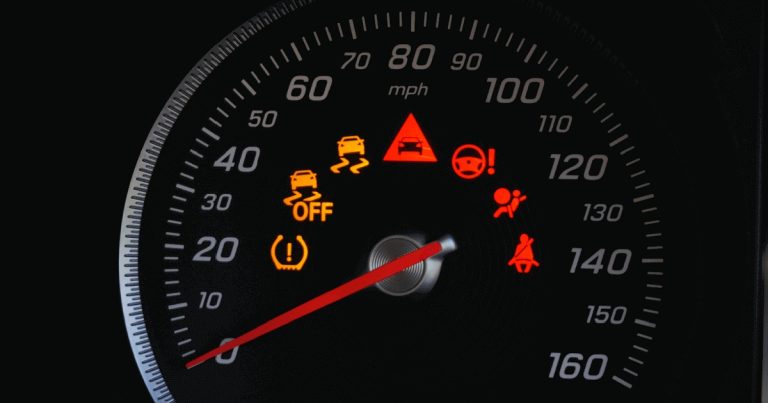
Many modern vehicles include dashboard warning lights that indicate transmission problems. A “Check Engine” or specific transmission light can illuminate when fluid levels are low or if the system detects abnormal pressure or temperature.
These indicators are designed to alert you before severe damage occurs. You may notice them flashing intermittently or staying on continuously, signaling that a transmission check is needed. Ignoring warning lights increases the risk of overheating, slipping, or internal damage.
Paying attention to these indicators and performing regular fluid checks ensures early detection of low transmission fluid. Addressing warnings promptly can restore safe operation, improve performance, and extend the life of the transmission.
Risks of Driving On Low Transmission Fluid
Transmission fluid is essential for proper gear operation, lubrication, and heat management. Driving with insufficient fluid can lead to serious mechanical issues, reduced performance, and costly repairs. Understanding the risks of driving on low transmission fluid highlights the importance of monitoring levels regularly and addressing leaks or fluid loss promptly to maintain a reliable, safe, and efficient vehicle.
Increased Friction and Internal Wear
One of the primary risks of driving on low transmission fluid is increased friction between internal components. Transmission fluid acts as a lubricant, reducing metal-on-metal contact in gears, clutches, and bearings. Without adequate fluid, friction rises significantly, causing accelerated wear on sensitive parts.
This increased wear can lead to premature failure of critical components. You may notice delayed shifting, gear slippage, or unusual noises as the system struggles to operate without sufficient lubrication. Over time, the transmission may overheat due to the added friction, further compounding the damage.
Regular monitoring and maintenance of fluid levels help prevent this risk. Maintaining proper fluid ensures smooth operation, reduces wear, and prolongs the life of the transmission. Ignoring low fluid can turn minor issues into major mechanical failures that require expensive repairs.
Transmission Overheating
Low transmission fluid can also cause the system to overheat. The fluid not only lubricates moving parts but also carries heat away from the transmission. Reduced fluid levels diminish this cooling effect, causing temperatures to rise rapidly during operation.
Overheating can damage clutches, seals, and gaskets, potentially resulting in leaks or permanent transmission damage. You may notice a burning smell or warning lights on the dashboard as the system struggles to regulate temperature. Driving under these conditions can lead to sudden failure, leaving you stranded and requiring extensive repairs.
Ensuring the transmission fluid is at the correct level allows heat to be properly managed, preventing overheating and protecting internal components. This is especially important during high-load conditions, like towing or driving uphill, where excessive heat can accumulate quickly.
Slipping Gears and Loss of Control
Low transmission fluid can cause slipping gears, where the engine revs but the vehicle does not accelerate as expected. This occurs because hydraulic pressure, maintained by the fluid, is insufficient to engage gears fully.
Slipping gears can create dangerous driving situations, especially during acceleration, merging onto highways, or climbing inclines. You may feel jerky movements or sudden power loss, compromising vehicle control and increasing the risk of accidents. Prolonged driving in this condition can further damage internal components, making the transmission less reliable over time.
Maintaining proper fluid levels ensures hydraulic pressure remains stable, providing smooth and predictable gear engagement. Addressing low fluid promptly reduces the risk of accidents and preserves the transmission’s functionality.
Potential for Costly Repairs
Driving on low transmission fluid often leads to expensive repairs. Damage caused by friction, overheating, or slipping can affect major components like the torque converter, clutches, and valve bodies. Repairing or replacing these parts can cost thousands of dollars.
Additionally, severe damage may require a full transmission rebuild or replacement. This is far more costly than routine maintenance, such as topping off fluid or addressing a minor leak. Ignoring early signs of low fluid significantly increases repair costs and vehicle downtime.
Regular fluid checks and timely maintenance are cost-effective ways to avoid these expenses. Preventive care ensures the transmission remains reliable, reducing the likelihood of major mechanical failures and protecting both performance and your wallet.
Reduced Vehicle Performance and Reliability
Low transmission fluid also impacts overall vehicle performance and reliability. You may experience sluggish acceleration, delayed shifting, and inconsistent power delivery. These issues make driving less predictable and can increase driver fatigue or stress during long trips.
Reduced reliability also affects the lifespan of the transmission and related components. Engines may work harder to compensate for slipping gears or inefficient power transfer, further increasing wear and reducing fuel efficiency. This cascade of problems highlights the importance of maintaining proper fluid levels.
Preventive Maintenance Tips
Preventive maintenance is essential for keeping your vehicle running smoothly and avoiding costly repairs. Regular inspections, fluid checks, and timely servicing ensure components operate efficiently and safely. Implementing preventive strategies helps maintain engine performance, transmission health, and overall vehicle reliability, reducing the risk of unexpected breakdowns and extending the lifespan of your car.
Regular Transmission Fluid Checks
One of the most critical preventive maintenance tasks is checking transmission fluid regularly. Proper fluid levels and quality are essential for smooth shifting, lubrication, and temperature control. You should inspect fluid at least once a month or according to your manufacturer’s recommendations.
Look for color, clarity, and odor as indicators of fluid health. Fresh transmission fluid is usually bright red and slightly translucent, while dark or burnt-smelling fluid indicates wear or overheating. Low levels can cause gear slippage, delayed engagement, and increased friction.
Top off the fluid when necessary and address leaks immediately. Regular checks prevent serious issues and ensure your transmission operates efficiently under all driving conditions, from city commutes to highway trips. This simple step can save you from costly repairs and maintain consistent vehicle performance.
Timely Filter and Component Replacement
Replacing transmission filters, air filters, and other critical components on schedule is another key preventive measure. Filters trap debris and contaminants, preventing damage to internal systems. Clogged or dirty filters reduce efficiency and increase strain on the transmission and engine.
Check your manufacturer’s service schedule for recommended replacement intervals. Neglecting filters can lead to poor fluid flow, overheating, and reduced overall performance. Similarly, inspecting hoses, belts, and seals ensures that the transmission and engine systems remain leak-free and properly pressurized.
Regular replacement and inspection of components reduce wear and prolong the life of the transmission and other systems. Staying on top of these tasks also ensures your vehicle runs smoothly and efficiently, avoiding unexpected failures.
Monitoring for Leaks and Unusual Noises
Preventive maintenance includes vigilance for leaks, unusual noises, or changes in vehicle behavior. You should inspect the vehicle for fluid spots under the car, unusual whining or grinding sounds, or delayed gear engagement.
Leaks reduce fluid levels and can quickly lead to overheating, slippage, or component failure. Unusual noises often indicate wear or stress on internal parts, signaling that attention is needed before a major breakdown occurs. Early detection allows for timely repairs, reducing the risk of expensive transmission or engine damage.
Monitoring these signs regularly and addressing problems promptly is an effective preventive strategy. It ensures that the transmission and engine remain reliable, maintaining optimal performance and safety.
Scheduled Professional Inspections
Routine professional inspections complement your own maintenance checks. Mechanics can perform comprehensive diagnostic tests, fluid flushes, and detailed system evaluations that may not be obvious during casual inspections.
A professional can detect early signs of wear, contamination, or mechanical issues and recommend corrective action. Scheduled inspections also include checking fluid levels, replacing worn components, and testing system pressure and temperature to ensure everything is operating within specifications.
By combining professional inspections with your regular preventive checks, you maintain a higher standard of vehicle care. This reduces the likelihood of breakdowns, keeps systems functioning efficiently, and supports long-term reliability.
Maintaining a Maintenance Log
Keeping a maintenance log is a simple yet powerful preventive tip. Recording fluid checks, filter replacements, inspections, and repairs helps you track the health of your vehicle over time.
A detailed log allows you to anticipate service needs, avoid missed maintenance, and provide accurate records for professional mechanics. It also helps identify recurring issues or patterns that could signal emerging problems.
Maintaining consistent records supports preventive care and ensures the longevity of your vehicle. By tracking maintenance tasks, you can proactively address issues, preserve performance, and protect your investment in the long term.
People Also Asked
What Happens When You Drive On Low Transmission Fluid?
Driving on low transmission fluid can cause serious problems for your vehicle. You may notice delayed or sluggish gear engagement, slipping gears, or jerky acceleration. Low fluid reduces hydraulic pressure, which is essential for smooth shifting and proper transmission function.
The lack of lubrication also increases friction and heat inside the transmission, which can lead to premature wear on clutches, gears, and seals. Over time, continued driving on low fluid can result in overheating and costly repairs, making it critical to check and maintain fluid levels regularly to avoid long-term damage.
Can Low Transmission Fluid Cause Transmission Overheating?
Yes, low transmission fluid significantly increases the risk of overheating. Transmission fluid acts as both a lubricant and a coolant for internal components. Without enough fluid, heat builds up quickly, putting stress on gears, clutches, and bearings.
Overheating can damage seals, degrade fluid quality, and eventually cause complete transmission failure. You may notice warning lights, burning smells, or unusual noises if the system is overheating. Maintaining proper fluid levels is essential to prevent these issues, ensuring the transmission operates efficiently and stays protected under all driving conditions.
What Are the Signs That Transmission Fluid Is Low?
Several signs indicate low transmission fluid, including delayed gear shifts, slipping or jerky movements, unusual whining or grinding noises, and a burning smell. You may also notice dark, dirty fluid or dashboard warning lights signaling transmission issues.
Paying attention to these symptoms early allows you to address fluid levels before serious damage occurs. Checking fluid regularly, looking for leaks, and monitoring system performance help maintain smooth shifting, prevent overheating, and ensure overall transmission reliability, reducing the risk of expensive repairs.
Is It Safe To Drive Short Distances On Low Transmission Fluid?
Driving short distances on low transmission fluid is risky, even for brief trips. Reduced fluid can cause gear slippage, delayed engagement, and increased friction inside the transmission. These issues may not show immediately but can quickly lead to overheating and internal wear.
Even a short drive can exacerbate minor leaks or low fluid conditions, increasing the likelihood of costly repairs. It’s safer to top off the fluid and check for leaks before operating the vehicle, ensuring the transmission remains properly lubricated and protected during all driving conditions.
How Does Low Transmission Fluid Affect Vehicle Performance?
Low transmission fluid negatively impacts vehicle performance by causing delayed or jerky gear shifts, unstable acceleration, and reduced power transfer from the engine to the wheels. You may also notice increased engine load and decreased fuel efficiency due to the transmission struggling to operate efficiently.
Reduced fluid levels compromise hydraulic pressure, affecting smooth gear engagement and overall drivability. Maintaining proper fluid ensures consistent power delivery, smooth shifting, and optimal engine performance, allowing your vehicle to operate safely and reliably under all driving conditions.
Can Driving On Low Transmission Fluid Cause Permanent Damage?
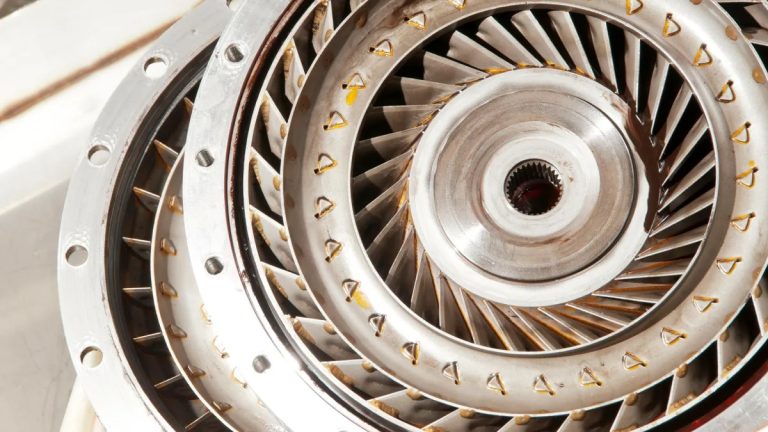
Yes, driving on low transmission fluid can cause permanent damage. Insufficient lubrication and cooling increase friction and heat, leading to worn gears, burnt clutches, damaged seals, and potential failure of the torque converter.
Prolonged operation without adequate fluid may require a full transmission rebuild or replacement, which is costly and time-consuming. Checking fluid levels regularly, topping off as needed, and addressing leaks promptly can prevent long-term damage and extend the life of your transmission.
How Often Should You Check Transmission Fluid Levels?
You should check transmission fluid at least once a month or according to your vehicle manufacturer’s recommendations. Regular inspection helps detect low fluid levels, leaks, or contamination before serious problems occur.
Monitoring fluid includes checking color, clarity, and consistency. Healthy fluid is typically bright red and slightly translucent, while dark, burnt, or murky fluid signals an issue. Frequent checks maintain smooth gear engagement, prevent overheating, and ensure long-term transmission reliability, reducing the risk of costly repairs caused by driving on low fluid.
Final Words
Ignoring the health of your vehicle’s transmission can quickly lead to serious problems. Transmission fluid plays a vital role in lubricating gears, reducing friction, and keeping the system cool. When levels drop, even short-term use can cause overheating, slipping gears, and inefficient performance, putting your vehicle at risk for costly repairs.
Understanding the dangers of driving on low transmission fluid helps you make smarter decisions about maintenance and safety. Symptoms like delayed shifting, strange noises, or warning lights should never be ignored. Addressing low fluid promptly can prevent permanent damage, preserve fuel efficiency, and ensure smoother operation under all driving conditions.
Regular checks, timely fluid replacement, and attention to leaks are key to avoiding the consequences of driving on low transmission fluid. By staying proactive, you can protect your transmission, extend the life of your vehicle, and avoid unexpected breakdowns that could compromise both performance and safety.