Why Your Transmission Stops in Minutes: Causes and Solutions
Experiencing sudden transmission failure can be a frustrating and stressful situation for any driver. One moment your vehicle is running smoothly, and the next it comes to a halt as the transmission stops functioning. Understanding the reasons behind this abrupt stoppage is crucial for safety, maintenance, and preventing more costly repairs down the road.
Why your transmission stops in minutes is often linked to internal mechanical issues, fluid problems, or overheating. Symptoms can vary from slipping gears to unusual noises, warning lights, or a complete loss of movement. Paying attention to these early signs can help identify the underlying cause before it leads to permanent damage.
Transmission systems are complex, and multiple factors may contribute to sudden stoppages. Diagnosing the problem requires careful observation, proper testing, and sometimes professional inspection to ensure accurate identification of the issue.
Taking the time to understand why a transmission stops quickly allows drivers to respond appropriately, maintain vehicle reliability, and avoid unsafe driving conditions. Regular maintenance and attentive monitoring play a key role in preventing sudden transmission failures.
Common Reasons Why Your Transmission Stops in Minutes
A transmission that suddenly stops functioning within minutes of driving is a serious warning sign that something is wrong. Identifying the root causes early is essential for preventing major damage and ensuring your vehicle remains safe and reliable. Several factors, ranging from fluid issues to mechanical failures, can trigger abrupt transmission stoppages. Understanding these causes helps drivers respond quickly and avoid costly repairs.
Low or Contaminated Transmission Fluid
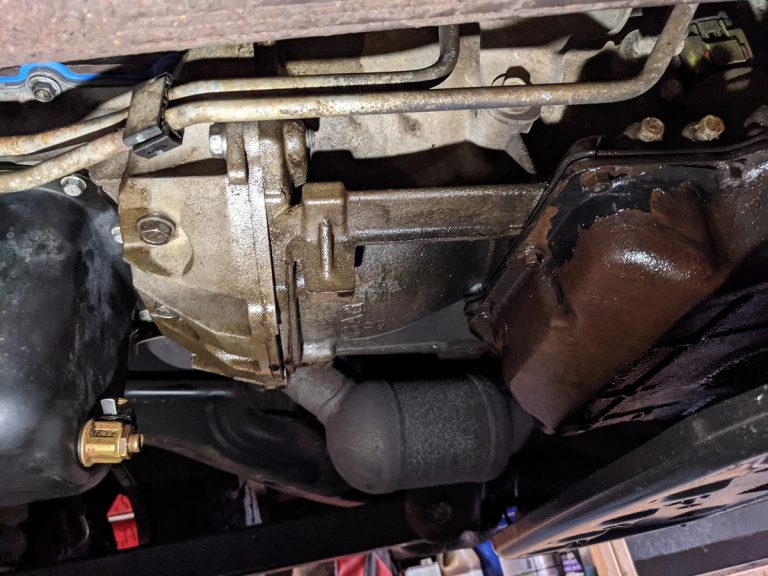
Transmission fluid is critical for lubrication, hydraulic pressure, and cooling. Low fluid levels or contaminated fluid can cause the transmission to overheat, seize, or stop working entirely. Insufficient lubrication increases friction and wear on gears and bearings, leading to rapid failure if not addressed.
Symptoms of low or degraded fluid include delayed gear engagement, slipping gears, unusual noises, or fluid leaks under the vehicle. Contaminated fluid may appear dark, murky, or have a burnt smell, signaling that it can no longer perform its essential functions. Regularly checking fluid levels, replacing old fluid, and using the manufacturer-recommended type prevents sudden stoppages and prolongs transmission life.
Maintaining clean, adequate fluid ensures smooth operation, reduces heat buildup, and keeps internal components properly lubricated for reliable performance.
Overheating Transmission
Excessive heat is one of the most common reasons a transmission stops working abruptly. Overheating can occur due to low fluid, heavy towing, extended driving in hot conditions, or internal friction from worn components. When temperatures rise too high, internal parts expand and lose efficiency, potentially causing the transmission to seize or fail temporarily.
Signs of overheating include warning lights, a burning smell, slipping gears, or delayed engagement. Allowing the transmission to cool and checking fluid levels and condition can prevent permanent damage. Installing an auxiliary transmission cooler for vehicles used for towing or high-load driving is another effective preventive measure.
Proper thermal management reduces stress on the transmission and helps avoid sudden stoppages caused by heat-related failures.
Worn or Damaged Internal Components
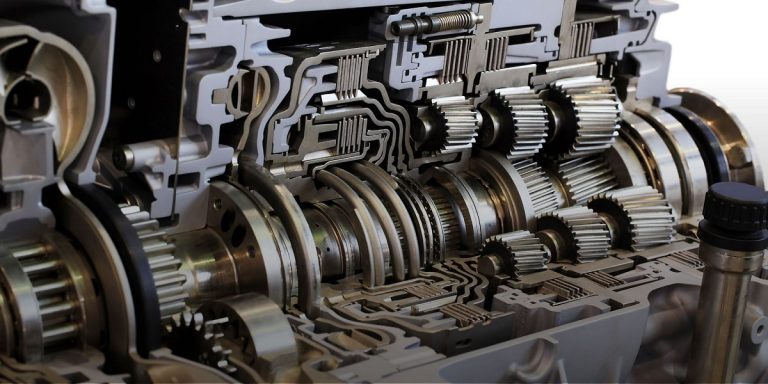
Internal transmission components such as gears, clutches, bands, and bearings can wear over time. Worn parts may slip, jam, or break, causing the transmission to stop abruptly. High-mileage vehicles are particularly prone to this issue, especially if maintenance has been irregular.
Symptoms of internal wear include difficulty shifting, unusual noises, or sudden loss of power to the wheels. Neglecting worn components accelerates damage and increases repair costs. Professional inspection and timely replacement of damaged gears, clutches, or bearings restore smooth operation and prevent abrupt transmission failure.
Routine maintenance and attentive driving habits help preserve the integrity of internal components and reduce the likelihood of sudden stoppages.
Electrical and Sensor Malfunctions
Modern transmissions rely on sensors, solenoids, and electronic control modules to manage shifting and pressure regulation. Malfunctions in these systems can trigger sudden stoppages by cutting hydraulic pressure or disabling gear engagement. Faulty sensors, wiring issues, or a failing transmission control module (TCM) often produce erratic shifting, warning lights, or complete transmission shutdown.
Diagnosing electrical problems requires professional tools to read error codes and test components. Resolving sensor or TCM issues restores normal operation and prevents recurring transmission stoppages. Keeping electrical systems in good condition, including regular inspections of wiring and connectors, reduces the risk of sudden failures.
Timely repair of electronic issues is crucial for modern vehicles, where electrical components play a central role in transmission functionality.
Severe Mechanical Failures
Catastrophic mechanical failures, such as a broken input shaft, damaged torque converter, or failed planetary gear set, can cause the transmission to stop functioning almost immediately. These failures are often accompanied by grinding noises, smoke, or an inability to move the vehicle.
Mechanical breakdowns typically require extensive repair or full transmission replacement. Causes may include lack of maintenance, overheating, or prolonged stress from towing heavy loads. Recognizing early warning signs like slipping gears, unusual noises, or vibration can help you take action before complete failure occurs.
How to Diagnose Transmission Stopping
A transmission that stops functioning suddenly is a critical issue that requires careful diagnosis to prevent further damage. Understanding how to systematically identify the cause helps you address the problem effectively. This process involves observing symptoms, checking fluid levels, inspecting components, and testing electrical and mechanical systems to pinpoint the source of the stoppage.
Check Transmission Fluid Levels and Condition
The first step in diagnosing a transmission that stops is inspecting the transmission fluid. Proper fluid levels and quality are essential for lubrication, hydraulic pressure, and cooling. Low or contaminated fluid can lead to overheating, slipping gears, or complete transmission failure.
Start by locating the transmission dipstick and checking the fluid level according to your vehicle’s specifications. Examine the fluid color and smell—healthy transmission fluid is usually bright red and has a neutral scent, while dark, murky, or burnt-smelling fluid indicates contamination or degradation. Regular maintenance and timely fluid replacement prevent sudden stoppages.
Addressing fluid-related issues early ensures that the transmission operates smoothly and reduces stress on internal components. Maintaining the correct fluid type and level is a simple yet critical preventive step.
Observe Warning Signs and Vehicle Behavior
Pay close attention to the vehicle’s performance before and during the stoppage. Warning lights, unusual noises, delayed gear engagement, slipping, or erratic shifting can provide crucial clues. These signs often indicate overheating, worn internal components, or sensor malfunctions.
Recording the circumstances under which the transmission stops—such as after extended driving, under load, or during acceleration—helps narrow down potential causes. Understanding patterns in the vehicle’s behavior aids mechanics in pinpointing the exact problem. Observing symptoms early allows for preventive actions and minimizes the risk of catastrophic failure.
Documenting all observed behaviors and anomalies ensures that diagnostic efforts are accurate and efficient.
Inspect Electrical Systems and Sensors
Modern transmissions rely heavily on electronic controls, including sensors, solenoids, and the transmission control module (TCM). Malfunctions in these systems can cut hydraulic pressure or prevent gear engagement, causing the transmission to stop unexpectedly.
Using a diagnostic scanner, check for error codes and test components such as speed sensors, shift solenoids, and the TCM. Look for damaged wiring, loose connectors, or short circuits that may disrupt transmission function. Addressing electrical issues restores proper control and prevents repeated stoppages.
Routine inspection of electrical components and maintaining a stable power supply are essential for preventing electronic-related transmission failures.
Inspect Clutch and Mechanical Components
In vehicles with manual transmissions, the clutch system plays a key role in gear engagement. Check for worn clutch discs, pressure plates, or release bearings, as these can lead to sudden transmission stoppage if they fail.
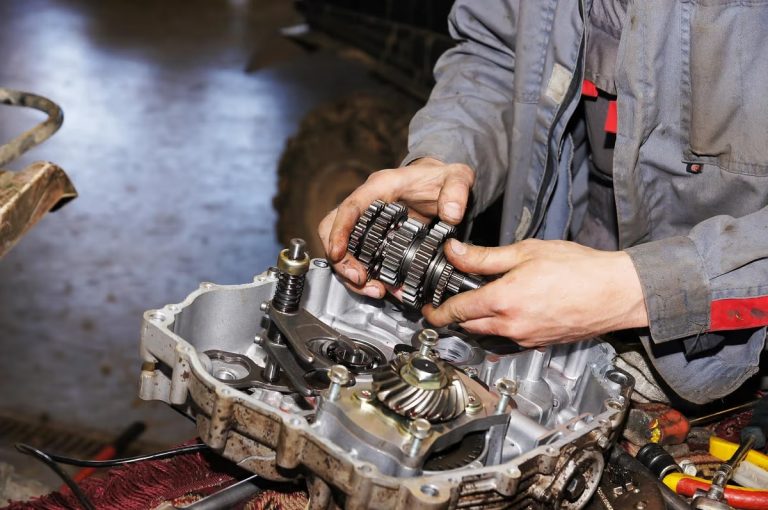
For automatic transmissions, examine mechanical components such as gears, bands, bearings, and the torque converter. Worn or damaged parts may slip, jam, or break, leading to immediate loss of power. Professional inspection often involves removing covers and testing individual components to identify wear or damage.
Timely detection and replacement of faulty mechanical parts prevent catastrophic failure and restore reliable transmission performance.
Monitor Transmission Temperature
Overheating is a frequent cause of abrupt transmission stoppage. High temperatures can expand internal parts, reduce fluid efficiency, and trigger safety mechanisms that temporarily disable the transmission.
Use onboard temperature gauges or diagnostic tools to monitor transmission heat during operation. Signs of overheating include slipping, delayed engagement, unusual smells, or fluid discoloration. Cooling the transmission, maintaining fluid quality, and adding auxiliary coolers for high-stress driving conditions help prevent sudden stoppages.
Monitoring temperature ensures that the transmission stays within safe operating limits, protecting internal components and maintaining smooth performance.
Professional Diagnostics and Testing
While basic inspections can reveal many issues, complex transmission problems often require professional diagnostics. Mechanics can perform hydraulic pressure tests, inspect internal components, and run advanced electronic tests to determine the root cause of the stoppage.
Accurate diagnosis guides targeted repairs, whether it involves fluid replacement, sensor repair, or component replacement. Addressing the correct cause prevents repeated failures and ensures safe, reliable transmission operation. Early professional intervention can save time, reduce repair costs, and avoid complete transmission replacement.
Solutions to Prevent Transmission
Preventing your transmission from stopping abruptly requires a combination of proper maintenance, careful driving habits, and timely repairs. By addressing potential issues before they escalate, you can ensure smooth operation, extend the lifespan of your transmission, and avoid costly repairs. Understanding the most effective preventive solutions is key to maintaining a reliable and safe vehicle.
Regular Transmission Fluid Maintenance
Maintaining proper transmission fluid levels and quality is essential to prevent sudden stoppages. Transmission fluid lubricates gears, bearings, and hydraulic systems while regulating temperature. Over time, fluid can degrade, become contaminated, or leak, increasing friction and heat inside the transmission.
Check fluid levels regularly, inspect the color and smell, and replace fluid according to the manufacturer’s recommended schedule. Using the correct type of fluid for your vehicle ensures optimal lubrication and cooling. Regular maintenance prevents overheating, reduces wear on internal components, and minimizes the risk of abrupt transmission failure, keeping your vehicle running smoothly.
Monitor and Control Transmission Temperature
Overheating is one of the primary causes of transmission stoppage. Excess heat can cause fluid breakdown, warp components, and trigger safety cut-offs that disable gear engagement. Monitoring transmission temperature and taking measures to control heat is crucial.
Avoid prolonged towing or driving under heavy loads without adequate cooling. Consider installing an auxiliary transmission cooler for vehicles frequently subjected to high stress. Adequate ventilation around the transmission and maintaining clean fluid also help control heat. By keeping the transmission within safe operating temperatures, you reduce stress on internal components and prevent sudden failures.
Inspect and Replace Worn Components
Worn mechanical parts such as gears, clutches, bearings, or bands can cause your transmission to fail suddenly. Regular inspection helps identify components nearing the end of their service life.
For manual transmissions, check the clutch system, including the disc, pressure plate, and release bearing. In automatic transmissions, inspect internal gears, torque converters, and bands. Early replacement of worn parts prevents unexpected stoppages, maintains smooth gear engagement, and avoids cascading damage to other transmission components. Timely repairs save money and extend the vehicle’s operational lifespan.
Maintain Electrical Systems
Modern transmissions rely heavily on electronic controls, sensors, and the transmission control module (TCM). Faulty wiring, malfunctioning sensors, or a failing TCM can cut off hydraulic pressure or disable shifting entirely, causing the transmission to stop abruptly.
Regularly inspect wiring harnesses, connectors, and sensors for signs of wear or damage. Keeping electrical components in good condition prevents erratic transmission behavior and reduces the risk of sudden failure. Using diagnostic tools to monitor electronic performance can help detect issues early before they affect transmission operation.
Adopt Safe Driving Practices
Your driving habits significantly affect transmission health. Aggressive driving, sudden gear changes, or towing beyond recommended limits can stress the transmission and increase the risk of failure.
Shift gears smoothly, avoid riding the clutch in manual transmissions, and allow the transmission to warm up before driving in cold conditions. Maintaining consistent speeds and avoiding rapid acceleration reduces stress on both mechanical and hydraulic systems. Safe driving practices complement mechanical and fluid maintenance to prevent sudden transmission stoppages and ensure long-term reliability.
Preventive Measures
Preventing sudden transmission stoppages is key to ensuring the safety and longevity of your vehicle. Regular maintenance, timely inspections, and careful driving habits can help you avoid costly repairs and keep your transmission running smoothly. Implementing preventive measures not only protects internal components but also ensures consistent performance and reliability on the road.
Regular Transmission Fluid Checks and Replacement
Transmission fluid is vital for lubrication, cooling, and hydraulic pressure. Low or degraded fluid can cause overheating, slipping gears, and ultimately abrupt transmission stoppages. Checking fluid levels regularly allows you to identify leaks or fluid degradation early.
Observe the color and smell of the fluid; healthy fluid is typically bright red and clear, while dark or burnt-smelling fluid indicates contamination. Replacing the fluid at recommended intervals ensures proper lubrication and heat management. Regular fluid maintenance helps prevent wear on gears, clutches, and bearings, and reduces the risk of sudden transmission failure, making it one of the most important preventive measures.
Monitor Transmission Temperature
Excessive heat is a major factor in transmission failure. Overheating can warp internal components, break down fluid, and trigger safety mechanisms that stop the transmission. Monitoring temperature helps you address issues before they escalate.
Use onboard temperature gauges or diagnostic tools to detect heat spikes. Avoid prolonged towing or high-load driving without proper cooling systems, and consider installing an auxiliary transmission cooler for vehicles frequently under stress. Keeping the transmission within safe operating temperatures minimizes component wear, maintains fluid efficiency, and reduces the risk of sudden stoppages.
Inspect and Maintain Mechanical Components
Worn mechanical components such as gears, bearings, clutches, or bands can lead to transmission failure. Routine inspections help identify early signs of wear or damage, preventing sudden stops and costly repairs.
For manual transmissions, check clutch discs, pressure plates, and release bearings. For automatics, inspect gears, torque converters, and internal bands. Replacing worn parts before they fail ensures smooth operation, protects other transmission components, and avoids unexpected stoppages. Regular mechanical maintenance is essential for prolonging the life of your transmission.
Maintain Electrical Systems
Modern transmissions rely heavily on electronics, including sensors, solenoids, and the transmission control module (TCM). Faulty wiring or malfunctioning sensors can disrupt shifting and cause abrupt stoppages.
Inspect connectors, wiring harnesses, and sensors for wear, corrosion, or loose connections. Using diagnostic tools to detect error codes and monitor electronic system performance helps identify potential problems early. Maintaining the electrical system ensures consistent communication between components and prevents sudden transmission failures caused by electronic malfunctions.
Practice Safe Driving Habits
Your driving style has a direct impact on transmission health. Abrupt gear changes, heavy towing, or aggressive acceleration can increase stress on internal components, leading to failure.
Shift gears smoothly and allow the clutch to fully engage in manual vehicles. Avoid “riding” the clutch and maintain consistent speeds to reduce strain. In automatic vehicles, allow the transmission to warm up during cold starts and avoid overloading the vehicle. Safe driving practices reduce stress on internal parts, complementing mechanical and fluid maintenance to prevent unexpected transmission stoppages.
People Also Asked
What Are The Main Reasons My Transmission Stops Working Quickly?
A transmission that stops within minutes is usually caused by low or contaminated fluid, overheating, worn internal components, or electrical malfunctions. Low fluid reduces lubrication, causing gears and bearings to overheat and seize. Contaminated fluid increases friction and accelerates wear.
Overheating from heavy towing, extended driving, or hot weather can also trigger safety cut-offs, stopping the transmission. Additionally, worn gears, clutches, or torque converters may fail under stress. Electrical issues such as faulty sensors or a failing TCM can disrupt hydraulic pressure, leading to sudden stoppages.
Can Low Transmission Fluid Cause Sudden Stoppage?
Yes, low transmission fluid is one of the most common reasons a transmission stops quickly. Fluid is essential for lubrication, cooling, and hydraulic pressure. Without sufficient fluid, internal components overheat and wear rapidly, leading to immediate loss of power or gear engagement.
Signs of low fluid include slipping gears, delayed engagement, and unusual noises. Checking and topping off fluid levels regularly, as well as addressing leaks promptly, prevents sudden stoppages and keeps your transmission operating smoothly. Maintaining clean, manufacturer-recommended fluid is essential for reliability.
How Does Overheating Affect Transmission Performance?
Excess heat damages internal components and fluid, causing the transmission to fail temporarily or stop completely. Overheating can result from heavy towing, extended driving, or degraded fluid. High temperatures warp gears and reduce hydraulic efficiency, triggering safety mechanisms that prevent operation to avoid further damage.
Symptoms include burning smells, slipping gears, and warning lights. Monitoring temperature, ensuring fluid quality, and installing an auxiliary cooler for heavy-load driving helps protect the transmission from overheating and sudden stoppages.
Can Electrical Problems Cause My Transmission To Stop Suddenly?
Yes, modern transmissions rely on sensors, solenoids, and the TCM for proper operation. Faulty sensors, damaged wiring, or a failing control module can interrupt hydraulic pressure, disabling gear engagement and stopping the transmission unexpectedly.
Signs include erratic shifting, warning lights, or loss of gear engagement. Regular inspection of wiring, connectors, and electronic components, combined with diagnostic scanning, helps detect issues early. Timely repair of electrical problems prevents sudden stoppages and ensures smooth transmission function.
Are Worn Internal Components A Common Cause?
Absolutely, worn gears, clutches, bearings, or bands can lead to abrupt transmission failure. High mileage, delayed maintenance, and heavy usage accelerate wear, making internal components prone to slipping, jamming, or breaking.
Symptoms include difficulty shifting, unusual noises, or immediate loss of power. Early inspection and replacement of worn parts maintain smooth operation and prevent sudden stoppages, saving on costly repairs and protecting other transmission components.
Can Driving Habits Contribute To Transmission Stopping Quickly?
Yes, aggressive driving, rapid gear changes, overloading, or towing beyond limits puts significant stress on transmission components. Abrupt acceleration or downshifting under load can overheat internal parts, degrade fluid, and cause the transmission to seize.
Maintaining smooth shifts, avoiding excessive load, and warming up the transmission before heavy use reduces stress on gears and clutches. Safe driving habits complement maintenance routines and prevent sudden stoppages, prolonging transmission lifespan.
When Should I Seek Professional Help For A Transmission That Stops Suddenly?
You should consult a mechanic immediately if your transmission stops abruptly or shows warning signs like slipping, unusual noises, or overheating. Sudden stoppages indicate serious issues such as worn components, low fluid, or electronic failures that could worsen quickly.
Professional diagnostics, including fluid inspection, pressure tests, and electronic scans, are essential for identifying the root cause. Early intervention prevents complete transmission failure, reduces repair costs, and ensures safe and reliable vehicle operation.
Final Words
Experiencing a transmission that shuts down shortly after driving can be alarming and may leave you stranded if not addressed promptly. Identifying the cause early is essential for preventing further damage and ensuring safe vehicle operation. Regular inspections, monitoring fluid levels, and paying attention to unusual noises or warning signs are critical to maintaining transmission health.
Understanding [Why Your Transmission Stops in Minutes] helps pinpoint the correct solution. Common causes include overheating transmission fluid, failing pumps, worn internal components, faulty solenoids, or electrical and sensor issues. By diagnosing the specific problem through visual checks, test drives, or OBD-II diagnostics, you can take targeted actions such as replacing worn parts, flushing fluid, or repairing sensors to restore reliable transmission performance.
Preventive maintenance is key to avoiding sudden transmission shutdowns. Keeping fluids clean and at proper levels, addressing warning signs early, and practicing gentle driving habits reduce the risk of [Why Your Transmission Stops in Minutes], ensuring smoother operation, increased reliability, and longer transmission life.