Why Your Steering Wheel Won’t Center? Causes, Fixes, and Expert Tips
Experiencing a steering wheel that won’t return to center can be both frustrating and concerning for any driver. This issue affects vehicle control, handling, and overall driving safety, making it important to understand the underlying causes. A steering wheel that stays off-center can indicate mechanical, alignment, or suspension problems that require attention.
Proper steering alignment ensures smooth handling and reduces uneven tire wear. When the steering wheel won’t center, it may affect your ability to maintain a straight line on the road, especially during high-speed driving. This can lead to fatigue from constant corrections and potentially compromise safety.
Vehicle maintenance, including suspension checks, alignment adjustments, and steering system inspections, plays a crucial role in preventing steering problems. Identifying the reason early allows for targeted repairs and avoids more extensive damage or costly repairs.
Exploring the common causes of [Why Your Steering Wheel Won’t Center] helps you address the problem efficiently, ensuring your car remains safe, responsive, and easy to drive.
Common Causes of a Steering Wheel That Won’t Center
A steering wheel that won’t center properly can impact handling, safety, and overall driving comfort. Understanding the common causes behind this issue allows you to diagnose and address the problem efficiently. Misalignment, worn components, and suspension problems are often at the heart of steering wheel centering issues. Recognizing the root causes helps prevent further damage and ensures smooth, controlled driving.
Misaligned Wheels
Wheel misalignment is one of the most frequent reasons a steering wheel won’t return to center. When the front wheels are not correctly aligned, the steering system struggles to maintain a straight line, causing the wheel to remain off-center. Misalignment can result from potholes, curb impacts, or normal wear over time.
When your wheels are misaligned, you may notice uneven tire wear, pulling to one side while driving, or a steering wheel that feels “off” even when the vehicle is moving straight. This misalignment affects suspension geometry and can place stress on other components, such as tie rods and ball joints, worsening the centering issue.
Fixing this issue requires a professional alignment check. Technicians adjust toe, camber, and caster angles to restore proper wheel orientation. Correct alignment ensures that the steering wheel naturally returns to center, improves tire longevity, and enhances overall vehicle handling. Regular wheel inspections and alignment checks help prevent centering problems before they become severe.
Worn or Damaged Steering Components
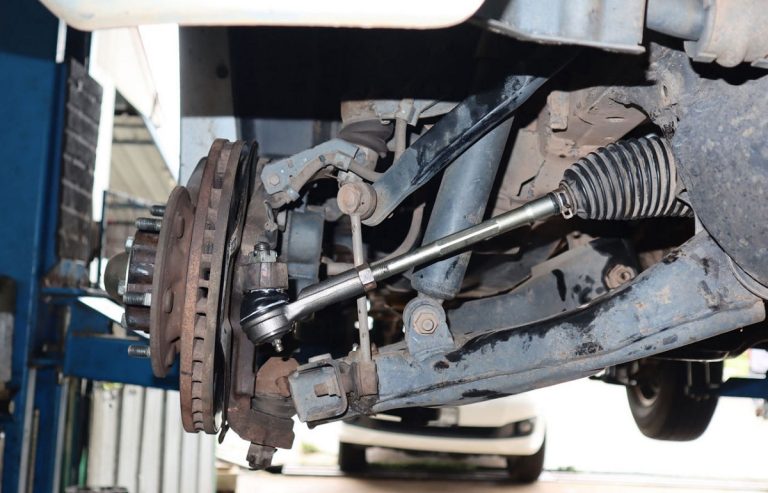
Another common cause of a steering wheel that won’t center is worn or damaged steering components. Parts like tie rods, ball joints, steering racks, and bushings can degrade over time due to wear, corrosion, or impact. Any looseness or play in these components affects steering geometry and prevents the wheel from returning to center.
Symptoms of worn steering components include excessive steering play, clunking noises during turns, and uneven tire wear. Ignoring these signs can lead to further damage, making steering less responsive and potentially unsafe. Loose or failing parts may also lead to vibrations, pulling, or drifting, all of which interfere with proper wheel centering.
Replacing or repairing worn components restores the structural integrity of the steering system. After repairs, a wheel alignment is usually necessary to ensure proper centering and smooth operation. Regular inspections during routine maintenance can identify worn parts early, preventing steering issues and improving overall vehicle safety.
Suspension Problems
Suspension issues, such as worn shocks, struts, or control arm bushings, can also prevent a steering wheel from centering. The suspension maintains wheel alignment under load, and when parts are worn, the vehicle’s geometry can shift, keeping the steering wheel off-center. Uneven ride height or sagging suspension components may also cause this problem.
A vehicle with suspension problems may feel unstable, pull to one side, or exhibit unusual handling characteristics. Steering may require constant correction, and the wheel may not naturally return to the neutral position. Driving under these conditions can accelerate tire wear, reduce comfort, and compromise safety.
Addressing suspension problems involves inspecting and replacing worn shocks, struts, or bushings. After repairs, a realignment ensures the wheels are properly positioned, allowing the steering wheel to center correctly. Preventive maintenance, such as regular suspension checks, can reduce the risk of centering issues and maintain consistent handling.
Improper Steering Rack or Gearbox Function
A malfunctioning steering rack or gearbox can directly impact your ability to center the wheel. Over time, internal wear, leaks, or damage to these components may prevent smooth steering operation. Hydraulic or electric power-assisted systems may also experience issues that create resistance or uneven movement.
Drivers may notice stiffness, uneven steering response, or a “notchy” feel when turning the wheel. The wheel may stay slightly off-center or require manual adjustment to return to neutral. Ignoring these symptoms can worsen damage and potentially compromise control, especially during emergency maneuvers.
Repairing a faulty steering rack or gearbox often requires professional evaluation. In some cases, rebuilding or replacing the component is necessary to restore proper function. Coupled with alignment, addressing rack or gearbox issues ensures the steering wheel centers properly and maintains reliable vehicle control.
Tire Issues and Uneven Wear
Tire problems, such as uneven wear, underinflation, or mismatched tires, can affect steering wheel centering. Worn or uneven tires alter traction and handling, causing the wheel to drift or remain off-center. Even small differences in tire diameter or pressure between wheels can create noticeable steering issues.
Drivers may feel the vehicle pulling to one side or notice the wheel is slightly tilted when driving straight. Uneven tire wear can also indicate misalignment or suspension problems, which may be contributing to the centering issue. Ignoring tire-related causes can reduce fuel efficiency, accelerate wear, and impact safety.
Addressing tire issues involves maintaining proper inflation, rotating tires regularly, and replacing worn or mismatched tires. After tire maintenance, a wheel alignment ensures the steering wheel returns to center. Regular tire inspections are an easy preventive measure to maintain proper steering function and overall vehicle safety.
Impact Damage and Accidents
Finally, impacts from accidents or hitting curbs and potholes can cause a steering wheel to remain off-center. Such incidents can bend suspension components, misalign wheels, or damage the steering rack. Even minor impacts can alter alignment angles, leading to centering problems that worsen over time.
After an impact, drivers may notice the vehicle pulling, uneven tire wear, or the steering wheel not aligning properly when driving straight. Addressing the underlying damage promptly is critical to prevent further steering or suspension problems.
Repair may involve replacing bent components, performing a full alignment, or inspecting the steering system for hidden damage. Proper repairs restore steering wheel centering and ensure safe, predictable vehicle handling. Regular inspections after impacts help detect issues before they lead to more serious mechanical failures.
How to Diagnose Steering Wheel Centering Issues
A steering wheel that won’t return to center can indicate underlying problems with alignment, suspension, or steering components. Diagnosing the issue accurately is essential for safe driving and preventing further damage. A step-by-step approach allows you to identify the root cause, whether it’s worn parts, misaligned wheels, or tire problems, and take corrective action before the problem worsens.
Visual Inspection of Steering and Suspension Components
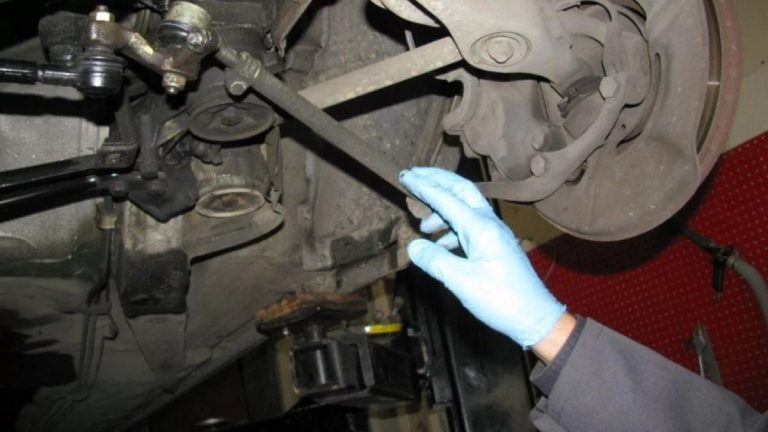
The first step in diagnosing centering issues is a thorough visual inspection. Begin by examining tie rods, ball joints, control arms, and bushings for signs of wear, corrosion, or looseness. Damaged or worn components can prevent the steering wheel from centering properly. Look for cracks, play in joints, or uneven wear marks that may indicate stress points.
Also inspect shocks and struts for leaks or sagging, as suspension irregularities affect wheel alignment and steering behavior. Loose or damaged mounts and brackets can exacerbate the problem, causing the steering wheel to feel off-center. Documenting what you observe helps you focus on potential causes during subsequent testing.
Finally, check for damage from impacts such as potholes or curbs, which may bend components or misalign wheels. A careful visual inspection lays the foundation for accurate diagnosis and guides you toward the next steps in correcting the centering issue.
Checking Wheel Alignment
Wheel alignment is a critical factor when diagnosing steering wheel centering problems. Misaligned wheels cause the steering wheel to remain off-center even when the vehicle drives straight. A simple test involves driving on a flat, straight road and observing whether the vehicle drifts to one side or if the wheel is angled when the car is traveling straight.
Front-end alignment parameters such as toe, camber, and caster angles can affect how the steering wheel returns to center. Even minor deviations from manufacturer specifications can prevent proper centering. Alignment machines at professional shops provide precise measurements and adjustments, allowing technicians to restore correct geometry.
Checking alignment may also reveal other underlying issues, such as uneven tire wear or bent suspension components. Correcting alignment ensures the steering system functions as designed and that the wheel naturally returns to center after turns. Regular alignment checks are a key preventative measure for steering problems.
Tire Inspection and Maintenance
Tires play a significant role in steering behavior, so inspecting them is crucial when diagnosing centering issues. Check for uneven tread wear, underinflation, or mismatched tire sizes, as these can cause the steering wheel to feel off-center or pull to one side. Even small differences in tire pressure can impact handling and centering.
Rotating tires regularly and maintaining proper inflation helps ensure balanced traction across all wheels, which contributes to smooth steering. Look for bulges, cuts, or worn sidewalls that could compromise tire performance. Worn or damaged tires often exacerbate alignment or suspension problems, making centering more difficult.
Replacing tires when needed and maintaining consistent tire conditions across all four wheels helps eliminate one potential cause of off-center steering. Tire inspection is an inexpensive and effective step in the diagnostic process, ensuring that handling issues are not tire-related before addressing more complex components.
Testing Steering Rack and Power Assistance
A malfunctioning steering rack or power-assisted system can prevent the wheel from centering. To test, turn the steering wheel fully left and right, then release it to see if it returns naturally to center. Resistance, uneven return, or “notchy” movement may indicate internal wear or hydraulic/electric system issues.
For hydraulic power steering, check for fluid leaks, low fluid levels, or air in the system, which can cause inconsistent steering response. In electric power-assisted systems, worn motors, sensors, or control units can create similar symptoms. Any irregular behavior suggests professional evaluation may be needed.
Testing the steering rack and power assistance helps identify whether mechanical failure or a system malfunction is causing the centering problem. Early detection prevents further damage and ensures the steering system remains safe and reliable.
Observing Vehicle Handling and Road Behavior
Finally, evaluating how your vehicle behaves on the road is a practical diagnostic step. Drive at moderate speeds on flat, straight roads and gently steer left and right. Observe whether the wheel returns to center naturally, drifts, or requires correction. Note any pulling to one side or unusual vibrations, which can indicate alignment, suspension, or tire issues.
Also, test the vehicle during turns and braking. Resistance or abnormal steering behavior may point to worn components or imbalances. Keeping a detailed record of symptoms during different driving conditions helps isolate the problem and guides repair decisions.
Understanding your vehicle’s handling and road response complements the visual inspections, alignment checks, and mechanical tests. Combining these diagnostic methods provides a complete picture of why the steering wheel won’t center and helps you take the right corrective action.
Effective Solutions to Fix a Steering Wheel
A steering wheel that won’t center properly can compromise driving safety, comfort, and vehicle control. Addressing the issue promptly prevents further damage to the steering and suspension systems. Effective solutions range from simple adjustments to professional repairs, depending on the underlying cause. Understanding these methods helps you restore proper steering function and maintain safe vehicle operation.
Performing a Wheel Alignment
Wheel alignment is often the first solution to consider for a steering wheel that won’t center. Misaligned wheels cause the vehicle to drift and prevent the steering wheel from returning to its neutral position. Correcting alignment ensures that the front wheels are properly positioned in relation to the suspension and each other.
During an alignment service, a technician will adjust the toe, camber, and caster angles according to manufacturer specifications. Proper alignment improves steering response, reduces tire wear, and allows the wheel to return to center naturally. For vehicles that have recently hit potholes, curbs, or suffered impact damage, alignment is particularly important.
Regular wheel alignment checks, especially after tire replacement or suspension work, can prevent centering issues from developing. Combining alignment with tire inspections ensures that the steering system functions smoothly and the vehicle maintains proper handling characteristics.
Replacing Worn or Damaged Steering Components
Worn or damaged steering components, such as tie rods, ball joints, or steering racks, can prevent proper wheel centering. Replacing these parts restores the steering system’s integrity and responsiveness. Symptoms such as clunking noises, excessive play, or uneven steering resistance often indicate that replacement is necessary.
When replacing components, a professional inspection is essential to ensure that all associated parts, including bushings and mounts, are in good condition. After replacement, a wheel alignment is usually required to restore correct steering geometry. Proper installation and torque specifications are critical to prevent recurring issues.
Regular inspections of steering components during routine maintenance help identify wear before it causes centering problems. Addressing these parts proactively improves steering precision, handling, and vehicle safety, while reducing the risk of unexpected failures on the road.
Repairing or Servicing the Suspension System
A worn or damaged suspension system, including shocks, struts, and control arm bushings, can affect wheel centering. Suspension components maintain proper wheel positioning under load, and worn parts can shift geometry, leaving the steering wheel off-center.
Repair or replacement of faulty suspension parts restores correct wheel alignment and improves overall handling. After suspension work, a wheel alignment ensures that the steering wheel returns to center and that tires contact the road evenly. Additionally, inspecting suspension mounts and connections during repairs prevents further issues.
Preventive maintenance, such as monitoring ride height, checking for fluid leaks in shocks, and replacing worn bushings, helps maintain proper wheel geometry. A healthy suspension system supports smooth steering, better handling, and consistent wheel centering.
Adjusting or Replacing Tires
Tire issues, such as uneven wear, mismatched sizes, or incorrect pressure, can interfere with steering wheel centering. Maintaining proper tire inflation and replacing worn tires helps the wheel return to neutral during driving. Rotating tires regularly also ensures even wear and balanced traction.
For vehicles with severe uneven wear, replacing all four tires may be necessary to restore consistent handling. Tire balancing and proper alignment further enhance steering stability. Even minor differences in tire diameter or tread depth can affect centering, especially on high-performance vehicles or those with all-wheel drive.
Routine tire maintenance is an inexpensive and effective way to support steering performance. Addressing tire-related issues early prevents recurring centering problems and improves safety, fuel efficiency, and overall driving comfort.
Professional Steering Rack and Power System Repairs
If wheel centering issues persist despite alignment and component replacement, the steering rack or power-assisted system may be at fault. Hydraulic or electric steering systems can wear over time, causing resistance, uneven movement, or incomplete centering.
Repairing or rebuilding the steering rack restores smooth operation, while checking power steering fluid levels, lines, and sensors ensures consistent response. Replacing worn seals, bushings, or the entire rack may be required for more severe cases. Professional attention is often necessary to handle these systems safely and effectively.
Addressing steering rack and power system problems ensures precise control, reliable centering, and consistent performance. Proper maintenance and timely repairs prevent further damage to steering and suspension components, enhancing vehicle safety and drivability.
Preventive Measures to Keep Your Steering Wheel Centered
Maintaining a steering wheel that consistently returns to center improves vehicle control, safety, and driving comfort. Preventive measures focus on proper alignment, suspension health, tire care, and regular inspections of steering components. Implementing these steps reduces the risk of handling issues, uneven tire wear, and costly repairs. Consistency in maintenance ensures your vehicle remains reliable and your driving experience smooth.
Regular Wheel Alignment Checks
One of the most important preventive measures is performing regular wheel alignment checks. Over time, minor misalignments can develop from normal driving, impacts with potholes or curbs, or wear on suspension components. Misaligned wheels cause the steering wheel to remain off-center and can increase tire wear.
Scheduling an alignment check every 10,000 to 12,000 miles, or as recommended by your vehicle manufacturer, helps maintain proper wheel geometry. A professional alignment service adjusts toe, camber, and caster angles to restore optimal handling. Checking alignment after tire replacement or suspension repairs is particularly important.
Proper wheel alignment not only keeps the steering wheel centered but also improves fuel efficiency, extends tire life, and reduces strain on steering components. Consistent alignment checks are a simple and effective step to prevent future centering issues.
Maintaining Suspension and Steering Components
Suspension and steering components directly influence wheel centering. Worn tie rods, ball joints, control arm bushings, shocks, or struts can alter wheel positioning and cause the steering wheel to stay off-center. Regular inspections and timely replacement of these components are essential.
Pay attention to signs such as clunking noises, excessive play in the steering wheel, uneven tire wear, or a vehicle that pulls to one side. These symptoms indicate that suspension or steering parts may need maintenance. Lubrication of joints and periodic checks of mounts and bushings can also prevent premature wear.
Maintaining these components ensures consistent wheel geometry, smoother handling, and proper steering wheel return. Proactive care reduces the likelihood of costly repairs and enhances overall driving safety.
Proper Tire Care and Rotation
Tires play a significant role in steering performance. Uneven tire wear, mismatched tires, or incorrect inflation can cause the steering wheel to remain off-center or pull to one side. Regularly checking tire pressure and tread depth ensures balanced traction.
Rotating tires at recommended intervals, usually every 5,000 to 7,500 miles, promotes even wear and helps maintain consistent handling. Replacing worn or damaged tires promptly prevents centering issues from developing. Using tires that meet manufacturer specifications in terms of size and load rating is also critical.
Proper tire maintenance supports overall steering system performance and prolongs the life of suspension and alignment components. It’s a simple yet effective preventive measure that directly impacts wheel centering.
Avoiding Driving Impacts and Harsh Conditions
Driving habits can influence steering wheel centering. Hitting potholes, curbs, or debris at high speeds can bend suspension components or affect wheel alignment, causing the steering wheel to stay off-center. Avoiding harsh impacts and driving cautiously over rough roads reduces stress on steering and suspension systems.
Regularly inspecting the vehicle after minor impacts ensures early detection of potential problems. Making repairs promptly, such as realignment or replacing damaged components, prevents small issues from becoming major centering problems.
By combining careful driving habits with proactive maintenance, you protect both the steering system and tires. Consistent attention to these preventive measures ensures the steering wheel stays centered and your vehicle remains safe and responsive.
Effective Solutions to Fix a Steering Wheel
A steering wheel that won’t center properly can compromise driving safety, comfort, and vehicle control. Addressing the issue promptly prevents further damage to the steering and suspension systems. Effective solutions range from simple adjustments to professional repairs, depending on the underlying cause. Understanding these methods helps you restore proper steering function and maintain safe vehicle operation.
Performing a Wheel Alignment
Wheel alignment is often the first solution to consider for a steering wheel that won’t center. Misaligned wheels cause the vehicle to drift and prevent the steering wheel from returning to its neutral position. Correcting alignment ensures that the front wheels are properly positioned in relation to the suspension and each other.
During an alignment service, a technician will adjust the toe, camber, and caster angles according to manufacturer specifications. Proper alignment improves steering response, reduces tire wear, and allows the wheel to return to center naturally. For vehicles that have recently hit potholes, curbs, or suffered impact damage, alignment is particularly important.
Regular wheel alignment checks, especially after tire replacement or suspension work, can prevent centering issues from developing. Combining alignment with tire inspections ensures that the steering system functions smoothly and the vehicle maintains proper handling characteristics.
Replacing Worn or Damaged Steering Components
Worn or damaged steering components, such as tie rods, ball joints, or steering racks, can prevent proper wheel centering. Replacing these parts restores the steering system’s integrity and responsiveness. Symptoms such as clunking noises, excessive play, or uneven steering resistance often indicate that replacement is necessary.
When replacing components, a professional inspection is essential to ensure that all associated parts, including bushings and mounts, are in good condition. After replacement, a wheel alignment is usually required to restore correct steering geometry. Proper installation and torque specifications are critical to prevent recurring issues.
Regular inspections of steering components during routine maintenance help identify wear before it causes centering problems. Addressing these parts proactively improves steering precision, handling, and vehicle safety, while reducing the risk of unexpected failures on the road.
Repairing or Servicing the Suspension System
A worn or damaged suspension system, including shocks, struts, and control arm bushings, can affect wheel centering. Suspension components maintain proper wheel positioning under load, and worn parts can shift geometry, leaving the steering wheel off-center.
Repair or replacement of faulty suspension parts restores correct wheel alignment and improves overall handling. After suspension work, a wheel alignment ensures that the steering wheel returns to center and that tires contact the road evenly. Additionally, inspecting suspension mounts and connections during repairs prevents further issues.
Preventive maintenance, such as monitoring ride height, checking for fluid leaks in shocks, and replacing worn bushings, helps maintain proper wheel geometry. A healthy suspension system supports smooth steering, better handling, and consistent wheel centering.
Adjusting or Replacing Tires
Tire issues, such as uneven wear, mismatched sizes, or incorrect pressure, can interfere with steering wheel centering. Maintaining proper tire inflation and replacing worn tires helps the wheel return to neutral during driving. Rotating tires regularly also ensures even wear and balanced traction.
For vehicles with severe uneven wear, replacing all four tires may be necessary to restore consistent handling. Tire balancing and proper alignment further enhance steering stability. Even minor differences in tire diameter or tread depth can affect centering, especially on high-performance vehicles or those with all-wheel drive.
Routine tire maintenance is an inexpensive and effective way to support steering performance. Addressing tire-related issues early prevents recurring centering problems and improves safety, fuel efficiency, and overall driving comfort.
Professional Steering Rack and Power System Repairs
If wheel centering issues persist despite alignment and component replacement, the steering rack or power-assisted system may be at fault. Hydraulic or electric steering systems can wear over time, causing resistance, uneven movement, or incomplete centering.
Repairing or rebuilding the steering rack restores smooth operation, while checking power steering fluid levels, lines, and sensors ensures consistent response. Replacing worn seals, bushings, or the entire rack may be required for more severe cases. Professional attention is often necessary to handle these systems safely and effectively.
Addressing steering rack and power system problems ensures precise control, reliable centering, and consistent performance. Proper maintenance and timely repairs prevent further damage to steering and suspension components, enhancing vehicle safety and drivability.
People Also Asked
What Causes My Steering Wheel Not to Center?
A steering wheel that won’t center can result from several issues. The most common causes include wheel misalignment, worn or damaged suspension components, and problems with the steering rack or power steering system. Misaligned wheels or uneven suspension geometry prevent the wheel from returning to neutral.
Other factors, like uneven tire wear, underinflated tires, or impacts from potholes, can also contribute. Regular inspection of tires, steering components, and alignment helps you identify the root cause. Understanding these factors allows you to take corrective action before the issue worsens.
How Do I Know If It’s an Alignment Issue?
You may suspect an alignment problem if your vehicle pulls to one side or the steering wheel remains off-center while driving straight. Uneven tire wear, a tilted wheel, or drifting during acceleration are strong indicators of misalignment.
Professional alignment checks measure toe, camber, and caster angles to ensure wheels are properly oriented. Misalignment not only affects steering centering but also accelerates tire wear and reduces fuel efficiency. Checking alignment regularly prevents long-term handling issues and keeps your steering wheel properly centered.
Can Worn Suspension Parts Cause the Steering Wheel to Stay Off-Center?
Yes, worn suspension components such as control arm bushings, ball joints, or tie rods can prevent the steering wheel from centering. These parts maintain wheel geometry under load, and wear or looseness can shift alignment angles.
Symptoms may include clunking noises, steering play, uneven tire wear, or a vehicle that drifts to one side. Replacing worn parts and performing a wheel alignment restores proper geometry, allowing the steering wheel to return to center naturally. Routine suspension checks help prevent these issues from developing.
Could Tires Affect Steering Wheel Centering?
Tires have a significant impact on steering behavior. Uneven tread wear, mismatched tires, or incorrect inflation can cause the steering wheel to feel off-center or pull to one side. Even minor differences in tire size or pressure can affect handling.
Rotating tires regularly, maintaining correct tire pressure, and replacing worn tires ensures balanced traction and smooth steering response. Checking tire conditions is a simple preventive measure to maintain proper centering and overall driving safety.
Is a Faulty Steering Rack Responsible for an Off-Center Wheel?
A malfunctioning steering rack or power steering system can prevent the wheel from returning to center. Hydraulic or electric power-assisted steering may develop leaks, worn bushings, or internal damage, causing resistance or uneven movement.
Symptoms include a “notchy” feel, inconsistent steering response, or difficulty returning the wheel to neutral. Repairing or replacing the steering rack often restores smooth operation. Early detection of these issues prevents further damage and ensures reliable, centered steering.
Can Impacts or Accidents Cause the Steering Wheel Not to Center?
Yes, impacts from potholes, curbs, or minor accidents can bend suspension components, damage the steering rack, or knock wheels out of alignment. Even small incidents may alter geometry enough to keep the wheel off-center.
After an impact, check for pulling, uneven tire wear, or steering irregularities. Timely repair of bent components and performing a full alignment helps restore proper wheel centering and prevents long-term damage to the steering system. Observing your vehicle after impacts ensures safety and maintains smooth handling.
Final Words
Experiencing a steering wheel that refuses to center can make driving uncomfortable and even unsafe. Addressing the underlying issues promptly is essential to maintain control and ensure smooth handling on the road. Regular inspections of your steering system, suspension components, and wheel alignment can prevent minor problems from escalating into serious safety hazards.
Understanding the causes of [Why Your Steering Wheel Won’t Center] is crucial for taking the right corrective measures. Misaligned wheels, worn steering parts, or power steering malfunctions are common culprits that can be diagnosed through careful inspection or professional assessment. Once identified, timely repairs or replacements can restore your steering performance and improve overall vehicle safety.
Proactive maintenance is the key to avoiding recurring centering problems. Keeping up with wheel alignments, monitoring steering and suspension health, and maintaining your power steering system will help you prevent issues in the future. Resolving [Why Your Steering Wheel Won’t Center] ensures safer, smoother, and more confident driving every time you hit the road.