Why Do Brakes Squeak Only When Reversing? Maintenance Tips & Solutions
Strange car noises tend to grab attention fast, especially when everything else feels normal. A sharp squeak while backing out of a driveway or parking spot can feel confusing, even embarrassing, and it often leaves drivers wondering whether something serious is wrong.
Many people search for answers to Why Do Brakes Squeak Only When Reversing, because the sound seems oddly specific. The brakes stay quiet while driving forward, yet the moment reverse gear engages, the noise appears and echoes in quiet spaces.
This type of brake squeak usually happens at low speed and light pressure, which makes it more noticeable during slow maneuvers. Since the vehicle still stops smoothly, the sound feels out of place and raises doubts about wear, safety, or maintenance habits.
Learning what causes this behavior brings peace of mind and helps drivers make smarter decisions. Recognizing patterns in brake noise can separate harmless quirks from issues that deserve attention.
Common Driving Situations When the Noise Appears
Brake noise rarely happens at random. It often shows up during specific driving moments when pressure, speed, and movement combine in unique ways. Understanding these everyday situations helps explain why the sound feels predictable yet confusing. The noise usually appears during low-speed actions, light brake use, or short directional changes where braking components react differently than they do during normal forward driving.
Backing Out of a Driveway in the Morning
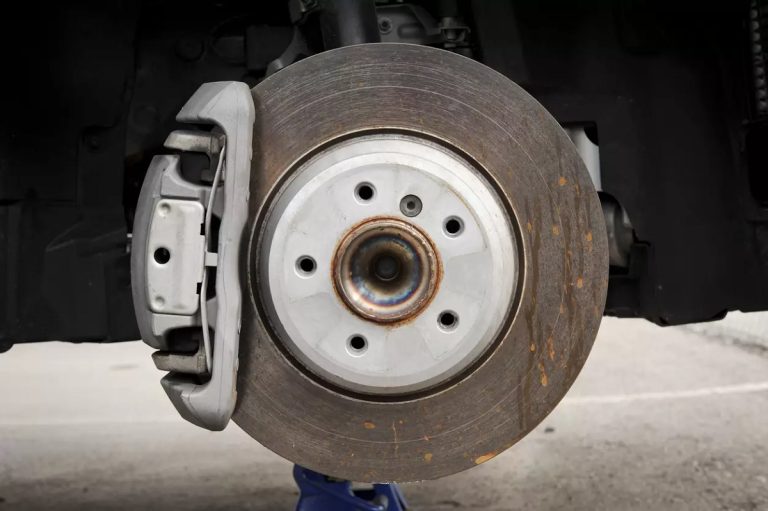
One of the most common times drivers notice brake noise is while reversing out of a driveway, especially during the first drive of the day. Overnight moisture, humidity, or light surface rust can form on brake rotors, creating a thin layer that reacts when the brakes are first applied. When you reverse slowly and press the brake pedal gently, this surface contact can produce a sharp squeak that disappears once the rust wears off.
This situation often feels louder because driveways are quiet and enclosed, allowing sound to echo. The low speed and minimal brake pressure used during reversing increase vibration between brake pads and rotors. Unlike forward driving, where airflow and stronger braking smooth things out, reversing keeps everything subtle and sensitive.
Drivers also tend to notice the sound more in the morning because the car has been sitting still for hours. As the brakes warm up through normal use, the noise fades quickly. This pattern can repeat daily, creating the impression of a recurring problem even though braking performance remains unchanged.
Reversing in Tight Parking Lots or Garages
Parking garages and tight lots are another frequent setting where brake squeaks become noticeable. These spaces amplify sound due to concrete walls, low ceilings, and limited ventilation. Even a mild squeak can seem much louder and more concerning than it would on an open road.
When maneuvering in tight areas, drivers usually apply light, repeated braking while steering sharply. This combination puts uneven pressure on brake pads, especially when moving in reverse. The angle of the pads against the rotors changes slightly, which can trigger vibrations that create noise.
Slow rolling speed also plays a role. At low speeds, brakes do not generate enough heat to smooth friction surfaces. Instead, they grip and release in tiny motions that produce squeaking sounds. Because parking requires frequent stops and starts, the noise may repeat several times, making it feel persistent even though it stops once the car exits the confined space.
Stop-and-Go Traffic With Frequent Reverse Maneuvers
In heavy traffic or crowded areas, drivers sometimes need to reverse briefly to adjust positioning. These short reverse movements often happen after long periods of forward driving, which changes the brake surface conditions. When the brakes suddenly switch direction, the pads may not settle evenly against the rotors, creating a momentary squeak.
Stop-and-go traffic also leads to inconsistent brake temperatures. The brakes cool down during idle moments and heat up again during movement. This fluctuation can affect how materials expand and contract, increasing the chance of noise when reversing slowly.
Repeated light braking during traffic does not clean the rotor surface as effectively as firm braking. As a result, small deposits or glazing on the pads can interact with the rotors during reverse motion. The noise may seem random, but it often follows predictable patterns tied to traffic flow and short, controlled movements.
Low-Speed Reversing on Sloped or Uneven Surfaces
Sloped driveways, ramps, or uneven ground can also trigger brake noise during reverse driving. When a vehicle sits on an incline, gravity shifts weight distribution, changing how the brake pads press against the rotors. This uneven pressure can increase vibration when the brakes are applied lightly.
Reversing uphill or downhill usually requires careful pedal control. Drivers tend to feather the brakes to maintain control, which creates just enough friction to cause squeaking without fully engaging the braking system. The sound may appear only on slopes and disappear on flat ground, adding to the confusion.
Uneven surfaces can also cause minor suspension movement, which affects brake alignment during reversing. These small changes are rarely noticeable in forward driving but become more obvious at low speeds. The noise may feel linked to the terrain rather than the brakes themselves, even though the braking system is the source.
Brake Pad and Hardware-Related Reasons
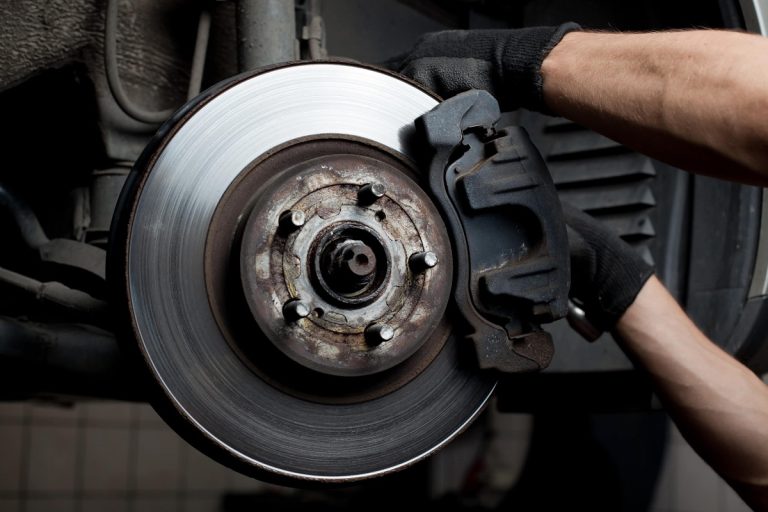
Brake noise often traces back to the condition and design of brake pads and the supporting hardware around them. These parts work together under constant pressure, heat, and movement. Small changes in fit, wear, or material can cause vibrations that become more noticeable during reverse motion. Understanding how pads and hardware behave helps explain why squeaking appears in specific situations.
Worn or Uneven Brake Pads
Brake pads wear down gradually, but not always evenly. When pads develop uneven surfaces, they may not sit flat against the rotor during reverse movement. This uneven contact creates vibration, which turns into a squeaking sound at low speeds. The issue becomes more noticeable when reversing because the pads are pushed in the opposite direction than usual.
As pads thin out, they lose their ability to absorb vibration effectively. Instead of pressing smoothly against the rotor, they may chatter slightly. This chatter often goes unnoticed during forward driving because higher speeds and stronger braking mask the sound. In reverse, light braking exposes these imperfections more clearly.
In some cases, pads with worn edges or hardened surfaces can squeak despite having enough thickness left. Heat and friction can change pad material over time, making it less flexible. When reversing slowly, the pads struggle to adapt to directional change, causing noise without affecting stopping power.
Missing or Damaged Anti-Rattle Clips
Anti-rattle clips play a crucial role in keeping brake pads stable inside the caliper. These small metal components reduce movement and absorb vibration. When they are missing, bent, or worn out, brake pads can shift slightly during reverse motion, producing a squeaking or chirping sound.
This problem often appears after a brake pad replacement where clips were not installed correctly or reused despite being worn. Forward braking may feel normal because pressure pushes the pads into a stable position. In reverse, the lack of support allows just enough movement to create noise.
Over time, exposure to heat, moisture, and debris weakens these clips. Rust can reduce their tension, making them less effective at holding pads firmly. The resulting vibration becomes audible at low speeds, especially during gentle braking. Although the noise is annoying, it often points to hardware issues rather than serious brake failure.
Pad Material and Design Differences
Brake pad material has a major influence on noise behavior. Semi-metallic pads, for example, are durable and effective but more prone to squeaking. Their metal content increases friction and vibration, which can become noticeable when reversing slowly.
Ceramic pads tend to be quieter but can still squeak under certain conditions. Their smooth surface and hardness may cause vibration during light braking, especially when the pads are new or have not fully bedded in. Reversing emphasizes these traits because the braking force is minimal and controlled.
Pad shape and edge design also matter. Some pads lack chamfered edges or proper slots, making them more sensitive to directional changes. Without features that reduce vibration, pads can resonate against the rotor during reverse braking. This noise does not always signal poor quality but reflects how specific materials and designs interact with the braking system.
Lack of Proper Lubrication on Hardware
Brake hardware relies on specialized lubrication to function quietly and smoothly. Contact points where pads slide within the caliper need grease to prevent friction-related noise. When lubrication dries out or was never applied properly, metal-to-metal contact increases vibration.
Reversing highlights this issue because the pads shift direction slightly within the caliper. Without lubrication, this movement creates resistance and sound. Forward braking may not reveal the problem because constant pressure keeps the pads in place.
Environmental factors such as heat, water, and road debris accelerate lubricant breakdown. Over time, dry hardware becomes a common cause of squeaking during reverse. Regular maintenance and correct lubrication reduce noise and help extend the life of brake components without changing braking performance.
Environmental and Surface Factors
Brake noise is not always caused by worn parts or mechanical problems. Environmental conditions and driving surfaces play a significant role in how brakes behave, especially during low-speed reversing. Moisture, temperature changes, and road contaminants can temporarily affect friction between brake components, making squeaks appear unexpectedly even when the braking system is in good condition.
Moisture, Humidity, and Overnight Condensation
Moisture is one of the most common environmental triggers for brake squeaking. Overnight condensation, rain, or high humidity can leave a thin film of water on brake rotors. When a car is first driven and reversed slowly, this moisture interferes with smooth pad contact, creating a high-pitched squeak that disappears after a few brake applications.
Humidity also encourages light surface rust to form on rotors, especially in areas with frequent rain or coastal air. This rust layer is usually harmless and wears off quickly, but during reversing, gentle braking allows the pads to skim over the uneven surface, producing noise. Forward driving often clears the rust faster due to stronger braking force.
Parking outdoors increases exposure to these conditions. Vehicles parked in garages may experience less moisture-related noise, while those left outside are more likely to squeak in the morning. The sound may seem repetitive but usually reflects environmental exposure rather than brake failure.
Dust, Dirt, and Road Debris Buildup
Road conditions heavily influence brake noise. Dust from construction zones, dirt roads, and urban pollution can accumulate on brake components over time. This buildup alters the friction surface between the pads and rotors, increasing the likelihood of squeaking during light braking in reverse.
Fine particles become trapped between the pad and rotor, acting like abrasive material. At low speeds, these particles vibrate instead of being crushed or expelled. Reversing often involves gentle braking, which allows the debris to remain in place long enough to create sound.
Brake dust from pad wear also contributes to the problem. Certain pad materials produce more dust, which can settle unevenly on the rotor surface. This uneven layer causes inconsistent contact during reversing, leading to noise that disappears at higher speeds. Regular cleaning and normal driving often reduce this effect without any repairs.
Temperature Changes and Cold Weather Effects
Temperature fluctuations affect how brake materials expand and contract. Cold weather causes metal components to shrink slightly, changing how tightly brake pads fit within the caliper. This looseness can allow minor movement when reversing, creating squeaking sounds during light braking.
Cold pads and rotors also generate less friction initially. Until the brakes warm up, the surfaces may not mate smoothly, especially when braking gently in reverse. The noise often fades once normal driving raises the temperature and stabilizes contact.
Rapid temperature changes, such as driving after a cold night or sudden weather shifts, increase this effect. Drivers may notice squeaking only during the first few minutes of operation. This behavior is common in colder climates and usually does not indicate wear or damage, just temporary material response.
Parking Surface and Ground Conditions
The surface where a vehicle is parked can influence brake noise during reversing. Sloped driveways, uneven pavement, or gravel surfaces change how weight is distributed across the braking system. When reversing, this uneven load affects pad pressure and increases vibration.
Gravel or dusty parking areas can introduce small particles into the braking system. These particles may lodge between pads and rotors, causing squeaking during the first reverse movement. Once the car moves forward and brakes are applied more firmly, the debris often clears out.
Concrete surfaces in garages or parking structures amplify sound, making minor squeaks seem louder. The noise may appear worse in certain locations even though the brakes behave the same elsewhere. This effect can mislead drivers into thinking the issue has worsened when it is simply more noticeable due to surface and surroundings.
Vehicle Design and Usage Influences
Not all brake squeaks come from wear or environmental exposure. The way a vehicle is designed and how it is driven over time also shape brake behavior. Weight distribution, braking system layout, and daily driving habits affect how components respond during low-speed reversing. These factors explain why some vehicles experience reverse-only brake noise more often than others.
Brake System Design and Pad Orientation
Modern vehicles use braking systems designed primarily for forward motion, where most braking force occurs. Brake pads are shaped and positioned to handle this dominant direction. When the vehicle moves in reverse, the pads engage the rotor from a slightly different angle, which can introduce vibration that leads to squeaking.
Some designs place greater emphasis on performance and stopping power rather than noise reduction. In these systems, pad orientation and caliper design may allow minimal movement during reverse braking. This movement is usually harmless but becomes audible at low speeds when braking pressure is light.
Vehicles with larger wheels or performance brakes may experience this more frequently. The increased surface area and stiffness amplify vibration. While the system functions safely, the design favors responsiveness over silence, making occasional reverse squeaks a trade-off rather than a defect.
Driving Habits and Brake Usage Patterns
How a vehicle is driven day to day has a direct impact on brake noise. Drivers who rely heavily on gentle braking, especially in city traffic, may notice more squeaking during reverse. Light braking does not fully clean the rotor surface, allowing deposits to build up on pads over time.
Short trips also contribute to this issue. When brakes do not reach optimal operating temperature, moisture and residue remain on braking surfaces. Reversing after repeated short drives highlights these conditions, producing noise that disappears after longer trips or firmer braking.
Frequent parking maneuvers, such as parallel parking or backing into tight spaces, increase low-speed brake use. This repeated pattern reinforces vibration tendencies during reverse. The brakes may be mechanically sound, yet usage habits make the noise more noticeable and recurring.
Vehicle Weight, Load, and Suspension Behavior
Vehicle weight plays a significant role in how brakes respond. Heavier vehicles place more constant pressure on brake components, which can increase vibration during directional changes. When reversing slowly, this added load affects how pads settle against the rotor, sometimes causing squeaking.
Carrying heavy cargo or driving with a full passenger load shifts weight distribution. The suspension compresses differently, altering brake alignment slightly. These small changes are usually insignificant during forward motion but become more pronounced at low speeds in reverse.
Suspension design also influences brake noise. Softer suspension systems allow more movement during braking, increasing the chance of vibration. In reverse, this movement combines with light braking to produce sound. The noise reflects the interaction between vehicle design and everyday use rather than a fault in the braking system.
FAQs
Why Do Brakes Squeak Only When Reversing?
You may notice this sound because braking components behave slightly differently when the vehicle moves backward. Brake pads are designed mainly for forward motion, so reversing changes how they contact the rotor. At low speed, light brake pressure increases vibration instead of smoothing it out.
This vibration turns into a squeak, especially in quiet areas like parking lots. Since braking performance feels normal, the noise often seems confusing, but it is usually related to friction patterns rather than a serious mechanical failure.
Is It Normal For Brakes To Squeak During Reverse?
In many cases, this behavior is normal and common. You might hear squeaking due to moisture, light rust, or dust on the brake rotors. These conditions are more noticeable when you reverse slowly and apply gentle braking.
Once you drive forward and use the brakes normally, the noise often disappears. This pattern suggests that the braking system is working as intended, and the sound is more of an annoyance than a safety concern.
Can New Brake Pads Cause Squeaking In Reverse?
Yes, new brake pads can squeak when reversing, especially during the break-in period. Fresh pads need time to bed properly against the rotors. During this stage, slight vibrations can occur under light braking.
Reversing highlights these vibrations because the pads engage from the opposite direction. As you continue driving and the pads wear evenly, the noise usually fades. Proper bedding and regular use help reduce this issue over time.
Does Moisture Or Weather Make Reverse Brake Noise Worse?
Weather plays a big role in brake noise. You may hear squeaking more often after rain, overnight condensation, or in humid conditions. Moisture creates a thin film on the rotor surface that interferes with smooth pad contact.
When you reverse slowly, the brakes do not generate enough heat to clear this layer immediately. After a few normal stops, the moisture dries up, and the squeaking typically stops without any intervention.
Should You Be Worried About Safety When This Happens?
Most of the time, reverse-only brake squeaking does not indicate a safety issue. You can still stop effectively, and braking response remains consistent. The noise usually points to vibration rather than reduced performance.
However, you should pay attention to changes. If the squeak becomes louder, happens during forward driving, or comes with grinding or vibration, inspection is a smart move. Consistent noise patterns help distinguish harmless sounds from real concerns.
How Can You Reduce Or Prevent Brake Squeaking In Reverse?
You can reduce this noise by maintaining your braking system properly. Regular driving with firm, controlled braking helps clean rotor surfaces and prevent buildup. Keeping brake hardware lubricated also minimizes vibration.
Parking in covered areas reduces moisture exposure, while choosing quality brake pads designed for noise reduction helps long term. Even small habit changes, like avoiding constant light braking, can make a noticeable difference in reducing reverse brake squeaks.
Final Thoughts
Strange sounds from your car can be unsettling, especially when they seem to appear only in specific moments. Many drivers notice this issue during slow backing maneuvers, often in the morning or after the vehicle has been parked for hours. Understanding Why Do Brakes Squeak Only When Reversing? helps reduce unnecessary worry and points toward simple, practical explanations.
In most cases, the noise is linked to light brake pressure, moisture buildup, minor rust, or the natural behavior of brake pad materials when moving in reverse. These factors usually do not affect stopping power and tend to fade as the brakes warm up or are used more frequently.
However, consistent or worsening sounds should never be ignored. Regular inspections, proper lubrication, and quality brake components can prevent recurring noise and keep your braking system quiet, safe, and reliable over time.