Steering Wheel Shakes When Braking Downhill – Causes, Safety Risks & Fixes
Experiencing vibrations through the steering wheel can be unsettling, especially when driving downhill and applying the brakes. Many drivers notice this sensation as a sudden shake or wobble that occurs only under braking conditions, raising concerns about safety and vehicle health. Understanding the causes behind these vibrations is essential for maintaining control and preventing further damage to the braking system or suspension components.
When the braking system is stressed on a decline, uneven wear on rotors or warped brake discs often contributes to the shaking sensation. Drivers may also feel this more prominently at higher speeds or on steep descents. The sensation can range from mild pulsations to intense vibrations that make the steering wheel difficult to hold steadily.
Addressing the issue promptly not only improves driving comfort but also ensures the braking system operates efficiently and safely. Recognizing the underlying problems allows for timely repair, maintaining vehicle reliability and safety. Understanding what causes the steering wheel shakes when braking downhill can help drivers take appropriate action before the issue escalates.
Common Signs Of Steering Wheel Shakes When Braking Downhill
Steering wheel shakes while braking downhill can indicate a range of underlying problems, from minor issues to serious safety concerns. Recognizing the signs early helps drivers address the root cause before it affects overall vehicle performance. These symptoms often involve vibrations, noise, or changes in handling that become more pronounced during downhill braking.
Vibrations Felt Through The Steering Wheel
One of the most noticeable signs is a vibration that travels directly through the steering wheel. When braking downhill, the wheel may shake, pulse, or feel unsteady. This vibration often corresponds with the rotation of the brake rotors or other components in the braking system.
Uneven rotor surfaces or warped brake discs are common culprits. When the brake pads make inconsistent contact with these surfaces, the vibrations transmit through the steering column into your hands. The intensity of the shake may increase with vehicle speed or on steeper declines, making the sensation more alarming.
Regularly monitoring these vibrations can help distinguish between normal brake feel and a potential safety issue. Persistent or worsening pulsations usually indicate that the rotors or brake pads need inspection, resurfacing, or replacement. Ignoring this sign can lead to further component wear or compromised braking efficiency.
Pulsating Brakes During Deceleration
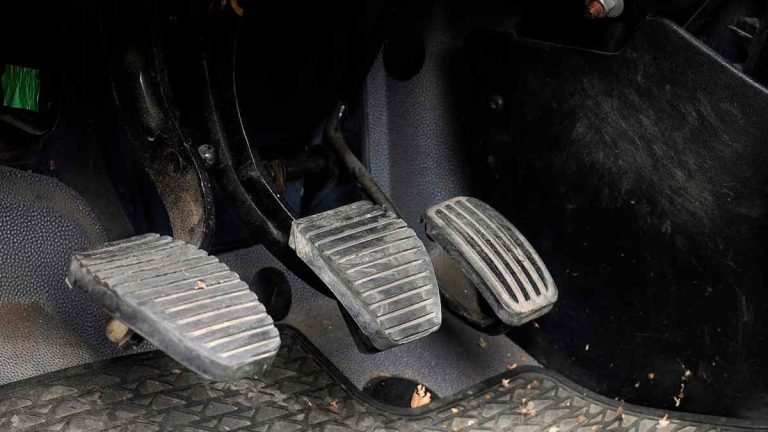
Another common symptom is a pulsating sensation when applying the brakes. Instead of smooth, consistent stopping power, you may feel the brake pedal push back slightly in rhythm with the steering wheel shake. This often occurs during controlled deceleration while driving downhill.
Pulsating brakes usually point to uneven wear or slight warping of the brake rotors. Thermal stress from repeated braking, especially on long declines, can cause rotors to expand unevenly. The uneven surface leads to momentary changes in braking force, which the driver feels as a pulse in the pedal.
Over time, pulsating brakes can reduce stopping efficiency and create an unpredictable braking experience. Early attention allows you to address rotor or pad issues before they compromise both comfort and safety. Addressing the pulsation ensures smoother braking and restores confidence while driving downhill.
Noises Accompanying The Shake
Steering wheel shakes while braking downhill are often accompanied by unusual noises. Drivers may hear squealing, grinding, or clicking sounds originating from the brake area. These noises provide clues about the condition of brake pads, rotors, and calipers.
Squealing often indicates worn brake pads, while grinding can point to metal-to-metal contact from severely worn pads or rotor damage. Clicking or knocking noises may suggest loose components, such as calipers or suspension parts, which can worsen when the braking system is under load on a decline.
Paying attention to these auditory cues alongside the steering wheel vibration helps identify the precise cause of the problem. Ignoring these sounds may lead to accelerated wear, reduced braking performance, and more costly repairs down the line. Early recognition and intervention prevent further damage and maintain reliable stopping power.
Pulling To One Side While Braking
A less obvious but important sign is the vehicle pulling to one side when braking downhill. This can occur alongside steering wheel shakes, indicating uneven braking force between the wheels. The imbalance may result from warped rotors, uneven pad wear, or brake caliper issues.
When one side of the braking system provides more resistance than the other, the car naturally drifts toward the side with less braking force. This pull can make steering more difficult and increase the risk of losing control on a decline, particularly at higher speeds.
Addressing this symptom early is essential for vehicle stability. Inspecting the brake components, ensuring calipers operate correctly, and checking rotor surfaces help restore even braking and reduce steering wheel vibrations. Proper maintenance improves downhill control and overall safety.
Changes In Vehicle Handling And Steering Feedback
Finally, noticeable changes in overall vehicle handling or steering response often accompany steering wheel shakes. The wheel may feel loose, stiff, or unpredictable while braking downhill, signaling potential issues with both braking and suspension components.
Worn tie rods, ball joints, or suspension bushings can amplify vibrations when combined with braking stress. Similarly, misaligned wheels or uneven tire wear can increase the sensation of shaking. Drivers may also experience a jerky feel when initiating a turn or slowing down.
Monitoring these changes helps differentiate between simple brake issues and more complex mechanical problems. Timely inspection and repair of both the braking system and related steering components can restore smooth handling, reduce vibrations, and ensure safer downhill driving.
Brake System Issues That Cause Shaking
Steering wheel shakes while braking downhill are often linked to underlying brake system problems. The braking system relies on precise interaction between pads, rotors, calipers, and related components to provide smooth, consistent stopping power. When any of these parts wear unevenly or fail, vibrations can transmit through the steering wheel, reducing control and driving comfort. Identifying the specific brake issues helps ensure timely repairs.
Warped Brake Rotors
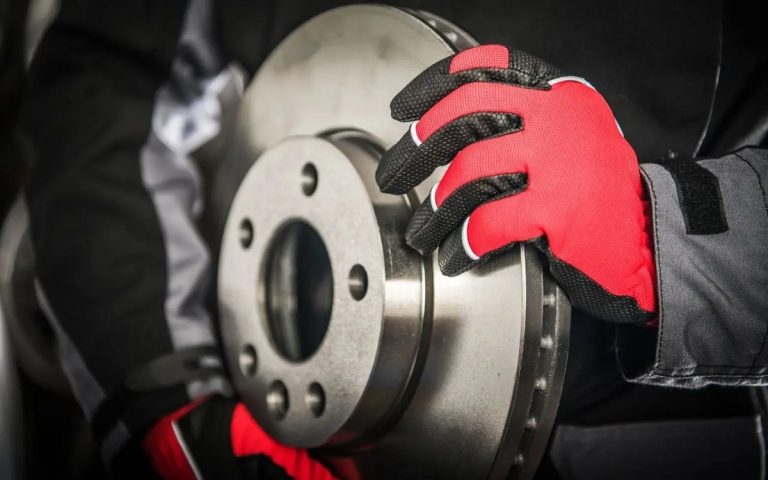
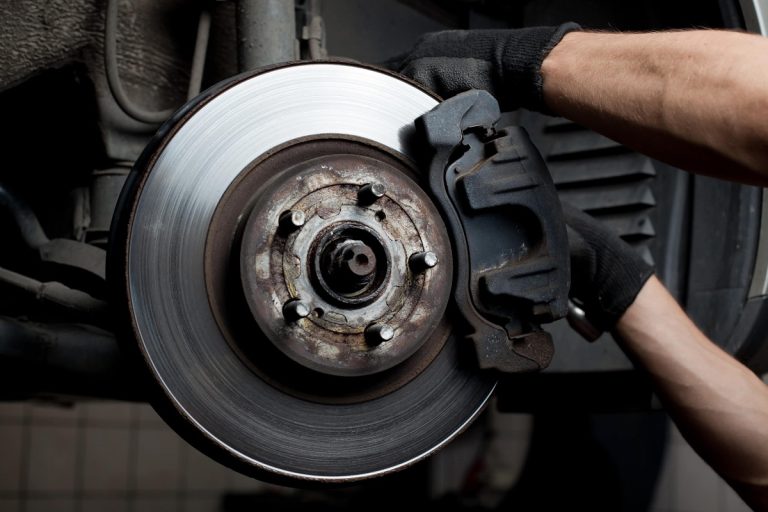
Warped brake rotors are one of the most common causes of steering wheel shaking during braking. Excessive heat from repeated braking, particularly on downhill drives, can cause the rotor surface to expand unevenly and lose its flatness. This uneven surface results in inconsistent contact between the brake pads and rotors.
When the pads meet these irregular surfaces, the braking force fluctuates, creating vibrations that travel through the steering column into your hands. Drivers may notice pulsations in the brake pedal that coincide with the steering wheel shake. Warped rotors also contribute to reduced stopping efficiency and uneven wear on the brake pads.
Addressing warped rotors typically involves resurfacing or replacement, depending on the severity of the warping. Regular inspection of rotor thickness and surface condition helps prevent excessive vibration and maintains smooth braking performance on declines.
Uneven Or Worn Brake Pads
Brake pads that are unevenly worn or of poor quality can also cause noticeable shaking when braking downhill. Uneven pad surfaces prevent uniform pressure distribution across the rotors, which disrupts smooth braking. This inconsistency translates to vibrations felt in the steering wheel.
Worn pads may also have hardened or glazed areas that reduce friction efficiency. When combined with warped rotors or heavy braking, these imperfections amplify steering wheel shake. Drivers often notice the vibration increases with speed or when applying more pressure to the brake pedal.
Replacing brake pads with high-quality, properly fitted components restores consistent contact with the rotors. Regular maintenance ensures pads wear evenly and reduces the likelihood of shaking while braking, improving both performance and safety.
Faulty Brake Calipers
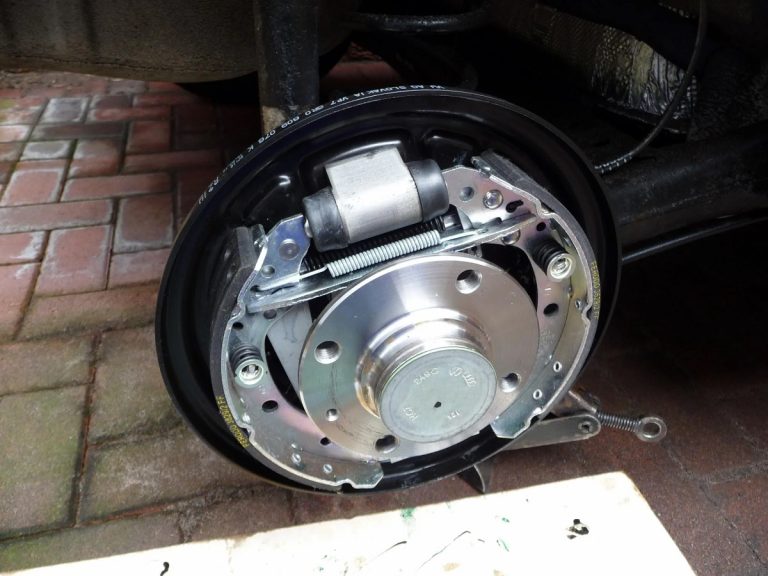
Malfunctioning brake calipers can contribute to steering wheel vibrations as well. Calipers are responsible for applying pressure to the brake pads, ensuring consistent contact with the rotors. When calipers seize, stick, or operate unevenly, braking force becomes irregular.
A sticking caliper may apply pressure more to one side of the rotor, causing the vehicle to pull slightly and produce vibrations through the steering wheel. Uneven caliper pressure can accelerate pad and rotor wear, further worsening shaking over time. Drivers may also notice uneven braking performance or a hot smell from the affected wheel.
Routine caliper inspection and maintenance are essential to ensure smooth operation. Cleaning, lubrication, and replacement of worn or damaged calipers restore even braking pressure and help eliminate steering wheel shake.
Brake Fluid Issues And Hydraulic Problems
Problems within the brake hydraulic system can also lead to vibrations during braking. Air in the brake lines, contaminated brake fluid, or leaks in the system can reduce hydraulic efficiency and create inconsistent braking force.
Inconsistent pressure prevents smooth application of the brake pads to the rotors, which can cause the steering wheel to shake, especially under heavy braking while descending a hill. Drivers may also experience a spongy brake pedal or reduced pedal responsiveness alongside the vibration.
Bleeding the brake lines to remove air, flushing old fluid, and repairing leaks are necessary to restore proper hydraulic performance. Ensuring the system maintains consistent pressure allows for smooth braking and reduces vibrations transmitted through the steering wheel.
Uneven Rotor Heating And Thermal Stress
Repeated braking on a decline can cause uneven rotor heating, even in otherwise well-maintained components. Excessive heat leads to thermal expansion differences across the rotor surface, which can temporarily warp the metal and create vibrations during braking.
Thermal stress is especially common on long downhill stretches, where brakes are applied continuously to control speed. Unevenly heated rotors expand at different rates, causing fluctuating contact with the pads. This produces a pulsing effect in the brake pedal and shaking in the steering wheel.
Allowing brakes to cool on extended descents, using engine braking, and maintaining rotor health through inspection and resurfacing can help reduce thermal stress. Proper brake system management prevents steering wheel shake and maintains consistent braking performance.
Wheel And Tire Related Causes
Steering wheel shakes when braking downhill are not always caused by the brake system alone. Wheels and tires play a significant role in maintaining stability and smooth handling. Imbalances, misalignment, or damaged components can transmit vibrations through the steering wheel, especially under braking stress. Understanding these wheel and tire issues helps identify and address the root cause of the shaking.
Wheel Imbalance
One of the most common wheel-related causes of steering wheel vibrations is wheel imbalance. When tires or wheels are unevenly weighted, they do not rotate smoothly, creating a vibration that becomes more noticeable at higher speeds and during braking.
Imbalanced wheels place uneven stress on suspension and steering components. During downhill braking, the effect amplifies as the vehicle’s weight shifts forward, increasing the load on the front tires. The driver feels this as a pulsation or shaking in the steering wheel, which may worsen the longer the issue is left unresolved.
Balancing the wheels by adding or adjusting wheel weights can eliminate this vibration. Regular wheel inspections, especially after tire replacement or rotation, help maintain even balance and prevent steering wheel shake under braking conditions.
Tire Wear And Uneven Tread
Uneven tire wear or damaged tread can also cause shaking while braking downhill. Tires with worn spots, cupping, or flat spots create inconsistent contact with the road surface, leading to vibrations through the steering wheel.
This issue is often exacerbated by prolonged braking or steep downhill driving, where more friction and load are applied to the tires. Drivers may notice the vibration is more pronounced during braking than at normal cruising speeds, indicating tire tread irregularities.
Rotating tires regularly and replacing tires with uneven wear patterns can restore even contact with the road. Proper tire maintenance, including monitoring tire pressure and alignment, reduces the likelihood of steering wheel shake and improves overall vehicle stability.
Wheel Alignment Issues
Incorrect wheel alignment is another common cause of vibrations during braking. When wheels are misaligned, tires do not track straight, causing uneven contact with the road and increased stress on the suspension system.
During downhill braking, the forward weight transfer can make misalignment more noticeable. The steering wheel may pull slightly to one side or shake as the tires struggle to maintain traction and directional stability. Misalignment also accelerates tire wear, compounding the vibration problem over time.
Regular alignment checks help ensure all wheels are correctly positioned relative to the vehicle frame. Correcting alignment not only eliminates vibration but also prolongs tire life and maintains safe handling during braking on declines.
Bent Or Damaged Wheels
Bent or damaged wheels are a less common but serious cause of steering wheel shake. A wheel that has been struck by a pothole, curb, or debris may deform slightly, creating an uneven rotation pattern.
When braking downhill, the increased pressure and friction can make the vibration more pronounced. Drivers often feel a rhythmic shaking that corresponds to the rotation of the damaged wheel. Bent wheels may also accelerate tire wear or cause stress on suspension components.
Repairing or replacing damaged wheels restores smooth rotation and eliminates the vibration. Inspecting wheels regularly for cracks, bends, or dents is essential to maintain safe vehicle operation and prevent steering wheel shake under braking conditions.
Tire Pressure Imbalance
Tire pressure imbalance can also contribute to steering wheel vibrations. When one or more tires are underinflated or overinflated, they create uneven contact with the road, reducing traction and stability.
During downhill braking, uneven pressure amplifies vibrations as weight shifts forward, causing the tires to compress inconsistently. The result is a noticeable shake in the steering wheel that may worsen with speed or during repeated braking.
Maintaining proper tire pressure according to manufacturer recommendations helps prevent this issue. Regular checks, especially before long drives or steep descents, ensure even tire performance and reduce the risk of steering wheel shake while braking.
Suspension And Steering Components Impact
Steering wheel shakes when braking downhill can often be traced to worn or damaged suspension and steering components. These systems are responsible for maintaining stability, absorbing road irregularities, and ensuring precise wheel control. When components weaken or fail, vibrations and shaking become more noticeable, especially under braking stress on a decline. Understanding the role of these parts helps diagnose the issue effectively.
Worn Tie Rods
Tie rods connect the steering rack to the wheel hubs, allowing the wheels to turn according to steering input. Over time, tie rods can wear out due to constant movement, road vibrations, and general wear and tear. Worn tie rods create looseness in the steering linkage, resulting in excessive play.
When braking downhill, the forward weight shift puts extra stress on the front suspension, amplifying the impact of worn tie rods. Drivers may feel a shaking or wobbling sensation in the steering wheel, which often corresponds with braking pressure. Uneven road surfaces or potholes can worsen this sensation by causing additional movement in the steering system.
Failing tie rods not only affect comfort but also compromise vehicle control. Replacing worn tie rods restores precise steering response, reduces vibrations, and improves overall safety, especially when descending steep slopes or applying heavy braking.
Ball Joint Wear
Ball joints act as pivot points between the control arms and the steering knuckles, allowing smooth up-and-down movement while steering. Over time, ball joints can wear out due to load stress, corrosion, or lack of lubrication.
When ball joints are worn, the wheels may move unpredictably, particularly during braking when the vehicle’s weight shifts forward. This instability manifests as steering wheel vibrations or shaking while descending hills. Drivers may also notice clunking noises or uneven tire wear, which indicates excessive movement within the suspension system.
Worn ball joints compromise handling and can accelerate wear on other suspension components. Timely replacement of damaged ball joints stabilizes wheel movement, enhances braking performance, and prevents steering wheel shake during downhill driving. Regular inspection of these critical pivot points ensures smooth vehicle operation.
Strut And Shock Absorber Degradation
Struts and shock absorbers control the vehicle’s ride height, absorb road impact, and maintain tire contact with the road. When these components degrade due to age or damage, they lose their damping ability, causing vibrations to transfer directly to the steering wheel.
During downhill braking, the forward weight shift increases the load on front struts and shocks. Weak or worn shocks fail to stabilize the vehicle, resulting in noticeable steering wheel shakes, poor handling, and longer stopping distances. Drivers may also feel the car bouncing or dipping excessively when applying brakes.
Replacing worn struts and shocks restores proper damping and weight distribution, minimizing steering wheel vibrations. Maintaining these components improves both comfort and safety, ensuring the vehicle remains stable during braking and cornering.
Loose Or Damaged Steering Rack
The steering rack converts steering wheel input into lateral movement of the wheels. Over time, worn or loose components within the rack can lead to excessive play and vibration. This issue is particularly noticeable during braking on a decline when weight transfer increases stress on the steering system.
A damaged steering rack may cause the wheel to shake or feel uneven resistance while braking. Additionally, it can contribute to pulling to one side or inconsistent steering feedback, making the vehicle harder to control. Hydraulic or power steering issues can further amplify these vibrations.
Repairing or replacing a compromised steering rack restores precise wheel control, reduces steering wheel shake, and ensures smooth handling during braking. Proper maintenance of steering components is essential to prevent dangerous handling problems.
Control Arm And Bushing Wear
Control arms connect the suspension to the vehicle frame, and bushings provide cushioning to absorb shocks and reduce vibration. Over time, bushings can wear out or crack, causing excessive movement in the suspension system.
When braking downhill, worn control arm bushings allow more play in the wheel assembly. This results in vibrations that transmit directly to the steering wheel and may cause uneven tire contact with the road. Drivers may notice additional clunking or rattling noises as the suspension moves under braking stress.
Replacing worn bushings and control arms stabilizes wheel alignment and reduces unwanted vibrations. Maintaining these suspension components ensures smoother braking performance, better handling, and improved overall steering response, especially on declines or uneven surfaces.
Diagnostic Steps To Identify The Cause
When the steering wheel shakes while braking downhill, pinpointing the root cause is critical to ensure safety and prevent further damage. Proper diagnostics involve systematically inspecting brake components, wheels, tires, and suspension systems. Understanding the sequence of checks and tests helps identify the specific issue responsible for the vibration and ensures that repairs are effective.
Visual Inspection Of Brake Components
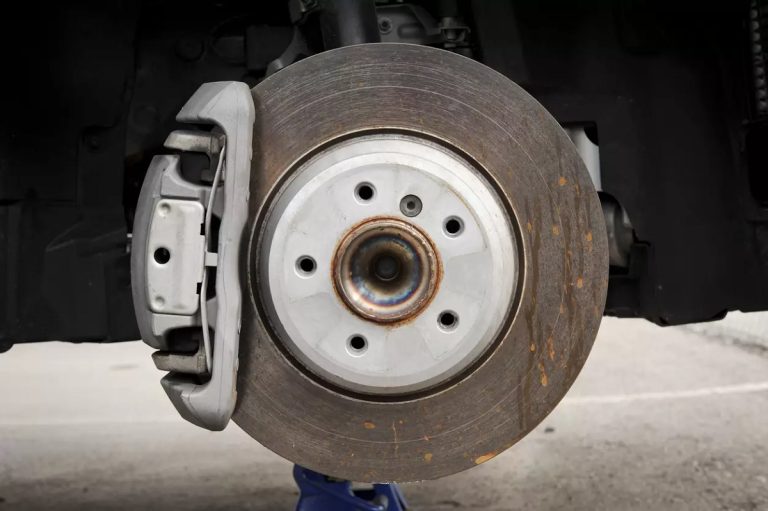
The first step in diagnosing steering wheel shake is a thorough visual inspection of the brake system. Check brake pads, rotors, and calipers for wear, damage, or uneven surfaces. Look for signs of glazing, scoring, or rust on the rotors, which can contribute to vibration during braking.
Pad thickness should be consistent across all wheels, and any worn or damaged pads should be replaced immediately. Inspect calipers for sticking, leaking, or misaligned components. Stuck calipers can cause uneven braking force and amplify steering wheel shake, especially downhill.
A visual inspection helps identify obvious problems and determines whether more detailed measurements, such as rotor thickness or runout, are necessary. This step establishes a foundation for further diagnostic actions and ensures that all brake components are functioning correctly.
Checking Wheel And Tire Condition
Wheel and tire inspections are equally important when diagnosing steering wheel vibration. Examine tires for uneven wear, flat spots, or cupping, which can result in inconsistent contact with the road. Measure tire pressure to ensure it matches manufacturer specifications, as underinflation or overinflation can contribute to shaking.
Inspect the wheels themselves for bends, cracks, or corrosion. Even minor damage can cause imbalance that becomes more pronounced under braking, especially on a decline. Balancing the wheels may be required if vibrations are present at higher speeds.
Rotation of the tires or swapping front and rear positions can help identify whether the vibration originates from a specific wheel or tire. Combining these inspections with wheel alignment checks provides a complete picture of wheel-related causes.
Suspension And Steering System Evaluation
The next step is to evaluate the suspension and steering components for wear or damage. Check tie rods, ball joints, control arms, and bushings for looseness, cracks, or excessive play. Worn components allow wheels to move unpredictably, causing steering wheel shake during braking.
Inspect shocks and struts for leaks, damage, or reduced damping ability. Weak or worn shocks fail to stabilize the vehicle, increasing the transmission of vibrations to the steering wheel. Examine the steering rack for excessive play or loose mounting points, which can also contribute to uneven steering feedback.
This evaluation often requires physically moving or lifting the vehicle to test component movement and stability. Identifying worn or damaged parts ensures targeted repairs that restore steering control and prevent recurring vibrations.
Test Drive And Brake Performance Checks
After visual and mechanical inspections, a controlled test drive helps confirm the source of the problem. Drive the vehicle downhill at varying speeds and apply the brakes gradually. Note whether the vibration appears only under braking, at specific speeds, or when turning slightly.
Brake pedal feel should also be monitored. Pulsations, sponginess, or uneven resistance often indicate rotor or caliper issues. Observing how the steering wheel responds in real driving conditions allows you to correlate physical symptoms with mechanical findings.
Combining a test drive with prior inspections ensures accurate diagnosis and helps prioritize repairs. This step verifies which components require attention and confirms whether further testing, such as rotor runout measurement or suspension alignment checks, is necessary.
Specialized Measurements And Tools
For more precise diagnosis, specialized tools may be required. A dial indicator can measure rotor runout to detect warping, while tire balancing machines identify uneven wheel weights. Suspension component play can be assessed using pry bars or alignment gauges.
Brake force tests and pressure checks may also be used to confirm caliper or hydraulic issues. These measurements provide objective data that supports visual observations and test drive findings, ensuring a comprehensive understanding of the underlying problem.
Using these diagnostic steps systematically allows you to accurately identify the cause of steering wheel shakes when braking downhill. Proper evaluation minimizes guesswork, prevents unnecessary part replacements, and ensures long-term safety and performance.
Frequently Asked Questions
Why Does My Steering Wheel Shake When Braking Downhill?
Your steering wheel shakes when braking downhill because the braking system, wheels, or suspension components may not be functioning optimally. Uneven brake rotor surfaces, worn brake pads, or warped rotors often create vibrations that travel through the steering column.
Additionally, weight transfer during downhill braking places extra stress on the front wheels and suspension. This can amplify existing issues such as loose tie rods, worn ball joints, or unbalanced wheels. Recognizing the root cause is crucial for safety, as continued driving with vibrations may lead to increased wear or compromised vehicle control.
Can Worn Brake Rotors Cause Steering Wheel Shakes?
Yes, worn or warped brake rotors are a common reason your steering wheel shakes when braking downhill. Uneven rotor surfaces prevent consistent contact between the brake pads and rotors, creating vibrations that transmit through the steering column.
Thermal stress from repeated braking on a decline can exacerbate rotor warping. Even minor imperfections in the rotor surface can cause noticeable pulsations in the brake pedal and shaking of the steering wheel. Timely inspection and resurfacing or replacement of the rotors restore smooth braking and reduce vibrations effectively.
Do Tires And Wheels Contribute To The Shaking?
Tires and wheels play a significant role in steering wheel vibrations. Uneven tire wear, flat spots, or bent wheels can cause inconsistent contact with the road surface, which becomes more noticeable during braking downhill.
Wheel imbalance or misalignment can further amplify the shaking sensation. Low or uneven tire pressure may also contribute to instability. Inspecting tires for tread damage, checking wheel balance, and maintaining proper alignment can significantly reduce steering wheel vibrations and improve overall handling.
Can Suspension Components Cause Steering Wheel Shake?
Yes, worn or damaged suspension components can contribute to steering wheel shakes when braking downhill. Tie rods, ball joints, control arms, bushings, and shocks all help maintain wheel stability and absorb road irregularities.
When these components are worn, the wheels may move unpredictably under braking, causing vibrations that transfer to the steering wheel. Loose or damaged steering rack parts can also intensify the shaking. Regular suspension inspection and replacement of worn components restore stability and improve braking performance.
Is It Dangerous To Drive With Steering Wheel Shake?
Driving with a shaking steering wheel is dangerous because it indicates a potential compromise in braking, steering, or suspension systems. Vibrations can reduce vehicle control, increase stopping distances, and accelerate wear on critical components.
Ignoring the problem may lead to uneven braking, unexpected pulling to one side, or failure of worn parts. Addressing the issue promptly ensures safer downhill driving and prevents further damage to the braking system, wheels, or suspension. Safety should always be the priority when these symptoms appear.
Can Brake Pad Wear Cause The Steering Wheel To Vibrate?
Yes, uneven or worn brake pads can cause the steering wheel to vibrate when braking downhill. If pads are excessively worn, glazed, or have inconsistent thickness, they fail to provide smooth contact with the rotors.
This uneven pressure produces pulsations in the brake pedal and shakes the steering wheel. Replacing worn brake pads with high-quality, properly fitted components restores even braking pressure, improves pedal feel, and eliminates steering wheel vibration, enhancing safety and driving comfort.
How Can I Diagnose The Cause Of Steering Wheel Shakes?
Diagnosing steering wheel shakes involves inspecting brakes, tires, wheels, and suspension systematically. Start by checking brake rotors, pads, and calipers for wear or warping. Examine tires for uneven tread, low pressure, or damage and verify wheel balance and alignment.
Next, inspect suspension components like tie rods, ball joints, control arms, bushings, and shocks for wear or looseness. A controlled test drive on a downhill slope helps confirm the source of vibration. Using these steps allows you to pinpoint the cause accurately and take corrective action to restore smooth, safe braking.
Final Words
Experiencing vibrations while braking on a slope can be alarming and impact your confidence behind the wheel. These shakes often indicate issues with the brake system, tires, or suspension components. Recognizing the signs early allows you to prevent further damage and maintain safe vehicle control. Understanding why your steering wheel shakes when braking downhill helps you pinpoint the root cause before it escalates into a more serious problem.
Ignoring this problem can lead to reduced braking efficiency, uneven wear on brake pads and rotors, and even compromised suspension components. The longer you drive with these symptoms, the higher the risk of accidents, especially on steep inclines or during emergency stops. Safety should always be a priority when dealing with brake-related vibrations.
Timely inspection and maintenance are essential to resolve steering wheel shakes when braking downhill. Regular brake checks, proper tire care, and suspension assessments can restore smooth braking performance, ensuring both safety and comfort while driving downhill.