Can You Fix a Cracked Engine Block: Solutions, Costs, and Expert Tips
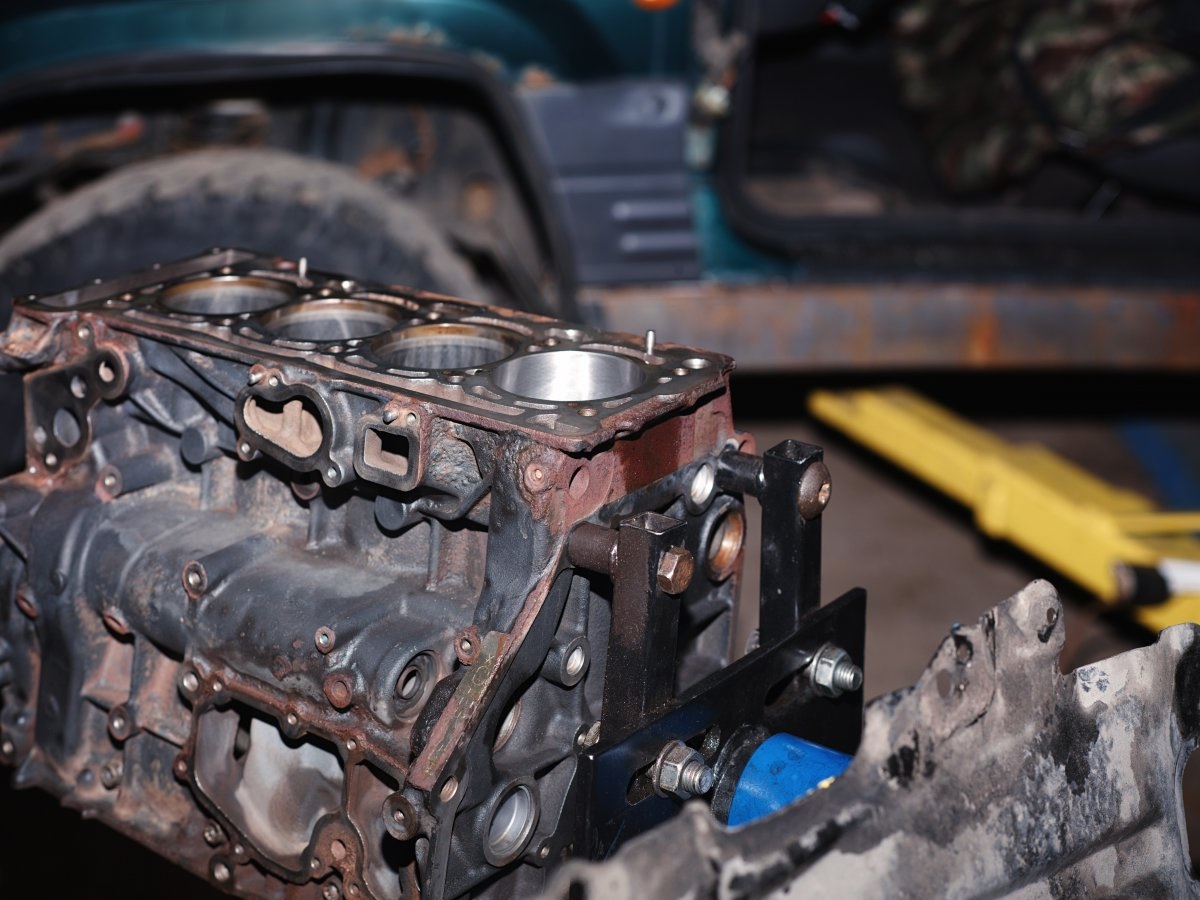
Discovering a crack in your engine block can be one of the most alarming issues for any vehicle owner. The engine block is the core of your car’s engine, housing critical components like cylinders, pistons, and coolant passages. A crack can lead to coolant leaks, oil mixing, or complete engine failure, making the car unsafe or inoperable.
The question of can you fix a cracked engine block often arises because many drivers assume it’s a catastrophic problem requiring total engine replacement. While some cracks are severe and may necessitate replacing the block entirely, others can be repaired with advanced techniques. The feasibility of repair depends on the crack’s size, location, and the materials used in the engine block construction.
Understanding the causes and repair options helps you make informed decisions. Professional assessment is crucial for ensuring that any repair maintains engine integrity, prevents leaks, and restores safe operation.
Common Causes of a Cracked Engine Block
A cracked engine block is a serious issue that can lead to engine failure, coolant leaks, and costly repairs. Understanding the common causes helps you prevent damage and recognize early warning signs before a minor problem escalates. Most cracks occur due to extreme stress, overheating, or material fatigue, and addressing these causes is key to engine longevity.
Engine Overheating
One of the most frequent causes of a cracked engine block is engine overheating. When the engine reaches temperatures beyond its design limits, the metal components expand excessively. This sudden expansion puts immense stress on the block, especially around the cylinder walls and coolant passages, increasing the likelihood of cracking.
Overheating can occur due to low coolant levels, a failing water pump, clogged radiator, or broken thermostat. Consistently running the engine hot accelerates metal fatigue and may create micro-cracks that eventually widen under normal operating pressure. Ignoring early warning signs like temperature spikes or coolant loss can turn a small issue into a major engine block crack.
Maintaining proper cooling system function and monitoring engine temperature are critical. Routine inspections of hoses, coolant, and radiator components prevent overheating and reduce the risk of cracks forming in the engine block.
Severe Engine Stress and Detonation
Extreme engine stress and detonation are also common contributors to engine block cracks. High-performance driving, over-revving, or aggressive towing can place excessive mechanical pressure on the engine. These forces can create stress fractures, particularly around cylinder walls or head gasket areas.
Detonation, or uncontrolled combustion in the cylinders, produces sharp spikes in pressure and temperature. Repeated detonation events weaken the block material, making it more prone to cracking over time. Older engines with worn components are particularly vulnerable to this type of damage.
Preventing excessive engine stress involves proper driving habits, avoiding overloading the vehicle, and addressing knocking or pinging sounds immediately. Regular maintenance, including proper ignition timing and fuel quality, helps minimize detonation and prolong engine block life.
Material Fatigue and Manufacturing Defects
Material fatigue and manufacturing defects are less common but significant causes of cracked engine blocks. Over time, repeated thermal cycling and mechanical load can weaken the metal, especially in cast iron or aluminum blocks. Small imperfections from the manufacturing process may act as stress concentrators, where cracks can initiate.
Aluminum blocks are lighter but more prone to fatigue under high heat and pressure compared to cast iron. Older engines may also develop hairline cracks from decades of wear and tear. Inspecting engines for signs of fatigue during routine maintenance can help detect early weaknesses before a catastrophic crack develops.
High-quality manufacturing, proper heat management, and avoiding excessive stress cycles can reduce the risk of cracks forming due to material fatigue. Being aware of the block material and its limitations helps in taking preventive measures.
Corrosion and Coolant Issues
Corrosion caused by improper coolant or neglecting maintenance can also lead to engine block cracks. Coolant protects the engine metal from corrosion and helps regulate temperature. When coolant is contaminated, old, or insufficient, it can create localized metal deterioration.
Corrosion weakens the structural integrity of the block, making it susceptible to cracking under normal operating pressures. Areas around the coolant passages are particularly vulnerable because constant exposure to liquid and heat accelerates degradation. Regular coolant flushes and using the correct type of coolant prevents corrosion-related cracks.
Monitoring the cooling system and replacing worn or contaminated coolant prevents both overheating and corrosion, protecting the engine block from long-term damage.
Physical Damage and Accidents
External physical damage from accidents or impacts can also cause engine block cracks. Collisions, improper engine handling during repair, or dropping engine components during installation can produce cracks that are not immediately visible.
Even minor impacts can create stress points, which may grow over time under engine heat and pressure. Inspecting the block after major accidents or during engine removal and installation is essential to identify hidden damage.
Protecting the engine from physical shocks and handling components carefully during repairs reduces the risk of cracks caused by external forces. Routine inspections following any impact ensure early detection and repair.
Signs That Indicate a Cracked Engine Block
Detecting a cracked engine block early is critical to preventing catastrophic engine failure. Cracks can lead to coolant leaks, oil contamination, and severe performance issues. Recognizing the warning signs allows you to take action promptly, either by repairing or replacing affected components. Understanding these symptoms ensures your vehicle remains safe, reliable, and prevents expensive damage from escalating.
Coolant Leaks and Overheating
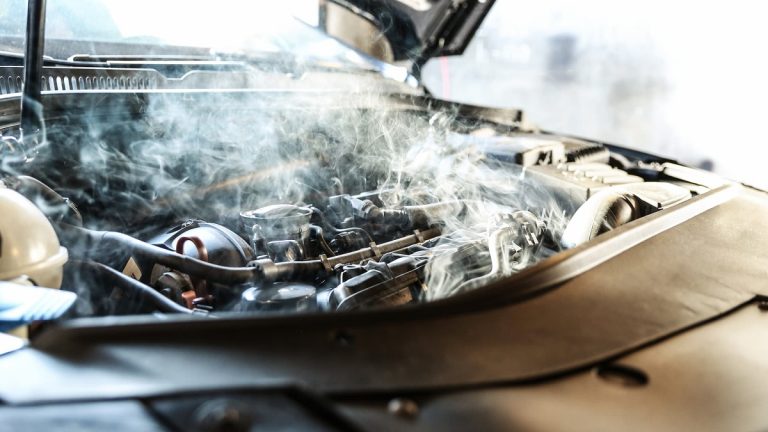
One of the most obvious signs of a cracked engine block is coolant leakage. Cracks often occur near coolant passages, allowing coolant to escape into the engine bay or mix with oil. Visible puddles under the car, low coolant levels, or steam from the engine area can indicate a compromised block.
Overheating often accompanies coolant loss. The engine temperature rises rapidly when the cooling system cannot maintain proper circulation, leading to frequent warning lights or gauge spikes. Persistent overheating not only damages gaskets and hoses but also worsens existing cracks, expanding them further.
Monitoring coolant levels regularly and inspecting for leaks around the block and radiator connections helps detect early signs of a crack. Immediate attention to coolant issues can prevent severe engine damage and maintain performance.
Oil Contamination and White Smoke
Cracks that connect oil passages to coolant channels or the combustion chamber often result in contaminated oil. Milky, frothy oil or a noticeable oil-coolant mix in the reservoir is a key warning sign. Oil contamination reduces lubrication, increasing wear on internal engine components and potentially leading to catastrophic failure.
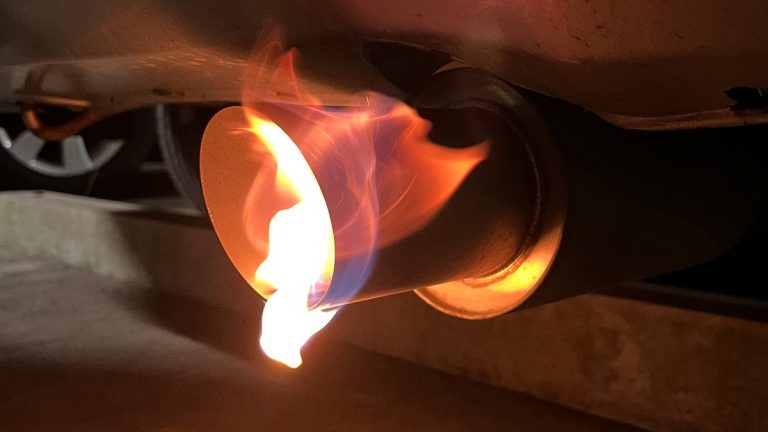
Additionally, a cracked engine block can cause white smoke to emerge from the exhaust. Coolant entering the combustion chamber produces dense, white vapor, often with a sweet smell. Continuous white smoke during startup or operation is a strong indicator of a crack.
Regular oil checks, both visually and through dipstick inspection, allow you to catch contamination early. Detecting these symptoms quickly reduces the likelihood of extensive engine damage and gives you options for repair before total failure occurs.
Loss of Engine Performance
A cracked engine block can significantly affect engine performance. Coolant or oil leaks, compression loss, and internal pressure issues can result in rough idling, reduced power, and poor acceleration. Misfires or unusual knocking sounds during operation may also occur.
Compression tests can reveal abnormal readings in affected cylinders, helping confirm a crack. Lowered engine efficiency, difficulty starting, or overheating combined with performance issues are strong signs that the block may be compromised.
Monitoring engine behavior and noticing subtle changes early allows for proactive maintenance. Addressing performance drops alongside other warning signs ensures you can take corrective measures before damage becomes irreversible.
Visible Cracks and Physical Inspection
In some cases, a cracked engine block can be detected visually. Surface cracks may appear on cast iron blocks, around the cylinder head, or near mounting points. Aluminum blocks often require careful inspection, as cracks can be smaller or hidden beneath layers of grime or paint.
Professional inspection tools, such as dye penetrant or magnetic particle testing, can reveal hidden cracks. Physical damage from accidents or severe overheating can also make cracks more visible. Regularly checking the engine during maintenance helps identify these issues early.
Visual inspection combined with other warning signs, like leaks and performance drops, ensures a comprehensive approach to detecting a cracked block. Catching cracks before they worsen can save significant repair costs.
Unusual Noises
Knocking, ticking, or pinging noises after the engine has been running or following a shutdown can indicate a compromised engine block. Cracks may allow movement or vibration in components that are normally stable, producing abnormal sounds.
These noises often coincide with thermal cycling—when the engine heats up and cools down—which stresses the metal further. Persistent or increasing unusual noises are strong indicators that a professional evaluation is necessary to prevent catastrophic engine failure.
Paying attention to abnormal engine sounds, along with other signs like leaks and smoke, gives you a complete picture of potential block damage. Early detection through auditory cues helps prioritize repairs and maintain engine reliability.
Methods to Fix a Cracked Engine Block
A cracked engine block is a serious issue, but in many cases, it can be repaired depending on the location and severity of the crack. Understanding the available repair methods allows you to make an informed decision about whether to attempt a fix or replace the block entirely. Proper repair ensures engine integrity, prevents leaks, and restores reliable performance.
Welding Repairs
Welding is a common method for repairing cracks in cast iron or aluminum engine blocks. The process involves cleaning the damaged area, preheating the metal to reduce thermal shock, and carefully welding the crack using specialized rods or filler material.
For cast iron blocks, nickel-based rods are typically used to ensure a strong bond, while aluminum blocks require careful preheating and controlled cooling to prevent further cracking. Post-weld machining may be necessary to restore smooth surfaces and proper tolerances, especially in areas around cylinder walls or mounting points.
While welding can restore structural integrity, it requires skilled technicians and the right equipment. Improper welding can lead to further cracks, warping, or weakened metal. Regular inspection after welding ensures the repair holds under operating pressures.
Epoxy and Metal-Filler Solutions
For minor cracks or surface-level damage, epoxy or metal-filler compounds offer a non-invasive repair option. These products bond to the cracked area, sealing leaks and restoring partial structural strength.
The repair process involves thoroughly cleaning the crack, applying the filler, and allowing it to cure fully. Some high-temperature epoxies are designed to withstand engine heat, oil, and coolant exposure. While not suitable for high-pressure areas or severe cracks, this method is cost-effective for smaller leaks or temporary fixes.
Epoxy solutions require proper surface preparation and curing time to ensure durability. Regular monitoring is recommended, as extreme heat or pressure may eventually degrade the bond. This method is often combined with other maintenance steps to prolong engine life.
Engine Block Sleeving or Inserts
For cracks around cylinder walls, engine block sleeving is a specialized repair method. Damaged cylinder areas are machined out, and metal sleeves or inserts are installed to restore cylinder integrity.
Sleeving not only repairs the crack but also restores proper bore size and ensures smooth piston movement. This method is commonly used in high-performance or classic engines where full block replacement is impractical. Professional machining ensures proper alignment, sealing, and compatibility with pistons and rings.
While more complex than epoxy or welding, sleeving provides a long-term solution for cylinder-related cracks. It preserves engine performance and reliability while maintaining the original block, making it a preferred choice for certain repairs.
Complete Engine Block Replacement
In cases of severe cracking, widespread damage, or structural compromise, full engine block replacement may be the safest and most reliable option. Replacing the block eliminates the risk of recurring cracks and ensures all critical areas are structurally sound.
Block replacement involves removing the old engine, sourcing a compatible new or refurbished block, and transferring internal components such as pistons, crankshaft, and camshaft. This method guarantees long-term reliability and restores the engine to near-new condition.
Although costlier and labor-intensive, replacing the block may be more practical than repeated repairs in heavily damaged engines. It is often the only option for cracks that affect multiple critical areas, including the main bearing saddles or cylinder walls.
Preventive Measures After Repair
After any repair, preventive measures help ensure the crack does not recur. Proper cooling system maintenance, avoiding engine overheating, and monitoring oil and coolant levels reduce thermal stress on the block.
Regular inspections of engine mounts, belts, and gaskets also prevent excessive mechanical stress. Careful driving habits, avoiding over-revving or overloading, further reduce the likelihood of future cracks.
Following repair with preventive maintenance extends engine life and maximizes the reliability of welding, epoxy, sleeving, or block replacement repairs. This proactive approach ensures that repaired engine blocks remain safe and functional over the long term.
Preventive Measures to Avoid Engine Block Cracks
Preventing engine block cracks is far more effective and cost-efficient than repairing them after they occur. Cracks often develop due to overheating, excessive stress, or material fatigue. Implementing preventive measures, maintaining engine systems, and monitoring driving habits can significantly reduce the risk of cracks, prolong engine life, and maintain optimal performance.
Maintain Proper Cooling System Function
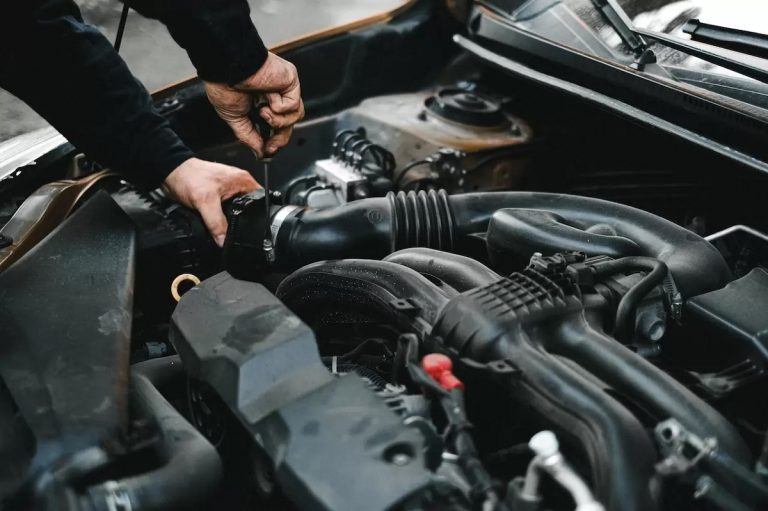
One of the most important preventive measures is ensuring the cooling system operates efficiently. Overheating is a leading cause of engine block cracks, so maintaining coolant levels, checking hoses, and inspecting the radiator and thermostat are essential.
Regular coolant flushes prevent corrosion and deposits that could block passages, reducing heat transfer efficiency. Ensuring the water pump functions correctly and that the cooling fan engages at the right time helps regulate engine temperature. Monitoring engine temperature during operation alerts you to abnormal spikes before damage occurs.
Proper cooling system maintenance keeps thermal stress within safe limits, preventing cracks in cylinder heads, coolant passages, and the block itself. Early attention to potential cooling issues protects the engine and reduces repair costs over time.
Regular Oil Changes and Lubrication
Consistent oil changes with manufacturer-recommended oil types and viscosities help prevent internal engine wear, which can contribute to block cracking. Proper lubrication reduces friction and heat buildup, protecting pistons, valvetrain components, and cylinder walls.
Worn or contaminated oil increases internal temperatures, promoting thermal stress and metal fatigue. Maintaining oil cleanliness and proper levels ensures even cooling and prevents localized overheating that could trigger cracks. Hydraulic lifters and other moving parts also rely on proper oil flow to settle safely after engine shutdown.
By adhering to a strict oil maintenance schedule, you reduce internal mechanical stress, maintain engine integrity, and minimize the risk of cracks forming in high-pressure areas of the block.
Avoid Excessive Engine Stress
Excessive mechanical stress is another factor that contributes to engine block cracks. High-revving, aggressive acceleration, heavy towing, or overloading can strain the engine beyond its design limits.
Driving habits play a significant role in reducing this risk. Gradually warming up the engine, avoiding sudden RPM spikes, and limiting prolonged heavy loads minimize stress on critical areas such as cylinder walls and head gaskets. Repeated stress cycles can lead to fatigue cracks, which worsen over time under thermal and mechanical pressure.
Maintaining smooth driving practices ensures engine components operate within safe tolerances, reducing the likelihood of cracks and preserving long-term engine reliability.
Inspect Engine Components Regularly
Routine inspection of engine mounts, gaskets, and other structural components helps identify wear or misalignment that could contribute to cracking. Loose mounts allow excessive engine movement, transferring stress to the block and surrounding hardware.
Regularly checking for leaks, unusual noises, or vibration patterns can detect early warning signs of stress or fatigue. Addressing minor issues such as worn bolts, degraded mounts, or misaligned components prevents cracks before they develop.
A proactive approach to inspection maintains engine stability, protects internal components, and reduces the risk of cracks from mechanical stress or vibrations over time.
Use Quality Parts and Fluids
Using high-quality replacement parts and fluids is essential to avoid engine block cracks. Components such as gaskets, mounts, bolts, and cooling system parts should meet OEM specifications to ensure proper fit and durability.
High-quality fluids maintain consistent temperature control, lubrication, and corrosion protection. Cheap or incompatible parts may fail prematurely, increasing stress on the engine block. Properly sourced materials combined with maintenance routines strengthen the engine’s resilience against thermal and mechanical pressures.
People Also Asked
Can You Fix A Cracked Engine Block?
Yes, in many cases, you can fix a cracked engine block, but the method depends on the crack’s location and severity. Minor cracks in non-structural areas can sometimes be repaired using welding, metal stitching, or high-temperature epoxy.
You should know that not all cracks are repairable. Major structural cracks, especially in the cylinder walls or main bearing areas, often require engine replacement. Consulting a professional mechanic is essential to determine whether a repair will be safe and reliable or if replacement is the better long-term solution.
What Are The Common Methods To Repair A Cracked Engine Block?
There are several methods to repair a cracked engine block depending on the material and crack type. Welding is common for cast iron blocks, while metal stitching can repair aluminum and other materials without overheating the block. High-temperature epoxy sealants are sometimes used for smaller leaks or non-critical cracks.
You should carefully assess the crack before deciding on a repair method. Professional repair shops have the tools and experience to choose the most effective approach, ensuring long-term durability and minimizing the risk of repeat damage.
How Much Does It Cost To Fix A Cracked Engine Block?
The cost to fix a cracked engine block varies widely based on the repair method and severity. Minor repairs using epoxy or metal stitching may cost a few hundred dollars, while professional welding or machining can reach over a thousand dollars.
You should also consider labor costs and the potential need for replacement parts. In some cases, the repair cost approaches the price of a replacement engine, making engine replacement a more practical solution. Comparing repair versus replacement ensures you get the best value.
Can A Repaired Engine Block Be Trusted Long-Term?
A properly repaired engine block can last for years, but long-term reliability depends on the crack’s location, repair quality, and post-repair maintenance. Repairs in non-critical areas tend to be more durable, while structural cracks carry higher risk even after repair.
You should follow all maintenance recommendations, including regular oil changes and monitoring coolant levels. Using a reputable repair shop and high-quality materials also improves longevity. While a repaired block can perform well, you should always be vigilant for unusual noises or leaks.
Are All Cracks In An Engine Block Repairable?
No, not all cracks are repairable. Small cracks in peripheral areas or non-load-bearing sections may be fixed, but cracks in cylinder walls, main bearing areas, or highly stressed sections often require engine replacement.
You should have a professional assess the block using methods like pressure testing, dye penetrant inspection, or X-ray imaging. Attempting to repair a critical crack yourself can result in catastrophic engine failure. Proper diagnosis ensures safety and avoids costly mistakes.
How Can You Prevent Cracks In Your Engine Block?
Preventing cracks involves proper engine care and avoiding overheating or excessive stress. Regular maintenance, timely oil changes, and keeping the cooling system in good condition reduce the risk of thermal shock and material fatigue.
You should also avoid aggressive driving, over-revving, or running the engine with low coolant or oil. Ensuring the engine operates within safe temperature ranges protects the block and internal components. Proper care not only prevents cracks but extends overall engine life.
Final Thoughts
Dealing with a damaged engine block can be one of the most stressful situations for any vehicle owner. A cracked engine block can cause coolant leaks, oil contamination, and reduced engine performance, making prompt assessment essential. Understanding the extent and location of the crack is crucial in deciding the best repair approach.
The question of can you fix a cracked engine block depends on several factors, including the severity of the crack, the type of metal, and the area affected. Minor cracks in non-critical areas can sometimes be repaired using welding, epoxy compounds, or cylinder sleeving, while extensive damage may require full engine block replacement. Professional evaluation ensures the repair maintains engine integrity and prevents further damage.
Taking preventive measures after repair, such as proper cooling system maintenance, regular oil changes, and avoiding excessive engine stress, helps extend the life of a repaired block. Knowing the options available for can you fix a cracked engine block empowers vehicle owners to make informed decisions, protect their engines, and avoid costly failures in the future.